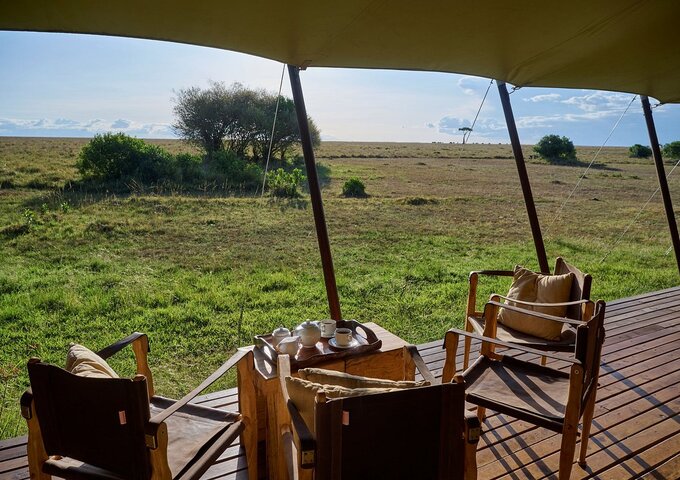
3-day Masai Mara safari tours offer accommodation ranging from budget-friendly tented camps (often just outside the park) to luxury lodges within the reserve. Options include budget camping/tented camps, mid-range lodges, and luxury tented camps, typically offering full-board meals. Common choices include tented camps like Sekenani Camp, AA Lodge, and Mara Sopa Lodge.
Choosing the right base for your Masai Mara safari is the difference between a simple place to sleep and an immersive wilderness experience. Here is a detailed breakdown of the three primary accommodation tiers to help you decide which fits your style and budget.
3-days-fly-in-masai-mara-safari-tour-package
3-days-budget-masai-mara-safari-tour-package-itinerary
3-days-masai-mara-national-reserve-kenya-safari-tour-package
3-days-luxury-masai-mara-kenya-honeymoon-safari-vacation
1. Budget Accommodation
The Practical Gateway
Budget accommodations in the Masai Mara ecosystem are designed for travelers who prioritize the safari experience—the game drives and wildlife sightings—over high-end room amenities. These properties are almost exclusively located outside the official park boundaries, often in the bustling "Talek" or "Sekenani" gate areas. By staying outside the park, these lodges avoid expensive daily park concession fees, allowing them to pass those savings on to you.
What to Expect
You’ll typically find fixed canvas tents built on concrete or wooden platforms. While "budget" implies simplicity, it doesn't usually mean "roughing it" in the traditional sense. Most options, like AA Lodge, provide:
- Twin or double beds with mosquito netting.
- En-suite bathrooms with flush toilets and hot showers (though water may be solar-heated and available at specific times).
- Standard buffet-style meals served in a communal dining hall.
The Trade-off
The primary compromise is the commute. Because you are outside the reserve, you must wait for the park gates to open (usually at 6:00 AM) and ensure you are back outside before they close at dusk. This can add 20–30 minutes of driving before you reach the prime wildlife viewing areas. Additionally, these lodges tend to be larger and can feel a bit more "commercial" and crowded during peak migration months. However, for a traveler looking to see the Big Five without a four-figure nightly price tag, budget lodges offer incredible value and a clean, safe place to recharge.
2. Mid-Range Accommodation
The "Sweet Spot" of Comfort
Mid-range accommodations strike a balance between cost-efficiency and authentic safari charm. These properties are often strategically located on the border of the park or within private conservancies. Options like Mara Sopa Lodge or Simba + Oryx Nature Camp offer a significant step up in architectural character and "bush feel."
What to Expect
In this category, the focus shifts toward aesthetics and relaxation. You will find more permanent structures—like the stone-built, traditional-style cottages (rondavels) at Mara Sopa—or beautifully furnished "glamping" tents.
- Facilities: Most mid-range lodges feature swimming pools, beautifully landscaped grounds, and evening campfires where guests gather for drinks.
- Dining: The food is generally more varied, often including a mix of international cuisines and local Kenyan dishes, with better attention to dietary preferences.
- The Experience: These camps are often unfenced or have very subtle barriers, allowing smaller wildlife (like bushbucks or monkeys) to wander through the grounds, giving you a closer connection to nature.
Why Choose Mid-Range?
This tier is perfect for couples or families who want a "classic" African safari experience. You get the en-suite luxury of a hotel room but with the soul of the savannah. The proximity to the gates is usually superior to budget options, allowing for slightly earlier starts and later finishes on your game drives. It feels like a vacation, not just a trip.
3. Luxury/Upmarket Accommodation
The Ultimate Wilderness Immersion
Luxury accommodation in the Mara is less about "gold faucets" and more about exclusive access and intimacy. These properties, such as Governor’s Camp or Sand River, are typically located inside the reserve or within private, high-end conservancies. This location is their greatest asset: you are already in the heart of the action when you wake up.
What to Expect
Luxury camps are often smaller (8–15 tents), ensuring a private, personalized atmosphere.
- The Tents: These are sprawling suites under canvas, featuring mahogany furniture, high-thread-count linens, and "safari chic" decor. Bathrooms often include claw-foot tubs or outdoor rainfall showers.
- Service: Expect a high staff-to-guest ratio. You’ll often have a dedicated butler, and your guides are usually the most experienced in the industry.
- Dining: Forget buffets. Dining is an "event," often featuring multi-course plated meals, sundowners in the bush, and breakfast set up under an acacia tree in the middle of the plains.
The "Inside" Advantage
Staying inside the park means you can reach the river crossing points or the big cat territories before the crowds arrive from the outside gates. Furthermore, luxury camps in private conservancies offer activities forbidden in the main reserve, such as guided bush walks and night game drives. While the price point is high, you are paying for the silence of the bush, the lack of other tour vans, and the ability to hear a lion’s roar from your bed at midnight. It is a seamless blend of high-end hospitality and raw, untamed nature.
Keny considerations when choosing accommodation in Masai mara
Selecting the right accommodation in the Masai Mara is a strategic decision that directly impacts the quality of your wildlife sightings, your daily comfort, and your overall budget. Beyond just the "stars" or price tag, these four key considerations are essential for planning a successful safari.
1. Location: National Reserve vs. Private Conservancies
The Choice Between Accessibility and Exclusivity
The Masai Mara is divided into the National Reserve (the public-access center) and surrounding Private Conservancies (lands owned by local Maasai communities and leased to safari operators).
- The National Reserve: This is the heart of the action, especially during the Great Migration. Staying inside the reserve means you are closest to the famous Mara River crossing points. However, the reserve is open to all, meaning popular sightings can become crowded with dozens of vehicles. There are also strict rules: no off-roading, no night drives, and no walking safaris.
- Private Conservancies: Areas like Mara North, Olare Motorogi, or Naboisho offer a more exclusive "private park" feel. The number of tents and vehicles is strictly limited, ensuring you rarely see another car at a sighting. Crucially, conservancies allow for night drives and guided bush walks, which are forbidden in the main reserve. While usually more expensive, the intimacy and flexibility of a conservancy often provide a superior, low-density wildlife experience.
2. Timing and Proximity to the Migration
Strategic Placement for the Great Herd
If you are visiting between July and October, your choice of accommodation must be dictated by the Great Migration. The Mara is vast, and a lodge located in the far East (near Sekenani Gate) could be a three-hour drive from the river crossings in the West.
- River Crossing Focus: For those wanting to witness the dramatic wildebeest crossings, staying in the Mara Triangle or the Musiara Marsh area is essential. Lodges like Governor’s Camp or Mara Serena are positioned so that you can reach the riverbanks within minutes, rather than hours.
- The "Green Season" (November – May): During these months, the migration has moved back to the Serengeti. Location becomes less about the river and more about resident wildlife. Central Mara remains excellent year-round for big cats, while the southern areas near the Serengeti border are fantastic for the "baby boom" and predator action in January and February. Choosing a camp with year-round resident pride territories ensures great sightings regardless of the migration's status.
3. Logistics: Drive-In vs. Fly-In Safaris
How You Get There Defines Where You Stay
How you intend to arrive in the Mara significantly influences which lodge is practical for you.
- The Fly-In Experience: For many luxury travelers, taking a 45-minute flight from Nairobi’s Wilson Airport to a local airstrip (like Ol Kiombo or Keekorok) is preferred. In this case, you should choose a camp that provides shared open-sided safari vehicles and professional camp guides. This saves you from the 6-hour bumpy drive from Nairobi and allows you to use the more specialized "safari-spec" vehicles provided by the lodge.
- The Drive-In (Road Safari): If you are booking a private safari with your own vehicle and driver-guide from Nairobi, you have more flexibility to stay at lodges further from the airstrips. However, you must consider the gate location. Staying at a lodge near the Sekenani or Talek gates is ideal for road travelers, as it minimizes the time spent navigating traffic and allows for a smoother entry into the park each morning.
4. Operational Style: Large Lodges vs. Small Tented Camps
Atmosphere and Personalization
The physical structure of your accommodation changes the "soul" of your trip.
- Large Safari Lodges: These are permanent structures, often with 50 to 100 rooms. They offer hotel-like amenities: large swimming pools, expansive buffets, gym facilities, and gift shops. They are excellent for families with young children or travelers who feel more secure in a solid building. The trade-off is that they can feel less "wild" and more like a resort.
- Small Tented Camps: Usually hosting only 6 to 12 tents, these offer total immersion. You are separated from the African night only by a layer of canvas and a mosquito net, allowing you to hear the hippos in the river or the "sawing" sound of a leopard nearby. These camps often have a communal dining table where guests share stories with guides, fostering a more educational and intimate atmosphere. For those seeking the "authentic" Hemingway-style safari, a small tented camp is the gold standard.
3 Days Masai mara safari lodges
The Masai Mara National Reserve remains Africa’s quintessential safari destination, offering a breathtaking theatre of golden savannahs and unparalleled predator action. For travelers with limited time, a focused 3-day itinerary provides a high-impact immersion into this ancient ecosystem. The key to a successful short stay lies in selecting lodges that offer both strategic proximity to wildlife hotspots and a sanctuary for relaxation between game drives.
Whether you choose to stay in the heart of the reserve for immediate access to the Mara River or opt for the exclusivity of a private conservancy, these three days are designed to maximize your sightings of the Big Five. From the moment you touch down on the dusty airstrip or drive through the iconic park gates, the rhythm of the wild takes over. This 3 days Masai mara itinerary balances dawn-to-dusk exploration with the refined hospitality of the Mara’s premier lodges, ensuring every sunrise and sundowner is unforgettable.
Day 1: Arrival and The First Encounter
Upon arrival and a warm welcome at your chosen lodge, the adventure begins with a late afternoon game drive. This is the perfect introduction to the Mara’s vast scale. As the midday heat dissipates, the plains come alive; you’ll likely spot herds of elephants moving toward water sources and towers of giraffes silhouetted against the acacia trees. Your guide will focus on the "resident" pride of lions, often found lounging on rocky outcrops (kopjes) or under the shade of bushes. As the sun begins to set, painting the sky in vibrant hues of orange and purple, you’ll enjoy your first "sundowner" in the bush. Returning to the lodge, the evening is spent around a roaring campfire, listening to the distant calls of hyenas and the rhythmic sounds of the African night before a gourmet dinner under the stars.
Day 2: The Heart of the Mara
Today is dedicated to a full-day exploration, venturing deep into the reserve toward the Mara River. With a packed picnic breakfast or lunch, you have the flexibility to follow the movement of the Great Migration or track elusive leopards in the riverine forests. If visiting during the migration season, you may spend hours positioned near a crossing point, witnessing the tension and drama of thousands of wildebeest braving crocodile-infested waters. Even outside of migration months, the river banks are teeming with massive pods of hippos and basking Nile crocodiles. This extended time in the field allows your guide to interpret complex animal behaviors, from cheetah hunts to the intricate social structures of baboon troops. You’ll return to the lodge in the late afternoon, perhaps for a refreshing dip in the pool or a spa treatment to unwind after a thrilling day of tracking.
Day 3: Golden Hour and Departure
Your final day begins with a pre-dawn wake-up call for a "Golden Hour" game drive. This is the most productive time for photography and for spotting predators—such as lions or leopards—returning from their nightly hunts before the sun gets too high. The cool morning air is filled with birdsong, and the soft light provides a magical perspective on the landscape. For many, this is also the perfect opportunity for an optional hot air balloon safari, drifting silently over the plains as the sun rises. Following a final bush breakfast, you will enjoy a slow game drive back toward the airstrip or park gate. Even in these closing hours, the Mara often provides one last surprise—perhaps a rare rhino sighting or a playful cub—ensuring your departure is filled with the enduring magic of the savannah.
Understanding the nuances of safari accommodation is essential for setting the right expectations for your journey. Here is a detailed breakdown of the frequently asked questions regarding stays during a 3-day Masai Mara safari.
What types of accommodation are included in a 3 days Masai Mara safari tour?
Options range from budget-friendly tented camps with shared bathrooms to mid-range lodges and luxury, fully equipped, en-suite safari tents.
The Masai Mara offers a diverse spectrum of lodging designed to cater to different financial plans and comfort requirements. At the entry level, budget-friendly tented camps provide a functional and authentic "bush" experience. These are often located just outside the park gates, featuring simple canvas structures with twin or double beds. While some budget options utilize shared bathroom facilities to keep costs low, many have upgraded to private, basic en-suites.
Moving into the mid-range category, you will find a significant jump in amenities. These lodges and camps focus on "comfort in the wild," offering permanent flooring, more substantial furniture, and full-service dining rooms. Finally, luxury accommodations redefine the safari experience. These are often "boutique" in nature, featuring expansive, high-end canvas suites that rival five-star hotel rooms. They include premium linens, designer furniture, and personalized service, such as private butlers. The choice between these tiers usually dictates the "vibe" of your 3-day trip—whether it feels like a rugged adventure, a comfortable vacation, or a high-end retreat.
Are the 3 days Masai Mara safari tour accommodations usually inside the park?
Yes, many lodges and camps are located inside the reserve, but others are just outside in conservation areas.
The location of your stay is perhaps the most strategic decision of your safari. Staying inside the National Reserve offers the distinct advantage of "first tracks." Since you are already within the park boundaries, you can begin your game drive the moment you leave your tent at dawn, which is the most productive time for predator sightings. This eliminates the need to queue at the park gates and allows you to stay out until the very last moment of legal daylight.
Conversely, many excellent accommodations are situated just outside the reserve, either in bustling gateway towns like Talek or within private conservancies. These outside options are often more competitively priced and offer a different perspective on the landscape. Private conservancies, in particular, provide a "middle ground" where you are technically outside the National Reserve but within a protected area that actually has stricter limits on vehicle numbers. This often results in a more private, exclusive wildlife viewing experience while still being only a short drive from the main reserve's iconic river crossing points.
What is the difference between lodges and camps on a 3 days Masai Mara safari tour?
Lodges are permanent concrete structures with amenities like pools, while camps (like Porini Conservancy Camp) offer canvas tents for a closer nature experience.
The distinction between a "lodge" and a "camp" primarily concerns the architecture and the level of immersion. Lodges are permanent, solid structures. They often resemble traditional hotels but with African-inspired design elements. Because they are built with stone or timber, they offer excellent insulation from the heat and noise. Lodges are typically larger, accommodating more guests, which allows them to provide extensive facilities like swimming pools, large buffet halls, multiple bars, and fenced-in grounds that make them popular for families with young children.
Camps, on the other hand, are dominated by canvas. Even "permanent" camps use heavy-duty safari tents set on raised wooden or concrete platforms. The primary appeal of a camp is the sensory experience. A canvas wall allows the sounds of the African night—the "sawing" of a leopard, the hippo’s grunt, or the wind in the grass—to filter through, creating a profound connection to the environment. While "luxury camps" can be even more comfortable than lodges, they maintain a smaller footprint and a more intimate, "safari-authentic" atmosphere.
Are meals provided at the 3 days Masai Mara safari tour accommodation?
Yes, accommodation usually includes full-board meals (breakfast, lunch, and dinner).
In the remote wilderness of the Masai Mara, "full-board" is the standard operating procedure. Because there are no local restaurants or grocery stores once you are in the bush, your accommodation acts as your sole provider for all sustenance. Most 3-day tours include breakfast, lunch, and dinner, often with afternoon tea or "sundowner" snacks included.
- Breakfast: Usually served early to facilitate morning game drives. It may be a full buffet at a lodge or a "bush breakfast" packed in boxes if you plan to stay out in the field.
- Lunch: Often a relaxed affair at the lodge, featuring fresh salads, meats, and local vegetables. On full-day drives, your guide will set up a picnic lunch under an acacia tree.
- Dinner: The culinary highlight. At lodges, this is often a themed buffet. At smaller tented camps, it is frequently a three-course plated meal served in a communal dining tent or under the stars.
Most accommodations are very adept at handling dietary restrictions, such as vegetarian, vegan, or gluten-free requirements, provided they are notified in advance during the booking process.
Do the 3 days Masai Mara safari tour tents have en-suite bathrooms?
Most mid-range and luxury camps offer en-suite tents with hot showers and flush toilets, though some budget options may differ.
Modern safari engineering has evolved to ensure that "camping" does not mean sacrificing hygiene. In the vast majority of mid-range and luxury camps, your tent will feature a private, en-suite bathroom located at the rear of the tent, separated by a canvas flap or wooden door. These bathrooms are surprisingly sophisticated, equipped with porcelain flush toilets, vanity mirrors, and hot water showers.
In more traditional or "eco-friendly" camps, you might encounter the "bucket shower." This is a classic safari feature where staff fill a bladder with hot water upon your request; you then control the flow via a showerhead inside your tent. It provides a surprisingly high-pressure, hot wash and is considered a quintessential part of the safari heritage. Only in the most basic "backpacker" style budget camps would you find shared bathroom blocks located away from the sleeping quarters. For a standard 3-day tour, you can almost always expect the privacy and convenience of your own bathroom facilities.
Can I stay in a luxury tented camp during a 3 days Masai Mara safari tour?
Yes, luxury options like Mara Bushtops or Little Governors offer high-end comfort.
Luxury is a major component of the Masai Mara's hospitality industry. If you choose to upgrade your 3-day tour, you can stay at world-renowned properties like Mara Bushtops or Little Governors. These "tents" are more akin to canvas villas. They are designed with high-quality hardwoods, plush king-sized beds, and often include private decks with telescopes for wildlife viewing.
The luxury experience extends far beyond the room. It includes personalized itineraries, where you are not tied to a group schedule but can decide your game drive times with your private guide. It also includes "extra" touches like a personal butler who will have a hot bath waiting for you after a dusty game drive, or fine-dining experiences featuring premium wines and spirits. Staying in a luxury camp turns a 3-day safari into a seamless, pampered journey where the logistics of the bush are handled entirely behind the scenes, leaving you free to focus solely on the wildlife and the scenery.
Is there electricity at the 3 days Masai Mara safari tour camps?
Most camps have electricity, often provided by generators or solar power, with charging points in the tents or main area.
Managing power in the middle of a wildlife reserve is a logistical feat, but most camps have mastered it. Most mid-range and luxury camps utilize a combination of solar power and backup generators. You can typically expect 24-hour lighting in your tent. However, because solar batteries have limits, high-wattage appliances like hair dryers are often discouraged or only allowed at specific times when the generator is running.
For charging electronics, most tents are equipped with universal power outlets or USB ports. In some more remote or budget-oriented "eco-camps," you may find that power is only available in the "Mess Tent" or common lounge area during specific hours (usually during meals). It is always a good idea to bring a multi-plug adapter and perhaps a portable power bank, but for the modern traveler, keeping cameras and phones charged is rarely an issue in the Mara today.
What is the best 3 days Masai Mara safari tour accommodation for seeing the migration?
Tented camps along the Mara and Talek rivers, such as those near Kichwa Tembo, offer the best access.
The Great Migration is a moving target, but the river crossings are its most dramatic focal points. To maximize your chances during the July–October season, you should look for camps located in the western or central sectors of the reserve. Accommodations like Kichwa Tembo or Entim Mara are positioned incredibly close to the Mara River.
Being near the river means you can "sit and wait" for the herds to gather. The wildebeest are notoriously indecisive; they may gather by the thousands on the bank and wait for hours before the first one jumps. If your lodge is three hours away, you might miss the window of action. By staying at a camp near the Talek or Mara Rivers, you are in the prime "strike zone." Your guides can monitor the herds' movements throughout the day, ensuring you are in the right place when the chaos begins. Outside of migration season, these riverine areas remain excellent due to the permanent water source which attracts high densities of resident big cats.
Are there family-friendly accommodation options for a 3 days Masai Mara safari tour?
Yes, many lodges offer family tents or interconnected rooms.
The Masai Mara is an excellent destination for families, and the hospitality industry has adapted to accommodate children of all ages. Many larger lodges, such as Mara Serena or Ashnil Mara, feature interconnected rooms or specialized family suites. These allow parents to have privacy while remaining under the same roof as their children, often with shared lounge areas.
Beyond just the sleeping arrangements, many family-friendly lodges offer "Adventurers' Clubs" or junior ranger programs. These activities keep children engaged between game drives, teaching them about animal tracking, traditional Maasai beadwork, or butterfly identification. When booking, it is important to check the age policy of the camp; while lodges are generally open to all ages, some smaller, unfenced tented camps have a minimum age requirement (often 7 or 12 years old) for safety reasons. Selecting a lodge with a swimming pool is also a highly recommended "pro-tip" for families, as it provides the perfect way for children to burn off energy during the hot midday hours.
Do 3 days Masai Mara safari tour accommodations offer views of the savannah?
Yes, many camps, such as Mara Serena Lodge, are elevated to provide scenic views.
One of the greatest joys of a Mara safari is the "theatre of the wild" that continues even when you aren't on a game drive. Many accommodations are strategically built on ridges or hillsides to provide panoramic vistas. For example, Mara Serena Safari Lodge is perched on a hill overlooking the Mara River and the sweeping plains below. From the balcony of your room, you can often see herds of buffalo or elephants moving across the distance.
Other camps are situated right on the banks of a river or a waterhole. This provides a "micro-view" where you can watch hippos jostling for space or crocodiles basking on the sandbanks just meters from your dining table. Even the most tucked-away forest camps offer a sense of place, with canvas windows that open up to the surrounding bush. When choosing your accommodation, look for "view" or "location" in the description; an elevated position or a riverfront tent can significantly enhance the feeling of being "at one" with Africa.
Is budget accommodation safe during a 3 days Masai Mara safari tour?
Yes, budget camps like AA Lodge or Lenchada Tourist Camp offer safe and comfortable experiences.
Safety is a top priority for all safari operators, regardless of the price point. Budget camps like AA Lodge or Lenchada are well-regulated and adhere to safety standards. While these camps may be more basic in their finishes, they are almost always patrolled by Maasai "askaris" (guards). These guards are experts at reading the bush; they walk guests to and from their tents after dark and ensure that larger wildlife stays at a respectful distance from the guest areas.
In terms of physical safety, the tents are sturdy and can be zipped shut from the inside. While you are in a wild environment, animals generally view a tent as a solid object and do not attempt to enter. Furthermore, these camps are located in areas with good road access and reliable communication with park authorities. Choosing a budget camp does not mean compromising your security; it simply means choosing a more "no-frills" approach to your stay, allowing you to spend your budget on more game drives or specialized guides.
Do the 3 days Masai Mara safari tour camps provide drinking water?
Yes, bottled water is usually provided by the camp or tour operator.
Staying hydrated is critical in the Kenyan heat, and you will never be far from a clean water source. Almost every accommodation in the Mara provides complementary bottled or purified water. You will typically find "starter" bottles in your tent upon arrival, which are replenished daily. Additionally, your safari vehicle will almost always be stocked with chilled water for your game drives.
In recent years, many luxury and mid-range camps have moved toward a "plastic-free" initiative. Instead of single-use plastic bottles, they provide guests with reusable stainless steel or glass bottles that can be refilled at filtered water stations throughout the camp. This is an excellent way to reduce the environmental impact on the reserve. The water provided for brushing your teeth and drinking is strictly treated and safe, but it is generally advised to avoid drinking directly from the tap in the bathrooms unless specifically told otherwise by the camp management.
Are there swimming pools at the 3 days Masai Mara safari tour lodges?
Many mid-range and luxury lodges, such as Sopa Lodge, feature swimming pools.
A swimming pool is often the most appreciated amenity during the "midday lull." Between the morning and afternoon game drives, temperatures on the savannah can climb significantly. Lodges like Mara Sopa or Sarova Mara feature beautifully maintained pools that serve as the social hub of the property.
Having a pool is not just about exercise; it’s about relaxation. Many of these pools are "infinity" style, designed to look out over the plains or a nearby watering hole. It is not uncommon to be floating in the water while watching a family of elephants drink just a few hundred meters away. While some smaller, deep-bush tented camps may lack the space or water resources for a pool, almost all the larger lodges and premium luxury camps include them. If you are traveling during the warmer months (December through March), a pool should be high on your list of "must-haves."
Is it possible to stay in a private conservancy on a 3 days Masai Mara safari tour?
Yes, several tours use private conservancies, which offer exclusive, luxury, and intimate camping.
For those who find the main National Reserve too crowded, staying in a private conservancy is the ultimate solution. Conservancies like Mara North, Naboisho, or Olare Motorogi are owned by Maasai landowners and leased to a small number of high-end camps. When you stay here, you are one of a very few people allowed to traverse that specific landscape.
The benefits of a conservancy stay are numerous:
- Off-Roading: Guides are often permitted to drive off the main tracks to get closer to a lion or leopard (within ethical limits).
- Night Drives: You can stay out after dark with a spotlight to find nocturnal animals like aardvarks, honey badgers, or hunting cats.
- Walking Safaris: You can explore the bush on foot with a Maasai guide.
- Cultural Connection: Because you are on Maasai land, the interaction with local communities is often more authentic and less "touristy."
While many 3-day tours default to the National Reserve, requesting a stay in a conservancy can transform your trip into a much more intimate and flexible adventure.
What should I expect in a "tented camp" during my 3 days Masai Mara safari tour?
Expect comfortable, elevated canvas tents with proper beds, furniture, and private attached bathrooms.
If your image of a "tent" involves sleeping on the ground in a sleeping bag, a Masai Mara tented camp will be a pleasant surprise. Think of it as a canvas-walled hotel room. Most tents are built on raised wooden decks, which keeps the room cool, dry, and away from insects. Inside, you will find "real" furniture: wardrobes for your clothes, a writing desk, bedside tables with lamps, and—most importantly—high-quality beds with comfortable mattresses and warm duvets for the chilly African nights.
The "walls" are made of heavy, waterproof canvas with large mesh windows. These windows can be "unzipped" to allow the breeze in while keeping mosquitoes out, or covered with canvas flaps for privacy and warmth at night. The private en-suite bathroom is usually at the back of the tent, featuring a flush toilet and hot shower. This setup offers the perfect compromise: you get the thrill of sleeping in the wild and hearing the night sounds of the Mara, but with the "four-walls" comfort and sanitation of a modern home. It is the quintessential African safari experience.
Booking 3 Days Masai mara with us Roads of Adventure safaris
For a 3-day Masai Mara safari with Roads of Adventure Safaris, you can choose between a classic road trip from Nairobi or a more time-efficient fly-in package. This operator is highly rated for its personalized itineraries and professional guides
