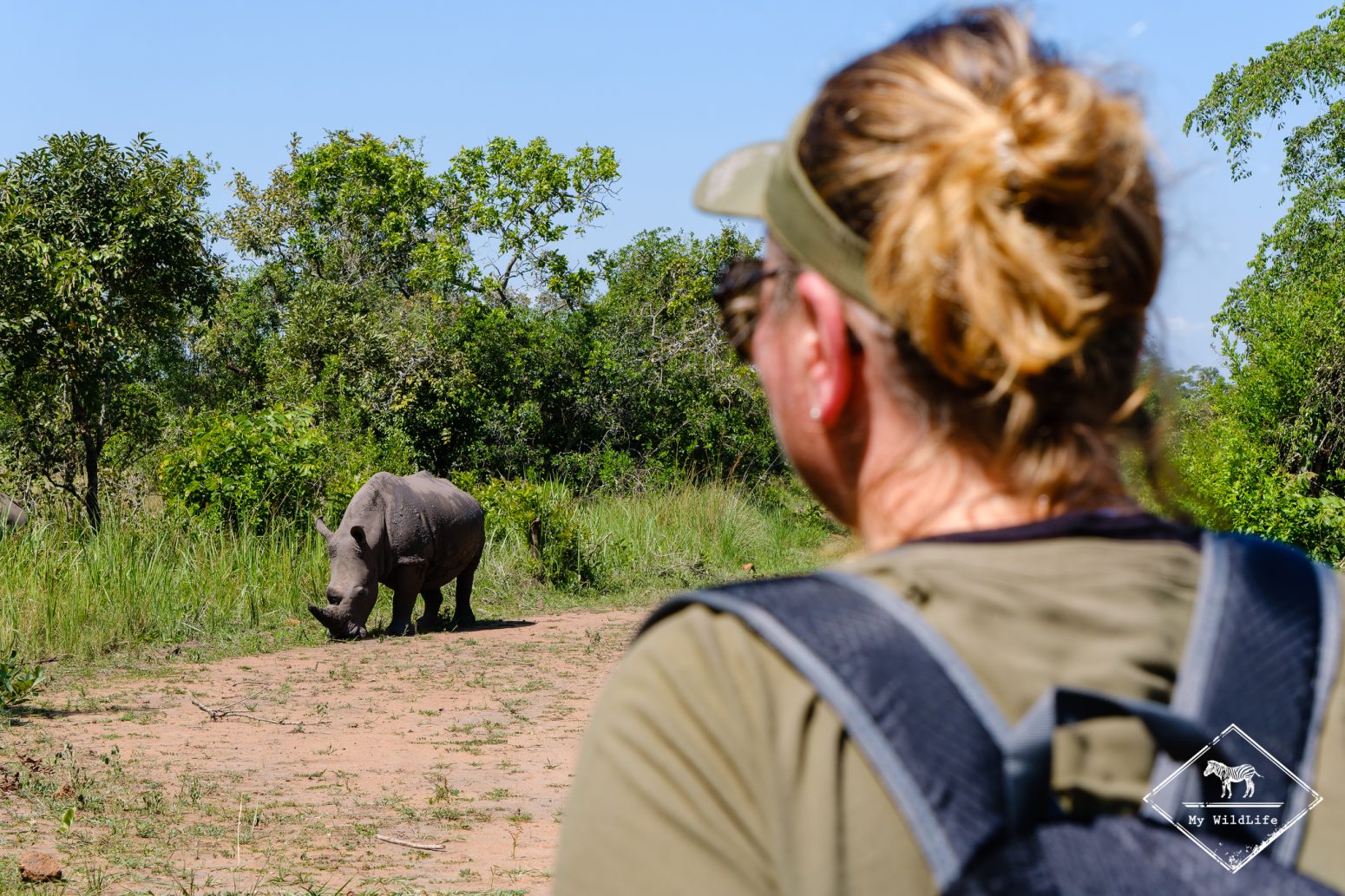
The success rate of sightings during rhino tracking at the Ziwa Rhino Sanctuary in Uganda is nearly 100%. Because the sanctuary is a strictly managed, fenced environment spanning roughly 70 square kilometers and the southern white rhinos are continuously monitored on foot by dedicated ranger teams, visitors almost always find them.
1-day-intimate-ziwa-rhino-sanctuary-uganda-safari-tour
3-days-murchison-falls-via-ziwa-rhino-sanctuary-uganda-wildlife-safari
4-days-murchison-falls-uganda-family-safari-vacation-tour
4-days-luxury-murchison-falls-and-jinja-uganda-safari-vacation
5-day-best-safaris-to-uganda-kidepo-and-murchison-falls-national-parks
6-days-budget-uganda-wildlife-safari-holiday-vacation
7-day-best-uganda-safari-holiday-true-escape
Why Sighting Rates are So High
- 24/7 Monitoring: Dedicated rangers track every southern white rhino around the clock, knowing their exact location before your walk begins.
- No Migration: The rhinos do not migrate or leave the fenced 70-square-kilometer sanctuary, making them reliably present every single day of the year.
- Habituation: The animals are habituated to human presence, allowing armed rangers to safely guide small groups on foot right up to the grazing herds.
Best Conditions for Tracking
- Dry Seasons (June to August and December to February): Offer firmer walking trails and shorter grass, which makes spotting the animals visually much easier.
- Early Mornings: Cool morning temperatures keep the rhinos active and feeding before they seek afternoon shade.
- Wet Seasons (March to May and September to November): Sighting success remains near 100%, though taller vegetation and muddy trails can make the trek more challenging.
What is the overall success rate of spotting rhinos at Ziwa?
The sighting success rate sits comfortably at nearly 100%. Because the sanctuary operates on a dedicated monitoring system where armed rangers track the animals' movements daily before tourists arrive, missing them is an extreme rarity. Unlike vast national parks where wildlife roams completely unrestricted over thousands of kilometers, Ziwa’s enclosed nature and constant tracking make encounters practically guaranteed. This reliability makes it an essential stop for travelers eager to check off the "Big Five" on their Ugandan safari itinerary.
Why are sighting success rates so exceptionally high here?
The high success rate comes down to intensive, round-the-clock management. Every single rhino at Ziwa is monitored 24 hours a day by a team of specialized rangers who know their exact locations, preferred grazing spots, and daily habits. When you book a tracking session, your guide is in direct radio contact with these field monitors. Instead of wandering aimlessly through the bush hoping for luck, your ranger leads you straight to where the animals are resting or feeding, ensuring an efficient and successful encounter every time.
How does the sanctuary size impact the tracking experience?
Spanning approximately 70 square kilometers, the sanctuary is large enough to give the rhinos a genuinely wild, natural habitat, yet compact enough for rangers to patrol and locate them quickly. This manageable size prevents long, exhausting hikes under the equatorial sun. You get the thrill of an authentic bush walk without spending hours searching fruitlessly across massive landscapes. It strikes an ideal balance between wild conservation freedom and accessible tourism infrastructure.
Can weather changes affect your chances of seeing the rhinos?
Weather rarely stops you from seeing the rhinos, but it can change the texture of your walk. During the rainy seasons, certain paths become muddy, and the tracking walk might require a bit more physical effort. However, the rhinos do not migrate or hide away because of rain; they simply seek out comfortable patches of savannah to graze. Rangers adapt to the weather instantly, meaning your chances of a successful sighting remain just as high during wet months as they are in the dry season.
What role do the armed rangers play in guaranteeing sightings?
Armed rangers are the heartbeat of the Ziwa experience. Beyond ensuring tourist safety against any unexpected wildlife behavior, they act as expert trackers who read footprints, broken twigs, and fresh dung. Their deep familiarity with individual rhinos allows them to predict animal movements with uncanny accuracy. When you walk with them, you feel completely secure while benefiting from their profound tracking expertise, turning what could be a challenging search into a seamless encounter.
How close do you actually get to the rhinos during a successful track?
If sighting success is guaranteed, proximity is what truly makes the experience unforgettable. Visitors typically approach as close as 6 to 7 meters under the watchful eye of the ranger. Standing that close to a massive southern white rhino—hearing them pull up grass, watching their ears twitch, and observing their calm demeanor—is breathtaking. The animals are habituated to human presence on foot, which keeps them relaxed while allowing you an intimate, safe window into their world.
Does the time of day influence your tracking success or experience?
While your chances of seeing rhinos remain high all day long, the time of day heavily shapes the quality of the sighting. Early morning hours (between 8:00 AM and 11:00 AM) and late afternoons are optimal because the temperatures are cooler, making the rhinos much more active. Midday tracking is entirely possible, but the animals often spend those hot hours resting lazily under thick acacia shade, which can make active photography a bit more challenging as they snooze away the heat.
How has the rhino population growth affected sighting reliability?
When Ziwa started in 2005, it housed just six reintroduced white rhinos. Over the years, dedicated breeding programs and stellar anti-poaching security have helped the population multiply significantly, pushing past forty-eight individuals. This larger population means multiple family groups and individuals are spread across different sectors of the sanctuary. With more animals roaming the plains, tracking teams can locate groups faster, keeping sighting success exceptionally high and offering diverse viewing dynamics.
What happens if the rhinos are deep inside thick bushes?
Even if a rhino family wanders into denser woodland or thickets, sighting success rarely drops. The tracking monitors stationed in the area keep eyes on them even when they step away from the open savannah. Your ranger will navigate the paths through the brush, exercising extra caution. While viewing angles might briefly narrow if the vegetation is thick, the persistent tracking team ensures you still reach a safe vantage point to observe the animals clearly.
Are there specific months where sightings are more difficult?
No month of the year poses a threat to your chances of a successful sighting. The dry months (June to August and December to February) offer shorter grass and easier walking conditions, which tourists often prefer. Meanwhile, the wet months (March to May and September to November) bring lush greenery and vibrant scenery. Because the sanctuary management monitors the rhinos continuously regardless of the calendar month, your probability of a successful sighting stays locked near 100% year-round.
How does walking on foot change the dynamic compared to vehicle safaris?
Tracking rhinos on foot completely transforms how you experience wildlife compared to traditional game drives. Instead of looking out through a dusty vehicle window, you feel the earth beneath your feet, smell the crushed savannah grass, and listen to the raw sounds of the bush. It heightens your senses and builds a respectful awareness of your surroundings. The intimacy of standing at ground level with a massive mammal creates a powerful, humbling bond that mechanical vehicles simply cannot replicate.
What safety rules ensure every tracking session remains successful and secure?
Safety is the foundational rule that keeps Ziwa’s tracking success sustainable. Before stepping into the sanctuary, every visitor undergoes a detailed briefing on how to behave around the rhinos. Rules include maintaining a respectful distance, staying tightly grouped behind your armed ranger, speaking in hushed tones, and avoiding sudden movements. By respecting these boundaries, visitors ensure the rhinos remain calm, preventing any defensive behavior and guaranteeing a smooth, safe viewing experience for everyone involved.
Can children participate in the rhino tracking walk?
Families traveling through Uganda often wonder if younger members can join the adventure. Ziwa permits children of various ages to track, though age and height restrictions can sometimes apply depending on sanctuary policies and the physical demands of the walk. Because the terrain is relatively flat and tracking sessions can be tailored to shorter distances if needed, it is widely considered one of the most family-friendly wildlife walking safaris in East Africa, giving kids an unforgettable conservation education.
How long does a typical rhino tracking excursion take?
On average, a tracking session lasts anywhere from 1.5 to 2 hours. Because the sighting success rate is practically guaranteed, you do not spend hours searching endlessly. Instead, a brief walk of 20 to 40 minutes usually brings you straight to your first sighting. The remaining time is spent quietly observing the rhinos, taking photographs, and listening to your ranger share fascinating insights into rhino behavior, ecology, and the sanctuary's history.
What other wildlife can you spot while tracking rhinos at Ziwa?
While white rhinos are the undisputed stars of the show, Ziwa is a rich ecosystem supporting much more than its heavyweights. During your walk, you might encounter playful vervet monkeys, majestic defassa waterbucks, oribi, bushbucks, and a rich variety of colorful bird species. The sanctuary is also a renowned hotspot for birdwatchers, especially for those who combine their rhino trek with a specialized canoe trip to spot the rare and prehistoric shoebill stork.
How does Ziwa's conservation success story influence visitor experiences?
Knowing the historical context of Ziwa adds profound emotional depth to your sighting. With native rhinos entirely wiped out by poaching and civil unrest by the early 1980s, seeing them walk freely here today represents a hard-fought national resurrection. Visitors do not just see animals; they witness living history. This deep conservation narrative turns a simple wildlife sighting into a moving testament of human dedication, making every traveler feel like a supporter of a brighter ecological future.
What should travelers wear to ensure a comfortable tracking experience?
To make the most of your walk, dressing appropriately for the savannah environment is essential. Sturdy closed walking shoes or lightweight hiking boots are crucial since you will be stepping across uneven grassy terrain. Neutral-colored clothing (khaki, beige, or green) helps you blend into the natural surroundings, while long trousers protect your legs from tall grass and scratchy shrubs. Bringing a wide-brimmed hat, sunglasses, and plenty of sunscreen will keep you protected under the equatorial sun.
Is rhino tracking at Ziwa physically demanding?
The physical fitness required for Ziwa tracking is generally low to moderate. The sanctuary terrain features flat rolling grasslands without steep mountain climbs or grueling elevations. Unless there has been heavy rainfall that makes parts of the trail slick, most people of average fitness can complete the walk with ease. If anyone in your traveling party has mobility concerns, informing the sanctuary in advance allows rangers to select shorter, more accessible walking routes to the nearest rhino family.
How do rangers track the rhinos when they move across open plains?
Rangers utilize a blend of modern tools and traditional tracking wisdom. Field rangers stationed in the sanctuary carry GPS units and radio transmitters, allowing them to broadcast coordinates of the rhinos' resting and feeding sites continuously. Additionally, they read subtle environmental clues on the ground, such as fresh footprints, snapped branches, and warm dung. This combination of high-tech tracking and ancestral bushcraft guarantees that tourist groups are led directly to the animals without delay.
Can you track rhinos independently without a ranger?
Independent tracking is strictly prohibited for safety and conservation reasons. White rhinos are massive, powerful wild animals, and navigating the sanctuary without professional guidance would pose serious risks to both visitors and the wildlife. Every tracking party must be accompanied by a trained, armed ranger from the sanctuary. This rule ensures that human-wildlife interactions remain peaceful, controlled, educational, and completely safe for everyone involved.
What happens if a rhino becomes aggressive during a tracking session?
Southern white rhinos are generally placid, grazing animals rather than aggressive fighters, but they are still wild creatures. If a rhino displays signs of agitation—such as tossing its head, sniffing loudly, or taking hesitant steps forward—your armed ranger is expertly trained to handle the situation instantly. They will instruct the group to step back quietly, stand shoulder-to-shoulder to look larger, or move behind protective cover if necessary. True aggressive charges are exceptionally rare due to careful habituation.
How does the revenue from tracking fees support ongoing conservation?
Every dollar spent on entry and tracking permits goes directly back into protecting and expanding the sanctuary. These funds cover essential operations, including paying armed ranger salaries, maintaining the 2-meter-high electric perimeter fence, funding round-the-clock anti-poaching patrols, and covering veterinary care. By visiting Ziwa and enjoying a successful sighting, you directly contribute to the financial survival of Uganda's only wild rhino population and support future reintroduction efforts into national parks.
Are night tracking experiences available for tourists?
While standard daytime tracking is the core offering, Ziwa also provides unique night walks or specialized evening experiences for overnight guests. Spotting wildlife under a canopy of stars offers an entirely different atmosphere. While daytime is best for clear, close-up rhino photography and guarantees immediate sightings, evening explorations allow visitors to experience the quiet, mysterious sounds of the African bush and observe nocturnal creatures waking up under the guidance of expert naturalists.
How far is Ziwa Rhino Sanctuary from major safari hubs like Kampala?
Strategically situated along the main Kampala–Gulu highway, Ziwa makes for an effortless stopover. It lies roughly a three-hour drive north of Kampala or Entebbe, making it the perfect gateway for travelers heading onward to Murchison Falls National Park. Because of its convenient location, tourists frequently break up their long safari journeys with a quick, highly successful morning or afternoon rhino trek before continuing deeper into Uganda's northern wilderness.
Can you take photographs close to the rhinos during your track?
Photography enthusiasts find Ziwa to be an absolute dream destination. Because you stand just meters away from the animals on foot without a vehicle barrier blocking your lens, you can capture breathtaking, unobstructed portraits of white rhinos. Rangers position the group to ensure fantastic lighting and clean backgrounds, and they will advise you on the safest moments to raise your camera so you never miss a shot while remaining completely secure.
What distinguishes southern white rhinos from other rhino subspecies?
Southern white rhinos—the subspecies housed at Ziwa—are distinguished by their broad, square lips specially adapted for grazing on short grasses, unlike their hooked-lipped black rhino counterparts which prefer browsing on bushes and trees. They are also the largest of all rhino species, with adult males weighing over two tons. Their calm demeanor and preference for open savannah living make them exceptionally well-suited for fenced sanctuaries and guided walking safaris.
What is the ultimate long-term goal of the Ziwa breeding program?
Ziwa was never meant to be a permanent, permanent holding zoo; it is a vital stepping stone toward national restoration. The ultimate vision of Rhino Fund Uganda and the Uganda Wildlife Authority is to breed a stable, thriving population that can eventually be safely reintroduced back into Uganda’s national parks—such as Murchison Falls and Kidepo Valley—where they once roamed freely before historical poaching wiped them out. Your visit supports this grand ecological homecoming.
How do visitors book a tracking permit and prepare for arrival?
Booking a tracking permit is straightforward and can be handled either independently at the sanctuary’s main reception desk upon arrival or arranged smoothly through a licensed Ugandan tour operator as part of a wider safari package. Because tracking groups are kept intentionally small (usually limited to a maximum of six people per session) to ensure a personal, low-impact experience, advance coordination during peak tourism months helps secure your preferred time slot.
What makes Ziwa an essential addition to a Ugandan safari itinerary?
Without a visit to Ziwa, a traveler's quest to witness Uganda's "Big Five" remains incomplete. While national parks like Queen Elizabeth, Kidepo, and Murchison Falls proudly host lions, leopards, elephants, and buffaloes, none of them currently harbor wild rhinos due to historical poaching. Ziwa bridges that critical gap. By combining a near-100% sighting success rate with an inspiring conservation backstory, it delivers a complete, well-rounded wildlife journey across the Pearl of Africa.
How do rangers name and keep track of individual rhinos in the sanctuary?
Rangers form deeply personal relationships with the animals, naming each rhino based on unique physical characteristics, horn shapes, ear tears, or notable personality traits. Calves born within the sanctuary are given celebratory names chosen by conservation staff, donors, or local communities. This intimate familiarity allows the monitoring teams to instantly recognize every individual during daily patrols, ensuring their health, safety, and high sighting reliability are maintained year after year.
Booking Ziwa Rhino tracking on Uganda safari with us Roads of Adventure safaris
To book your Ziwa Rhino tracking experience or include it in a larger Uganda safari package with Roads of Adventure Safaris, you can initiate your booking directly through the official Roads of Adventure Safaris Blog by emailing info@roadsofadventuresafaris.com or via WhatsApp at +256 701041637
