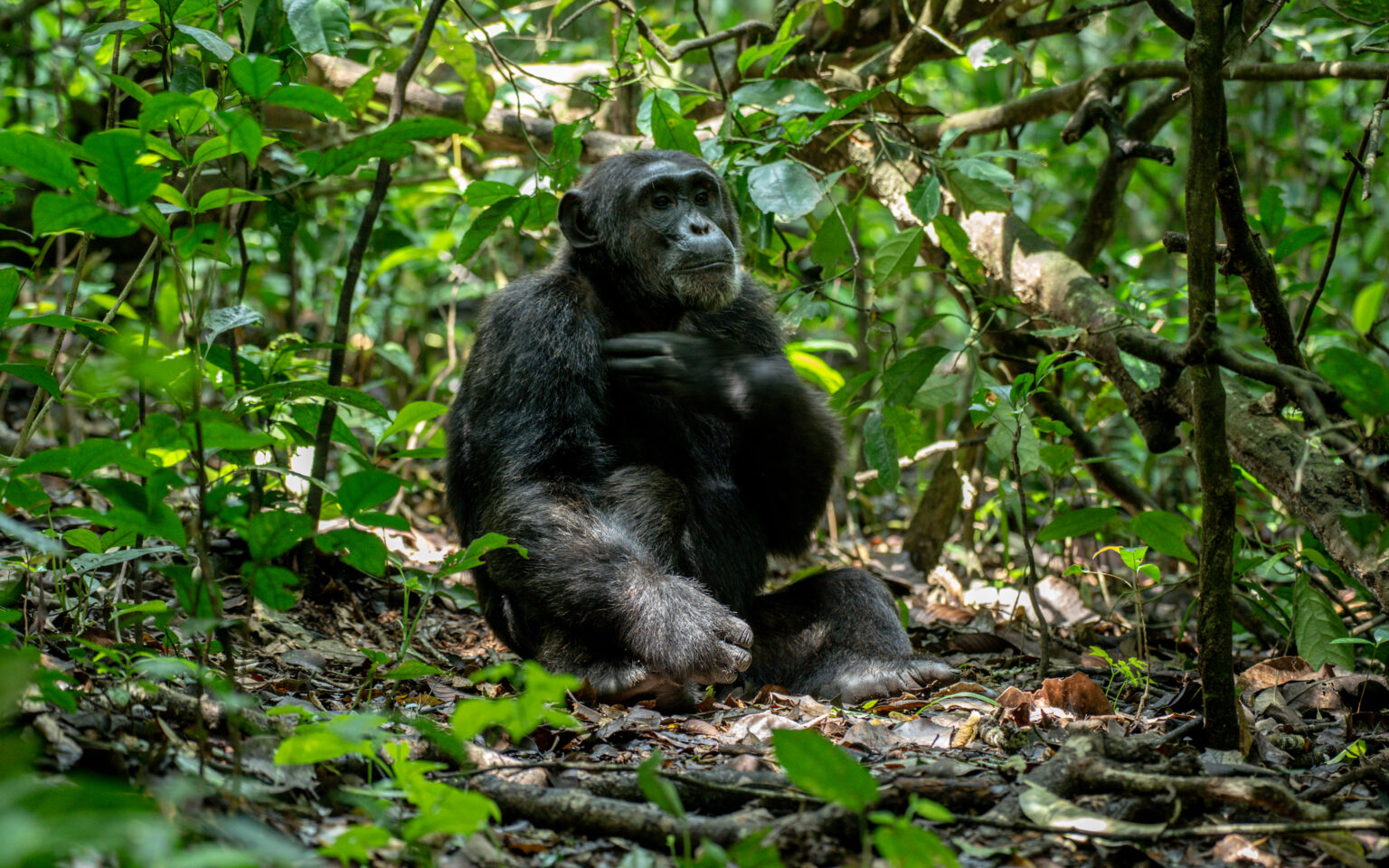
The minimum age requirement for Rwanda chimpanzee tracking is 15 years old. Enforced by the Rwanda Development Board across both Nyungwe National Park and Gishwati-Mukura National Park, this age limit protects young primates from human illnesses and ensures visitor safety on rugged forest trails. Before heading out on your trek, park officials verify passports at headquarters during registration. Read on to learn about permit rules, required documents, and family-friendly safari alternatives in Rwanda.
2-days-nyungwe-luxury-fly-in-to-trek-with-chimpanzee
2-days-nyungwe-chimpanzee-tracking-and-canopy-walk
3-days-luxury-honeymoon-chimpanzee-tracking-and-canopy-walk-in-nyungweb
3-days-budget-chimpanzee-tracking-in-nyungwe-forest-park
3-days-nyungwe-chimpanzee-tracking-and-lake-kivu-relaxation
3-days-best-rwanda-canopy-walk-and-nyungwe-chimpanzee-tracking-adventure
3-day-chimpanzee-trekking-tour-package-canopy-and-lake-kivu
4-days-nyungwe-chimpanzee-trekking-canopy-walk-and-lake-kivu-relaxation
Reasons for age restrictions on chimpanzee tracking in Nyungwe forest park in Rwanda
Physical Demands Stepping into a dense montane forest is a world away from walking on a manicured trail. Chimpanzee trekking takes place across raw, untamed terrain—think slick mud, tangled root systems, knee-high thickets, and near-vertical slopes. A typical search can drag on anywhere from two to six hours depending on where the troop traveled overnight. Rangers frequently have to hack through thick vegetation with machetes just to forge a path. For a young child, this level of physical exertion can quickly turn from a fun outing into an overwhelming trial. Their shorter strides require twice the effort to navigate high steps and slippery inclines, accelerating fatigue and significantly increasing the risk of falls, sprains, or exhaustion miles away from any road or rescue point. Adults generally possess the stamina, core stability, and patience needed to endure hours of rough hiking in humid, high-altitude conditions. Enforcing an age limit guarantees that everyone in the group can keep pace with the guides, adapt to sudden weather changes, and handle the rigorous physical reality of tracking wild primates without compromising the safety or progress of the group.
Safety & Behavior Chimpanzees are extraordinarily intelligent, but they remain wild, unpredictable, and formidable apex creatures. A male chimpanzee possesses immense physical strength and relies on complex, high-stakes social displays to maintain rank within his troop. When humans enter their habitat, strict etiquette is paramount: visitors must stay quiet, move deliberately, avoid direct prolonged eye contact, and maintain a fixed safe distance. Young children naturally experience world-class wonder, which often manifests as loud gasps, high-pitched vocalizations, or sudden shifts in posture. Unfortunately, to a wild primate, high-pitched noises or quick, erratic movements can be misconstrued as aggression, distress, or prey behavior. A frightened child who cries out or turns to run can unintentionally provoke a defensive display or charge from a protective alpha male, putting the child, the group, and the guide at immediate risk. Older teens and adults are better equipped to exercise emotional self-control, process safety briefings, and follow a ranger's split-second directives calmly. Restricting access based on age ensures that human behavior remains steady and predictable, preventing dangerous misunderstandings between humans and wild troops.
Disease Prevention Sharing roughly 98.7% of our genetic code makes chimpanzees our close evolutionary relatives, but it also leaves them extraordinarily vulnerable to human pathogens. Common human illnesses—such as the common cold, flu, respiratory syncytial virus (RSV), or simple gastrointestinal bugs—can easily cross the species barrier with catastrophic results. A mild virus that causes a child nothing more than a runny nose can spark a lethal respiratory epidemic within a wild chimpanzee community that lacks baseline immunity. Younger children are naturally more susceptible to frequent viral infections picked up at school or daycare, and they are statistically more likely to carry shed viruses even when showing minimal symptoms. Furthermore, younger kids find it harder to strictly adhere to bio-security protocols, such as maintaining face masks, avoiding coughing without coverage, or refraining from touching forest foliage. Restricting trek access to older participants serves as a vital biological safeguard. It limits the introduction of foreign germs into fragile forest ecosystems, protecting habituated chimpanzee troops—who have taken decades of careful habituation to study and conserve—from devastating, human-borne outbreaks.
What is the official minimum age requirement for chimpanzee tracking in Rwanda?
The official minimum age requirement for chimpanzee tracking in Rwanda is strictly set at 15 years old. Enforced by the Rwanda Development Board (RDB), this rule applies uniformly across all designated primate habitats, including Nyungwe National Park and Gishwati-Mukura National Park. The regulation is designed to safeguard both human visitors and wild primate populations. Before entering the rainforest, every participant must present an original passport at the park headquarters during the morning briefing. RDB officials verify dates of birth against digitized permit bookings to ensure complete compliance. No exceptions are granted at the gate, even for children who are close to turning 15 or who possess advanced physical fitness.
Why does the Rwanda Development Board enforce such a strict age limit?
The Rwanda Development Board enforces the 15-year age limit primarily for biosecurity, physical safety, and forest logistics. Chimpanzee tracking in montane rainforests demands high physical endurance, emotional composure, and strict adherence to biosafety protocols. Children under 15 are statistically more likely to carry common pediatric viral infections, which can easily cross the species barrier and devastate habituated troops. Additionally, young children are more prone to panic or scream during sudden primate displays, which can trigger aggressive reactions from wild chimps. Setting the limit at 15 ensures that participants possess the physical stamina and maturity required for a safe, responsible expedition.
How do the physical demands of Nyungwe Forest compare to standard hiking trails?
Trekking through Nyungwe National Park is vastly different from walking on a paved or well-maintained park trail. Nyungwe is a high-altitude, dense montane rainforest characterized by steep, muddy inclines, tangled root networks, and thick foliage. Rangers frequently cut paths through dense undergrowth using machetes while following the fast-moving primates. Unlike static landscape hikes, chimpanzee tracks require continuous off-trail navigation over uneven terrain, frequently demanding scrambling up slippery slopes or ducking under thorny thickets. These physical conditions require strong balance, joint stability, and cardiorespiratory endurance.
How long does a typical chimpanzee trek last, and how far do visitors walk?
A typical chimpanzee trek in Rwanda lasts anywhere from two to six hours, depending on where the habituated community nested the previous night and where they move in search of food. Because chimpanzees are highly mobile and travel rapidly through the high canopy and across the forest floor, trekkers must maintain a brisk, steady pace over several kilometers. Unlike mountain gorillas, who tend to remain within a relatively localized area while feeding, chimpanzees move constantly throughout the morning. Visitors must be prepared for continuous walking across varying elevations until the troop is located.
Why are shorter stride lengths and fatigue a risk factor for younger hikers?
Younger hikers naturally have shorter stride lengths, requiring significantly more steps and energy expenditure to cover the same distance as an adult over steep, muddy terrain. High steps over exposed tree roots and deep mud pits rapidly exhaust younger muscles, leading to early fatigue, loss of core balance, and an increased risk of slips, ankle sprains, or muscle strains. In a remote rainforest environment miles away from vehicle access roads, an injured or exhausted child creates complex emergency evacuation logistics for park rangers and guide teams.
How does high altitude in Nyungwe National Park affect physical exertion during a trek?
Nyungwe National Park sits at an elevation ranging between 1,600 and 2,950 meters (5,250 to 9,680 feet) above sea level. At these high altitudes, the atmospheric oxygen density is lower, which significantly increases heart rate and respiratory effort during physical exertion. Combined with high humidity and steep vertical climbs, high-altitude trekking accelerates fatigue even in conditioned hikers. Adults adapt more predictably to altitude-induced exertion, whereas children are more susceptible to sudden altitude fatigue, dehydration, and nausea, making the grueling forest search far more hazardous for younger participants.
How does chimpanzee movement differ from gorilla movement in the wild?
Chimpanzees are much more active, arboreal, and fast-moving than mountain gorillas. While gorillas spend a large portion of their day resting or feeding peacefully on ground vegetation, chimpanzees regularly cover large distances through the upper canopy and across the forest floor at rapid speeds. When a habituated chimpanzee troop moves, trekkers must keep pace with them through dense underbrush. This rapid movement demands agility, quick reflexes, and sustained cardio stamina that far exceed the physical requirements of a typical gorilla trek.
What is the physical size and strength of an adult male chimpanzee?
A common misconception confuses the physical dimensions of chimpanzees with gorillas. While an adult male mountain gorilla (a silverback) can weigh up to 200 kg (440 lbs), an adult male chimpanzee typically weighs between 40 and 70 kg (90 to 155 lbs). Despite their smaller stature relative to gorillas, male chimpanzees possess remarkable muscle density, estimated to be roughly 1.5 times stronger than an adult human male of equivalent weight. Their extreme speed, canine teeth, and upper-body strength make them formidable wild animals that command total respect and distance during encounters.
What behavior is expected of visitors when encountering wild chimpanzees?
When entering the presence of a habituated chimpanzee troop, visitors must follow strict behavioral rules outlined by RDB ranger guides. Trekkers are instructed to maintain a quiet, low-toned speaking voice, move smoothly without sudden gestures, avoid eating or drinking near the primates, and keep a minimum safety distance of 8 to 10 meters. Prolonged direct eye contact with dominant males should be avoided, as chimps can interpret direct staring as a challenge or threat. Remaining calm and following the ranger's instructions ensures a peaceful encounter.
Why are high-pitched noises and sudden movements dangerous during a primate encounter?
In chimpanzee social dynamics, high-pitched vocalizations, sudden running, or erratic hand gestures are primary indicators of distress, territorial invasion, or vocal confrontation. If a visitor gasps loudly, screams, or attempts to run away when a male chimp performs a vocal drum or branch-shaking display, the primates may interpret that behavior as a threat or weakness. This can trigger a defensive charge or mock display from an alpha male. Enforcing a minimum age of 15 ensures participants possess the emotional self-control needed to remain stationary and quiet during high-energy displays.
How much genetic material do humans share with chimpanzees, and why does it matter?
Humans and chimpanzees (Pan troglodytes) share approximately 98.7% of their DNA sequence, making them our closest living biological relatives. While this genetic closeness makes observing their social interactions fascinating, it also creates high cross-species disease transmission risks. Because our respiratory systems and cellular receptors are nearly identical, human pathogens can easily cross the species barrier into wild chimp populations. Pathogens that cause minor symptoms in humans can cause severe or fatal respiratory illnesses in wild primates.
Why do younger children pose a higher biological risk to wild primates?
Children under the age of 15 are statistically more prone to frequent viral upper-respiratory infections, such as human metapneumovirus, influenza, rhinovirus, and respiratory syncytial virus (RSV). Kids attending schools or group activities frequently carry active viral loads even while asymptomatic or exhibiting minimal signs like a mild sniffle. Furthermore, younger children find it more difficult to maintain strict hygiene protocols, such as keeping protective face masks pulled over their nose and mouth continuously throughout a humid, multi-hour forest hike.
What specific biosecurity protocols are enforced during a Rwanda chimpanzee trek?
To protect primates from human illnesses, the Rwanda Development Board enforces mandatory biosecurity rules at park headquarters and throughout the trek. Trekkers must wear surgical or KN95 face masks when approaching within 10 meters of the chimpanzees. Hand sanitizing is required before entering the forest, and anyone displaying visible symptoms of contagious illness (such as coughing, fever, or flu) is prohibited from trekking. Additionally, all trash, including food wrappers and tissues, must be packed out to prevent environmental contamination.
What happens if a respiratory outbreak strikes a habituated chimpanzee troop?
A respiratory outbreak within a habituated chimpanzee troop can be catastrophic. Unlike humans, wild primates have no pre-existing immunity or vaccination coverage against common human cold and flu viruses. A single introduced human pathogen can spread rapidly through the social group via grooming and physical contact, causing widespread pneumonia, bronchospasm, and death. Halting an outbreak requires intense veterinary intervention by teams like Gorilla Doctors, who must administer antibiotics or antivirals via darting, risking disruption to decades of habituation work.
How are permits verified at park headquarters on the morning of the trek?
On the morning of the scheduled trek, all participants gather at the park visitor center (such as Gisakura or Uwinka in Nyungwe) for a mandatory briefing. Before rangers divide visitors into trekking groups, park officials perform a thorough credential check. Each trekker must present their original passport alongside their printed RDB permit voucher. Officials match the passport full name, photo, and date of birth against the RDB database to ensure age compliance before allowing anyone onto the forest trails.
Are there any exceptions or legal appeals to the 15-year age limit in Rwanda?
There are virtually no exceptions granted to the 15-year age limit policy in Rwanda. The digitized booking system maintained by the Rwanda Development Board automatically rejects birth dates that fall below the 15-year threshold at the time of the trek. Even if a parent offers to sign liability waivers or asserts that a 14-year-old child is physically capable, park managers enforce a strict zero-tolerance policy at park headquarters to maintain uniform conservation standards.
How does Rwanda’s age limit compare to chimpanzee tracking rules in Uganda?
While Rwanda enforces a strict 15-year age limit for chimpanzee tracking across all its national parks, Uganda maintains a minimum age limit of 12 years old for standard chimpanzee trekking in locations like Kibale National Park and Kalinzu Forest. This difference exists partly because some Ugandan habituation sectors feature flatter terrain with shorter approach walks compared to the steep montane slopes of Nyungwe. However, specialized full-day Chimpanzee Habituation Experiences (CHEX) in Uganda often enforce a 15-year limit due to the extended physical demands.
What happens if a family arrives at Nyungwe headquarters with an underage child?
If a family arrives at park headquarters with a child under 15 holding a permit, park officials will deny the child entry into the forest during the passport verification check. The permit fee is non-refundable in cases of non-compliance with statutory age rules. The underage child must remain at the visitor center or hotel accompanied by a responsible adult guardian while the rest of the eligible family members proceed with their ranger-guided trek.
What alternative outdoor activities in Nyungwe National Park are available for children under 15?
While children under 15 cannot track chimpanzees, Nyungwe National Park offers several non-primate outdoor activities suitable for younger travelers. Families can participate in guided nature walks along designated trail systems like the Kamiranzovu Swamp Trail or Isumo Waterfall Trail (subject to moderate fitness). These walks feature tropical vegetation, birdwatching, orchids, and small river streams. Additionally, tea plantation tours around the park borders offer educational, family-friendly cultural experiences without entering restricted primate habitats.
What is the age requirement for the famous Nyungwe Canopy Walkway?
The famous Nyungwe Canopy Walkway—a 160-meter-long suspension bridge hanging 70 meters above the forest floor—has a minimum age requirement of 6 years old. Children aged 6 and above are permitted to walk the canopy bridge when accompanied by an adult or guardian and a certified park guide. This offers an exciting aerial rainforest adventure for families traveling with children who are too young for chimpanzee tracking.
Which national parks in Rwanda offer family-friendly wildlife safaris for kids under 15?
For families traveling with children under 15, Akagera National Park in eastern Rwanda provides an ideal alternative to primate trekking. Akagera offers traditional game-drive safaris from the safety of closed 4x4 vehicles, allowing children of all ages to view lions, rhinos, leopards, elephants, buffalos, giraffes, and zebras. Furthermore, boat safaris on Lake Ihema in Akagera provide comfortable water-based wildlife viewing for hippos, crocodiles, and waterbirds without age restrictions.
What role do local porters play during a chimpanzee tracking expedition?
Local porters play a vital role during chimpanzee treks in Nyungwe and Gishwati-Mukura national parks. Hired at park reception for a standardized fee (typically $15 to $20 USD), porters carry heavy daypacks, camera equipment, and water bottles, freeing trekkers to focus on their balance. Crucially, porters offer a steady physical hand when navigating steep, muddy slopes or crossing slippery stream beds. Hiring a local porter directly supports community livelihoods around the national parks.
Why is the pre-trek ranger briefing mandatory for all visitors?
The pre-trek briefing at park headquarters serves as a safety orientation and rule-review session before entering the forest. Lead rangers review forest safety protocols, correct hand-signaling for silence, proper mask use, distance maintenance, and procedures to follow if a wild primate charges. The briefing also allows guides to evaluate the physical preparedness of the group, inspect footwear, and organize trekkers into small groups based on physical fitness levels.
How does the chimpanzee habituation process influence park safety rules?
Habituation is a meticulous process lasting several years, during which researchers and trackers visit wild chimpanzee communities daily until the primates become accustomed to human presence without changing their natural behavior. Because habituated chimps lose their innate fear of humans, they may approach visitors out of curiosity. Strict rules—such as maintaining an 8-to-10-meter buffer, wearing face masks, and remaining calm—are essential to prevent habituated troops from becoming overly bold, aggressive, or exposed to human disease.
What clothes and gear should trekkers bring for a chimpanzee search?
Trekkers should wear lightweight, moisture-wicking long-sleeved shirts and long trousers to protect against stinging nettles, thorns, and insects. Sturdy, waterproof hiking boots with deep tread are essential for traction on slippery rainforest clay. Additional recommended gear includes lightweight gaiters, a waterproof rain jacket, gardening gloves for gripping muddy vines, a wide-brimmed hat, protective face masks, high-energy snacks, and at least two liters of drinking water.
How can adult travelers physically prepare before traveling to Rwanda for a chimp trek?
To prepare for the physical demands of chimpanzee tracking in Nyungwe, adult travelers should incorporate cardiovascular training and leg-strengthening exercises into their routine 4 to 8 weeks prior to departure. Activities like incline treadmill walking, stair climbing, trail hiking on uneven ground, squats, and lunges build the necessary leg stamina and balance. Exercising with a loaded daypack helps simulate trekking conditions with camera gear and water supplies.
How do chimpanzee permit fees contribute to conservation in Rwanda?
Chimpanzee permit fees charged by the Rwanda Development Board directly fund wildlife conservation and local community development. A portion of total revenue generated from park entry and primate permits is re-invested into surrounding local communities through Rwanda's Revenue Sharing Scheme. This funding supports the construction of schools, health clinics, clean water infrastructure, and roads around Nyungwe and Gishwati-Mukura, incentivizing local stewardship and discouraging poaching or illegal timber harvesting.
Is there an upper age limit or maximum age restriction for chimpanzee tracking?
There is no maximum age limit for chimpanzee tracking in Rwanda. As long as an older traveler is in good health and possesses sufficient physical fitness to handle rough rainforest terrain, they are welcome to trek. Travelers in their 60s, 70s, and 80s complete primate treks every year. Older travelers are encouraged to hire local porters and maintain a steady, manageable pace alongside their guide.
Are porter or sedan chair assistance services available for travelers with mobility limitations?
For elderly travelers or visitors with physical limitations who wish to experience the rainforest, customized sedan chair (stretch-carrier) services can be arranged upon advance request. A team of local porters carries the guest through the forest using a reinforced litter or sedan chair. While this service requires a fee paid directly to the porter team, it makes mountain rainforest access inclusive for guests who lack knee stability or cardiovascular endurance for steep vertical climbs.
What is the best way to book RDB chimpanzee permits for travelers aged 15 and above?
Chimpanzee permits should be booked well in advance of travel due to strict daily limits set on visitor group sizes per habituated troop. Permits can be booked directly through the official Rwanda Development Board (RDB) online portal or reserved through a licensed local tour operator. When booking, travelers must provide valid passport details showing birth dates confirming all participants will be at least 15 years old on the date of the trek.
