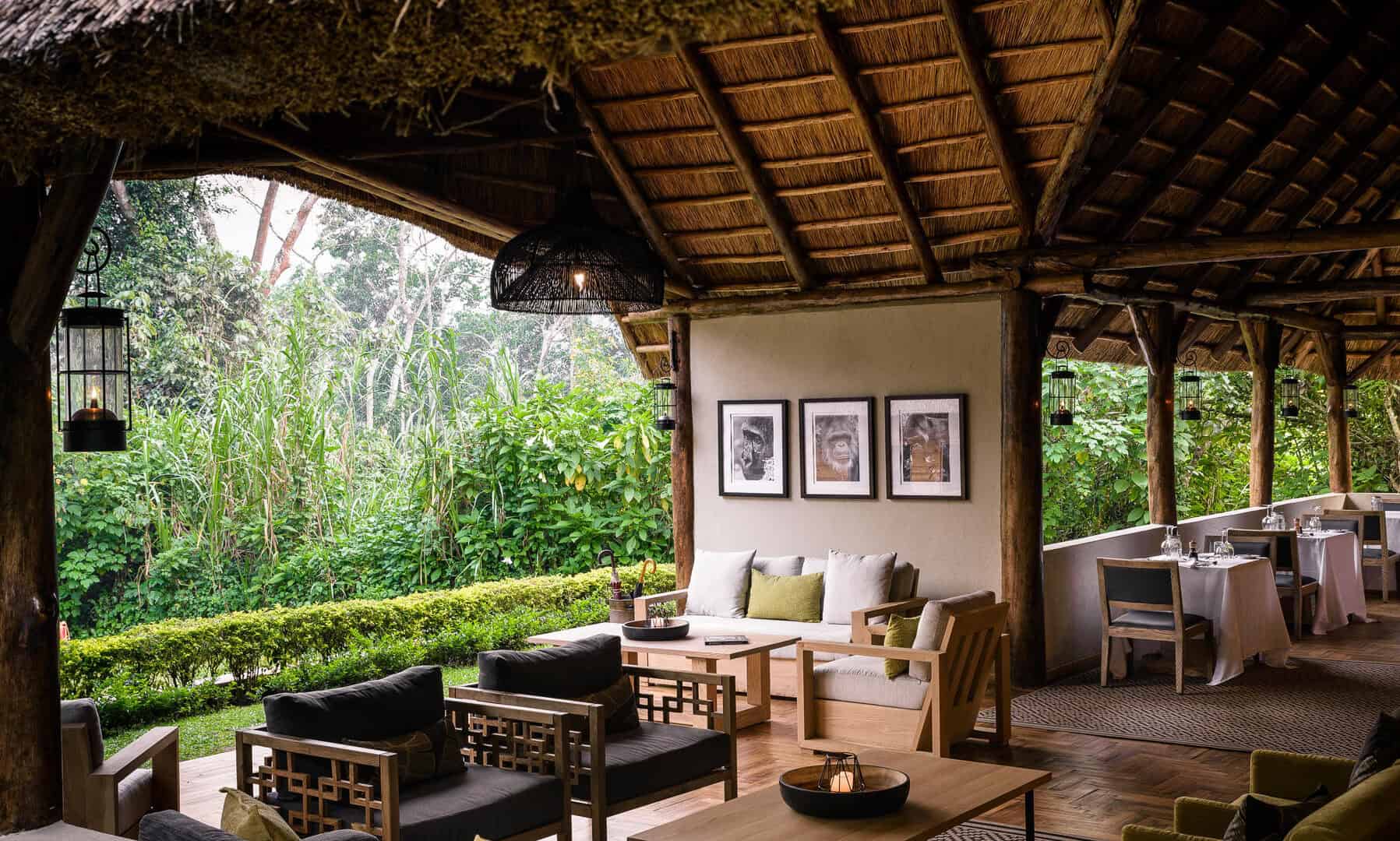
A safari through Uganda’s lush landscapes—from the misty gorilla havens of Bwindi Impenetrable National Park to the sweeping savannahs of Queen Elizabeth—is an extraordinary adventure regardless of your travel style. However, the choice between a budget safari and a luxury safari fundamentally reshapes your daily comfort, transit logistics, dining, and overall pacing
3-days-affordable-uganda-budget-gorilla-trekking-via-kigali
3-day-budget-gorilla-trekking-safari-in-uganda
2-days-affordable-budget-uganda-safari-to-queen-elizabeth-national-park
2-days-budget-uganda-safari-to-murchison-falls-park
4-days-budget-queen-elizabeth-park-and-chimpanzee-tracking-in-kalinzu-forest
6-days-budget-uganda-safari-and-gorilla-trekking
7-days-budget-uganda-safari-tour-package
10-days-luxury-uganda-gorilla-trekking-safari-and-big-five-safari-vacation
9-days-luxury-gorilla-and-uganda-safari-tour-package
8-days-luxury-uganda-wildlife-safari-tour-package
4-days-luxury-gorilla-trekking-safari-in-bwindi-fly-in-all-inclusive-tour
4-days-luxury-murchison-falls-and-jinja-uganda-safari-vacation
Accommodation and Food
- Luxury: High-end lodges and tented camps feature private decks, plunge pools, spa services, fine dining, and personal butlers.
- Budget: Clean, functional, and simple guesthouses, basic tented camps, or public campsites offer simple local or continental meals.
Transport and Logistics
- Luxury: Private 4x4 custom cruisers or internal charter flights between national parks save hours of rough driving.
- Budget: Shared minivans or standard 4x4 vehicles on group departures help split fuel and guide costs across multiple travelers.
Cost and Value
- Luxury: Daily rates generally range from $500 to $1,000+ per person per day, totaling $5,000 to $12,000+ for multi-day trips.
- Budget: Daily rates range from $80 to $150+ per person (excluding fixed permits), totaling $1,000 to $2,500 for a complete multi-day journey
What is the main price difference between a budget and a luxury safari to Uganda?
The financial gap between safari tiers comes down to comfort, transit efficiency, and exclusive amenities rather than the raw cost of seeing wildlife. On a budget safari to Uganda, travelers typically spend between $150 and $300 per person, per day, excluding official tracking permits. In contrast, a high-end luxury safari to Uganda spans $600 to over $1,500 per person, per day.
This price variance is not driven by national park entry levies or conservation fees, which remain uniform across all visitor tiers. Instead, the cost reflects operational standards. Budget packages rely on shared 4x4 minivans, long highway transfers, and functional community eco-camps like Red Chili Rest Camp in Murchison Falls or Simba Safari Camp in Queen Elizabeth.
Luxury itineraries transform the journey into an exclusive, high-end expedition. Guests stay at boutique properties such as Nile Safari Lodge or Sanctuary Gorilla Forest Camp, featuring private plunge pools, butler service, and fine dining. Transit switches from 9-hour highway drives to domestic bush flights aboard Aerolink light aircraft, while game drives are conducted in custom, extended 4x4 Land Cruisers with senior naturalists. At Roads of Adventure Safaris, we tailor both tiers to maximize wildlife encounters across all budget ranges.
Do budget and luxury safaris pay different prices for gorilla trekking permits?
No, mountain gorilla permit pricing is strictly standardized across all travel tiers by the government. The Uganda Wildlife Authority (UWA) mandates a uniform rate of $800 for Foreign Non-Residents, $700 for Foreign Residents, and 300,000 UGX for East African Citizens per tracking permit, regardless of whether you arrive at the park headquarters in a basic safari van or via a private charter helicopter.
This flat rate serves as a massive equalizer for wildlife enthusiasts on a safari to Uganda. A budget traveler staying in a simple canvas tent at Buhoma Community Rest Camp and a luxury guest residing at Clouds Mountain Gorilla Lodge stand in the exact same ancient rainforest of Bwindi Impenetrable National Park or Mgahinga Gorilla National Park. Both travelers are accompanied by the same armed UWA rangers and spend the identical, breathtaking 60-minute duration with a habituated gorilla family like the Rushegura or Mubare group.
The $800 permit fee directly finances 24/7 mountain gorilla veterinary care, anti-poaching ranger patrols, and local community infrastructure projects surrounding the parks. When booking with Roads of Adventure Safaris, we handle your permit reservations and sector transfers seamlessly, ensuring your core primate encounter remains world-class regardless of your accommodation tier.
Does a higher price tag guarantee better wildlife sightings?
A higher price tag does not buy control over wild animal movements. Wildlife inside premier national parks—such as Murchison Falls, Queen Elizabeth, Kidepo Valley, and Lake Mburo—roams freely across public tracks and open savannahs. A lion, leopard, or elephant does not distinguish between a budget traveler in a pop-top Toyota HiAce and a luxury traveler in an extended Land Cruiser; both vehicles navigate the exact same park tracks.
However, a luxury safari to Uganda can indirectly enhance the quality and depth of your wildlife viewing through private logistics and timing. Luxury packages include private 4x4 Land Cruisers driven by master naturalists who possess decades of tracking experience. These elite guides communicate through private spotter networks to locate skittish species—like tree-climbing lions in Ishasha or leopards in Kasenyi—far quicker, positioning the vehicle for optimal lighting and photography.
Furthermore, luxury itineraries offer flexible, unhurried scheduling, allowing guests to stay out during prime dawn and dusk hunting hours while budget group tours might adhere to rigid lodge meal times. At Roads of Adventure Safaris, we bridge this gap by deploying seasoned native guides and reliable 4x4 vehicles across all our tours, ensuring every traveler enjoys exceptional wildlife sightings.
What fixed costs are identical across both safari styles?
When planning a safari to Uganda, several core expenses remain completely identical regardless of whether you choose a budget or luxury tier. These fixed costs consist of government-regulated conservation fees and activity permits set by the Uganda Wildlife Authority (UWA) to preserve protected ecosystems and support local communities.
The primary non-negotiable expense is the mountain gorilla tracking permit in Bwindi or Mgahinga, priced at $800 per person. Similarly, chimpanzee tracking permits in Kibale National Park cost $250 per person, while habituation permits—which allow four hours with wild primates—cost $1,500 for gorillas and $300 for chimpanzees. Daily national park conservation entry fees are also standardized at $40 to $45 per adult per 24-hour period for major savannah reserves like Queen Elizabeth, Kidepo Valley, and Murchison Falls.
Additional fixed charges include official ranger guide fees, boat launch permits along the Kazinga Channel or the Victoria Nile, ferry crossings at Paraa, and statutory government tourism levies. Because these fundamental conservation fees are static for every traveler, any cost savings achieved on a budget safari to Uganda come entirely from accommodation selections, transport logistics, vehicle types, and meal plans carefully arranged by your local ground operator, Roads of Adventure Safaris.
Why do luxury safaris cost significantly more if activity fees are fixed?
Because official park entry fees and permit rates are fixed by the government, the steep price escalation of a luxury safari to Uganda is driven entirely by high-end operational overheads, exclusive logistics, and hospitality standards in remote wilderness areas.
First, luxury safari lodges operate with very low room capacities—often just 6 to 12 private chalets, such as at Crested Crane Bwindi or Apoka Safari Lodge—to guarantee complete privacy. Running these boutique properties off the grid requires massive capital investment in heavy-duty commercial solar farms, reverse-osmosis water purification, high staff-to-guest ratios (frequently two or three staff members per guest), and imported gourmet culinary ingredients paired with fine international wines.
Second, transport logistics significantly inflate overall costs. Luxury itineraries replace bumpy 9-to-10-hour overland highway drives with domestic bush flights operated by regional carriers like Aerolink, flying guests directly from Entebbe to airstrips like Kihihi, Kasese, or Pakuba in under an hour. On the ground, guests travel in extended, top-tier 4x4 Toyota Land Cruisers equipped with fridge units, leather seating, and USB charging ports, paired with veteran master guides. At Roads of Adventure Safaris, we manage these high-end logistics to deliver an effortless, pampered wilderness experience.
Is a mid-range safari a good middle ground between budget and luxury?
For many travelers visiting East Africa, a mid-range safari to Uganda represents the ultimate "sweet spot," balancing budget efficiency with high standards of personal comfort, timing, and privacy. Typically priced between $300 and $500 per person, per day (excluding gorilla and chimpanzee permits), mid-range itineraries eliminate the physical weariness of basic budget travel without the steep price tag of top-tier luxury resorts.
On a mid-range safari to Uganda, guests stay in well-appointed eco-lodges or permanent canvas cottages—such as Turaco Treetops in Kibale, Kyaninga Lodge, or Enganzi Game Lodge in Queen Elizabeth. These properties feature private en-suite bathrooms, hot running water, comfortable spring beds, and solar electricity. Meals are freshly prepared multi-course menus served in scenic dining rooms overlooking crater lakes or national park boundaries.
Transportation is typically conducted in a private 4x4 safari vehicle—either a customized pop-top Land Cruiser or a robust safari van—ensuring your personal party does not have to split vehicle space with strangers. You enjoy the dedicated service of a professional driver-guide, prompt transfers, and prime lodge locations close to park gates. At Roads of Adventure Safaris, our mid-range itineraries deliver maximum value, combining great comfort with flawless ground execution.
What can you expect from budget safari accommodations?
Budget accommodations on a safari to Uganda cater to cost-conscious travelers, backpackers, and small groups who prioritize raw wildlife experiences over hotel luxury. Ranging from $30 to $100 per night, these properties include clean community-run eco-guesthouses, basic safari lodges, and permanent canvas tented camps situated just outside national park borders.
Rooms are simple, functional, and tidy. Expect sturdy wooden beds fitted with protective mosquito nets, clean cotton linens, and basic storage furniture. While many budget properties offer private en-suite bathrooms, lower-cost options may feature clean shared bathroom blocks with flushing toilets or pit latrines. Power is supplied by small solar systems or generators operating on fixed daily schedules (typically 6:00 AM–8:00 AM and 6:00 PM–10:00 PM), requiring travelers to plan device charging around those windows. Hot water for showers is often solar-heated or delivered via traditional "bucket showers" requested from staff.
Dining consists of hearty, fixed two-course meals featuring fresh local ingredients like chicken, Nile perch, rice, potatoes, tropical fruit, and local stews. At Roads of Adventure Safaris, we rigorously screen all budget accommodation partners to ensure safety, proper hygiene, warm hospitality, and convenient access to park briefing points.
What sets luxury safari lodges apart in Uganda?
Luxury safari lodges redefine wilderness hospitality on a safari to Uganda by blending high-end architectural design with raw, untouched natural environments. Ranging from $500 to over $1,500 per night, these exclusive sanctuaries—located in prime sectors like Bwindi Impenetrable, Queen Elizabeth, and Murchison Falls—offer an uncompromised retreat after an active day tracking wildlife in the bush.
Guests stay in expansive timber chalets or luxury canvas suites perched on high mountain ridges, forest canopies, or riverbanks. Room features include plush king-sized beds, premium linens, private panoramic viewing decks, deep-soaking clawfoot tubs, and outdoor rainfall showers. Top-tier properties like Bisate Lodge or Wildwaters Lodge even feature private heated plunge pools overlooking rainforests or roaring Nile rapids where wildlife frequents.
Beyond the physical structures, luxury lodges deliver hyper-personalized service. You are assigned a private butler or host who attends to every need—from delivering morning espresso to your deck to cleaning muddy hiking boots after gorilla tracking. With 24/7 solar electricity, fine multi-course fusion dining, curated wine cellars, wellness spas, and open-bar lounges, luxury lodges transform a rugged safari to Uganda into a deeply rejuvenating, world-class vacation.
Where are budget lodges located relative to national park gates?
Location is one of the most significant operational distinctions between budget and luxury stays on a safari to Uganda. Due to real estate acquisition costs and strict national park concession regulations, budget lodges and eco-camps are situated almost exclusively outside official park boundaries, often along community borders or trading center fringes.
Because of this positioning, staying at a budget property requires careful morning time management. Guests must factor in an extra 30 to 60 minutes of early-morning driving over unpaved feeder roads to reach park entry gates or trekking headquarters for mandatory briefings. For example, if mountain gorilla tracking at Bwindi’s Rushaga sector begins at 7:30 AM, budget guests must wake up earlier, eat a quick breakfast, and commute to the ranger station on time.
While these early transfers require an earlier alarm, they also offer unique cultural value. Budget lodge locations allow travelers to drive through vibrant rural villages, observe morning market life, and interact directly with host communities along the way. At Roads of Adventure Safaris, our logistics team plans all budget transfers with absolute precision so you never miss a briefing or game drive start.
Do luxury lodges enjoy better locations inside or near the parks?
Yes, luxury accommodations command the absolute finest real estate available on a safari to Uganda. Through historic conservation concessions and land rights, these high-end lodges are frequently situated directly inside national park boundaries, perched high on scenic crater rims, or settled along primary riverbanks and lake shores.
This prime positioning offers unmatched convenience and immersive game viewing. Instead of waking up extra early for a long commute, luxury guests are already inside or within minutes of primary tracking zones and briefing centers. At properties like Mweya Safari Lodge in Queen Elizabeth or Paraa Safari Lodge in Murchison Falls, wildlife frequently wanders through the grounds—allowing guests to spot elephants, warthogs, hippos, and colorful birds directly from their private chalet balconies.
Furthermore, being located inside or immediately adjacent to park sectors allows luxury travelers to maximize their rest time. You can return to your lodge during hot midday hours for a gourmet lunch, a swim, or a nap before heading out for a late-afternoon game drive or boat cruise. Roads of Adventure Safaris leverages these prime lodge locations to craft seamless, low-stress itineraries for our guests.
How do power and hot water availability differ between tiers?
Power generation and hot water infrastructure vary substantially between budget and luxury stays on a safari to Uganda due to the remote, off-grid locations of the country's national parks.
At budget properties, utility management relies on modest solar setups or diesel generators run on fixed schedules—typically 6:00 AM to 8:00 AM and 6:00 PM to 10:00 PM. Power outlets in rooms may be turned off outside these hours, requiring guests to charge camera batteries and phones in communal main lounge areas during dinner. Hot water relies on solar water heaters (meaning early morning showers depend on the previous day's sunshine) or manually delivered "bucket showers" requested from staff.
Luxury safari lodges, by contrast, feature commercial-grade solar installations backed by industrial battery banks and silent backup generators. They supply seamless, 24-hour uninterrupted electricity in every chalet, allowing travelers to charge heavy camera equipment, run CPAP machines, and use hair dryers anytime. Hot water is piped continuously using rapid gas or thermodynamic heating systems, guaranteeing instant, scalding-hot showers and deep baths regardless of weather conditions. At Roads of Adventure Safaris, we inform guests about power setups in advance so expectations are perfectly aligned.
Are eco-friendliness and sustainability different between budget and luxury stays?
Both budget and luxury properties on a safari to Uganda emphasize environmental conservation and sustainable tourism, but their operational execution differs based on capital investment and infrastructure depth.
Budget eco-lodges are inherently sustainable through their low-impact, minimalist footprints. By utilizing local timber, thatch, rainwater collection, solar lanterns, composting systems, and locally grown food from surrounding farming villages, budget camps maintain a tiny carbon footprint. They also support surrounding communities directly by employing local youth as guides, cooks, and housekeepers while purchasing produce from neighboring markets.
Luxury safari properties elevate sustainability through advanced environmental engineering. With larger capital budgets, luxury lodges construct multi-kw solar plants, state-of-the-art greywater filtration systems, bio-digesters, and reverse-osmosis water bottling plants that completely eliminate single-use plastic bottles across the property. Furthermore, luxury room rates incorporate substantial community development levies that directly fund local health clinics, primary schools, tree-planting projects, and anti-poaching ranger units surrounding the parks. Whether you choose budget or luxury through Roads of Adventure Safaris, your stay directly finances the preservation of Uganda's wildlife ecosystems and host communities.
What type of vehicle is used on a budget safari to Uganda?
The primary workhorse of the budget market on a safari to Uganda is the customized 4x4 safari minivan (most commonly a modified Toyota HiAce). These vehicles are specifically engineered for African road conditions, featuring lifted suspension systems, continuous four-wheel-drive capabilities, and heavy-duty all-terrain tires to navigate slick clay tracks during rainy seasons.
The interior of a budget safari van is configured to seat roughly six to eight passengers. Every seat is positioned next to a sliding window, and the roof features a large pop-up hatch that raises during game drives. This allows travelers to stand up comfortably, enjoy unobstructed 360-degree views of savannah wildlife, and capture clear photographs over tall grass.
While safari minivans are reliable, cost-effective, and fully functional for game viewing in parks like Queen Elizabeth or Lake Mburo, they provide a firmer, bumpier ride on unpaved dirt roads compared to larger vehicles. They also have tighter legroom and limited luggage space, requiring soft-sided duffel bags rather than hard suitcases. At Roads of Adventure Safaris, all our budget minivans undergo strict mechanical checks and come equipped with charging ports, first-aid kits, and working seatbelts.
What vehicle upgrades do luxury safaris provide?
Luxury safaris upgrade ground transportation to extended 4x4 Toyota Land Cruisers, universally recognized as the gold standard of African safari travel. These heavy-duty, custom-built vehicles are engineered to master tough off-road terrain while providing maximum passenger comfort and road safety.
A luxury safari Land Cruiser features an upgraded suspension system that significantly absorbs vibrations on corrugated dirt roads. Inside, seating is limited to just four to six guests, ensuring expansive legroom and plush leather captain's chairs. Large drop-down side windows and a wide pop-up roof canopy offer clear lines of sight for wildlife viewing and professional photography.
Modern luxury amenities abound inside the vehicle. Guests enjoy built-in mini-refrigerators stocked with ice-cold bottled water, soft drinks, and local beers, alongside personal USB charging ports at every seat, binoculars, and field guide books. The heavy-frame construction provides superior traction and power when climbing steep forest inclines in Bwindi or navigating deep mud during game drives in Murchison Falls. Roads of Adventure Safaris maintains a fleet of immaculate 4x4 Land Cruisers driven by veteran master naturalists.
How do fly-in safaris change the luxury experience?
Uganda is a stunningly diverse country, but driving between major national parks involves long overland transfers. For instance, driving from Entebbe International Airport to the mountain gorilla sectors of Bwindi Impenetrable National Park takes 8 to 10 hours by road. A fly-in luxury safari to Uganda completely transforms this transit experience.
By utilizing domestic scheduled flights operated by regional bush carriers like Aerolink, luxury travelers board light aircraft at Entebbe and touch down at bush airstrips—such as Kihihi or Kisoro for Bwindi, or Kasese and Mweya for Queen Elizabeth—in just 45 to 75 minutes. During the flight, passengers enjoy spectacular aerial views of Lake Victoria, the Rwenzori Mountains, and terraced highland farms.
Upon landing on the bush runway, a private 4x4 Land Cruiser and guide meet you directly, transferring you to your luxury lodge within 30 to 45 minutes. By bypassing full days of highway driving, fly-in safaris eliminate transit fatigue, save valuable vacation time, and allow you to maximize hours spent actively tracking gorillas, enjoying game drives, or relaxing at your lodge deck.
Do budget travelers always have to endure long road transfers?
For budget travelers, long overland road transfers are standard practice because driving is the most economical way to experience a safari to Uganda. Moving between distant national parks requires spending several hours traversing highways, winding mountain passes, and unpaved dirt roads.
However, overland driving in Uganda is far from a mere commute; it offers an authentic, ground-level window into the country’s vibrant culture and breathtaking geography. Driving through the "Pearl of Africa" means winding past emerald-green tea plantations in Fort Portal, terraced Kigezi hills, dense tropical rainforest corridors, and bustling rural trading centers. You cross the Equator line at Kayabwe for iconic photos, stop at roadside markets to sample fresh roasted maize and sweet bananas, and watch daily life unfold.
To make long transfers comfortable and engaging, Roads of Adventure Safaris structures budget itineraries with logical breaks. We break up travel days with scenic lunch stops, cultural landmark visits, and wildlife pit-stops—such as tracking rhinos on foot at Ziwa Rhino Sanctuary en route to Murchison Falls. With a friendly local guide driving a well-maintained vehicle, the road trip becomes a highlight of your journey.
Is vehicle sharing common on budget safaris?
Yes, vehicle sharing is standard practice on scheduled group budget safaris, as it allows solo travelers and small parties to split the substantial costs of fuel, vehicle maintenance, park vehicle entry fees, and driver-guide allowances.
When joining a scheduled group budget safari to Uganda, you are paired with fellow travelers (typically four to six people total per van) who share the same itinerary and travel dates. This arrangement creates a social, camaraderie-filled environment where international travelers connect, swap stories around evening campfires, and share the collective excitement of spotting lions or mountain gorillas.
However, vehicle sharing means daily pacing, seating rotations, window preferences, and photo stops must accommodate the group rather than an individual. If you prefer complete privacy, flexible departure times, or specialized photography schedules, Roads of Adventure Safaris also arranges private budget safaris. On a private budget tour, you pay a modest additional fee to have the vehicle and guide exclusively for your family or group while still utilizing affordable, comfortable budget lodges throughout the journey.
How does road fatigue impact the overall safari pacing?
Overland travel across Uganda involves navigating unpaved dirt tracks, corrugated gravel roads, and winding highland passes. Over a multi-day trip spanning several national parks, continuous hours spent in a vehicle can induce physical road fatigue, characterized by muscle stiffness, dust exposure, and general tiredness.
On a budget safari to Uganda, where long driving days are standard, road fatigue can influence your daily pacing. A typical itinerary might involve an early morning 6-hour drive between Kibale and Bwindi, followed the next day by a physically demanding mountain gorilla trek. Travelers opting for budget overland routes need a reasonable level of physical resilience, patience, and adaptability to handle bumpy road transfers comfortably.
On a luxury fly-in safari, road fatigue is virtually eliminated. Short, smooth domestic flights keep guests feeling fresh, rested, and energetic throughout their journey. This allows luxury travelers to engage fully in physically demanding activities—such as steep mountain gorilla tracking, chimpanzee trekking, or volcano hikes—without carrying physical tiredness from transit days. Roads of Adventure Safaris carefully paces all driving itineraries with built-in rest stops and scenic break periods.
What are meals like on a budget safari?
Dining on a budget safari to Uganda is straightforward, hearty, and satisfying. Budget lodges and camps focus on serving wholesome, home-style meals engineered to keep travelers fully energized for early-morning game drives and forest tracking schedules.
Breakfasts typically feature fresh tropical fruits (like pineapple, watermelon, and sweet finger bananas), eggs cooked to order, toast, sausages, and hot Ugandan coffee or tea. Lunch and dinner are usually served as fixed two-course or three-course set menus, or as communal buffets. Dishes combine international staples with delicious local cuisine—such as grilled chicken, beef curry, pan-seared Nile perch, rice, roasted potatoes, pasta, and fresh vegetables. You will also have opportunities to taste local specialties like matooke (steamed green plantains) and savory groundnut sauce.
While budget lodges do not offer extensive à la carte menus or room service, food is served piping hot, fresh, and in generous portions. Dietary requirements—including vegetarian, vegan, gluten-free, and dairy-free diets—are easily accommodated when communicated in advance. At Roads of Adventure Safaris, we notify all lodge kitchens ahead of time regarding our guests' dietary needs.
What kind of culinary experience does a luxury safari offer?
A luxury safari to Uganda doubles as a high-end culinary journey, elevating wilderness dining into a sophisticated epicurean experience. Luxury lodges employ executive chefs who craft gourmet fusion menus using organic, locally sourced produce from nearby highland farms.
Mornings begin with gourmet breakfasts or extravagant "bush breakfasts" set up under acacia trees in the wild, complete with champagne, fresh pastries, imported cheeses, and cooked-to-order dishes. Lunches feature light salads, artisanal breads, and savory main courses enjoyed on open sun decks. Dinners are elegant four- or five-course candlelight affairs, pairing tender meats, fresh Nile fish, and creative vegetarian dishes with hand-selected international wines from curated cellars.
Beyond the food itself, luxury lodges focus on atmosphere and personalized dining setups. Guests enjoy custom "sundowner" cocktails served at scenic viewpoints as the sun sets over the savannah, private romantic dinners set up on room decks, and cozy campfire digestifs under starry African skies. Every meal is customized to individual dietary preferences and served with flawless hospitality by attentive lodge waitstaff.
How do guide qualifications differ between budget and luxury tours?
In Uganda, all professional driver-guides must be fully certified by regulatory bodies such as the Uganda Safari Guides Association (USAGA) and the Ministry of Tourism. Consequently, both budget and luxury guides possess essential defensive driving skills, park navigation knowledge, and wildlife identification capabilities.
However, luxury operators invest in elite, senior master naturalists who bring decades of specialized field experience to your safari to Uganda. These top-tier guides excel in advanced animal tracking, behavioral interpretation, and expert birding (identifying hundreds of avian species by call alone). They also possess refined interpersonal skills, superior English fluency, and an intuitive ability to anticipate guest needs, manage photographic vehicle positioning, and navigate complex travel logistics smoothly.
Budget safari guides are energetic, hardworking, and knowledgeable, providing companionable service and reliable driving. The primary difference lies in the depth of specialized naturalist training, years of high-end client service, and photography guiding expertise. At Roads of Adventure Safaris, we prioritize guide quality across all budget tiers, ensuring every driver-guide assigned to your trip is professional, safe, and passionate about Uganda's natural heritage.
What level of personalized service can you expect at a luxury lodge?
Personalized service at a luxury lodge on a safari to Uganda is defined by hyper-attentive, intuitive hospitality where every single detail of your stay is anticipated and managed effortlessly.
Upon arrival, guests are welcomed by lodge managers and assigned a dedicated room butler or host who serves as your personal point of contact throughout your stay. They handle every request—from delivering early morning French-press coffee directly to your bed and coordinating laundry services to setting up private dining locations and catering to custom culinary preferences.
These personal touches extend directly to your wildlife activities. When returning from a muddy, strenuous gorilla trek in Bwindi, lodge staff greet you with warm scented towels and fresh juice, immediately take your muddy hiking boots to be cleaned and dried, and draw a hot, herbal bath in your chalet tub. Trail snacks are custom-packed based on your dietary preferences, and hot water bottles are tucked into your bed during chilly highland nights. This high level of care ensures you feel supported, pampered, and completely relaxed throughout your trip.
Are drinks included in budget versus luxury packages?
Drink inclusions represent a key operational difference between budget and luxury packaging on a safari to Uganda, directly affecting your out-of-pocket daily expenses.
On a budget safari to Uganda package, complimentary bottled drinking water is always provided inside your safari vehicle during game drives and road transfers. However, all beverages consumed at budget lodges—including bottled soft drinks, fresh juices, local beers (like Nile Special, Club, or Bell), house wines, and spirits—are paid for out-of-pocket by the guest upon checkout. Budget lodge bar prices are reasonable (typically $2 to $4 for a local beer), but travelers must budget extra cash or card payments for evening drinks.
Luxury safari packages operate on an all-inclusive basis. Your booking fee covers virtually all beverages consumed at the lodge, including unlimited soft drinks, fresh juices, premium local beers, house wines, and select imported spirits. Guests can enjoy sundowner cocktails on game drives, house wine with dinner, and evening nightcaps by the campfire without receiving an extra bar bill (specialty imported champagnes or rare vintage wines may carry an additional charge).
How does laundry service differ across tiers?
Managing laundry is an essential consideration on a safari to Uganda, where dusty savannah game drives and muddy rainforest treks in Bwindi or Kibale quickly soil clothing.
At luxury safari lodges, complimentary daily laundry service is almost universally included in your night stay. After a day of tracking chimps or mountain gorillas, guests simply place dirty hiking pants, shirts, and socks into a laundry bag provided in their chalet. The lodge housekeeping team washes, irons, and returns the fresh garments to your room within 24 hours (note that due to local cultural norms, hand-washing detergent is provided in bathrooms for personal undergarments).
At budget lodges, laundry service is either offered at a small extra fee per item or may not be available due to limited drying infrastructure. In remote budget camps, laundry is hand-washed and sun-dried, which can take over 24 hours during humid or rainy weather conditions. Budget travelers are advised to pack fast-drying quick-dry clothing or plan laundry stops at mid-trip towns. Roads of Adventure Safaris provides detailed packing guidelines so you stay prepared regardless of your safari tier.
Is game viewing less crowded on a luxury safari?
While national parks like Queen Elizabeth, Murchison Falls, and Lake Mburo feature public track networks accessible to all licensed vehicles, a luxury safari to Uganda often provides a quieter, more exclusive game viewing experience.
This operational difference comes down to guide strategy, timing, and private vehicle logistics. Luxury safaris utilize private 4x4 Land Cruisers driven by senior guides who actively avoid congested main tracks during peak morning hours. Instead, they leverage intimate knowledge of off-the-beaten-path loops, private conservancy borders, and specialized tracking networks to locate wildlife away from other safari vans. They also schedule game drives at off-peak hours—such as very early dawn or late afternoon into dusk—when general group tour vans have returned to their lodges for breakfast or dinner.
Furthermore, luxury lodges located inside park sectors allow guests to be the very first vehicle on the tracks at sunrise before outside visitors arrive at park gates. At Roads of Adventure Safaris, our guides across all tiers prioritize ethical, non-crowded wildlife viewing, positioning your vehicle respectfully so you can enjoy intimate animal encounters.
Can budget travelers experience night game drives or boat cruises?
Yes! Iconic wildlife activities—such as night game drives and boat safaris—are government-regulated activities open to any traveler on a safari to Uganda who purchases an activity ticket, regardless of their accommodation tier.
Boat cruises along the famous Kazinga Channel in Queen Elizabeth National Park or to the base of Murchison Falls are highlight activities accessible to everyone. Budget travelers join standard, comfortable UWA passenger launches that offer incredible, up-close views of hippos, Nile crocodiles, elephants, and waterbirds along the shoreline. (Luxury travelers may choose to pay extra for smaller, private boat launches, but the water route and wildlife sightings remain identical).
Similarly, night game drives—conducted in parks like Lake Mburo, Queen Elizabeth, or Murchison Falls using powerful spotlights to find nocturnal predators like leopards, hyenas, genets, and bushbabies—are managed by armed UWA rangers. Budget travelers can easily book these night activities through their operator as optional add-ons. At Roads of Adventure Safaris, we integrate these water and night activities seamlessly into our budget itineraries so guests experience the full depth of Uganda's biodiversity.
What special exclusive activities do luxury safaris offer?
While standard game drives and gorilla permits are open to all travelers, luxury packages excel at incorporating exclusive, high-value experiential activities that provide deeper immersion into wildlife conservation on a safari to Uganda.
One prime example is the Gorilla Habituation Experience in southern Bwindi ($1,500 permit), where guests accompany UWA researchers, trackers, and conservationists to spend four full hours with a semi-habituated mountain gorilla group, compared to the standard one-hour trek. Chimpanzee habituation experiences in Kibale Forest offer a similar full-day immersion with wild chimp communities.
Luxury travelers can also participate in specialized research activities, such as experimental Lion Tracking with the Uganda Carnivore Program in Queen Elizabeth National Park, using telemetry receivers to locate collared prides alongside research scientists. Other high-end additions include hot air balloon safaris over Murchison Falls followed by bush breakfasts, private boat charters on the Nile, and walking safaris escorted by senior wildlife researchers. Roads of Adventure Safaris can arrange these specialized conservation experiences to turn your journey into a once-in-a-lifetime expedition.
How does the atmosphere differ at budget vs luxury lodges?
The social atmosphere and overall ambiance differ markedly between budget and luxury lodges on a safari to Uganda, catering to distinct traveler personalities and expectations.
Budget lodges offer a lively, informal, and highly social environment. Meals are often served family-style or in open communal dining halls, encouraging travelers from around the world to mingle, swap travel tips, and compare wildlife photos. In the evening, guests gather around a central outdoor campfire pit (the "bush TV"), enjoying cold local beers, listening to local community dance performances, and soaking in a friendly, back-to-basics backpacker atmosphere.
Luxury lodges prioritize serene tranquility, romantic seclusion, and refined privacy. The atmosphere is quiet and subdued, with chalets spaced widely apart to ensure absolute personal space. Dining tables are set up privately for individual travel parties on personal decks or under romantic candlelight. Guests unwind in quiet lounges, private plunge pools, or wellness spas, taking in the pristine sounds of the surrounding wilderness without noise or disruption. Both atmospheres offer authentic charm depending on whether you seek social camaraderie or quiet retreat.
Which safari option is best for families or senior travelers?
For families traveling with young children or multi-generational groups with senior travelers, a luxury or upper mid-range safari to Uganda is generally the superior choice due to physical comfort, safety, and logistical ease.
Senior travelers benefit tremendously from fly-in domestic transfers, which eliminate long, physically taxing road journeys over bumpy dirt tracks. Luxury lodges offer flat paved walkways, accessible chalet layouts, walk-in showers, and dedicated staff ready to assist with luggage, mobility needs, or special diets. Furthermore, private Land Cruisers with heavy-duty suspension systems provide a far smoother, more cushioned ride during game drives.
For families with children, luxury and mid-range properties frequently feature swimming pools, enclosed secure grounds, interconnecting family suites, and flexible meal schedules. They also provide dedicated lodge hosts who can arrange fun cultural activities or nature walks for kids who are under the minimum age limit for gorilla trekking (15 years old). Roads of Adventure Safaris specializes in tailoring family and senior itineraries, recommending properties and travel paces that ensure everyone travels safely and comfortably.
How can a budget traveler maximize their experience without spending a fortune?
Maximizing a budget safari to Uganda requires strategic planning, clear priorities, and smart timing to ensure you enjoy world-class wildlife encounters without overspending.
First, focus your budget where it counts most: mandatory activity permits. Do not compromise on gorilla tracking ($800) or chimpanzee tracking ($250), as these are once-in-a-lifetime experiences that stay identical regardless of your hotel tier. Second, consider traveling during shoulder or low-season months (March to May or October to November), when some lodges offer discounted room rates.
Third, join a small group safari or travel with friends to split fixed vehicle costs, fuel expenses, and driver-guide allowances among four to six people. Fourth, select high-quality mid-range or budget lodges located close to park boundaries to minimize morning commute times. Finally, book your journey through a trusted, licensed local ground operator like Roads of Adventure Safaris. Operating locally out of Kampala, we eliminate middleman commissions, secure direct permit allocations, and leverage local partnerships to deliver authentic, top-quality Ugandan safari experiences at highly competitive rates.
