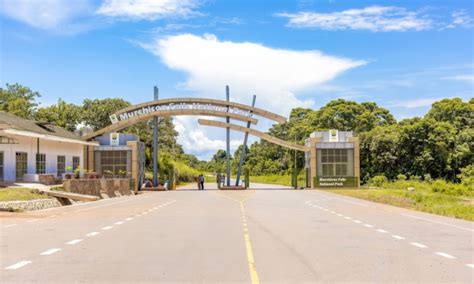
What is the best time of year for the top things to do in Murchison Falls? wildlife viewing and boat safaris in Murchison Falls is the dry season (December–February and June–September). During these months, little rain falls, making tracks dry and easy to navigate. Animals congregate near the Nile to drink, offering optimal spotting for lions, elephants, and giraffes.
Popular Uganda safari tour packages to Murchison falls national park
3-days-murchison-falls-national-park-best-uganda-safari-road-trip
3-days-best-honeymoon-uganda-safari-escape-to-murchison-falls-national-park
5-day-best-safaris-to-uganda-kidepo-and-murchison-falls-national-parks
5-days-kidepo-valley-uganda-safari-via-ziwa-rhino-sanctuary
6-days-best-of-murchison-and-kidepo-uganda-safari-via-ziwa
7-days-murchison-falls-uganda-safari-trip-via-ziwa-rhinos-kidepo-valley-and-jinja
7-days-uganda-tour-to-murchison-falls-via-ziwa-kibale-and-queen-elizabeth-national-park
9-days-africa-big-five-safari-in-uganda-safari-parks-and-gorilla-trekking
Game Drives & Boat Safaris: December to February and June to September
The primary dry windows from December through February and late June through September offer peak conditions for wildlife viewing in Murchison Falls National Park. As seasonal water holes dry up across the northern bank’s Buligi peninsula, animals congregate along permanent water sources, particularly the banks of the Victoria Nile. During these months, vegetation thins significantly, making big cats like lions and leopards easier to spot against short grasslands, while elephant herds and Jackson’s hartebeest cluster in open view. On the Nile boat launch from Paraa downstream toward the Delta or upstream toward the waterfall, low water levels force massive pods of hippos and Nile crocodiles into concentrated stretches of shoreline. The dry, firm ground makes secondary dirt tracks easily navigable for 4x4 safari vehicles without the risk of getting bogged down in black cotton soil. Daytime temperatures can rise above 30°C (86°F)—especially in January and February—making early morning drives and late afternoon boat cruises the most comfortable and rewarding times to explore.
Birdwatching: November to April
While resident birds inhabit Murchison Falls year-round, the prime birdwatching season runs from November through April, peaking between January and March. This period coincides with the arrival of Palearctic and intra-African migratory species, which double the avian density across the park’s diverse habitats. Over 450 species recorded in the conservation area become highly active, with males displaying breeding plumage and calling frequently before the long rains begin. Key birding destinations—such as the Nile-Lake Albert Delta, where visitors search for the elusive Shoebill, and the savanna woodlands along the Queen's Track—are teeming with life. Birders can spot migrants like the Eurasian Bee-eater, Northern Carmine Bee-eater, and various migratory raptors alongside residents like the Abyssinian Ground Hornbill, Goliath Heron, and Pennant-winged Nightjar. Although temperatures are high, early morning delta boat trips departing Paraa Jetty yield exceptional sightings before the afternoon heat sets in.
Chimpanzee Trekking in Budongo Forest: June to September and December to February
Chimpanzee trekking at Kaniyo Pabidi in Budongo Forest is best experienced during the dry months of June to September and December to February. Clear weather dries out the forest floor, transforming potentially slick, muddy paths into manageable walking trails under the dense canopy of ancient mahogany trees. During the main fruiting season (which peaks between June and August), habituated chimpanzees feed closer to established trail networks rather than ranging far into un-queried forest reserves, driving sighting success rates above 90%. Trekkers cover shorter distances, often locating groups within two hours of leaving the Kaniyo Pabidi visitor center. Humidity remains lower during these dry windows, making hiking conditions comfortable while keeping biting insects to a minimum. While tracking is possible year-round, visiting outside these dry periods requires navigating slick clay undergrowth and heavier rain showers, though rainy months offer lower tourist numbers and easier permit availability.
What are the main dry seasons in Murchison Falls, and why are they best for safaris?
The main dry windows run from December through February and late June through September. During these periods, rainfall drops significantly, causing smaller seasonal water holes across the savanna to evaporate. As a result, large herds of elephants, Rothschild’s giraffes, and Jackson’s hartebeest congregate around permanent water sources, primarily the Victoria Nile. Thinning bush and dried grasses also make predators like lions and leopards far easier to spot than in the lush wet season.
What happens during the wet seasons from March to May and October to November?
The wet seasons bring heavy downpours, turning the park’s black cotton soil into thick mud that can trap safari vehicles on secondary tracks. Vegetation blooms rapidly, providing thick cover for predators and abundant water inland, which disperses wildlife away from the riverbanks. However, these months offer vibrant emerald landscapes, lower accommodation rates, fewer crowds, and ideal conditions for photography due to dramatic storm skies and reduced dust.
How hot does it get in Murchison Falls, and how should travelers prepare?
Daytime temperatures regularly exceed 30°C (86°F) and can hit 35°C (95°F) during January and February. The heat peaks around midday across the open savanna of the Buligi Peninsula. To stay comfortable, plan game drives for early morning (starting by 6:30 AM) and late afternoon. Pack lightweight, breathable cotton or linen clothing in neutral tones, a wide-brimmed hat, polarized sunglasses, high-SPF sunscreen, and at least two liters of water per person per outing.
Why are early morning game drives recommended during hot dry months?
Animals are most active before the heat of the day sets in. Lions, leopards, and hyenas hunt during the cool dawn hours before retreating to dense thickets or shade trees by 9:00 AM. Prey species like Uganda kob and buffalo graze actively in open fields early on. Additionally, morning light offers the clearest conditions for photography before atmospheric heat haze sets in across the savanna.
Where is the best wildlife viewing area in the park?
destination for game drives is the Buligi Peninsula, situated between the Victoria Nile and Albert Nile. This triangle of savanna, woodland, and acacia trees supports the highest concentration of game in Murchison Falls. Key tracks like the Queen’s Track, Albert Track, and Pakuba Circuit consistently yield sightings of Rothschild's giraffes, lions, elephants, Oribi, and spotted hyenas.
How does the dry season affect predator tracking in Murchison Falls?
When grass heights drop from several feet down to a few inches between December and February, predators lose their primary cover. Lions often utilize tracks and dry riverbeds to move comfortably, making them visible from standard safari vehicles. Leopards are frequently spotted lounging in sausage trees or acacia branches near water channels. Drivers can follow tire tracks and animal alarms much more effectively in sparse vegetation.
Can you see all of the Big Five in Murchison Falls National Park?
Murchison Falls hosts four of the Big Five: lions, leopards, elephants, and cape buffaloes. Rhinos were extirpated from the wild in Uganda during past conflicts, but travelers can visit the Ziwa Rhino Sanctuary en route from Kampala to Murchison Falls. Stopping at Ziwa allows visitors to trek white rhinos on foot before continuing north, effectively completing the Big Five experience in one itinerary.
What rare or endemic mammals can visitors spot on game drives?
Murchison Falls is one of the best strongholds for the endangered Rothschild’s giraffe, with herds numbering in the dozens across Buligi. It is also home to the Jackson’s hartebeest, a large antelope with distinctive curved horns, as well as the small Oribi antelope, Bohor reedbuck, side-striped jackal, and massive herds of Uganda Kob—the national animal featured on Uganda's coat of arms.
What are the rules and advantages of taking a night game drive?
Night drives are conducted with an armed park ranger using high-powered spotlights to search for nocturnal species. Operating between 7:00 PM and 10:00 PM, these drives offer a chance to spot active predators like hunting lions, elusive leopards, civets, genets, white-tailed mongooses, bushbabies, and nightjars. Off-tracking is strictly prohibited, and visitors must stay in designated vehicles with park authorities.
How do road conditions change between dry and wet seasons?
Main arterial roads like the Karuma-Pakuba road remain passable year-round, but dirt game tracks inside the park deteriorate rapidly during heavy rains. Black cotton soil absorbs water, creating deep mud ruts that require differential locks and winches to navigate. In the dry season, tracks firm up, allowing smooth travel across secondary loops, though dust levels rise, making face coverings or dust masks useful.
Boat Safaris & Nile River Cruises
What are the main boat cruise routes in Murchison Falls?
There are two primary boat routes departing from Paraa Jetty. The most popular is the 3-hour upstream cruise to the base of Murchison Falls, where the river narrows into a thunderous gorge. The second route goes downstream to the Nile-Lake Albert Delta, a tranquil 4-to-5-hour round trip through papyrus channels, famous for birding and wildlife watching.
Why are Nile boat cruises particularly rewarding during the dry season?
As inland water holes dry up, animals gather at the river’s edge to drink, bathe, and cool off. A boat safari allows travelers to view massive elephant herds bathing, buffaloes wallowing in mud, and waterbucks grazing along banks from a stable, low-angle perspective. The river also harbors one of Africa's highest concentrations of hippos and Nile crocodiles, which line the riverbanks in dense groups.
What wildlife can you expect to see on the upstream boat cruise to the falls?
On the way to the base of the falls, boat captains pilot along the banks where hippos jostle for space in shallow pools. Nile crocodiles, some exceeding 4 meters in length, bask with open jaws on sandy banks. Elephants frequently cross shallow river sections, while monitor lizards, black-and-white colobus monkeys, and baboons inhabit the riverine canopy overhead.
What makes the Delta Boat Cruise unique compared to the upstream cruise?
Unlike the dramatic, turbulent waters near the waterfall, the delta cruise glides slowly through tranquil papyrus swamps where the Victoria Nile flows into Lake Albert. This ecosystem is a paradise for wetland species and provides the park’s highest probability of spotting the rare, prehistoric Shoebill stork. The early morning delta cruise often includes a onboard breakfast as the sun rises over the papyrus beds.
What is the hike to the top of Murchison Falls, and when should you do it?
The top-of-the-falls hike starts at Baker's Point, where the boat drops passengers on the south bank. Trekkers follow a steep, 45-minute trail up the gorge, walking parallel to the roaring Nile as it forces through a narrow 7-meter (23-foot) gap in the rocks. It is best done during dry months when footpaths are firm and non-slippery, though hikers should prepare for high heat and heavy mist spraying from the waterfall.
Why is November to April considered the prime season for birdwatching?
This window brings thousands of Palearctic and intra-African migratory birds to Uganda, swelling the park’s bird population. Breeding cycles align with these months, causing resident species to adopt bright breeding plumage and vocalize frequently to attract mates. The combination of resident and migratory species brings the active checklist in Murchison to over 450 recorded species.
What key bird species can birders spot in Murchison Falls National Park?
Highlights include the Shoebill stork, Abyssinian Ground Hornbill, Goliath Heron, Northern Carmine Bee-eater, Red-throated Bee-eater, Denham’s Bustard, Pennant-winged Nightjar, and Malachite Kingfisher. Raptors like the African Fish Eagle, Martial Eagle, and Secretarybird are frequently seen soaring over open savannas and woodlands.
Where are the top birding locations inside Murchison Falls?
The Nile-Lake Albert Delta is the premier spot for waterbirds and papyrus endemics like the Shoebill and Papyrus Gonolek. The Queen’s Track and Nyamusika Cliffs offer exceptional views of bee-eaters and raptors. Additionally, the forested sections around Rabongo Forest and the edges of Budongo Forest host wood-hoopoes, barbets, and forest weavers.
How do you plan a dedicated Shoebill stork excursion?
Shoebills are best tracked via a private morning boat charter to the Lake Albert Delta between January and March, when water levels drop and fish are concentrated in shallow channels. Local boat captains work with specialized birding guides who know the bird’s preferred hunting spots among floating vegetation. Viewing requires patience, as Shoebills remain motionless for long periods while waiting to strike lungfish.
What gear and preparation are needed for a birdwatching trip?
Pack compact 8x42 or 10x42 waterproof binoculars, a field guide to East African birds, and a telephoto lens (400mm or longer) for photography. Lightweight, muted-colored clothing (khaki, green, tan) helps blend into the brush. A wide hat and insect repellent are essential for long sessions in marshy delta habitats.
Where does chimpanzee trekking take place near Murchison Falls?
Chimpanzee trekking is conducted in Budongo Forest Reserve, located along the southern boundary of the national park. Treks depart from the Kaniyo Pabidi Eco-Site, an ancient mahogany forest section home to a habituated community of wild chimpanzees studied and protected by researchers and park authorities.
Why are June–September and December–February best for trekking chimps?
Dry weather makes the forest floor easier to navigate, reducing slippery mud on clay tracks under the dense canopy. More importantly, these months align with the peak fruiting season of wild fig trees in Budongo. When food is abundant near established trails, chimpanzee troops spend less time moving deep into unmapped reserves, yielding sighting success rates above 90%.
What is the difficulty level of trekking chimpanzees in Budongo compared to Kibale?
Budongo Forest features relatively flat terrain compared to the steep ridges of Kibale or Bwindi, making it an accessible option for average fitness levels. Treks typically last between 2 and 4 hours, depending on where the troops slept the night before. However, chimps move quickly when foraging, so trekkers should be prepared for brisk walking off-trail through underbrush.
What rules must trekkers follow when viewing chimpanzees?
Trekkers must maintain a minimum distance of 8 meters (26 feet) from the primates to prevent the transmission of human respiratory illnesses, to which chimps are susceptible. Flash photography is strictly forbidden, as it startles the animals. Groups are limited to 8 visitors per trek, and contact time is capped at exactly one hour once the troop is located.
What other primates can you spot while trekking in Budongo Forest?
Budongo is home to several other primate species, including black-and-white colobus monkeys, red-tailed monkeys, blue monkeys, and olive baboons. Nocturnal primates like Thomas's galagos (bushbabies) and potto species inhabit the canopy and can occasionally be spotted on guided night walks around the lodge grounds.
How many days should you spend in Murchison Falls National Park?
A 3-to-4-day itinerary provides a balanced safari experience. A typical schedule includes two early morning game drives on the Buligi Peninsula, an afternoon Nile boat cruise to the base of the falls, a morning Delta boat trip for birdwatching, a top-of-the-falls hike, and a half-day chimpanzee trek at Budongo Forest on the drive in or out.
How do you reach Murchison Falls from Kampala or Entebbe?
By road, the drive takes 5 to 6 hours (approx. 305 km) via the Kampala-Gulu highway, entering through the southern gates (Kichumbanyobo or Bugungu) or northern gates (Tangi/Wankwar). Alternatively, domestic scheduled flights operate from Entebbe International Airport or Kajjansi Airfield to Pakuba or Bugungu Airstrips within the park, cutting transit time down to under 1 hour.
Should you stay on the North Bank or South Bank of the Nile?
The North Bank (Pakuba/Buligi area) puts you directly inside the primary game-viewing sectors, eliminating early morning ferry or bridge crossings. Accommodation options range from budget river camps to luxury safari lodges. The South Bank (Paraa/Bugungu) is closer to Budongo Forest, the top of the falls, and several high-end lodges perched along the river gorge.
What essential items should you pack for a Murchison Falls safari?
- Neutral-colored safari clothing (avoid blue and black, which attract tsetse flies)
- Sturdy, broken-in hiking boots for chimpanzee trekking and the waterfall trail
- Insect repellent containing DEET or Picaridin
- Light raincoat or windbreaker for boat cruises and sudden showers
- Binoculars, camera with extra batteries, and memory cards
- Personal medical kit including anti-malarial medication and rehydration salts
How does visiting Murchison Falls during the low season benefit budget travelers?
Visiting in April, May, or November offers significant cost savings. Many luxury lodges offer low-season promotional rates and discounted room packages. Permits for chimpanzee trekking and activity bookings are easy to secure on short notice. While rain requires flexibility with daily schedules, the park is uncrowded, offering private, uninterrupted wildlife encounters across the savanna.
Booking things to do in Murchison falls with us Roads of Adventure safaris
Booking activities in Murchison Falls National Park with Roads of Adventure Safaris typically means arranging a 3- to 4-day all-inclusive package. Standard pricing ranges from $300 to $1,000 per person daily, which covers custom 4WD transport, expert guiding, park entry fees, and Nile boat cruises
