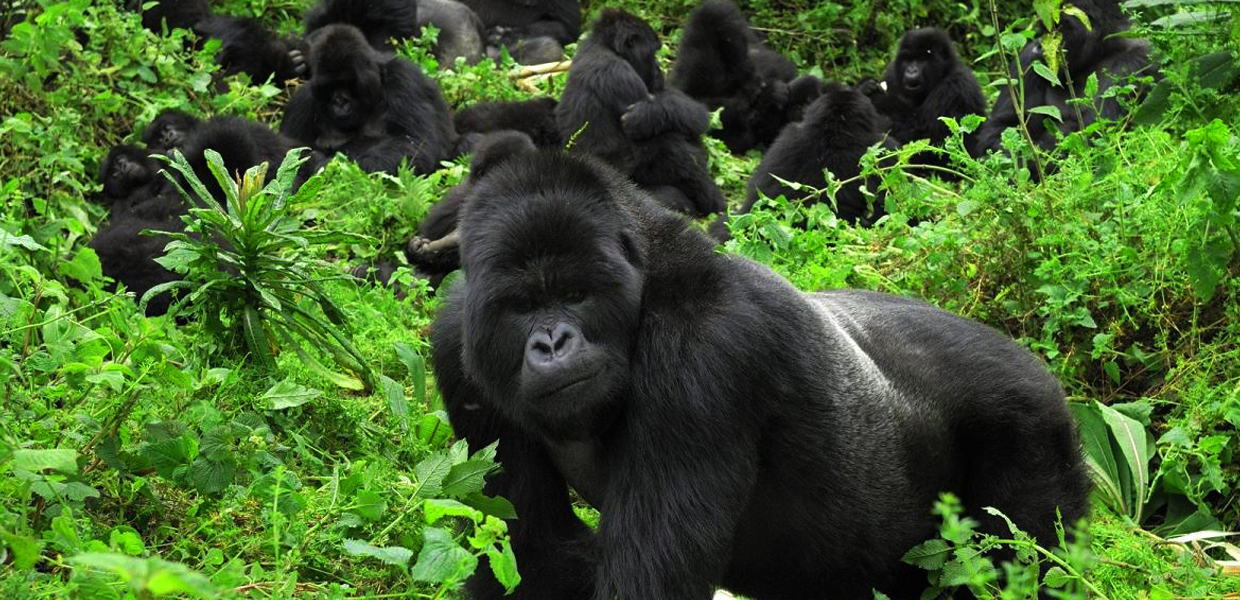
Gorilla trekking is an exhilarating outdoor activity that involves hiking through dense rainforests to find and observe habituated mountain gorillas in their natural habitat. Participants typically trek for several hours, guided by experienced rangers who know the terrain and the gorillas' movements. Once the group successfully locates a gorilla family, visitors are granted a unique opportunity to spend up to one hour with these incredible creatures. This interaction allows trekkers to observe the gorillas' behaviors, social interactions, and daily activities while remaining at a safe distance to minimize any potential disturbance.
The experience is not only thrilling but also deeply rewarding, as it raises awareness about the conservation of these critically endangered animals and their habitats. Trekking through lush, biodiverse ecosystems adds to the adventure, allowing participants to encounter various other wildlife species and breathtaking scenery along the way. The trek often takes place at high altitudes in mountainous regions, making it a physically engaging adventure. Engaging with the local guides contributes to a deeper understanding of gorillas and the challenges they face in the wild. Overall, gorilla trekking is a truly unforgettable experience that combines adventure, education, and a strong emphasis on wildlife conservation.
3-days-fly-in-uganda-gorilla-habituation-africa-safari-tour-package
2-days-best-gorilla-trekking-safari-tour-via-kigali-to-bwindi-impenetrable-forest-park
3-days-gorilla-trekking-safari-and-lake-bunyonyi-relaxation-itinerary
3-days-affordable-uganda-budget-gorilla-trekking-via-kigali
4-days-ultimate-gorilla-and-uganda-safari-and-chimpanzee-tracking
4-days-ultimate-gorilla-and-uganda-safari-and-chimpanzee-tracking
4-days-uganda-gorilla-safari-with-golden-monkey-tracking-from-rwanda
4-days-luxury-gorilla-trekking-safari-in-bwindi-fly-in-all-inclusive-tour
5-days-gorilla-and-uganda-safari-and-golden-monkey-trekking-tour-from-kigali
5-days-un-matched-uganda-gorilla-safari-and-chimpanzee-tour-itinerary
6-days-gorilla-and-uganda-safari-to-see-big-five
7-day-ultimate-uganda-primate-safari-chimpanzees-and-game-drives
19-days-incredible-uganda-safari-tour-big-five-chimpanzees-and-mountain-gorillas
14-days-uganda-and-rwanda-safari-tour-itinerary
12-days-perfect-rwanda-uganda-gorilla-trekking-safari-holiday-vacation
Where can I go gorilla trekking?
Gorilla trekking can be undertaken in three primary countries: Uganda, Rwanda, and the Democratic Republic of Congo (DRC). Each destination offers unique experiences, stunning landscapes, and varying levels of trekking difficulty, making them appealing for different types of travelers.
In Uganda, gorilla trekking primarily takes place in Bwindi Impenetrable National Park and Mgahinga Gorilla National Park. These parks are home to nearly half of the world's remaining mountain gorilla population and offer rugged terrain, lush rainforests, and abundant biodiversity.
Rwanda offers gorilla trekking in Volcanoes National Park, known for its beautiful volcanic landscapes and successful conservation efforts. The park provides well-maintained trails, making it more accessible to those with varying fitness levels.
In the Democratic Republic of Congo, gorilla trekking is possible in Virunga National Park, another UNESCO World Heritage Site. The park is less frequented by tourists, providing a more remote and off-the-beaten-path experience.
Each destination has its unique charm, with distinct ecosystems and cultural experiences. Travelers can choose based on their interests, such as scenic beauty, conservation efforts, or off-the-beaten-path adventures. Regardless of where you choose to trek, you’ll have the opportunity to connect with these magnificent creatures.
What makes gorilla trekking unique?
Gorilla trekking is a once-in-a-lifetime experience that allows individuals to spend time with critically endangered mountain gorillas in their natural habitat. This unique opportunity is unparalleled and sets gorilla trekking apart from other wildlife experiences. Encountering these majestic creatures in the wild offers a deeply emotional and profound connection with nature, fostering an understanding of the challenges they face due to habitat loss and poaching.
The chance to observe gorillas interacting socially, playing, or caring for their young creates unforgettable memories for trekkers. The sense of accomplishment gained from hiking through dense forests and overcoming the physical challenges of the trek adds to the experience's uniqueness. Each trek is different; even if you visit the same location multiple times, the gorillas' behavior and surroundings change, making every encounter special.
Furthermore, gorilla trekking emphasizes wildlife conservation and community engagement. Tourists contribute to local economies and conservation efforts through permits and tourism-related activities, directly benefiting the regions that host these incredible animals. Trekking experiences often combine a love for adventure with the opportunity to participate in conservation efforts, making travelers feel empowered and connected to a broader cause.
Overall, gorilla trekking offers an unparalleled mix of adventure, education, and emotional connection that leaves a lasting impact on participants, making it a truly unique experience in the realm of wildlife tourism.
Is gorilla trekking safe?
Yes, gorilla trekking is generally safe when conducted through organized tours led by experienced, skilled, and knowledgeable guides. Treks are conducted under the supervision of armed rangers trained to protect both the trekkers and the gorillas. This security presence is crucial, particularly in areas where wildlife may be unpredictable. However, the safety of participants also largely relies on their adherence to specific guidelines and regulations designed to minimize risks.
Physical preparedness is essential for a safe trekking experience, as the activity often requires participants to hike through rugged terrain. Visitors should consider fitness levels and be ready for steep, muddy, or uneven trails that might pose challenges. Following the instructions of the guides, such as maintaining a safe distance from the gorillas and keeping noise to a minimum, is paramount to ensuring both participants' and animals' safety.
Additionally, it's important for trekkers to be aware of the health risks associated with close encounters with wildlife. Maintaining proper hygiene, such as wearing masks during gorilla encounters, helps prevent the transmission of diseases. Overall, adhering to rules, maintaining physical preparedness, and traveling with reputable tour operators contribute to a safe and enjoyable gorilla trekking experience, enabling travelers to enjoy this incredible adventure with confidence.
How difficult is gorilla trekking?
The difficulty of gorilla trekking can vary significantly depending on several factors, including the location, trail conditions, and individual fitness levels. While some trails may be well-maintained and easier to navigate, others can be steep, muddy, and uneven, presenting challenges even for experienced hikers. Generally, gorilla trekking is considered a moderate to challenging activity requiring a good level of fitness.
Hiking in mountainous terrain at high altitudes can be physically demanding, so participants should prepare by engaging in regular exercise leading up to the trek, focusing on cardiovascular fitness and leg strength. Most treks last 2 to 8 hours, depending on how far the gorillas are located. Although trekking can be strenuous, operators often provide porters to assist participants, offering support with gear and providing stability on challenging sections of the trail.
Each trekking group can consist of varying levels of hikers, and guides work to accommodate individual needs where possible. Participants should keep in mind that the reward of seeing these incredible creatures in their natural habitat often outweighs the physical challenges of the trek. The experience can be immensely gratifying, filled with stunning scenery and the thrill of encountering mountain gorillas, making it a worthy investment in adventure for those willing to meet its challenges.
When is the best time for gorilla trekking?
The best time for gorilla trekking typically falls during the dry seasons, which occur from June to September and December to February. These months offer more favorable conditions for trekking, as the trails tend to be firmer and less muddy, making for an easier hiking experience. The weather during these periods is generally more stable, providing clearer visibility and more comfortable trekking conditions. Travelers often flock to these months for optimal viewing opportunities, as gorillas are more easily accessible during drier weather.
While the dry seasons are popular, the wet seasons (April to May and October to November) have their advantages, such as lush greenery and fewer visitors. If travelers prefer quieter trails and the beauty of verdant landscapes, this might be an appealing option. However, trekkers should be prepared for muddy conditions, which can make the hiking more challenging.
Ultimately, the choice of when to go depends on individual preferences and priorities, whether that is optimal trekking conditions, scenic landscapes, or a desire to avoid crowds. Regardless of the season, gorilla trekking offers a unique adventure that remains rewarding, allowing participants to share unforgettable moments with these remarkable creatures in their natural habitat.
How do I book a gorilla permit?
To book a gorilla permit, it is essential to secure it well in advance of your planned trek, as availability can be limited. Permits can be obtained through authorized tour operators or directly from the respective park authorities in Uganda, Rwanda, or the Democratic Republic of Congo (DRC). It's advisable to book several months ahead of your intended travel dates, especially during peak seasons when demand is high.
When booking through tour operators, ensure they are reputable and experienced with gorilla trekking tours. They can provide added benefits, such as organizing transportation, guiding services, and preparing travelers for the trekking experience. Many operators include permit fees as part of their package, streamlining the booking process for travelers.
In Uganda, for example, permits can be booked through the Uganda Wildlife Authority (UWA), while in Rwanda, the Rwanda Development Board (RDB) manages permits. Prices may vary between countries, typically costing around $800 for non-residents in Uganda, higher in Rwanda. Payment methods generally include bank transfers or online payment options, making the process accessible for international travelers.
Obtaining a gorilla permit is crucial for ensuring access to gorilla trekking experiences. Once secured, it allows participants to join a dedicated trek group, guided by professionals, leading to unforgettable moments spent with mountain gorillas in their natural habitat.
How much does a gorilla permit cost?
The cost of a gorilla permit varies depending on the country where the trekking takes place. As of recent years, here are the approximate permit prices for non-resident travelers:
- Uganda: Around $800 per person per trek. This fee allows trekkers to spend an hour with a gorilla family and contributes to conservation efforts and local development.
- Rwanda: Approximately $1,500 per person for a gorilla trekking permit. This price reflects Rwanda’s extensive conservation initiatives and the high demand for gorilla trekking in Volcanoes National Park.
- Democratic Republic of Congo (DRC): Permits can be more affordable, costing about $400 per person, making it an attractive option for budget-conscious travelers. However, accessing DRC may involve additional considerations regarding safety.
Prices can change, so it’s essential to check with the relevant authorities or your tour operator for up-to-date costs before booking. Securing permits in advance is crucial, especially during peak tourist seasons when availability is limited. The fees contribute to important conservation efforts, habitat preservation, and community benefits. Therefore, the investment not only grants an extraordinary wildlife experience but also supports the ongoing survival of these critically endangered mountain gorillas.
How long does a gorilla trekking safari take?
A typical gorilla trekking safari often requires a minimum of three days for a comprehensive experience, allowing for adequate time to acclimatize, track gorillas, and explore the surrounding areas. The trip duration includes the initial travel to the base of the trekking areas, which are generally located in remote regions accessible from major cities or airports.
During these three days, the schedule typically includes at least one gorilla trek, often on the second day, where participants hike through the forests to locate the habituated gorilla families. This trek can sometimes require extensive traveling on foot, with the possibility of encountering challenging terrain, so time is allocated for the physical endeavor.
On the first day, participants usually arrive at the destination and engage in orientation sessions, where they receive briefings on the trekking guidelines and become acquainted with their guides. Acclimatization is beneficial, especially if trekking occurs at higher altitudes.
The third day may involve relaxation or additional cultural experiences, such as visiting local communities or exploring scenic landscapes, depending on the itinerary. This flexibility allows travelers to make the most of their safari while ensuring that they capture the essence of the local culture and environment.
Overall, a minimum of three days is recommended for a gorilla trekking safari to provide an enriching experience, balancing the trek with recovery time and opportunities for exploration beyond the gorillas themselves.
Do I need a visa for gorilla trekking?
Yes, travelers need a visa to enter the countries where gorilla trekking occurs, including Uganda, Rwanda, and the Democratic Republic of Congo (DRC). Visa requirements can vary based on nationality, so it’s crucial to check the specific regulations applicable to your country of origin before planning your trip.
In Uganda, visitors can obtain a tourist visa upon arrival, but securing it in advance through the Ugandan embassy or online applications is often more convenient. Uganda offers an East African Tourist Visa, allowing entry into Uganda, Rwanda, and Kenya during a single visit.
In Rwanda, a tourist visa is typically issued upon arrival for many nationalities. E-visa applications are also available, providing an efficient way to obtain a visa prior to travel. Rwanda also offers a multiple-entry visa for extended stays.
In the DRC, visas are mandatory for almost all travelers. Applications can be initiated at a Congolese embassy or consulate. Furthermore, it's recommended to check if a special visa is needed for entering Virunga National Park, the site for gorilla trekking.
It’s essential to plan and obtain the necessary documentation well in advance, allowing for a smooth entry when arriving in your destination country. Compliance with visa requirements ensures a hassle-free experience, enabling trekkers to focus on the unforgettable journey of observing mountain gorillas in their natural habitat.
What should I wear for gorilla trekking?
When preparing for gorilla trekking, appropriate clothing is crucial for ensuring comfort and safety during the hike through dense rainforests. It is advisable to wear long sleeves and long pants made from lightweight, breathable, and moisture-wicking fabrics. This choice helps protect against thorny underbrush, insects, and potential scrapes from interacting with foliage.
Sturdy waterproof hiking boots with ankle support are essential for tackling uneven terrain and muddy trails. Waterproof footwear helps keep your feet dry, providing comfort and stability throughout the trek—crucial when traversing slippery areas. Wearing thick socks can protect against blisters and provide added cushioning.
Additionally, a hat, preferably one with a wide brim, is beneficial for protection against sun exposure and rain. A lightweight rain jacket is also important, as weather conditions can change quickly in tropical forests. Layering clothing, with a base layer and an outer waterproof layer, allows trekkers to adjust to temperature changes as they hike.
Overall, dressing in suitable, functional clothing enhances the trekking experience. This preparation promotes comfort, safety, and enjoyment, allowing travelers to focus on the breathtaking encounter with the majestic mountain gorillas and their captivating environment.
What gear is essential for gorilla trekking?
Preparing for gorilla trekking involves bringing essential gear to ensure comfort, safety, and an enjoyable experience during the hike. Key items to include are:
- Rain Jacket: A lightweight, waterproof rain jacket is vital for protection against sudden rain showers common in tropical rainforests. This will help keep you dry and comfortable during the trek.
- Insect Repellent: To safeguard against mosquito and tick bites, it is essential to pack a reliable insect repellent. Opt for a product containing DEET or other effective ingredients for the best protection.
- Sunscreen: A high-SPF sunscreen protects against sunburn, particularly important at high altitudes where UV exposure can be stronger. This will help keep your skin safe while trekking.
- First-Aid Kit: A small first-aid kit with essentials, such as band-aids, antiseptics, pain relievers, and any personal medications, is wise for handling minor injuries and health issues during the trek.
- Small Backpack: A lightweight, small backpack is necessary for carrying your essentials while trekking. It should have enough space to store water, snacks, and any additional gear you bring.
Having the right gear is crucial for enjoying a successful and comfortable gorilla trekking experience. By preparing properly and bringing essential items, you can focus on the adventure of observing these magnificent mountain gorillas in their natural habitat.
Do I need hiking poles for gorilla trekking?
Yes, hiking poles are highly recommended for gorilla trekking, especially for those navigating the varied and challenging terrains often encountered during the trek. The trails can be steep, muddy, and uneven, making it essential to have extra stability and support. Hiking poles provide balance, relieve pressure on the knees and joints, and help prevent slips or falls on slippery surfaces.
Many trekkers find that using poles allows them to conserve energy as they ascend or descend steep hills by distributing weight more evenly. Additionally, having hiking poles can enhance overall trekking comfort, making the experience more enjoyable and less physically taxing, particularly for individuals who may have mobility issues or less hiking experience.
Porters are often available to assist with carrying gear, and they usually have hiking poles for rent. Rental can be a practical option for travelers who do not want to pack their own poles or for those who are new to trekking.
Overall, using hiking poles during gorilla trekking is a simple yet effective way to increase stability and comfort, contributing to a more enjoyable and successful experience while observing majestic mountain gorillas in their natural habitat.
What kind of bag for gorilla trekking?
When preparing for gorilla trekking, choosing the right type of bag is essential for a comfortable and efficient hiking experience. A soft-sided duffel bag or a small backpack is ideal for this purpose. Soft-sided bags are lightweight, flexible, and easy for porters to carry over uneven terrain, allowing them to support trekkers effectively.
A small backpack is also a great option for carrying essentials during the trek, as it provides easy access to items without being overly cumbersome. It is essential to ensure that the bag has enough space for items such as water, snacks, a rain jacket, and other necessary gear.
Hard cases or rigid bags are not suitable for trekking since they can be cumbersome and difficult to maneuver in the dense forest. They take up unnecessary space and may hinder porters as they transport gear through rugged terrains.
In addition, having a water-resistant bag will help protect your items from rain and moisture, which are common in tropical environments. Look for bags with compartments to keep smaller items organized and easily accessible during the trek.
Overall, opting for a soft-sided duffel bag or a small backpack designed for hiking enhances your gorilla trekking experience, ensuring you can comfortably carry your essentials while maintaining the flexibility required for navigating diverse landscapes.
Can I bring my camera on gorilla trekking?
Yes, you can bring your camera on gorilla trekking, and capturing the incredible moments spent with these majestic creatures is highly encouraged. However, it’s important to follow specific guidelines to ensure the safety of both trekkers and gorillas. One of the key recommendations is to use flash-free settings when taking photos, as the flash can startle the gorillas and disrupt their natural behaviors.
Travelers should also pack extra batteries and chargers, as treks can last several hours, and having a reliable power source ensures you won't miss capturing special moments. Many photographers prefer using zoom lenses to maintain a safe distance while still getting close-up shots, preserving both the gorillas’ comfort and the quality of your images.
Additionally, consider using a small, lightweight camera bag to protect your equipment from rain and moisture. Keeping your camera gear organized and easily accessible allows you to focus on the experience rather than fumbling during encounters.
It’s also wise to check with tour operators regarding specific regulations around photography during visits with gorillas, as they may have guidelines to ensure minimal disruption to the animals. Bringing a camera enhances the trekking experience, allowing you to take home memories of your extraordinary encounter with mountain gorillas in their natural habitat.
How long does the trek last?
The duration of a gorilla trek can vary significantly, typically lasting anywhere from 30 minutes to 7 hours. This variability largely depends on the movement patterns of the gorillas and their location within the dense forests. Some groups may find the gorillas relatively close to the starting point, resulting in a shorter trek. In contrast, if the gorillas have moved farther into the forest, trekkers might face a lengthier journey, requiring more time and effort to locate them.
Regardless of the duration, every trek is an adventure, combining the thrill of tracking these incredible animals with the enjoyment of hiking through lush, biodiverse ecosystems. As trekkers venture deeper into the rainforests, they may encounter rich flora and fauna, enhancing the overall experience. The anticipation builds as participants hike, with every step leading them closer to the incredible moment of encountering mountain gorillas in their natural habitat.
Guides monitor the group's pace and ensure that trekkers are comfortable throughout the trek, making adjustments as necessary. It's advisable for participants to be prepared for varying trek lengths and terrain difficulties, as every trek presents a unique set of challenges and rewards. Ultimately, regardless of the trek duration, the ultimate goal remains the same: to witness the wonder of mountain gorillas up close, creating unforgettable memories that will last a lifetime.
How much time do I get with the gorillas?
Once you locate the habituated mountain gorillas during your trek, you will have precisely one hour to spend with them. This limited timeframe is designed to minimize stress on the animals while allowing trekkers a meaningful chance to observe their behaviors and interactions. The hour-long encounter is a treasured highlight of the gorilla trekking experience, offering an intimate glimpse into the lives of these amazing creatures in their natural habitat.
During this hour, participants can witness the gorillas' social dynamics, such as grooming behaviors, playful interactions, and maternal care. Observing these magnificent animals up close often evokes deep emotional responses, providing insights into their intelligence and complex social structures. Guides emphasize the importance of maintaining a respectful distance during the encounter, adhering to established protocols to ensure safety for both the trekkers and the gorillas.
Photographing these creatures during the hour is permitted, although visitors are asked to refrain from using flash photography to avoid startling them. The limited timeframe promotes a deeper appreciation for these critically endangered animals, allowing trekkers to experience the awe of being in their presence while supporting conservation efforts aimed at protecting their habitats.
Overall, the one-hour allocation with the gorillas is an unforgettable opportunity to connect with a species teetering on the brink of extinction, making the trek a transformative journey for all participants.
What happens during the trek?
During a gorilla trek, several key activities unfold to ensure a rewarding and safe experience. The trek typically begins with a briefing conducted by the rangers who explain the day's itinerary, the importance of conservation, and the rules and etiquette for interacting with gorillas. This educational session prepares participants for what to expect and emphasizes the significance of respecting the gorillas’ natural behaviors.
After the briefing, the group sets off on a hike, accompanied by experienced rangers who lead the way through the dense rainforest. As trekkers navigate the trails, they may encounter various wildlife and stunning flora, adding to the adventure. The guides frequently share insights about the ecosystem, enhancing the overall experience.
The duration of the hike varies depending on how far the gorillas are located, as they move through their habitats searching for food. Rangers employ tracking techniques to locate the gorilla families, guided by their knowledge and experience. Once the group successfully spots a gorilla family, however, the real excitement begins.
Upon reaching the gorillas, participants enjoy a memorable hour observing them in the wild. Guided by rangers, trekkers maintain a respectful distance while capturing photos and enjoying the incredible sight of these magnificent animals. This structure ensures that the trek is safe, educational, and deeply fulfilling, all while supporting vital conservation efforts for these endangered species.
Will I be with other people?
Yes, when participating in a gorilla trek, you will typically be grouped with other trekkers who share a common interest in observing mountain gorillas. The group size is limited to 8 people per gorilla family, which ensures a more intimate experience and minimizes disturbance to the animals. This small group dynamic also fosters camaraderie among participants, as everyone shares the excitement and anticipation of meeting the gorillas.
Traveling in a limited group allows for more personalized interactions with the guides, who can tailor their insights and responses based on the group's interests and questions. With fewer people, trekkers can engage more meaningfully during the trek, enhancing the overall experience. This size restriction is particularly important for conservation reasons, as it helps to reduce the stress placed on the gorillas and their habitat.
It's worth noting that these groups may consist of fellow travelers from diverse backgrounds, potentially leading to shared stories, experiences, and discussion. This communal aspect enriches the trekking adventure, as trekkers bond over their mutual fascination with these endangered creatures and their commitment to conservation.
Overall, sharing the gorilla trekking experience with a small group of like-minded individuals adds to the enjoyment while ensuring responsible wildlife observation practices that benefit both trekkers and gorillas alike.
What if I get tired during gorilla trekking?
If you find yourself getting tired during gorilla trekking, don't worry! The trek is designed to accommodate various fitness levels, and there are support systems in place to help you along the way. Porters are often available to assist trekkers by carrying gear and providing physical support, allowing you to focus on enjoying the experience rather than overwhelming fatigue.
Rangers are highly skilled in understanding the needs of their groups and will often adjust the pace of the trek according to individual fitness levels. They are trained to monitor participants and will encourage you to take breaks when needed. These breaks provide vital opportunities to catch your breath, hydrate, and enjoy the stunning surroundings of the rainforest.
It’s also important to stay honest with your guides about your physical condition throughout the trek. If you feel fatigued or overwhelmed, communication is key to ensuring that everyone has a safe and enjoyable experience. The atmosphere is supportive and collaborative, where everyone is dedicated to making the trek successful for each participant.
Ultimately, the emphasis on group welfare means that while gorilla trekking can be demanding, it’s also designed to be accessible and rewarding. Many trekkers find that the exhilaration of encountering the gorillas revitalizes their spirits, making the physical demands well worth it during this extraordinary adventure.
Am I fit enough for gorilla trekking?
Moderate fitness is generally required for gorilla trekking, as participants need to navigate uneven and often steep terrain. However, individuals don’t have to be elite athletes to participate. A reasonable level of physical fitness, along with a readiness to hike for varying durations, is essential. Training ahead of your trip can greatly enhance your trekking experience and make it more enjoyable.
Preparing for the trek might involve regular aerobic exercises, such as walking, running, or hiking, to build stamina. Incorporating strength training, particularly leg workouts, can also be beneficial, as parts of the trek may demand leg endurance and stability. Additionally, familiarity with hiking at altitude—as gorilla trekking often takes place in mountainous regions—can help acclimatize to changing oxygen levels and reduce potential fatigue.
It is advisable to consult your doctor before embarking on the trek, especially if you have existing health concerns. Everyone's fitness level is different, so understanding your capabilities will help inform your preparation.
Once on the trek, guides will assess each group member’s ability and adapt the pace accordingly, ensuring that everyone can enjoy the experience safely. Remember, encountering mountain gorillas is a rare and transformative opportunity, and with proper preparation and an open mindset, most individuals can participate and enjoy the adventure of a lifetime.
What if I have health issues?
If you have existing health issues, it’s important to consult with a healthcare provider before embarking on a gorilla trekking adventure. The activity can be physically demanding, and trekkers may be exposed to high altitudes, which can affect individuals with cardiovascular or respiratory conditions due to lower oxygen levels.
Your doctor can assess your specific situation, providing guidance on whether gorilla trekking is appropriate for you. They may suggest strategies for managing your health while trekking, including medication adjustments, training regimens, or precautions to take during high-altitude hikes.
If you have conditions like asthma, diabetes, or heart issues, inform your guides during the pre-trek briefing. They are trained to be aware of participants' health and can adapt the pace or provide accommodations to ensure your comfort and safety. Communicating openly about your health status is crucial, as it allows guides to tailor the trek experience to your needs.
Additionally, consider keeping personal medications accessible during the trek and informing the porters about any needs you may have throughout the hike. With adequate planning and clear communication, individuals with health issues can still participate in gorilla trekking and enjoy this extraordinary wildlife experience safely.
Do I need vaccinations for gorilla trekking?
Yes, obtaining a Yellow Fever vaccination is often required for travelers participating in gorilla trekking. Many regions in Uganda, Rwanda, and the Democratic Republic of Congo (DRC) are considered areas at risk for yellow fever transmission, leading authorities to mandate proof of vaccination for entry. Carrying your vaccination certificate is essential, as immigration officials may request verification upon arrival.
In addition to yellow fever, other vaccinations are recommended to protect against diseases such as hepatitis A, hepatitis B, typhoid, and tetanus. Consult your healthcare provider well in advance of your trip to determine which vaccinations are necessary or advisable based on your travel itinerary, health status, and medical history.
Travelers should also consider discussing preventive measures against malaria, a risk in many parts of Africa, including the regions where gorilla trekking occurs. Many health professionals recommend malaria prophylaxis for individuals traveling to these areas.
Planning vaccinations in advance ensures you have ample time to complete recommended dosages and allows for any necessary follow-up visits. By prioritizing your health and well-being, you’ll be better prepared for the rigorous adventure of gorilla trekking while contributing to the safety and conservation of these magnificent creatures.
Can children go gorilla trekking?
Generally, participants interested in gorilla trekking must be 15 years or older. This age restriction is in place due to the physical demands of the trek as well as the need for visitors to adhere to strict rules regarding behavior near the gorillas. The challenges of navigating rugged terrain and maintaining a respectful distance from these wild animals make it essential for trekkers to be mature enough to handle the experience responsibly.
The age limit also reflects the conservation guidelines set forth by national parks, aiming to protect the gorillas and minimize stress on them during encounters. Young children might not fully comprehend the importance of maintaining quiet and safe distances, potentially endangering both themselves and the gorillas.
While some families may seek alternative wildlife experiences that are suitable for younger children, those wishing to participate in gorilla trekking should plan accordingly. Various tour operators may offer family-friendly options that allow for cultural exchanges or visits to nearby communities that don’t involve trekking.
Ultimately, adhering to the age policy for gorilla trekking ensures that both the experience and the safeguarding of these critically endangered animals are maintained, allowing for a more enriching adventure for all participants who are old enough to join the trek.
Do I need malaria prophylaxis?
Consulting your doctor about malaria prophylaxis is often advisable for anyone planning to go gorilla trekking, especially since some regions in Uganda, Rwanda, and the Democratic Republic of Congo (DRC) have a risk of malaria. Your healthcare provider will evaluate your travel itinerary, health history, and overall risk factors to determine whether anti-malarial medication is recommended for you.
If your doctor prescribes malaria prophylaxis, it’s essential to begin taking the medication as directed, often starting before you enter a malaria-prone area and continuing for some time after your visit. Common medications include Malarone, doxycycline, and mefloquine, with varying dosages and schedules depending on the specific medication.
In addition to taking prophylaxis, you should also take preventive measures to minimize the chances of being bitten by mosquitoes. This includes wearing long-sleeve clothing, using insect repellent containing DEET, and sleeping under mosquito nets when in areas where malaria is a risk.
By discussing malaria prophylaxis with your healthcare provider and following the recommended preventative measures, you can enjoy your gorilla trekking experience safely. Understanding and mitigating health risks enables you to focus on the adventure of encountering these magnificent creatures in their natural habitat.
What are the rules for gorilla trekking?
When participating in gorilla trekking, there are essential rules and guidelines designed to ensure the safety and well-being of both trekkers and the mountain gorillas. Adhering to these rules is vital for responsible wildlife observation and conservation efforts. Key rules include:
- Maintain Distance: A minimum distance of 7 meters (about 23 feet) must be maintained from the gorillas to minimize stress on the animals and reduce the risk of disease transmission.
- No Flash Photography: Flash photography is prohibited, as it may startle the gorillas and disrupt their natural behaviors. Capture photos using natural light whenever possible.
- Don’t Touch the Gorillas: Physical contact with the gorillas is strictly forbidden to protect them from human-borne diseases and to respect their space.
- Stay Quiet: Keeping noise levels low helps respect the peaceful environment of the gorillas and enhances the experience for all participants. Excessive noise can disturb the animals' natural behaviors.
- Follow Guide Instructions: Rangers are trained to ensure safety on treks and will provide specific guidance based on the situation. Trekkers must follow their advice diligently.
- Be Prepared for the Outdoors: Wear suitable clothing and footwear to navigate the rugged terrain and comply with health and safety recommendations.
By following these established rules, participants contribute to the conservation of mountain gorillas and the integrity of their natural habitats, ensuring that future generations can enjoy the remarkable experience of trekking with these incredible animals.
Can I use flash photography?
No, using flash photography is strictly prohibited during gorilla trekking. The bright light from a camera flash can startle the mountain gorillas, causing them stress or distress, and potentially leading to dangerous reactions. More importantly, gorillas are susceptible to human-borne diseases, and sudden flashes may unnerve them, increasing the risk of triggering anxiety and disruption in their natural behaviors.
Gorilla trekking is designed to provide trekkers with the best possible opportunities for observing these magnificent creatures while ensuring their safety and well-being. For this reason, it is essential to respect their space and minimize disturbances. Visitors are encouraged to use natural light for photography instead while keeping a distance that satisfies both the ethical guidelines and the safety regulations set by park authorities.
When capturing images, familiarize yourself with the settings on your camera that allow for quality photos without a flash. Many cameras and smartphones today are equipped with low-light settings that can capture beautiful images in shaded environments like those found in dense forests.
Overall, adhering to the no-flash rule is a crucial aspect of responsible wildlife tourism. It contributes to the preservation of the mountain gorillas’ natural behavior and overall well-being while allowing trekkers to enjoy a memorable photographic experience.
Booking gorilla trekking with us Roads of Adventure safaris
To book a gorilla trekking safari for 2026 with Roads of Adventure Safaris, you can contact their team via WhatsApp or email at info@roadsofadventuresafaris.com. They specialize in all-inclusive packages for Uganda and Rwanda, handling essential permits, which currently cost $800 in Uganda. Whether you choose a 3-day Bwindi trek or a luxury Rwanda safari, their expert guides provide 4x4 transportation and lodge bookings. It is highly recommended to secure your permits at least four months in advance to ensure availability.
