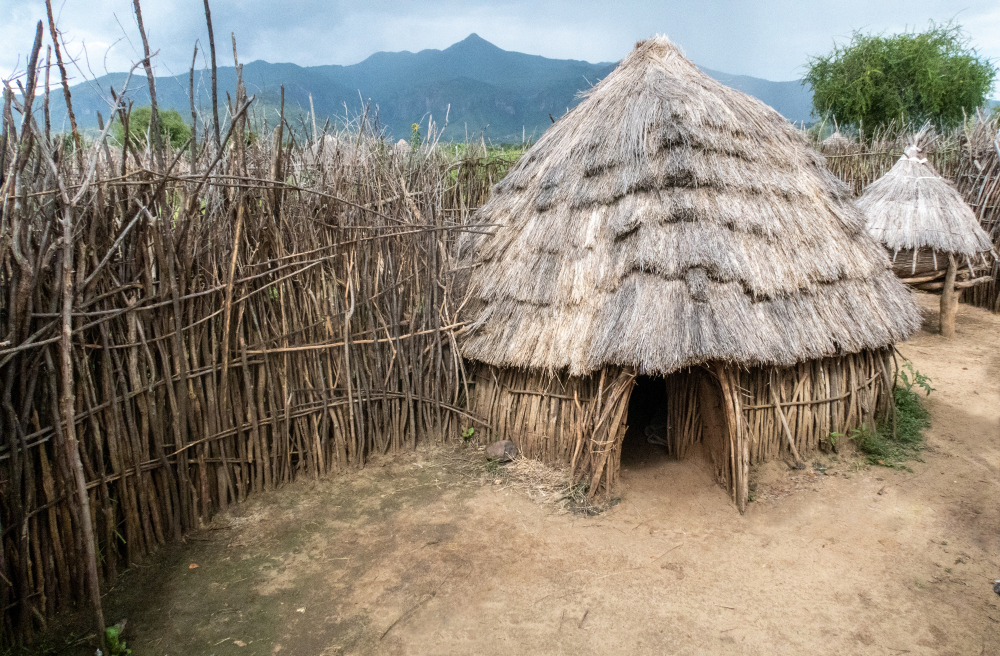
A cultural experience in Kidepo Valley National Park offers a raw, deeply authentic immersion into traditional pastoralist and hunter-gatherer communities. You can expect to interact intimately with the semi-nomadic Karamojong or the mysterious Ik tribe, exploring ancient homesteads, traditional dances, and daily survival practices in the semi-arid wilderness
3-days-luxury-fly-in-kidepo-valley-national-park-tour-package
3-days-uganda-safari-itinerary-to-kidepo-valley-national-park
5-days-kidepo-valley-uganda-safari-via-ziwa-rhino-sanctuary
14-days-complete-uganda-safari-tour-and-primate-safari-experience
11-days-uganda-wildlife-safari-jinja-kidepo-valley-tour-package
11-days-uganda-wildlife-safari-to-off-beaten-path-unique-tour-including-kidepo-valley
7-days-murchison-falls-uganda-safari-trip-via-ziwa-rhinos-kidepo-valley-and-jinja
6-days-best-of-murchison-and-kidepo-uganda-safari-via-ziwa
7-days-murchison-falls-uganda-safari-trip-via-ziwa-rhinos-kidepo-valley-and-jinja
1.The Karamojong Culture
The Karamojong are a fiercely traditional, pastoralist society with deep cultural ties to their cattle, much like the Maasai of East Africa
The Manyattas
Stepping into a Karamojong Manyatta is like walking through a portal into East Africa’s pastoral past. A cornerstone of any immersive Uganda cultural safari, these massive, hand-constructed homesteads are engineered for survival, community, and security. From the outside, a manyatta presents itself as an impenetrable fortress of dense, thorny brushwood and interlocking branches, purposefully built to keep out predators and rival cattle rustlers. Once you pass through the low, narrow entrance, however, the harsh semi-arid wilderness of Northeastern Uganda softens into a bustling, neatly organized communal village.
Inside this protective perimeter, you will discover a fascinating architectural layout. The outermost ring consists of individual family huts (Eka), constructed using mud, thatch, and sturdy wooden poles. Each hut is built with an intentionally small, low doorway that requires you to crawl inside, a clever defensive design that prevents enemies from entering quickly. Neighboring these homes are the elevated granaries, woven beautifully from twigs and insulated with mud to preserve sorghum and maize across unpredictable seasons.
As you guide your way through the paths of the manyatta, the layout reveals the deep-rooted social structure of the Karamojong. Multiple generations live side-by-side, sharing communal cooking areas where stories are passed down over open fires. The entire complex is organized dynamically around a central courtyard, which serves a vital purpose: safeguarding their most prized possession. For travelers on a uganda safari, exploring a manyatta offers an authentic look at an architectural tradition that has successfully resisted modernization for centuries, highlighting the true resilience of the Karamojong people.
Cattle & Kraal Life
To understand the Karamojong, you must understand their absolute devotion to cattle. In Karamoja, livestock is not merely an economic asset; it is the very soul of the culture, defining a person's social status, political power, and spiritual identity. Cattle are used to pay bridal dowries (Nyom), settle community disputes, and seal deep-rooted alliances. On a Uganda cultural safari, experiencing kraal life offers a raw, unfiltered look at a pastoralist routine that has remained virtually unchanged for generations.
The kraal is the beating heart of the manyatta—a large, heavily fortified central enclosure where hundreds of cattle, goats, and sheep are secured at night. Joining the herders at dawn is a sensory awakening. You will witness the dust rising under the morning light as men prepare the livestock for long-distance grazing across the rugged savannah. Herd boys and warriors call out to their favorite animals using unique whistling patterns and personal praise songs, demonstrating an intimate bond where every single cow is recognized by its horn shape and hide pattern.
During a uganda safari, visitors can learn about the traditional semi-nomadic migrations, where herders move temporary kraals across vast distances during dry seasons in search of water and green pasture. You might also observe the preparation of Asapan, a traditional diet consisting of fresh milk mixed with cattle blood, harvested sustainably without killing the animal. Engaging with the people inside the kraal reveals a community whose lives are entirely synchronized with the rhythms of their animals, offering an unforgettable perspective on survival and heritage in the wild north.
Performances
Few experiences on a uganda safari match the sheer energy and raw power of a Karamojong cultural performance. When the community gathers to sing and dance, the dusty ground of the manyatta transforms into a vibrant stage of color, rhythm, and sound. Unlike many other cultural exhibitions, these performances are not merely theatrical displays for tourists; they are vital, living expressions of history, courtship, celebration, and tribal pride.
The definitive highlight of these gatherings is the Edonga dance. In this spectacular display of physical prowess, men and women form a large circle, chanting rhythmic folk songs in call-and-response patterns without any instrumental accompaniment. The melody is driven entirely by the stamping of feet, the clapping of hands, and the heavy jangling of metal bells fastened to the dancers' legs. Suddenly, warriors will step into the center, launching themselves straight up into the air with incredible vertical leaps. These high-jumping displays are highly competitive, symbolizing a warrior’s physical fitness, endurance, and attractiveness to potential suitors.
As the energy builds, women join the performance, showcasing the Naleyo courtship dance, where couples mimic the movements of their beloved cattle. The visual spectacle is heightened by traditional attire: women wear brilliantly colored, layered pleated skirts paired with heavy rows of vibrant beads, while men wrap themselves in patterned sukas (traditional blankets) and wear elaborate feathered headdresses. Incorporating these festive dances into a Uganda cultural safari provides an exhilarating connection to the celebratory spirit and artistic heart of Karamoja.
Crafts
Karamojong craftsmanship is a beautiful marriage of utility, identity, and artistic pride. In a semi-arid region where natural resources are scarce, artisans have mastered the art of transforming clay, wood, leather, and metal into beautiful, highly functional objects. For travelers embarking on a Uganda cultural safari, sitting down with local craftsmen offers a hands-on opportunity to understand the daily tools and visual symbols that define this pastoralist society.
The most recognizable element of Karamojong craft is their exquisite beaded jewelry. Women spend hours threading thousands of tiny glass beads into intricate, brightly colored necklaces, bracelets, and waistbands. These patterns are far from random; the specific color combinations and geometric designs communicate a woman's age, marital status, and social standing within the manyatta. Alongside the beadwork, pottery makers use ancient, wheel-less hand-molding techniques to sculpt durable clay pots and gourds. These vessels are essential for daily survival, expertly designed to store fresh milk, brew local sorghum beer, and keep water cool against the scorching Ugandan sun.
Men, on the other hand, specialize in carving traditional wooden stools (Ekicholong), which double as headrests to preserve elaborate hairstyles, and crafting defensive weapons. You can observe black-smiths forging iron spears, arrows, and wrist-knives (Akele), tools historically used for protecting cattle herds against predators. Engaging with these artisans on a uganda safari allows you to see how ancient skills are actively passed down to younger generations, ensuring that the physical artifacts of Karamojong heritage remain strong.
2. The Ik Tribe
The Ik are a highly isolated and culturally intact group residing high on the slopes of Morungole Mountain, just outside the park's traditional boundaries
The Mountain Hike
Reaching the remote villages of the Ik tribe is not a casual excursion; it is a true test of physical endurance and a highlight for any adventurous traveler exploring northeastern Uganda. Perched high on the sheer, precipitous slopes of Mount Morungole, the Ik live in extreme geographical isolation, far removed from the modern infrastructure of the lowlands. The journey begins in the early morning at the base of the mountain, where the altitude already challenges your lungs, and unfolds into a grueling, all-day trekking experience that tests your stamina with every step.
The ascent alone demands roughly three to four hours of continuous, steep climbing along narrow, rocky ridges and sharp inclines. There are no paved paths here—only rugged footpaths carved into the mountainside by the Ik people themselves over decades of traversing this harsh terrain. The higher you climb, the more the surrounding landscape transforms. As the air cools and the wind picks up, the arduous physical effort is rewarded with some of the most spectacular, breathtaking vistas in all of East Africa.
From these soaring vantage points, the jagged peaks give way to panoramic views that stretch across the vast, golden savannas of Kidepo Valley National Park below. On a clear day, your gaze can sweep across international borders, looking simultaneously into the massive Rift Valley of Kenya to the east and the sweeping plains of South Sudan to the north. It is a profound, meditative trek where the physical struggle of the mountain hike serves as a necessary prelude to meeting a community that has quite literally retreated to the heavens to preserve their way of life.
Hunter-Gatherer Heritage
The Ik people hold a unique and poignant place in East African history, carrying a rich hunter-gatherer heritage that is deeply intertwined with the landscape of the Kidepo Valley. For centuries, they roamed the fertile lowlands as nomadic foragers, relying entirely on their exceptional skills to track wild game and gather edible wild fruits, tubers, and plants. However, their ancestral way of life was abruptly upended in the 1960s when the government gazetted their homeland to create Kidepo Valley National Park. Evicted from their hunting grounds without compensation and facing constant, violent cattle raids from neighboring pastoralist tribes like the Karamojong and Turkana, the peaceful Ik were forced to flee up into the safety of the Morungole highlands.
Stripped of their traditional hunting domains, this resilient community underwent a radical, painful transformation to survive, shifting from a nomadic life to subsistence terraced farming. Today, they meticulously cultivate sorghum, finger millet, maize, and tobacco on the steep, unforgiving mountain slopes. Alongside farming, honey production has emerged as a cornerstone of modern Ik culture and economy.
The Ik are master beekeepers, constructing traditional hollow-log hives and placing them high in the branches of mountain trees. Honey is so highly valued in their society that it serves as a form of currency; a suitor’s wealth is often measured by the number of beehives he owns, and honey is frequently used to pay the traditional bride price during marriage negotiations. Learning about this transition directly from the elders offers a profound look at human adaptability and cultural survival.
Direct Impact
Visiting the Ik tribe is a rare, off-the-beaten-path opportunity that goes far beyond standard cultural tourism; it is a journey of direct, meaningful impact that supports one of the most vulnerable and endangered indigenous communities in Africa. With a total population hovering between just 10,000 and 14,000 individuals, the Ik face constant threats to their long-term cultural survival due to geographic isolation, historic marginalization, and limited access to basic healthcare, education, and economic markets. By enduring the strenuous trek to their villages, conscious travelers provide a vital economic lifeline that flows directly into the community without intermediaries.
The community fees and guiding tips paid by visitors are directly managed by the Ik elders and families. This income helps fund essential needs, such as purchasing seeds for their terraced farms, securing medical supplies, paying school fees for the youth, and purchasing livestock or clothing from lowland markets. Furthermore, purchasing their locally produced mountain honey or handmade crafts provides sustainable livelihood incentives that encourage the preservation of ancient artisanal skills.
Beyond the financial benefits, responsible tourism provides a powerful psychological boost by validating the worth of a culture that was historically misunderstood and falsely stigmatized as cold or individualistic by early anthropologists. Today, the Ik warmly welcome travelers with vibrant traditional dances and open hearts, using tourism to build global awareness, protect their mountain environment, and ensure that their unique language, Icetot, and vibrant heritage do not vanish from the earth.
1. What is the average price of a cultural tour to the Karamojong and Ik communities?
When planning a Uganda safari, budgeting for cultural excursions requires understanding the cost breakdown of these unique encounters. A standard visit to a Karamojong Manyatta near the park boundaries typically ranges between $30 and $50 USD per person. This commercial fee generally covers community entry permits, local site guides, and a contribution to the village development fund, which supports school fees and clean water initiatives.
On the other hand, a trek to the highly isolated Ik tribe atop Mount Morungole is a premium, full-day expedition costing between $100 and $150 USD per person. This higher price reflects the logistical complexity of the trip, including specialized mountain guides, community rangers, and porters. When booking through a reputable tour operator, these fees are usually bundled into the overall safari package.
It is worth noting that while these fees grant you access to the villages, carrying extra local currency (Ugandan Shillings) is highly recommended for buying authentic handmade crafts or tipping exceptional guides. From a commercial standpoint, these tours represent a high-value investment, offering an intimate, low-crowd cultural experience that is vastly different from the highly commercialized mass tourism found in other parts of East Africa.
2. What cultural experiences are included in a luxury vs. budget Kidepo safari package?
The tier of safari package you choose significantly influences how you encounter the local communities in Kidepo. A budget safari package usually includes a standard, group-based walking tour to a accessible Karamojong Manyatta located just outside the park gates. These experiences are deeply authentic but follow a structured itinerary, focusing primarily on a walk-through of the homestead and a brief traditional dance performance by the villagers.
Conversely, a luxury safari package elevates the cultural experience by offering exclusive, private, and highly customized interactions. Luxury lodges often partner with specific, remote communities to arrange private sundowners inside a Manyatta, where guests can sip premium beverages while watching a private Edonga high-jumping performance. These high-end itineraries may also feature private talks with community elders or private helicopter excursions to the peak of Mount Morungole to visit the Ik tribe without the grueling all-day hike.
Additionally, luxury packages frequently include a dedicated cultural specialist guide who stays with you throughout the journey, providing deep contextual translations that bridge the gap between your world and the ancient traditions of Kidepo's pastoralist and mountain communities.
3. What souvenirs can I purchase from the local communities during my safari?
Purchasing authentic souvenirs is a fantastic way to financially support the indigenous communities of Kidepo while taking home a physical piece of your Uganda safari. When visiting the Karamojong Manyattas, the most prominent commercial items available are their world-renowned beaded jewelry. These intricate, vibrant necklaces, bracelets, and waistbands are hand-threaded by local women, with each color scheme telling a story of social status or age sets. You can also buy the Sukah, the bright, checkered blanket worn by Karamojong pastoralists, which makes for a unique, durable throw blanket.
If you make the strenuous trek up to the Ik tribe on Mount Morungole, the premier commercial product to buy is their organic mountain honey. Collected from traditional log hives hung high in the trees, this honey is incredibly pure, rich, and highly valued across the region. The Ik also craft beautiful, sturdy walking sticks and small hand-woven baskets.
When buying these items, prices are incredibly reasonable, often ranging from $5 to $30 USD. It is best to pay in cash using small-denomination Ugandan Shillings, as the remote villages lack electronic payment systems. This direct trade ensures 100% of your money goes straight to the artisan's household.
4. What is the cancellation policy for cultural excursions in Kidepo?
Understanding the cancellation policy for cultural tours in Kidepo is vital, as these excursions involve complex community logistics and local coordination. Most Uganda safari operators apply a tiered cancellation policy. If you cancel your cultural tour 30 days or more before departure, you will generally receive a full refund, minus minor administrative processing fees.
However, if you cancel within 14 to 7 days of the scheduled excursion, a cancellation fee of 50% to 100% usually applies. This strict policy exists because local guides, community rangers, and village performers are booked in advance. In a remote region like Karamoja, these individuals pass up other economic opportunities to host safari guests. For the Ik mountain trek, porters and guides are often mobilized from distant areas the night before, making late cancellations financially damaging to the community.
If an excursion is canceled due to extreme weather—such as heavy seasonal rains that wash out the dirt roads leading to the Manyattas or make the Mount Morungole trails dangerously slick—most reputable operators will try to reschedule the experience for later in your safari. If rescheduling is impossible, a partial or full refund for the cultural portion of your itinerary is typically issued.
5. What additional fees or hidden costs should I expect during a cultural visit?
When booking a Uganda safari to Kidepo, transparency regarding costs ensures a stress-free travel experience. While your primary tour package usually covers the base community entry and guide fees, there are a few additional costs to keep in mind. The most common extra expense is tipping. While not strictly mandatory, it is customary to tip your local site guides, community elders, and the dance troupe, with a standard tip ranging from $10 to $20 USD per group.
Another potential cost involves photography. In some Karamojong Manyattas, taking photos of specific individuals, their children, or the interior of their private huts may require a small, polite fee or prior permission negotiated by your guide. Always consult your safari guide before filming to avoid awkward commercial misunderstandings.
Lastly, transportation to and from the remote communities can sometimes incur unexpected surcharges if your itinerary changes. If you suddenly decide to add a trip to a distant, uncommercialized Manyatta or extend your trek, you may need to pay for extra fuel or vehicle wear-and-tear. Keeping a reserve of roughly $50 to $100 USD in cash (Ugandan Shillings) ensures you can seamlessly handle these minor, localized expenses.
6. What part of my safari package fee goes directly to the local host communities?
Responsible travelers frequently ask about the financial ethics of their Uganda safari. The percentage of your package fee that reaches the Karamojong and Ik communities largely depends on your tour operator's commitment to sustainable tourism. When booking through an ethical, community-conscious operator, 100% of the designated community entry fee goes directly into a localized community trust fund or is handed directly to the village elders.
These funds are managed by a local committee to ensure equitable distribution. In the Karamojong Manyattas, this revenue is commonly spent on community-wide necessities, such as constructing boreholes for clean drinking water, buying veterinary medicines for their beloved cattle, or funding primary school scholarships for village children. For the Ik tribe, tourism revenue is crucial for buying food supplies during droughts and maintaining community-run mountain schools.
However, the community fee itself makes up only a small fraction of a grand safari package, which mostly covers luxury lodging, park entry fees, aviation or vehicle transport, and main guide salaries. To maximize your direct economic impact, consider booking through operators certified by the Association of Uganda Tour Operators (AUTO) or those explicitly practicing Fair Trade Tourism.
7. What tipping guidelines should I follow for cultural guides and village dancers?
Tipping is an integral part of the service economy on a Uganda safari, serving as a direct expression of gratitude for hospitality and cultural sharing. In Kidepo Valley National Park, the individuals who guide you through the Manyattas or lead you up Mount Morungole rely heavily on these gratuities to supplement their modest agricultural or pastoral incomes.
For a standard group tour of a Karamojong Manyatta, a tip of $10 to $15 USD (approx. 35,000 to 55,000 UGX) for the main village guide is highly appropriate. If the community puts on an energetic Edonga or Naleyo dance performance, it is customary to drop a collective tip of $15 to $20 USD into a central basket rather than attempting to tip individual dancers. This ensures the money is split fairly among all the performers and singers.
For the strenuous Ik mountain trek, the guiding structure is more intensive. You should plan to tip your head mountain guide around $15 to $20 USD per day, and each porter (if you hire them to carry your daypack) around $10 USD per day. It is best to give these tips in clean, un-torn Ugandan Shilling notes, as converting foreign currency is nearly impossible for locals living in these remote mountain areas.
8. What is the best season to book a Kidepo cultural safari for maximum engagement?
From a commercial and experiential perspective, timing your Uganda safari to Kidepo can greatly alter the depth of your cultural interactions. The absolute best time to book is during the dry seasons, which run from December to February and June to August. During these dry months, dirt roads leading to the distant Karamojong Manyattas are easily passable, and the steep trails up Mount Morungole to visit the Ik tribe are dry and safe to climb.
More importantly, the dry season is when traditional cultural activities peak. Because agricultural work slows down, communities gather more frequently in the central kraals. This is the prime time to witness massive livestock gatherings, intense courtship dances, and traditional rituals. Furthermore, artisans spend more time weaving baskets and making intricate beaded jewelry, giving you excellent opportunities to see them work and buy their crafts.
Booking during the wet season (April to May and September to November) often comes with commercial discounts on lodges and safari packages, but it introduces logistical risks. Torrential downpours can turn the clay-rich soils of Karamoja into impassable mud, occasionally cutting off access to the villages entirely and forcing operators to cancel or shorten your highly anticipated cultural excursions.
9. What legal and insurance requirements apply to hiking excursions to the Ik tribe?
Because visiting the Ik tribe involves a physically demanding trek up Mount Morungole, there are specific legal, safety, and insurance considerations you must verify before booking your Uganda safari. First, check that your travel insurance policy covers high-altitude trekking or wilderness hiking up to at least 2,500 meters (8,200 feet). Standard travel insurance policies sometimes exclude injuries sustained on strenuous mountain climbs unless a premium rider is added.
Legally, you cannot hike Mount Morungole independently. All visitors must be accompanied by armed rangers from the Uganda Wildlife Authority (UWA) alongside local Ik community guides. The cost of these rangers is usually handled commercially by your tour operator and included in your safari itinerary. The presence of armed rangers is a standard safety protocol across Kidepo to protect against wild animals moving out of the valley or occasional cross-border cattle rustlers.
Furthermore, you will be required to sign a standard liability waiver either with your safari operator or at the UWA park headquarters before setting off. This document outlines the physical risks of the trek. Ensuring you are in good physical health and carrying proper medical evacuation coverage (such as AMREF Flying Doctors) is highly recommended for this remote region.
10. What Group discounts are available for cultural village tours in Kidepo?
If you are traveling with a large family, a group of friends, or an educational tour, inquiring about group discounts can significantly lower the per-person cost of your Uganda safari. Most cultural site management committees around Kidepo Valley National Park offer structured group rate discounts for parties of six or more adults.
For instance, while an individual entry to a Karamojong Manyatta might cost $40 USD, a large group might see that rate drop to $25 or $30 USD per person. The commercial reasoning is simple: the fixed cost of deploying a main site guide and organizing a dance performance remains relatively identical whether they are hosting two guests or twelve. Therefore, larger groups allow the community to maximize their earnings per event while passing savings on to the travelers.
For the Ik mountain hike, group discounts are less pronounced but still available for transport and guiding fees. While each traveler must still pay the mandatory community development levy, the cost of the armed UWA rangers and primary mountain guides can be split among the group members. When booking your safari, always ask your tour operator to itemize group rates to ensure these community-level discounts are factored into your final invoice.
11. What lodging options near Kidepo offer the best access to cultural tours?
Choosing where to stay on your Kidepo Uganda safari plays a massive role in how easily you can access these profound cultural encounters. For high-end travelers, Apoka Safari Lodge is located right inside the park and offers unparalleled luxury, complete with expert guides who maintain long-standing relationships with nearby Karamojong communities, ensuring seamless, highly respectful village visits.
For a mid-range or budget-friendly commercial option that prioritizes cultural immersion, Kidepo Savannah Lodge is an excellent choice. Situated just outside the park boundary, this lodge sits on the edge of Karamojong territory. Guests can often hear the distant, rhythmic songs from nearby Manyattas in the evening. Its location makes arranging impromptu morning walks to local homesteads incredibly easy and affordable.
If your primary commercial goal is to hike to the Ik tribe on Mount Morungole, staying at accommodation options closer to the town of Kaabong or the park's eastern gates can shave hours off your early morning transit time. Some adventurous itineraries even offer mobile fly-camping options at the base of Mount Morungole, allowing you to begin your steep mountain climb at first light without long drives from a central park lodge.
12. What specific photography and media rights fees apply in Kidepo communities?
Documenting your Uganda safari through photography and videography is a top priority for most travelers, but doing so in Kidepo’s indigenous villages requires navigating specific cultural boundaries and occasional commercial fees. For standard amateur photography—such as taking vacation photos or videos on your smartphone or DSLR camera—the cost is fully covered by your initial community entry fee. However, always ask your guide to seek permission before snapping close-up portraits of elders or children.
If you are a professional photographer, travel blogger, or documentary filmmaker intending to use the media for commercial purposes, you must declare this beforehand. The Uganda Wildlife Authority and local community trusts charge specific commercial filming fees, which can range from $100 to $500 USD per day, depending on the size of your production crew and equipment.
Failing to secure a commercial media permit can lead to your filming being halted by park rangers or village elders. Furthermore, if you plan to use drones, be aware that flying drones is strictly prohibited in all Ugandan National Parks and tribal lands unless you have secured a rare, complex permit from the Civil Aviation Authority and the Ministry of Defence well in advance.
13. What health and safety precautions should I fund before visiting these remote tribes?
Investing in your health and safety before embarking on a Kidepo cultural safari is vital, given the region's extreme remoteness. From a commercial standpoint, you should budget for a comprehensive pre-travel medical consultation. Kidepo Valley is a high-risk zone for Malaria, so buying a full course of preventative anti-malarial medication is highly recommended.
You must also ensure your routine vaccinations are up to date, including Yellow Fever, Hepatitis A and B, and Typhoid, as you will be interacting closely with communities that live in basic, rural conditions with limited sanitation. For the grueling Ik mountain trek, investing in high-quality, broken-in hiking boots, specialized hydration packs, and electrolyte supplements is essential to prevent dehydration and heat exhaustion in the blistering northern sun.
Because the nearest modern hospital is hours away in towns like Moroto or Kotido, buying a premium emergency medical evacuation policy is one of the smartest investments you can make. If you experience a medical emergency on the slopes of Mount Morungole, an evacuation policy ensures an emergency medical helicopter can safely fly you out to a top-tier international hospital in Kampala.
14. What are the commercial differences between visiting the Maasai vs. the Karamojong?
When choosing an African safari, travelers often compare the cultural experiences of different pastoralist tribes. Commercially, visiting the Maasai in Kenya or Tanzania is very different from visiting the Karamojong on a Uganda safari. Because the Maasai have been a staple of East African tourism for over half a century, their cultural experiences are highly commercialized, readily accessible, and tightly integrated into major tourist hubs. This can sometimes make the interactions feel transactional or staged.
In contrast, the Karamojong of Kidepo offer a raw, authentic, and uncommercialized cultural encounter. Because Kidepo Valley National Park receives a fraction of the visitor numbers seen in the Serengeti or Maasai Mara, the Karamojong Manyattas you visit are genuine living homesteads, not tourist replicas. The people are not professional actors; they are actual herders and artisans going about their daily lives.
From a pricing perspective, Karamojong tours are often much more affordable because they lack the inflated middleman fees common in hyper-tourism zones. For travelers seeking an authentic look at East African pastoralist life without the crowds and heavy commercial pressure, Kidepo offers an exceptional, deeply rewarding cultural alternative.
15. What sustainable tourism certifications should I look for when booking a Kidepo safari?
To ensure your safari spending actively protects Kidepo’s endangered cultures, it is smart to look for specific sustainable tourism credentials when selecting a tour operator. When shopping around, check if the company is an active member of the Association of Uganda Tour Operators (AUTO), which binds members to a strict ethical code of conduct regarding community engagement and fair compensation for local guides.
You can also look for operators endorsed by The International Ecotourism Society (TIES) or those that have received certifications from Uganda Eco-Tourism Association. These specialized organizations audit safari companies to ensure their operations actively minimize environmental damage while maximizing economic benefits to indigenous groups like the Ik and Karamojong.
When reviewing a company's brochure or website, look for clear, transparent language detailing their community partnerships. The best operators openly state how much of their profits go toward community projects, animal conservation, and local hiring initiatives. Choosing a certified, community-conscious operator ensures that your commercial safari investment directly aids the cultural preservation and long-term survival of Kidepo Valley’s magnificent people
Booking cultural experience in Kidepo valley national park with us Roads of Adventure safaris
To book a cultural experience in Kidepo Valley National Park with Roads of Adventure Safaris, reach out directly through the Roads of Adventure Safaris website. They specialize in tailored Uganda safaris that seamlessly integrate community encounters with classic wildlife viewing
