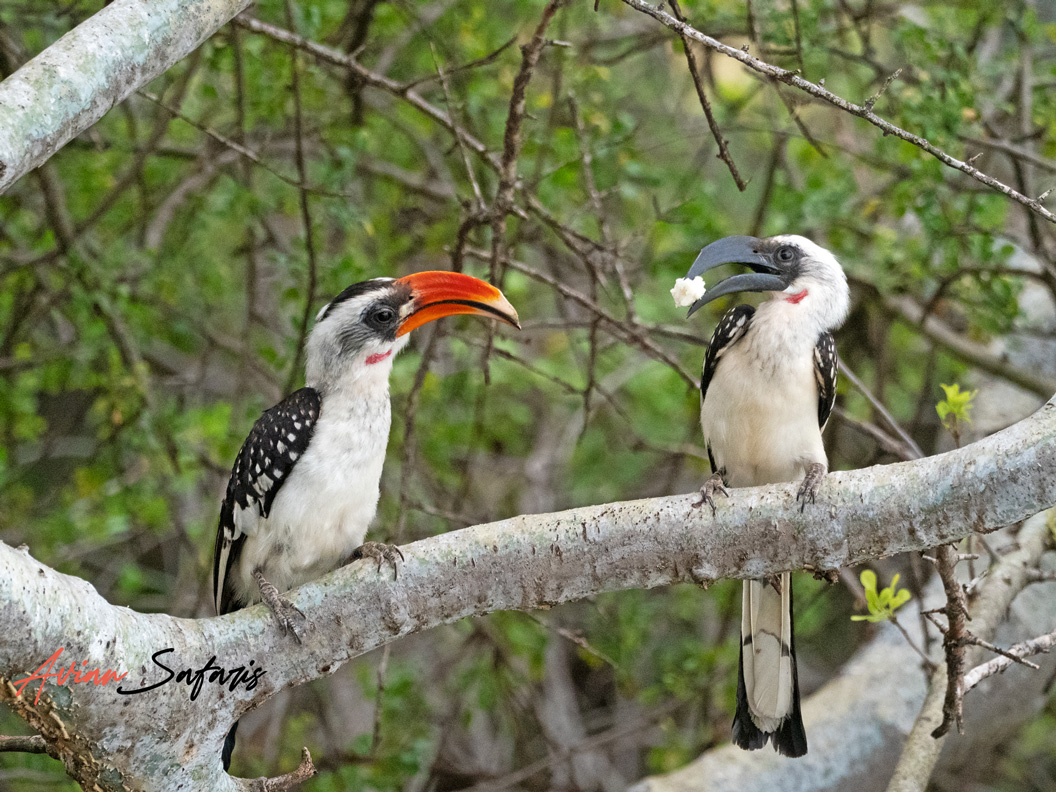
Kidepo Valley National Park is a premier Ugandan birding destination with over 475 species, famous for dry-country endemic species not found elsewhere in the country, such as the Common Ostrich, Karamoja Apalis, and Black-breasted Barbet. Key sightings include the Secretary Bird, Abyssinian Ground Hornbill, Kori Bustard, and Pygmy Falcon
30-days-best-uganda-birding-safari-extravaganza-and-wildlife-safari
25-days-complete-uganda-birding-safari-extravaganza-with-wildlife-viewing
22-days-best-uganda-primate-and-birding-safari-adventure
21-days-uganda-birding-safari-extravaganza-to-best-uganda-safari-parks
20-days-uganda-birding-safari-to-uganda-national-park
20-days-uganda-birding-safari-wildlife-gorilla-and-chimpanzee-tracking
14-days-classic-uganda-birding-safari-expedition
12-days-uganda-birding-tour-looking-for-rift-valley-endemic-birds-west-circuit
10-days-best-uganda-birding-safari-and-wildlife-experience
Key Bird Species in Kidepo Valley National Park
- Endemics/Regional Specialists: Common Ostrich, Karamoja Apalis, Black-breasted Barbet, Rose-ringed Parakeet, Red-and-yellow Barbet.
- Raptors: Secretary Bird, Pygmy Falcon, Verreaux’s Eagle, Lesser Kestrel, Pallid Harrier, Dark Chanting Goshawk, White-headed Vulture.
- Hornbills/Bee-eaters: Abyssinian Ground Hornbill, Jackson's Hornbill, Northern Carmine Bee-eater, Little Green Bee-eater, Red-throated Bee-eater.
- Other Key Species: Kori Bustard, Abyssinian Roller, Rufous Chatterer, White-bellied Go-away Bird, Fox's Weaver, Slate-coloured Boubou, Fan-tailed Raven, Superb Starling.
What birds are considered the top highlights of a Kidepo birding safari?
Kidepo Valley National Park is one of Uganda’s premier birding destinations because it combines East African savanna and montane‑dry woodland species with a set of restricted‑range and charismatic birds. Top highlights commonly targeted on safaris include the Common Ostrich, Secretarybird, Karamoja Apalis, Black‑breasted Barbet, and Abyssinian Ground Hornbill. The Common Ostrich (Struthio camelus) stands out for its sheer size and striking presence in open grassland, often easily located in small groups; although globally widespread, its occurrence inside Uganda is largely restricted to Kidepo, making sightings notable for visitors. The Secretarybird (Sagittarius serpentarius) is a high‑profile raptor‑like bird recognized for its long legs and terrestrial hunting style; watching one stalk across plains hunting snakes and insects is an unforgettable behavior to observe. The Karamoja Apalis (Apalis karamojae) is a restricted‑range species and one of Kidepo’s most sought‑after endemics; its skulking habit in acacia and bush thickets makes it a special find for range‑restricted birders. The Black‑breasted Barbet (Lybius rolleti) is a localized woodland barbet with bold facial patterning and a loud, ringing call; it favours riverine woodlands and is a target for those seeking dry‑thorn and riverine species. The Abyssinian Ground Hornbill (Bucorvus abyssinicus) is a conspicuous terrestrial hornbill that forages on the ground and displays distinctive deep calls and social foraging behaviour—seeing a pair or small group is a highlight, particularly when contrasted against the park’s open vistas.
These species represent a cross‑section of Kidepo’s appeal: large, visible megafauna (ostrich, ground hornbill), striking predators with unusual behaviours (secretarybird), and localized, habitat‑specialist birds that reward careful searching (Karamoja Apalis, black‑breasted barbet). For the best chance to see these highlights, plan early morning and late afternoon game drives when birds are most active, use experienced local guides who know current local territories and watering points, and focus on habitat mosaics—open plains, acacia scrub, riverine thickets and koppies—where these species concentrate. Observing these flagship birds not only delivers great photographic and wildlife experiences but also underscores Kidepo’s value as a refugium for East African dry‑woodland and savanna specialists.
Where can I find the best bird-watching spots in Kidepo Valley National Park?
Kidepo Valley National Park’s most productive birding locations are driven by water availability, habitat variety and the concentration of species around key landscape features. Three of the most dependable spots are the Narus Valley, Apoka Rest Camp area, and the dry stream beds that dissect the park. The Narus Valley is the park’s main artery: a broad, grassland‑dotted valley with seasonal marshes and watering sites that attract large numbers of migrants, waterbirds and raptors. Early morning drives along the Narus roads and game trails often yield large flocks of egrets, storks, raptors like the Dark‑chanting Goshawk, and ground species such as Kori Bustard and Bustards. The mix of open plains, rocky kopjes and scattered acacia provides diverse microhabitats where species from open‑country and thorn‑scrub niches coexist. Apoka Rest Camp is another prime focal point. Its small permanent waterhole and cultivated grounds attract starlings, weavers, kingfishers and a variety of passerines that come to drink, bathe or feed — especially during the dry season. Staying at or near Apoka allows repeated, convenient access to reliable feeders and water points where shy or range‑restricted species can be located. Dry stream beds and seasonal riverlines are deceptively productive: they form linear corridors of denser palatable vegetation and isolated gallery woodland within the otherwise open landscape. These corridors host species typical of riverine habitat, such as specialized barbets and warblers, while also serving as travel routes for migrants and residents. Searching along these beds around dawn or late afternoon produces sightings of dry‑country specialties like sandgrouse and ground hornbills, as well as skulking species such as Karamoja Apalis in the denser thickets. For concentrated birding success, combine drives through Narus, stake out the Apoka waterhole at peak activity times, and investigate dry stream beds and koppies with a knowledgeable guide who can pinpoint recent sighting locations and interpret seasonal changes in bird use.
Are there any unique or endemic bird species in Kidepo?
Yes—Kidepo Valley National Park hosts several restricted‑range and regionally unique species that make it especially important for birders visiting Uganda. The Karamoja Apalis (Apalis karamojae) is the most celebrated example: essentially endemic to northeastern Uganda and adjacent parts of Kenya, this small, active warbler inhabits thornbush, acacia scrub and riparian tangles in the park. Because its global range is so restricted, observers travel specifically to Kidepo to find it; its skulking habit and tendency to stick to dense thickets make it a prized but sometimes challenging target. Another species with a notable national status is the Common Ostrich: while not endemic to Africa, Kidepo is the primary location within Uganda where wild ostriches still occur, so sightings here are effectively unique nationally. The park also supports regionally unusual or locally concentrated species such as the Black‑breasted Barbet and certain raptors and dry‑country specialists that are uncommon elsewhere in Uganda. Beyond strict endemics, Kidepo’s position at the interface of East African savanna and the more arid Horn‑of‑Africa influenced regions means it attracts species at the edges of their ranges—creating an assemblage that is distinct within Uganda. These include range‑edge bee‑eaters, larks and sandgrouse species that are either absent or very rare in other parts of the country. The presence of these restricted and edge‑range species is why Kidepo forms part of several Important Bird Area (IBA) designations and receives targeted conservation attention. For visitors, finding the Karamoja Apalis and observing ostriches in their Ugandan stronghold are two of the most memorable endorsements of the park’s unique avifauna.
When is the best time for bird watching in Kidepo Valley National Park?
The optimal timing for birding in Kidepo depends on what you most want to see: migrants, breeding displays, or resident dry‑country specialists. Generally, the peak months for birding in Kidepo are March to May and November. March to May coincides with the main rainy season, which triggers breeding activity and increases insect abundance; many resident species become more vocal and active during this period, making detection easier. Vegetation flushes provide food resources that can concentrate frugivores and insectivores, and post‑rain pools attract waterbirds and raptors to freshly greened plains. November is noteworthy because it follows the short rains and overlaps with the arrival or passage of certain migratory species from Eurasia and intra‑African migrants, enriching species diversity and providing good sightings of transient shorebird and passerine migrants. The dry season (around December to February and June to August) has advantages too: permanent waterholes like those near Apoka concentrate birds and mammals, making them convenient focal points for observation. Dry, clear weather also improves visibility for scanning open plains and locating large birds such as Secretarybirds and Kori Bustards. If your priority is resident, range‑restricted species like the Karamoja Apalis, time of year is less critical than microhabitat and guide knowledge—these species can be located year‑round but may be more conspicuous during breeding or after rains. Practical considerations: early morning and late afternoon drives maximize activity and light for photography; mid‑day can be hot and quiet. Travel planning should factor in road conditions during heavy rains, which can make access to remote tracks difficult; thus late dry season and immediate post‑rain windows often balance accessibility and bird activity.
What raptors can be spotted on a bird watching safari in Kidepo?
Kidepo Valley National Park is a raptor‑rich landscape, supporting a diverse assemblage adapted to open savanna, rocky kopjes and riverine woodlands. Birders commonly encounter species across several functional groups: large eagles and hawk‑eagles, true booted eagles, snake‑specialist raptors, and opportunistic generalists. Among the frequently reported species are the Verreaux’s Eagle (Aquila verreauxii), Egyptian Vulture (Neophron percnopterus), Tawny Eagle (Aquila rapax), and the Dark‑chanting Goshawk (Melierax metabates). Verreaux’s Eagle, typically associated with rocky outcrops and kopjes, may be observed perched on crags or soaring above hills hunting for mammals and large birds. Egyptian Vultures are regular scavengers at carcasses and are notable for their small size, white plumage and intelligent use of tools or substrate for feeding. Tawny Eagles are widespread large eagles seen soaring over open plains seeking carrion and small mammals. The Dark‑chanting Goshawk is a characteristic open‑country hawk found regularly in Kidepo; it favours savanna and bush and is often seen perched conspicuously or hovering over grasslands searching for prey. Other raptors recorded include African Harrier‑Hawk, Bateleur, Gabar Goshawk and various kestrels and falcons that exploit the park’s mosaic of habitats. Raptors concentrate where prey and thermals occur—near waterholes, around carcasses and above escarpments and koppies where rising air currents allow sustained soaring. For raptor watching, scan from elevated viewpoints, stake out watering points at dawn and dusk, and rely on experienced guides who can interpret flight styles and provide the best vantage points. Kidepo’s combination of open vistas and varied topography makes it one of the most rewarding sites in Uganda for raptor diversity and behavior.
Can I see the Abyssinian Ground Hornbill during my visit?
Yes. The Abyssinian Ground Hornbill (Bucorvus abyssinicus) is a conspicuous and frequently seen species in Kidepo Valley National Park. Unlike most hornbills that spend substantial time in trees, Abyssinian Ground Hornbills forage primarily on the ground, hunting for large insects, small reptiles, amphibians, and occasionally small mammals. These birds are large, with a striking silhouette, bare facial skin and heavy bill; they are often observed walking in pairs or small family groups, using a deliberate, purposeful gait as they probe and pick prey from grassland and open scrub. Because they favour open savanna and grasslands—habitats abundant in Kidepo—you have a good likelihood of encountering them during game drives, particularly in the Narus Valley and along roads crossing open plains. They are most active during the cooler parts of the day, around early morning and late afternoon. Observing Abyssinian Ground Hornbills is rewarding because of their size, unusual terrestrial habits for hornbills, and engaging behaviours such as cooperative foraging or calling displays. Their presence is also an indicator of healthy open habitats where large prey items and ground vegetation structure are intact. To improve your chances, ask guides to scan grassy flats and edges of thickets at lower speeds during drives, and watch for movement or large silhouettes that reveal these ground‑dwelling birds. Maintaining distance and avoiding disturbance keeps these intelligent birds comfortable and visible for longer periods.
What is the most common bird of prey seen while birding in the Narus Valley?
The Dark‑chanting Goshawk (Melierax metabates) is one of the most commonly observed birds of prey in Kidepo’s Narus Valley, thriving in the savanna and thorn‑scrub habitats that dominate the area. This medium‑sized hawk is adapted to open and semi‑open landscapes where it hunts from low perches or by quartering slowly to locate small mammals, birds, reptiles and large insects. Its behaviour—perching conspicuously on acacia tops, fence posts, or exposed vantage points—makes it readily visible to birders. The species is often encountered singly or in pairs, and its alert upright posture and grey‑toned plumage with barred underparts make field identification straightforward. The Dark‑chanting Goshawk’s frequent presence reflects suitable prey abundance and available perching sites in the Narus Valley’s mosaic of grassland and scattered thornbush. It is active during the day, with peak hunting times in early morning and late afternoon when thermal conditions and prey movement are favourable. For birders, the goshawk’s conspicuous perching and hunting style offer excellent viewing and photographic opportunities; scanning from elevated vantage points or slow driving along the valley often reveals it. While other raptors—such as Tawny Eagle and various falcons—are also regular, the Dark‑chanting Goshawk’s combination of abundance, conspicuous habits and habitat preference makes it the emblematic bird of prey for Narus Valley birding.
What makes the Apoka area special for birders?
Apoka Rest Camp is special for birders because it concentrates a large diversity of species around a small, permanent water source and a mosaic of modified and natural habitats. The camp’s waterhole, gardens and adjacent riverine thickets act as a magnet, especially in the dry season, drawing species that otherwise disperse widely across the park. Water availability makes Apoka a reliable site to observe colorful starlings, a variety of weavers, kingfishers and other passerines that come to drink, bathe and forage. The convenience of proximity to the camp also means repeat visits at different times of day are easy, increasing the chance of encountering species displaying different daily routines. Additionally, Apoka provides access to nearby habitats—open grassland, acacia scrub and wooded gullies—within short driving distance, allowing birders to sample multiple habitat types in a single morning or afternoon. The camp’s elevated viewpoints and short trails give comfortable scanning positions for raptors and larger species, and nocturnal walks or early morning stakeouts at the waterhole can produce nightjars and owls. Logistically, staying at Apoka reduces transit time, permitting more time for field observation and photography. Finally, local guides and rangers based at Apoka often have up‑to‑date knowledge of recent sightings and territories, which helps target restricted‑range species and ensures ethical, low‑impact viewing at concentrated birding hotspots.
Are there any special ground-feeding birds I should look for?
Yes—Kidepo’s open grasslands and scrub support a suite of notable ground‑feeding birds that are both distinctive and exciting to locate. Kori Bustard (Ardeotis kori) is one of the largest flying birds and a prized sighting: it forages on the ground for seeds, insects and small vertebrates and displays impressive walking behaviour across open plains. The Four‑banded Sandgrouse (Pterocles quadricinctus) is another specialist of dry open habitats; sandgrouse fly in tight flocks to waterholes at dawn and dusk and feed on ground seeds during the day. The Secretarybird also fits this category in behavior—though not strictly ground‑feeding, it hunts predominantly on foot across grasslands, stomping on prey such as snakes and large insects. Other ground specialists include Double‑banded Courser and various larks (e.g., Rufous‑naped and Red‑winged Larks) that scratch and run across bare patches in search of seeds and invertebrates. Ground feeders often concentrate around water sources and in areas of short grass, particularly after rains when insect prey is abundant. Locating these species requires scanning open areas from a low vehicle profile and visiting waterholes at first light or late afternoon when sandgrouse and bustards are most active. Because many ground birds rely on camouflage and are sensitive to disturbance, approach slowly and maintain distance to observe natural behaviors—especially courtship displays in bustards or flock arrival patterns in sandgrouse.
What rare species can be seen in the bushland?
Kidepo’s bushland and riverine thickets shelter several rare or restricted‑range species that are prized by specialists. The Black‑breasted Barbet (Lybius rolleti) is a noteworthy example: restricted to certain riverine and dense woodland pockets, its bold plumage and distinctive calls mark it as a special find in the park’s bushland. Rose‑ringed Parakeet (Psittacula krameri), while widespread in parts of Africa and Asia, has a localized occurrence in Kidepo that makes sightings unusual and desirable for Ugandan birders. Other rarities in bushland can include specialized warblers, babblers and localized larks or shrikes that favour dense acacia thickets and gallery woodland. Because these species are patchily distributed and often secretive, successful sightings rely on visiting prime microhabitats—riverine strips, thicker thornbush corridors, and sheltered gullies—ideally with a guide who understands recent local records. Seasonal factors also affect rarity detection: some species may be more detectable during breeding when they vocalize more or following rains when vegetation and prey concentrate birds. For rare species in bushland, patience, quiet walking off the main tracks (where permitted), and careful listening for distinctive calls are essential. Documenting these rarities contributes to conservation knowledge and is a highlight for committed birders who appreciate Kidepo’s role as a refuge for localized specialists.
Do I need a specialized guide for birding in Kidepo?
Yes—hiring a specialized, local birding guide is strongly recommended for Kidepo Valley National Park. The park’s mix of open savanna, thornbush, rocky kopjes and riverine woodland includes several range‑restricted and skulking species that are easy to miss without local knowledge. A specialized guide brings current information on recent sightings, knows microhabitat hotspots (e.g., where Karamoja Apalis or Black‑breasted Barbet have been active), and can interpret bird behavior and calls to locate quiet or cryptic species. Guides also help with practical navigation of tracks and timing: they know when and where waterholes concentrate birds, which koppies are best for raptor vantage points, and which trails are accessible under varying weather conditions. For photographers and serious birders, a guide’s ability to position vehicles or walkers discreetly increases the chance of close, natural views without stressing birds. Moreover, guides enhance safety—Kidepo is remote and can present logistical challenges—and hiring local expertise supports the community and contributes economically to conservation. Many guides offer targeted itineraries for difficult targets, coordinated stakeouts at favored water points, and assistance with identification of squeaky or similar calls. Overall, a specialized guide multiplies the effectiveness of your birding time and improves both the quality of sightings and the ethical standards of the visit.
What is the most colorful bird species I can see?
Kidepo offers several vividly colored species that delight birders and photographers. Prominent among them are the Little Green Bee‑eater (Merops orientalis), Northern Carmine Bee‑eater (Merops nubicus), and Beautiful Sunbird (Cinnyris pulchellus). The Little Green Bee‑eater sports bright green plumage with a delicate throat pattern and is often seen perched on low twigs or wires before sallying for flying insects—its small size and vivid color make it photogenic against open skies. The Northern Carmine Bee‑eater is a spectacular, larger bee‑eater with rich carmine underparts, turquoise upperparts and long tail streamers; it typically nests in colonies in eroded banks or river edges and can be seen in lively flocks returning to perches. Beautiful Sunbirds, although small, show intense iridescent colours on the male—metallic blues and purples depending on light—while they flit about flowering shrubs and trees sipping nectar. These species are most visible around flowering plants, along watercourses and in open perches on thorn trees or wires. The combination of vivid plumage, dynamic flight displays, and often cooperative flocking (in bee‑eaters) makes them outstanding photographic and observational targets. To maximize encounters, visit flowering patches, watch river edges and exposed perches in the early morning light, and use a guide to locate recent nesting colonies of carmine bee‑eaters.
Are there any nocturnal birds in Kidepo?
Yes—Kidepo supports several nocturnal species that can be encountered during early evening or pre‑dawn surveys. The Standard‑winged Nightjar (Caprimulgus longipennis) is a distinctive nocturnal bird sometimes seen during crepuscular outings; males display dramatic elongated wing feathers during the breeding season and are most active at dusk when they hunt flying insects over open ground. Nightjars are cryptically plumaged and often roost on the ground or low perches—detecting them relies heavily on listening for their churring or display calls and awaiting dusk when they become active. Apart from nightjars, Kidepo may host other nocturnal species such as owls and certain nightjars or night hawks that require specific night drives or spotlight surveys to locate. Ethical nocturnal birding requires experienced guides to minimize disturbance, avoid spotlighting that harms wildlife, and ensure visitor safety in remote terrain. Timing matters: early evening stakeouts near waterholes, open flats, or known display sites increase the chance of observing nocturnal species’ natural behaviors such as feeding flights and courtship displays. If you plan to search for nocturnal birds, coordinate with park authorities and guides to use accepted methods and to visit locations where sightings are most likely and disturbance is least.
What special birds can be spotted in the dry riverbeds?
Dry riverbeds and seasonal wadis in Kidepo create linear corridors of denser vegetation and shade that attract specialized birdlife. Species commonly associated with these habitats include the Black‑throated Barbet (Lybius rolleti or similar localized taxa), Red‑winged Lark (Mirafra hypermetra), and Rufous Chatterer (Turdoides rubiginosus). The Black‑throated Barbet prefers riverine woodlands and thicker gallery acacias, where it feeds on fruit and calls from conspicuous perches—riverbeds provide the denser trees these barbets require in an otherwise open landscape. Red‑winged Larks use dry riverbeds and adjacent flats for foraging and nesting, exploiting patches of bare earth and short grass where seeds and insects are accessible. The Rufous Chatterer, a sociable babbler‑like species, is commonly found in thornbush and scrub along dry waterways where it moves in noisy groups searching for insects. Dry riverbeds also serve as travel routes for migratory passerines and as moisture refuges where butterflies, bee‑eaters and other species congregate after rains. Searching these linear features at dawn and late afternoon yields good activity: birds come to drink, forage in the cooler microclimate, and utilize denser perches for shelter. Guides with local knowledge can identify the exact scrub patches and banks most likely to hold these specialties; slow, patient walking along accessible dry beds (where permitted) and careful listening are the best tactics.
What other bird types are in Kidepo besides raptors?
Beyond the impressive raptor assemblage, Kidepo is rich in passerines and other avian guilds that make the park a full‑spectrum birding destination. Weavers (Ploceidae) and their relatives are abundant—careful inspection of trees near waterholes and camp areas reveals colonies of various weavers constructing elaborate nests. Swallows and swifts patrol open skies catching insects, especially around dusk when thermals and insect swarms peak. Doves and pigeons are common in both woodland and open habitat, providing steady sightings and vocal cues. Starlings such as the Superb Starling (Lamprotornis superbus) and Rüppell’s Starling (Lamprotornis purpuroptera) are highly visible, colorful and often occur in mixed flocks with other passerines near camps and water. Bee‑eaters add colour and aerial dynamism, while shrikes, larks and pipits provide the small, often ground‑oriented species that characterize dry savanna bird communities. The park also harbors barbets and hornbills which contribute to the structural complexity of bird life in riverine woodlands and on kopjes. This diversity means that birders of all interests—those seeking colorful passerines, skulking understorey species, ground specialists or aerial insectivores—will find satisfying targets. Combining habitat sampling (waterholes, acacia scrub, rocky koppies and open plains) with an experienced guide maximizes the variety of bird types you’ll encounter and delivers a comprehensive view of Kidepo’s avian richness.
Booking Uganda birding safari in Kidepo with us Roads of Adventure safaris
Book an unforgettable birding safari in Kidepo Valley National Park with Roads of Adventure Safaris, specializing in Uganda’s remote wilderness. Experience premier birding—home to over 480 species like the Abyssinian Roller and Black Coucal—alongside thrilling game drives in Narus Valley. Our tailored, expert-led 4x4 tours provide panoramic views, cultural Karamojong visits, and top-tier photography opportunities. Choose our experienced team for a 5-day or custom itinerary
