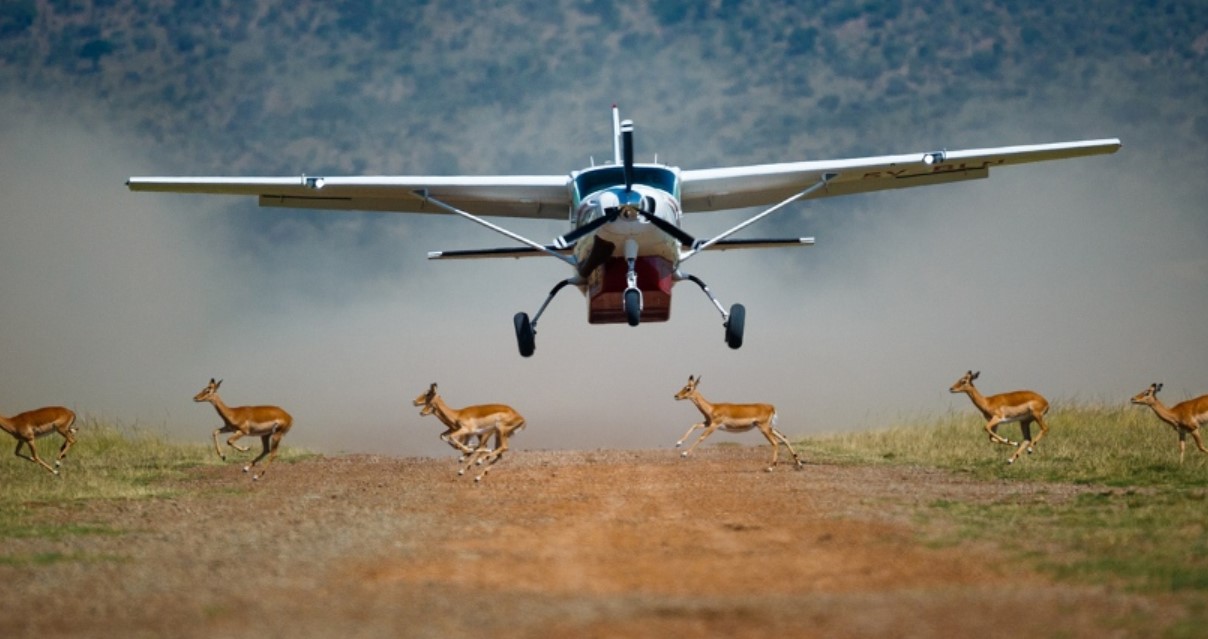
Planning a safari to Kidepo Valley National Park in northeastern Uganda requires extra preparation because it is Uganda’s most remote national park known for its rugged savannah landscapes, massive buffalo herds, and dramatic mountain backdrops, it offers an untouched wilderness experience far away from the crowds.
3-days-luxury-fly-in-kidepo-valley-national-park-tour-package
14-days-complete-uganda-safari-tour-and-primate-safari-experience
11-days-uganda-wildlife-safari-jinja-kidepo-valley-tour-package
11-days-uganda-wildlife-safari-to-off-beaten-path-unique-tour-including-kidepo-valley
7-days-murchison-falls-uganda-safari-trip-via-ziwa-rhinos-kidepo-valley-and-jinja
6-days-best-of-murchison-and-kidepo-uganda-safari-via-ziwa
7-days-murchison-falls-uganda-safari-trip-via-ziwa-rhinos-kidepo-valley-and-jinja
1. Choose Your Mode of Transit Wisely
Selecting the right transport mode sets the foundational pace of your Kidepo Valley National Park expedition. Traveling by air via scheduled or charter domestic flights from Entebbe to the Lomej airstrip is the most efficient option, taking under two hours and eliminating two strenuous driving days. This choice maximizes wildlife viewing time but carries a higher financial cost.
By road, the journey takes 10 to 12 hours from Kampala. To make the trip comfortable and safe, break the drive with an overnight stay in Gulu along the paved northwestern route, or in Moroto to experience the scenic Karamoja sub-region.
Regardless of your chosen road route, a rugged 4x4 safari vehicle—such as a customized Land Cruiser—is mandatory. Roads in the Karamoja region and internal park tracks feature loose gravel, corrugations, and steep dry-river crossings that turn into challenging mud during rainy spells.
2. Timing and Seasons
Understanding Kidepo’s seasonal shifts ensures your trip matches your wildlife priorities. The dry season (September to March) is the peak period for game viewing. As surface water dries up across the vast landscape, wildlife concentrates around the permanent wetlands of the Narus Valley. Clear skies, thinned vegetation, and predictable animal gathering points create ideal conditions for tracking predators and taking photos.
Conversely, the wet season (April to August) transforms the savanna into a lush emerald landscape. Water sources become abundant, causing animals to disperse across wider territories, which requires more patient tracking.
However, this season offers distinct advantages: birdwatching reaches its annual peak as migratory species arrive, surrounding landscapes look vibrant, lodges offer off-peak pricing, and visitor numbers drop significantly. Even during the wet months, the sandy Kidepo River bed drains quickly, keeping most main park circuits accessible.
3. Focus on Narus Valley for Wildlife
Strategic game drives yield the best wildlife sightings in Kidepo. The Narus Valley serves as the park's central ecosystem because its river basin retains surface water year-round. Morning and late-afternoon game drives along the Narus circuit offer exceptional opportunities to view large elephant herds, pride lions resting on rocky kopjes, solitary leopards, Rothschild's giraffes, zebras, and Kidepo's famous mega-herds of Cape buffalo numbering in the hundreds.
Further north, the arid Kidepo Valley near the South Sudan border offers a contrasting landscape. While mammal densities are lower here, the region features dramatic scenery punctuated by Borassus palm forests, dry sand riverbeds, ostriches, and Secretary birds.
A drive to this northern sector culminates at the natural Kanangorok Hot Springs, offering sweeping views of the Mount Morungole range framing the international boundary.
4. Budgeting and Cash Supplies
Managing finances requires advance preparation due to Kidepo's remote location. There are no ATMs or banking services near the park gates or inside the park headquarters at Apoka. While the Uganda Wildlife Authority (UWA) accepts electronic card payments or cashless transactions at the main gate for park entry ($40 USD foreign non-resident per 24 hours), network connectivity in Karamoja can be unreliable.
Carrying sufficient cash in Uganda Shillings (UGX) and US Dollars is essential for tipping ranger guides, purchasing local crafts, paying community entrance fees, and handling unexpected road contingencies.
Fuel management is equally critical for self-drive and guided road safaris alike. Commercial fuel stations are virtually non-existent near the park entrance. Vehicles must fully top off their main and long-range tanks in major towns like Gulu or Kitgum before entering the final park stretches.
5. Cultural Etiquette & Community Tours
A trip to Kidepo offers meaningful opportunities for cultural exchange alongside wildlife viewing. Guided visits to a traditional Karamojong Manyatta (fortified mud-and-stick homestead) provide authentic insight into a pastoral lifestyle centered on livestock, traditional dance, and intricate beadwork.
For active hikers, an excursion up the rugged slopes of Mount Morungole to visit the Ik people offers a rare cultural perspective on one of East Africa's most isolated communities.
When taking part in community visits, observing local etiquette ensures a respectful experience. Always arrange tours through recognized local cooperative guides or park rangers to ensure communities benefit directly.
Furthermore, ask for permission before taking photographs of individuals, children, or family homesteads. Respecting local customs fosters warm connections and supports sustainable community-based tourism in the Karamoja region.
When is the best time for Kidepo valley safari in Uganda
The best time for a Kidepo Valley safari is during the dry season, running from September through March. During these months, surface water dries up across the park, forcing massive herds of elephants, buffaloes, and giraffes to gather around the permanent watering holes of the Narus Valley. Vegetation thins out significantly, making big cats like lions, leopards, and cheetahs easier to spot. While the wet season from April to August turns the landscape into a vibrant emerald green with excellent birdwatching, dry months offer the most reliable wildlife viewing conditions and smoother game drive tracks.
Where to stay in Kidepo valley safari in Uganda
Kidepo Valley National Park offers distinct lodging options catering to different budget levels. For ultimate luxury, Apoka Safari Lodge sits directly inside the park, featuring canvas cottages overlooking the savanna and a stone-carved pool. For mid-range comfort, Kidepo Savannah Lodge provides safari tents and chalets located just outside the Kalokudo Gate with sweeping valley views. Nga'Moru Wilderness Camp offers mid-range cottages set on a hill near the Narus border. Budget travelers can opt for the park-managed Apoka Rest Camp cottages or self-catering bandas, which put you right in the heart of the wilderness.
Booking Kidepo valley safari in Uganda with us Roads of Adventure safaris
Booking your Kidepo safari with Roads of Adventure Safaris guarantees an expertly planned expedition to Uganda’s most remote wilderness. As a licensed destination management company in Kampala, we arrange everything from 4x4 overland transfers and domestic flight charters (via Aerolink to Lomej Airstrip) to lodge bookings and Karamojong cultural tours. We require an advance deposit to secure your flight seats, park entry, and preferred lodge reservations, with the balance due before arrival or in cash upon pickup. Contact our team at +256 701041637, +256 744 137657, or email info@roadsofadventuresafaris.com.