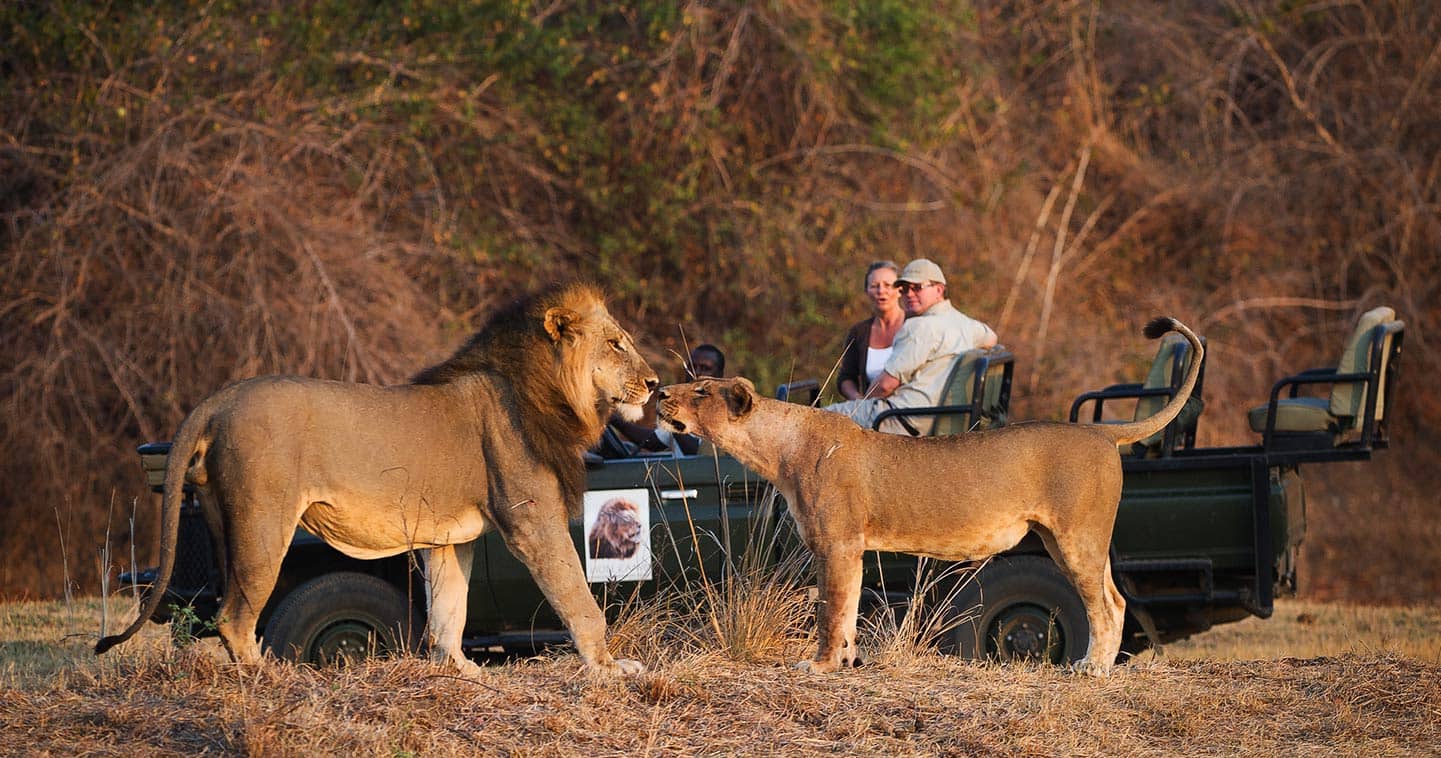
The most visited national parks on a Zambia wildlife safari are South Luangwa National Park, famous for walking safaris and high leopard density, Lower Zambezi National Park, renowned for canoe trips and river-based wildlife, and Kafue National Park, known for its vast, untouched landscapes.
21-days-perfect-zambia-safari-holiday-vacation-tour-southern-africa-safari
19-day-zambia-zimbabwe-and-botswana-safari-itinerary
17-days-best-victoria-falls-tour-zambia-side-zimbabwe-and-botswana-safari-tour
15-days-best-of-zambia-safari-and-victoria-falls-tour-package
12-days-best-family-zambia-safari-holiday-and-victoria-falls-tour
11-days-best-zambia-wildlife-safari-itinerary
9-days-ultimate-zambia-safari-tour-to-best-zambia-wildlife-parks
7-days-perfect-south-luangwa-national-park-and-lower-zambezi-national-park-tour-package
South Luangwa National Park
South Luangwa National Park is often hailed as the birthplace of walking safaris, attracting wildlife enthusiasts and adventure seekers from around the globe. Spanning approximately 9,050 square kilometers, the park is rich in biodiversity, boasting an impressive array of wildlife, including elephants, lions, leopards, and hippos. The park is bisected by the meandering Luangwa River, which serves as a vital water source that sustains an abundance of flora and fauna, especially during dry seasons. The lush vegetation, comprising mopane woodlands and open grasslands, creates ideal habitats for diverse species. Birdwatchers can revel in the sight of over 400 avian species that call this park home, including the majestic African fish eagle and colorful lilac-breasted rollers.
Walking safaris in South Luangwa provide an intimate and immersive experience, allowing visitors to observe wildlife up close while learning about the ecosystem from knowledgeable guides. These safaris not only enhance the adventure for participants but also foster a deeper appreciation for the natural world. The park is dedicated to conservation, with efforts to protect endangered species and local habitats. Sustainable tourism practices are vital here, ensuring that both wildlife and local communities benefit from the influx of visitors. South Luangwa's blend of stunning landscapes, rich wildlife, and conservation initiatives make it a premier destination for anyone interested in the wonders of Africa’s natural heritage.
Lower Zambezi National Park
Located along the banks of the Zambezi River, Lower Zambezi National Park offers visitors breathtaking landscapes and unforgettable wildlife experiences. The park spans approximately 4,092 square kilometers and is characterized by a diverse ecosystem, including riverine forests, open floodplains, and low hills. The Zambezi River is central to the park’s ecosystem, providing water that attracts vast herds of elephants and other wildlife. Canoe safaris along the river allow visitors to navigate through serene waters while observing hippos, crocodiles, and numerous bird species from a unique vantage point. The park’s stunning views and the chance for close encounters with wildlife create a magical atmosphere that draws nature lovers.
Apart from canoeing, Lower Zambezi offers various activities, including game drives, walking safaris, and birdwatching. The opportunity to experience the wildlife in an unspoiled, raw setting adds to the park's allure. Conservation is integral to the park's mission, as it partners with local communities to promote sustainable tourism practices. By incorporating community involvement, Lower Zambezi ensures that the benefits of tourism reach local residents while protecting the park’s rich biodiversity. This harmonious relationship between humans and nature contributes to the park's reputation as one of Zambia's top wildlife destinations, providing guests with both adventure and peace of mind regarding conservation efforts.
Kafue National Park
Kafue National Park, covering around 22,400 square kilometers, is one of Africa’s largest parks and offers a remarkable blend of landscapes and ecosystems. The park includes varied terrains such as vast floodplains, dense bush, and open savanna, making it a refuge for diverse wildlife. Notably, the Busanga Plains in the north are famous for their seasonal floods that attract numerous species, including the elusive Kafue lechwe—a unique antelope found only in this region. With over 500 bird species recorded, Kafue is a haven for birdwatchers. Visitors can enjoy guided game drives or walking safaris, offering opportunities to see lions, zebras, elephants, and various antelope species in their natural habitats.
In addition to its rich biodiversity, Kafue faces challenges related to poaching and habitat degradation. Conservation efforts are at the forefront of park management, aiming to protect its unique ecosystems while promoting sustainable tourism. Collaborative initiatives with local communities help foster a sense of stewardship over the land, encouraging economic benefits derived from wildlife conservation. Kafue National Park's commitment to both preserving its ecological integrity and enhancing the visitor experience makes it a prime destination for wildlife enthusiasts and an essential part of Zambia's natural heritage.
Mosi-oa-Tunya National Park
Mosi-oa-Tunya National Park, although smaller than Zambia's other national parks, is famous for its proximity to one of the most spectacular natural wonders, Victoria Falls. This UNESCO World Heritage Site, known as "The Smoke That Thunders," is a major attraction drawing visitors from around the globe. The park offers stunning views of the falls and opportunities for adventure, such as white-water rafting and bungee jumping. Additionally, Mosi-oa-Tunya is significant for its growing population of white rhinos, providing a unique chance to see these endangered species in their natural habitat. The park's lush landscapes and scenic vistas create an inviting atmosphere for hiking and exploration.
Visitor engagement with local communities is also integral to the park's experience. Cultural interactions enrich the journey for tourists, allowing them to learn about the traditions and lifestyles of the indigenous people. Mosi-oa-Tunya is dedicated to conservation, focusing on the protection of its rhino population and other wildlife. Sustainable tourism practices ensure that the park's natural and cultural resources are preserved for future generations. By balancing tourism and conservation efforts, Mosi-oa-Tunya National Park exemplifies the harmonious relationship between nature and human culture, making it an essential destination for those seeking both adventure and education.
Liuwa Plain National Park
Liuwa Plain National Park, situated in western Zambia, is renowned for its vast, remote landscapes and the dramatic second-largest wildebeest migration in Africa. Covering an area of approximately 3,370 square kilometers, this park presents a unique ecological tapestry that attracts nature lovers and wildlife enthusiasts. The annual migration involves thousands of wildebeests and other ungulates, creating a stunning spectacle that draws photographers and adventurers alike. The open plains and seasonal floods not only provide nourishment for the migrating herds but also foster a diverse range of wildlife, including lions, zebras, and various migratory birds, making it a prime location for wildlife observation.
Beyond its natural beauty, Liuwa Plain is committed to conservation and community involvement. The park's management works closely with local communities to promote sustainable tourism, ensuring that the benefits of wildlife protection extend to the people who live nearby. Efforts to preserve the park's habitats and protect its wildlife are a testament to its ecological significance. Liuwa Plain National Park offers visitors a once-in-a-lifetime experience, combining the thrill of witnessing remarkable wildlife migrations with a deep understanding of the relationship between nature and local communities. This blend of adventure and purpose makes Liuwa Plain a hidden gem in Zambia's vast wilderness.
Best Time to Visit Zambia Safari Parks
The best time to visit Zambia’s safari parks is during the dry season, which typically runs from June to October. This period offers optimal wildlife viewing opportunities as animals congregate around dwindling water sources, making sightings more frequent and accessible. The vegetation becomes less dense, which enhances visibility and allows travelers to spot a variety of wildlife, including the Big Five. The weather is generally dry with pleasant temperatures during the day and cooler nights, making it comfortable for outdoor activities like game drives and walking safaris. Additionally, this season aligns with the migration patterns of many animals, providing thrilling experiences for visitors. Although the rainy season from November to May, known as the "Emerald Season," presents its own beauty and lush landscapes, the dry months are preferred for those eager to observe Zambia's rich wildlife in action.
Where to Stay When Visiting Zambia Safari Parks
When planning your visit to Zambia's safari parks, accommodation options range from luxurious lodges to more rustic bush camps, catering to various preferences and budgets. High-end lodges often offer world-class amenities, personalized service, and stunning views of the African landscape, creating an unforgettable experience. These lodges typically provide all-inclusive packages that include meals and guided safari activities, ensuring a seamless adventure. On the other hand, bush camps offer more intimate and immersive experiences, allowing guests to connect closely with nature. These camps often prioritize eco-friendly practices and provide opportunities for walking safaris, where guests can explore the bush on foot. Whether you opt for luxury or a more adventurous setting, the accommodation you choose will enhance your experience, offering comfort and convenience as you embark on your adventure through Zambia’s breathtaking safari parks.
Booking Zambia Safari Parks with Roads of Adventure Safaris
Booking your Zambia safari with Roads of Adventure Safaris ensures a seamless experience tailored to your preferences and interests. Our knowledgeable team specializes in crafting personalized itineraries that highlight Zambia's stunning wildlife and landscapes, ensuring you witness the beauty and diversity of the country's safari parks. We understand the nuances of each park and will guide you in choosing the best accommodations, activities, and seasonal visits for optimal wildlife sightings. Our partnerships with reputable lodges and camps mean that you’ll have access to quality service and unique experiences. Additionally, our commitment to sustainable tourism supports local communities and conservation efforts, enhancing the overall impact of your journey. With Roads of Adventure Safaris, you can embark on an unforgettable expedition filled with adventure, discovery, and the majestic beauty of Zambia's wild heart.
