Rwanda safari, the total luggage weight limit is strictly capped at 15 kg (33 lbs) per passenger. This allowance includes both your checked luggage and your carry-on/camera daypack.
3-days-luxury-honeymoon-chimpanzee-tracking-and-canopy-walk-in-nyungweb
3-days-budget-chimpanzee-tracking-in-nyungwe-forest-park
3-days-nyungwe-chimpanzee-tracking-and-lake-kivu-relaxation
3-days-best-rwanda-canopy-walk-and-nyungwe-chimpanzee-tracking-adventure
3-day-chimpanzee-trekking-tour-package-canopy-and-lake-kivu
4-days-nyungwe-chimpanzee-trekking-canopy-walk-and-lake-kivu-relaxation
6-days-classic-uganda-rwanda-primate-and-wildlife-safari
What is the standard baggage weight limit for safari flights in Rwanda?
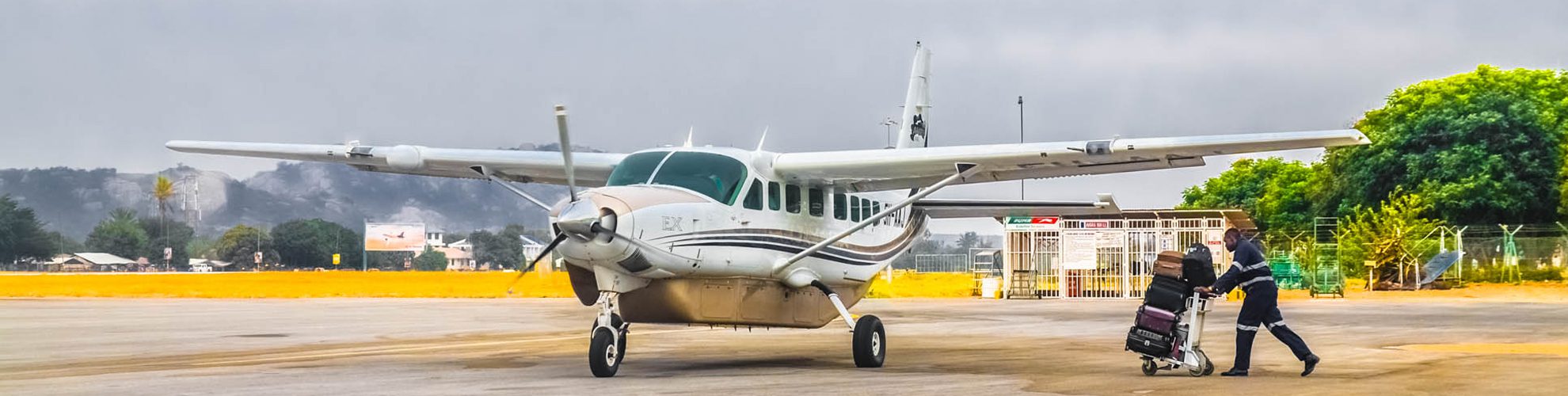
Internal safari flights and light aircraft charters across Rwanda enforce a strict weight limit of 15 kg to 20 kg (33 lbs to 44 lbs) per passenger. Crucially, this allowance is inclusive of both your main checked bag and any hand luggage, camera backpacks, or purse. Because bush planes like the Cessna Grand Caravan or Pilatus PC-12 operate out of small airstrips, pilot calculation of takeoff weight is safety-critical. Every single kilogram matters, so weighing your bags packed with camera bodies, hiking boots, and trail gear before leaving home is essential to avoiding surprises at the airstrip.
Why are baggage limits so strict on internal Rwanda flights?
Safety and physical space dictate these rules. Light aircraft used for bush transfers have tightly calibrated payload maximums and constrained cargo compartments (often small belly pods underneath the fuselage). Unlike commercial airliners, safari aircraft cannot accommodate bulky, heavy items without compromising fuel efficiency, balance, and altitude performance—especially when flying over high-altitude mountainous terrain like Volcanoes National Park. Adhering to strict weight caps ensures smooth takeoffs and landings on short, unpaved runways across regional parks.
What happens if my carry-on and camera gear exceed the weight allowance?
Your hand luggage is not weighed separately or granted an extra exemption—it forms part of your total 15–20 kg limit. If your combined camera backpack and soft duffel exceed the limit, airfield staff will request that you strip down unnecessary items or store excess gear in Kigali before departure. Photographers with heavy telephoto lenses often wear multi-pocketed safari vests or heavy coats during boarding, as garments worn on your body are typically not weighed on the scale.
What type of luggage bag is required for internal flights?
You must use a soft-sided duffel bag without a rigid internal or external frame. Luggage compartments on bush planes are strangely shaped and accessed via narrow hatches. Soft duffels made of canvas, nylon, or leather can be squished, folded, and jammed together by ground crew to maximize cargo pod space. If you show up with a stiff container or traditional luggage, ground staff may ask you to repack your belongings into canvas sacks before boarding.
Why are hard-shell suitcases completely forbidden on safari flights?
Hard-shell suitcases have rigid dimensions that cannot bend or yield when squeezed into aircraft belly pods or small helicopter luggage bays. If one passenger brings a hard suitace, it blocks the remaining space for everyone else's baggage. Even high-end luxury Rimowa or Samsonite hard cases are routinely turned away at safari airstrips. Operators strictly enforce soft duffel bags to guarantee that every traveler’s gear fits safely into the plane's cargo space.
How do weight limits work on helicopter transfers with Akagera Aviation?
Helicopter transfers (commonly operated by Akagera Aviation between Kigali, Volcanoes National Park, Nyungwe, and Akagera) rely on total payload capacity rather than individual per-seat limits alone. Depending on the model—such as a Robinson R44, Agusta A109S, or Agusta AW139—the aircraft has a maximum combined weight limit for all passengers and luggage combined. Because space inside a helicopter cabin and luggage hold is compact, per-person luggage allowances are typically capped between 10 kg and 15 kg in soft bags.
How does combined passenger and baggage payload affect helicopter transfers?
When booking a helicopter transfer, operators require the exact body weights of all passengers alongside estimated baggage weights during the quote stage. Helicopters have precise center-of-gravity requirements. For example, an Agusta A109S has a total combined payload limit of roughly 380 kg for passengers and baggage. If a group of four adult passengers has a higher total body weight, individual baggage allowances must drop accordingly to keep the flight within safety limits.
Can I pay extra fees to bring excess luggage on domestic flights?
Unlike commercial airlines, light aircraft safari flights usually cannot accept simple "overweight bag fees" on the spot. If the plane is already operating at its maximum structural takeoff weight, no amount of money will allow additional physical weight onto that flight. However, if weight capacity permits, some charter companies charge per extra kilogram. To guarantee extra capacity, you must reserve and purchase a secondary seat or freight allowance in advance.
Is buying an extra seat an option if I have heavy photography gear?
Yes, purchasing an extra seat is a standard solution for professional wildlife photographers or traveler groups carrying extensive camera kit set-ups. Buying an additional seat grants you the payload weight of an extra passenger—typically adding another 70 kg to 80 kg of baggage allowance to your charter. This ensures your high-end telephoto lenses, tripods, and extra bodies fly safely alongside you without violating light aircraft weight regulations.
Where can I store my main hard suitcases while on a flying safari in Rwanda?
If your international flight arrived with large, hard-shelled rolling luggage, you do not need to take it into the bush. Tour operators, safari booking agents, and luxury hotels in Kigali (such as The Retreat or Kigali Serena) offer secure luggage storage facilities. You simply pack your 15 kg soft duffel for your safari circuit, leave your main rolling suitcases stored safely in Kigali, and retrieve them upon returning to the capital before your international departure.
Are there specific dimension restrictions for soft duffel bags?
While weight is the primary restriction, dimensions matter because cargo pods have narrow openings. A good rule of thumb is choosing a soft duffel measuring no larger than 24 inches long x 12 inches wide x 10 inches high (60 cm x 30 cm x 25 cm). Because the bag has no rigid structure, it can be compressed if it is not overstuffed. Avoid overly structured rolling duffels with rigid bottoms or extendable handles, as those hard structures can prevent the bag from fitting.
How does packing light impact trek readiness for gorilla tracking in Volcanoes National Park?
Gorilla trekking gear requires thick gaiters, sturdy waterproof hiking boots, rain jackets, garden gloves, and long trousers. These bulky garments can take up significant weight in a 15 kg allowance. The best strategy is to wear your heaviest gear on flight days: wear your thickest hiking boots, jacket, and trousers during airstrip transfers. This keeps the heaviest items on your body rather than on the scale, keeping your soft duffel light and compliant.
Is laundry service available at luxury safari lodges in Rwanda?
Yes, nearly all high-end luxury safari lodges across Rwanda (such as Bisate Lodge, One&Only Gorilla's Nest, Magashi, and Nyungwe House) offer complimentary or low-cost daily laundry service. Because items washed in the morning are typically returned fresh and folded by the evening, you only need to pack 3 to 4 changes of clothes for your entire itinerary. Relying on lodge laundry is the single best secret to staying easily under the 15 kg limit.
What essential items should always be packed in hand luggage?
Always keep critical personal belongings in a small daypack that stays with you in the aircraft cabin. This includes your passport, Rwanda tourist visa, gorilla tracking permits, prescription medications, wallet, phone, and expensive camera bodies. Soft duffels placed in external aircraft cargo pods can get dusty or exposed to rain during loading at remote dirt airstrips. Keeping electronics and vital documents close at hand prevents damage and loss.
What are the baggage rules for regional flights between Rwanda and Tanzania?
If your safari connects Kigali directly to the Serengeti or Northern Tanzania via regional bush planes (such as Coastal Aviation or Auric Air), baggage rules remain strictly unified. The weight cap across cross-border safari flights is strictly enforced at 15 kg to 20 kg (33–44 lbs) in soft duffel bags. Custom checkpoints at regional border crossings will weigh your gear, so keeping a unified lightweight packing system across both countries is essential.
How should heavy camera lenses and bodies be packed within weight constraints?
Wildlife photography gear builds up weight quickly; a single 400mm lens and camera body can weigh over 4 kg. To stay compliant, use a lightweight padded camera backpack rather than a heavy aluminum hard case. Prioritize one versatile zoom lens (like a 100-400mm) instead of multiple prime lenses. If you are close to the 15 kg limit, carry your heavy camera body with a lens attached on a neck strap while boarding the plane.
Are wheels allowed on safari duffel bags?
Purely soft duffel bags without wheels are strongly preferred. Duffel bags with built-in wheels usually contain a rigid baseplate and telescopic metal handle system. That rigid structure adds 2 to 3 kg of dead weight and prevents ground crew from flexing the bag into cramped aircraft pods. If you must have wheels for mobility, opt for a specially designed "duffel with flexible wheels" that lacks a stiff frame, but double-check with your tour operator first.
What happens if my bag is overweight at a remote airstrip?
If you arrive at a bush airstrip like Magashi or Kamembe and your bag exceeds weight limits, the pilot has full authority to deny the excess baggage. Because remote airstrips lack storage lockers, unaccepted bags will either be left behind with ground transport staff to be driven by road to your destination (which can take 6–10 hours) or sent back to Kigali. Planning ahead avoids leaving vital clothing behind.
Does winter or hiking gear significantly impact my baggage allowance?
Yes, chilly temperatures in high-altitude parks like Volcanoes National Park demand layered clothing, fleece jackets, rainwear, and heavy boots. Synthetics like merino wool and lightweight down jackets pack down extremely small and weigh almost nothing while providing high warmth. Avoid heavy cotton sweaters or denim jeans, which are heavy, bulky, and take a long time to dry in rainforest climates.
How do small charter planes store baggage on safari routes?
On popular safari planes like the Cessna 208 Grand Caravan, luggage is stowed in an under-fuselage cargo pod divided into distinct compartments. Ground handlers open belly doors beneath the plane and stack soft duffels side-by-side like puzzle pieces. In smaller twin-engine aircraft, baggage is loaded into the aft compartment behind the rear passenger seats. In both cases, malleable soft bags are mandatory for tight stacking.
Are CPAP machines or medical devices counted against the weight limit?
Essential medical equipment like CPAP machines, insulin coolers, or personal medical monitors are universally permitted, but guidelines vary by charter operator. Most charter companies allow small medical devices free of charge provided you notify them well in advance with documentation. Medical gear should be packed in a compact, soft dedicated bag and declared during your booking process to ensure payload calculations accommodate it safely.
How should I pack bulky safari boots for internal flights?
Waterproof hiking boots with deep tread are crucial for rainforest trekking, but they take up substantial volume and weight in a soft duffel. The most efficient technique is to wear your hiking boots on your feet during all flight legs between parks. This instantly saves 1.5 to 2 kg of bag weight and frees up valuable volume inside your main duffel bag.
Can I bring souvenirs and handicrafts back on internal flights?
Rwanda offers beautiful local crafts, including traditional Imigongo cow-dung paintings, hand-woven peace baskets, and local coffee beans. However, wooden carvings and heavy pottery add weight fast. If you purchase souvenirs during your safari, ensure their weight fits within your 15–20 kg total cap. Alternatively, ask local artisan shops in Kigali to ship heavy purchases directly to your home country via international courier.
What packing strategy works best for a 7-day Rwanda flying safari?
Adopt a strict capsule wardrobe approach:
- 3 light safari shirts and 2 pairs of convertible trousers
- 1 lightweight fleece and 1 waterproof rain jacket
- 1 pair of hiking boots (worn on flights) and 1 pair of light camp shoes
- Underwear, socks, sun hat, and gaiters
- Minimal toiletries (lodges supply eco-friendly shampoo and soap)
Combining light quick-dry fabrics with daily lodge laundry guarantees you stay under 12 kg, leaving room for electronics.
How do I balance safari gear, photography equipment, and clothing under 15–20 kg?
Achieving the balance requires clear prioritization:
- Clothes (5–6 kg): Stick to 3–4 days of lightweight clothing and rely on daily lodge laundry.
- Camera Gear (4–5 kg): Limit yourself to one camera body and one multi-purpose zoom lens.
- Toiletries & Extras (2 kg): Use travel-sized tubes and wear your heaviest boots and jacket during transit.
Booking Rwanda safari tour with us Roads of Adventure safaris
Book your Rwanda safari with Roads of Adventure Safaris, an expert East African tour operator. They craft tailor-made primate treks and wildlife journeys to Volcanoes and Akagera national parks.
We are dedicated to more than just planning a trip; we strive to create a deeply personal connection between you and the wild. With Roads of Adventure Safaris, you aren't just an itinerary number. We ensure every detail—from securing your Rwanda Gorilla Trekking Permits to providing passionate local guides—is perfectly managed. Experience the magic of the "Land of a Thousand Hills," knowing every step supports local communities and conservation
