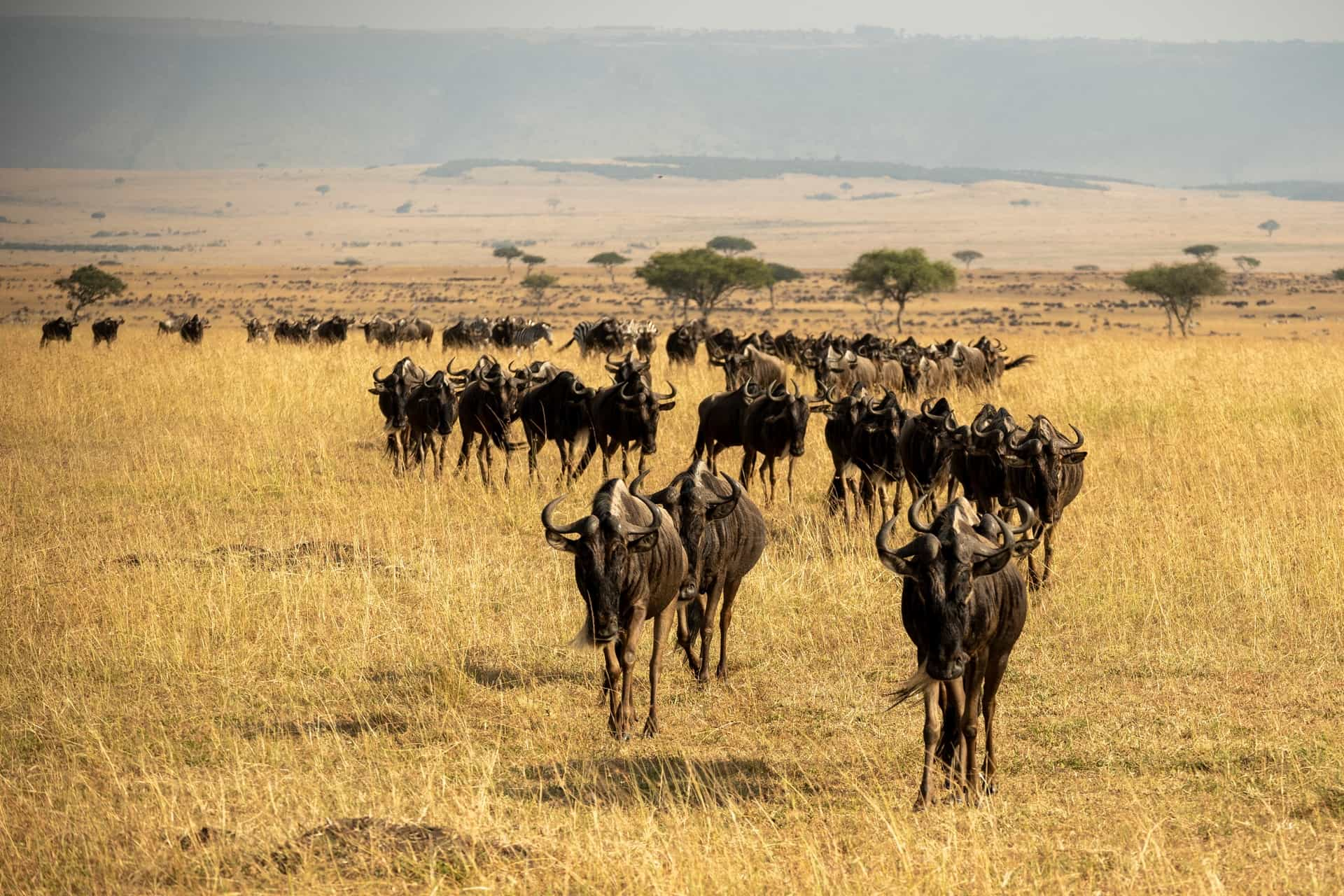
During the high season (July–October), expect to pay between $300 and $1,000+ per person per day, depending on the level of comfort. A standard 7-day private trip generally ranges from $2,500 to $6,000 per person, excluding international flights. High season commands a premium due to peak wildlife viewing (such as the Great Migration) and limited availability.
Popular 10 days Tanzania safari itineraries
10-days-best-tanzania-honeymoon-safari-with-3-days-zanzibar-beach-holidays
10-days-tanzania-safari-to-all-northern-circuit-safari-parks-expedition
10-days-best-tanzania-safari-tour-and-zanzibar-beach-holiday-itinerary
10-days-southern-tanzania-safari-to-nyerere-mikumi-ruaha-and-udzungwa-mountains
12-days-best-tanzania-and-kenya-safari-combo-itinerary
Cost Breakdown by Tier
- Budget ($250 – $350 per day): Involves public campsites just outside the parks, basic group tours, and shared, open-roof 4x4s. A 7-day trip typically costs around $2,000 – $2,500 per person.
- Mid-Range ($400 – $700 per day): The most popular option. Includes comfortable permanent tented camps, lodges inside the parks (like Tarangire or Serengeti), and private safari vehicles. A 7-day trip runs about $3,500 – $4,900 per person.
- Luxury ($1,000 – $1,500+ per day): Features exclusive five-star lodges, fly-in transfers, and completely personalized itineraries. A 7-day trip can range from $7,000 to $15,000+ per person
Key Drivers of High Season Pricing
- Park Fees: Entrance to high-demand parks like the Serengeti and Ngorongoro Crater peak during these months, occasionally costing up to $70–$100+ per person/night depending on the specific reserve.
- Accommodation Rates: Demand is at its highest, meaning early booking is crucial as lodges often double their low-season rates.
- Private vs. Group: Hiring a private vehicle and a dedicated guide increases the daily cost but provides greater flexibility.
Extra Expenses to Factor In
- International Flights: Plan for additional costs of $1,000 to $1,500+ depending on your origin.
- Tipping: Standard tipping is typically $20–$30 per day for your driver/guide, and $10–$15 per day for lodge staff.
- Optional Excursions: Hot air balloon rides in the Serengeti average around $550 per person.
1. What are the typical daily costs per person?
Planning a Tanzania wildlife safari requires a clear understanding of the tiered pricing structure that defines the industry. Because safari logistics involve massive overheads—including specialized 4x4 vehicles, remote camp supply chains, and high government conservation fees—the "entry-level" price is higher than many other global travel destinations. Generally, daily costs are categorized into three main brackets:
- Budget Camping ($200–$350): This is the most authentic "bush" experience. You typically sleep in sturdy, waterproof dome tents on public campsites. While the price is lower, it includes a private chef who prepares all meals over a campfire.
- Mid-Range ($400–$700): This is the most popular choice for travelers. At this level, you stay in permanent tented camps or lodges. These offer "real" beds, en-suite bathrooms with hot showers, and more varied buffet-style dining. You are usually located inside or very close to the park boundaries.
- Premium Luxury ($800–$1,500+): This tier is about exclusivity and "out of this world" locations. Think private decks with plunge pools overlooking a watering hole, gourmet a-la-carte dining, and fly-in logistics that skip long dusty drives.
It is important to note that these figures are per person, assuming double occupancy. If you are a solo traveler, "single supplements" can add 20–30% to these daily rates. When budgeting, always check if the quote includes the mandatory 18% VAT and the "WMA" (Wildlife Management Area) fees, as these can be significant hidden costs if not clearly outlined by your operator.
2. Why are prices higher during the high season?
The price hike during a Tanzania wildlife safari high season is a classic example of supply and demand. Tanzania's wilderness is finite; there are a strictly limited number of beds available inside the national parks to prevent overcrowding and environmental degradation. When thousands of global travelers all aim for the same two-month window, prices naturally escalate.
- Lodge Availability: The most coveted lodges, especially those situated on the rim of the Ngorongoro Crater or in the heart of the Serengeti migration path, can command "rack rates" that are double their low-season offerings.
- The Migration Premium: Seeing the Great Migration is the "Holy Grail" of wildlife viewing. Operators and lodges that offer direct access to the herds during the river crossings (July–September) or the calving season charge a premium for that strategic proximity.
- Logistical Pressures: During the peak months, the demand for high-quality 4x4 vehicles and the most experienced, silver-level or gold-level guides reaches a breaking point. Operators must pay higher wages to retain top-tier talent during these grueling months, a cost that is inevitably passed on to the traveler.
While the price is higher, the "value" is often considered superior because the wildlife viewing is significantly easier. In the dry season, animals are forced to congregate around predictable water sources, meaning you spend less time searching and more time observing. You are paying for a higher "hit rate" of spectacular sightings.
3. When is the high season in Tanzania?
The high season for a Tanzania wildlife safari is dictated almost entirely by the weather. It spans from late June through October, coinciding with the long dry season. This period is widely considered the optimal time for a first-time safari for several ecological reasons.
As the rains stop in May, the lush green vegetation begins to thin out and turn gold. For a traveler, this is a massive advantage: predators like lions and leopards have fewer places to hide, making them much easier to spot from a vehicle. Furthermore, as the smaller seasonal pools of water dry up, the animals are forced to trek to permanent water sources like the Tarangire River or the Seronera Valley. This creates high-density "wildlife hubs" where you can see multiple species—elephants, giraffes, zebras, and their attendant predators—all in one frame.
The peak of this peak season is July and August. This is when the world-famous Great Migration river crossings typically occur in the Northern Serengeti. Thousands of wildebeest plunge into the Mara River, braving massive crocodiles in a desperate bid to reach greener pastures. Because this is one of nature's most dramatic spectacles, it attracts the largest crowds. If you prefer a slightly quieter "high season" experience, September and October offer equally excellent wildlife viewing with slightly fewer vehicles on the road, as the northern hemisphere's summer vacation period begins to wind down.
4. Are national park fees higher during this time?
Yes, the cost of entering Tanzania’s premier conservation areas is subject to seasonal fluctuations and periodic government adjustments. The Tanzania National Parks Authority (TANAPA) and the Ngorongoro Conservation Area Authority (NCAA) manage these fees, which are a critical source of revenue for anti-poaching efforts and habitat restoration.
In recent years, the trend has been to implement "peak season" pricing for the most famous parks. For example, entry to the Serengeti or Nyerere National Park can cost significantly more per 24-hour period during the high season than during the "Green Season" (March-May). Additionally, the Ngorongoro Crater has a "Crater Service Fee" per vehicle, which is a substantial flat cost (often around $295 per descent) regardless of the number of passengers.
It is also important to distinguish between Conservation Fees (the price to enter the park) and Camping/Concession Fees (the price to sleep inside the park). If you stay at a luxury lodge inside the Serengeti, you aren't just paying the lodge for the room; you are also paying a nightly "Concession Fee" to the government, which can be $60 or more per person, per night. During the high season, these fees are non-negotiable and must be paid in advance. When you receive a quote for a Tanzania wildlife safari, always ensure it explicitly states that all "Park and Entry Fees" are included, as these can easily account for 30% of your total trip cost.
5. What is included in the daily safari price?
A professional Tanzania wildlife safari is typically sold as an "all-inclusive" package to ensure that travelers aren't constantly fumbling for cash in remote areas where there are no banks or ATMs. When you see a daily rate of $500 or $1,000, it generally covers the following:
- Transportation: A private 4x4 Land Cruiser with a pop-up roof, specially modified for photography. This includes all fuel and unlimited mileage within the park's operational hours.
- Expert Guidance: You are paying for a professional, English-speaking driver-guide who acts as your spotter, mechanic, and cultural ambassador.
- Accommodations: Whether it’s a dome tent or a luxury villa, the room is included.
- Full Board Meals: This covers breakfast (often a "bush breakfast" in the park), a picnic lunch, and a multi-course dinner back at the camp.
- Park and Conservation Fees: All government-mandated entry and camping fees.
- Water: Unlimited bottled or filtered water in the vehicle.
What is usually NOT included: International and domestic flights, visas (typically $50–$100), travel insurance (mandatory), alcoholic beverages and sodas (except at ultra-luxury lodges), and tips for your crew. Some high-end lodges might include "laundry" and "sundowner drinks" as part of their premium rate, but it is always best to check your specific itinerary's "Included/Excluded" list. This transparency allows you to land in Arusha knowing that your only out-of-pocket expenses will be for souvenirs and the final tips for your hardworking guide.
6. Is a budget safari possible during the high season?
Yes, a "budget" Tanzania wildlife safari is entirely possible during the high season, but it requires a shift in expectations and a willingness to be flexible. To keep costs in the $200–$300 range when everyone else is paying double, you generally have to compromise in three areas:
- Group Joining Safaris: Instead of a private vehicle for your family, you will join a "group tour." You will share the 4x4 with 4–6 other travelers. While this is a great way to meet people, it means you don't have total control over how long you stay at a sighting or when you start your day.
- Public Camping: You will stay in "public campsites" managed by TANAPA. These have basic shared bathroom facilities and dining areas. You’ll be sleeping in a tent on a mattress on the floor, which is a far cry from the "glamping" seen in brochures, but it puts you right in the heart of nature for a fraction of the cost.
- Strategic Location: Many budget operators save money by staying in lodges or camps located just outside the park gates. This avoids the expensive nightly "concession fees" charged for sleeping inside the park. The downside is that you have to queue at the gate every morning when it opens at 6:00 AM, whereas those staying inside are already out on their first game drive.
If you are a solo traveler or a student, these group-joining camping safaris are the lifeblood of the budget industry. They allow you to see the same lions and the same migration river crossings as the person staying in the $1,500 lodge, proving that the Serengeti is accessible to everyone if you’re willing to trade a thread-count for a campfire.
7. How much does a mid-range safari cost?
The "Mid-Range" category is the "Goldilocks" zone of the Tanzania wildlife safari—offering the perfect balance of comfort, location, and price. Expect to pay between $350 and $700 per person, per day.
At this price point, the "tent" becomes a "tented suite." These are permanent structures built on raised wooden platforms with canvas walls and solid roofs. You have a proper king-sized bed, high-quality linens, and a private en-suite bathroom with a flushing toilet and a "safari shower" (where staff fill a bag with hot water on request).
What you get for your money in Mid-Range:
- Inside the Park: Most mid-range camps are located inside the park boundaries, giving you a 30–60 minute head start on the "gate crowds" for early morning sightings.
- Better Food: Instead of simple camping fare, you can expect three-course dinners with fresh produce, often served in a dedicated "Mess Tent" with a view.
- Private Vehicle Potential: Depending on your group size, mid-range pricing often allows for a private vehicle, giving you total flexibility over your daily schedule.
- Small Extras: You might find a charging station for your camera in your tent and a "sundowner" fire pit where you can swap stories with other travelers at the end of the day.
This tier is ideal for couples, families, and photographers who need a comfortable base and a reliable power source but don't need the "white glove" butler service of the ultra-luxury camps. It is the most competitive segment of the market, so there are hundreds of excellent properties to choose from.
8. What should I expect to pay for a luxury safari?
A luxury Tanzania wildlife safari is an exercise in "refined wilderness." Prices start at $800 and can easily soar to $2,500+ per person, per night for world-renowned properties like those owned by Singita or &Beyond.
In this price bracket, you aren't just paying for a room; you are paying for total exclusivity. Luxury camps are often located in "Private Concessions"—vast tracts of land adjacent to the national parks where only the guests of that specific lodge are allowed. This means you can view a pride of lions for an hour without seeing another vehicle, a rarity in the public parts of the Serengeti during high season.
The Luxury Hallmarks:
- Fly-In Logistics: Most luxury safaris are "flying safaris." You skip the 8-hour bumpy drives between parks and instead take 45-minute bush flights in light aircraft.
- Ultra-Personalization: You often have a private butler, a private vehicle, and a private guide. If you want to spend 6 hours watching one leopard, you can.
- The "Invisible" Service: Everything is seamless. Your favorite drink is waiting for you upon return; your laundry is done daily; and the "bush dinners" are set up in spectacular, remote locations under the stars with silver service and fine wines.
- Architecture and Design: These lodges are masterpieces of "eco-chic" design, using local materials to create spaces that are both opulent and completely integrated into the landscape.
For many, this is a "once-in-a-lifetime" investment, often chosen for honeymoons or milestone anniversaries. It offers the most comfortable way to experience the raw African bush without sacrificing any modern comforts.
9. Are there extra costs I need to budget for?
While your Tanzania wildlife safari package is comprehensive, there are several "out-of-pocket" expenses that can catch an unprepared traveler by surprise. To avoid any financial stress during your trip, ensure you have budgeted for the following:
- International Flights: Getting to Kilimanjaro International Airport (JRO) or Dar es Salaam (DAR) from the US or Europe can cost between $1,200 and $2,500 depending on the season.
- Tanzania Entry Visa: Most nationalities require a visa. For US citizens, this is $100; for most others, it is $50. You can pay this online (e-visa) or upon arrival.
- Travel Insurance: This is mandatory for most safari operators. It must cover medical evacuation, as the parks are remote. Expect to pay $150–$300 depending on your age and coverage.
- Tips: As discussed, tipping is a major part of the culture. Budget roughly $50–$70 per day, per person, to cover your guide and the general lodge staff.
- Alcohol and Sodas: Unless you are in a top-tier luxury lodge, drinks are usually extra. A beer might cost $5, while a bottle of wine could be $30–$50.
- Souvenirs: Tanzanite gemstones, Maasai beadwork, and wood carvings are beautiful but can be expensive.
- Vaccinations and Meds: Malaria pills and vaccinations (like Yellow Fever or Hepatitis) can cost several hundred dollars if your insurance doesn't cover travel medicine.
A good rule of thumb is to have an "Emergency/Extra" fund of at least $500–$1,000 per person in cash and credit to ensure you can handle these extras comfortably.
10. How far in advance should I book a high-season safari?
If you are planning a Tanzania wildlife safari for the high season (July–October), the mantra is: Book early or be prepared to compromise.
The best-located mid-range and luxury lodges—those that sit right on the migration path—often sell out 10 to 12 months in advance. This is especially true for the weeks surrounding the Christmas and New Year holidays, which are the busiest times of the year.
Why so early?
- Small Lodge Footprints: Many of the best camps only have 8 to 12 tents. It only takes two or three small family groups to completely book out a property for a week.
- Guide Seniority: The most sought-after, expert guides are often requested by name a year in advance. Booking early ensures you get a "Silver" or "Gold" level guide rather than a junior trainee.
- Domestic Flight Seats: The bush planes that fly between Arusha and the Serengeti are small (12–15 seats). During high season, these "milk run" flights fill up quickly, and if you miss out, you may be forced into long, 8-hour drives.
If you are booking less than 6 months out for the high season, you can still have a great trip, but you may have to stay in lodges that are further away from the main action or be flexible with your start dates. For those looking for the "perfect" itinerary with specific "dream" lodges, a one-year lead time is the gold standard for planning.
11. Is it cheaper to book directly with a lodge or through a tour operator?
This is a common misconception in the travel industry. Many people assume that by "cutting out the middleman" and booking directly with a safari lodge, they will save money. In the world of a Tanzania wildlife safari, the opposite is usually true.
The Power of the Tour Operator:
- Contracted Rates: Large Tanzanian tour operators send hundreds of guests to these lodges every year. In return, the lodges give the operators "STO" (Sell To Operator) rates, which are significantly lower (often 20–30% less) than the "Rack Rate" published on the lodge's website for the general public.
- Bundling Logistics: A safari is more than just a room; it’s a vehicle, a guide, park fees, and complex timing. A tour operator bundles these into one price. If you book a lodge directly, you still have to find a separate company to provide the 4x4 and the guide, which often ends up being more expensive than the "all-in" package.
- Financial Protection: If a lodge goes bankrupt or a flight is canceled, a local tour operator is responsible for finding you an alternative and keeping your trip on track. If you book directly, you are on your own.
- Expert Insight: A lodge will never tell you that their neighboring competitor has a better wildlife view this month. An independent tour operator will.
In short, using a reputable local operator doesn't just save you stress; it almost always saves you money because they have the "bulk buying power" that an individual traveler lacks.
12. How much cash do I need to bring?
Even in our digital age, a Tanzania wildlife safari is a cash-centric endeavor. While your main trip will be paid for via bank transfer before you arrive, you still need physical "walking around money."
- Currency: US Dollars are the preferred currency. However, Tanzania is extremely strict about the quality of the bills. They must be crisp, un-torn, and printed after 2006. Many banks and businesses will refuse the older "small head" notes due to historical counterfeiting issues.
- Denominations: Bring a lot of small bills ($1, $5, $10, $20). These are essential for tipping and buying small snacks or crafts. Large $50 and $100 bills are good for paying for your visa at the airport or for larger souvenir purchases.
- How much? For a 10-day safari, a safe amount to bring is $800–$1,200 per person. This covers your tips ($500+), drinks and souvenirs ($300), and a "safety buffer" ($200).
- ATMs: You will find ATMs in Arusha and Stone Town (Zanzibar), but once you are in the Serengeti, there are no ATMs. You cannot "withdraw" cash in the bush.
Pro Tip: Keep your cash in a slim money belt worn under your clothes or in the lodge’s "room safe." While Tanzania is generally safe for tourists, carrying large wads of cash in a backpack is never advisable. Always have a credit card as a backup for major emergencies, but rely on your cash for daily interactions.
13. Do children pay the same rate?
Tanzania is an incredible destination for a family Tanzania wildlife safari, and the industry generally offers significant incentives for children. Most lodges and the national park authority (TANAPA) have clear age-based tiers for pricing.
- Park Fees: For children under the age of 5, entry to national parks is often free. For those aged 5 to 15, the "Conservation Fee" is usually significantly discounted (often $10–$20 per day compared to the $60–$70 for adults).
- Accommodation: Most lodges offer a "Child Rate" (usually for ages 5–15) which is roughly 50% to 75% of the adult per-person-sharing rate. This usually assumes the child is sharing a "triple room" or a "family suite" with two adults.
- Under 5s: Many luxury lodges have a "no-under-5s" policy for safety and the peace of other guests. However, those that do allow them often let them stay for free or for a very nominal "insurance" fee.
- Private Vehicles: If you are traveling as a family of four or five, you will naturally fill a private 4x4. This is the most cost-effective way to travel, as you aren't paying a "private vehicle supplement"—you are the group.
Always check the "Child Policy" of each lodge in your itinerary. Some lodges are "family-friendly" and offer junior ranger programs and kid-specific meals, while others are geared toward quiet honeymoons. Planning a family safari requires balancing these age-based discounts with the specific safety rules of each camp (e.g., some camps require children to be 12+ to go on walking safaris).
14. What are the costs for adding Zanzibar to my safari?
The "Bush-to-Beach" combo is the most popular way to experience East Africa. After the dusty intensity of a Tanzania wildlife safari, a few days on the white sands of Zanzibar is the perfect reset. However, adding this leg during the high season (which is also peak beach weather) comes with its own set of costs.
- Internal Flights: A one-way flight from the Serengeti (Seronera/Ndutu) or Arusha to Zanzibar typically costs between $150 and $250. These are small planes, and prices fluctuate based on demand.
- Accommodations: Zanzibar has everything from $50 guesthouses in Stone Town to $1,000-per-night private villas in Nungwi. For a "nice" mid-range beach resort during the high season, budget $150 to $400 per night.
- Food and Activities: Unlike the safari, Zanzibar is often "Half Board" (Breakfast/Dinner) or "Bed & Breakfast." You will need to budget for lunches and drinks. A typical seafood dinner on the beach might cost $20–$30. A spice tour or a "Stone Town" walking tour usually costs $30–$50 per person.
- Transfers: Getting from the Zanzibar airport to the northern beaches (an 80-minute drive) costs about $40–$60 for a private taxi.
In total, adding a 4-night stay in Zanzibar to your safari will likely add $1,000 to $1,500 per person to your total trip budget. It is a significant addition, but most travelers find that the contrast between the savannah and the turquoise Indian Ocean is the highlight of their journey.
15. How can I manage costs without losing the high-season perks?
If your heart is set on a Tanzania wildlife safari during the high season but the "Peak Season" prices are daunting, there are several professional strategies to trim the budget without sacrificing the quality of your wildlife sightings.
- Mix and Match Accommodations: You don't have to stay in a $1,000 lodge every night. You can spend 3 nights in a budget-friendly camp in Tarangire (where animals are plentiful) to "save up" for 2 nights in a spectacular luxury camp in the Serengeti for the migration.
- Proprietary Discounts: Many "lodge circuits" (like those owned by Serena, Sopa, or Lemala) offer "circuit discounts." If you stay at three or more of their properties, they often knock 10–15% off the total price.
- Avoid the "Holiday Within the Holiday": Prices spike even higher during the two weeks of Christmas and New Year. If you travel in late September or early October, you get the same "Dry Season" wildlife benefits but often avoid the absolute highest "festive" surcharges.
- Group Joining: As mentioned, joining a group for just the "Northern Circuit" portion of your trip can save you hundreds of dollars in vehicle and guide costs.
- Fly One Way, Drive the Other: Instead of flying both into and out of the Serengeti, drive in through Ngorongoro (seeing the crater on the way) and fly back to Arusha at the end. You save on one flight leg while still enjoying the convenience of a quick return.
Booking Tanzania safari with us Roads of Adventure safaris
Booking your Tanzania safari with Roads of Adventure Safaris is simple and highly customizable Home Roads of Adventure Safaris. They offer tailor-made, budget to luxury packages to destinations like the Serengeti, Ngorongoro Crater, and Mount Kilimanjaro How to book 10 days Tanzania safari in 2026 – 2028, Cost of 6 days Tanzania safari tour package.
