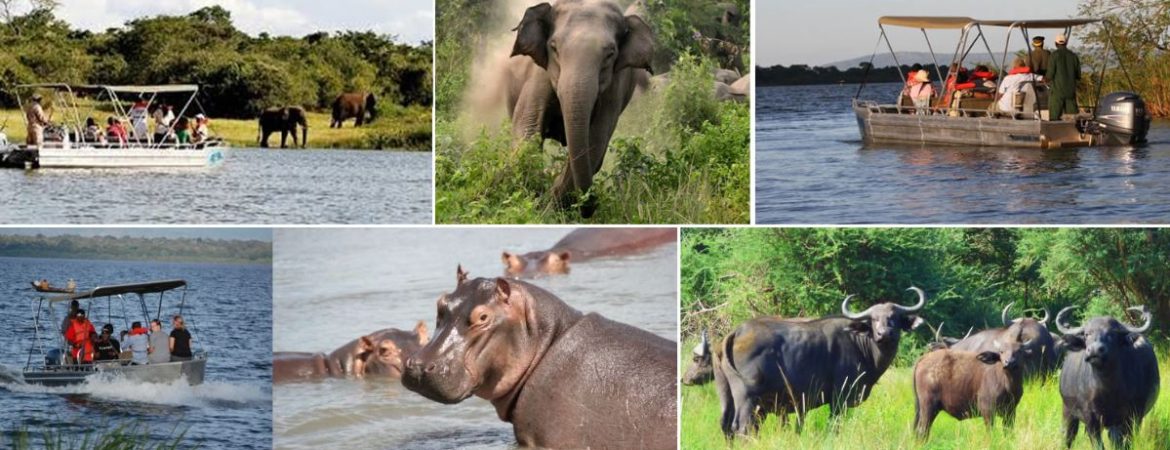
The truly best age to take children on a safari in Rwanda is 15 years and older. This milestone unlocks Rwanda's premier activities, allowing teens to participate in physically demanding, unforgettable encounters like mountain gorilla trekking and chimpanzee tracking, which have strict minimum age limits.
2-days-luxury-rwanda-gorilla-trekking-safari-from-kigali-city
3-days-rwanda-gorilla-trekking-and-golden-monkey-tracking-in-volcanoes
3-days-rwanda-gorilla-trekking-safari-itinerary-in-volcanoes-park
4-days-rwanda-golden-monkey-tracking-and-bisoke-hiking-tour-package
4-days-best-volcanoes-and-bwindi-impenetrable-national-park-double-gorilla-trekking
4-days-rwanda-primates-safari-gorilla-trekking-and-chimpanzee-all-inclusive-package
5-days-best-chimpanzee-tracking-golden-monkey-tracking-and-visit-to-lake-kivu
5-days-rwanda-double-gorilla-trekking-and-golden-monkey-tracking
5-days-uganda-gorilla-trekking-chimps-and-rwanda-golden-monkey-tracking-combo
6-days-gorillas-trekking-chimpanzee-tracking-and-golden-monkeys-safari-in-rwanda
7-days-best-gorilla-trekking-and-other-highlights-of-rwanda-tour
8-days-best-of-rwanda-uganda-safari-volcanoes-to-best-uganda-safari-parks
The Ideal Age Threshold (15+ Years)
Taking teenagers aged 15 and older on a Rwanda safari creates a completely different dynamic than traveling with younger kids. At 15, teenagers possess the physical stamina, emotional maturity, and focus required to fully appreciate complex wilderness journeys. This age serves as the official dividing line for the country's most famous wildlife encounters. Prior to this milestone, restrictions prevent children from participating in deep-forest primate tracks, which limits the scope of an itinerary.
Traveling with older teens allows families to move at a faster pace and tackle long hiking routes through dense foliage without concern for fatigue or safety hazards. Teens can sit quietly during extended wildlife sightings, follow strict ranger instructions, and understand the ecological importance of habitat conservation. They also handle early morning starts and long road transfers with greater ease.
For parents seeking an immersive, high-impact family journey, waiting until children turn 15 ensures that no major park experiences are off-limits. Ground operators like Roads of Adventure Safaris design these teen-focused itineraries to maximize time in the field, combining high-altitude treks with rich cultural exchanges across the country.
Gorilla and Chimpanzee Trekking (Ages 15+)
The 15-year minimum age limit for gorilla trekking in Volcanoes National Park and chimpanzee tracking in Nyungwe National Park is strictly enforced by the Rwanda Development Board. Rangers inspect passports at park headquarters before every morning briefing, and no exceptions or parental waivers are granted.
This regulation serves two main purposes: wildlife protection and visitor safety. Mountain gorillas and chimpanzees share over 98% of human DNA, making them vulnerable to human respiratory illnesses. Because younger children contract and spread common viruses more frequently, restricting access protects habituated primate groups from potentially fatal infections. Additionally, primate tracking demands high levels of emotional control. Surprising noises or sudden movements can provoke defensive behavior from a silverback or a chimpanzee troop.
The physical demands of these treks are equally intense. Navigating steep, muddy slopes, thick bamboo, and high altitudes requires strength and steady footwork. Treks can last anywhere from one to six hours depending on where the animals nested the night before. For teens who meet the requirement, standing meters away from wild mountain primates remains one of the world's most profound natural encounters.
Akagera National Park for Younger Children
Families traveling with children under 15 find an ideal destination in Akagera National Park. Located along Rwanda’s eastern border, Akagera features rolling savannahs, woodland hills, and a complex system of lakes that support healthy populations of lions, leopards, rhinos, elephants, and buffalos.
Unlike the dense rainforests of the west, Akagera allows families to view wildlife from the comfort and safety of customized closed-body 4x4 safari vehicles. Guided game drives present steady sightings of giraffes, zebras, and antelopes roaming open plains, keeping younger children engaged without physical exertion.
Lake Ihema adds a distinct aquatic element to the trip. Scheduled boat cruises along the lake shores bring travelers close to pods of hippos, massive Nile crocodiles, and hundreds of waterbird species. The calm water conditions make these boat trips accessible and safe for toddlers and young kids alike.
Akagera also provides a relaxed travel schedule. Distances within the park are manageable, allowing families to take mid-day breaks at lodges during the hottest hours. Roads of Adventure Safaris frequently arranges private family vehicles in Akagera, giving parents full control over timing, meal breaks, and drive durations to match their children's energy levels.
Lodges and Child Policies for Ages 8–12
Between eight and twelve years old, children enter a sweet spot for traditional savannah safaris and cultural travel. Most safari lodges across Rwanda set eight years as their base age limit for standard game drives and bush walks, recognizing that kids in this range have developed the patience to sit quietly during extended wildlife tracking.
At this stage, children readily absorb context about animal behavior, tracking techniques, and environmental stewardship. Lodges in and around Akagera often feature tailored educational activities, such as junior ranger programs, animal track identification walks around the property, and conservation talks led by local guides.
Cultural experiences also resonate strongly with this age group. Visiting local communities, learning traditional banana juice processing, or watching Intore dance performances provides hands-on learning that connects directly with what they see in school textbooks.
When planning a trip for 8-to-12-year-olds, selecting family-friendly accommodations is essential. Many luxury safari lodges feature interconnected family suites, dedicated child-minding services, and flexible dining menus to ensure a comfortable stay. Structuring an itinerary around a balanced mix of game drives, boat trips, and community visits creates a rewarding journey for both parents and growing kids.
What is the official minimum age limit for gorilla trekking in Rwanda?
The official minimum age limit for mountain gorilla trekking in Volcanoes National Park is 15 years old. This age threshold is strictly established and enforced by the Rwanda Development Board (RDB). The primary reason for this rule is disease control; primates share over 98% of human DNA, making them highly susceptible to human illnesses, which younger children carry and spread more frequently. Additionally, mountain gorilla treks demand absolute emotional control and physical resilience. Children must be able to stay calm if a silverback makes a sudden move or mock charge, and they need the stamina to hike through dense forest for hours.
How strictly is the age limit enforced for chimpanzee tracking in Nyungwe?
The 15-year minimum age limit for chimpanzee tracking in Nyungwe National Park is strictly enforced, with zero exceptions granted. Every visitor must present an original passport at park headquarters during the early morning check-in and briefing process. Park wardens inspect dates of birth to confirm eligibility before assigning tracking groups. Parents cannot sign liability waivers or request special dispensations for underage children. If a teenager is days away from their 15th birthday, they will still be turned away from the tracking activity.
Can children under 15 participate in golden monkey tracking?
Golden monkey tracking in Volcanoes National Park carries a minimum age requirement of 12 years old. While this is lower than the 15-year limit for gorilla and chimpanzee tracking, it remains firm. Golden monkeys live in the bamboo zones at lower elevations of the volcanoes, making the hike generally shorter and less steep than gorilla treks. However, the terrain is still slippery, and the monkeys move rapidly through the canopy, requiring tracking groups to move quickly through thick brush. Children aged 12 to 14 must be accompanied by a parent or guardian during the trek.
Are there any exception policies or parental waivers for primate treks?
No, there are no parental waivers, exceptions, or special permits available for underage children on gorilla, chimpanzee, or golden monkey treks in Rwanda. The Rwanda Development Board applies this policy uniformly across all national parks to prioritize wildlife conservation and visitor safety. Even if a child is physically fit, highly disciplined, or experienced in high-altitude trekking, park officials will not alter the rule. Families traveling with children under 15 who wish to see primates must structure their days so one parent treks while the other engages in child-friendly lodge activities.
What documentation is required at park headquarters to verify a child’s age?
To verify a child's age, you must present their original physical passport at the national park headquarters on the morning of the activity. Digital photos, photocopies, or secondary ID cards like birth certificates or student IDs are typically not accepted for formal registration. Park wardens cross-reference the details on the physical passport against the permit reservations issued by the Rwanda Development Board. It is critical to ensure that the passport details used during the initial permit booking match the physical document brought to the park.
Why is 15 considered the ideal age for a full-scope Rwanda safari?
At 15, teenagers cross the regulatory threshold that opens every major wildlife experience in Rwanda, including gorilla and chimpanzee trekking. Beyond meeting legal requirements, 15-year-olds generally possess the physical stamina needed to handle steep mountain terrain, altitude changes, and long forest hikes without extreme fatigue. Emotionally, older teens can maintain quiet discipline around wild animals, follow strict safety instructions from rangers, and absorb the ecological importance of conservation efforts. This age allows families to execute a complete, high-impact itinerary covering savannahs, rainforests, and mountain ecosystems without skipping prime activities.
How physically demanding are mountain gorilla treks for teenagers?
Gorilla treks vary from mild one-hour walks to intense six-hour expeditions through thick, unformed trails. Volcanoes National Park sits at high altitudes (ranging from 7,000 to over 10,000 feet above sea level), where thinner air makes exertion noticeably harder. Teenagers will need to navigate muddy inclines, dense bamboo thickets, stinging nettles, and uneven terrain. While athletic teens generally adapt well, proper footwear with ankle support and basic aerobic conditioning prior to the trip make a substantial difference in their comfort and performance.
What clothing and gear should teenagers pack for rainforest treks?
Rainforest trekking requires functional, protective gear rather than standard safari wear. Pack sturdy, broken-in waterproof hiking boots to handle mud and slick slopes. Long-sleeved shirts and long pants made of quick-drying synthetic fabric are essential to guard against stinging nettles and sharp vegetation; tucking pants into wool socks prevents ants from crawling up legs. Add lightweight gardening gloves for gripping muddy branches, a breathable waterproof jacket, a broad-brimmed hat, high-SPF sunscreen, and a durable daypack fitted with a hydration bladder for water and energy snacks.
How do early morning starts impact teen-focused itineraries?
Primate treks in Rwanda begin very early. Park briefings at Volcanoes and Nyungwe National Parks typically occur between 6:30 AM and 7:00 AM, meaning families must wake up as early as 4:30 AM or 5:00 AM depending on their lodge's location. Because teenagers often struggle with early sleep schedules, it helps to build a relaxed pace into the afternoon itinerary. After completing morning treks, plan for low-key activities like lodge rest, private meals, or light cultural walks rather than stacking heavy travel onto the back end of the day.
How can parents prepare teens for the rules of primate encounters?
Before stepping onto the trail, parents should review park guidelines with their teenagers. Key rules include maintaining a strict minimum distance of 7 meters (23 feet) from the animals, speaking in low whispers, and avoiding sudden movements or direct, prolonged eye contact with dominant silverbacks. Flash photography is strictly forbidden as it can provoke aggression. Emphasize that if an animal approaches, the group must stand still, lower their gaze, and allow the rangers to manage the interaction.
What makes Akagera National Park suitable for younger kids?
Akagera National Park features low-elevation savannahs, open plains, and woodland habitats that do not require intense physical exertion. Children view wildlife safely from inside closed 4x4 safari vehicles equipped with pop-up roofs, protecting them from heat, dust, and physical fatigue. Game drives can be adjusted in length to fit a child’s attention span, and the park’s healthy populations of lions, elephants, giraffes, zebras, and hippos keep young travelers engaged with frequent, high-visibility animal sightings.
What wildlife activities in Akagera are safe for all ages?
Customized game drives along established park tracks are fully safe for visitors of all ages, as families remain protected inside the vehicle. Scheduled boat cruises on Lake Ihema offer another safe, sit-down experience where children can view pods of hippos, Nile crocodiles, and diverse waterbirds along the shoreline. Additionally, short, guided nature walks within the fenced grounds of park lodges allow kids to burn off energy while learning about local plant life, insect species, and bird calls under adult supervision.
Why are private 4x4 safari vehicles essential for family game drives?
Booking a private 4x4 safari vehicle gives families complete control over their daily schedule. When traveling with children, flexibility is critical for managing meal times, bathroom stops, and sudden tiredness. A private vehicle means you do not have to negotiate drive lengths or quiet times with unrelated passengers. If a toddler gets restless, the guide can pivot from a long tracking search back to the lodge without disrupting other guests' travel plans.
What health and safety precautions apply to kids visiting Akagera?
Akagera sits at a lower elevation than Rwanda’s western mountains, making it warmer and subject to malaria risk. Children should take appropriate malaria prophylaxis as advised by a pediatric travel physician, wear long sleeves and pants during dawn and dusk, and use child-safe insect repellent containing DEET or Picaridin. Ensure kids stay hydrated throughout game drives, wear wide-brimmed sun hats, and strictly apply high-SPF sunscreen. Inside the vehicle, remind children to keep their arms and heads inside open windows when wild animals are nearby.
How long should families plan to spend inside Akagera National Park?
A stay of two to three nights inside Akagera National Park is ideal for families with young children. This timeframe allows for two full days of game viewing without over-exhausting young travelers. A typical daily rhythm involves a morning game drive when animals are active, returning to the lodge for lunch and a mid-day rest or pool break during the hottest hours, followed by a short late-afternoon boat cruise or light game drive before sunset.
What lodge-based activities are available for kids aged 8 to 12?
Many family-oriented lodges in and around Akagera offer specialized educational experiences for pre-teens. Children can participate in junior ranger programs, which include guided track-identification walks around fenced lodge grounds, lessons on bird calls, and bush-craft basics. Lodges often feature swimming pools, interactive cooking demonstrations, and evening campfire storytelling sessions where local guides share traditional Rwandan folklore, keeping kids entertained between scheduled game drives.
How can 8-to-12-year-olds participate in Rwandan cultural tours?
Children in this age group absorb hands-on cultural activities well. Experiential visits to community cultural centers allow kids to try traditional pottery making, learn the basics of banana juice production, or practice weaving colorful agaseke baskets. Attending live Intore dance performances—featuring traditional drumming and energetic choreography—provides an engaging visual and auditory experience that directly connects with history and art concepts learned in school.
Are walking safaris permitted for children under 15 in Rwanda?
Standard bush walks in untamed wilderness areas with big game generally carry a strict minimum age limit of 12 or 15 years, depending on the specific location and park management guidelines. However, short nature walks along fenced hotel grounds, non-predator zones, or guided botanical paths are frequently accessible to younger children. Parents should confirm specific walk regulations with their ground operator or lodge before booking active foot safaris.
How do safari lodges accommodate families with pre-teens?
Mid-range and luxury safari lodges cater to pre-teens by offering interconnected family rooms, spacious two-bedroom cottages, or extra rollaway beds. Many properties provide tailored children's menus featuring familiar meals alongside local dishes, and kitchen staff can adjust meal times to fit early sleep routines. Some lodges also offer child-minding services, allowing parents to enjoy private dinners or early morning activities while kids remain supervised at the lodge.
What is the typical attention span for kids on a game drive?
Most children aged 8 to 12 maintain solid focus for about two to three hours on a game drive, provided animal sightings are relatively frequent. After three hours, sitting in a vehicle can lead to restlessness or fatigue. To maintain interest, experienced guides engage kids directly by handing them binoculars, giving them animal checklists to track sightings, and involving them in reading tracks along the dirt roads.
What malaria precautions are necessary for children traveling to Rwanda?
Malaria is present in Rwanda, particularly in lower-lying eastern areas like Akagera National Park. Parents must consult a travel clinic or pediatrician well before departure to obtain age-appropriate antimalarial medication, such as pediatric formulations of Atovaquone-Proguanil (Malarone). In addition to medication, prevent mosquito bites by dressing children in lightweight, light-colored long sleeves and pants, applying effective insect repellent, and ensuring beds are covered by properly tucked-in mosquito nets at night.
Are vaccinations required for kids entering Rwanda?
All travelers entering Rwanda, including children, may be required to show proof of Yellow Fever vaccination if arriving from or transiting through countries with a risk of yellow fever transmission. Routine childhood vaccinations—including Measles-Mumps-Rubella (MMR), DTP, Polio, and Hepatitis A—should be fully up to date. Consult a travel medicine specialist at least six weeks prior to departure to review recommended vaccinations based on your travel itinerary and your child's medical history.
How manageable are road transfers across Rwanda for families?
Rwanda's primary highways connecting Kigali, Volcanoes, and Nyungwe are paved and generally well-maintained, but the country's hilly topography means routes are winding and mountainous. Road transfers between major destinations take between 2.5 to 6 hours. For children prone to motion sickness, pack appropriate medication or wristbands for winding mountain drives. Vehicles should carry plenty of bottled water, healthy snacks, and offline entertainment for longer travel legs.
Can families rent private child seats for safari vehicles?
Most professional ground operators can arrange age-appropriate child safety seats or booster seats for safari vehicles upon request. However, because specialized equipment may not be stored in every vehicle by default, parents must request child seats well in advance during the trip planning stage. Bringing your own portable booster seat is another reliable option for families taking extended road trips across the country.
What dietary options are available for children at Rwandan lodges?
Rwandan safari lodges routinely cater to young guests by offering kid-friendly international meals such as pasta, grilled chicken, rice, fresh fish, cooked vegetables, and fresh local fruit like mangoes, pineapples, and bananas. Lodges can accommodate specific dietary restrictions, food allergies, or vegetarian preferences if informed in advance. Bottled or filtered water is used for all food preparation and drinking at reputable accommodations.
Itinerary Structuring & Destination Selection
How should a family split time between Kigali, Volcanoes, and Akagera?
A well-balanced 7-to-10-day family itinerary typically starts with 1 to 2 nights in Kigali to rest after international flights and explore local markets or historic sites. Follow this with 3 nights in Akagera National Park for vehicle-based game drives and boat trips, which work well for all ages. Finally, spend 2 to 3 nights near Volcanoes National Park for golden monkey tracking, cultural village tours, or mountain gorilla treks if traveling with teenagers aged 15 and older.
What non-trekking activities exist near Volcanoes National Park for kids?
For families with children under 15 visiting the Musanze/Volcanoes region, several low-impact activities are available:
- Guided tours of the Iby’Iwacu Cultural Village to watch traditional drumming and dancing.
- Easy canoeing trips along the gentle Mukungwa River.
- Guided walks through the Ellen DeGeneres Campus of the Dian Fossey Gorilla Fund to explore interactive conservation exhibits.
- Visits to local tea or coffee plantations to learn about harvest and processing methods.
What child-friendly attractions are available in Kigali?
Kigali offers several engaging urban stops for families:
- The Inema Arts Center features vivid contemporary paintings and occasional dance performances.
- Kigali City Tower and local artisanal markets like Caplaki Craft Village provide fun opportunities to practice light bargaining for handcrafted souvenirs.
- The Kigali Genocide Memorial offers educational context on modern Rwandan history, recommended primarily for older children and teens (typically 12+).
- Horseback riding and farm visits are available at the Kigali Equestrian Center.
Is Lake Kivu a good family stopover between national parks?
Yes, Lake Kivu is an excellent middle stopover for families traveling between Nyungwe or Volcanoes National Parks. The lake features calm, bilharzia-free waters near resort towns like Rubavu and Karongi. Families can enjoy kayaking, stand-up paddleboarding, boat tours to nearby islands, or relaxing along sandy lodge beaches. The flat-water conditions make it a safe, scenic environment for children to unwind after intense safari game drives or mountain hikes.
How far in advance should family safaris and permits be booked?
Family safaris to Rwanda should ideally be booked 6 to 12 months in advance. Primate tracking permits for mountain gorillas ($1,500 per person) and chimpanzees ($250 per person) are limited in quantity each day and sell out quickly, particularly during peak dry seasons (June to September and December to February). Booking early ensures permit availability for all eligible family members and secures family suites or interconnected rooms at preferred safari lodges.
Booking safari in Rwanda with us Roads of Adventure safaris
Booking your Rwanda safari through Roads of Adventure Safaris gives you access to customized mid-range and luxury primate itineraries starting directly from Kigali. While the company is headquartered on the Kampala–Entebbe Road in Uganda, they are a trusted regional operator specializing heavily in cross-border and standalone Rwanda gorilla trekking.
