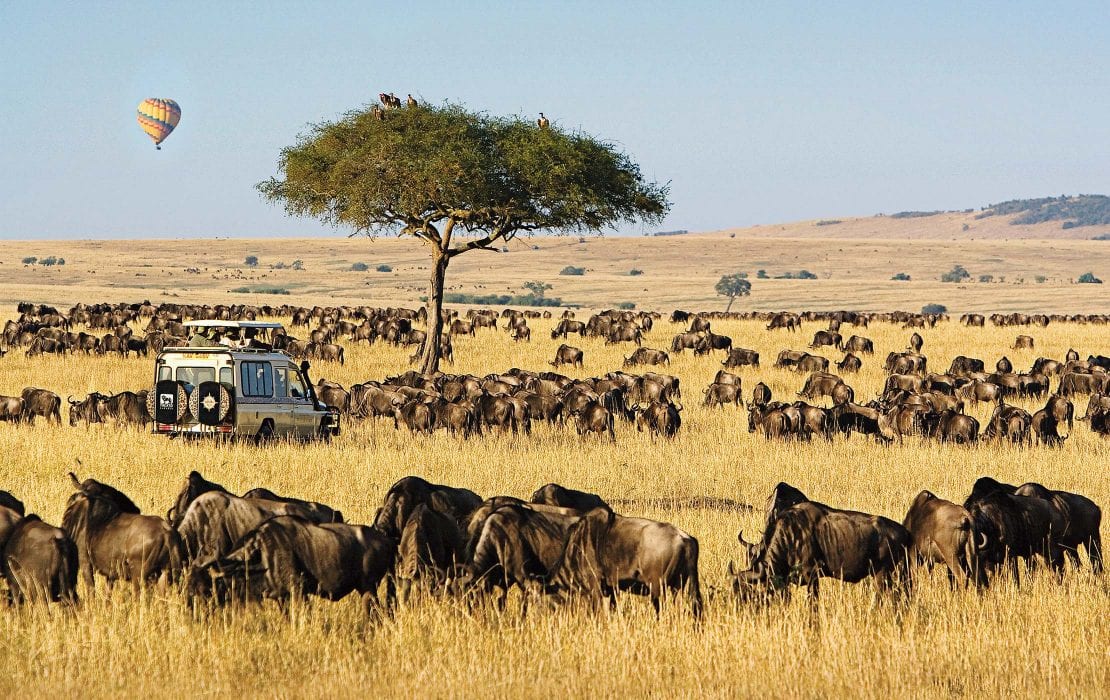
For a 10-day Tanzania safari, pack lightweight, neutral-colored clothing (khaki, green, beige) for layering, including long-sleeved shirts, sturdy walking shoes, a warm fleece for early mornings, and a rain jacket. Essential gear includes binoculars, a camera with a zoom lens, a daypack, and a wide-brimmed hat
Packing for a 10-day safari requires a strategic balance between utility and space, especially given the weight restrictions on small bush planes. The environment of the East African savanna is one of extremes, shifting from chilly, misty mornings to intense equatorial heat by noon.
10-days-best-kilimanjaro-hike-serengeti-safari-tour-and-ngorongoro-tour-combo
10-days-perfect-tanzania-safari-itinerary
10-days-tanzania-safari-and-zanzibar-beach-holiday-gateway
10-days-incredible-tanzania-wildlife-safari-and-cultural-experience
10-days-luxury-gorilla-trekking-masai-mara-serengeti-and-ngorongoro-crater
10-days-ultimate-budget-tanzania-safari-holiday-vacation
10-days-family-tanzania-safari-tour-to-lake-manyara-serengeti-ngorongoro-crater-and-tarangire
10-days-tanzania-safari-to-all-northern-circuit-safari-parks-expedition
10-days-tanzania-wildlife-safari-and-optional-visit-to-masai-tribe-or-hadzabe
10-days-best-tanzania-safari-tour-and-zanzibar-beach-holiday-itinerary
10-days-best-tanzania-honeymoon-safari-with-3-days-zanzibar-beach-holidays
Clothing (Layering is Key)
The secret to comfort on safari is layering. Because game drives start before dawn, you will often leave your lodge in temperatures as low as 10°C, only to find it hitting 30°C by lunch. Neutral colors like khaki, sand, and olive are essential; they camouflage you within the bush and—critically—do not attract tsetse flies like dark blue or black clothing does. Lightweight linen or moisture-wicking synthetic shirts with long sleeves provide dual protection against the sun and evening insects.
For your lower half, convertible cargo pants are the "gold standard" of safari wear, allowing you to zip off the legs as the day warms up. Ensure your footwear is broken in before arrival; while you spend most of your time in a vehicle, a pair of sturdy, closed-toe walking shoes or light hiking boots is vital for stretch points or walking safaris. If your itinerary includes a Zanzibar extension, remember that the island is culturally conservative. Packing a sarong or modest clothing that covers shoulders and knees is a sign of respect when walking through Stone Town or local villages.
Essential Safari Gear
While your guide will have high-quality equipment, having your own binoculars (ideally 8x42 magnification) transforms your experience, allowing you to spot the flick of a leopard's tail or the intricate patterns on a lilac-breasted roller. For photography, the scale of the landscape and the distance of the animals demand a telephoto lens (300mm minimum). Because you will be taking hundreds of photos, extra memory cards and spare batteries are non-negotiable, as charging opportunities can be limited during long days in the field.
A small daypack is your mobile command center, holding your sunscreen, water, and camera gear within arm's reach. In many tented camps, the path to your tent or the interior of the lodge can be dimly lit at night, making a headlamp or powerful flashlight a safety essential. This gear allows you to stay focused on the wildlife rather than technical frustrations, ensuring you capture every moment of the Great Migration or a pride of lions on the hunt.
Toiletries & Health
Health on safari is largely about prevention. DEET-based insect repellent is your primary defense against mosquitoes and the persistent tsetse flies found in the woodlands. Complement this with high-SPF sunscreen and lip balm, as the African sun at high altitudes is significantly stronger than many travelers anticipate. Even in luxury lodges, a small, personalized first aid kit is a smart addition, containing anti-diarrheal medication, rehydration salts, and basic pain relievers.
Because safari environments are often dusty, wet wipes and hand sanitizer become your best friends, especially before enjoying a picnic lunch in the heart of the Serengeti. Most lodges provide basic soaps and shampoos, but if you have specific skin sensitivities, bring your own biodegradable options. Staying hydrated is the best way to avoid fatigue and headaches, so always keep your reusable water bottle filled with the filtered water provided by your camp.
Documents & Electronics
Before you even board your flight, ensure your passport is valid for at least six months beyond your departure date. For Tanzania, the visa process is straightforward but specific; US citizens should be prepared for the $100 fee. When carrying cash, ensure your US Dollar bills are printed after 2009 and are in pristine condition, as many African banks and vendors will reject torn or older "small head" notes.
On the electronics front, a high-capacity power bank is vital. While many 4x4 Land Cruisers have charging ports, they can be slow or occupied by multiple guests; having your own backup ensures your phone or camera never dies during a migration crossing. Tanzania uses the Type G (British-style) three-pin plug, so a universal adapter is a must. Lastly, keep digital and physical copies of your travel insurance and yellow fever vaccination card (if required) in a waterproof folder to ensure a smooth transition through customs and park gates.
10 Days Tanzania safari vacation
10 Days Tanzania safari vacation is a definitive exploration of the "Northern Circuit," a region boasting the world’s most iconic wildlife landscapes. This journey is masterfully paced to balance high-octane adventure with moments of profound serenity, moving from the elephant-rich woodlands of Tarangire to the volcanic wonder of the Ngorongoro Crater and the legendary, endless plains of the Serengeti. Over ten days, you will witness the raw mechanics of the "Big Five" and the Great Migration while immersing yourself in the ancient cultures of the Maasai and Hadzabe tribes. Whether you are observing a lion pride on the hunt or watching a golden sunset behind a solitary baobab, this itinerary provides a front-row seat to the rhythms of the wild. It is a transformative odyssey that blends world-class game viewing with sophisticated bush hospitality, leaving you with a deep, soulful connection to the untamed beauty of East Africa’s premier safari destination.
Day 1: Arrival in Arusha
Your journey begins in Arusha, the gateway to Tanzania’s northern wilderness. After a warm welcome at Kilimanjaro International Airport, you will be transferred to a quiet, lush lodge nestled among coffee plantations. This first day is dedicated to relaxation and acclimatization, allowing you to shake off travel fatigue while enjoying the crisp air and views of Mount Meru. You will meet your expert safari guide for a comprehensive briefing, ensuring your gear and expectations are perfectly aligned for the days ahead. The evening is spent enjoying a fresh, locally sourced meal and the quiet sounds of the tropical gardens. It is a peaceful introduction to the East African highlands, providing a necessary moment of stillness before the high-energy adventure into the deep bush begins tomorrow morning.
Day 2: Tarangire National Park
The adventure officially starts with a drive to Tarangire National Park, a land of ancient baobab trees and massive elephant herds. Tarangire is world-renowned for its high concentration of "tuskers," which often congregate around the life-giving Tarangire River. Your first game drive will reveal a rugged landscape where you can spot lions, leopards, and unique species like the fringe-eared oryx. The park's prehistoric beauty provides a distinct contrast to the open plains you will see later in the week. You will spend the afternoon exploring the riverbanks and vast swamps, watching multi-generational elephant families interact and bathe. As the sun sets, you will head to your lodge overlooking the park, where the sounds of the African night—the distant hoot of an owl and the rustle of dry grass—set a thrilling tone.
Day 3: Lake Manyara National Park
Today, you head to Lake Manyara National Park, a jewel nestled at the base of the Great Rift Valley escarpment. This park is famous for its unique tree-climbing lions and massive troops of baboons that thrive in the lush groundwater forests. You will navigate through dense jungle-like vegetation before the landscape opens up to a vast alkaline lake, often fringed with thousands of pink flamingos. The birdlife here is staggering, ranging from pelicans to kingfishers. You will also look for hippos wallowing in the Simba River and giraffes browsing among the acacia trees. The park’s compact size allows for a highly concentrated viewing experience, making it a perfect transition before you head into the vastness of the Serengeti. The vibrant, green atmosphere offers a refreshing change of scenery and a sense of intimate discovery.
Day 4: Journey to Central Serengeti
You now ascend the Ngorongoro Highlands and descend into the legendary Serengeti National Park. The "endless plains" are the quintessential image of Africa, and as you head toward the Seronera Valley, the scale of the landscape becomes truly breathtaking. This central region is a year-round predator stronghold; it is common to see lions lounging on granite "kopjes" or a leopard draped in a sausage tree. Your afternoon game drive focuses on the riverine areas where wildlife is most active. Staying in the heart of the park allows you to fully experience the raw spirit of the savanna, with the evening air filled with the calls of hyenas. It is a day of monumental scale and high-stakes wildlife action, marking the start of your deep immersion into the world’s most famous wildlife sanctuary.
Day 5: The Great Migration Experience
This day is dedicated to tracking the world-famous Great Migration. Depending on the season, your guide will navigate toward the massive herds of wildebeest and zebras as they follow the rains in their prehistoric cycle. Witnessing a "sea" of animals stretching to the horizon is a humbling experience that defines the Serengeti. You will spend the entire day in the field, carrying a picnic lunch to maximize your time in the most active zones. Whether you are watching a mother wildebeest protect her newborn or seeing a cheetah scan the plains for a target, the migratory corridors offer a front-row seat to the survival of the fittest. The sheer volume of life in motion is a spectacle that stays with you forever, embodying the untamed power and resilience of the African wild.
Day 6: Northern Serengeti Exploration
Continuing through the Serengeti, you move into the more remote northern or western corridors. This region offers a more exclusive safari experience, characterized by rolling hills and riverine forests. The focus remains on the predators that follow the migration, and the rocky outcrops provide perfect vantage points for lions and leopards. You will explore hidden valleys and riverbanks, looking for rare species like the serval cat or the bat-eared fox. The Serengeti’s beauty is ever-changing, and the northern reaches offer a rugged, wilder aesthetic that contrasts beautifully with the central plains. By evening, you will return to your luxury tented camp, where a "bush dinner" under the stars allows you to recount the day's sightings while being immersed in the profound, unpolluted silence of the deep African wilderness.
Day 7: Serengeti Sunrise and Highlands
Your final morning in the Serengeti begins with a sunrise game drive, the most magical time of day on the savanna. The soft golden light provides perfect conditions for photography as predators return from their nightly hunts. You might spot a pride of lions guarding a fresh kill or a leopard descending from its tree to drink. After a hearty breakfast, you begin your journey back toward the Ngorongoro Conservation Area. The drive is a "game drive in transit," allowing for last-minute sightings of cheetahs or rare birds across the plains. As the altitude increases, the air becomes cooler and the vegetation more lush. You will arrive at the crater rim in the late afternoon, where the first glimpse into the ancient volcanic bowl below marks a dramatic shift in your safari experience.
Day 8: The Ngorongoro Crater Floor
Today is dedicated to a full-day exploration of the Ngorongoro Crater floor. After an early descent into the caldera, you will enter a prehistoric world where the "Big Five" are often seen in a single morning. This is one of the best places in Africa to spot the endangered black rhino grazing in the open. You will traverse the Lerai Fever Tree forest, search for massive "tusker" elephants, and observe hippos congregating in the swamps. The crater is a self-contained "Eden" where the wildlife is resident year-round, ensuring high-density encounters. After a picnic lunch by the hippo pool, you will ascend the crater walls and head to the nearby town of Karatu. This high-impact day of wildlife viewing provides a dense and monumental conclusion to your terrestrial safari adventures.
Day 9: Lake Eyasi Cultural Encounter
The penultimate day focuses on the human history of the Rift Valley. You will visit Lake Eyasi, the home of the Hadzabe people, one of the last true hunter-gatherer tribes in Africa. You have the rare opportunity to join the men on a morning hunt or watch the women gather tubers, gaining a profound respect for their ancient survival skills and unique click language. You will also visit the Datoga tribe, skilled blacksmiths who have forged tools and jewelry for centuries. This cultural exchange provides a deep, humanistic balance to the wildlife-heavy days of the safari. In the afternoon, you return to your lodge in the highlands to enjoy a final "farewell dinner," reflecting on the incredible diversity of landscapes and ancient cultures you have encountered across the majestic Tanzanian Northern Circuit.
Day 10: Arusha and Departure
On the final day of your safari, you enjoy a leisurely breakfast before driving back toward Arusha. You will stop at the Cultural Heritage Centre, an impressive gallery where you can purchase authentic Tanzanite gemstones, wood carvings, and vibrant paintings as souvenirs. After a final lunch in Arusha, you will be transferred back to Kilimanjaro International Airport for your departure flight. As you fly over the African continent, the memories of the Serengeti’s endless horizons, the elephants of Tarangire, and the amber eyes of a hunting lion remain with you. You leave Tanzania not just with photographs, but with a transformed perspective on the resilience of nature and the timeless beauty of the wild, concluding an epic ten-day odyssey through the heart of the world's most spectacular wilderness.
What to pack for 10 Days Tanzania safari vacation clothing?
Clothing is your primary defense against the elements. You should focus on neutral colors such as khaki, tan, beige, and olive green. These shades serve a dual purpose: they help you blend into the savanna for better wildlife viewing and, more importantly, they do not attract tsetse flies, which are notoriously drawn to dark blue and black. Lightweight, moisture-wicking fabrics are superior to heavy cotton, as they dry quickly and keep you cool during the equatorial midday heat.
Long-sleeved shirts are essential even in the heat to protect your skin from intense UV rays and to provide a barrier against biting insects in the evening. For bottoms, convertible hiking pants—those that zip off into shorts—are the ultimate safari hack. They allow you to adapt to the changing temperatures of the day without needing a full wardrobe change. Ensure your clothing is loose-fitting to allow for airflow and to prevent insects from biting through the fabric to your skin.
What to pack for 10 Days Tanzania safari vacation regarding footwear?
Footwear can make or break your comfort. While you spend a significant amount of time in a safari vehicle, you will still need sturdy, closed-toe walking shoes or light hiking boots for navigating uneven terrain at picnic sites or during short nature walks. It is critical that these shoes are "broken-in" before you arrive in Tanzania; the middle of the Serengeti is not the place to discover that your boots cause blisters.
In the evenings, your feet will need a break. Pack a pair of comfortable sandals or flip-flops for relaxing around the lodge or camp. These are also useful if your accommodation has shared shower facilities or a pool. Because the savanna can be dusty, choose shoes that are easy to clean. If your itinerary includes a walking safari, ensure your boots provide good ankle support and have a thick sole to protect against thorns and sharp acacia needles.
What to pack for 10 Days Tanzania safari vacation for cold mornings?
Many travelers are surprised by how cold Tanzania can be. Areas like the Ngorongoro Crater rim sit at high altitudes (over 2,200 meters), where morning temperatures can drop to 10°C or lower. Additionally, early morning game drives in open-sided vehicles create a significant wind chill. You must pack a high-quality fleece jacket or a lightweight "puffer" down jacket that can be easily compressed into your daypack.
Layering is the most efficient way to manage this. A typical morning might start with a base layer t-shirt, a long-sleeved shirt over it, and a warm jacket on top. As the sun rises and the temperature climbs, you can peel these layers off. Don't forget a lightweight scarf; it is excellent for keeping your neck warm in the morning and can be used to protect your face from dust later in the day when the wind picks up on the plains.
What to pack for 10 Days Tanzania safari vacation for sun protection?
The Tanzanian sun is exceptionally strong, especially as you move closer to the equator. Comprehensive sun protection is a health necessity. A wide-brimmed hat with a chin strap (to prevent it from blowing off in a moving vehicle) is the best way to shade your face, ears, and neck. Supplement this with polarized sunglasses to reduce the glare from the savanna and the alkaline surfaces of lakes like Manyara or Eyasi.
Apply a high SPF sunscreen (30+) every morning, even if it looks overcast, as UV rays penetrate the clouds. Don't overlook SPF lip balm, as the dry air and sun can cause painful chapping. During long game drives, the sun will often hit one side of your body for hours; reapplying sunscreen to your arms and legs throughout the day is vital to prevent severe burns that could ruin your comfort for the rest of the trip.
What to pack for 10 Days Tanzania safari vacation regarding laundry?
To meet the 15kg weight limit for small bush planes, you should pack for only 4-5 days and plan to do laundry. Most lodges and tented camps offer laundry services, often for a small fee or even included in luxury stays. However, keep in mind that many lodges will not wash "undergarments" due to local cultural customs. For these items, bringing a small bottle of biodegradable travel detergent or a travel sink stopper allows you to do a quick wash in your room.
Because laundry is typically sun-dried, it may not be returned the same day if it is raining or particularly humid. Planning your "laundry days" around two-night stays at a single lodge is the most efficient strategy. This approach keeps your luggage light, leaves room for souvenirs, and ensures you always have a fresh set of neutral clothes ready for the next game drive without overstuffing your bag.
What to pack for 10 Days Tanzania safari vacation to take photos?
The landscapes and wildlife of Tanzania are some of the most photogenic on Earth. To capture them effectively, a smartphone is rarely enough. You need a camera with a telephoto zoom lens (at least 200mm, but 400mm is ideal) to get clear shots of predators or birds without disturbing them. Because you will likely take hundreds of photos a day, bring double the memory cards you think you need.
Dust is the enemy of camera gear on safari. Bring a lens cleaning kit and a dry bag or a simple silk scarf to wrap your camera in when not in use. If you are a serious photographer, consider a "beanbag" (which can be filled with rice or beans locally) to stabilize your camera on the vehicle’s window sill or pop-up roof. Extra batteries are also crucial, as cold mornings can drain them faster, and you may not always have a charging port available mid-game drive.
What to pack for 10 Days Tanzania safari vacation for viewing animals?
While your guide will be an expert at spotting camouflaged animals, your own pair of high-quality binoculars will significantly enhance your engagement. Many wildlife sightings happen at a distance—a leopard in a tree or a rhino on the crater floor. Relying on the single pair provided in the vehicle often means missing the action while waiting for your turn.
An 8x42 or 10x42 magnification is the "sweet spot" for safari. It provides enough power to see detail without being so heavy that the image shakes. Binoculars aren't just for mammals; they are essential for appreciating Tanzania’s 1,100+ bird species. Having your own pair allows you to scan the horizon at your own pace, turning every transit drive into an active search for the next hidden marvel of the bush.
What to pack for 10 Days Tanzania safari vacation to stay charged?
Between GPS tracking, photography, and using apps for bird identification, your devices will drain quickly. A high-capacity power bank is a vital piece of gear. While many modern 4x4 Land Cruisers have USB charging ports, they can be slow or already in use by other travelers. Having your own power source ensures your phone or camera is ready when the Great Migration crossing finally begins.
Tanzania uses Type G (British style) and Type D power outlets. A universal travel adapter is necessary to ensure you can plug in at various lodges. Be aware that many remote tented camps run on solar power and may only provide electricity in the mornings and evenings. Charging your "hub" power bank during these windows ensures you have portable energy throughout the day when you are deep in the Serengeti.
What to pack for 10 Days Tanzania safari vacation in my daypack?
Your daypack is your "mobile survival kit" that stays with you in the vehicle. It should be a small, lightweight backpack (15-20 liters). Inside, you should keep your most frequently used items: sunscreen, binoculars, camera, spare batteries, and your wide-brimmed hat. It is also the best place to store your "transition layers," such as your fleece jacket, as the day warms up.
Always keep a reusable water bottle in your pack; most vehicles have large water dispensers to minimize plastic waste, and staying hydrated is key to avoiding altitude headaches. You might also want to tuck in a small field guide to birds or mammals. Because the savanna can be incredibly dusty, keeping your bag zipped at all times is essential to protect your electronics and personal items from the fine red dust of the plains.
What to pack for 10 Days Tanzania safari vacation for insects?
Insects are a part of the African ecosystem, but they can be managed with the right gear. DEET-based insect repellent is the most effective way to deter mosquitoes and tsetse flies. Tsetse flies are particularly persistent in the woodlands of Tarangire and parts of the Serengeti; they are attracted to movement and dark colors, which is why your light-colored clothing is so important.
Apply repellent to your ankles, wrists, and neck—the areas where skin is most likely to be exposed. Many travelers also choose to wear Permethrin-treated clothing, which adds an extra layer of protection. In the evenings, even if it is warm, wearing long pants and socks will significantly reduce your risk of mosquito bites. Most lodges provide mosquito nets over the beds, but a quick spray of repellent in your room before heading to dinner is a wise supplementary precaution.
What to pack for 10 Days Tanzania safari vacation for health?
A basic personal medical kit is essential because pharmacies are non-existent once you enter the national parks. Your kit should include anti-diarrhea medication (like Imodium), rehydration salts, and a broad-spectrum antibiotic if your doctor recommends it. Painkillers like Ibuprofen are useful for altitude headaches or the "African massage" resulting from bumpy roads.
Include antiseptic cream, varied sizes of plasters (band-aids), and any personal prescriptions you require for the full 10 days. If you are prone to motion sickness, the winding roads of the Rift Valley escarpment mean you should pack appropriate tablets. Lastly, ensure you have your Yellow Fever vaccination card (if required for your route) and your malaria prophylaxis, as Tanzania is a high-risk zone for malaria.
What to pack for 10 Days Tanzania safari vacation for hygiene?
The Tanzanian savanna is beautiful but incredibly dusty. To stay comfortable, hand sanitizer and wet wipes are indispensable. You will use these constantly, especially before eating a picnic lunch in the field where running water isn't available. Wipes are also great for a "bush bath" to clean your face and neck of dust at the end of a long game drive.
The air in the highlands and plains can be very dry, leading to cracked skin. Pack unscented moisturizing lotion and a high-quality eye drop to soothe eyes irritated by dust and wind. Unscented products are preferred as strong floral perfumes can sometimes attract unwanted insect attention. Keeping a small "hygiene pouch" in your daypack ensures you can refresh yourself quickly during the short stops at park gates or picnic sites.
What to pack for 10 Days Tanzania safari vacation for rainy seasons?
Rain can occur at any time in East Africa, even outside the "long rains" of April and May. A lightweight, breathable rain jacket or a sturdy waterproof poncho is a must-have. These are useful not just for rain, but also as a windbreaker during early morning drives. Choose a jacket that can be folded down into a small pouch to save space in your daypack.
If you are traveling during the rainy season, you might also consider a waterproof cover for your daypack and camera. Rain in the Serengeti often comes in short, intense bursts followed by bright sunshine. Being prepared allows you to keep your gear dry and stay comfortable so that you don't have to cut a game drive short just because of a passing shower.
What to pack for 10 Days Tanzania safari vacation for night lighting?
Lighting in safari camps is often kept soft to minimize the impact on wildlife and to preserve the "bush atmosphere." However, this can make navigating your tent or finding items in your bag difficult. A LED headlamp is the best solution; it keeps your hands free for brushing your teeth or organizing your gear.
Headlamps with a red-light mode are particularly useful, as red light does not attract insects and doesn't ruin your "night vision" when looking at the stars. A small, powerful handheld flashlight is also a good backup for walking to and from the dining tent at night, although most lodges will provide a Maasai guard or staff member to escort you with a larger spotlight for safety.
What to pack for 10 Days Tanzania safari vacation in luggage?
For a 10-day safari, you must use a soft-sided duffel bag without a rigid frame or wheels if possible. This is a strict requirement for the small Cessnas used for "bush hops" between parks, as hard suitcases simply will not fit into the small, irregularly shaped luggage pods. A bag with a capacity of 70-90 liters is usually sufficient to hold your clothing and gear while staying under the weight limit.
Inside your duffel, use packing cubes to organize your items by category (e.g., "morning layers," "evening wear"). This makes it much easier to find what you need without unpacking your entire bag in a tented camp. Keep your heavy items at the bottom and your most fragile gear in the center, surrounded by soft clothing. Always keep your absolute essentials—passport, medication, and camera—in your daypack, which stays with you at all times.
Booking 10 days Tanzania safari with us Roads of Adventure safaris
Booking a 10-day Tanzania safari with Roads of Adventure Safaris offers a comprehensive journey through the country's most iconic wildlife destinations, primarily focusing on the Northern Circuit
