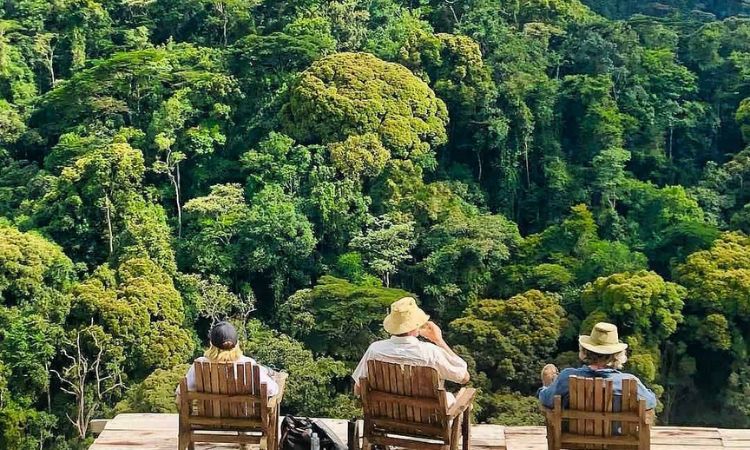
A Uganda photography safari offers incredible wildlife and landscape shots, focusing on mountain gorillas, chimpanzees, the "Big Five," unique birds like the Shoebill, and stunning scenery in parks like Bwindi, Queen Elizabeth, and Kidepo Valley National Park, with dry seasons (June-Sept, Dec-Feb) being ideal for wildlife concentration and easier spotting, and tours available for all skill levels, from short trips to extensive photographic expeditions with expert guides and specialized vehicles.
10-days-best-photography-uganda-wildlife-safari-holiday-and-gorilla-trekking
7-days-photography-uganda-safari-all-big-five-chimpanzee-and-gorillas
14-days-complete-uganda-safari-tour-and-primate-safari-experience
14-days-uganda-and-rwanda-safari-tour-itinerary
Bwindi Impenetrable National Park
Bwindi Impenetrable National Park is a UNESCO World Heritage Site renowned for its breathtaking biodiversity, particularly its population of endangered mountain gorillas. This park offers the ultimate destination for photographers looking to capture intimate portraits of these magnificent creatures. The park’s dense, ancient rainforest creates a moody, atmospheric setting, especially during misty mornings in the Ruhija sector.
Photographers should consider using fast lenses (f/2.8) to effectively handle the dappled light filtering through the forest canopy. A telephoto lens is essential to maintain the required 10-meter distance from the gorillas, ensuring both respect for their space and stunning capture opportunities. Beyond the iconic primates, the Munyaga River Trail provides additional photographic possibilities, featuring colorful forest birds and agile colobus monkeys against the backdrop of rushing water. This diverse environment allows for a variety of shots, from dynamic wildlife behaviors to the serene beauty of the landscape.
The rich biodiversity found in Bwindi also offers opportunities for macro photography, capturing details of the flora and unique forest life. The combination of the park's lush greenery and the thrilling presence of mountain gorillas creates an unparalleled experience for photographers, making it an essential stop on any Uganda photography safari.
Murchison Falls National Park
Murchison Falls National Park is an awe-inspiring location that is perfect for capturing dramatic landscapes and diverse wildlife. Dominated by the world’s most powerful waterfall, the park offers unique photography opportunities that combine both natural wonders and fascinating wildlife.
At the Top of the Falls viewpoint, photographers can capture the Nile River as it explodes through a 7-meter gorge, often accompanied by vibrant rainbows during the golden hour. This dynamic scene offers a spectacular opportunity to showcase the raw power and beauty of nature.
A boat safari to the base of the falls allows photographers to shoot low-angle images of hippos, Nile crocodiles, and elephants along the river’s edge. These intimate moments can reveal the rich wildlife interactions occurring in this ecosystem. Meanwhile, the Buligi Game Tracks offer classic savannah scenes featuring Rothschild’s giraffes and lions against a backdrop of Borassus palms.
Capturing the interplay between light and landscapes is key here, as Murchison Falls provides dramatic contrasts between the powerful waterfall and the serene surroundings. This national park sets the stage for some of the most breathtaking wildlife photography available in Uganda, making it an essential part of any Uganda photography safari.
Queen Elizabeth National Park
Queen Elizabeth National Park is one of Uganda’s most iconic wildlife reserves, offering a stunning medley of ecosystems that are perfect for photography. Renowned for its diverse wildlife, the park is most famous for its tree-climbing lions in the Ishasha sector. These majestic creatures can often be found lounging in massive fig trees, creating a perfect subject for wildlife photography.
A boat safari along the Kazinga Channel offers photographers the opportunity to capture striking images of bathing elephants while enjoying a unique perspective of the array of bird species such as the African fish eagle. The interplay of light on water enhances the visual drama, making for fantastic frame-filling shots.
For dramatic landscapes, the Katwe Explosion Craters offer sweeping vistas of salt lakes surrounded by the distant snow-capped Rwenzori Mountains, perfect for landscape photography. The verdant Kyambura Gorge, or "Valley of Apes," is another highlight, providing a rich environment for jungle-style photography of chimpanzees.
Queen Elizabeth National Park seamlessly blends wildlife and landscape photography, providing endless opportunities for photographers to explore and capture Uganda's vibrant ecosystems. This park is a must-visit on any Uganda photography safari, promising unforgettable moments and stunning visuals.
Kidepo Valley National Park
Kidepo Valley National Park is often hailed as Africa’s most scenic wilderness, making it a photographer's paradise. Its rugged landscapes framed by the Morungole Mountains provide stunning backdrops for capturing the essence of untamed nature. The park's remoteness ensures a tranquil environment, allowing for uncluttered photographic opportunities of rare species like cheetahs, ostriches, and caracals.
The Narus Valley is particularly popular for photographing massive buffalo herds and lions resting on granite kopjes, offering dramatic compositions that highlight the beauty of these majestic animals in their natural habitat. This unique setting allows photographers to showcase the raw, untouched quality of Africa’s wilderness.
Furthermore, Kidepo offers the chance to capture authentic cultural portraits of the Karamojong people in their traditional manyattas (homesteads), providing a striking contrast to the natural landscapes.
Photographers can immerse themselves in the rich beauty and biodiversity that Kidepo has to offer, capturing everything from vast landscapes to intimate wildlife moments. This remote national park is a highlight of any Uganda photography safari, presenting endless opportunities for stunning imagery amid diverse wildlife and landscapes.
Kibale National Park
Known as the "Primate Capital of the World," Kibale National Park is a treasure trove for photographers focused on documenting primates. This incredible park is home to a diverse range of species, including chimpanzees and twelve other primate species, making it ideal for capturing dynamic and engaging wildlife photography.
Due to the high forest canopy, photographers will need to use high ISO settings and fast shutter speeds to effectively freeze the movements of these agile creatures as they swing through the trees. The vibrant greens of the forest, combined with the playful antics of the chimpanzees, offer an abundance of photographic opportunities.
For those inclined towards macro photography, Kibale’s forest floor is a rich environment filled with rare butterflies, ferns, and colorful fungi. These elements add a unique layer to the photographic narrative, showcasing the park’s biodiversity beyond its primates.
Kibale National Park's combination of quick-moving primates and rich terrestrial ecosystems provides an ideal playground for wildlife photographers. Whether you’re aiming for action shots of chimps or delicate macro images, Kibale’s diverse habitats make it an essential stop on your Uganda photography safari.
Lake Mburo National Park
Lake Mburo National Park is a compact yet captivating destination characterized by golden savannahs and acacia woodlands, making it the best location in Uganda for photographing Burchell’s zebras and the iconic Ankole long-horned cattle. The park's manageable size allows for intimate wildlife encounters, which can lead to memorable photographic moments.
The absence of elephants in the park permits guests to enjoy walking safaris, offering ground-level perspectives that can reveal unique angles of impalas and elands in their natural environment. The opportunity to photograph wildlife on foot adds an exciting dimension to the experience, allowing you to capture interactions in a way that vehicle-based safaris cannot.
The lake itself is a prime spot for bird photography, presenting opportunities to capture elusive species such as the African Finfoot and various kingfishers from a boat. These aquatic avian subjects against the backdrop of the lake create stunning compositions.
With its blend of terrestrial and aquatic wildlife, Lake Mburo National Park provides diverse photographic opportunities that make it a highlight on any Uganda photography safari. The combination of scenic landscapes coupled with rich biodiversity ensures that photographers leave with a vareity of captivating images.
Rwenzori Mountains National Park
The majestic Rwenzori Mountains National Park, often referred to as the "Mountains of the Moon," is renowned for its dramatic alpine scenery, making it a photographer's paradise. Known for being one of the most challenging hiking destinations in Africa, the park offers breathtaking views that include glaciers, turquoise lakes, and surreal vegetation such as giant lobelias.
Hiking through the mist-shrouded peaks provides unique opportunities for landscape photography that captures the ethereal beauty of Africa's highest mountain range. Photographers can document the changing light throughout the day, transforming the dramatic landscapes into awe-inspiring visual art.
The park's unique flora and fauna offer additional subjects, suitable for both landscape and macro photography enthusiasts. Capturing the diversity present in this environment can result in striking photographs that highlight the Rwenzori's rich ecological offerings.
While the hiking may be challenging, the rewards in terms of breathtaking landscape shots found nowhere else in Africa are truly remarkable. The Rwenzori Mountains are a must-visit destination for any photographer on an Uganda photography safari, promising to deliver visuals that showcase the natural wonders of Uganda.
Mgahinga Gorilla National Park
Mgahinga Gorilla National Park, a part of the Virunga Volcanoes, stands out in Uganda’s wildlife landscape for its captivating golden monkeys, whose striking orange fur brilliantly contrasts against the lush bamboo forest. This unique attribute makes it a photographer's dream, offering an abundance of opportunities for capturing dynamic shots.
The three conical volcanoes—Muhabura, Gahinga, and Sabyinyo—serve as a formidable backdrop for wide-angle landscape photography, enabling you to emphasize the beauty of the rugged terrain while accentuating the vibrant wildlife that inhabits it. The breathtaking views from various vantage points within the park can provide stunning panoramas that highlight both the natural and the wild side of Uganda.
Photographers can also experience the thrill of observing and capturing the intricate behaviors of the golden monkeys. Their playful antics against the backdrop of the stunning forest create picturesque opportunities.
Mgahinga Gorilla National Park offers a perfect blend of wildlife and scenic photography, making it an unmissable stop on your Uganda photography safari. Whether you’re focusing on the unique mountain gorillas, playful golden monkeys, or the inspiring landscapes, this park guarantees exceptional photographic experiences.
Lake Bunyonyi
Lake Bunyonyi, known as the "Lake of a Thousand Islands," is an enchanting destination perfect for landscape and cultural photography. With its 29 terraced islands, the lake provides a stunning backdrop for dawn photography, often enveloped in mist. Shooting at this time not only enhances the beauty of the landscape but also brings an ethereal quality that captivates viewers.
Traditional dugout canoes and local fishermen provide excellent subjects for cultural storytelling set against the calm, deep-blue waters. Capturing these daily life moments can vividly portray the connection between the local communities and the lake that sustains them.
In addition to expansive landscape opportunities, photographers can explore the diverse wildlife that can be spotted around the lakeshore. Unique bird species such as kingfishers add depth to any photographic narrative.
Lake Bunyonyi offers a mixed media environment—where breathtaking landscapes merge with rich culture and wildlife, ensuring a comprehensive photography experience. This lake is a vital inclusion on any Uganda photography safari, promising stunning shots that reflect the fabric of Ugandan life and nature.
Ziwa Rhino Sanctuary
Ziwa Rhino Sanctuary is a standout location in Uganda for photographers eager to capture the Southern White Rhinos in their natural habitat. This sanctuary is the only place in Uganda where you can photograph these magnificent creatures in the wild, making it a crucial stop for wildlife photographers.
Guided foot treks through the sanctuary create powerful, low-angle portraits of these prehistoric-looking giants, allowing for intimate and striking images that showcase their majestic presence. The proximity to the rhinos provides opportunities for environmental shots that capture both their behavior and the unique landscape of the sanctuary.
Photographers can also explore the diverse flora and fauna that accompany the sanctuary's ecosystem. Birdwatching opportunities abound, providing additional subjects that enhance the photographic narrative.
The combination of unique wildlife and the chance to experience the rhinos up close makes Ziwa Rhino Sanctuary an exhilarating destination on any Uganda photography safari. The sanctuary not only enriches the wildlife tapestry of Uganda but also offers photographers unparalleled opportunities to capture rare species in their natural setting.
Semuliki National Park
Semuliki National Park offers a unique photographic experience highlighted by the Sempaya Hot Springs, where "male" and "female" geysers create dramatic steam clouds against the lush forest backdrop. This stunning natural phenomenon provides a rare opportunity to capture geothermal activity in a tropical rainforest setting, creating dynamic visuals that reflect nature's power.
The park is also known for its rich birdlife, being a premier destination to spot Central African species like the iconic Shoebill stork. Photographers can embark on canoe trips through the park's lush vegetation, capturing intimate, eye-level shots of these fascinating birds in their natural habitat.
In addition to wildlife, Semuliki’s unique landscapes allow for captivating landscape photography that can highlight the interplay between steam and forest light. This picturesque setting invites photographers to explore various perspectives, from distant shots that establish context to close-ups that emphasize details.
Visiting Semuliki National Park offers a diverse photography experience that spans natural phenomena, wildlife, and rich biodiversity, making it a significant inclusion on any Uganda photography safari. Photographers are guaranteed to find inspiration and beauty around every corner.
Sipi Falls
Sipi Falls, located on the slopes of Mount Elgon, is an enticing photography destination, known for its three cascading waterfalls that create diverse landscape compositions. For photographers, capturing the falls from multiple angles can yield stunning images that portray the dynamic movement of water against the vibrant green backdrop.
A hike to the top of the falls offers expansive panoramic views of the Karamoja plains, providing an excellent opportunity for landscape photography. The elevation adds depth to the images, allowing photographers to showcase both the falls and the surrounding topography.
This region is also rich in unique flora, often featuring diverse plant life that flourishes in the moisture-rich environment. Capturing these elements can enrich your photographic portfolio with a variety of subjects.
Sipi Falls presents a breathtaking blend of natural beauty, making it an essential destination for any photography enthusiast. The combination of cascading waterfalls, sweeping views, and diverse vegetation ensures that photographers on their Uganda photography safari will leave with a collection of stunning images.
Jinja (Source of the Nile)
Jinja, often referred to as the "Source of the Nile," is a captivating destination for photographers looking to capture the mystique of Africa's most iconic river. Here, the Nile's journey begins from Lake Victoria, offering a unique perspective to photograph the "mystery line" that separates the calm lake from the rushing river.
The nearby Itanda Falls provide high-action opportunities for photographers, featuring white-water rafters navigating massive rapids. This adrenaline-fueled setting allows for dynamic shots that highlight both the energy of the river and the thrill of adventure sports.
In addition to action shots, Jinja's tranquil lakeside scenery at dawn offers serene moments for landscape photography, featuring reflections and colorful skies. Local fishermen, traditional boats, and palm-lined shores add cultural elements that can enhance storytelling in your photography.
Whether capturing the dramatic action of the falls or the peaceful beauty of the Nile, Jinja offers a diverse range of photographic opportunities. This location is a must-visit on any Uganda photography safari, promising both adventure and stunning visuals that capture the essence of African nature.
Mount Elgon National Park
Mount Elgon National Park invites photographers to explore one of Africa's oldest mountains, offering breathtaking views and unique ecological zones. This extinct volcano boasts the world’s largest intact caldera, making it an exceptional location for landscape photography.
The diverse environments within the park allow you to document everything from the dramatic ridges and lava tubes to the breathtaking flora found on the higher slopes. The changing climate and elevation create a variety of scenes, perfect for capturing unique features of this stunning locale.
The park is home to unique wildlife, including the elusive elephants that frequent its caves seeking salt. Documenting these behaviors provides a fascinating angle to the park’s rich biodiversity.
Photographic opportunities extend beyond wildlife to include the distinctive vegetation, showcasing nature's resilience and beauty. Mount Elgon National Park provides the ultimate backdrop for photographers eager to capture rare landscapes and diverse wildlife on their Uganda photography safari.
Mabamba Swamp
Mabamba Swamp, located on Lake Victoria, is one of Uganda’s prime birding hotspots, particularly for photographing the prehistoric Shoebill stork. This unique environment provides intimate opportunities to capture this iconic bird in peaceful, natural settings.
Canoeing through the narrow papyrus channels allows for eye-level shots of the Shoebill and other water birds, showcasing their unique features against the lush greenery that frames the swamp. The soft morning light often bathes the area, enhancing the quality of your photographs and adding a magical touch to your images.
In addition to the Shoebill, Mabamba is home to a variety of avian species, making it an exciting destination for bird photographers. The mix of aquatic plants and diverse bird life creates ample opportunities for stunning wildlife photography.
Mabamba Swamp’s serene beauty and rich biodiversity make it an essential stop on any Uganda photography safari. It promises to deliver memorable shots and experiences for nature lovers and photographers alike.
Entebbe Botanical Gardens
Entebbe Botanical Gardens serves as an easy-access "starter" location for anyone keen on photographing Uganda's unique wildlife and flora. Nestled along the shores of Lake Victoria, these historic gardens offer a mix of rainforest and lakeside scenery that is perfect for showcasing the rich biodiversity of the region.
The gardens are home to an array of tropical flora, making it an excellent spot for close-up photography. Capturing vibrant flowers, unique trees, and the interplay of light and shadow adds depth to your portfolio.
The gardens also host species like the Great Blue Turaco and Vervet monkeys, providing opportunities for wildlife photography right from the comfort of the gardens. With their diverse landscapes, the Botanical Gardens enable photographers to experiment with various compositional techniques.
This easily accessible location provides a perfect introduction to Uganda’s rich natural beauty, making it an important stop on any Uganda photography safari. Whether you’re aiming for macro shots or broad landscape views, the Entebbe Botanical Gardens offer a delightful blend of subjects to capture.
15 frequently asked questions about Uganda photography safari
When is the best time for a photography safari in Uganda?
The best time for a photography safari in Uganda is during the dry seasons, which span from December to February and June to September. During these periods, wildlife is more active, with animals congregating around available water sources due to the drier conditions. This behavior makes for easier spotting and clearer views, enhancing your chances of capturing stunning wildlife photographs. Additionally, the vegetation is less dense, allowing for unobstructed shots of animals in their natural habitats.
Conversely, the wet seasons offer diverse opportunities for birding and vibrant landscape photography, showcasing Uganda’s lush greenery and flourishing ecosystems. This is an excellent time for capturing the vivid colors of flora and fauna, appealing especially to those interested in macro photography. While the wet season may pose challenges for wildlife visibility, it is a rewarding time for photographers aiming to capture the richness of Uganda's biodiversity. Ultimately, the choice of timing depends on your specific photographic goals, whether it is wildlife portraiture or landscape photography.
Is Uganda safe for tourists and photographers?
Uganda is generally considered a safe destination for tourists and photographers alike. The national parks are managed by the Uganda Wildlife Authority (UWA), and trained rangers are present to ensure the safety of visitors while facilitating wildlife encounters. While exploring, standard personal safety precautions are advisable, especially in busier locales. Keeping a close eye on your equipment is crucial, as high-value gear can attract unwanted attention.
Many tourists find Uganda to be welcoming, with friendly locals and a rich cultural tapestry. However, it's wise to be aware of your surroundings and follow guidance from your tour operators regarding areas to avoid, particularly after dark. Carrying a copy of your passport and important documents separately from the originals can enhance your security. By taking these precautions and staying informed, you can have a safe and rewarding experience while engaging in wildlife photography or exploring Uganda's beautiful landscapes.
Do I need a visa and specific vaccinations?
Yes, visitors to Uganda are required to have a valid visa and specific vaccinations, with a yellow fever vaccination certificate being mandatory for entry. It is advisable to arrange for your visa in advance, as it can often be processed online or through Ugandan embassies. This preparation ensures smoother entry into the country, allowing you to focus on your photography and exploration.
In addition to the yellow fever vaccine, travelers are recommended to consult with healthcare providers regarding other vaccinations, such as those for hepatitis A, typhoid, and rabies, particularly for extended stays or specific activities like trekking. Carrying printed vaccination certificates may be necessary upon arrival, so ensure they are easily accessible. Keeping abreast of health advisories for Uganda can further safeguard your trip. Preparing for vaccinations and obtaining a visa well ahead of your travel minimizes potential hiccups, ensuring that your focus remains on capturing Uganda’s stunning wildlife and landscapes.
How physically fit do I need to be?
Physical fitness requirements for a photography safari in Uganda can vary depending on the activities you choose. Standard game drives generally require minimal fitness, as they involve comfortable transportation in 4x4 vehicles. However, if you plan to participate in activities like gorilla and chimpanzee trekking, a higher fitness level is recommended.
These treks often involve several hours of hiking through dense forests, where terrain can be challenging and steep. Therefore, being in good physical condition will enhance your ability to engage fully in these fantastic experiences. It’s advisable to prepare by incorporating some walking or hiking into your routine prior to your trip, ideally in similar environments such as forests or hilly areas.
Photographers who are fit often find it easier to keep pace with guides and take advantage of spontaneous photography opportunities. Adequate hydration and some snacks can also sustain your energy during treks. Ultimately, a good fitness level allows for both an enjoyable and fruitful photography experience while tracking primates in Uganda's beautiful landscapes.
How do I book permits for activities like gorilla trekking?
Booking permits for gorilla trekking in Uganda requires advance planning, as these permits are limited and highly sought after. You can secure your permits through the Uganda Wildlife Authority (UWA) or a registered tour operator. It’s essential to book well in advance, particularly during peak seasons when demand is highest, to ensure availability.
Permits must be reserved for specific dates and can sometimes be fully booked months ahead, especially during the dry seasons when tourism peaks. It’s advisable to check current regulations and availability directly from the UWA's official website or authorized tour operators, who can assist with the booking process.
When planning your trip, be mindful of the number of trekkers allowed in each group, as maintaining safety and minimizing stress on the gorillas is crucial. Booking permits not only facilitates your trekking experience but also contributes to conservation efforts aimed at protecting these endangered species. Ensuring your permits are secured in advance will enhance your overall experience during your Uganda photography safari.
What type of transport is used during safaris?
Most photography safaris in Uganda utilize 4x4 vehicles, particularly Land Cruisers, which are often customized for optimal comfort and photographic opportunities. These vehicles typically feature pop-up roofs that allow photographers to stand or extend their cameras out for improved visibility of wildlife. This design is particularly advantageous during game drives, as it enables an unobstructed view for capturing wildlife photos from various angles.
Air transport is also an option for those looking to save time and cover multiple parks. Domestic flights between parks can help you maximize your time in Uganda and reduce travel fatigue from long road journeys. Coordinate with your tour operator to determine the most suitable transport options based on your itinerary and photography goals.
In both cases, ensuring that your transport is suitable for wildlife viewing will enhance your experience and allow you to capture stunning images without excessive downtime on the roads. Ultimately, reliable transportation forms a crucial part of a successful Uganda photography safari, facilitating easy access to various photographic hotspots.
What camera equipment should I bring?
For a successful photography safari in Uganda, a DSLR or mirrorless camera is highly recommended, as these systems offer versatility and high image quality. A telephoto lens (e.g., 100-400mm) is ideal for wildlife photography, allowing you to capture animals from a safe distance without disrupting their behavior. Additionally, a wide-angle lens (e.g., 14-35mm) is essential for capturing the stunning landscapes and expansive vistas found throughout Uganda.
Fast lenses, with apertures of f/2.8 or lower, are particularly useful for low-light environments like Bwindi Impenetrable National Park. This enables you to work effectively in the forest where light can be limited. Having extra batteries, memory cards, and a lens cleaning kit is equally important; these accessories ensure you are well-prepared for various shooting conditions.
Ultimately, bringing a diverse range of equipment will allow you to adapt to different photographic scenarios, from wildlife close-ups to breathtaking landscapes. A well-rounded kit will significantly enhance your ability to capture the rich beauty of Uganda during your photography safari.
Do I need a tripod or other support gear?
Bringing the right support gear is crucial for maximizing photography opportunities during your Uganda safari. A beanbag is highly recommended for stabilizing your lens on a vehicle window frame, allowing for steady shots while on the move. This method is often preferred over tripods in vehicles because of the limited space and mobility.
A lightweight tripod or monopod can be beneficial for stability during nature walks or when capturing images during the golden hour. These supports help reduce camera shake, allowing for sharper images, especially in low light conditions.
Overall, while a tripod may not always be necessary, having some form of stabilization gear will enhance the quality of your photos, especially in varying terrains. Adapting your gear to the safari environment can lead to more dynamic and professional-looking images throughout your photography journey in Uganda.
How should I protect my gear from the elements?
Protecting your camera gear from the unpredictable weather in Uganda is crucial for ensuring its longevity and functionality. It's wise to invest in rain covers for your camera and lenses, which will shield them from sudden downpours commonly experienced during the wet season. A weather-resistant camera bag is also advisable, allowing for safe transport without needing to unpack your gear.
In addition to rain protection, silica gel packs can be used to combat moisture buildup inside your camera bag, particularly in humid forests. Keeping equipment dry and free from excessive moisture helps prevent issues such as mold and internal damage.
A blower brush is useful for removing dust and debris that may accumulate in savannah areas or while on dusty roads. Regularly checking your gear for dust and moisture will keep it in optimal condition for capturing Uganda’s stunning wildlife and landscapes. Implementing these protective measures ensures your photography equipment remains in top shape throughout your safari.
Should I use a flash for photography?
Flash photography is generally discouraged during gorilla and chimpanzee trekking in Uganda, as it can disturb the animals and disrupt their natural behavior. Instead, rely on fast lenses and adjust your ISO settings to accommodate for low light conditions typical in forest environments, where lighting can be challenging.
Utilizing natural light will enhance your ability to capture candid moments that reflect authentic wildlife interactions. Employing techniques such as exposure compensation and shooting in RAW can further improve the quality of your images, allowing for greater flexibility during post-processing.
When photographing landscapes or stationary subjects in open environments, using a flash can be acceptable, particularly for filling in shadows or enhancing foreground elements during twilight. However, when wildlife is involved, it’s best to respect the animals by avoiding flash in favor of capturing the beauty of Uganda’s landscapes and creatures in their natural light.
What are the best camera settings for wildlife photography?
For wildlife photography in Uganda, shooting in RAW format is highly recommended. This file type preserves all the data captured by your camera, providing maximum flexibility for editing. When it comes to camera settings, using aperture priority mode can help you control depth of field, allowing for beautifully blurred backgrounds that highlight your subject.
Fast shutter speeds are crucial for capturing moving animals without blur. Aim for at least 1/1000th of a second, especially for quick-moving wildlife. A higher ISO may be necessary in low-light conditions, such as during early morning or late afternoon shoots, and can help maintain faster shutter speeds without sacrificing image quality.
Experimenting with different settings based on the situation, such as changing the aperture for landscapes versus wildlife portraits, will enhance your overall photographic results. Being adaptable with your settings will allow you to make the most of Uganda's diverse environments and stunning wildlife, ensuring a successful photography safari experience.
What are the top locations for photography in Uganda?
Uganda is home to many exceptional locations for photography, each offering unique opportunities to capture wildlife and breathtaking landscapes. Bwindi Impenetrable National Park stands out for its endangered mountain gorillas, providing intimate portrait opportunities amidst lush rainforests.
Queen Elizabeth National Park impresses with its variety of ecosystems, showcasing tree-climbing lions in Ishasha and stunning boat safaris along the Kazinga Channel, perfect for wildlife and landscape photography. Murchison Falls National Park offers dramatic terrains with powerful waterfalls, ideal for capturing both landscapes and wildlife near the Nile.
In addition, Kibale National Park is renowned as the "Primate Capital," allowing for dynamic shots of chimpanzees and other primates. Other notable spots include Lake Bunyonyi for scenic landscapes and cultural encounters, and Mount Elgon National Park for unique geological features.
Each of these locations provides a wealth of photographic opportunities, making Uganda a premier destination for photographers seeking to capture the diverse beauty of nature and wildlife on their safari.
Can I photograph local people and communities?
Photographing local people and communities in Uganda can enrich your travel experience and storytelling, but it’s essential to approach this with respect and cultural sensitivity. Always ask for permission before taking photographs of individuals or communities, as this demonstrates respect for their privacy and traditions.
A friendly greeting and a brief interaction can help establish rapport, often leading to more genuine and natural portraits. Engaging with the local culture not only enhances your photographs but also fosters positive relationships and mutual respect between photographers and communities.
It’s advisable to carry small tokens or gifts as a gesture of appreciation, especially when photographing children or community members. Remember that building trust can lead to impactful images that tell authentic stories. Respectful engagement is key to ensuring a rewarding photographic experience while visiting Ugandan communities.
What kind of interaction can I expect with the wildlife?
Uganda offers photographers intimate wildlife encounters, particularly with habituated species such as gorillas and chimpanzees. These animals have become accustomed to human presence, allowing for unique photographic opportunities while maintaining their natural behaviors. Experienced guides are trained to ensure that safe distances are upheld, effectively balancing your desire for capturing spontaneous moments with the need to respect wildlife.
During gorilla trekking, your experience can be especially rewarding as you observe these majestic creatures in their natural habitat. Similarly, chimpanzee tracking often affords close views, allowing you to document their fascinating interactions.
Overall, these encounters provide a unique chance to capture various wildlife behaviors, making Uganda a premier destination for wildlife photography. The emphasis on responsible tourism ensures that wildlife experiences remain enriching for both photographers and the animals themselves, allowing for memorable interactions that lead to remarkable images.
Are there restrictions on bringing drones into Uganda?
Yes, Uganda has strict regulations regarding drone usage, requiring special permission from the Uganda Civil Aviation Authority (UCAA). If you plan to bring a drone with you for aerial photography, it’s crucial to obtain the necessary clearance well in advance of your trip. The process typically involves submitting your request to the UCAA along with specific details about your drone, intended use, and flight plans.
While drones can offer unique perspectives for capturing Uganda's stunning landscapes, it’s often advisable to plan your photography without relying on aerial shots to avoid complications. Many national parks and sensitive areas may have restrictions on drone flights due to wildlife conservation efforts.
To ensure compliance and avoid potential issues, it's best to research current regulations and engage with local authorities if necessary. Keeping informed can help you make the most of your photographic journey in Uganda while respecting local laws and conservation efforts.
Booking Uganda photograph safari with us Roads of Adventure safaris
Booking your Uganda photography safari with Roads of Adventure Safaris ensures a seamless and thrilling experience. We specialize in crafting unique itineraries that highlight Uganda’s stunning wildlife and landscapes, from gorilla trekking in Bwindi Impenetrable National Park to capturing vibrant birdlife in Kibale. Our knowledgeable guides prioritize your safety and comfort, making your photography journey not only memorable but also rich in opportunities to capture Bulgaria's breathtaking beauty. Let’s create your adventure together!
