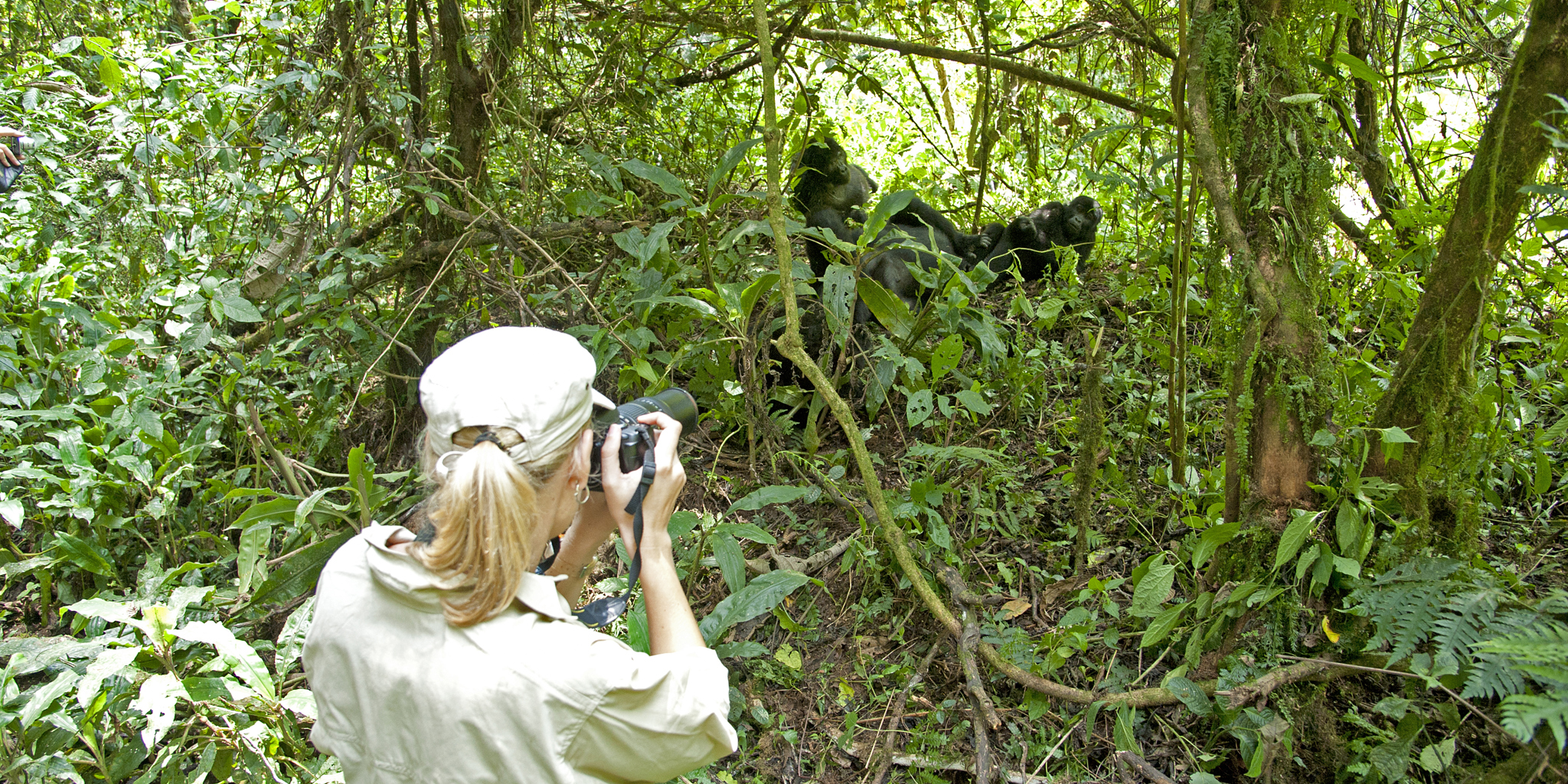
Uganda photography safari in Bwindi Impenetrable National Park offers unrivaled opportunities to capture endangered mountain gorillas in their mist-covered habitat. Best enjoyed from June to September or December to February, these trips require gorilla permits, fast lenses for low-light forest conditions, and waterproof gear, providing intimate, high-quality images of gorillas, diverse birdlife, and breathtaking landscapes
30-days-uganda-rwanda-photography-safari-adventure
38-days-unmatched-uganda-primate-safari-tour-and-uganda-wildlife-safari-with-culture
30-days-best-uganda-birding-safari-extravaganza-and-wildlife-safari
10-days-best-photography-uganda-wildlife-safari-holiday-and-gorilla-trekking
8-day-africa-big-five-safari-in-uganda-and-mabamba-swamp-shoebill
Best Time for a Uganda Photography Safari in Bwindi
The best time for a Uganda photography safari in Bwindi is during the drier months, specifically from June to September and December to February. These periods are ideal for trekking due to less muddy trails and more consistent weather, which enhances both your mobility and photographic opportunities. Rain can lead to slippery conditions, complicating treks and making it difficult to maintain equipment stability.
During the dry months, lighting conditions are also more stable, crucial for wildlife photography. Overcast skies can diffuse harsh sunlight, creating softer light that is flattering for capturing the rich textures of the gorillas' fur and the vibrant greens of the dense forest.
Additionally, wildlife is generally more active during these times, leading to better interactions with the gorillas. The possibility of rare encounters with other wildlife, such as bushbucks and rare birds, also increases in drier conditions. Planning your visit around these optimal times maximizes the chances of capturing striking images of the majestic mountain gorillas in their natural habitat. In summary, a Uganda photography safari during these months not only ensures better trekking conditions but also enhances your overall photographic experience in Bwindi.
Duration of a Uganda Photography Safari in Bwindi
For a focused and rewarding Uganda photography safari, a duration of 3 to 4 days is recommended, especially if your primary goal is to photograph mountain gorillas. This timeframe allows for at least two separate trekking sessions, significantly enhancing your chances of securing the perfect shot under different lighting conditions.
Each trek can vary in length and difficulty, usually requiring anywhere between 1 to 8 hours of hiking through challenging terrain. Spreading the treks over a few days not only increases the probability of encountering gorillas but also allows you to adapt to varying weather and light conditions.
Additionally, this timeframe lets you explore other aspects of Bwindi; you can participate in guided nature walks or visit local communities. Each encounter and experience will enrich your photography, offering varied subjects and narratives.
In conclusion, spending 3 to 4 days in Bwindi during your Uganda photography safari not only maximizes your gorilla photography opportunities but also provides a chance to absorb the surrounding rich biodiversity and cultural experiences, leading to a well-rounded adventure.
Obtaining Permits for a Uganda Photography Safari
Acquiring permits for a Uganda photography safari is crucial for maximizing your experience. To trek with the mountain gorillas, you’ll need a standard gorilla trekking permit, which costs approximately $800 for non-residents. This fee helps fund conservation efforts and protects these incredible animals. To secure a permit, contact the Uganda Wildlife Authority or collaborate with a registered tour operator specializing in gorilla trekking.
It's advisable to book your permits well in advance, as they are limited and demand can exceed supply, especially during peak seasons. The process is relatively straightforward; operators can manage the paperwork and ensure you have everything in order for your trek.
When planning your trip, remember that prices for permits can fluctuate, and additional fees may apply for professional photographers or filmmakers. For commercial photography, a fee typically equal to 40% of the permit cost may be required, along with any necessary media accreditation.
Properly obtaining your permits is a critical first step in ensuring that your Uganda photography safari is smooth and successful, allowing you to focus on capturing the breathtaking beauty of the gorillas and their stunning environment without bureaucratic hassles.
Extra Fees for a Professional Uganda Photography Safari
If you are pursuing a Uganda photography safari as a professional photographer or filmmaker, it’s essential to be aware of the additional fees associated with commercial permits. These permits typically require an additional payment that equals approximately 40% of the standard gorilla trekking permit fee. This is a crucial step in ensuring that your work as a professional aligns with national park rules and contributes to conservation efforts.
In addition to the processing fee for the permit, there might be further media accreditation fees required for commercial activities. It's essential to clarify these costs with the Uganda Wildlife Authority or your tour operator before your trip to avoid any surprises.
Taking these additional fees into account is vital for budgeting. While they can be significant, they also serve a dual purpose: maintaining the integrity and preservation of Uganda's unique wildlife while permitting professionals to create impactful visual narratives.
Ultimately, being informed about these costs ensures that your Uganda photography safari aligns with professional standards, allowing you to capture stunning images while contributing to the overall mission of conservation.
Best Sectors of Bwindi for a Uganda Photography Safari
Bwindi Impenetrable National Park is divided into four sectors: Buhoma, Ruhija, Nkuringo, and Rushaga, each offering unique terrain and diverse gorilla families for a Uganda photography safari. The choice of sector can significantly influence your experience and photographic opportunities.
Buhoma is the most developed sector and offers relatively easier trekking paths. It's home to several habituated gorilla families, making it a popular choice for photographers. On the other hand, Ruhija is known for its misty morning atmosphere, providing a dramatic backdrop for photography. The trails here can be steeper, but the rewards are often visually striking images of gorillas amidst the mist.
Nkuringo is renowned for its rugged terrain and fewer visitors, making it ideal for capturing beautiful, unspoiled nature. This area offers breathtaking panoramic views of the surrounding landscapes, enhancing the visual narratives of your photographs. Finally, Rushaga is famous for its multiple families and gives photographers a chance to capture a variety of behaviors in one area.
Choosing the right sector based on your interests and desired photographic outcomes will enhance your Uganda photography safari experience, allowing for diverse and captivating images of the remarkable gorillas and their stunning surroundings.
Essential Lenses for a Uganda Photography Safari
Choosing the right lenses is crucial for capturing stunning wildlife images during a Uganda photography safari. A versatile lens like the 70-200mm f/2.8 is a highly recommended choice, offering excellent flexibility for various shooting scenarios. This lens allows you to zoom in for close-ups, capturing intimate details of the gorillas without intruding too closely.
For those who want to focus on further distances or get tighter shots, a 100-400mm lens is also popular among safari photographers. It enables you to capture the majesty of the gorillas from a safe distance while providing sharp and detailed images.
In addition to telephoto options, including a wide-angle lens (such as 24-70mm) is beneficial for illustrating the "impenetrable" environment of Bwindi. This lens helps frame the gorillas within their beautiful surroundings and offers context to your photographs.
Choosing the right lenses for your Uganda photography safari will greatly enhance your ability to capture the breathtaking beauty of the gorillas and the lush landscapes of Bwindi, ensuring your photographic journey is both fulfilling and visually captivating.
Use of Flash on a Uganda Photography Safari
Using flash photography during a Uganda photography safari is strictly prohibited, particularly in the context of gorilla trekking. Flash has the potential to startle or provoke these sensitive animals, disrupting their natural behavior and possibly putting both the wildlife and visitors at risk.
Instead, rely on natural light to capture your images. The dense canopies of Bwindi may limit light availability; therefore, understanding how to make the most of existing light by utilizing higher ISO settings and wider apertures is paramount.
To compensate for lower light levels, consider using lenses with wide apertures (like f/2.8) and shooting with a higher ISO (between 800-3200). This setup allows for faster shutter speeds, critical for capturing sharp images without introducing motion blur in the thick forest.
In summary, respecting the prohibition of flash photography enhances not only the Uganda photography safari experience for photographers but also plays a crucial role in ensuring the safety and comfort of the incredible mountain gorillas and their ecosystem.
Recommended Camera Settings for a Uganda Photography Safari
During a Uganda photography safari, especially while trekking in the dense forests of Bwindi, understanding recommended camera settings is crucial for capturing high-quality images. Due to the thick canopy of trees, obtaining sufficient light can be challenging, necessitating the use of a wide aperture (f/2.8 to f/5.6). This allows more light to enter the lens, enabling you to shoot effectively in lower light conditions while also creating a beautiful depth of field that isolates your subjects.
Additionally, maintaining a high ISO setting (between 800-3200) is recommended to ensure a fast shutter speed of at least 1/250 seconds. This settings combination helps avoid motion blur caused by both the movement of the gorillas and the uneven terrain while maximizing the chances of capturing sharp, clear images.
Be prepared to adjust your settings frequently, as lighting conditions can shift dramatically throughout the day. Practicing with different ISO and aperture combinations before your trip can help you become comfortable with your camera settings, ensuring that you can quickly adapt when the moment to capture a stunning image arises.
Ultimately, mastering these settings and understanding their impacts will greatly enhance your overall enjoyment and photographic success during your Uganda photography safari.
Bringing a Tripod on a Uganda Photography Safari
When considering gear for a Uganda photography safari, it's essential to evaluate the practicality of bringing a tripod. In the dense, uneven terrain of Bwindi, large tripods can be cumbersome and often difficult to maneuver. Additionally, many areas may have restrictions on the use of wide tripods due to safety concerns in the presence of wildlife.
Instead, a lightweight monopod is highly recommended as an effective substitute. Monopods provide added stabilization for your camera and lens without the bulk of a tripod, enabling you to navigate rugged trails more easily while still improving image sharpness, particularly in lower light conditions.
A monopod can be useful, especially when trekking in the forest where space is limited, allowing you to steady your shots while remaining mobile. This setup can also be beneficial when adapting to changing angles quickly, ensuring you don’t miss key photogenic moments.
To conclude, opting for a monopod over a traditional tripod enhances your mobility and flexibility during your Uganda photography safari, allowing you to capture remarkable images with more ease and convenience.
Protecting Your Gear During a Uganda Photography Safari
Protecting your photographic gear during a Uganda photography safari is essential due to the unpredictable weather and challenging terrain of Bwindi Impenetrable National Park. Sudden rain showers can occur at any time, making it vital to pack waterproof rain covers for your camera and lenses. These covers will help safeguard your equipment from moisture and ensure it remains operational throughout your adventures.
In addition to rain covers, consider including silica gel packs in your equipment bag. These packs help absorb moisture and prevent condensation inside your gear, particularly during humid conditions. Maintaining dry equipment is vital for ensuring optimal performance and longevity.
Furthermore, when trekking through Bwindi, be cautious of how you handle and store your gear. Employ padded, secure camera bags that can shield your equipment from impacts and dirt while navigating rough paths.
Overall, being equipped with the right protective gear during your Uganda photography safari allows you to focus on capturing stunning wildlife images while minimizing the risks associated with the unpredictable environmental conditions.
Minimum Distance for a Uganda Photography Safari
Maintaining a safe distance from mountain gorillas during a Uganda photography safari is crucial for both wildlife conservation and visitor safety. Visitors are required to keep at least 7 to 10 meters away from the gorillas at all times. This distance helps minimize stress on the animals, as gorillas are susceptible to diseases that humans can transmit due to their genetic similarities.
By adhering to these guidelines, you not only ensure your safety but also contribute to the ongoing conservation efforts in Uganda. Observing the gorillas from a distance allows you to enjoy their fascinating behaviors without intruding upon their natural habitat.
In practice, the guides leading the treks are knowledgeable about gorilla behavior and know the best ways to approach to ensure the safety of both visitors and animals. They will help position you for optimal viewing experiences while enforcing the necessary distance protocols.
In summary, respecting the required minimum distance during your Uganda photography safari plays a critical role in safeguarding the wellbeing of gorillas and ensuring that your encounter is respectful and unforgettable.
Recommended Attire for a Uganda Photography Safari
What you wear during a Uganda photography safari can significantly impact your experience and success in capturing photographs. Choosing neutral colors such as khaki, green, or brown is highly recommended, as these shades help you blend into the natural environment, reducing the chances of startling wildlife.
Avoid wearing blue or black clothing, as these colors attract tsetse flies, which can be bothersome and even dangerous due to their disease-carrying capabilities. Additionally, refrain from wearing camouflage patterns, as they are reserved for military use and can lead to misunderstandings in the field.
Comfort is key during your safari, so choose lightweight, breathable fabrics that allow for unrestricted movement. Sturdy, comfortable hiking boots are crucial, given the uneven terrain you’ll navigate. Don't forget to layer your clothing; temperatures can fluctuate dramatically between day and night, so being prepared for both warm and cooler conditions is essential.
In conclusion, dressing appropriately for a Uganda photography safari not only enhances your comfort but also elevates your chances of capturing memorable images while respecting the wildlife and their surroundings.
Drone Usage on a Uganda Photography Safari
Drones are generally prohibited in Bwindi Impenetrable National Park during a Uganda photography safari, primarily due to the sensitive nature of the wildlife and the regulations aimed at protecting the gorillas. Flying drones can cause distress to animals and disrupt their natural behaviors, particularly with species as sensitive as mountain gorillas.
In special cases, permits for drone operations may be granted, but obtaining permission from both the Civil Aviation Authority and military authorities can be complex and time-consuming. The doubt about encountering wildlife along your flying path makes the gradual approval process even more relevant.
Therefore, it is best to focus on traditional photography methods while trekking in Bwindi, as the richness of the flora and fauna can be stunningly captured without the invasive presence of drones.
Being aware of and adhering to these regulations during your Uganda photography safari is not only crucial for complying with local laws, but it also supports the conservation mission of Uganda's beautiful national parks, ensuring that wildlife remains undisturbed.
Health Considerations for a Uganda Photography Safari
Participating in a Uganda photography safari necessitates stringent health considerations to protect both visitors and the vulnerable mountain gorillas. Due to the close genetic resemblance between humans and gorillas (98% similarity), those with colds, flu, or other contagious illnesses are strictly prohibited from trekking. This measure is essential for safeguarding the health of these endangered species.
Before embarking on your safari, ensure you are in good health and avoid traveling if you exhibit any symptoms of illness. Tour operators and guides will conduct health checks prior to your trek to enforce this rule. It's also advisable to consider getting vaccinations, such as for yellow fever or hepatitis, and consult a healthcare professional about additional preventative measures, including medication for malaria.
Additionally, bring along a basic medical kit to address minor ailments that may arise during your adventure. Properly hydrating and preparing for varying climates will also enhance your experience, allowing you to focus on capturing breathtaking photographs of the gorillas and the lush ecosystems surrounding them.
In summary, being mindful of health considerations during your Uganda photography safari not only ensures a smooth experience for yourself but, more importantly, protects the integral population of mountain gorillas from preventable illnesses while enriching your photographic journey.
Time with Gorillas on a Uganda Photography Safari
A Uganda photography safari provides an exhilarating opportunity to observe mountain gorillas in their natural habitat. Once you've trekked to locate a gorilla family, standard permits allow for exactly one hour of observation and photography. This time frame is designed to minimize stress on the gorillas while still providing an intimate encounter.
During this hour, it's essential to maximize your photography opportunities while respecting the animals' comfort. Capture not only the gorillas themselves but also their interactions within the group, which can add depth to your images and tell a more comprehensive story.
Use this limited time wisely—have your camera settings ready and be aware of varying lighting conditions within the forest. This preparation is crucial for capturing the rich textures and behaviors of the gorillas, making your photography more impactful.
While one hour may seem brief, it can lead to extraordinary images that capture the spirit of these incredible animals. This time constraint encourages photographers to focus on quality over quantity, allowing for well-composed, memorable shots that resonate long after the safari concludes.
In conclusion, the structured timing during your Uganda photography safari is designed to ensure respectful yet meaningful interactions with the mountain gorillas, leading to captivating photographic experiences that honor these remarkable creatures.
Booking Uganda photography safari with us Roads of Adventure safaris
Booking a Uganda photography safari with Roads of Adventure Safaris ensures an unforgettable experience tailored for photographers. Our expertly crafted itineraries focus on the stunning landscapes and diverse wildlife of Uganda, particularly Bwindi Impenetrable National Park. Enjoy guided treks to encounter magnificent mountain gorillas, capturing their essence while surrounded by breathtaking scenery. Our knowledgeable guides prioritize your safety and maximize photographic opportunities, ensuring you get the perfect shot. With comfortable accommodations and personalized service, we provide an exceptional adventure. Join us for a remarkable journey into Uganda's wildlife and landscapes—book your safari today!
