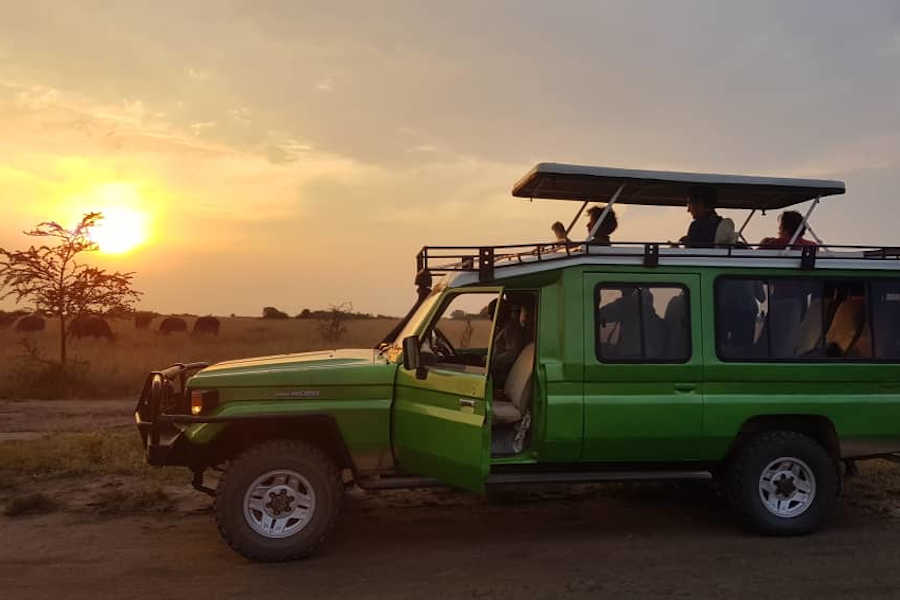
A Uganda family safari offers unforgettable, kid-friendly adventures, typically featuring gorilla trekking (for ages 15+), chimpanzee tracking, boat cruises, and Big Five wildlife viewing in parks like Murchison Falls and Queen Elizabeth. Top, safe, and engaging itineraries often last 5-12 days, incorporating family-friendly lodges with pools, cultural tours, and easy boat trips suitable for all ages.
3-days-murchison-falls-via-ziwa-rhino-sanctuary-uganda-wildlife-safari
1-day-intimate-ziwa-rhino-sanctuary-uganda-safari-tour
4-days-luxury-murchison-falls-and-jinja-uganda-safari-vacation
4-days-murchison-falls-and-chimpanzee-tracking-in-budongo-forest
5-day-best-safaris-to-uganda-kidepo-and-murchison-falls-national-parks
6-days-best-of-murchison-and-kidepo-uganda-safari-via-ziwa
7-days-africa-big-five-safari-in-uganda-and-gorilla-trekking-and-chimpanzee-tracking
8-days-exclusive-gorilla-trekking-chimpanzee-and-big-five
8-days-best-africa-big-five-safari-in-uganda-and-primate-safari-experience
9-days-luxury-gorilla-and-uganda-safari-tour-package
10-days-uganda-safari-all-big-five-gorilla-and-chimpanzee-tracking-adventure
15-days-africa-big-five-safari-in-uganda-and-primate-vacation
Is Uganda a Safe Destination for a Family Safari Vacation?
Yes, Uganda is widely regarded as one of the safest and most hospitable countries for families in Africa. The nation has made significant strides in improving security and infrastructure, making it a viable option for family-oriented travel. Major tourist areas, including national parks and lodges, are generally secure, and many tour operators focus explicitly on family safety and comfort.
Families will find that Ugandans are warm and welcoming, contributing to an overall friendly atmosphere. Despite occasional regional challenges, most areas visited by tourists are considered safe. Uganda's government takes tourism seriously and often deploys police and rangers in popular tourist regions to ensure the safety of visitors.
Travelers should, however, remain vigilant and stay informed about their surroundings. Using reputable tour operators and guides adds an extra layer of security, as they are experienced in navigating the local landscape and understanding potential risks. Additionally, following health guidelines, such as getting vaccinations and using anti-malaria prophylactics, enhances safety.
Parents are encouraged to discuss safety protocols with their children and create an awareness of outdoor etiquette, such as not approaching wildlife. Overall, Uganda offers a unique blend of adventure and security, making it an excellent choice for families looking to explore the country's rich wildlife and stunning landscapes in a safe environment.
What Is the Best Age for Children on a Family Safari Vacation?
While children of all ages are welcome on a family safari in Uganda, most experts recommend that children be at least 8 years old to fully enjoy the experience. At this age, children can better appreciate the wildlife, understand the significance of ecological conservation, and engage in the various activities that a safari encompasses.
Children aged 8 and above also have the physical endurance to handle the travel schedules typical of safaris, which may involve long drives on rough terrain and hiking in national parks. They are more capable of following instructions from guides, adhering to safety protocols, and understanding the etiquette required during wildlife encounters.
For younger children, it’s wise for parents to consider their individual temperament and adaptability. Activities on safari can be dynamic, and very young children may have difficulty staying still during game drives. However, there are family-friendly lodges and safaris specifically tailored for younger kids, which focus on shorter activities and relaxation.
Ultimately, the ideal age depends on the specific itinerary, the parks being visited, and the types of activities planned. Parents are encouraged to choose a well-paced itinerary that captures their children's interest while avoiding overstimulation or exhaustion. By planning thoughtfully, families can create lasting memories, regardless of their children's ages.
Are There Age Limits for Gorilla Trekking During a Family Safari Vacation?
Yes, there are age limits for gorilla trekking in Uganda, and the minimum age for this activity is strictly set at 15 years old. This regulation is in place primarily for safety and conservation reasons. Gorilla trekking involves hiking through dense forests and potentially strenuous terrains, which may not be suitable for younger children.
The gorillas themselves are wild animals, and having younger children in close proximity can pose risks. Older teens are generally more capable of following instructions, remaining quiet during encounters, and understanding the importance of respecting the gorillas’ space.
For families with younger children eager to see primates, chimpanzee tracking may be an alternative option, though the minimum age for this activity is typically set at 12 years old. Some facilities, such as Ngamba Island, provide opportunities for all ages to see chimpanzees in more controlled environments.
Parents planning a family safari often consider how to engage their children in wildlife experience without violating regulations. Creative alternatives like visiting wildlife sanctuaries or engaging in educational activities about conservation can facilitate an enriching experience for younger family members.
In summary, strict age limits for gorilla trekking are designed to ensure both visitor safety and the well-being of the gorillas, necessitating thoughtful planning for families wishing to engage in this thrilling adventure.
Can Younger Kids See Chimpanzees on a Family Safari Vacation?
Younger children can have opportunities to see chimpanzees during a family safari in Uganda, but age requirements exist for typical tracking experiences. Generally, chimpanzee tracking requires participants to be at least 12 years old due to the physical demands of the activity and the necessary respect for the primates' wild nature.
However, there are family-friendly alternatives where younger kids can see chimpanzees in a more controlled setting. For instance, places like Ngamba Island, which is home to a sanctuary for rescued chimpanzees, offer educational tours that are suitable for visitors of all ages. This experience allows younger children to observe and interact with chimpanzees in a safe environment, ensuring their engagement without the strenuous physical demands of forest trekking.
Educational programs on islands and at wildlife centres often include sessions that teach children about chimpanzee behavior, conservation efforts, and the significance of protecting these remarkable primates. Such activities can serve as a springboard for nurturing interest in wildlife and ecology among younger kids.
Overall, while there are limitations on direct tracking experiences, various opportunities exist for younger children to learn about and see chimpanzees in Uganda, making it possible to include them in wildlife adventures. Families should plan ahead to ensure that their safari experience accommodates the age and interests of each child.
What Are the Best National Parks for a Family Safari Vacation?
When planning a family safari vacation in Uganda, two of the best national parks to consider are Queen Elizabeth National Park and Murchison Falls National Park. Both parks offer diverse activities and rich wildlife experiences that cater to families, making them popular choices.
Queen Elizabeth National Park is renowned for its stunning landscapes and variety of wildlife. It features unique attractions such as boat cruises along the Kazinga Channel, which provide an excellent opportunity to view diverse animals like hippos and elephants in a safe setting. The park also has the unique presence of tree-climbing lions, which are a major highlight for visitors. Accessible guided safaris and shorter game drives make it easy for families to manage time and energy levels, ensuring that everyone can participate without feeling rushed.
Murchison Falls National Park is another fantastic option, recognized for its breathtaking waterfall and the abundance of wildlife. Families can embark on boat trips along the Nile River, which offer views of crocodiles, elephants, and various bird species. Guided walks and game drives allow families to engage with nature at their own pace.
Both parks provide family-friendly accommodations, including lodges that offer amenities catering specifically to children, such as swimming pools and activity programs. These features help ensure a comfortable and enjoyable experience for all family members.
In conclusion, Queen Elizabeth and Murchison Falls National Parks are exemplary destinations for a family safari in Uganda, combining wildlife encounters, educational opportunities, and activities suitable for all ages.
What Is the Ideal Duration for a Family Safari Vacation?
The ideal duration for a family safari vacation in Uganda typically ranges from 7 to 10 days. This length of stay is optimal to allow families to engage in various wildlife experiences, explore multiple national parks, and enjoy the scenery without overwhelming travel schedules.
A well-paced itinerary ensures that families can take advantage of Uganda’s diverse landscapes and abundant wildlife while avoiding long, exhausting travel days. For instance, a typical itinerary might include several days at Queen Elizabeth National Park followed by a few days at Murchison Falls National Park. This not only creates a well-rounded experience but also minimizes the amount of time spent driving between destinations.
Additionally, many tour operators design family-friendly packages that cater specifically to the needs and interests of children. These packages often include shorter travel times, age-appropriate activities, and accommodations that cater to families, enhancing the overall experience for everyone involved.
It’s essential to consider the energy levels of children when planning a safari. Balancing wildlife activities with downtime and relaxation ensures that the experience remains enjoyable and engaging. Families can incorporate leisure time at lodges to regroup after long travel days while participating in recreational activities available at the accommodations.
In summary, a 7 to 10-day family safari vacation allows enough time for exploration and leisure, ensuring a memorable adventure while maintaining family harmony and enjoyment throughout the journey.
When Is the Best Time of Year for a Family Safari Vacation?
The best time of year for a family safari vacation in Uganda is during the dry seasons, which typically run from June to August and again from December to February. These months are characterized by less rainfall, making wildlife viewing more accessible and enjoyable. The dry conditions tend to encourage animals to congregate around water sources, increasing the likelihood of spotting various species during game drives.
During these dry months, road conditions improve significantly, allowing for smoother travel between parks and minimizing the chances of encountering muddy and impassable paths that can occur during the wet seasons. This is particularly beneficial for families with young children, as long, bumpy drives can be challenging for them to endure.
Additionally, the dry seasons coincide with school holidays in many countries, making it an ideal window for families looking to travel. Families will likely find a broader range of accommodation and tour options available, as this period is popular among tourists.
While Uganda’s wildlife is an attraction year-round, visiting during the dry months ensures optimal conditions for exploration and adventure. Families can comfortably engage in various activities, including gorilla trekking, chimpanzee tracking, and game viewing, enhancing the overall safari experience.
In summary, planning your family safari for June to August or December to February will offer the best opportunity for wildlife encounters and favorable travel conditions in Uganda.
What Health Precautions Are Needed for a Family Safari Vacation?
When planning a family safari vacation in Uganda, health precautions are essential to ensure a safe and enjoyable experience. First and foremost, travelers should obtain a Yellow Fever vaccination, which is mandatory and a requirement for entry into the country. This vaccination protects against the mosquito-borne virus that can have serious health consequences.
In addition to the Yellow Fever vaccine, malaria prophylaxis is strongly recommended for all family members. Uganda is classified as a malaria-risk zone, so taking preventive measures is crucial. Families should consult healthcare providers to discuss appropriate medications and start them ahead of travel as directed.
Travelers should also ensure that they are up to date on routine vaccinations, such as measles, mumps, rubella (MMR), and tetanus-diphtheria-pertussis (Tdap), before departure. Carrying a basic medical kit that includes items like antiseptic wipes, band-aids, and any necessary personal medications can also be beneficial for minor mishaps on the journey.
Ensuring proper sanitation and hygiene is also important. Families should drink bottled or purified water and avoid ice unless it is made from purified sources. Teaching children about the importance of handwashing and using insect repellent containing DEET will mitigate exposure to disease-carrying insects.
In summary, comprehensive health precautions—including vaccinations, malaria prevention, and hygiene practices—are essential for a safe family safari in Uganda. By planning ahead and seeking medical advice, families can fully enjoy their travel experience without health-related concerns.
Is There a Risk of Malaria on a Family Safari Vacation?
Yes, Uganda is indeed classified as a malaria-risk zone, which makes it crucial for families planning a safari to take preventive measures against this mosquito-borne illness. Malaria can pose significant health risks, especially to children, making awareness and planning essential for family safety during travel.
One of the most effective ways to reduce the risk of malaria is to take malaria prophylaxis medication, which should be discussed with a healthcare provider before the trip. Families should also ensure that medications are taken as prescribed, starting before travel and continuing for a period after returning home.
In addition to medication, using insect repellent containing DEET is an essential preventive measure for both adults and children. Wearing long sleeves and pants during the evening and night can also reduce the risk of mosquito bites. Many lodges provide mosquito nets for beds, which should be utilized at night to create a safer sleeping environment.
Another important aspect is to avoid areas with standing water, where mosquitoes breed. During family safaris, it’s wise to schedule activities during times when mosquitoes are less active, specifically in the cooler parts of the day.
By combining these preventative strategies, families can significantly mitigate the risk of malaria while enjoying their safari adventures. With a proactive approach to health, families can focus on the exhilarating experiences Uganda has to offer, knowing they are taking the necessary precautions against malaria.
What Kind of Food Is Served on a Family Safari Vacation?
Most lodges and accommodations in Uganda provide a mix of international dishes and local Ugandan cuisine, catering to diverse tastes and dietary preferences. This combination is particularly beneficial for families, as it ensures that even picky eaters can find appealing options.
International fare typically includes familiar dishes like pasta, chicken, rice, and grilled vegetables, which can be comforting for children and adults alike. Many lodges are equipped to prepare meals that accommodate dietary restrictions, such as vegetarian, gluten-free, or lactose-free options, ensuring that all family members can enjoy their meals.
Local Ugandan food often includes staples such as matoke (steamed plantains), posho (maize porridge), and various stews featuring fish or meat. While adventurous eaters may relish the opportunity to experience traditional flavors, children might prefer to stick with more familiar dishes during their travels.
For families concerned about food safety, most lodges take hygiene seriously and implement best practices in food preparation to minimize risks. It’s advisable to eat at reputable establishments and avoid raw or undercooked foods.
Many lodges and camps encourage family dining, allowing parents and children to share meals and bonding experiences. Some even offer cooking classes or lessons on local ingredients, providing educational opportunities alongside memorable meals.
In summary, families can expect a variety of food options during a safari in Uganda, with international and local dishes available to ensure everyone finds meals they enjoy while experiencing the country’s culinary diversity.
Are There Family-Sized Rooms Available for a Family Safari Vacation?
Many lodges in Uganda offer family-sized accommodations, making it convenient for parents and children to stay together during a safari vacation. Family-friendly options often include family cottages or interconnecting rooms, allowing families to maintain closeness while providing sufficient space for everyone.
Family cottages typically feature multiple bedrooms and shared living areas, making them ideal for families traveling together. These lodges understand the dynamics of family travel and often provide child-friendly amenities such as extra beds, cribs, or even play areas.
Interconnecting rooms are another popular option, giving families a private space while keeping parents and children close. This arrangement allows for flexibility, as parents can supervise younger kids while maintaining their own space.
When booking, it’s advisable for families to inquire about available options that suit their specific needs and preferences. Many lodges are willing to accommodate requests for additional amenities, such as child-proofing for younger children, or provide special meals.
In addition to comfortable accommodations, many family-friendly lodges offer organized activities designed specifically for children, such as nature walks or educational programs focused on wildlife and conservation.
Overall, the availability of family-sized rooms and tailored experiences ensures that families can enjoy their Uganda safari vacation comfortably, enriching their journey together while exploring the country’s incredible wildlife and natural beauty.
What Should Kids Pack for a Family Safari Vacation?
Packing the right items for a family safari in Uganda is essential to ensure that children are comfortable and prepared for various scenarios. Families should focus on neutral-colored clothing, such as khaki and tan, which helps children blend into the natural environment without startling wildlife.
Comfortable and sturdy walking shoes are a must, as many activities may involve hiking or walking, especially during gorilla tracking or nature walks. Additionally, a wide-brimmed hat is recommended for sun protection, along with sunscreen to shield young skin from UV rays.
Binoculars are another valuable item for kids, allowing them to engage actively in wildlife viewing and birdwatching. Having their own pair can make the experience more interactive and exciting, sparking interest in the surrounding environment.
For long drives or downtime at lodges, families may want to pack entertainment options, such as tablets loaded with downloaded movies or games. Wildlife checklists and journals can also help children document their sightings and engage with the environment in a fun, educational manner.
A personal first-aid kit, including items like adhesive band-aids, antiseptics, and any necessary personal medications, can be handy for minor scrapes or discomforts.
Ultimately, by packing thoughtfully, families can ensure that children remain comfortable and engaged throughout their Uganda safari, maximizing enjoyment and creating cherished memories during their adventure.
How Can We Keep Kids Entertained During a Family Safari Vacation?
Keeping kids entertained during a family safari in Uganda can be both fun and educational, enhancing their overall experience. Planning activities and bringing along engaging materials is key to maintaining excitement during drives and downtime at lodges.
One effective way to keep children engaged is by providing tablets or portable devices loaded with movies, games, and educational apps. While these can be particularly useful during long drives, it’s advisable to limit screen time and balance it with outdoor activities.
Encouraging kids to participate in wildlife documentation through checklists or journals can turn ordinary moments into exciting learning opportunities. They can record their animal sightings, draw pictures of wildlife, or write notes about their experiences. This not only keeps them engaged but also helps them appreciate the biodiversity they encounter.
In addition, many lodges offer specialized activities designed for children, such as nature walks, educational games, or guided nature expeditions tailored to younger audiences. Engaging with local culture through village visits or workshops can also keep kids interested while providing insight into their surroundings.
Board games, cards, or travel-sized games work well for evenings at the lodge, providing quality family bonding time that doesn’t rely on electronics.
Overall, a combination of planning, creativity, and consideration of children’s interests will ensure that they remain entertained and engaged throughout the safari, creating lasting memories along the way.
Are Boat Cruises Safe for Kids on a Family Safari Vacation?
Yes, boat safaris on the Kazinga Channel and the Nile River are considered safe and are excellent, low-stress ways for kids to experience Uganda’s wildlife. These boat cruises allow families to observe animals like hippos, elephants, and a myriad of bird species from a safe vantage point on the water.
Safety is a top priority for operators, and boats are typically staffed with experienced guides who are trained to ensure passenger safety. Life jackets are provided, and families are always briefed on safety protocols before embarking on a cruise. This helps reassure parents while allowing children to enjoy the experience.
The leisurely pace of boat safaris makes them suitable for all ages, allowing younger family members to relax and soak in the scenery. Kids are often thrilled by the chance to see animals up close without the constraints of a vehicle.
Additionally, boat cruises can serve as a refreshing break from traditional game drives, providing an opportunity for families to unwind while still engaging with the wildlife around them. The aquatic environment often attracts various animal species, creating exciting photographic moments for families.
In conclusion, boat cruises in Uganda are not only safe for children but also provide a unique and memorable experience, allowing families to experience the country's rich biodiversity from a new perspective while enjoying quality time together on the water.
Can We See Rhinos on a Family Safari Vacation?
Yes, families can track rhinos on foot during their safari in Uganda, specifically at the Ziwa Rhino Sanctuary. This sanctuary is dedicated to the protection and conservation of the white rhino, providing an opportunity for families to see these magnificent creatures up close.
Ziwa Rhino Sanctuary is family-friendly, welcoming children as young as 6 for the tracking experience. Guided walks allow families to learn about rhino behavior and ecology while ensuring a safe excursion. The trained guides provide informative commentary and ensure that proper safety measures are observed during the trek.
Tracking rhinos offers an educational opportunity for children to understand the importance of conservation efforts linked to these endangered animals. The experience fosters respect for wildlife and encourages discussions about biodiversity and environmental stewardship.
Aside from rhinos, the sanctuary is home to various other species, including various bird species and antelope, adding to the overall wildlife exploration experience. The sanctuary's tranquil environment allows families
Can We Fly Between Parks on a Family Safari Vacation?
Yes, flying between parks in Uganda is a viable option that can significantly reduce travel time, making it easier for families to maximize their safari experience. Domestic flights are available through operators like Aerolink Uganda, which offers scheduled flights connecting major national parks such as Queen Elizabeth, Murchison Falls, and Bwindi Impenetrable Forest.
Using flights saves precious hours that would otherwise be spent on long, bumpy road trips, allowing families to engage more fully in their safari activities. For young children, in particular, flying can alleviate the stress of extended travel times in vehicles, giving them more time to enjoy each park's unique offerings.
Flights typically offer stunning aerial views of Uganda’s diverse landscapes, which can also be an exciting experience for kids. However, it is advisable to book these flights in advance, especially during peak travel seasons. While flying incurs additional costs, the convenience and time-saving benefits can outweigh these expenses for families wanting to see more of the country.
Additionally, upon arriving at a destination, families can dive straight into planned activities, such as game drives or guided nature walks, without the fatigue that lengthy drives can cause. This is particularly helpful when traveling with younger children who may have limited patience for travel.
In summary, opting to fly between parks can enhance the family safari experience in Uganda, making it more enjoyable and less stressful for everyone involved while providing a unique perspective on the country's remarkable scenery.
Are Game Drives Suitable for Toddlers on a Family Safari Vacation?
While game drives can be a highlight of a family safari, they may not always be suitable for toddlers. Young children can find long drives boring and may become restless, leading to a less enjoyable experience for everyone. To accommodate toddlers, it’s advisable to choose short game drives, ideally limited to around two hours, when using a private vehicle.
These shorter excursions can still provide ample opportunities for children to spot wildlife and engage with their surroundings without becoming overwhelmed. Private vehicles offer the flexibility to create a pace that works for the family and allows for spontaneous stops, like observing birds or taking a break if children need snacks or restroom breaks.
Most safari lodges also understand the needs of families traveling with young children and may offer tailored experiences that cater to toddlers. Some resorts even provide child-friendly guides who can engage with children, making the experience more interactive and enjoyable for them.
Additionally, parents should prioritize comfortable seating and bring along items that keep toddlers entertained during drives, such as snacks, small toys, or tablets loaded with educational content. Discussing what kind of wildlife might be seen can also build anticipation and interest among younger family members.
In conclusion, while game drives can be enjoyed with toddlers, planning shorter, more manageable trips and incorporating engaging activities can create a favorable experience for all family members during a Uganda safari.
What Is the Best Way to Handle Tipping on a Family Safari Vacation?
Tipping is an integral part of the service industry in Uganda, and it is customary to show appreciation for guides and lodge staff. Understanding the norms and best practices for tipping can enhance your family safari experience. Generally, it is recommended to tip your guides between $10 to $20 per day, depending on the level of service provided. For lodge staff, a tip of around $1 to $5 per person per day is common.
Carrying small denominations of U.S. Dollars or Ugandan Shillings can make it easier to tip appropriately. Smaller bills are often easier to distribute, especially in more remote areas where change may be harder to come by. It’s also thoughtful to have some extra cash on hand for services that may not be included in your package, such as private drivers or additional tours.
In some cases, lodges may add a service charge to your bill, but it’s still customary to tip individual staff members based on service quality. When tipping, it’s best to do so discreetly and with a smile, expressing your gratitude for their hard work.
Discussing tipping practices with family members can also serve as a valuable lesson in generosity and cultural norms, making the safari experience even richer. Ultimately, thoughtful tipping can contribute to the hospitality staff's overall experience and encourage high-quality service throughout your family's adventure.
Is Internet Access Available During a Family Safari Vacation?
Internet access in Uganda can be somewhat variable, especially during a family safari vacation. Most lodges offer Wi-Fi in common areas, but the connection may be sporadic or slow, particularly in remote national parks where infrastructure is limited. Consequently, relying on internet access during your safari may not be entirely reliable.
Families should plan ahead by downloading entertainment, maps, and essential travel documents before departure. This prepares your family for times without a solid internet connection, ensuring that kids still have access to games or movies during downtime at the lodge or while traveling between parks.
If staying in touch is important, consider bringing a portable Wi-Fi hotspot or local SIM card for mobile internet access, but be aware that coverage may still be patchy outside of main urban areas. Informing children about internet limitations can also help manage their expectations.
Most lodges and camps are conscious of families' needs and may provide access to internet-connected devices for educational purposes. Additionally, family bonding can be enhanced without constant connectivity, encouraging outdoor exploration and shared experiences.
In summary, while some internet access is available, it may be limited in remote areas. Planning ahead and embracing the opportunity for digital downtime can ensure a fun and enriching family safari experience in Uganda.
What Clothing Colors Should We Avoid on a Family Safari Vacation?
When planning a family safari in Uganda, selecting the right clothing colors is essential for both wildlife viewing and comfort. Avoiding bright colors is crucial, as they can startle animals and deter wildlife encounters. Loud colors can catch the attention of critters, potentially making your safari less effective.
Additionally, darker shades like black and dark blue should also be avoided, particularly because they attract tsetse flies. These biting flies can be a nuisance and cause discomfort during outdoor activities. Instead, opt for neutral colors such as khaki, olive, tan, and earth tones, which help you blend into the environment and remain inconspicuous to animals.
Choosing lightweight, breathable fabrics is also important, as temperatures in Uganda can vary significantly throughout the day. Dressing in layers allows families to adapt to changing temperatures, with cooler mornings and warm afternoons. Incorporating light long-sleeved shirts and pants can protect against mosquito bites while also drawing fewer insects.
A wide-brimmed hat, sunglasses, and sturdy walking shoes are recommended to complete the safari attire. Comfortable clothing also ensures that kids can enjoy various activities, from game drives to hikes, without restriction.
In conclusion, avoiding bright colors and dark shades helps enhance wildlife viewing opportunities on a family safari in Uganda. Choosing appropriate clothing can improve comfort while ensuring that the entire family has a successful and enjoyable experience.
Should We Book a Uganda Family Safari Vacation Through an Operator?
Yes, booking a family safari vacation in Uganda through an experienced tour operator is highly recommended. Doing so streamlines complex logistics such as securing permits and arranging family-friendly lodging, which can be challenging for families to navigate on their own.
Reputable tour operators like Brilliant Uganda or Travelers Link Africa specialize in creating tailored itineraries that cater specifically to families. They have extensive knowledge about the best accommodations, ensuring that you and your kids are comfortable and safe during your stay. These experts can also offer insights into age-appropriate activities and transportation options that simplify the journey, especially when traveling with younger children.
Moreover, operators are well-equipped to handle any unforeseen circumstances, from last-minute changes in plans to health emergencies, allowing families to relax and focus on enjoying the adventure. An organized itinerary will include essential information, including activity schedules, weather forecasts, and tips for safety during wildlife encounters.
Planning a safari can be time-consuming and overwhelming, especially with competing priorities and the need for permits for activities like gorilla trekking. By opting to work with a tour operator, families ensure a smoother experience while benefiting from local expertise.
Booking Uganda family safari vacation with us Roads of Adventure safaris
Book your unforgettable Uganda family safari with Roads of Adventure Safaris, specializing in tailored,Mid-range to luxury, adventures. Experience thrilling gorilla trekking in Bwindi, chimpanzee tracking in Kibale, and game drives in Queen Elizabeth National Park with expert, passionate guides. We offer customized, secure, and comfortable itineraries, includingfamily-friendly lodges and private transport. Our team handles all logistics, including permits and visas, for a seamless, memorable, and educational African holiday. Contact Roads of Adventure Safaris today to secure your dream family adventure in Uganda's breathtaking landscapes.
