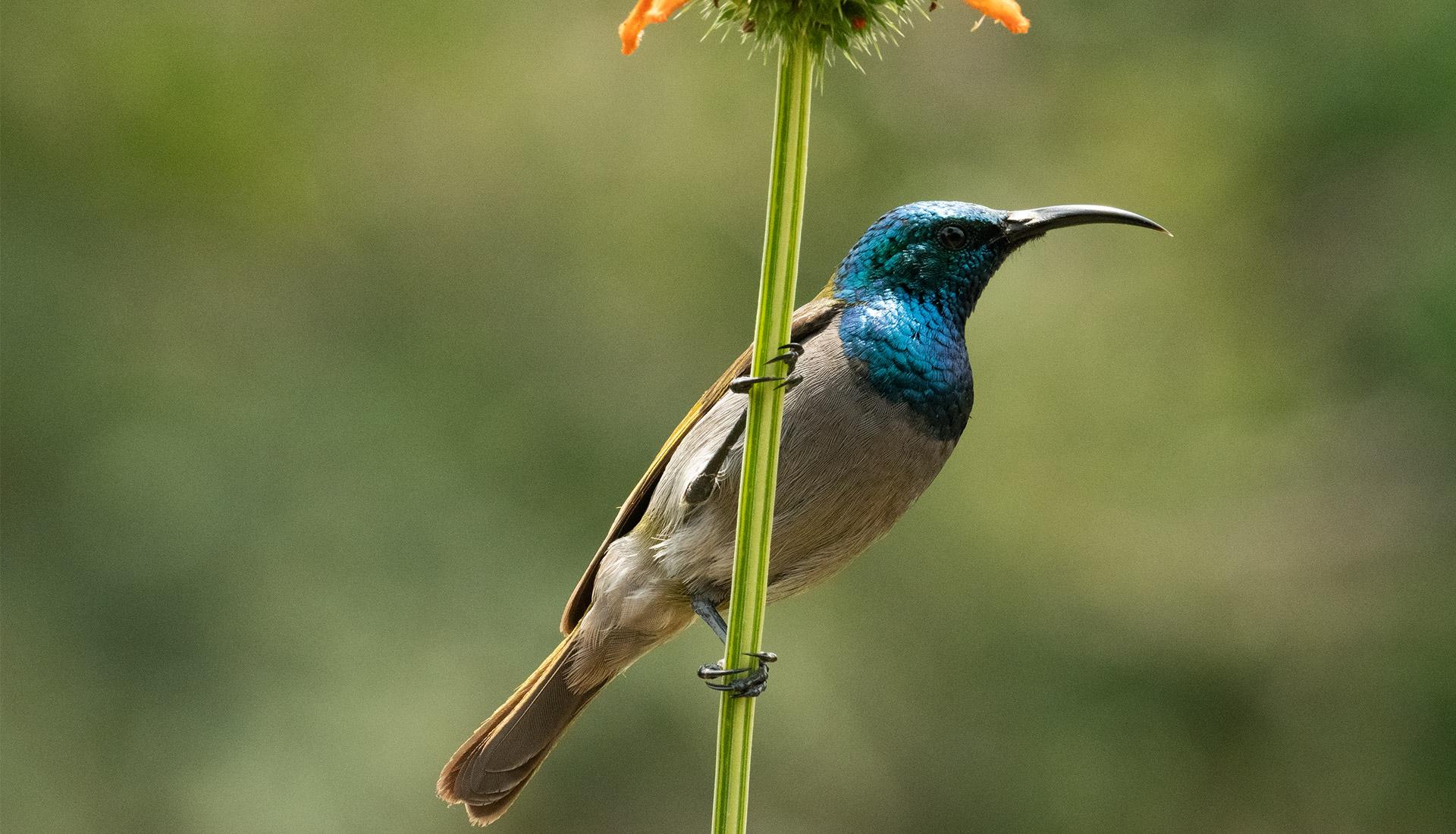
A 3-day birding safari in Lake Mburo National Park, Uganda's smallest savanna park located 3–4 hours from Kampala, offers an exceptional, easily accessible bird-watching experience. With over 313–350 recorded species, visitors can explore diverse habitats—wetlands, acacia woodlands, and savanna—to spot the African Finfoot, Shoebill Stork, Papyrus Gonolek, and Red-faced Barbet.
25-days-complete-uganda-birding-safari-extravaganza-with-wildlife-viewing
20-days-uganda-birding-safari-to-uganda-national-park
10-days-best-uganda-birding-safari-and-wildlife-experience
8-day-africa-big-five-safari-in-uganda-and-mabamba-swamp-shoebill
5-days-uganda-bird-watching-safari-lake-victoria-shores-and-lake-mburo
1-day-perfect-mabamba-swamp-shoebill-stork-uganda-birding-safari
Best Time
The best time for birding in Lake Mburo National Park is generally during the early morning and late afternoon. These times coincide with cooler temperatures, making birds more active and vocal. Morning game drives allow birdwatchers to experience the dawn chorus as various species engage in feeding and establishing territory before the heat of the day sets in.
Evening game drives offer another chance to observe birds as they settle in for the night. The vibrant colors of dusk provide stunning light conditions for photography, particularly as birds prepare for roosting.
In addition to game drives, boat cruises are available during the day on Lake Mburo, offering a unique perspective for birdwatching and the opportunity to spot species that thrive in aquatic environments. These boat trips provide access to the dense papyrus and reed beds lining the lake, habitats rich in avian diversity.
Walking safaris are an exciting option in Lake Mburo, and they typically take place in the morning or late afternoon as well. These guided walks often include armed rangers who ensure safety while providing valuable insights into the local flora and fauna.
Throughout the year, Lake Mburo National Park supports a variety of resident and migratory birds, making it a fantastic destination for birdwatchers at any time. However, being strategic about timing can enhance your birdwatching experience, ensuring the best opportunities for spotting and photographing diverse species.
Top Species
Lake Mburo National Park is home to a remarkable array of bird species, making it a prime destination for birdwatching enthusiasts. Among the top species to look for are the elusive African Finfoot and the famed Shoebill Stork, both highly sought after due to their rarity and unique appearances. The African Finfoot often resides in dense aquatic vegetation, making it a challenge to spot but rewarding for those who succeed.
The park is also known for the striking Papyrus Gonolek, recognized by its bold yellow and red plumage. This bird typically inhabits papyrus swamps, and spotting it can add a splash of color to your checklist.
Additionally, you can encounter the Red-faced Barbet, with its distinctive vocalizations and characteristic plumage, as well as the White-winged Warbler, another notable resident known for its charming calls. The Brown-chested Wattled Plover and Tabora Cisticola further enrich the park's biodiversity, both offering unique sights to birdwatchers.
Birding enthusiasts will also appreciate the majestic African Fishing Eagle, often seen hunting for fish or soaring overhead.
These diverse species contribute to the richness of Lake Mburo's avian life, making it an ideal playground for birdwatchers eager to expand their knowledge and appreciation of birds.
Best Spots
Lake Mburo National Park offers several best spots for birdwatching that cater to various species and habitats. Rubanga Forest is a highlight, containing lush vegetation that supports myriad birds, including forest species. Birdwatchers can enjoy guided walks here, searching for species that thrive in woodland environments.
Another key area is the Salt Lick, where animals congregate for essential minerals. The saltlick attracts a range of bird species, providing opportunities to observe birds that are often found near wildlife.
The Miriti and Warukiri swamps are particularly fruitful for birdwatchers keen to spot wetland species. These habitats host an abundance of waterbirds, including the Shoebill and African Finfoot, as well as various herons and kingfishers. Exploring these swamps via boat or on foot allows for exciting encounters with these fascinating birds.
The boat jetty itself is a prime vantage point to observe birds that frequent the lake’s edges. Here, birdwatchers can witness the activities of water-dwelling species and marvel at the variety of life found in and around the water.
These well-defined birding spots within Lake Mburo National Park collectively create a remarkable birdwatching experience, allowing enthusiasts to witness the impressive diversity and beauty of Uganda’s avifauna.
Activities
Lake Mburo National Park offers a variety of activities that enhance the birdwatching experience while allowing visitors to engage more deeply with the natural environment. Among the most rewarding are guided nature walks, typically led by knowledgeable local guides accompanied by armed rangers for safety. These walks often take place in the early morning or late afternoons, providing opportunities to identify both birds and other wildlife while exploring the park’s diverse habitats up close.
Boat trips on Lake Mburo are another activity that adds significant value to the birdwatching experience. These boat excursions take birdwatchers through dense papyrus beds and along the lake's shores, allowing for unique perspectives on water-associated birds. Participants can expect to see species like the African Fishing Eagle and other aquatic birds, enhancing the overall birdwatching experience amidst beautiful scenery.
Game drives round out the activities available to visitors, allowing for exploration of the park's varied landscapes. These drives can yield exciting sightings of both bird species and large mammals, making each trip into the park unique. With experienced guides offering insights into bird behavior and habitat, game drives provide an educational and deeply engaging experience.
Collectively, these activities not only appeal to avid birdwatchers but also to anyone seeking a richer understanding of the biodiversity surrounding Lake Mburo National Park. Engaging with the park through diverse activities guarantees a fulfilling visit and creates lasting connections with Uganda’s incredible natural heritage.
What makes a Uganda birding safari tour in Lake Mburo National Park special?
Lake Mburo National Park stands out because it concentrates an impressive variety of habitats in a compact and highly accessible area, which makes it exceptionally productive for birders with limited time. Although smaller than most Ugandan parks, its mix of acacia-dominated woodlands, open grasslands, rocky ridges, riparian forests and permanent and seasonal papyrus swamps supports a broad spectrum of species. The park’s wetlands and shoreline habitats attract papyrus specialists and water-associated species, while the acacia and mixed woodland areas host typical East African savannah birds. This habitat diversity explains why birders can record high species totals—over 300 species—during short stays. Accessibility is another key advantage: Lake Mburo is relatively close to Kampala and Entebbe (a comfortable 3–4 hour drive), making it practical as a short break or an add-on to other safaris. The park’s manageable size also means less time is spent driving between hotspots, and birding can be highly efficient—important for visitors who want to fit multiple sites into a single trip. Lake Mburo’s reputation for waterbirds and rare sightings such as the African Finfoot and occasional shoebill records adds to its appeal; boat trips through papyrus-lined channels and jetty-based watches offer different viewing angles and high-quality photographic opportunities. Furthermore, Lake Mburo provides a relaxed, intimate safari feel: many accommodations are small lodges or camps located near birding areas, which improves pre-dawn and dusk access for prime birding hours. For travelers wanting a high-value birding experience close to Kampala, or for those coupling birding with cultural activities and short wildlife drives, Lake Mburo delivers an exceptional, convenient and bird-rich experience.
Which key species can I see on a Uganda birding safari tour in Lake Mburo National Park?
Lake Mburo supports an attractive slate of bird species that appeal to both general wildlife enthusiasts and specialist birders. Among the headline species are the African Finfoot and the African Fishing Eagle—two water-associated birds that thrill observers for different reasons. The African Finfoot is secretive and localized to quieter river and lake margins with dense vegetation; spotting one is considered a real treat. The African Fishing Eagle is conspicuous and photogenic, often seen perched near water or demonstrating spectacular hunting flights. Papyrus specialists are well represented in the park’s swamps and reedbeds: Papyrus Gonolek, Papyrus Yellow Warbler (in nearby Lake Victoria biome sites), and other reedbed birds occur where papyrus is intact. The Red-faced Barbet is noteworthy among woodland species; its distinctive call and colorful face make it relatively straightforward to detect in acacia and riparian woodlands. The White-winged Warbler and Tabora Cisticola (and similarly localized cisticolas and warblers) are among the smaller passerines that reward focused search efforts. Waders and plovers like the Brown-chested (or Brown-chested Wattled) Plover and long-toed jacanas exploit shallow marshes and floating vegetation, often yielding excellent close views during boat trips. Kingfishers, herons, egrets and cormorants line shores and channels, with the Malachite Kingfisher frequently dazzling with its bright blue and orange plumage. Raptors such as the Grey Kestrel, Long-crested Eagle and various harrier-hawks patrol the park’s skies. Because Lake Mburo combines savannah and wetland features, birders can compile checklists that mix typical East African acacia species with papyrus and water specialists in relatively short time—one of the park’s chief attractions.
What is the best time for a Uganda birding safari tour in Lake Mburo National Park?
Birding in Lake Mburo is productive year-round, but timing affects both the species present and how comfortable it is to move around the park. The broadly recommended windows are the two dry seasons—June to August and December to February—when trails, tracks and access roads are drier and easier to drive. Dry-season conditions also improve visibility and reduce insect pressure, making long early-morning and late-afternoon sessions more pleasant. Many visitors find these months best for overall logistics, photography and combining game drives with boat trips. That said, migratory birds from the Palearctic and intra-African routes arrive between November and April, so birders targeting migrants or specific transient species should plan visits during this period. The wetlands and papyrus zones can be especially rewarding for migrants and wintering waterbirds during the November–April window. If you’re specifically seeking breeding plumages or displaying behaviors, mid-to-late dry season and the early rains can produce excellent encounters as birds become more vocal and visible. Avoiding the peak of the long rainy season (typically March–May in parts of Uganda, though exact timing can vary) is generally sensible because heavy rains can make some tracks muddy and swamp access difficult. Ultimately, choose dates based on the species you prioritize (residents vs. migrants), your tolerance for wet conditions, and practical considerations like road access and lodge availability. For a balanced trip that combines good access with high species richness, the dry seasons—June–August and December–February—are often ideal.
Where are the top birding spots on a Uganda birding safari tour in Lake Mburo National Park?
Lake Mburo’s compactness concentrates several highly productive birding zones, each favoring particular groups of species. Rubanga Forest is a prime forested pocket for woodland and forest-edge species; dawn and early-morning walks here are rewarding for barbets, forest warblers and mixed-species flocks. The Miriti and Warukiri swamps are essential wetland habitats: papyrus, reeds and shallow open water attract papyrus specialists, finfoots, secretive rails and a rich assemblage of waders. Boat trips that thread through papyrus channels or skirt swamp edges are the best way to access and view birds in these areas. The salt lick area—often a congregation point for mammals—also concentrates bird activity, because birds exploit the same mineral resources and the surrounding scrub for feeding; it’s a good site for opportunistic species and raptors. The lake shorelines and the boat jetty provide broad views for waterbirds, terns, gulls and larger waders, plus convenient vantage points to scan for fishing eagles and pelicans. Short game-drive loops through acacia-dotted savannah and rocky ridges complement wetland birding by producing species such as rollers, bee-eaters and open-country passerines. For those wishing to maximize species variety, combine an early Rubanga forest walk, a mid-morning boat cruise across the swamps and shore, and an afternoon drive around the salt lick and acacia woodlands—this sequence covers the park’s principal habitats and often yields the best overall checklist.
Can I see the Shoebill on a Uganda birding safari tour in Lake Mburo National Park?
The shoebill is primarily associated with large papyrus wetlands and is best-known from hotspots such as Mabamba Swamp near Lake Victoria and certain sites in Murchison Falls and Sudd region in South Sudan. In Lake Mburo, shoebill records are rare but not impossible—historical and occasional sightings have been reported, usually in the park’s papyrus-dominated marshes. Because sightings are sporadic and unpredictable, Lake Mburo should not be relied on as a primary shoebill destination. If the shoebill is a top priority, most birding itineraries combine Lake Mburo with a dedicated visit to Mabamba Swamp (or to other shoebill strongholds) where focused canoe trips dramatically increase the chance of locating this prehistoric-looking bird. Birding operators sometimes offer five-day or longer packages that pair Lake Mburo’s diverse habitats and game-viewing with a day trip to Mabamba to pursue the shoebill. In practice, plan Lake Mburo for its strengths (African Finfoot, papyrus specialists, savannah species) and include Mabamba or another recognized shoebill site in your itinerary if you want a high-probability shoebill encounter. Guides at Lake Mburo will happily report recent local records and can suggest the most up-to-date plans for anyone intent on chasing a shoebill.
What is included in a boat-based Uganda birding safari tour in Lake Mburo National Park?
A boat-based birding excursion in Lake Mburo typically includes a guided cruise from the park’s jetty or launch point, with a local guide or naturalist who knows the best channels, papyrus edges and shallow bays. The main wildlife highlights are water-associated birds—African Finfoot, kingfishers (including Malachite Kingfisher), various herons and egrets, cormorants and pelicans—along with raptors such as the African Fishing Eagle. Boat trips also provide good chances to observe hippos and Nile crocodiles and to enjoy scenic photography opportunities along reflective waters and papyrus beds. Standard inclusions from many operators are park entrance fees, the boat hire and fuel, an experienced boatman, and guiding by a ranger or ornithological guide; refreshments and binocular hire may be available on request. Duration varies—shorter 1–2 hour cruises are common, while half-day or sunrise/sunset trips give more time for careful searching and better light for photography. Safety briefings and life jackets are typically provided. Boat tours are most effective when launched early in the morning or late afternoon, when waterbirds are active and the light is best. Some operators combine boat trips with a preceding or following land-based walk or game drive to cover multiple habitats in one day. Check with your safari company for exact inclusions, group size limits, and whether specialized birding guides or photographic platforms are offered.
Is a walking birding tour safe in Lake Mburo National Park?
Walking birding tours in Lake Mburo are routinely organized and can be very safe when conducted under established protocols and with a trained Uganda Wildlife Authority (UWA) ranger present. Because Lake Mburo lacks resident lions and has a relatively open character, walking safaris are generally less risky than in parks with large concentrations of dangerous big cats. Nevertheless, the presence of other large mammals (buffalo, hippo, eland, buffalo) and potentially aggressive antelopes or territorial baboons means that guided walks should always be run by experienced guides and accompanied by an armed ranger when recommended. The ranger provides both safety oversight and excellent natural-history interpretation, increasing your chances of finding secretive birds while keeping the group secure. Walks through Rubanga Forest, along shoreline reedbeds or across short grassland tracks are common and offer close-up views of understory birds and mixed flocks that vehicles may miss. Observing simple safety measures—staying on designated trails, keeping group sizes small, wearing appropriate clothing and closed shoes, and following the guide’s instructions—keeps risk low. Early-morning and late-afternoon walks are the most rewarding for birds; avoid midday when animals may be less active. If you have mobility concerns, communicate in advance; many operators can tailor the route length and pace. Overall, walking safaris at Lake Mburo are a safe, rewarding way to access species-rich microhabitats, provided they are guided and supported by park authorities.
How long should I plan for a Uganda birding safari tour in Lake Mburo National Park?
To experience Lake Mburo’s principal habitats and build a meaningful bird list, plan for at least two to three full days in the park. A single day can provide highlights—an early Rubanga Forest walk, a mid-morning boat cruise, and an afternoon game drive—but the pace is rushed and species detection is limited by daylight hours and travel time. A two-day itinerary allows a more relaxed schedule: dawn forest or woodland walks, a longer boat trip that explores Miriti/Warukiri swamps, and an afternoon drive around the salt lick and acacia woodlands. With three days you can revisit productive sites at different times of day (early morning and late afternoon), follow up on species missed on the first pass, and add a night drive or cultural activity. Additional days raise your chance of encountering rarer or more elusive species, and they allow downtime for photography or to wait for better light during peak activity periods. For birders who also want to combine wildlife viewing and cultural visits—horse riding, local community visits, or relaxed lodge-based birding—a three-day stay balances avifaunal coverage with other experiences. If Lake Mburo is one stop among multiple parks in Uganda, two nights is a practical minimum to do justice to the park while keeping your overall itinerary efficient.
What other wildlife can I see during a Uganda birding safari tour in Lake Mburo National Park?
Beyond its avifauna, Lake Mburo offers rewarding mammal encounters that complement birding days. The park is particularly famed for its healthy population of impala—the best place in Uganda to see this graceful antelope—plus sizeable herds of zebra and eland that graze its grasslands. Buffalos and waterbucks are commonly encountered, especially near water sources. Predators are present too: leopards occur, though they are shy and sightings are less predictable; hyenas may be encountered on night drives. The park’s manageable size and lack of resident lions make it an appealing place for close wildlife viewing: vehicles and walking parties can often approach herbivores more closely than in lion-dominated parks. Aquatic life—hippos and Nile crocodiles—are regularly seen during boat trips and along shorelines. Smaller mammals such as reedbucks, oribi and bushpig are also part of the park’s mosaic of fauna. Because Lake Mburo’s habitats—grassland, woodland, rocky ridges and wetlands—support different mammal assemblages, combining boat trips with drives and walks increases your chances of observing both iconic and lesser-known species. For visitors who appreciate mixed safaris (birds plus mammals), Lake Mburo offers an especially integrated and accessible wildlife experience.
Is a Uganda birding safari tour in Lake Mburo National Park suitable for beginners?
Yes—Lake Mburo is very beginner-friendly. Its compact size, diversity of habitats close to access roads, and high encounter rates for common and distinctive species make it an excellent introduction to East African birding. New birders benefit from short drives between hotspots, walkable trails, and the opportunity to see a wide range of species—waterbirds, papyrus specialists, acacia-dwelling passerines and raptors—without the logistical complexity of larger parks. Many lodges near the park provide informal morning bird walks, lending expert local knowledge and making identification easier for newcomers. Boat trips on the lake give beginners close, stable platforms from which to study waterbirds and learn techniques such as using bins, noting field marks and practicing identification by voice. Guides in Lake Mburo are experienced with mixed-ability groups and can tailor the pace and content to novices, pointing out easily visible species and explaining behavior and habitat associations. Because the park lacks large resident lion populations, walking is safer and more accessible, which helps beginners gain confidence in approaching and observing birds on foot. For anyone building a life list or seeking a rewarding first African birding outing, Lake Mburo delivers a high return on effort with an encouraging learning environment.
What is the accommodation like on a Uganda birding safari tour in Lake Mburo National Park?
Lake Mburo offers a range of accommodation types that cater to differing budgets and birding priorities. Luxury options—such as Mihingo Lodge and Lake Mburo Safari Lodge—provide high-end amenities, comfortable rooms or suites, and prime locations with sweeping views over habitats where birds congregate; these lodges often arrange tailored birding excursions, private boat trips and early-morning starts. Mid-range properties like Arcadia Cottages and Mantana Tented Camp strike a balance between comfort and value, with cozy cabins or safari tents and easy access to park entrances and birding sites. Budget choices—Eagles Nest Lodge and Rwonyo Rest Camp, for example—are basic but practical for the cost-conscious birder, offering simple rooms or camping facilities and proximity to trails and the jetty. Many lodges emphasize wildlife-friendly layouts, with bird feeders, viewpoints, gardens and water points that attract resident species; staying near the park makes pre-dawn departures simple, maximizing prime birding hours. Some accommodations also provide on-site naturalists, interpretive talks and checklist services for visiting birders. When choosing where to stay, consider whether you prefer luxury comforts, close proximity to specific habitats, or a more rustic experience—each category has options that support productive birding in Lake Mburo.
How close is the park for a quick Uganda birding safari tour in Lake Mburo National Park?
Lake Mburo’s closeness to Kampala and Entebbe is one of its main appeals for short trips. By road, the park is typically reached in about three to four hours from Kampala and roughly a similar or slightly longer drive from Entebbe, depending on traffic and road conditions; this proximity makes Lake Mburo an ideal destination for weekend breaks, day-trippers, or as a short stopover within a longer Uganda itinerary. The relatively short travel time maximizes time on-site for dawn and dusk birding sessions without excessive driving fatigue. For travelers pressed for time, day trips that include a morning or half-day birding program—combined with a boat cruise—are possible from Kampala, though an overnight stay is recommended to fully enjoy early-morning bird activity. Air options are available too: charter flights or scheduled light-air services to Mbarara airstrip shorten travel time considerably for those combining multiple parks. The park’s accessibility and compactness are especially attractive for international visitors who want a high-return birding experience near the capital.
Do I need special equipment for a Uganda birding safari tour in Lake Mburo National Park?
A modest, practical kit will make your Lake Mburo birding trip more productive and comfortable. High-quality binoculars are essential—ideally 8x42 or 10x42—since many species are detected by sight at varying distances. A camera with a telephoto lens (200–600mm range for serious photographers) helps capture detailed images of waterbirds, raptors and distant woodland species; many birders also bring a compact spotting scope for added reach. A field guide to East African birds (or a country-specific guide) and a checklist for Lake Mburo help with identification and record-keeping. Lightweight, neutral-colored clothing (long sleeves and long trousers) protects against sun and insects and reduces disturbance to birds; include a wide-brim hat, good walking shoes and a rain jacket for sudden showers. Insect repellent and sunscreen are must-haves; a reusable water bottle, snacks and a small daypack make long morning or afternoon sessions comfortable. For boat trips, a waterproof bag for electronics and binoculars is useful. If you plan night drives, a small flashlight or headlamp and a warm layer for early mornings are advisable. While no specialist gear is mandatory for casual birders, these items substantially enhance sightings and comfort during long days afield.
Are there any endemic species on a Uganda birding safari tour in Lake Mburo National Park?
Lake Mburo lies outside the core Albertine Rift endemic strongholds (western highland forests like Bwindi and Rwenzori), so it hosts fewer Albertine Rift endemics than those western parks. Nevertheless, Lake Mburo is important for several biome-restricted and papyrus-associated species that are locally significant and of high interest to birders. Papyrus-specialist species such as the Papyrus Gonolek and Papyrus Yellow Warbler are characteristic of papyrus swamp habitats and can be focal species for the park’s wetland birding. Other localized species—such as certain coucals and cisticolas adapted to East African wetland and savannah ecotones—add distinctiveness to the park’s checklist. While strictly endemic species (found only in Uganda) are more typically associated with other regions (e.g., Fox’s Weaver in eastern wetlands or Rwenzori endemics in the highlands), Lake Mburo’s value is in its assemblage of habitat specialists and its accessibility; birders can see a rewarding mix of papyrus, wetland and acacia species in one place. For those seeking true Albertine Rift endemics, pairing Lake Mburo with western parks like Bwindi or Mgahinga is recommended.
Can I combine a Uganda birding safari tour in Lake Mburo National Park with other activities?
Yes—Lake Mburo is well suited to multi-activity itineraries that blend birding with wildlife, cultural and adventure experiences. Many travelers combine birding with game drives to observe impala, zebra, eland and other mammals; game drives can be scheduled in early morning and late afternoon to overlap prime birding hours. Boat cruises on Lake Mburo offer both birdwatching and close views of hippos and crocodiles. Walking safaris and guided nature walks—often near Rubanga Forest or along shorelines—provide intimate access to forest and swamp species that vehicles can miss. Horseback safaris are a distinctive activity here, allowing quiet, low-impact travel across the plains and excellent opportunities to approach shy animals and birds. Cultural visits and community tours (for example to local Bahima communities or the Igongo Cultural Centre nearby) add context and enrich the trip with local history and traditions. Night drives reveal nocturnal wildlife and complement daytime birding. Because of Lake Mburo’s proximity to Kampala and other parks, it’s commonly combined with gorilla trekking in Bwindi, chimpanzee trekking in Kibale, or multi-park circuits that include Queen Elizabeth and Murchison Falls—making Lake Mburo a flexible, rewarding component of broader Uganda itineraries.
Booking Uganda birding safari with us Roads of Adventure safaris
Book your unforgettable Uganda birding safari with Roads of Adventure Safaris, experts in tailoring itineraries featuring over 1,065 species, including the Shoebill Stork and Albertine Rift endemics. We offer expert-led, customized tours across top spots like Bwindi, Mabamba Swamp, and Murchison Falls. Our packages include seamless 4x4 logistics, comfortable lodging, and options to combine birding with gorilla trekking for a complete, high-value experience. Contact us today to start your birding adventure in the Pearl of Africa.
