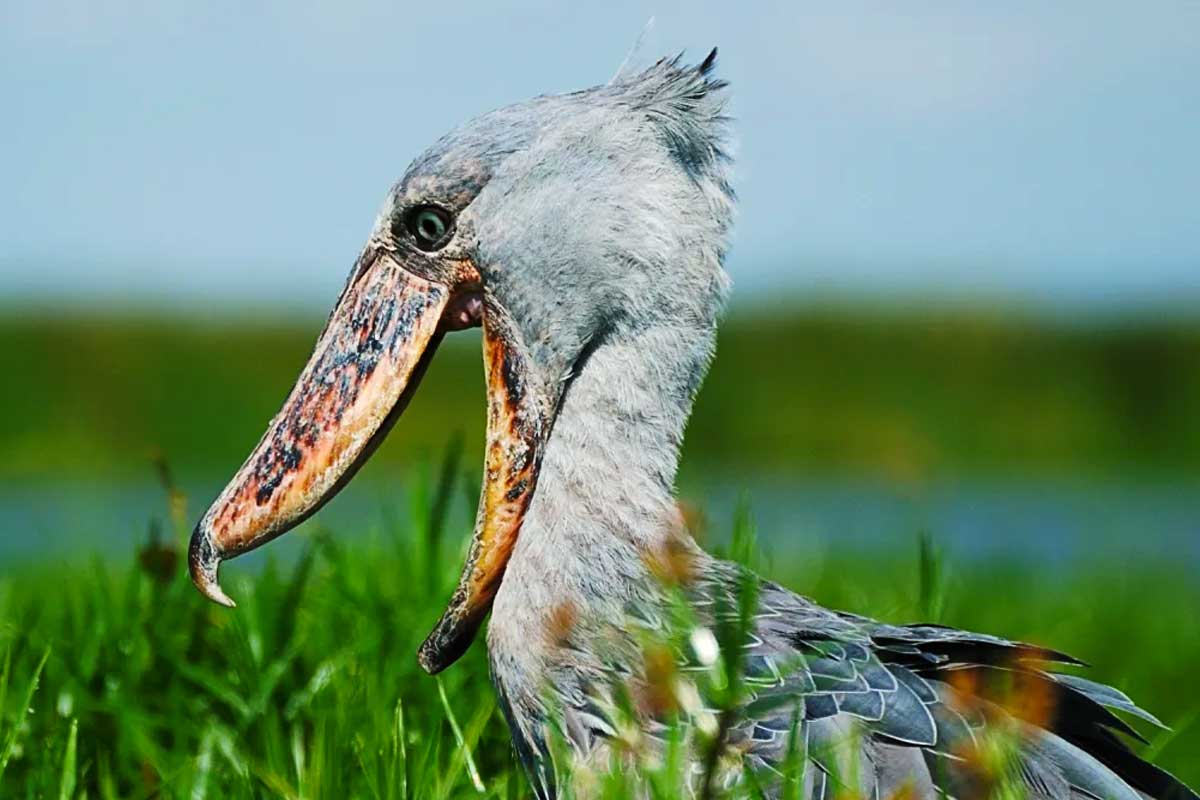
A birding safari at Ziwa Rhino and Wildlife Ranch in Uganda offers excellent birdwatching with over 300 species in savannah, woodland, and wetland habitats, often combined with rhino trekking. Key highlights include canoeing for the rare Shoebill Stork in Lugogo Swamp and spotting species like the African Fish Eagle.
30-days-best-uganda-birding-safari-extravaganza-and-wildlife-safari
25-days-complete-uganda-birding-safari-extravaganza-with-wildlife-viewing
22-days-best-uganda-primate-and-birding-safari-adventure
21-days-uganda-birding-safari-extravaganza-to-best-uganda-safari-parks
20-days-uganda-birding-safari-to-uganda-national-park
20-days-uganda-birding-safari-wildlife-gorilla-and-chimpanzee-tracking
14-days-classic-uganda-birding-safari-expedition
12-days-uganda-birding-tour-looking-for-rift-valley-endemic-birds-west-circuit
10-days-best-uganda-birding-safari-and-wildlife-experience
Shoebill Trek & Canoe Ride
The Shoebill Trek & Canoe Ride is the marquee birding experience in the Lugogo Swamp and is best scheduled for early morning when birds are most active and light is soft. Departures commonly start around 6:00 am to catch the shoebill’s peak feeding periods. Trips are conducted in narrow dugout canoes (or motorized canoe where permitted) guided by experienced local boatmen who know the shoebill’s favored channels and feeding pools. The slow, low-profile approach and quiet paddling minimize disturbance and increase the chance of close, prolonged views of this enigmatic, prehistoric-looking stork. Guides combine local knowledge with basic bird-identification cues—posture, bill silhouette and habitat preference—to help visitors locate the bird without causing alarm.
Beyond the shoebill, the canoe trip offers intimate encounters with swamp ecology: marsh vegetation, dragonflies, and skulking marsh birds. Binoculars and a camera with a long lens are recommended; bring waterproof protection and insect repellent. Sightings are never guaranteed, but expert guides and early starts substantially improve success rates. The trip is typically paired with a short walk along reed fringes or a hide stakeout, giving birders multiple vantage points. For many visitors, the silence of the swamp, punctuated by the shoebill’s slow bill-clattering or distant calls of marsh species, is as memorable as the bird itself.
Birding Trails
The sanctuary’s four designated birding trails traverse a mosaic of habitats—riparian woodlands, papyrus swamps, gallery forest, and open savanna—each supporting distinct avifaunal community. Trails vary in length and difficulty, from easy, flat walks along swamp edges to more undulating routes through mixed woodland. Trail markers and basic maps help birders navigate, while signboards at key points explain habitat features and likely species. Morning and late-afternoon walks are best for active birding; many species are most vocal at dawn, aiding detection.
Observers should carry binoculars, a field guide, water, and sturdy footwear for muddy patches. Trails often reveal canopy dwellers like White‑crested Turaco and various hornbills, midstorey specialists such as weavers and flycatchers, and understorey or ground species including skulkers and waterbirds near swamp margins. Seasonal variation matters: migratory species increase diversity during passage months, while the dry season can concentrate birds around permanent water, improving visibility. Guides can tailor walks to target species or photographic needs, and slower paced walks favor observation of cryptic species. The well-planned trail network makes the sanctuary suitable for both novice birders and serious listers, offering a compact yet ecologically diverse birding experience.
Species Diversity
The sanctuary hosts a rich assemblage of species that highlights Uganda’s position at the crossroads of Afrotropical avifauna. Among the signature birds, the Grey‑crowned Crane is a striking, emblematic species often seen in wet grasslands and marsh edges, where its elaborate courtship displays are a visitor favorite. The African Fish Eagle, with its unmistakable silhouette and soulful calls, patrols rivers and larger water bodies, providing dramatic photo opportunities. African Jacana and other waders patrol floating vegetation in papyrus and reed beds, displaying agile behavior as they stride atop lily pads.
Forest and woodland zones support species such as the White‑crested Turaco—vivid, crested, and easily heard—alongside assorted hornbills that frequent larger trees. Kingfishers, from the diminutive Malachite to larger species, are regular along channels and pools, flashing iridescent colors before darting to perch. The sanctuary’s habitat diversity supports both resident specialists and seasonal migrants; insectivores, raptors and seed-eaters create dynamic interactions across microhabitats. For birders compiling lists, the area offers a manageable site to encounter both iconic wetland species and forest-associated birds in one visit. Local guides enhance detection rates by interpreting calls and behavioral cues, increasing the likelihood of spotting quieter, skulking species.
Other Activities
Beyond focused birding, the sanctuary offers complementary activities that broaden the wildlife experience. Guided walking safaris allow visitors to track Southern White Rhinos—the only wild rhinos in Uganda—under professional supervision. These treks combine birding stops with interpretive talks on rhino ecology, anti-poaching efforts, and habitat management, offering a conservation-focused lens on the landscape. Because rhino tracking occurs on foot and follows strict safety protocols, it provides an intimate, low‑impact wildlife encounter distinct from vehicle-based game drives.
Night nature walks reveal a different suite of fauna: nocturnal birds like owls, nightjars, and owlet‑nightjars, as well as mammals and amphibians active after dusk. Guided night walks use quiet observation and red‑filtered lights to reduce disturbance while enabling sightings of elusive species. Combining activities—early-morning canoe trips, daytime trail walks, rhino tracking and night walks—creates a layered itinerary that maximizes biodiversity encounters across diurnal cycles. Practical recommendations: book rhino tracking and night walks in advance, wear neutral clothing and sturdy footwear, and follow guide instructions closely for safety. Together, these activities transform a birding trip into a comprehensive nature immersion that highlights both flagship species and the smaller, often-overlooked members of the ecosystem.
How early should I book the canoe ride to see the rare Shoebill Stork in Ziwa?
Booking early is important for maximizing your chances of seeing the shoebill, which is elusive, sensitive to disturbance, and often sought after by many visitors. Aim to reserve your canoe ride at least several days to a week in advance during normal travel periods; during high season (June–September and December–February), or when tour operators run many combined safari groups, book two to four weeks ahead to secure the preferred early‑morning slot. The best viewing time is at first light—guides typically launch canoe trips around 6:00 am (sometimes earlier, depending on sunrise), when shoebills are most active and lighting conditions are favorable for photography.
Early booking lets the sanctuary coordinate guide availability, canoe crews, and transport logistics. It also enables you to request a small group or a private canoe, which improves stealth and reduces disturbance—both factors that increase sighting probability. If you have a tight itinerary (arrival or departure days in Kampala), communicate exact timings to your operator; travel time and Kampala traffic can affect punctuality for pre‑dawn departures. On-site, guide experience matters: book through the sanctuary or reputable operators that use local guides with proven success locating shoebills.
Prepare for contingency: even with careful booking, shoebill sightings are not guaranteed. Weather, water levels and recent human disturbance can influence the bird’s presence. Consider pairing the canoe trip with a short complementary bird walk or stakeout at reed edges to increase overall birding value if the shoebill is not found. Finally, respect sanctuary rules—quiet movement, no sudden flashes, and following the guide’s instructions—which preserves the shoebill’s habitat and helps ensure good sightings for future visitors.
What are the most common bird species spotted during a guided bird walk in Ziwa Rhino Sanctuary?
A guided bird walk at Ziwa Rhino Sanctuary delivers a rewarding cross‑section of Afrotropical wetland, savanna and woodland species. Regularly encountered birds include wetland specialists such as African Fish Eagle, African Jacana, and various herons and egrets near streams and papyrus fringes. The elegant Grey‑crowned Crane is often seen in wetter grassland margins, where its striking plumage and dancing displays make it one of the sanctuary’s highlights. Kingfishers—both small species and larger ones like the Pied and Malachite Kingfisher—are common along channels and pools, offering brilliant flashes of color.
Woodland and savanna zones yield species such as White‑crested Turaco, a conspicuous canopy inhabitant, as well as mixed flocks of weavers, sunbirds, and flycatchers that forage in the midstorey. Hornbills and some barbets may be recorded in larger trees, while raptors—besides the Fish Eagle—include kites and hawks that circle above open areas. Ground and understorey species such as francolins and various doves are frequently heard and occasionally seen along grassy tracks. Seasonal migrants and palearctic visitors increase overall diversity during passage months, bringing in species that are absent in the dry season.
A key advantage of guided walks is local knowledge: experienced guides know the best microhabitats for secretive species (reedbeds for rails and crakes, dense thickets for warblers), can identify birds by call, and will position the group for optimal viewing without causing alarm to wildlife. While rarities like the shoebill are outside normal walking areas, the sanctuary’s habitat mosaic ensures a steady list of common, charismatic species that satisfy both novice birders and listers seeking good sightings in a compact area.
When is the best time of year to visit Ziwa for a combination birding and rhino trekking safari?
The optimal time to visit Ziwa Rhino Sanctuary for combined birding and rhino trekking balances bird activity, comfortable weather, and rhino tracking reliability. Generally, the dry seasons—December to February and June to September—are the most favorable. During these months, lower water levels concentrate birds around permanent waterholes and channels, improving visibility and making birding walks and canoe or river‑edge observations more productive. Dry, cooler mornings also make early starts for both birding and rhino tracking more pleasant.
Bird migration cycles affect species richness: passage months (particularly March–May and September–November) bring additional migratory visitors, increasing diversity; however, these months coincide with heavier rains that can hamper walking conditions and make rhino tracking more challenging. Rhino tracking is best scheduled during the early morning or late afternoon when animals are most active and temperatures are cooler—dry season conditions make trails firmer and easier for walking safaris.
If your priority is the shoebill, mornings in the dry season tend to offer steadier sightings because feeding pools are exposed and predictable. For rhino trekking, the dry season also concentrates game and scent cues, simplifying tracking for experienced rangers. For photographers and those wanting comfortable walking, aim for shoulder months (late June–early July or late January–early February) when crowds are lower but weather remains reliable.
Ultimately, the “best” time depends on trade‑offs: dry season equals easier trekking and concentrated wildlife; migratory windows yield greater bird diversity but risk rain. Consult the sanctuary ahead of booking regarding current conditions and specific species targets—this allows guides to align itineraries for the highest chances of both memorable bird encounters and safe, successful rhino tracking.
Can I take a night walk to spot nocturnal bird species within the sanctuary?
Yes—Ziwa Rhino Sanctuary offers guided night walks that provide opportunities to encounter nocturnal bird species and other night‑active fauna. Night walks are organized under strict safety and disturbance‑minimizing protocols; participants are led by experienced guides who use quiet movement, red‑filtered lights, and knowledge of nocturnal calls to locate species such as owls, nightjars, and other crepuscular or nocturnal birds. Common nocturnal bird targets include various owl species (depending on seasonal presence), nightjars that may be heard calling at dusk, and sometimes owlet‑nightjar relatives in dense forest patches.
Night walks are typically limited in number per evening and require prior booking due to ranger availability and the need to manage visitor impact on sensitive nocturnal wildlife. Safety briefings cover staying on designated trails, following guide instructions, and avoiding bright white lights or loud noises that could disturb animals. In addition to birds, night walks often reveal mammals (bushbabies, genets, civets), amphibians and invertebrates, offering a richer nocturnal biodiversity experience.
Practical considerations: bring a headlamp with a red light option, warm layers for cooler evenings, insect repellent, and sturdy shoes. Photography at night is challenging—ask if a guide can position you for views rather than expect high‑quality night images. Note that night access may be restricted during certain periods (security concerns, ongoing ranger operations, or during sensitive wildlife events), so confirm availability in advance. Overall, night walks add a complementary dimension to daytime birding and rhino treks, revealing species and behaviors unseen during daylight hours.
Which specific habitats in the sanctuary are best for spotting diverse bird species?
Ziwa Rhino Sanctuary’s ecological mosaic—papyrus swamps, riverine and papyrus channels, riparian woodlands, open savanna and wet grasslands—creates concentrated opportunities to observe a wide array of bird species within a compact area. Papyrus and reedbeds along water channels are prime for marsh specialists and secretive species: look for African Jacana, various crakes and rails, reed warblers, and waterbirds that forage on floating vegetation. These wet habitats also attract waders and herons, and are pivotal for species like the shoebill when conditions are suitable.
Riparian woodlands and gallery forests bordering waterways support canopy and midstorey species such as White‑crested Turaco, hornbills, barbets and multiple warbler species. These zones are excellent for mixed‑flock birding and for detecting vocal canopy dwellers that may be difficult to find in open country. Open savanna and wet grasslands are where you’ll most frequently encounter Grey‑crowned Crane, various francolins, sunbirds, and raptors that exploit open hunting grounds. Trees isolated in savanna or along park boundaries provide perches for African Fish Eagle and other raptors.
The sanctuary’s transitional ecotones—edges where swamp meets woodland or grassland—often yield high species turnover, as birds from adjacent habitats feed or move along these edges. Trails that intentionally traverse multiple habitat types therefore maximize sightings. Seasonal water levels shift habitat use: during the dry season, birds concentrate at permanent waterholes and river channels, making these points especially productive for concentrated bird activity. For targeted sightings, consult local guides who can point to microhabitats—fallen logs, emergent vegetation, shady pools—that harbor particular species. Overall, the sanctuary’s habitat variety is its strength: careful use of papyrus edges, riparian forest patches and open grasslands in a single visit yields a broad representative sample of Uganda’s lowland avifauna.
Are the expert bird guides at Ziwa knowledgeable about the different wetland and savanna bird species?
Yes. Ziwa employs experienced guides and rangers who are well versed in the sanctuary’s avifauna, including both wetland specialists and savanna species. Many guides are local naturalists trained in bird identification by sight and sound, familiar with seasonal patterns, habitat preferences, and behavior that aid detection. Their knowledge includes key wetland species—such as jacanas, herons, and kingfishers—and savanna inhabitants like cranes, raptors and mixed flocks of weavers and passerines. Guides also understand the sanctuary’s microhabitats and can position groups to minimize disturbance while maximizing viewing opportunities.
Beyond species identification, expert guides are trained in safety, low‑impact field practices, and visitor education. They are skilled at reading bird activity—interpreting alarm calls, locating feeding flocks, and recognizing signs such as perching behavior or preferred roosts. Many guides participate in ongoing training and sometimes collaborate with visiting ornithologists or research groups, which helps update their knowledge of range changes, migratory arrivals, and rare sightings. For birders with specific targets or “must‑see” lists, guides can tailor walks to focus on habitats where those species are most likely.
Employing local guides has additional benefits: it channels revenue into the community, preserves traditional ecological knowledge, and improves long‑term monitoring capacity for the sanctuary. If you have high expectations—photography needs, rare species targets or research interest—ask for a guide with documented birding experience or one recommended by birding tour operators. Generally, visitors find Ziwa’s guides knowledgeable, helpful, and instrumental in turning brief walks into productive birding sessions.
Where exactly is the Ziwa Rhino Sanctuary located in Uganda for tourists planning to visit?
Ziwa Rhino Sanctuary (often referred to as Ziwa Rhino & Wildlife Ranch) is located in Nakasongola District in central Uganda, roughly midway between Kampala and the northern circuit. The sanctuary lies approximately 160–180 kilometers north of Kampala by road, depending on the route taken, and is commonly reached via the Kampala–Masindi (or Kampala–Luwero–Nakasongola) corridors. Travel time from Kampala typically ranges from three to four hours by car, depending on traffic conditions and the exact departure point in the capital.
For visitors flying in or out of Entebbe International Airport, transfer times increase slightly; however, Ziwa is practical for a one‑ or two‑day excursion when combined with early departures. The sanctuary’s proximity to main roads makes it convenient for self‑drive visitors, guided safari groups, and private transfers arranged through tour operators. The exact access point is the sanctuary entrance near the town of Nakitoma/Nabanyonyi, with clear signage and parking facilities for visitors.
Coordinates and map links are usually provided by tour operators and the sanctuary’s official website; it’s advisable to confirm the entrance location and gate opening times before travel. Public transport options to Ziwa are limited and less convenient; most tourists prefer pre‑booked transfers, private taxis or vehicles from Kampala. The sanctuary’s location—relatively near the capital yet immersed in a peaceful rural landscape—makes it an accessible conservation destination for travelers wanting a short, impactful wildlife experience without the extended travel required for remote national parks.
Is it possible to combine a birding tour with a Southern White Rhino tracking experience?
Yes—one of Ziwa’s principal appeals is its integrated programming that allows visitors to combine birding with guided Southern White Rhino tracking. The sanctuary’s operations are organized to facilitate multi‑activity days where early‑morning birding or canoe trips can be followed by rhino tracking on foot or vice versa, depending on animal activity patterns and visitor preference. Rhino tracking is conducted by trained rangers familiar with the rhinos’ movements and the sanctuary’s safety protocols; the trackers use a combination of sign, scent, and local knowledge to locate animals with minimal disturbance.
A typical combined itinerary might start with pre‑dawn birding or a canoe trip (to target wetland species like kingfishers and waterbirds), followed by a mid‑morning rest and then a guided rhino walk during cooler hours when rhinos are more active. Alternatively, trackers sometimes schedule rhino walks in the early morning, leaving birding for late afternoon when many passerines are again active. Combining activities maximizes wildlife encounters while making efficient use of travel time to and from the sanctuary.
Practical considerations include fitness levels and safety: rhino tracking is a guided, on‑foot experience requiring moderate fitness and adherence to ranger instructions. Book both activities in advance to ensure ranger availability and to allow the sanctuary to coordinate routes that minimize overlap and disturbance. Combining activities benefits conservation funding—fees for birding, canoe rides and rhino tracking contribute to sanctuary operations—while offering visitors a fuller, varied naturalist experience in one visit.
How many days should I spend at Ziwa to properly enjoy both birding and rhinos?
To fully appreciate both birding and rhino tracking at Ziwa, plan for a minimum of two days and one night, though three days gives a more relaxed and richer experience. A single day is possible for visitors pressed for time—starting early with a canoe or bird walk and including a scheduled rhino tracking session—but this makes for a long, tightly timed day and limits flexibility for weather or animal movement.
A two‑day stay allows for both early‑morning and late‑afternoon birding sessions (the most productive times), a dedicated rhino tracking walk, and time to participate in supplementary activities such as night walks or conservation talks. Overnighting also gives you buffer time for travel delays and the chance to catch species that are active at different times of day. With two days, you can stagger activities to avoid fatigue—early birding one morning and rhino tracking the following morning—improving observation quality and enjoyment.
If you are an enthusiastic birder or photographer aiming for an extended species list, three days is ideal. This duration permits repeat visits to productive habitats, time to observe seasonal or transient species, participation in guided talks or community visits, and possible special activities (such as additional canoe or stakeout sessions). Longer stays also increase the odds of rhino encounters during preferred activity windows.
Ultimately, match your duration to your priorities and travel logistics. Overnight stays help integrate travel time from Kampala and make the visit less rushed, while all revenues from accommodation and activities directly support sanctuary conservation and community programs.
What types of accommodation are available for visitors staying overnight at the sanctuary?
Ziwa Rhino Sanctuary and nearby operators offer a range of accommodation options to suit different budgets and comfort preferences, from basic camps to more comfortable lodges and private cottages. On‑site or adjacent facilities typically include budget guesthouses and safari tents that provide a rustic, close‑to‑nature experience—these are suitable for travelers seeking simplicity and easy access to early‑morning activities. Budget tents usually have basic amenities such as beds, mosquito nets, and shared ablution blocks.
For travelers wanting more comfort, the area around Ziwa features mid‑range lodges and cottages with en suite bathrooms, private verandas, and dining facilities. These properties often provide hot meals, guided activity coordination, and comfortable common areas, making them convenient bases for multi‑day stays. A few higher‑end lodges with more polished services (flushing toilets, hot showers, and sometimes small pools) can be found within a reasonable drive from the sanctuary, though options remain limited compared with Uganda’s major national parks.
Some accommodation providers offer full‑board packages that include guided bird walks, rhino tracking, and transfers to and from Kampala—these are convenient for visitors who prefer to pre‑book activities and limit on‑site logistics. Camping with gear is sometimes possible for organized groups; check in advance regarding permissions, equipment, and facilities.
Booking ahead is recommended during peak travel seasons to secure preferred lodging and to coordinate activity schedules. Stay choices also influence the overall experience: on‑site or nearby options minimize pre‑dawn transfers, enhancing the chances of early birding or rhino tracking, while more distant lodges may require earlier departures. Whatever the level of comfort, revenues from accommodation directly support sanctuary conservation and local livelihoods.
Do I need specialized equipment like binoculars or field guides for a birding trip here?
While you can enjoy birding at Ziwa without specialist gear, bringing a few essential items significantly improves the experience. A good pair of binoculars (8x42 or 10x42 are common recommendations) is the single most valuable investment—binoculars allow you to identify and appreciate birds at a distance without disturbing them. A compact field guide (or a smartphone app such as eBird, Merlin, or a regional field guide) helps with on‑the‑spot identification; many experienced guides can identify most species by call, but a guidebook enhances personal learning.
For photographers, a telephoto lens (300mm or longer) on a DSLR or mirrorless camera helps capture quality shots, though many excellent photos are possible with smaller setups if patience and positioning are applied. Bring a lightweight tripod or monopod if you plan extended photography. Waterproof or water‑resistant bags protect equipment during early‑morning canoe trips or sudden showers.
Other practical items include sturdy walking shoes, sun protection (hat, sunscreen), insect repellent (DEET‑based for mosquitoes), a reusable water bottle, and layered clothing for early mornings. A small notebook and pencil are handy for keeping a species list. For night walks, a headlamp with a red light setting is recommended to avoid startling nocturnal wildlife.
If you don’t have your own optics, some lodges and the sanctuary may offer binocular hire or loaner sets—check availability in advance. Ultimately, basic equipment (binoculars + field guide + comfy shoes) takes you a long way; additional photographic or specialty gear enhances documentation but is not required to enjoy productive birding and rhino encounters at Ziwa.
Is the terrain at Ziwa safe and easy for walking during a guided birding safari?
Generally, the terrain at Ziwa Rhino Sanctuary is considered safe and moderately easy for guided walking safaris, though conditions vary with season and the specific route. Trails consist mostly of well‑trodden footpaths through savanna grasslands, open woodlands, and along river or papyrus fringes. During the dry season, the ground is firmer and easier to traverse; in the rainy season, some paths can become muddy, slippery or temporarily flooded—appropriate footwear and caution are necessary.
Guides carefully select routes that suit the group’s fitness level and wildlife activity while minimizing exposure to potential hazards. Rhino tracking walks follow established protocols: groups move with trained rangers who read signs, maintain safe distances, and manage encounters. The sanctuary emphasizes visitor safety—briefings cover behavior, pace, and what to do in an unexpected wildlife encounter.
Visitors with mobility limitations should inquire in advance; many birding and viewing opportunities can be arranged near vehicle tracks or quieter, flatter areas if full walking routes are not feasible. For families with young children, shorter trails and vehicle‑based stops are usually available. Basic precautions—sturdy walking shoes, long trousers to reduce tick and thorn exposure, sun protection, and adequate hydration—make walks safer and more comfortable.
Overall, Ziwa’s terrain supports a wide range of visitors from casual walkers to avid birders. The presence of trained guides and a network of manageable trails make birding and rhino tracking accessible and safe for visitors prepared with sensible gear and awareness of seasonal variation.
Is the sanctuary easily accessible by road from Kampala on a one-day safari trip?
Yes—Ziwa Rhino Sanctuary is frequently visited on one‑day safari trips from Kampala and is accessible by road, making it a popular short‑break option for travelers and residents alike. The sanctuary lies roughly 160–180 kilometers north of Kampala, and typical drive times range from about three to four hours, depending on traffic, exact departure point, and road conditions. Many tour operators and lodges run dedicated day‑trip transfers that include early morning pick‑up from Kampala, arrival for pre‑dawn or early‑morning birding and rhino tracking activities, lunch, and an afternoon return.
For a successful one‑day safari, expect very early departure (often before dawn) to maximize time on site—this allows for both a productive morning birding session and a rhino tracking walk. Road quality on the main routes is generally good, but secondary roads and access tracks near the sanctuary may be narrower and slower. Private transfers or 4x4 vehicles are commonly used to ensure comfort and reliability; public transport options are available but less convenient and slower.
Visitors should factor in potential delays—traffic leaving Kampala, stops for permits or park briefings, and the need to coordinate activity times with sanctuary guides. Booking through a reputable operator or the sanctuary itself streamlines logistics: they handle transfers, activity scheduling, and ensure guides/rangers are available. For travelers with very tight itineraries, consider an overnight stay to reduce driving fatigue and to catch early‑morning wildlife activity without an excessively long same‑day round trip.
How does the birding tourism activity help in the overall conservation efforts of the rhino sanctuary?
Birding tourism contributes significantly to Ziwa Rhino Sanctuary’s conservation goals by generating financial, social, and ecological benefits that support habitat protection and species management. Revenue from entrance fees, guided bird walks, canoe rides, and associated services (accommodation, food, and guide fees) funds day‑to‑day operations, anti‑poaching patrols, veterinary care for rhinos, and habitat management activities. This income stream reduces reliance on uncertain donor funding and helps sustain long‑term conservation programs.
Beyond direct revenue, birding tourism fosters local community engagement and livelihoods—guides, boatmen, artisans, and lodge staff often come from neighboring communities. When local people derive tangible economic benefits from wildlife protection, incentives align toward conserving habitats and supporting anti‑poaching measures. Educational outreach tied to birding—interpretive talks, school visits, and community workshops—increases local awareness of biodiversity value and builds conservation stewardship.
Ecologically, structured birding activities promote minimal‑impact tourism practices: guided walks and controlled canoe trips reduce random disturbance, create monitoring opportunities (guides record sightings and contributes to citizen science), and provide informal surveillance that supplements ranger patrols. Birders and naturalists sometimes support research projects, contributing to species inventories and habitat assessments that inform management plans.
Finally, high‑profile visitor interest in flagship species (like the shoebill and Grey‑crowned Crane) raises the sanctuary’s conservation profile internationally, attracting sponsorships and technical support. In sum, birding tourism is more than recreation at Ziwa—it is an integral conservation tool that finances protection efforts, empowers local communities, enhances ecological monitoring, and elevates the sanctuary’s visibility in national and international conservation networks.
What other animals can I look out for during my birding nature walk in the sanctuary?
While birding is the main focus for many visitors, Ziwa Rhino Sanctuary supports a wider assemblage of wildlife that enriches nature walks. The sanctuary is best known for its Southern White Rhinos—the primary draw for many visitors—but you may also encounter other large mammals such as Uganda kob, waterbuck, bushbuck, and small antelope species that inhabit savanna and wet grassland zones. These species are often seen grazing at dawn or dusk and provide attractive viewing complements to birding.
Primates and small mammals are also present: vervet monkeys and olive baboons may be encountered near woodland patches, while smaller nocturnal mammals—genets, civets, and bushbabies—may be detected during night walks. Reptiles such as monitor lizards, various snake species, and freshwater turtles can be seen near water bodies, and amphibians become prominent during wetter months.
The sanctuary supports a diversity of insect life—dragonflies, butterflies, and large beetles—that are of interest to naturalists and photographers. Predator presence is generally limited; while smaller carnivores exist, large predators that might restrict safe walking (e.g., lions) are not characteristic of Ziwa’s management focus. This makes guided walks safer and more conducive to close encounters with herbivores and birds.
During canoe trips and waterway observations, expect to see aquatic life such as Nile monitor lizards and occasional hippo signs in adjacent waterways outside sanctuary boundaries. Overall, a birding walk at Ziwa offers multi‑taxon highlights: mammals, reptiles, amphibians, and invertebrates complement avian sightings, creating an integrated wildlife experience for nature enthusiasts.
If you’d like, I can format these as printable FAQ cards for a visitor center, shorten them for a brochure, or add a short packing checklist for day trips—tell me which you prefer.
Booking Uganda birding safari with us Roads of Adventure safaris
Book a Uganda birding safari with Roads of Adventure Safaris for expert-led tours targeting over 1,065 species, including Albertine Rift endemics and the iconic Shoebill Stork. Our tailored itineraries cover Mabamba Swamp, Bwindi, and Murchison Falls, featuring comfortable lodging and sustainable, high-quality birdwatching experiences
