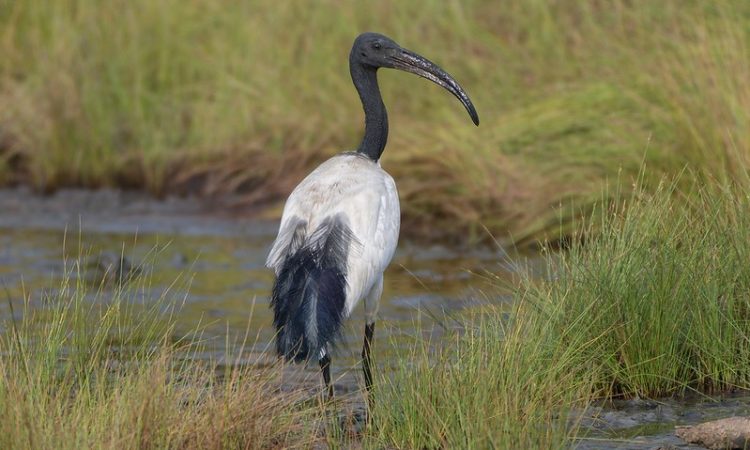
A birding safari in Semuliki National Park, Uganda, offers access to over 441 recorded species, including 46 Guinea-Congo biome species found nowhere else in East Africa. Prime birding spots include the 13km Kirumia Trail for forest species like the White-crested Hornbill and Nkulengu Rail, and the Sempaya Hot Springs trail.
25-days-complete-uganda-birding-safari-extravaganza-with-wildlife-viewing
22-days-best-uganda-primate-and-birding-safari-adventure
21-days-uganda-birding-safari-extravaganza-to-best-uganda-safari-parks
20-days-uganda-birding-safari-to-uganda-national-park
20-days-uganda-birding-safari-wildlife-gorilla-and-chimpanzee-tracking
14-days-classic-uganda-birding-safari-expedition
12-days-uganda-birding-tour-looking-for-rift-valley-endemic-birds-west-circuit
10-days-best-uganda-birding-safari-and-wildlife-experience
Key Birding Highlights and Tips
Top Species
Kibale Forest is a hotspot for birdwatchers, home to many unique and colorful species. Among the top species to look for are the Nkulengu Rail, which is often elusive and prefers dense vegetation near swamps. Its distinctive calls can sometimes lead birders to its hidden locales. The Piping Hornbill and the Red-billed Dwarf Hornbill are also notable inhabitants, with their striking appearances and curious behaviors adding to the charm of the birding experience.
The park’s lush canopy is regularly graced by the Black-casqued Wattled Hornbill, known for its impressive casque and vibrant markings. Sightings of the Yellow-throated Nicator, with its melodious calls, provide delightful moments for birders. The Great Blue Turaco and Ross's Turaco are must-see species, celebrated for their stunning plumage and vibrant colors. Their presence in Kibale enhances the allure of the park, as they are not only visually captivating but also integral to the local ecosystem.
Each birding outing in Kibale presents a chance to observe these remarkable species, offering opportunities for unforgettable photographs and rich experiences. Engaging knowledgeable local guides who understand the habits and habitats of these birds can significantly enhance a visitor's adventure, increasing the chances of spotting and appreciating the beauty of these top species in their natural environment.
Albertine Rift Endemics
Kibale Forest is part of the Albertine Rift, a key biodiversity hotspot that hosts several endemic species. The park is home to five bird species that are endemic to this unique rift ecosystem, making it a critical area for conservation and birdwatching.
Birdwatchers will be thrilled to search for these rare species, as they are not found in any other parts of the world. These Albertine Rift endemics include birds like the Rwenzori Turaco, known for its stunning coloration, and the Purple-breasted Sunbird, which dazzles with its iridescent plumage. Additionally, the Blue-headed Dove and Dwarf Honeyguide are notable species that birders will be eager to encounter. Observing these birds offers a chance to appreciate the evolutionary uniqueness of the Albertine Rift region.
The presence of these endemics highlights the importance of Kibale Forest both as a birdwatching destination and a conservation priority. Birders will benefit from having a knowledgeable guide to aid in locating these elusive species and understanding their behaviors and habitats. Each sighting contributes to the appreciation of the biodiversity that thrives in this unique landscape, creating lasting memories for visiting birdwatchers as they engage with the avifauna of this extraordinary park.
Best Time to Visit
The best times to visit Kibale Forest for birding align with the dry seasons, which span multiple months. The peak seasons vary from March to May and September to November, as well as the shorter dry spells from June to July and December to February. These months are ideal for birdwatching due to the increased visibility and activity of birds, as food sources become more plentiful and migratory patterns align with the seasons.
During the dry months, the trails in Kibale Forest are typically more accessible, allowing birders to navigate the terrain with ease. Birds are often more active during these times, making it easier to spot various species. Additionally, visiting during these periods allows for easier access to the park's diverse habitats, from wetlands to mature forests, which support different bird populations.
Even though rainy seasons are characterized by lush flora and frequent migrations, they may also result in muddier trails and less visibility due to denser foliage. However, dedicated birdwatchers may choose to venture out during these months to catch glimpses of migratory birds. Regardless of the season, consistent planning and preparation will enhance the birdwatching experience, ensuring that visitors can make the most of their time in Kibale Forest.
Birding Trails
Kibale Forest National Park offers several excellent birding trails, with the 13 km Kirumia Trail being a premier choice for forest birding. This trail typically starts early, around 8 AM, maximizing opportunities to observe active bird populations during their most vibrant hours. Kirumia Trail is known for its well-maintained paths that wind through a diverse mix of ecosystems, allowing birdwatchers to encounter a range of species thriving in varying habitats.
The Sempaya Nature Trail is another great option that provides access to the park’s famous hot springs while also presenting opportunities for birdwatching. This trail enhances the experience by combining the excitement of observing birds with the unique geological features of the area. Birdwatchers traversing this trail can expect to see a variety of species associated with both forest and wetland habitats.
Both trails are equipped with knowledgeable guides who can share insights on local bird species, their calls, and behaviors, elevating the birding experience. Guided walks along these trails cultivate a deeper understanding of the forest's intricate ecosystems, ensuring that visitors connect profoundly with the avian life of Kibale. Each trail adventure showcases the biodiversity of the park, making them essential routes for any avid birdwatcher visiting Kibale Forest.
Specialty Searches
For birdwatchers seeking specific rarities, like the Shoebill Stork, specialized excursions such as boat trips on Lake Albert or the Semuliki River can be arranged. This experience not only aims to locate the elusive Shoebill but also allows birders to explore different habitats, rich with avian life.
The Shoebill Stork, known for its distinctive shoe-shaped bill, is often spotted in papyrus swamps and wetlands, making these boat trips invaluable for those hoping to catch a glimpse of this extraordinary bird. The serene environment of the lake and river allows for excellent viewing opportunities as various bird species flock in search of food.
Besides the Shoebill, boat trips offer chances to observe numerous other aquatic and wetland birds, enriching the birdwatching experience. Local guides who are familiar with the habitats can help lead guests to the best spots for viewing and photographing birds. These specialty searches add a unique dimension to a birdwatching itinerary, providing deeper insights into the ecological variations within the park and its surroundings. With the right arrangements, birdwatchers can make the most of their time in Kibale Forest, maximizing their chances of observing rare species in their natural settings.
Essential Gear
When preparing for birdwatching in Kibale Forest, packing essential gear is critical for a successful and enjoyable experience. Sturdy hiking boots are a must, as the terrain can vary from uneven forest paths to muddy wetland areas. Proper footwear enhances comfort and safety while navigating the rich biodiversity of the park.
Binoculars are indispensable for birdwatching. Having a quality pair, preferably around 8x32 or 10x42 magnification, allows birders to spot distant species and appreciate details in their plumage and behavior. Additionally, a field guidebook specific to the region enhances identification skills, providing valuable information on the various species found in Kibale.
A camera equipped with extra batteries and a good zoom lens is also essential for capturing stunning photographs of birds and the enchanting landscapes. This aspect of birdwatching allows enthusiasts to document their experiences and share the beauty of the park.
As the weather can be unpredictable, bringing rain gear is important for staying dry during unexpected showers. Lightweight, waterproof jackets, pants, and a rain cover for bags ensure that birdwatchers remain comfortable while exploring the forest. Being well-prepared with essential gear enables a more enjoyable and focused birdwatching experience, allowing visitors to fully engage with the remarkable biodiversity that Kibale Forest offers.
Other Wildlife & Activities
- Primates: Red-tailed monkeys, Grey-cheeked mangabeys, Black and white Colobus, and Chimpanzees.
- Hot Springs: The Sempaya hot springs (male and female) are a major attraction.
What makes a Uganda birding safari in Semuliki National Park unique?
Semuliki National Park offers a truly unique birding experience as it hosts the only extension of the Congo Basin's Ituri Forest in East Africa. This biodiversity hotspot creates a distinctive habitat that supports an impressive array of wildlife, including over 400 bird species, many of which are found nowhere else in the region. Birdwatchers flock to Semuliki due to its reputation as a "birder's haven," where the convergence of distinct ecosystems fosters remarkable avian diversity.
The park's varied habitats include dense rainforests, swampy marshes, and grasslands, which allow for a multitude of unique bird species, including rare and localized species rarely seen outside this region. Additionally, Semuliki’s geographical location along the border of the Democratic Republic of Congo adds another layer of ecological richness, as birds from both the Congolese and East African avifauna can be found here.
The opportunity to see many species in a small area makes Semuliki an ideal destination for both amateur and seasoned birdwatchers. The forest's relatively pristine condition, coupled with dedicated conservation efforts, enhances the chances of observing elusive species in their natural habitats. A visit to Semuliki National Park during a birding safari is not just a journey through beautiful landscapes but a chance to delve into one of Africa’s most vibrant ecosystems, making it an unforgettable experience for nature lovers.
What are the key bird species to see during a Uganda birding safari in Semuliki National Park?
A Uganda birding safari in Semuliki National Park offers birders the chance to encounter a wide variety of unique species, making it a must-visit for ornithologists. Among the key species to seek are the Shoebill Stork, known for its striking bill and uncommon sightings, often lurking in the marshes of Lake Albert just outside the park. This iconic bird is not only a highlight due to its rarity but also adds an element of excitement to any birding adventure.
Other notable species include the Nkulengu Rail, a challenging bird to spot due to its secretive nature, typically dwelling in dense wetland vegetation. The Piping Hornbill, White-crested Hornbill, and Red-billed Dwarf Hornbill are all fascinating hornbill species that showcase the park's rich diversity. Their vibrant plumage and vocal displays are sure to captivate birdwatchers.
The Black-casqued Wattled Hornbill is another sought-after species, often spotted flying or perched in the forest canopy. Birders can also look for colorful forest understory species like the African Paradise Flycatcher and various kingfishers. Each day spent in Semuliki presents an opportunity to add unique species to one’s life list, ensuring that every visit is full of excitement and new discoveries. The variety and rarity of birds in this park make it a treasure trove for birding enthusiasts.
When is the best time for a Uganda birding safari in Semuliki National Park?
The best time for a birding safari in Semuliki National Park is during the drier months, which include March to May and September to November. These periods are characterized by more manageable trails and increased avian activity, offering birdwatchers optimal conditions for spotting rare and resident species. The drier months often lead to clearer skies and less muddy paths, making exploration more enjoyable and productive.
During these times, many birds are engaged in breeding activities, resulting in more pronounced vocalizations and increased visibility as they establish territories and attract mates. Additionally, migratory birds may also be present, further enhancing the diversity of species that can be observed.
Although birding can be pursued year-round in Semuliki, rainy seasons pose challenges that may require more preparation. Trails can become muddy, and some areas may be less accessible. However, the wet months can also attract different species, enticing birders to brave the conditions. Regardless of the season, Semuliki’s rich habitat offers birdwatchers valuable experiences and the chance to discover the intricacies of avian life throughout the year. Planning visits during the drier periods undoubtedly optimizes the birding experience and enhances the likelihood of successful sightings.
How do I get to Semuliki National Park for a birding safari?
Getting to Semuliki National Park involves options that cater to varying preferences and budgets. The most common method of access is by road from Kampala. Travelers can choose routes via Mubende or Masaka, with a journey typically taking between 5 to 8 hours depending on traffic and road conditions. The scenic drive provides glimpses of rural Ugandan life and beautiful landscapes, setting the stage for the adventures to come.
For those seeking a quicker and more private option, chartered flights to Kasese Airstrip are also available. This option significantly reduces travel time and offers a unique aerial view of the stunning terrain, showcasing the natural beauty of the region from above. Once at Kasese, visitors can organize ground transportation to the park, which is a short drive away.
Regardless of the chosen method, advance planning is advisable to ensure a smooth journey. Road conditions can fluctuate, so being prepared for delays or detours is wise. Furthermore, utilizing services from reputable tour operators can facilitate arrangements for transport and guide services, enhancing the overall experience. Upon arrival, the anticipation of spotting rare bird species in Semuliki will make the journey worthwhile.
Which are the best trails for a Uganda birding safari in Semuliki National Park?
Semuliki National Park features several exceptional trails that cater to birdwatchers aiming to explore its diverse avifauna. The Kirumia Trail, measuring approximately 13 km, is one of the best for forest birding. This trail winds through some of the park's most pristine areas, offering chances to encounter a variety of forest specialists. Typically starting early in the morning, the Kirumia Trail allows birders to benefit from the increased activity of birds at dawn.
The Sempaya Trail is another favored route for birdwatchers. Not only does it provide opportunities to see various birds, but it also leads to the park's famous hot springs, enhancing the overall experience by combining wildlife observation with a visit to natural geothermal features. This trail is rich in species such as hornbills and other forest dwellers, ensuring birdwatchers remain engaged on their journey.
The Ntandi Trail is yet another fantastic option, particularly for spotting species like hornbills and other characteristic birds of the forest canopy. Each trail in Semuliki presents unique opportunities and challenges, allowing birders to immerse themselves in the park's stunning landscapes while seeking out its remarkable avian inhabitants. Engaging with local guides can further enrich the experience, helping to navigate these trails and maximize the potential for encounters with elusive birds.
Can I spot the Shoebill stork during a Uganda birding safari in Semuliki National Park?
Yes, spotting the rare Shoebill Stork is one of the exciting possibilities during a Uganda birding safari in Semuliki National Park. This unique and spectacular bird is often found in the marshy areas of Lake Albert, which is easily accessible from the park. The Shoebill Stork is characterized by its strikingly large, shoe-shaped bill, which it uses to hunt for fish and other aquatic prey.
Birdwatchers eager to see this species can maximize their chances by taking guided boat trips or excursions specifically targeting the wetlands where the Shoebill is known to frequent. Local guides are instrumental in locating these birds, as they are experienced in identifying their preferred habitats and behaviors, making successful sightings more likely.
The thrill of observing the Shoebill in its natural environment adds an exciting dimension to the birding experience in Semuliki. Its rarity and impressive appearance make it a highlight for many birdwatchers. However, patience and stealth are often essential, as these birds can be elusive and tend to blend into their surroundings. Overall, the opportunity to observe the Shoebill Stork is a compelling reason to include Semuliki in any Uganda birding itinerary.
What is the cost of a Uganda birding safari in Semuliki National Park?
The cost of participating in a Uganda birding safari in Semuliki National Park varies based on several factors, including the choice of tour operator, accommodations, and the specific services included in the package. Typically, costs encompass park entry fees, guiding fees, accommodation, and transportation, with options ranging from mid-range to luxury services.
For mid-range tours, prices generally start around $150 to $250 per person per day, including shared accommodation, park fees, and a guide. Luxury options may significantly increase the cost, depending on the level of service and amenities provided.
Pricing can also differ based on the season, with higher rates occurring during peak tourist periods. It is advisable for travelers to compare prices and inclusions from various operators, ensuring they choose a package that meets their expectations and budget. Additional costs may arise for specific activities, such as boat excursions or additional guided tours. Overall, investing in a guided safari in Semuliki National Park can provide a valuable and enriching experience, granting access to breathtaking wildlife and unparalleled birdwatching opportunities in one of Uganda's most remarkable parks.
Do I need a guide for a Uganda birding safari in Semuliki National Park?
Yes, hiring an experienced local guide is highly recommended for a successful birding safari in Semuliki National Park. The dense forest and diverse habitats can make it challenging for even seasoned birders to identify and locate the many elusive species that inhabit the area. Local guides possess intimate knowledge of the park’s ecology, birds, and their behaviors, ensuring that visitors can maximize their birdwatching experience.
Guides are adept at interpreting bird calls and signs that indicate the presence of specific species. Their familiarity with the trails and hidden spots within the park enhances the chances of encountering unique birds. Moreover, guides can offer insights into the significance of different species, the ecology of the park, and conservation efforts, enriching the overall experience.
In addition to birding expertise, hiring a guide adds a layer of safety to the adventure, ensuring that visitors navigate the terrain responsibly and ethically. Guided walks not only facilitate better birdwatching but also help to support local communities through sustainable tourism practices. Overall, having a knowledgeable guide is an invaluable asset in making the most of a birding safari in Semuliki National Park.
What should I pack for a Uganda birding safari in Semuliki National Park?
Packing the right gear is essential to ensure a productive and enjoyable birding safari in Semuliki National Park. Key items to remember include binoculars, which are crucial for spotting birds from a distance. A good pair of binoculars allows birdwatchers to appreciate the details of various species without disturbing them.
A high-quality camera is also essential for capturing the beauty of the birds and the stunning landscapes. Ensuring extra batteries and memory cards are on hand allows for uninterrupted shooting throughout the trip. A field guide specializing in birds of Uganda is invaluable for identification and can enhance the birdwatching experience.
Given the unpredictable weather in the region, waterproof clothing is a must, as rain can occur unexpectedly. Lightweight, waterproof jackets and pants will keep birders comfortable during excursions. Sturdy hiking boots are also important, offering support and grip on potentially muddy or uneven trails.
Finally, long-sleeved clothing and insect repellent can help protect against bites from mosquitoes and other insects. Packing these essential items ensures a safe and enjoyable birding experience, allowing visitors to immerse themselves fully in the rich avifauna of Semuliki National Park.
Are there nocturnal birds during a Uganda birding safari in Semuliki National Park?
Yes, Semuliki National Park is home to several nocturnal bird species, which adds another fascinating dimension to the birding experience. Species such as the African Goshawk, Great Sparrowhawk, and Black-shouldered Nightjar can be spotted after dusk, contributing to the park's rich biodiversity. These birds exhibit unique behaviors and adaptations that differentiate them from their diurnal counterparts.
Birdwatchers may embark on specialized night walks or guided nocturnal excursions to observe and identify these elusive species. Nighttime birding provides a different atmosphere, where the sounds of the forest change and the behaviors of various wildlife come to life in the dark. Skilled guides can lead these excursions, using their expertise to help locate and identify the calls of nocturnal birds while keeping guests safe in the undiscovered parts of the park.
In addition to the birds, the opportunity to encounter other nocturnal wildlife adds another layer of excitement to the experience. Spotting creatures such as bushbabies, bats, and other mammals can make a night safari unforgettable. Engaging in nocturnal birding enriches the overall understanding of the ecosystem, showcasing the diversity of life that thrives in Semuliki National Park after sunset.
Where can I stay during my Uganda birding safari in Semuliki National Park?
Accommodation options in and around Semuliki National Park cater to various budgets and preferences, ensuring that all visitors have a comfortable base for their birding adventures.
For those seeking luxury, Semuliki Safari Lodge is a prime choice, offering upscale accommodations with stunning views of the rift valley and excellent wildlife viewing opportunities right from the lodge. The lodge provides a blend of comfort and nature, featuring well-appointed rooms, exceptional dining experiences, and guided safari activities focusing on birdwatching and wildlife.
Another option is the Ntoroko Game Lodge, located near the park's entrance. This mid-range facility provides comfortable lodging and easy access to birding trails and activities. It offers modern amenities while maintaining a connection to the surrounding natural beauty.
For budget-conscious travelers, Kirimia Guesthouse provides affordable accommodations in a more basic setting, without compromising access to Semuliki’s wonders. Staying here allows visitors to connect with the local atmosphere and engage more intimately with fellow travelers and guides.
Whatever the choice of accommodation, visitors to Semuliki National Park can enjoy an enriching birding safari experience, ensuring they are well-rested and ready to explore the unique avian offerings of this remarkable destination.
Is a Uganda birding safari in Semuliki National Park safe?
Yes, a Uganda birding safari in Semuliki National Park is generally safe for tourists. The park is closely managed by the Uganda Wildlife Authority, which takes measures to ensure the safety of all visitors while promoting sustainable tourism. Although Semuliki is located near the border with the Democratic Republic of Congo, the presence of park rangers and guides provides a secure environment for guests.
Visitors are advised to follow the guidance of their local guides and rangers, who are knowledgeable about the park's terrain, wildlife, and regulations. Staying within designated areas and adhering to park rules significantly reduces risks and enhances safety.
Moreover, tourists are encouraged to take standard precautions, such as being aware of their belongings, maintaining a low profile, and avoiding isolated areas without supervision. Travel insurance that includes coverage for medical emergencies is also recommended for peace of mind.
Overall, the combination of responsible tourism practices, local management, and comprehensive guidance makes Semuliki National Park a safe and enjoyable destination for birdwatchers and nature enthusiasts. Visitors can focus on immersing themselves in the captivating wildlife and breathtaking landscapes without undue concern, resulting in a rewarding and enriching birding experience.
What other wildlife can I see during a Uganda birding safari in Semuliki National Park?
In addition to its rich array of bird species, Semuliki National Park is home to diverse wildlife, making it an exceptional destination for nature enthusiasts. The park boasts approximately 60 species of mammals, offering opportunities to observe various wildlife during a birding safari.
Among the most notable are primates like chimpanzees, Black-and-white Colobus monkeys, and Red-tailed monkeys. The lively antics and complex social behaviors of these primates can often be seen as visitors traverse the park, adding a delightful dimension to any exploration.
Additionally, the park is inhabited by various other mammals, including forest elephants, which may occasionally be spotted in more open areas. The presence of larger mammals in a birdwatching itinerary enriches the experience, allowing visitors to appreciate the wider context of the park's biodiversity.
In Semuliki’s diverse habitats, visitors may also encounter reptiles and an extensive variety of insects, including beautiful butterflies. Engaging with the broader ecosystem beyond birds offers a fuller understanding of the interdependent relationships in this vibrant environment.
Ultimately, a Uganda birding safari in Semuliki National Park is enhanced by the numerous wildlife encounters available, ensuring that visitors leave with lasting memories of the park's remarkable natural tableau and the richness of its biodiversity. Spending time in this extraordinary landscape allows birdwatchers to appreciate the intricate balance of life in Semuliki’s unique ecosystems.
How long should I stay for a productive Uganda birding safari in Semuliki National Park?
For a productive Uganda birding safari in Semuliki National Park, a stay of 2 to 3 days is highly recommended. This timeframe allows visitors to thoroughly explore the park's diverse birding trails and habitats while increasing the chances of seeing a variety of species.
During a two to three-day visit, birders can dedicate time to multiple trails, such as the Kirumia Trail and Sempaya Trail, focusing on both forest and wetland birds. This allows for a comprehensive experience, with opportunities to observe different birds in varying habitats, from dense rainforest to marshy areas.
Additionally, this duration gives potential for an organized boat trip to Lake Albert, increasing chances of spotting the rare Shoebill Stork and other aquatic species that thrive in the surrounding wetlands.
Moreover, time spent in the park allows for flexibility in birdwatching schedules, with the ability to adjust plans based on weather conditions or bird activity. Engaging with expert local guides can enhance the experience, providing insights and increasing the likelihood of successful sightings.
In conclusion, a 2 to 3-day trip to Semuliki National Park strikes a balanced approach, ensuring birdwatchers can fully immerse themselves in the vibrant avian life while also enjoying the rich biodiversity that this extraordinary park has to offer, creating unforgettable wildlife encounters.
What is the habitat like during a Uganda birding safari in Semuliki National Park?
The habitat in Semuliki National Park is immensely diverse, comprising a unique blend of ecosystems that attract a wide variety of bird species. As the park is home to an extension of the Ituri Forest from the Congo Basin, its rich biodiversity sets it apart as a significant ecological treasure. The primary habitat consists of lush tropical rainforest, characterized by towering trees, dense undergrowth, and a complex structure that provides shelter and nesting sites for numerous bird species.
In addition to the forest, the park encompasses swampy areas and marshes, particularly around Lake Albert, where waterfowl and other aquatic birds thrive. These wetlands attract migratory species and are essential habitats for rare birds such as the Shoebill Stork and the Nkulengu Rail.
Moreover, the varied terrain includes rolling grasslands and open areas along the forest's edge, creating a mosaic of habitats that support distinct flora and fauna. The combination of these environments encourages a rich interplay of species, enhancing the overall birdwatching experience.
The park's high biodiversity is supported by its geographical location at the intersection of various ecological zones, making it an important site for conservation. Birdwatchers will find that exploring Semuliki National Park offers a rewarding experience as they navigate through its diverse habitats, each offering unique opportunities to spot a wide range of avian species. The immersive encounter with such varied environments enriches the birding adventure, making Semuliki an extraordinary destination for nature enthusiasts.
Booking Uganda birding safari with us Roads of Adventure safaris
Book your unforgettable Uganda birding safari with Roads of Adventure Safaris, the expert in tailored birding tours. Explore top spots like Bwindi Impenetrable Forest and Mabamba Swamp, seeking over 1,065 species, including the elusive Shoebill Stork. Our professional guides provide expert-led, customized itineraries ranging from luxury to budget camping. We combine top-tier birding with gorilla tracking and chimpanzee trekking, ensuring a, seamless, memorable adventure. Book today for the ultimate avian experience in the Pearl of Africa.
