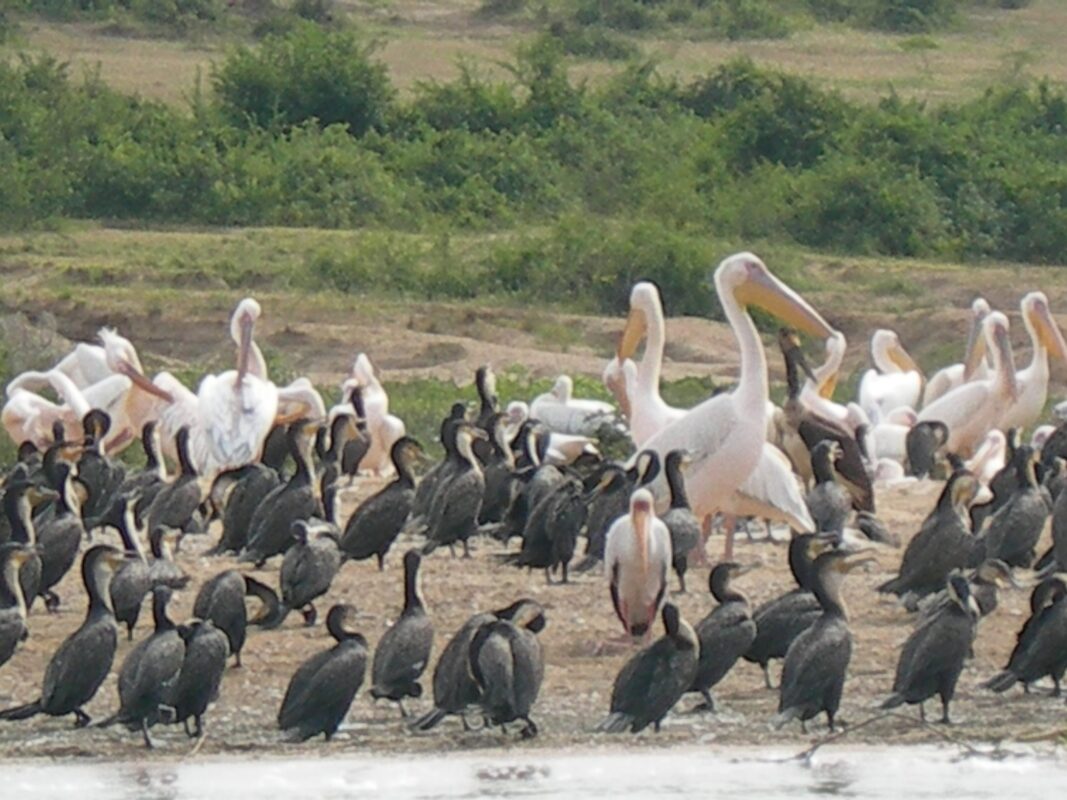
Queen Elizabeth National Park is a premier Uganda birding destination, boasting over 600 species—the highest concentration in East Africa. Prime birding spots include the Kazinga Channel (waterbirds, pelicans) Maramagambo Forest (raptors), and Kasenyi plains. Key species include the Shoebill Stork , African Fish Eagle, and Papyrus Gonolek, best spotted from late May to September.
25-days-complete-uganda-birding-safari-extravaganza-with-wildlife-viewing
22-days-best-uganda-primate-and-birding-safari-adventure
21-days-uganda-birding-safari-extravaganza-to-best-uganda-safari-parks
20-days-uganda-birding-safari-to-uganda-national-park
20-days-uganda-birding-safari-wildlife-gorilla-and-chimpanzee-tracking
14-days-classic-uganda-birding-safari-expedition
12-days-uganda-birding-tour-looking-for-rift-valley-endemic-birds-west-circuit
10-days-best-uganda-birding-safari-and-wildlife-experience
Kazinga Channel — boat-based birding hotspot
The Kazinga Channel is a concentration point for waterbirds and an outstanding boat-based birding venue. The channel links Lake Edward to Lake George and creates long shallow banks, exposed sandbars and reed-fringed margins that attract huge numbers and varieties of water-dependent species. A typical boat trip along the channel yields dramatic encounters with pelicans—both Great White and Pink-backed Pelicans—often fishing in loose, coordinated groups. African Skimmer is a major draw here: its distinctive low, quartering flight and blade-like bill make it spectacular to watch as it skims the water surface for small fish at dawn or dusk. Large storks (Yellow-billed, Marabou and sometimes saddlebill) and herons (including Goliath Heron) forage along shallow margins.
The channel’s banks also attract high densities of waders, terns and gulls during certain seasons, creating dynamic feeding flocks that are ideal for scope work and identification practice. African Fish Eagles are ubiquitous—perching conspicuously on dead snags and providing an aural soundtrack to the trip. Boat safaris provide exceptional vantage points for scanning islands and snag roosts where cormorants and pelicans loaf. Besides birds, the channel supports hippos and frequent sightings of Nile crocodiles, which add interest and explain why many waterbirds choose particular roosts and feeding sites.
Best viewing is early morning and late afternoon when waterbirds are actively feeding and light is favorable for photography. Guide knowledge is critical: experienced skippers will know recent roosting sites, seasonal shifts in fish movements, and quieter channels where skimmers and pelicans concentrate. Maintain respectful distances from nesting islands, keep noise low, and use binoculars and a spotting scope to sort large mixed flocks. For anyone combining mammal safaris with birding, Kazinga offers some of the region’s most reliable and spectacular waterbird spectacles in a compact, accessible setting.
Maramagambo Forest — a forest birding gem
Maramagambo Forest forms a biologically rich forest block characterized by closed-canopy evergreen forest, gallery strips, and wetter gullies—habitats that support an impressive assemblage of forest specialist birds. It is an excellent place to target species that favor dense, shaded understory and mid-canopy layers. Black-cuckoo and African Emerald Cuckoo are two notable species: the Black-cuckoo’s plaintive calls and skulking habits make it a rewarding find for patient birders, while the African Emerald Cuckoo, with its metallic green sheen and distinctive whistles, is often located by its clear, ringing song in canopy gaps and forest edges.
Barbets are well represented in Maramagambo: look for them investigating fruiting trees and flowering lianas. Their drumming and vocal activity in early morning produces steady action in the canopy and subcanopy. Mixed-species flocks are common; small insectivores, bulbuls, flycatchers and apalis often join forces, and moving cautiously with a guide through likely flock routes increases the chance of encountering localized endemics or scarce species.
Effective birding in Maramagambo requires slow, quiet walking on established trails and attention to vocalizations—many forest birds reveal themselves first by sound. Early-morning sessions along riverside tracks, fruiting-tree stakeouts and the forest edge where canopy meets woodland are all productive. Because the forest is also home to primates and other wildlife, combining birding with general wildlife watching adds value to a visit. Guides familiar with local territories and seasonal fruiting patterns are essential for finding rarer species and for navigating the forest with minimal disturbance. With patience and a good guide, Maramagambo yields satisfying encounters with classic African forest birds and enriches any regional birding itinerary.
Kasenyi Plains & Mweya — savanna raptors and open-country specialties
The Kasenyi Plains and Mweya area present classic open-savanna birding where species associated with grassland, scattered acacia and riparian edges are readily observable. Wide, open vistas make this region especially productive for raptors: Martial Eagle—one of Africa’s largest and most powerful eagles—patrols thermals and perches on prominent acacia crowns or termite mounds while scanning for prey. Other raptors such as Tawny Eagle, African Harrier-Hawk, and various falcons are frequently encountered, offering good opportunities to study identification, behavior and interspecific interactions.
Grey-crowned Crane favors wetter grasslands and marshy edges within the plains, where it forages for invertebrates and small vertebrates. These stately cranes are photogenic and often perform elaborate displays in the early morning. The plains are also excellent for seeing bustards, larks, pipits and several species of cisticola and wheatear that advertise themselves by song-flight or conspicuous perching.
Kasenyi’s accessibility makes it ideal for half-day birding excursions: early morning drives or guided walks along tracks allow you to combine scanning from vehicles with short, quiet stops to investigate promising scrub patches or waterholes. Seasonal changes—especially after rains—bring temporary wetlands that attract migratory waders and expand the species palette. Bring a spotting scope to scan distant perches and thermals for soaring raptors, and coordinate with guides who know key vantage points for Martial Eagle and other large raptors. The combination of dramatic raptors, open-country passerines and accessible viewing opportunities makes Kasenyi Plains and Mweya a must-visit area for savanna-focused birding.
Ishasha Sector — savanna specialties and unique wildlife interactions
Ishasha is best known for its iconic tree-climbing lions, but the sector also supports a distinct birding suite adapted to seasonal floodplains, gallery forest, and open savanna. Habitat heterogeneity—riverine strips interspersed with grassy floodplain and thickets—creates microhabitats for both open-country species and more secretive edge specialists. Specialty birds in Ishasha often include ground-oriented species that exploit short grass and scattered bushes; localized chats, pipits and larks are common, and water-associated birds concentrate along the river margins.
The presence of large mammals, notably the tree-climbing lions, can indirectly influence bird behavior by creating nutrient hotspots (through carcass remnants and altered ungulate distributions) and attracting scavengers and raptors—vultures, marabou storks and opportunistic eagles—that can be excellent to observe. Early mornings provide the best conditions for finding habitat-specific birds and for witnessing active predator-prey dynamics that sometimes bring raptors to the fore.
Ishasha’s uniqueness lies in combining relaxed vehicle-based birding with opportunities to explore riverine tracks and small footpaths for edge and thicket species. Boat or canoe trips along calmer river sections can add papyrus and reed specialists, while short walks into gallery forest reveal forest-edge species that do not occur on open plains. Because the sector is less trafficked than central park areas, it can offer quieter birding with fewer crowds—valuable for both photography and for finding skulking species.
Working with an experienced guide who understands lion behavior, seasonal water fluctuations and local bird territories is critical for maximizing sightings while maintaining safety. Ishasha rewards patient birders with a blend of savanna specialities, raptor spectacles, and the unforgettable context of wildlife interactions that make the sector one of the region’s most singular birding experiences.
Key Bird Species to Look Out For
- Shoebill Stork
The Shoebill (Balaeniceps rex) is a singular and highly sought-after wetland bird whose prehistoric silhouette makes it one of Africa’s most iconic species. Preferring large, shallow, papyrus-fringed wetlands and channels where fish and aquatic prey are abundant, shoebills are typically encountered standing motionless in shallow water or slowly stalking among reed mats and floating vegetation. Their massive, shoe-shaped bill—complete with sharp cutting edges and a distinct hook—is perfectly adapted for seizing large fish (particularly lungfish and catfish), amphibians and occasionally small reptiles. The deliberate, patient hunting style of the shoebill is one of its most arresting behaviors: it will often stand for long periods and strike with lightning speed when prey comes within range.
Best viewing of Shoebills usually comes from a quiet boat trip at dawn when birds are most active and water levels expose feeding channels; boat skippers who know local roosts and feeding sites can greatly increase your odds. Shoebills tend to prefer habitats with extensive papyrus and emergent vegetation; water-level fluctuations, seasonal fish movements and human disturbance all affect their local distributions. When viewing shoebills, maintain a respectful distance—these birds are sensitive to disturbance, especially during nesting. Nesting typically occurs on floating vegetation platforms among dense papyrus where pairs incubate and raise chicks. Observing breeding behavior can be unforgettable, but approach slowly and follow guide instructions to avoid flushing birds.
Because shoebills are relatively low-density and vulnerable to habitat change, sightings are always special and can be the highlight of a wetland birding trip. Bring a scope for distant views, protect optics from spray, and be prepared for early starts—patience and quiet, low-profile boat travel are the keys to encountering this remarkable species.
- African Fish Eagle
The African Fish Eagle (Haliaeetus vocifer) is one of Africa’s most charismatic and widespread raptors, immediately recognizable by its bold white head and chest contrasted with a dark brown body and a distinctive, ringing “yelp” call that often defines lakeside soundscapes. It is a specialist piscivore and is commonly associated with large waterbodies—lakes, rivers and reservoirs—where it perches conspicuously on dead trees, snags or shoreline branches to scan for fish. Its hunting technique includes low quartering flights, hovering and dramatic plunge-dives or sallying launches from perches to snatch fish near the surface. Fish eagles also scavenge opportunistically and may harass other birds (such as herons or cormorants) to force them to release prey.
African Fish Eagles are territorial and often remain at the same lakeshore stretches for long periods, making them relatively easy to locate on birding trips. They build large stick nests in tall trees near water; nests are reused and added to year after year, and successful pairs can be seen carrying fish to nestlings during the breeding season. For photographers and observers, the combination of bold plumage, characteristic call and predictable perching behavior makes the species highly photogenic and popular.
When watching fish eagles, bring a spotting scope and long lens to capture perched birds and diving sequences. Early morning and late afternoon are prime activity periods when fish movements and light are favorable. Nearby human activity, overfishing and water-level changes can influence local densities, but where habitat remains intact, African Fish Eagles are reliable highlights of lake and river safaris and an evocative emblem of African wetlands.
- Black Bee-eater & Papyrus Gonolek (specialized-habitat species)
Black Bee-eater (Merops gularis) and Papyrus Gonolek (Laniarius mufumbiri) represent two contrasting examples of species closely tied to specific habitat types—forest edge and papyrus swamp respectively—and both reward targeted search strategies. The Black Bee-eater is a striking, typically forest-edge species of the bee-eater family: glossy green and blue plumage, rapid aerial sallies, and a diet dominated by flying insects (especially bees, wasps and larger hymenopterans). It favors open gaps, forest edges, and riverine clearings where it can perch on exposed twigs and launch spectacular, snatching flights to capture insects on the wing. Finding Black Bee-eaters often involves scanning open perches at canopy edges during sunny conditions when insect activity peaks; their aerial agility and rapid, melodious calls make them a delight to watch.
In sharp contrast, the Papyrus Gonolek is a specialist of papyrus swamps—dense stands of Cyperus papyrus and related reeds that fringe many East African wetlands. The gonolek is a compact bush-shrike with bold, contrasting plumage (in some regional taxa rich in reds and blacks) and a repertoire of clear, often mellow whistles and chat-like phrases. It is secretive by habit, usually staying low within the papyrus stems where it forages for insects and small invertebrates. The species is most reliably found by boat or boardwalk at first light when birds sing from exposed reed edges. A guide familiar with papyrus channels and local calling birds is essential for success.
Both species emphasize the value of habitat-focused birding: locate and access the preferred habitat (forest edge or papyrus channel), time your visit for peak insect or vocal activity (sunny mornings for bee-eaters, dawn choruses for gonoleks), and use quiet, patient observation to convert initial calls or flight-lines into satisfying views.
- Raptors — an overview (54+ species)
Raptors are a conspicuous and diverse component of many African ecosystems, and the presence of over 54 raptor species in the park highlights the region’s exceptional ecological productivity and habitat variety. This raptor assemblage spans numerous ecological niches—from specialized fish-eaters (African Fish Eagle) and large scavengers (Marabou Stork and various vulture species) to powerful forest hunters (Crowned Eagle) and elegant, aerially acute falcons. Such diversity reflects the mosaic of habitats available—open savanna and plains for soaring eagles and harriers, gallery forests for hawks and accipiters, wetlands for fish-eating raptors, and cliffs or tall trees serving as nesting platforms.
Field identification of raptors is both rewarding and challenging. Key groups to study include eagles (Martial Eagle, Tawny Eagle), vultures (White-headed, Hooded etc., depending on regional presence), hawks and buzzards (steppe and forest forms), harriers over marshes and grasslands, and falcons (Peregrine, African Hobby-like species). Behavioral cues—perching posture, flight style, wingbeat rhythm, and hunting technique—help separate difficult species where plumage overlaps. Migration also influences raptor numbers; many species are resident while some are passage migrants that concentrate along thermal lines and river corridors.
For birders, raptor watching benefits from open vantage points (plains, escarpments, river valleys) and from early- to mid-morning thermals when raptors soar and are more easily scanned. Use a spotting scope to study distant soaring birds, and practice sketching or noting field marks (tail pattern, underwing bars, head shape) to refine identifications. Collaborate with knowledgeable guides who can point out territorial pairs, nest sites, and seasonal concentration points. The park’s rich raptor fauna not only provides spectacular viewing but also serves as an indicator of ecosystem health—large raptor populations imply abundant prey bases and functioning trophic dynamics.
What is the best time for a Uganda birding safari in Queen Elizabeth National Park?
The best time for a Uganda birding safari in Queen Elizabeth National Park primarily falls during the dry season, which spans from late May to September. During these months, the trails are typically dry and easier to navigate, making it more convenient for birdwatchers to explore the diverse habitats throughout the park. This season also maximizes wildlife visibility as many animals congregate around water sources, enhancing the overall safari experience. Additionally, the dry season aligns with the breeding season for many bird species, increasing the chances of witnessing vibrant mating displays and other avian behaviors.
However, for enthusiasts interested in migratory birds, a visit during the wet season, from November to April, proves to be advantageous. This period attracts numerous species migrating from Europe and North America, enriching the birding experience with a variety of sightings. Notably, early morning and late afternoon are the best times for birdwatching, as many species are more active during these cooler parts of the day.
Regardless of the season, it's wise to consider the specific birding goals of your trip and discuss them with local guides who can enhance your experience based on their expertise. Overall, timing your visit to coincide with the appropriate season can significantly influence your birding success, allowing you to capture the full essence of Queen Elizabeth National Park’s avian diversity.
How many bird species can I see on a Uganda birding safari in Queen Elizabeth National Park?
Queen Elizabeth National Park is renowned for its remarkable avian diversity, boasting over 600 recorded bird species. This impressive count places it among the leading destinations for birdwatching in Uganda and across Africa. The park's unique blend of ecosystems—including savannah, wetlands, forests, and lakes—creates a variety of habitats that support an extensive array of bird species, making it a haven for birders.
Birdwatchers can expect to see a mix of both common and rare species. From water-associated birds along the Kazinga Channel to forest skimmers in the Maramagambo Forest, the range of habitats that the park encompasses ensures that visitors can enjoy a broad spectrum of avian encounters. Frequent sightings include renowned species like the African Fish Eagle, notable for its regal presence, and the bright-hued Malachite Kingfisher, which is a favorite among photographers.
Notably, the park is home to several endemic and migratory birds, enhancing the experience for avid birdwatchers. Many birds are often seen nesting from late September through November, making these months particularly rewarding for observing breeding behaviors. With the guidance of expert birding guides familiar with the park's habitats, visitors can maximize their birdwatching opportunities, ensuring they experience the rich avian diversity that Queen Elizabeth National Park has to offer.
Where are the best spots for a Uganda birding safari in Queen Elizabeth National Park?
Queen Elizabeth National Park is abundant with prime birdwatching locations that showcase the park's incredible biodiversity. Some of the best spots include the Kazinga Channel, a hotspot for bird species like the African Fish Eagle, pelicans, kingfishers, and various water birds. The channel serves as a vital lifeline for wildlife, and boat trips offer close-up views of birds while providing a serene atmosphere that enhances the viewing experience.
Another prominent area is the Mweya Peninsula, where a variety of habitats converge, drawing numerous bird species. Birdwatchers can find both savannah and wetland birds in this lush region, making it a must-visit site. The nearby Kasenyi Area is known for hosting large flocks of birds, especially during migration periods. Observing species like the African Skimmer is common here, contributing to the thrill of birding in the park.
Maramagambo Forest presents another excellent birding spot, allowing visitors to explore forest-dwelling species such as the Blue Turaco and various sunbirds. The Ishasha Sector offers a different experience, featuring unique bird species adapted to the acacia trees and open grasslands. Lastly, Lake Kikorongo is rich in aquatic birds and provides opportunities for spotting flamingos and other migratory species. Each of these locations contributes to a diverse birding experience, allowing visitors to immerse themselves in the stunning landscapes and wildlife of Queen Elizabeth National Park.
What are the key bird species to look for on a Uganda birding safari in Queen Elizabeth National Park?
During a Uganda birding safari in Queen Elizabeth National Park, several key bird species are highly sought after for their beauty, rarity, and distinctive characteristics. Notable among them is the African Fish Eagle, recognizable by its striking white head and powerful calls, often seen perched near water bodies as it surveys for prey. Another iconic species is the Shoebill Stork, which is both rare and enigmatic, found in the wetlands of the park, especially near swamps where it hunts for fish and amphibians.
The Papyrus Gonolek, easily spotting due to its vibrant coloration and distinct call, inhabits the papyrus swamps and is a thrill for birdwatchers to see. Also noteworthy is the Martial Eagle, one of Africa's largest and most powerful eagles, which commands attention with its impressive wingspan. The African Skimmer, distinguished by its unique beak, can be spotted skimming along the surface of water while hunting for fish.
Birdwatchers should also keep an eye out for the Black Bee-eater, renowned for its distinctive coloration and fascinating feeding behavior. These species represent just a fraction of the park's diverse birdlife, and each sighting offers a unique experience for birders. Accompanied by knowledgeable guides who can help identify species and provide insights into their behaviors, participants can fully appreciate the avian wonders found in Queen Elizabeth National Park.
Can I see flamingos during a Uganda birding safari in Queen Elizabeth National Park?
Yes, bird enthusiasts have the opportunity to see flamingos during a Uganda birding safari in Queen Elizabeth National Park, particularly at the Katwe crater lakes. These lakes, formed from volcanic activity, create an ideal habitat for both lesser and greater flamingos, especially during certain seasons. Flamingos are often seen in large numbers, feeding in the shallow waters where they forage for algae and small crustaceans, which give them their characteristic pink coloration.
The best time to observe these stunning birds is usually during the wet seasons from November to April when migratory patterns bring them into the area. This period provides birdwatchers with a vibrant spectacle as hundreds, if not thousands, of flamingos can gather, creating a picturesque scene against the backdrop of the crater lake. Additionally, the crater lakes support a variety of other bird species, enhancing the birdwatching experience.
Visiting the Katwe area offers a serene environment for observing both the flamingos and other water-associated birds. Guided tours often include this region, as local guides are familiar with the best viewing spots and can provide insights on the flamingos' behaviors and significance within the ecosystem. Overall, the chance to see flamingos adds an exciting dimension to a birding safari in Queen Elizabeth National Park, enriching the exploration of its diverse avian life.
What is included in a typical Uganda birding safari in Queen Elizabeth National Park boat trip?
A typical boat trip on the Kazinga Channel during a Uganda birding safari in Queen Elizabeth National Park is a highlight for many birdwatchers, offering an unparalleled opportunity to observe a wide variety of water birds in their natural habitat. The boat trip typically includes close views of bird species such as kingfishers, herons, pelicans, and the majestic African Fish Eagle, which are often seen perched on tree branches or soaring overhead. The combination of water and lush vegetation creates perfect conditions for spotting both resident and migratory bird species.
Experienced guides lead the boat trips, providing valuable information about the different bird species, their behaviors, and the surrounding ecosystems. This adds an educational dimension to the experience, enriching the knowledge of each participant. The guides can help identify birds based on physical characteristics and calls, significantly enhancing the birdwatching adventure.
In addition to birdwatching, boat trips allow for the observation of other wildlife. Hippos are common along the banks, and the chance to see crocodiles sunning themselves is often an exciting bonus. The serene environment of the channel, coupled with the stunning scenery of the park, creates a relaxing atmosphere ideal for birdwatching. Each boat trip generally lasts a couple of hours, maximizing the potential for diverse avian encounters. This immersive experience is an essential aspect of any Uganda birding safari, ensuring participants leave with cherished memories and stunning photographs.
Is it safe to do a Uganda birding safari in Queen Elizabeth National Park?
Yes, a Uganda birding safari in Queen Elizabeth National Park is considered safe for visitors. The park is protected by the Uganda Wildlife Authority (UWA), which implements strict conservation measures and ensures visitor safety through proper management and trained personnel. Experienced rangers and guides lead the birding tours, providing expertise in navigating the park's diverse terrains while ensuring the well-being of participants.
Tour operators prioritize safety by utilizing reliable vehicles and experienced drivers who are familiar with local conditions and wildlife. Visitors are encouraged to follow the advice of guides and respect wildlife boundaries to maintain a safe distance from animals. Additionally, the park's focused conservation efforts contribute to its reputation as one of the safes in East Africa. The friendly and welcoming attitude of the local communities further enhances the sense of security during the safari experience.
However, as with any travel adventure, it is wise to exercise common-sense precautions. Visitors should remain aware of their surroundings, avoid walking alone in remote areas, and adhere to park regulations. It’s also recommended to have a local guide to further enhance safety and enrich the experience with deeper insights into the ecosystem. Overall, the safety measures in place, along with responsible travel practices, ensure that participants can fully enjoy their Uganda birding safari in Queen Elizabeth National Park without concern.
What should I pack for a Uganda birding safari in Queen Elizabeth National Park?
Packing appropriately for a Uganda birding safari in Queen Elizabeth National Park is essential to ensure comfort and maneuverability while enjoying the beautiful landscapes and rich birdlife. Essential gear includes a good pair of binoculars—an invaluable tool for spotting birds from a distance—and a camera with a zoom lens to capture the incredible wildlife and scenery. A field guidebook specific to Ugandan birds is also beneficial for identifying various species during your trip.
Clothing is important, and lightweight, breathable fabrics are highly recommended. Long-sleeved shirts and lightweight trousers can help protect against sunburn and insect bites. Sturdy hiking boots are essential for navigating through varied terrains, while a wide-brimmed hat provides additional sun protection. Be sure to include insect repellent to ward off mosquitoes and other insects.
A lightweight rain jacket is advisable as rain showers can occur unexpectedly, especially during the wet season. Additionally, packing sunscreen is crucial to protect against sun exposure during outdoor activities. A reusable water bottle is also a must to stay hydrated, as it is both eco-friendly and practical for hikes and birdwatching expeditions.
Finally, consider bringing any personal medications, as well as a basic first aid kit. With careful packing, you can ensure an enjoyable and comfortable birding safari, allowing you to fully immerse yourself in the rich avian experiences that Queen Elizabeth National Park has to offer.
How long does it take to travel for a Uganda birding safari in Queen Elizabeth National Park from Kampala?
Traveling from Kampala to Queen Elizabeth National Park typically takes approximately 5 to 6 hours by road, depending on traffic conditions and the chosen route. The journey covers about 400 kilometers and offers scenic views of rural Uganda, including lush landscapes, rolling hills, and vibrant local communities. Travelers often appreciate the opportunity to witness the diverse cultural and agricultural activities along the way, making the drive an enriching experience in itself.
Many visitors opt for early morning departures to maximize their time in the park. Roads to Queen Elizabeth National Park are generally well-maintained, but the journey can still include stretches of bumpy terrain, particularly as you approach the park. Some tour operators offer organized transport, complete with an experienced driver-guide who provides insights and commentary about the regions you pass through.
During the drive, it’s also common to enjoy a stopover at local attractions or viewpoints, allowing for breaks to stretch and take photographs of the picturesque scenery. Some travelers even combine the journey with a visit to other nearby attractions, such as the equator or other national parks, to enhance their experience further.
Ultimately, the travel time provides a valuable opportunity to transition from the urban landscape of Kampala to the serene and rich biodiversity of Queen Elizabeth National Park, setting the stage for an unforgettable birding safari.
Are there specialized guides for a Uganda birding safari in Queen Elizabeth National Park?
Yes, specialized birding guides are readily available for those embarking on a Uganda birding safari in Queen Elizabeth National Park. These expert guides possess extensive knowledge of the park's avian species and their habitats, ensuring that participants receive an enriching and informative experience. Their skills in bird identification, behavior, and ecology greatly enhance the birdwatching experience, allowing visitors to appreciate the incredible diversity of birds found in the park.
Birding guides are trained to navigate various ecosystems within the park, from wetlands and savannahs to forested areas. They are familiar with the best birding spots, seasonal variations, and specific times of day that are ideal for spotting certain species. This expertise helps maximize the number of bird species observed during safari excursions.
In addition to their birding knowledge, guides ensure that safety protocols are followed during the safari, which enhances the overall experience. They also provide valuable cultural insights, sharing aspects of local communities and conservation efforts, contributing to a holistic understanding of the landscape and its wildlife.
Many birdwatchers find that hiring a specialized guide enriches their safari experience, opening doors to encounters and information they might miss while traveling independently. Seeking out a reputable tour operator that offers knowledgeable birding guides can significantly improve your birding adventure in Queen Elizabeth National Park, making it both enjoyable and memorable.
What is the difference between dry season and wet season birding in Queen Elizabeth National Park?
The differences between dry season and wet season birding in Queen Elizabeth National Park are significant, each offering unique advantages for birdwatchers. The dry season, which lasts from June to September, provides easier accessibility to various birding sites throughout the park. The trails are generally drier, making navigation simpler and more comfortable for trekkers. During these months, animal activity tends to peak around water sources, increasing the chances of seeing various bird species congregating.
On the other hand, the wet season, from November to April, is characterized by lush landscapes and abundant food sources, attracting migratory birds from Europe and North America. This period can be particularly rewarding for birdwatchers hoping to spot migratory species and witness any breeding behaviors among resident birds.
Furthermore, the wet season often features vibrant scenery as vegetation flourishes, creating a picturesque backdrop for birdwatching. However, accessibility may be more limited due to muddy conditions, which can challenge hikers and require careful consideration of routes. It’s also important to note that birdwatching during the wet season may involve a higher likelihood of rain, necessitating proper gear and flexibility in planning.
Ultimately, the choice of season for birding in Queen Elizabeth National Park depends on personal preferences and specific birdwatching goals. Both seasons offer unique experiences and opportunities to enjoy Uganda’s rich avifauna, providing exciting possibilities for birders year-round.
Can I combine chimpanzee trekking with a Uganda birding safari in Queen Elizabeth National Park?
Yes, combining chimpanzee trekking with a Uganda birding safari in Queen Elizabeth National Park is a popular and rewarding experience. The park's Kyambura Gorge, often referred to as the "Valley of Apes," is an excellent location for chimpanzee tracking. Within a short distance from the main birding activities in the park, visitors can participate in both treks, making the most of their wildlife adventure.
Chimpanzee trekking typically requires early morning start times to maximize the chances of spotting these intelligent primates in their natural habitat. Guided treks involve hiking through stunning landscapes, where guides provide insights into the chimps' behaviors and their ecological importance. The experience of observing these social animals as they interact, feed, and play is immensely rewarding for visitors.
After the chimpanzee trekking experience, visitors can seamlessly transition into birding activities within Queen Elizabeth National Park. This proximity enables a unique exploration of Uganda's biodiversity, allowing for sightings of both primates and diverse bird species. Given the variety of ecosystems present, participants can enjoy viewing forest birds along with savanna and wetland species.
Combining these activities enhances the overall safari experience, maximizing opportunities for wildlife observation. Tour operators may provide customized packages that cater specifically to groups keen on both avian encounters and primate trekking, facilitating an engaging exploration of Uganda's rich natural history.
What is the cost of park entry for a Uganda birding safari in Queen Elizabeth National Park?
As of 2026, the cost of park entry for a Uganda birding safari in Queen Elizabeth National Park varies based on the visitor's residency status. For foreign non-residents, the typical entry fee is around $40 per adult per day. Meanwhile, foreign residents enjoy a slightly reduced fee of about $30. These entry fees contribute to the funding of park conservation efforts and the protection of Uganda’s biodiversity.
It's essential to note that these fees may change, and it's advisable for travelers to check with the Uganda Wildlife Authority or authorized tour operators for the most current information before planning their visit. In addition to entry fees, visitors intending to partake in activities such as chimpanzee trekking or guided birding excursions generally need to pay additional costs for permits. The fees for such activities may vary depending on the specific experiences and services offered by tour operators.
Tourists should also consider other costs associated with their visit, including transportation, accommodations, and meals, when budgeting for their safari. Overall, allocating funds for entry fees and related expenses ensures a comprehensive exploration of the park, allowing visitors to make the most out of their birdwatching experience while supporting conservation efforts.
Where can I stay during a Uganda birding safari in Queen Elizabeth National Park?
Accommodation options during a Uganda birding safari in Queen Elizabeth National Park cater to a range of preferences and budgets. Choices typically include luxury lodges, mid-range hotels, and budget-friendly camps, allowing visitors to select lodging that best fits their needs.
Among the luxurious options is Mweya Safari Lodge, perched on the Mweya Peninsula and offering stunning views of the Kazinga Channel. This lodge features comfortable rooms, a restaurant with a varied menu, and opportunities for relaxation, ensuring a refreshing stay after a day of birdwatching. For a more rustic experience, Ishasha Wilderness Camp provides visitors with upscale tented accommodations in a serene setting, surrounded by nature while maintaining a high level of comfort and service.
Budget-conscious travelers may find accommodations at Simba Safari Camp, which offers basic amenities within the park's lush surroundings, ensuring access to wildlife experiences without breaking the bank. Some lodges also offer guided birdwatching tours and communal spaces where guests could share their encounters with local wildlife.
Regardless of the accommodation type, staying within or close to the park enhances accessibility to birdwatching hotspots, facilitating early morning excursions and maximizing opportunities for seeing a diverse range of bird species. Local hosts often provide insights into the best birding spots and species to target, enriching the overall experience and allowing visitors to fully immerse themselves in Uganda's natural beauty.
What is the most unique, rare bird to spot on a Uganda birding safari in Queen Elizabeth National Park?
Among the many incredible bird species found in Queen Elizabeth National Park, the Shoebill Stork stands out as one of the most unique and rare birds to spot. This remarkable bird, known for its large size and striking looks, features a distinctive shoe-shaped bill, making it instantly recognizable among birdwatchers. The Shoebill often inhabits the
Booking Uganda birding safari with us Roads of Adventure safaris
Book your ultimate birding adventure in Uganda with Roads of Adventure Safaris, a premier operator specializing in tailored, expert-led birding tours. Explore top hotspots like Bwindi for Albertine endemics, Murchison Falls, and Mabamba Swamp for the iconic Shoebill. We customize itineraries ranging from short trips to comprehensive 25-day safaris, featuring knowledgeable guides, comfortable transport, and options for combining birding with gorilla or chimpanzee trekking. Experience the Pearl of Africa’s rich biodiversity—over 1,065 bird species—with our personalized service. Contact us today to book your unforgettable birding safari through our official website.
