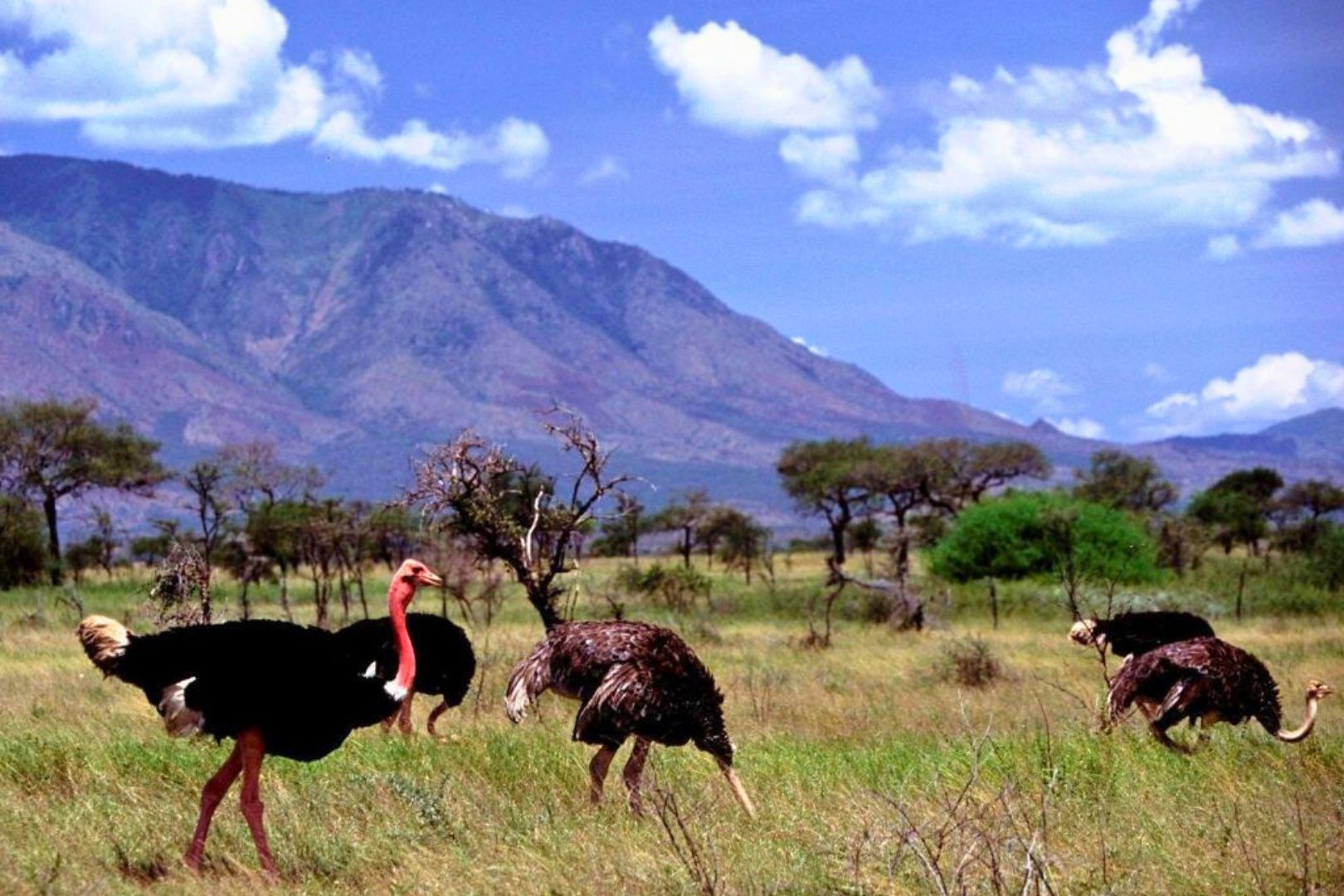
Pian Upe Wildlife Reserve is one of Uganda’s premier birding destinations, home to over 242 recorded bird species. It is particularly famous for being the best place in the country to see the Common Ostrich and the endemic Karamoja Apalis,
30-days-best-uganda-birding-safari-extravaganza-and-wildlife-safari
25-days-complete-uganda-birding-safari-extravaganza-with-wildlife-viewing
22-days-best-uganda-primate-and-birding-safari-adventure
21-days-uganda-birding-safari-extravaganza-to-best-uganda-safari-parks
20-days-uganda-birding-safari-to-uganda-national-park
20-days-uganda-birding-safari-wildlife-gorilla-and-chimpanzee-tracking
14-days-classic-uganda-birding-safari-expedition
12-days-uganda-birding-tour-looking-for-rift-valley-endemic-birds-west-circuit
10-days-best-uganda-birding-safari-and-wildlife-experience
Key Birding Highlights
Endemic & Rare Species
Look for the Karamoja Apalis, which is endemic to northeastern Uganda, and the Fox's Weaver, Uganda’s only strictly endemic bird, often found near the Lake Bisina-Opeta wetlands.
Iconic Savannah Birds
Common sightings include the Secretary Bird, Abyssinian Ground Hornbill, Superb Starling, and Jackson's Hornbill.
Raptors & Waterbirds
The reserve supports majestic raptors like the Martial Eagle and Verreaux's Eagle, while swampy areas like Loporokocho Swamp shelter Shoebill Storks, pelicans, and herons.
Masai-Somali Biome Species
The reserve is a western range limit for several dry-country species, including the Somali-breasted Bunting and Bristle-crowned Starling.
Best time for a Uganda birding safari in Pian Upe Game Reserve
Pian Upe’s birding rewards year-round visitors, yet timing your trip influences what you see and how easy it is to access prime sites. The dry seasons—December to February and June to September—are generally the most practical times for birding. Dry weather means firmer tracks and fewer impassable stretches, making vehicle-based game drives and long nature walks easier and safer. Vegetation is sparser, improving views of savannah species and raptors perched on exposed trees or volcanic kopjes. Mammal sightings (antelopes, ostriches) are often more predictable around seasonal watering holes. However, the wet season—generally March to May and October to November in this region—brings its own advantages. Rainfall stimulates insect abundance and fruiting, attracting migratory and nomadic species; birds are often in breeding plumage or engaged in conspicuous displays and song, increasing detectability. Migratory arrivals from Eurasia and intra-African movements peak at different times, so visiting during the shoulder wet months (April–June and September–October) often yields the best mix of resident and migrant species. If you prioritize convenience, accessibility, and reliable game drives, choose the dry season. If you prioritize species diversity, breeding behaviours, and migrants, plan for the wet season or shoulder months—but be prepared for muddy tracks and occasional weather delays. Another consideration is temperature: mornings and evenings can be cool in the dry season, so bring layers. For groups and guided tours, check UWA operations and local road conditions before travel; heavy rains can close some tracks. Ultimately, your best time depends on whether you value ease of travel (dry season) or peak bird diversity and breeding activity (wet/shoulder seasons).
How many bird species can I expect to see?
Pian Upe Wildlife Reserve is recognized as a strong birding site in northeastern Uganda, with around 240–245 recorded species—making it a rewarding destination for both casual birdwatchers and dedicated listers. Expect a rich mixture of savannah, acacia woodland, wetland, and kopje-specialist species, plus some rarities tied to the Karamoja region’s unique ecology. On a well-paced visit of two to three full birding days, an active group with a knowledgeable local guide can reasonably encounter 120–170 species, depending on season and effort. Dry-season visits often yield excellent views of open-country birds—Ostrich, Secretary Bird, Abyssinian Ground Hornbill, Kori Bustard (where present), various larks, pipits, and a range of raptors including Martial and Tawny Eagles. Wet-season visits increase the odds for migrant warblers, flycatchers, and Egyptian and Eurasian visitors that use Pian Upe’s wetlands and riparian corridors. Targeted searches around the Loporokocho Swamp, Girik River, and volcanic kopjes are productive for waterfowl, egrets, herons, and specialized species like Fox’s Weaver or Karamoja Apalis. Rare or localized species (e.g., Fox’s Weaver) are not guaranteed but are among the reserve’s highlights; persistence, local knowledge, and some luck improve success. Quality optics, early starts, and flexible itineraries that include both game drives and guided walks substantially increase species totals. If you keep a disciplined list (early mornings, evening scans, stakeouts at wetlands), a full 4–5 day trip around Pian Upe could push totals toward the reserve’s recorded maximum. Always confirm recent sighting reports with local UWA guides or recent trip logs—Pian Upe’s species mix can vary year-to-year with rainfall and land use.
Do I need a special permit for birding?
One of Pian Upe’s practical advantages is its simple permit structure for visitors. No separate “birding-only” permit is required; instead, foreign and domestic visitors pay the Uganda Wildlife Authority (UWA) conservation and access fees at the park entrance or at the reserve headquarters. These fees cover entry, local ranger accompaniment, and basic park management costs. If you plan to hire a UWA guide or ranger (strongly recommended), their fee is typically separate but straightforward to arrange through the UWA office or via your tour operator. For researchers, long-term surveys, or filming/photography for commercial use, additional permits and approvals from UWA and possibly the Uganda Wildlife Research and Training Institute (UWRTI) may be necessary—these require advance application and justification. Similarly, certain activities such as radio-tracking, capture, or other manipulative research require research permits and institutional affiliation. For non-commercial birding tourism, you usually just pay the UWA conservation fee and the guide/ranger fee. If you plan to camp on UWA land or use specific facilities (bandas), there may be modest accommodation or campsite fees as well. Always confirm current fee levels in advance: UWA updates rates periodically and there may be different rates for Ugandan citizens, East African residents, and international visitors. It’s also wise to bring cash (Ugandan shillings) for gate fees and local guide gratuities; remote entrances may not accept cards. If you’re booking through a tour operator, they will typically handle permits and payments, but request a written breakdown to ensure all UWA fees and ranger costs are included. Finally, check for any seasonal access restrictions or community-managed sections that might impose additional locally administered fees or permissions.
Are there endemic species in the reserve?
Pian Upe occupies a biologically distinctive zone in northeastern Uganda that supports species with restricted regional distributions, but Uganda-wide endemics are limited. However, the reserve is within the range of some regional endemics and near-endemics primarily associated with the Karamoja and adjacent Somali-Masai ecosystems. The standout species often mentioned in this context is the Karamoja Apalis (Apalis karamojae), a small, insectivorous warbler confined largely to the semi-arid acacia and scrub habitats of northeastern Uganda and adjacent areas. While Karamoja Apalis isn’t a Uganda-only endemic (its distribution extends into neighbouring regions), its stronghold is in this northeastern ecological belt, and Pian Upe provides some of the easier opportunities to find it compared with other parts of the country. Pian Upe also supports other regionally restricted or near-endemic birds—species whose ranges are concentrated in north-eastern Uganda and the broader East African drylands—such as certain weavers, larks, and raptors adapted to open savannah and acacia scrub. Fox’s Weaver, while not strictly endemic to Uganda, is highly localized and considered rare elsewhere; Pian Upe offers one of the country’s best chances to encounter it. The reserve’s volcanic kopjes and riverine strips add habitat heterogeneity and support localized populations that may be uncommon elsewhere in Uganda. If you seek true Ugandan endemics sensu stricto, most are concentrated in western montane forests (e.g., Albertine Rift endemics), not in Pian Upe. Therefore, Pian Upe’s appeal lies less in Uganda-wide endemics and more in regionally restricted species of Karamoja and the East African drylands—species that are difficult to see elsewhere in the country. For birders specifically targeting Karamoja Apalis or Fox’s Weaver, Pian Upe is well worth the trip.
Can I see Ostriches in Pian Upe?
Yes—one of Pian Upe’s signature attractions is its status as one of Uganda’s most reliable locations to see Common Ostrich (Struthio camelus). Historically, ostrich distribution in East Africa was broader, but habitat change and hunting reduced numbers in many areas. Pian Upe, with its expansive open savannah, volcanic kopjes, and relatively low human population density, still supports resident ostrich populations that are comparatively easier to observe than in most other parts of Uganda. Sightings are most likely during early morning and late afternoon game drives, when birds move to graze or seek shade. Because ostriches are large, diurnal, and often found in open country, they’re detectable at longer distances and make for superb photographic subjects. The reserve’s Loporokocho plains and surrounding grasslands are prime areas to look for ostrich flocks, along with other large savannah birds like Secretary Bird and ground hornbills. However, exact encounter rates vary with season, rainfall, and local disturbances—during droughts birds may congregate around scarce water sources, while in wetter periods they may be more dispersed. If seeing ostrich is a priority, inform your guide in advance so they can focus drives on known hotspots and recent sighting locations. Guides and rangers who work the reserve regularly maintain local knowledge of ostrich whereabouts and movement patterns, improving your odds. Finally, remember to observe from a respectful distance: ostriches can be curious but also defensive, and vehicles provide the safest vantage point for both birds and birders.
What are the primary birding methods used?
Birding in Pian Upe combines several complementary methods—each suits different species, habitats, and birding goals. The most common approach is guided game drives along the reserve’s network of tracks. Vehicles allow efficient coverage of large grassy plains, acacia woodlands, and kopjes; they’re ideal for finding and watching larger, open-country species (ostrich, secretary bird, raptors, bustards) and for moving between distant hotspots. Early-morning drives maximize sightings when birds are most active. Guided nature walks are another key method, particularly around reedbeds, riverine strips, and the Loporokocho Swamp. Walking provides quiet, close-up access to skulking species, passerines, and understorey birds—useful for finding the Karamoja Apalis and other small, secretive warblers. Hikes around volcanic kopjes are excellent for species that favour rocky outcrops and scattered shrubs; kopje-top vantage points also allow long-range scans for raptors and ground birds. Stakeout sessions at water points and seasonal pans are an effective tactic for late-afternoon or midday observation, drawing wetland species, herons, and raptors. Nocturnal spotlighting can reveal owls and other night birds if permitted by UWA and guided appropriately. Playback and call recognition are tools guides use judiciously to elicit responses from cryptic species, but ethical use is important to avoid stressing birds. Combining these methods—long drives to locate species, then short walks or stakeouts for close views—typically yields the best results. A local UWA ranger or specialist bird guide greatly enhances effectiveness by knowing recent sightings, microhabitat preferences, and the reserve’s best timing for particular species.
What key species should I look out for?
Pian Upe offers a compelling list of species that showcase the region’s dryland and savannah biodiversity. Top targets include the Karamoja Apalis, a range-restricted warbler of northeastern Uganda, and Fox’s Weaver, a localized and sought-after species. For large, charismatic birds, look for Common Ostrich—one of the reserve’s highlights—plus Secretary Bird and Abyssinian Ground Hornbill, both signature open-country birds known for striking silhouettes and behaviour. Raptors are abundant: Martial Eagle, Tawny Eagle, and Long-crested Eagle are possible, often visible from kopje vantage points or while scanning plains. Ground birds such as Yellow-necked Spurfowl, various francolins, and the occasional Kori Bustard (where present) are exciting finds. Wetland and riparian areas hold African Jacana, herons, egrets, and water-associated species—Loporokocho Swamp is especially productive after rains. Woodland and scrub species include several weavers (including Fox’s Weaver), bishops, and the Karamoja Apalis, while bush-shrikes and flycatchers add variety to the passerine lineup. Seasonal migrants—warblers, flycatchers, and wagtails—arrive depending on the time of year and can dramatically increase totals in wet months. Unique local combinations (savannah raptors, acacia specialists, and wetland birds) make Pian Upe a rewarding patchwork for birding. Priority species for most visitors: Karamoja Apalis (regional jewel), Fox’s Weaver (localized rarity), Common Ostrich (high-profile resident), Secretary Bird and Abyssinian Ground Hornbill (open-country icons), and Martial Eagle (majestic raptor). Discuss your priority list with the guide so he or she can plan drives and stakeouts to maximize chances.
Is a guide necessary for birding?
While it’s technically possible to bird Pian Upe independently, hiring an experienced UWA ranger or local bird guide is strongly recommended and effectively necessary for a productive trip. Guides provide detailed local knowledge that dramatically improves success: they know recent sighting reports, microhabitat hotspots (e.g., where Karamoja Apalis or Fox’s Weaver were last seen), time-of-day activity patterns, and current road/track conditions. Pian Upe’s landscapes are extensive and some key birding areas are remote or seasonally inaccessible; a guide ensures efficient use of limited time by focusing effort where birds are most likely to be encountered. Furthermore, UWA rangers enhance safety and compliance: remote areas can have livestock movements, and local communities use parts of the reserve; rangers liaise with communities and ensure legal access. Guides also aid identification—many species are cryptic, and local calls or subtle plumage differences are more easily resolved with someone familiar with the reserve’s avifauna. For photographers, a guide can help position vehicles or plan short walks for optimal light. Hiring a bird guide contributes directly to local conservation incentives and the reserve’s economy; fees support UWA operations and create incentives for local protection of habitat. If you are an advanced birder with excellent local maps and strong off-road navigation skills, independent birding might be feasible but still less efficient. For first-time or short-stay visitors aiming to maximize species counts—including rare and localized birds—budget for a professional guide or ranger accompaniment.
What is the best time of day for bird watching?
Early morning is universally the best period for birding in Pian Upe. From first light (roughly 05:30–06:30 depending on season), birds are most vocally active and actively foraging before mid-day heat. This is the optimal window for locating passerines, warblers, cuckoos, and many raptors returning to hunt in cooler air currents. Early morning game drives combine the benefits of active bird behaviour and softer light—ideal for identification and photography. A typical morning schedule begins driving from the lodge around dawn, scanning kopje ridgelines, water points, and scrub edges. Late afternoon—roughly two hours before sunset—is the second-best period. As temperatures cool, many species resume feeding, raptors return to perch, and waterbirds gather at pans and rivers. Midday, especially in dry seasons, tends to be quiet and birds may be less visible, sheltering in shade; this time is better for stakeouts at known water sources or for short guided walks to seek skulking species. Nocturnal species like owls are active after dark and may be encountered during specific night drives or spotlighting sessions if permitted, but these require a specialist guide and prior arrangement. For maximum species totals, combine early-morning drives with targeted late-afternoon sessions, and use mid-day to rest or stakeout productive wetlands. Also plan for flexible early wake-ups—many prime targets in Pian Upe are most detectable in the first one to two hours of daylight.
Where are the best birding spots within the reserve?
Pian Upe’s habitat variety concentrates birds at a handful of consistently productive locations. Loporokocho Swamp is a top site for water-associated species—herons, egrets, jacanas, and a range of migratory waders after rains—because it collects seasonal runoff and offers concentrated feeding opportunities. The Girik River corridor and adjacent riparian strips also attract waterbirds, kingfishers, and species that prefer denser vegetation, creating contrast with the surrounding dry bush. The expansive Loporokocho plains and surrounding grasslands are excellent for open-country species such as Ostrich, Secretary Bird, raptors, and ground-dwelling francolins. Volcanic kopjes and rocky outcrops are another key habitat: kopje tops provide vantage points for scanning the plains, and their unique shrub/rock microhabitats host species adapted to rocky terrain and perching raptors. Acacia woodland and scrub margins—especially in transitional zones—are important for Karamoja Apalis, weavers, and various bush-shrikes; guides often search these areas for regionally restricted species. Seasonal pans and ephemeral waterholes are worth checking after rain, as they temporarily concentrate birds and can yield migrants and rarer wetland species. For the best experience, combine drives to plains, kopjes, and water points in a loop that maximizes habitat diversity each day. Local UWA rangers will know recent hotspots and road access to each site; always consult them each morning for updated tips on where birds are currently concentrated.
What should I pack for my birding safari?
Packing well improves both comfort and birding effectiveness in Pian Upe. Essential optics: a good pair of binoculars (8x42 or 10x42 are common choices) and, if you photograph, a telephoto lens (300mm+ recommended). A compact spotting scope and tripod are helpful for distant raptors and waterbirds. Clothing: neutral, earth-toned layers that blend with the environment—lightweight long-sleeve shirts and trousers for sun and insect protection, a warm layer for cool mornings, and a waterproof shell for unexpected showers. Sturdy hiking boots or trail shoes are essential for walks and uneven kopje terrain; bring comfortable socks and gaiters if you expect dusty tracks. Field accessories: a reliable field guide (East Africa or Uganda bird guide), durable notebook or checklist, headlamp for pre-dawn starts, and a reusable water bottle. Sun protection (wide-brim hat, sunglasses, high-SPF sunscreen) and insect repellent (DEET or Picaridin) are important; bring a basic first-aid kit and any personal medications. For vehicles and logistics: a small daypack, binocular harness or strap, spare batteries and memory cards for cameras, portable power bank, and zip-lock bags to keep gear dry and dust-free. Cash in Ugandan shillings for UWA fees, guide gratuities, and local purchases is crucial—remote gates may not accept cards. Finally, bring a good attitude for early mornings, patience for stakeouts, and flexible plans—Pian Upe rewards those who prepare for heat, dust, and remote conditions while remaining ready to move quickly when birds are active.
Where can I stay during my visit?
Accommodation options in and around Pian Upe are limited and rustic but increasingly geared toward birding visitors, community tourism, and UWA management. The most basic official option is the UWA bandas (bandas are simple, comfortable brick or thatch units) at the reserve headquarters; these provide secure, no-frills lodging close to park operations and are convenient for early starts. Karamoja Overland Camp is a private, somewhat more comfortable option that caters to overland travelers and small guided groups; its facilities vary by season and booking. Some visitors choose to self-organize camping—either at designated campsites managed by UWA or at suitable private areas with prior permission. Camping offers the advantage of immersion and flexibility but requires full preparation and permission from UWA. In nearby towns (e.g., Mbale or Moroto for access routes), lodges and guesthouses offer more amenities but increase daily driving time to the reserve. For comfortable stays with guiding services arranged in advance, consider booking through an operator that includes transfers, UWA ranger fees, and camping or banda arrangements. Regardless of choice, accommodations are relatively basic compared with Uganda’s prime safari lodges; bring warm layers for cool nights, and expect occasional power or water interruptions in remote areas. Early booking is wise—availability can be limited during peak birding periods. Staying near reserve headquarters gives the best access to early-morning starts and UWA ranger support.
Is it safe to go birding in Pian Upe?
Pian Upe is generally safe for tourist birding when visits are planned with UWA rangers or reputable local guides. The reserve falls under Uganda Wildlife Authority management, and rangers conduct regular patrols and accompany visitors on walks and drives—this presence both improves safety and reduces disturbance. Most risks are logistical rather than criminal: remote access, rough roads, heat, sudden weather changes, and limited on-site medical facilities. Travelers should take common-sense precautions: register with UWA or the reserve office, travel with a trained guide or ranger, carry adequate water and sun protection, and inform someone of your planned routes and return times. Road conditions can be poor after rains; use a 4x4 vehicle and check local conditions before driving. Health precautions include malaria prophylaxis (Pian Upe is in a malaria area), insect-bite prevention, and up-to-date routine vaccinations. Interactions with local pastoralist communities are usually friendly, but respect property and livestock, and always ask guidance from rangers if crossing community-used land. Wildlife can pose risks—large mammals and protective ground birds should be observed from a safe distance; do not attempt to approach or feed animals. Nighttime movement is discouraged unless part of an organized activity. Finally, secure valuable gear and avoid showing large sums of cash in public. Using licensed guides, registering visits with UWA, and having emergency contact arrangements (tour operator, embassy contacts) will minimize safety concerns and make for a worry-free birding trip.
How do I get to Pian Upe Game Reserve?
Pian Upe is remote, and access requires some planning. The most common route from Kampala is a long road journey via Mbale (approximately 8–9 hours depending on road conditions), continuing northeast toward the Karamoja region. The final segments often require a high-clearance 4x4 vehicle due to rough, seasonal tracks. Alternative access is by chartered flight to nearby airstrips such as Amudat or Moroto; from these airstrips it’s typically a shorter drive to the reserve, arranged through operators or local contacts. Many birding visitors combine Pian Upe with broader itineraries that include Sipi Falls, Mount Elgon, or stops in eastern Uganda; these routes help justify road transfers and make logistics more efficient. If traveling independently, coordinate with UWA at the reserve headquarters to confirm gate opening times, ranger availability, and current track conditions. For organized tours, operators usually include road transfers from Kampala, Mbale, or Soroti and will handle vehicle logistics and UWA arrangements. Expect the journey itself to be an adventure through rural Uganda—bring snacks, water, and comfortable clothing for long drives. Seasonal rains can significantly slow road travel, so build buffer days into your schedule if flights or onward connections are time-sensitive. Finally, confirm mobile coverage and emergency access plans; remote stretches may have unreliable signals.
Can I combine birding with other activities?
Absolutely—Pian Upe’s location and landscape make it ideal for multi-activity itineraries that broaden the trip experience. Birding combines naturally with wildlife viewing: the reserve supports notable mammals such as roan antelope, greater kudu (where present), and the occasional cheetah or other large carnivore—game drives can focus on both mammals and birds. Cultural tourism is another excellent complement: guided visits to Karamojong communities offer insights into local pastoralist life, traditional crafts, and markets; these visits should be arranged respectfully through community guides and UWA to ensure benefits flow locally. Nearby natural attractions provide easy day-trip options—Sipi Falls (waterfalls near Kapchorwa) and Mount Elgon’s foothills add hiking, scenic vistas, and montane birding contrast if your itinerary extends west. The Twin Lakes and Lake Kwania areas can add waterbird diversity and relaxation after intensive field days. For photographers, dedicated time for landscape and cultural portraiture pairs well with bird-focused sessions. Conservation-oriented travelers may arrange meetings with UWA staff to learn about rangeland management and anti-poaching efforts, or time visits to coincide with community-based conservation activities. Logistics permitting, you can combine Pian Upe with visits to other northeastern reserves (e.g., Matheniko) for a deeper Karamoja-region experience. Discuss your interests with a local operator so they can design a balanced itinerary—mixing early-morning birding with afternoon cultural visits or scenic hikes maximizes both wildlife encounters and cultural understanding without overly taxing daily schedules.
Where to stay in Pian Upe Game Reserve
Accommodation near Pian Upe is basic but convenient for birders. The UWA bandas at the reserve headquarters offer simple, secure rooms close to park operations and early-morning starts; they are the most practical choice for short stays. Karamoja Overland Camp provides slightly more comfort and is geared toward overlanders and small groups—book in advance. Self-organized camping (UWA-designated sites) is an option for experienced campers who prefer immersion; obtain permission from UWA and bring all supplies. For more amenities, stay in nearby towns such as Mbale or Moroto and transfer daily, though this increases drive time. Whichever option you choose, confirm availability before travel, pack for rustic conditions, and arrange a UWA ranger or local guide to maximize birding success.
Booking an Uganda birding safari with Roads of Adventure Safaris
Booking with Roads of Adventure Safaris ensures tailored logistics for a Pian Upe birding trip. We handle UWA permit coordination, ranger-guides, 4x4 transport, accommodation bookings (bandas, camp or private camp options), and itinerary planning to target species like Karamoja Apalis and Fox’s Weaver. Our guides know local hotspots, recent sightings, and seasonal access, optimising early starts and stakeouts. We provide trip costs with clear inclusions—entry fees, ranger escort, meals and camping gear if needed—and offer add-ons such as transfers from Kampala, charter flights to nearby airstrips, and community visits. To book, contact our reservations team with preferred dates, group size, and target species; we’ll send a detailed quote and confirm availability.
