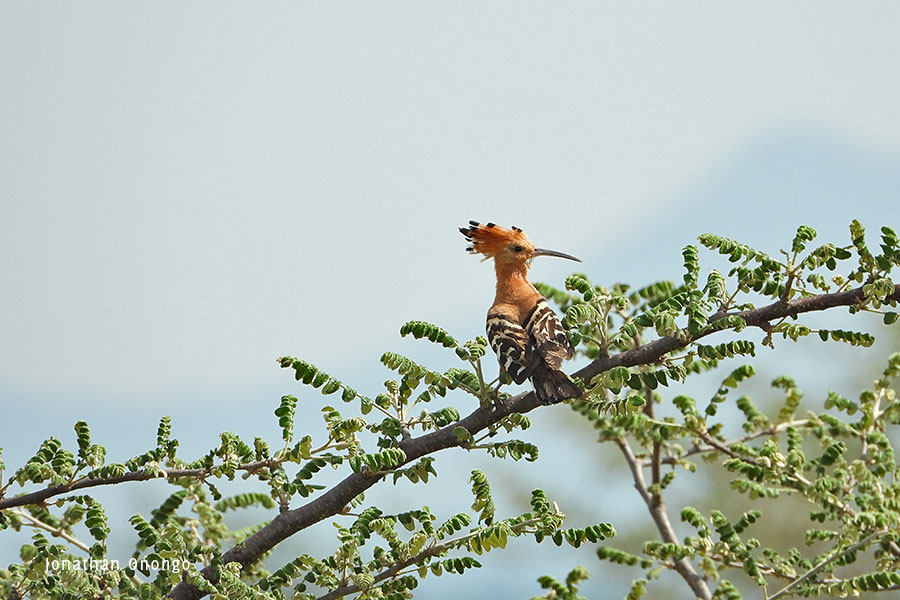
A birding safari in Matheniko Game Reserve, located in North-Eastern Uganda, offers a unique opportunity to spot specialized arid-zone species, including the rare Karamoja Apalis, Ostriches, and Abyssinian Ground Hornbill. Best visited during the dry season, this remote reserve is a top birding hotspot often combined with nearby Kidepo Valley National Park and Pian Upe.
30-days-best-uganda-birding-safari-extravaganza-and-wildlife-safari
25-days-complete-uganda-birding-safari-extravaganza-with-wildlife-viewing
22-days-best-uganda-primate-and-birding-safari-adventure
21-days-uganda-birding-safari-extravaganza-to-best-uganda-safari-parks
20-days-uganda-birding-safari-to-uganda-national-park
20-days-uganda-birding-safari-wildlife-gorilla-and-chimpanzee-tracking
14-days-classic-uganda-birding-safari-expedition
12-days-uganda-birding-tour-looking-for-rift-valley-endemic-birds-west-circuit
10-days-best-uganda-birding-safari-and-wildlife-experience
Key Bird Species
Matheniko is essential for finding regional specialties, with over 200 species including:
- Specialties: Karamoja Apalis, Eastern Bronze-napped Pigeon, Thick-billed Honeyguide, and Hartlaub’s Turaco.
- Raptors & Others: Verreaux’s Eagle, Egyptian Vulture, Pygmy Falcon, Abyssinian Ground Hornbill, and Clapperton’s Francolin.
- Savannah Species: Red-and-yellow Barbet, D'Arnaud's Barbet, Superb Starling, and White-headed Buffalo Weaver
What rare bird species can I find on a Matheniko birding safari?
Matheniko Wildlife Reserve offers several uncommon and locally important species that attract specialist birders. Foremost among these is the Karamoja Apalis, a regional endemic and a true “must-see” for visitors. This small, active warbler favors scrubby thickets, acacia stands and riparian edges where it flits through dense foliage — locating the apalis often requires quiet, patient searching and careful listening for its soft calls. Because its range is restricted to the Karamoja sub‑region, sightings in Matheniko are prized.
Beyond the apalis, Matheniko supports open‑country and semi‑arid species that are scarce elsewhere in Uganda. Ostriches, while not strictly rare globally, are locally noteworthy as large, conspicuous birds of the open plains; seeing them roaming in small groups is a memorable part of the Matheniko experience. The Secretary Bird, with its long legs and striking silhouette, patrols the grasslands hunting snakes and invertebrates; finding one on a termite mound or scanning slowly across the savannah is an iconic raptor‑watching moment.
Other regionally uncommon species may appear depending on season and habitat condition: nomadic or localized dry‑country birds turn up after rains or during local movements. Birding in Matheniko rewards awareness of microhabitats—riverine gallery forest, thornbush, rocky kopjes and grasslands each host different specialists. Guides who know recent sighting locations substantially increase success, particularly for skulking species that require a mix of good ear and eye work.
Given the remoteness and specialized nature of the reserve, many visitors combine Matheniko with other Karamoja sites to maximize rare species chances. Carry good optics, a reliable field guide for East Africa, and patience: rare sightings often come from lingering at likely habitats during the quiet morning or late afternoon periods when skulking and crepuscular species are most active.
Are there specific raptors to look for during a bird watching tour?
Matheniko’s open habitats and rocky outcrops support a rewarding suite of raptors, offering both soaring scavengers and agile grassland predators for focused observers. Egyptian Vulture is one species to watch for—often seen circling thermals or perching on isolated trees and pylons. These scavengers are visually distinctive with pale plumage and are easier to detect when they ride the winds above fairly open country.
Verreaux’s Eagle (sometimes called the Black Eagle in parts of its range) is associated with rocky escarpments and kopjes. In Matheniko, the reserve’s cliffs and outcrops provide ideal nesting and hunting terrain for this powerful bird; spotting one often requires scanning crags at midday when they may be seen perched or gliding along ridge lines. Their dark coloration and strong build separate them from other large eagles.
Smaller, more agile raptors include the Pygmy Falcon, a tiny yet fierce predator that often uses acacia or euphorbia thickets. Although small, it is characterful and frequently occupies old weaver or sunbird nests. Pygmy Falcons are territorial and can sometimes be coaxed into view with gentle patience.
The Eastern Chanting Goshawk is another specialty in dry‑country zones; perched on fenceposts or thorn trees, it scans savannah for lizards and small mammals. Its distinctive vocalizations and upright posture make identification straightforward when present.
Raptor watching benefits greatly from early morning thermal activity and late afternoon gliding—those are the best times to observe soaring species. Use a scope for distant identifications and consult local guides who know favored perches and nesting cliffs. Because some species are seasonally mobile, ask about recent sightings before planning: local knowledge often makes the difference between a fleeting distant silhouette and a prolonged, satisfying view.
Which ground-dwelling birds are common in the reserve?
Matheniko’s savannahs and open plains favor several conspicuous ground‑dwelling species that are both rewarding and relatively straightforward to find. The Abyssinian Ground Hornbill is among the largest and most impressive terrestrial birds you can encounter. These stately hornbills move in small family groups, foraging deliberately on the ground for insects, reptiles and small mammals. Their deep booming calls carry across the plains; locating them often involves watching open grassland and edges of bushy areas where they search for prey.
Clapperton’s Francolin is another typical ground bird in the reserve. This robust partridge‑like species prefers dry grassland and scattered thorn scrub, where it can be seen walking or running rather than flying. Francolins are often detected by their explosive calls at dawn and dusk and are easiest to observe when flushed onto short flights that reveal their diagnostic wing patterns.
Other ground specialists you may expect include various francolins and spurfowls, plus bustard species in wider plains where habitat remains suitable. These birds rely on ground cover for nesting and roosting; therefore, sightings are most reliable in undisturbed patches of short grass and gentle slopes. For photographers and observers, early morning stalks along tracks and quiet vantage points pay dividends because these birds are most active at cooler hours.
Because ground‑dwelling birds are vulnerable to disturbance, maintain distance, minimize sudden movements, and follow your guide’s advice to avoid flushing nesting birds. Dawn and late afternoon are the prime times for detection: listen for territorial calls, watch for movement in grass, and scan termite mounds and low ridges where these birds often perch or stand. Combining cautious approach with local knowledge will make ground species a highlight of your Matheniko itinerary.
Can I see colorful turacos or pigeons in Matheniko?
Yes—Matheniko contains forest patches and riverine corridors that support several colorful and localized species, including turacos and pigeons that delight many birders. Hartlaub’s Turaco is one notable example; while more commonly associated with montane and forested habitats, localized pockets of dense riverine or gallery forest in and near the reserve can host these striking birds. Their vivid green plumage, red primary feather flashes and unique facial markings make them unmistakable when encountered. Listening for soft clucks and fluty calls helps locate them amid canopy foliage.
Pigeons and doves are also represented. The Eastern Bronze‑napped Pigeon may appear in woodland and riparian trees where fruiting trees attract frugivores. These larger pigeons can be somewhat elusive but are visible at fruiting trees or when flushed from dense cover. The Lemon Dove—preferring shaded, moist forest patches—is a more secretive forest dweller; its presence signals healthier gallery forest microhabitats, and it is best detected by patient listening and steady scanning within thicker vegetation.
Because turacos and many pigeons favor areas with dense canopy or fruiting trees, the distribution within Matheniko is patchy rather than uniform. Birding success therefore depends on visiting riverine strips, isolated forest pockets and shaded gullies rather than open plains. Guided walks into these microhabitats during early morning increase chances, as birds are actively feeding and vocalizing then.
Bring binoculars and, if possible, a spotting scope for distant canopy observations. Local guides familiar with recent fruiting trees and flock movements can direct you to the best spots—fruiting seasons especially concentrate pigeons and turacos. Respect forest trails and maintain quiet; these species are easily disturbed but well worth the patient, hushed approach.
What small passerines should be on my birding checklist?
Matheniko supports a diverse small passerine assemblage that includes insectivores, warblers, swallows and localized bushbirds—many of which are rewarding to encounter for their songs and behaviors. The Mountain Yellow Warbler (note: the regional equivalent or similar yellow warblers in the area) and other small warblers are often active in riparian thickets and scrub, flicking through foliage for insects. These warblers’ bright plumage and lively movement make them conspicuous once you lock onto their song.
The Ethiopian Swallow (or similar regional swallow species) is commonly seen hawking insects over open ground and river edges. Their agile flight and communal foraging behavior provide excellent observation and photographic opportunities, especially in the cooler parts of the day when insect activity peaks.
African Hill Babbler and related babbler species inhabit dense undergrowth and shrubby areas; these birds are gregarious and move in small parties, producing a series of chattering calls. Once you hear a babbler party, careful scanning often reveals members hopping through lower branches and tangles.
The Red‑billed Oxpecker is an interesting addition to small passerine lists, though it behaves more like a niche specialist. Frequently found on large mammals, oxpeckers can be seen riding on cattle or wild ungulates, picking ticks and blood parasites. They are particularly noticeable during drives through savannah where livestock and wildlife intermingle.
Other small passerines to watch for include sunbirds, weavers, and flycatchers adapted to scrub and riverine habitats. Time spent in the cooler morning hours, coupled with patient listening for song and call signatures, will maximize detections. Bringing a comprehensive East Africa passerine guide and using sound‑recording apps can aid in identification and increase the enjoyment of tracking down these small, energetic species.
Are there any specific "Karamoja specials" for birders?
Yes—the Karamoja sub‑region hosts several “specials” that draw birders seeking range‑restricted or biome‑specific species, and Matheniko is one of the key localities to pursue these targets. The Karamoja Apalis is the headline endemic specialty: it is restricted to scrubby, thorny habitats of this region and is a prime draw for birders. Its limited range makes sightings particularly prized, and successful observation depends on visiting the right microhabitats and listening for its distinctive calls.
Beyond the apalis, the region favors Somali‑Masai biome species that are scarce elsewhere in Uganda. The White‑bellied Go‑away‑bird is one such example—this large, crested turaco‑relative favors arid to semi‑arid acacia scrub and can be conspicuous in open woodlands and along riverine edges. Other dry‑country birds—like certain larks, wheatears and bustards—also characterise the Karamoja avifauna and are of particular interest to enthusiasts wanting to complete regional checklists.
Karamoja specials often include raptors and desert‑adapted passerines that reflect the transitional ecology between East African arid zones and Uganda’s highlands. Observers focused on these species benefit from knowledge of recent local sightings and seasonal shifts: some species concentrate after rains, while others are resident and predictable year‑round in preferred habitats. Working with experienced local guides who know precise localities, seasonal fruiting trees and watering points substantially increases the odds of ticking these specials off your list.
Because some of these birds are range‑restricted, birders sometimes combine Matheniko with neighboring Karamoja sites and well‑placed vantage points to maximize coverage. Patience, quiet observation in the optimal early morning and late afternoon windows, and pre‑trip planning using recent sighting reports are the keys to success when chasing Karamoja specials.
When is the best birding season to visit Matheniko?
The dry seasons—December to March and June to September—are generally the best times for birding in Matheniko. During these months roads and tracks are firmer, allowing easier access to a wider range of habitats without the frequent delays, detours or cancellations that heavy rains can cause. Firmer ground also concentrates birds around remaining water sources and fruiting trees, making detection and observation more straightforward. Visibility improves with less humidity and fewer insects, and bird activity is often easier to observe because foliage is sparser in certain habitats.
Dry‑season timing is also favorable for raptor watching: thermal activity is reliable in the heat of the day, aiding sightings of soaring species such as vultures and eagles. Early mornings remain cool and productive for skulking species moving to feed and for flocks of pigeons or turacos visiting fruiting trees.
That said, the wet season—typically April, May and November—has its own advantages for dedicated birders. After rains, migrant and nomadic species may arrive, and insectivores can be highly active; breeding plumages and vocal behavior linked to post‑rain food abundance may make some species easier to detect. However, heavy rains can render murram roads slippery and sometimes impassable, isolating parts of the reserve. If you plan to visit in the wet season, choose a guide comfortable with local conditions and allow extra travel time.
Overall, for a balance of accessibility, a wide range of habitat coverage and reliable roadside/track conditions, the dry seasons are recommended. Book accommodation and guides ahead during these popular windows, and aim for early‑morning and late‑afternoon sessions to maximize sightings regardless of season.
Can I go on a birding safari during the rainy season?
Yes, you can bird in Matheniko during the rainy season, but there are practical considerations that influence logistics and safety. The rainy months—typically April, May and the short rains in November—bring lush vegetation, elevated insect and invertebrate activity, and an uptick in breeding behavior for many species. These conditions can lead to vivid bird activity, courtship displays and the arrival of seasonal or nomadic species, offering excellent opportunities for focused birding.
However, heavy rains also turn the reserve’s murram roads and tracks slippery and sometimes temporarily impassable. Access to remote vantage points and certain microhabitats may be restricted, requiring 4x4 vehicles and experienced drivers. Guides may need to reroute plans at short notice to avoid flooded sections or eroded tracks. For birders prepared to be flexible, wet‑season birding can be rewarding—but expect potentially longer transfer times, muddy footwear and wet optics.
Another factor is insect pressure: mosquitoes and biting flies increase after rains, so strong insect repellent, long sleeves, and possibly anti‑malarial precautions (as advised by a travel clinic) are prudent. Accommodation standards in remote areas might be more basic or have limited contingency options if storms disrupt transport.
If you choose the wet season, coordinate with a knowledgeable local guide who monitors track conditions and recent sightings. Pack waterproof gear for yourself and your equipment (dry bags, lens covers, silica packs), and schedule extra days to allow for weather‑related delays. For photographers, the saturated colors and active breeding behavior can compensate for the logistical challenges—provided you’re comfortable with the wet‑season realities.
What time of day is best for bird watching in the reserve?
The clearest and most productive windows for birding in Matheniko are early morning and late afternoon. Early morning, from just before dawn through the first two to three hours of daylight, is typically the most active period: insectivores, warblers, babblers and other small passerines emerge to feed, raptors return to hunting after the cooler night, and many species vocalize to establish territory and find mates. The quality of light is excellent for observation and photography, with long shadows that accentuate plumage details and landscape texture.
Late afternoon—approximately the two to three hours before sunset—is another highly active time. Birds become more visible as they move toward roost sites, raptors increase hunting as thermal activity changes, and frugivores may visit fruiting trees for evening feeding. The warm, low light again benefits photography and can reveal behaviors not seen during the heat of midday.
Midday tends to be quieter: many species reduce activity during the hottest hours to conserve energy, and birds may shelter in canopy or dense cover. However, certain open‑country species, such as ground hornbills or some raptors, are still observable at this time, especially on overcast days when temperatures are milder.
For maximum coverage, plan multiple short sessions—pre‑dawn or dawn starts and a late‑afternoon return—rather than a single long midday outing. This approach optimizes sightings across habitat types and species groups. Also coordinate with guides about specific local hotspots: some gullies, water holes or fruiting trees may have unique time‑dependent activity that differs slightly from the general pattern.
How many days should I allocate for a comprehensive birding itinerary?
For a thorough Matheniko birding itinerary, allow at least five full days devoted to the area. Matheniko is remote and the specialized species—particularly the Karamoja Apalis and other regional specials—are spread across different microhabitats (thorn scrub, riverine forest, rocky kopjes and open savannah). A five‑day window gives you time to arrive, acclimatize, conduct multiple early‑morning and late‑afternoon sessions, and follow up on target species sightings.
Two of those days are often consumed by travel logistics: reaching Matheniko from Uganda’s main centers can require long drives on murram roads and may include necessary buffer time for unpredictable road conditions. Therefore, building in travel days into your schedule prevents rushing and provides contingency for weather‑related delays. With three full days within the reserve, you can systematically cover core habitats, chase recent sightings, and pace your birding between walking, vehicle transects and stakeouts at watering holes or fruiting trees.
If you are a serious lister or a photographer, consider extending to seven to ten days. Extra days increase the probability of finding rarer species, allow flexibility for poor weather, and enable side‑trips to adjacent Karamoja birding localities. Longer stays also let you revisit promising spots at different times of day and capitalize on guide knowledge about short‑term bird movements.
For shorter schedules, a well‑organized 2–3 day trip can still produce several key species—especially with an experienced local guide—but expect a lower chance of securing all regional specials. In summary, five days is a practical minimum for comprehensive coverage; extend your stay if you want higher odds for rarities, better photographic light, and greater itinerary resilience.
Booking Uganda birding safari in Matheniko game reserve with us Roads of Adventure safaris
Booking a Uganda birding safari to the Matheniko Game Reserve with Roads of Adventure Safaris offers a unique, off-the-beaten-path experience in Northeastern Uganda. As an authorized expert in specialized birding, our tailored tours focus on the Somali-Masai biome specialties, including rare species like the Karamoja Apalis, Ostriches, and Abyssinian Ground Hornbill, alongside a rich collection of raptors
