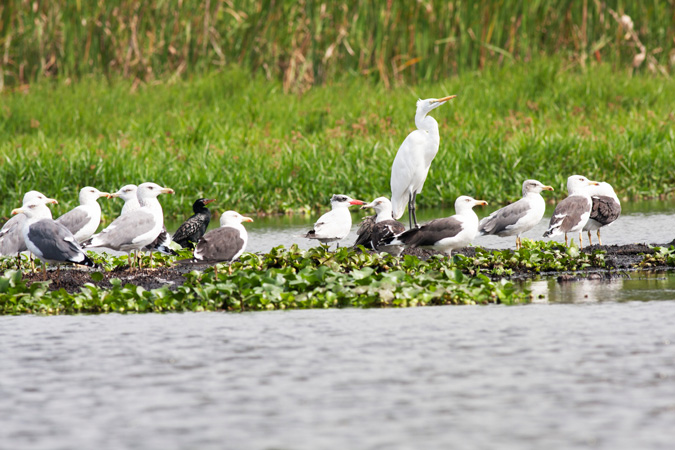
Lutembe Bay, located 4 km off the Entebbe-Kampala highway, is a premier Ramsar site and Important Bird Area (IBA) in Uganda holding over 200 species, including massive flocks of migrating white-winged terns and grey-headed gulls. A 3–4-hour canoe/boat safari offers top sightings of Papyrus Gonolek, Blue-breasted Bee-eater, and rare shorebirds.
30-days-best-uganda-birding-safari-extravaganza-and-wildlife-safari
25-days-complete-uganda-birding-safari-extravaganza-with-wildlife-viewing
22-days-best-uganda-primate-and-birding-safari-adventure
21-days-uganda-birding-safari-extravaganza-to-best-uganda-safari-parks
20-days-uganda-birding-safari-to-uganda-national-park
20-days-uganda-birding-safari-wildlife-gorilla-and-chimpanzee-tracking
14-days-classic-uganda-birding-safari-expedition
12-days-uganda-birding-tour-looking-for-rift-valley-endemic-birds-west-circuit
10-days-best-uganda-birding-safari-and-wildlife-experience
Key Birding Highlights & Best Time
Birdwatching enthusiasts will find Lutembe Bay to be a treasure trove of avian delights, making it a must-visit destination. This vibrant ecosystem is home to a variety of species, providing wonderful opportunities for spotting both resident and migratory birds. Among the key species to look out for, the Papyrus Gonolek stands out with its striking plumage and melodious calls. Birders will also want to keep an eye out for the beautiful Blue-breasted Bee-eater, known for its vivid colors and agile flight.
Other notable species include the White-winged Swamp Warbler, Black Crake, and Purple Heron. The area's freshwater marshland attracts both the Greater and Lesser Swamp Warblers, which can sometimes be heard before they are seen. You’ll also want to watch for various Kingfishers that inhabit the area, with their dazzling hues adding color to the wetlands.
The best time to visit Lutembe Bay for birdwatching is between September and October. During this period, migratory bird populations are at their peak, providing excellent opportunities for observation. From September through March, the bay experiences the highest diversity of bird species, making it an ideal time for both seasoned birders and novices.
Early morning excursions, before 9 AM, are often the most rewarding. Birds are typically more active during these cooler hours, allowing for optimal sightings while also avoiding the midday heat. Ultimately, Lutembe Bay serves as a haven for birdwatchers, combining stunning vistas with the thrill of spotting unique avian species.
Bugoli Adventures
Bugoli Adventures offers an unparalleled birdwatching experience at Lutembe Bay, providing a fantastic platform for nature enthusiasts to explore the region's diverse avifauna. Specializing in creating memorable birding excursions, Bugoli Adventures offers expertly guided tours that focus on the vast variety of bird species inhabiting the area. The combination of knowledgeable guides and diverse habitats enhances the overall experience, making it suitable for birders of all skill levels.
The adventure typically begins with shore walks along the papyrus edges of Lutembe Bay, where guests can catch glimpses of various species in their natural habitat. This leisurely stroll allows for close encounters and opportunities to spot elusive birds hidden amongst the reeds. The guides excel at pointing out key identifying features of each species, enriching the birding experience with informative anecdotes and details.
To explore deeper, quieter waters, Bugoli Adventures also offers motorized canoe rides. These excursions allow for a unique perspective, as you quietly glide through the wetlands while searching for birds. The canoes can navigate to isolated areas where rarer species might be hiding, thus maximizing your chances of a memorable sighting.
The half-day duration of these tours (typically lasting 2 to 4 hours) is ideal for capturing the essence of birdwatching without feeling rushed. Additionally, Bugoli Adventures can easily combine your birding adventure at Lutembe Bay with visits to other nearby birding spots around Kampala, allowing you to extend your exploration while maximizing your time in Uganda's rich ecological tapestry. Whether you are a dedicated birder or just looking to enjoy the beauty of nature, Bugoli Adventures promises an enriching and unforgettable experience.
Safari Logistics
Lutembe Bay is conveniently accessible from Namulanda, located on the Kampala-Entebbe Road, making it a practical option for birdwatchers looking to explore the area without major travel hassles. This proximity allows visitors to seamlessly integrate birdwatching into their travel itinerary, whether they are based in Kampala or are on their way to Entebbe.
Upon arrival, the mix of habitats— from wetlands to papyrus fringes—creates a rich environment perfect for a wide array of bird species. While exploring the bay, visitors can engage in a unique combination of shore walks along the edges of the papyrus marshes, alongside exhilarating motorized canoe rides that traverse deeper into the tranquil waters.
These logistics offer a flexible approach to birdwatching, accommodating various preferences and interests. For those who enjoy leisurely exploration, the shore walks allow for in-depth observation, where guests can focus on identifying species and capturing photographs. Meanwhile, the canoe rides provide an intimate exploration of quieter nooks, enhancing your chances of spotting both common and rare birds.
The recommended duration for birdwatching at Lutembe Bay is typically half a day—around 2 to 4 hours—which is sufficient to enjoy a rewarding experience. However, it can also be perfectly combined with visits to additional birding sites in the vicinity of Kampala. This flexibility allows birders to craft their perfect day while immersing themselves in Uganda's remarkable avian diversity.
For logistics that prioritize convenience, comfort, and enriched experiences, choosing Lutembe Bay as a birding destination with flexible scheduling ensures an unforgettable encounter with nature.
What is the Best Time for a Uganda Birding Safari in Lutembe Island?
The best time for a Uganda birding safari in Lutembe Island is between September and March. This period is particularly rewarding for birdwatchers as it coincides with the arrival of Palearctic migrants, significantly enhancing the species count and overall diversity of birds in the area. During these months, bird enthusiasts can expect to witness an impressive influx of migratory birds, including various waterfowl and shorebirds that find refuge in Lutembe’s rich wetlands.
Birding during this time allows you to observe notable migrant species that journey from as far as Europe and Asia to escape harsh winters. The increase in bird populations during these months reaches historical heights, making Lutembe Bay a vibrant spot for avian enthusiasts. Birdwatchers have reported astonishing levels of activity, allowing for exceptional sightings and photographic opportunities.
The months of January and February are particularly noteworthy, as this is when the migratory populations are at their peak. Additionally, the favorable weather conditions during these months contribute to a more enjoyable birdwatching experience.
While Lutembe offers year-round birding opportunities, timing your visit to coincide with the peak migration season between September and March guarantees a more enriching experience. This period provides a unique blend of local residents and migratory visitors, creating a dynamic atmosphere ideal for avid birdwatchers keen on expanding their species lists.
How Many Bird Species Can I See at Lutembe Bay?
Lutembe Bay is home to an impressive diversity of avian life, with over 300 recorded bird species. This rich biodiversity positions Lutembe as a premier birdwatching destination in Uganda, appealing to both novice and experienced birders. The bay's wetlands offer varied habitats that support countless species, making it possible for birdwatchers to have fulfilling experiences while observing different bird behaviors.
One of the noteworthy aspects of Lutembe Bay is its role as a habitat for 8 out of the 12 Lake Victoria biome endemics found in Uganda. Such a concentration of endemic species elevates the significance of this location for birding. Notable species that birders often seek include the Papyrus Gonolek, Blue-breasted Bee-eater, and a host of different herons and kingfishers.
The sheer number of species and the presence of unique endemics make Lutembe Bay a must-visit for birdwatchers aiming to broaden their understanding of avian diversity in Uganda. The area additionally attracts many migratory birds, enhancing the spectacle during specific seasons, particularly from September to March.
Given this rich tapestry of birdlife, each visit to Lutembe Bay promises varied and thrilling experiences. Birders can look forward to identifying new species and enjoying the natural beauty that the wetlands have to offer, all while contributing to ongoing conversations about conservation and ecological awareness.
What is the Main Birding Highlight of the Area?
The main birding highlight of Lutembe Bay is the massive congregations of White-winged Terns, which are a remarkable sight during the peak migration months. These terns are not only visually striking but also represent an astonishing natural phenomenon, as their populations can swell to over 3.5 million birds at certain times of the year. The visual spectacle of these birds flying in unison or diving for food is a thrilling experience, making it a must-see for birdwatchers visiting the area.
During migration, the bay transforms into a bustling hub of avian activity, creating a fascinating dynamic for bird observers. The presence of these terns, along with an array of other migratory species, offers birdwatchers the chance to witness lively interactions among numerous bird species, further enriching the experience.
Lutembe Bay’s status as a Ramsar site and Important Bird Area (IBA) emphasizes the ecological importance of this region. The conservation efforts in place to protect this wetland ensure that both resident and migratory birds, including the impressive White-winged Terns, continue to thrive.
In addition to the terns, birding highlights include unique local species and the opportunity to see other migratory birds. The combination of these factors makes Lutembe Bay a focal point for birding enthusiasts eager to witness this extraordinary avian congregation, solidifying its reputation as one of Uganda's premier birdwatching destinations.
Is Lutembe Bay a Protected Area?
Yes, Lutembe Bay is both a designated Ramsar site and an Important Bird Area (IBA), emphasizing its ecological significance as a wetland of international importance. The designation as a Ramsar site underscores the global importance of conserving this unique habitat, which supports a diverse range of species, particularly migratory birds.
This protected status not only helps ensure the conservation of avian populations but also plays a crucial role in safeguarding the overall health of the wetland ecosystem. Conservation initiatives at Lutembe focus on promoting sustainable tourism while protecting habitats from environmental threats, allowing for continued biodiversity in the region.
The recognition of Lutembe Bay as an IBA highlights its role as a critical habitat for various bird species, many of which are threatened or endangered. Preservation efforts are aimed at maintaining this ecological haven, ensuring that it remains a sanctuary for birdlife and a resource for local communities.
Birdwatchers visiting Lutembe Bay can appreciate the natural beauty and biodiversity while being mindful of their impact on the environment. Engaging in responsible birding practices contributes to the ongoing conservation efforts that keep Lutembe thriving. The protected status of the area fosters an enriching birdwatching experience while highlighting the importance of preserving such vital ecosystems for future generations.
How Do I Get to Lutembe Island for Birding?
Getting to Lutembe Bay is relatively straightforward, thanks to its convenient location just 4 km off the Entebbe–Kampala highway at Namulanda. This proximity to major urban centers makes it highly accessible for birdwatchers and nature enthusiasts. Typically, it’s about a one-hour drive from Kampala, allowing visitors to quickly reach the wetlands and immerse themselves in birdwatching activities.
Upon arriving at Lutembe, visitors can expect a warm welcome and opportunities to engage in various birding methods, including canoe rides in the wetlands. The nearby roads provide easy access to different habitats, including papyrus swamps and open waters, enriching the overall experience.
For those traveling from Entebbe, the journey is equally straightforward, since Lutembe is closely situated to the town. Public transport options and private taxi services are available, making the site accessible for tourists and locals alike.
Once you arrive, preparation and local guidance are critical for the best birding experience. Engaging a local guide can ensure that birdwatchers are taken to the prime viewing spots and provide meaningful insights into the unique avian and ecological characteristics of the area.
Whether you’re visiting for a half-day or planning a more extended stay, the accessibility of Lutembe Bay makes it an attractive choice for those keen on witnessing the vibrant birdlife of Uganda.
What Birding Methods are Used at Lutembe?
Birding at Lutembe Bay employs a combination of methods designed to maximize sightings and provide a rewarding experience. Motorized local canoes are among the primary means of birdwatching in the area. This method allows birders to navigate through the papyrus and reed edges, bringing them closer to their target species while minimizing disturbance to the wildlife.
The flexibility of boat access enables observers to explore deeper into areas that may be inaccessible by foot, enhancing opportunities to spot both resident and migratory birds. Gliding silently through the wetlands offers a unique vantage point, allowing for intimate glimpses of various species in their natural habitats.
Later in the morning, birding continues on foot along the wetland edges and through woodland thickets. Walking allows for a more grounded experience, enabling birders to observe birds at their leisure and engage in detailed identification processes. This method also increases the likelihood of spotting ground-dwelling species or those seeking shelter in nearby vegetation.
The combination of canoe rides and shoreline walks provides a comprehensive birdwatching experience, allowing enthusiasts to engage with the multifaceted ecosystems of Lutembe Bay. This multipronged approach caters to varying interests and preferences within the group, ensuring that everyone has plentiful opportunities for memorable bird sightings.
What Time of Day Should I Start My Safari?
Starting your birding safari at Lutembe Bay early in the morning, ideally around 6:00 AM, is crucial for maximizing your chances of seeing a diverse array of birds. This timing allows birdwatchers to catch birds during their peak activity hours, when many species are actively feeding and vocalizing. The morning air is generally cooler, and the early light provides optimal conditions for both birdwatching and photography.
As the sun rises, birds tend to engage in various behaviors such as foraging, singing, and displaying, making this time ideal for observation. Many species are more approachable and active during these cooler hours, offering valuable opportunities to spot numerous bird species in their natural environments.
In contrast, activity levels often decline as the sun climbs higher and temperatures rise, with many birds seeking shade or retreating into cover. Midday and afternoon birding can still yield sightings, but the conditions are far less favorable than in the early morning.
Planning to begin your birding safari at dawn not only heightens the chances for successful sightings, but also sets a peaceful tone for the day as the natural world awakens. This strategic timing allows birders to absorb the beauty of Lutembe Bay while witnessing the exhilarating avian interactions that characterize this vibrant wetland ecosystem.
Can I See the Shoebill Stork at Lutembe Bay?
While Lutembe Bay serves as a favorable habitat for various bird species, including those that make up the Shoebill Stork’s diet, sightings of this iconic bird are relatively rare compared to other locations like Mabamba Swamp. The Shoebill is known for its distinctive appearance and unique fishing technique, making it a highly sought-after species for birdwatchers.
The presence of lungfish, a critical part of the Shoebill's diet, does make Lutembe a suitable environment, but the birds themselves tend to be more elusive in this area. The need for stealthy observation becomes essential when seeking to spot a Shoebill, and the dense papyrus can make visibility challenging.
To increase your chances of seeing a Shoebill, many birders choose to pair their visit to Lutembe with a trip to the Uganda Wildlife Education Centre (UWEC). This pairing can enhance the likelihood of successful sightings, as UWEC is known for having a population of Shoebills, making it a reliable location to meet this remarkable species.
For dedicated birders focused on seeing the Shoebill, planning an itinerary that includes both Lutembe Bay for its diverse birdlife and the UWEC for the chance to observe the Shoebill in a more controlled environment is recommended. This strategy provides the best of both worlds, enriching the overall birdwatching experience.
What are Some Common Waterbirds Found Here?
At Lutembe Bay, birdwatchers will be delighted by a wealth of common waterbirds that inhabit the wetlands. Among the notable species are the African Openbill, recognized by its distinctive curved bill that is expertly adapted for feeding on snails and other aquatic invertebrates. The African Jacana is another highlight, easily distinguishable by its striking plumage and long toes that allow it to tread softly across floating vegetation.
Birders may also spot the Malachite Kingfisher, a small and colorful bird often seen perched along the water's edge, and the impressive Goliath Heron, which stands as one of the tallest heron species in the world. These species contribute to the rich tapestry of life at Lutembe Bay, making every visit an engaging experience.
Common ducks, geese, and plovers can also be observed along the muddy islands, providing additional diversity to the birdwatching experience. Such variety creates ideal situations for birders to engage in identification challenges and to appreciate the unique behaviors of each species.
The combination of abundant aquatic habitats and a range of food sources supports these waterbird populations, and their presence allows birdwatchers to enjoy moments of intrigue and discovery. The chance to observe these common waterbirds amid the stunning backdrop of Lutembe Bay makes each outing a fulfilling adventure for bird enthusiasts.
Are There Any Specific "Special" Birds to Look For?
When birdwatching at Lutembe Bay, several "special" birds stand out as must-see species for enthusiasts. Among these is the Papyrus Gonolek, a striking bird with vibrant yellow and black plumage that is highly sought after by birders. Its unique habitat within the papyrus swamps makes it a rewarding find for those willing to explore this specific ecosystem.
Another notable species to watch for is the Blue-breasted Bee-eater, known for its vivid coloration and acrobatic flights. These birds are often observed catching insects in mid-air, adding excitement to the birdwatching experience. The White-winged Swamp Warbler is also a highlight, residing in the dense reed beds of Lutembe and making it another exciting target for birders hoping to expand their lists.
The habitat makes Lutembe a great spot for spotting other interesting species, and focusing on these special birds can turn a typical birding outing into a memorable adventure. The diversity of habitats within the Bay, including the papyrus swamps and wetland edges, increases the likelihood of encountering these special species.
By keeping an eye out for these unique birds, visitors can deepen their appreciation for Uganda's rich avifauna. Paying attention to specific habitats and behaviors will enhance the overall experience, allowing birders to connect more meaningfully with the remarkable wildlife at Lutembe Bay.
What Should I Pack for My Uganda Birding Safari in Lutembe Island?
Preparing adequately for a birding safari in Lutembe Island enhances the overall experience and ensures you have everything needed to enjoy the diverse avian life. Essential gear includes a good pair of binoculars for spotting birds at a distance and a camera with extra batteries to capture the breathtaking sights. A field guide specific to the region can also be invaluable for identifying species as you encounter them.
Clothing should be practical and suited for outdoor activities. Neutral-colored clothing such as khaki or olive is recommended, as it helps you blend into the environment, minimizing disturbances to wildlife. This type of attire adds comfort while exploring the sometimes rugged terrains of the wetlands.
Footwear is another essential consideration. Sturdy, waterproof hiking boots are advisable for traversing wetland edges, providing support and protection against muddy paths. Comfortable sandals are also suitable for the boat rides and short walks along safe areas.
In addition, packing insect repellent is critical due to the presence of mosquitoes in swampy areas. A wide-brimmed hat and sunglasses help protect against sun exposure, particularly during midday outings.
Lastly, bringing along snacks and water will keep you energized throughout your birdwatching adventure. Proper preparation ensures that you can immerse yourself fully in the experience, creating memorable moments while observing the incredible birdlife in Lutembe Bay.
What Kind of Footwear is Best?
For a birding safari in Lutembe Bay, choosing the right footwear is critical for comfort and safety. Sturdy, waterproof hiking boots are highly recommended for exploring the wetland edges. These boots offer the necessary support for uneven terrains, providing comfort during long hours of walking. Their waterproof nature protects your feet from muddy pathways and occasional water splashes, allowing you to navigate the marshy environment without worry.
In addition to hiking boots, comfortable sandals are also a practical choice for the boat rides and short walks in drier areas. Sandals allow for breathability and ease, especially during warmer months. However, it is essential to ensure that they have gripping soles to prevent slipping while boarding or disembarking from canoes.
Regardless of the footwear chosen, opting for shoes that fit well and are broken in before the trip will enhance overall comfort. Ensure your selection is appropriate for the activities at hand—whether hiking or boating—so you can focus fully on the rich birdwatching experience Lutembe Bay has to offer.
Overall, the right footwear not only plays a crucial role in keeping you comfortable during your safari, it also enables you to navigate the diverse habitats of Lutembe Bay effectively, further enriching your adventure in Uganda’s captivating wetlands.
Is it Safe to Go Birding in Lutembe?
Yes, generally speaking, it is safe to go birding in Lutembe Bay. The area is a well-known ecotourism site frequented by both local and international visitors, and it has established a good reputation for safety and accessibility. However, to ensure a smooth and enriching experience, it is highly recommended to use a local guide.
Local guides bring extensive knowledge of the area and expertise in navigating its complex ecosystems. They understand the behaviors of various species and can significantly enhance your chances of spotting a diverse range of birds. Their familiarity with the terrain and birding hotspots minimizes the risk of getting lost and adds depth to your understanding of the environment.
While navigating the wetlands, it is wise to take standard precautions, such as carrying insect repellent to guard against mosquitoes prevalent in swampy areas. Wearing appropriate clothing and footwear also helps ensure comfort and safety during your excursions.
Interactions with local communities can enrich your experience, as guides often share insights about the region’s ecological significance and local culture. Overall, by employing a local guide and taking necessary precautions, birding in Lutembe Bay can be an enjoyable and safe adventure for all who visit.
Can I See Other Wildlife Besides Birds?
Yes, Lutembe Bay is not just a haven for birdwatchers; it is also home to a diverse array of wildlife that enriches the overall experience of the wetland ecosystem. Visitors can expect to spot various mammals, reptiles, and insects among the flourishing habitats.
One of the notable mammals you might encounter is the Sitatunga, a semi-aquatic antelope that thrives in swampy environments. Their intrinsic adaptations allow them to navigate the marshlands effectively, often spotted grazing near the water’s edge. Additionally, otters may be seen frolicking or resting along banks, providing delightful interactions for those lucky enough to observe them.
Reptile enthusiasts will also find joy in spotting monitor lizards basking in the sun or camouflaged among the reeds. Their presence adds an intriguing layer to the biodiversity of Lutembe Bay. Visiting during warmer months offers the added chance to see various reptiles, especially in the morning light.
Besides these mammals and reptiles, the wetland is a vibrant habitat for a multitude of insect species, including butterflies and dragonflies. These colorful insects contribute to the overall beauty of the bay and may catch the eye of keen observers.
The diverse wildlife beyond just birds makes every visit to Lutembe Bay a multifaceted adventure, ensuring that nature lovers come away with memorable experiences of a rich and thriving ecosystem. Engaging with all aspects of wildlife in the area enhances your appreciation for the ecological systems that sustain both birds and other creatures.
How Long Does a Typical Birding Excursion Last?
Most travelers who visit Lutembe Bay for birdwatching typically opt for a half-day excursion. This duration usually spans about 3 to 4 hours and is generally sufficient for experiencing the rich avian diversity and stunning landscapes that Lutembe has to offer. A half-day trip allows birders to efficiently explore the wetlands, engage in both canoe and shore-based birding, and maximize their chances of observing various species without feeling rushed.
For those looking for a more immersive experience, a full-day excursion can be an excellent choice. This extended trip allows for in
Booking Uganda birding safari with us Roads of Adventure safaris
Book your tailored Uganda birding safari with Roads of Adventure Safaris to explore top birding destinations like Murchison Falls and Mabamba Swamp. With expert guides, we offer 3–25-day itineraries focusing on spotting the Shoebill, Albertine Rift endemics, and over 1,000 recorded species, combining expert birding with 4x4 transport, quality accommodation, and sustainable, personalized tours. Contact us to plan an unforgettable ornithological adventure!
