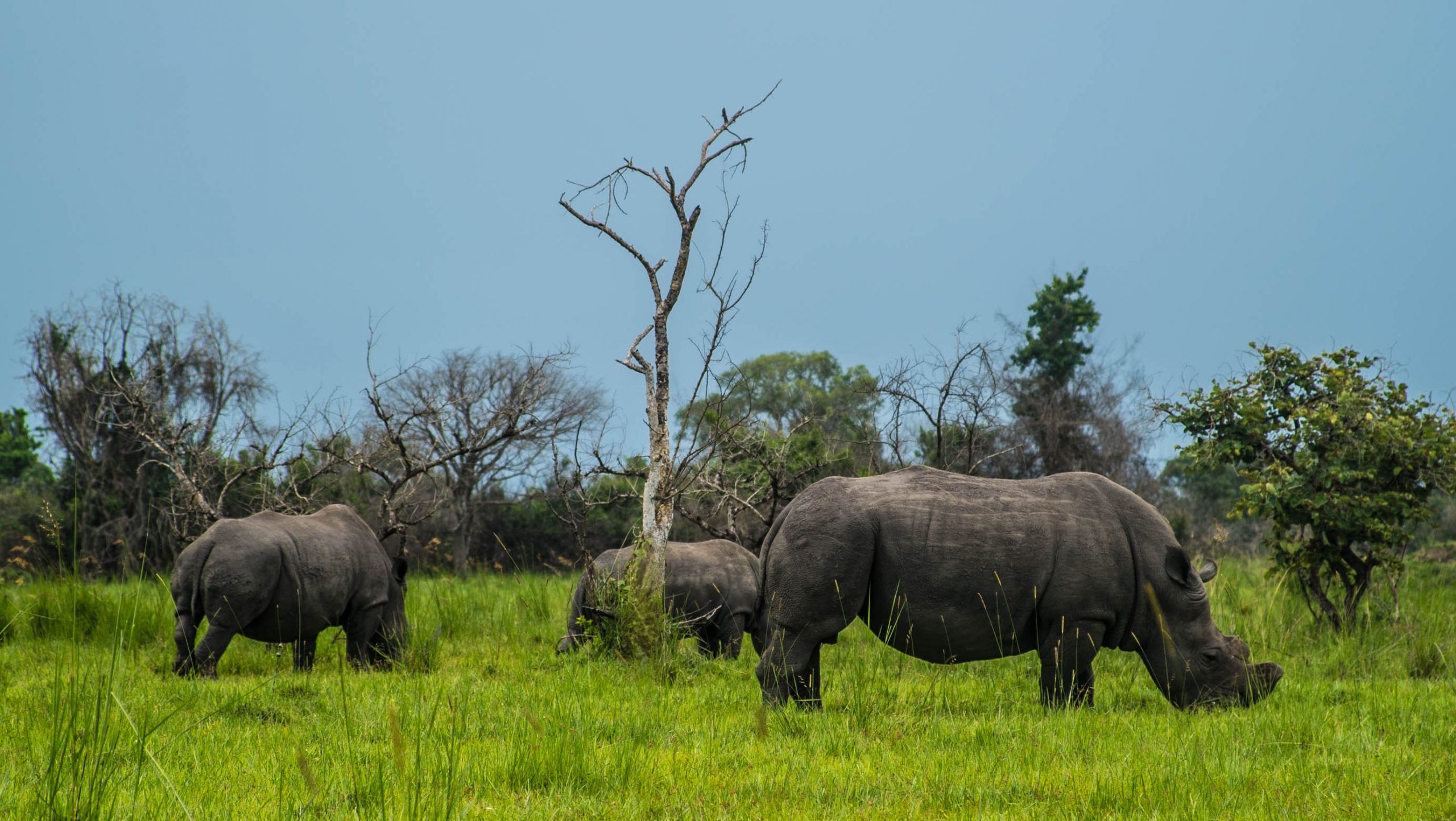
Uganda Big Five safaris offer a unique opportunity to witness lions, leopards, rhinos, elephants, and buffaloes in their natural habitats, specifically combining savannah game drives with specialized rhino tracking. The best time for a Uganda Big Five safari is during the dry seasons (June-August, December-February) to maximize spotting opportunities.
3-days-murchison-falls-via-ziwa-rhino-sanctuary-uganda-wildlife-safari
1-day-intimate-ziwa-rhino-sanctuary-uganda-safari-tour
4-days-luxury-murchison-falls-and-jinja-uganda-safari-vacation
4-days-murchison-falls-and-chimpanzee-tracking-in-budongo-forest
5-day-best-safaris-to-uganda-kidepo-and-murchison-falls-national-parks
6-days-best-of-murchison-and-kidepo-uganda-safari-via-ziwa
7-days-africa-big-five-safari-in-uganda-and-gorilla-trekking-and-chimpanzee-tracking
8-days-exclusive-gorilla-trekking-chimpanzee-and-big-five
8-days-best-africa-big-five-safari-in-uganda-and-primate-safari-experience
9-days-luxury-gorilla-and-uganda-safari-tour-package
10-days-uganda-safari-all-big-five-gorilla-and-chimpanzee-tracking-adventure
15-days-africa-big-five-safari-in-uganda-and-primate-vacation
Animals Included in Uganda Big Five Safaris
The term "Big Five" refers to five of Africa's most iconic and sought-after wildlife species: the African lion, leopard, elephant, buffalo, and rhinoceros. Originally coined by big-game hunters, this term highlights species that were particularly valuable for their size and the challenge they presented to hunt. Today, the Big Five are central to wildlife tourism, and Uganda is home to all five, making it an exciting destination for safaris.
The African lion, known for its majestic mane and group behavior, holds a notable place in Uganda's ecosystems, often found in savannah habitats within national parks like Queen Elizabeth. Leopards are more elusive, thriving in various environments and showcasing their adaptability. Precious to conservation efforts, the Southern White Rhino can be seen up close at Ziwa Rhino Sanctuary, where active breeding programs support their recovery.
The African elephant, known for its intelligence and social structure, roams the grasslands, while the African buffalo remains an important species due to its size and strength. Each of these animals plays a critical role in the ecosystem, contributing to biodiversity while attracting wildlife enthusiasts eager to observe them in their natural habitats. Safaris in Uganda provide a unique opportunity to witness these majestic creatures, fostering appreciation for wildlife conservation and the ecological balance they represent.
Tourists can delve into the rich diversity of Ugandan wildlife, discovering habitats and behaviors unique to each of the Big Five. Adventure-seekers and photographers alike find joy in the thrill of spotting these animals, each encounter offering insights into their lives and the conservation challenges they face. Ultimately, the Big Five represent not just the allure of African wildlife but also the call to preserve and protect these magnificent species for future generations.
Best Place to See Rhinos During Uganda Big Five Safaris
The Ziwa Rhino Sanctuary is currently the only place in Uganda where visitors can see rhinos in a wild, protected setting. Spanning over 7,000 acres of pristine, natural habitat, the sanctuary was established specifically to facilitate the protection and breeding of Southern White Rhinos, a species once nearly extinct in Uganda due to poaching and habitat loss. Since its inception, the sanctuary has become a beacon of hope for conservationists dedicated to restoring the rhino population.
At Ziwa, guided rhino tracking experiences offer a unique opportunity for visitors to observe these majestic creatures up close while learning about their behavior and conservation efforts. The sanctuary is home to over 30 rhinos, allowing for both educational and immersive experiences as visitors traverse the land on foot with experienced rangers. This guided aspect enriches the experience, providing valuable insights into rhinos' habitats and needs.
In addition, Ziwa Rhino Sanctuary plays a vital role in raising awareness about the challenges faced by rhinos, emphasizing the importance of wildlife conservation. The sanctuary collaborates with local communities to promote the value of protecting these magnificent animals, thereby securing the future of the species.
For anyone embarking on Uganda's Big Five safaris, a visit to Ziwa Rhino Sanctuary is essential. It fills the gap in the journey to see the full representation of the Big Five, offering a distinct experience that enriches the overall safari adventure. The sanctuary not only provides a chance to see rhinos but also to understand the larger narrative of conservation in Uganda, making it an unmissable stop for wildlife enthusiasts.
Can I See All the Animals on a Single Park Visit During Uganda Big Five Safaris?
No single national park in Uganda currently hosts all five of the Big Five animals. To experience the full ensemble—African lions, leopards, elephants, buffalo, and rhinoceroses—it is necessary to combine visits to different parks. The Ziwa Rhino Sanctuary is the only location where visitors can see rhinos in a safe environment, while the savannah parks host the other species.
Murchison Falls National Park is one of the primary destinations for spotting elephants, lions, and a variety of other wildlife. Its expansive landscapes and diverse habitats provide ample opportunities for wildlife viewing. Additionally, Queen Elizabeth National Park is another key site for encountering the Big Five, particularly renowned for its prides of lions and the famous tree-climbing lions found in the Ishasha sector.
Kidepo Valley National Park is yet another prime location, known for its stunning landscapes and a plethora of wildlife, including elephants and buffalo. Each park has its unique ecosystems and advantages for spotting specific animals, enhancing the overall safari experience. Therefore, a well-rounded itinerary should include multiple parks to maximize wildlife sightings.
Combining visits to these habitats allows visitors not only to encounter all five species but also to appreciate Uganda's diverse wildlife landscapes. Such itineraries typically involve travel arrangements and varied experiences, such as boat safaris on the Nile or game drives, making it essential to plan accordingly to ensure a fulfilling adventure.
Top Destinations for Uganda Big Five Safaris
When embarking on Uganda's Big Five safaris, several national parks stand out as top destinations. The most notable include Murchison Falls National Park, Queen Elizabeth National Park, and Kidepo Valley National Park. Each of these parks offers unique opportunities for wildlife viewing, ensuring that visitors can witness the remarkable diversity of Uganda's ecosystems.
Murchison Falls National Park is the largest in Uganda and a prime location for spotting elephants, lions, and giraffes. The park’s features include the dramatic Murchison Falls, where the Nile plunges into a gorge, offering stunning backdrops for game drives and boat cruises. The array of wildlife, including a variety of birds, makes it a must-visit for nature lovers.
Queen Elizabeth National Park, famous for its tree-climbing lions in the Ishasha region, provides another fantastic setting to view the Big Five. Additionally, the park's diverse ecosystems—from savannah landscapes to crater lakes—offer myriad opportunities for wildlife sightings, making the park rich in biodiversity. A boat cruise on the Kazinga Channel offers a chance to see hippos, crocodiles, and numerous bird species while snooping for big game along the shores.
Kidepo Valley National Park, located in the northeast, is less frequented but boasts stunning scenery and abundant wildlife. It’s a remote gem for spotting elephants, buffalo, and a variety of other species, presenting a true wilderness experience. Its unique landscapes make for incredible photography opportunities.
Together, these parks provide a comprehensive experience for anyone eager to see Uganda’s Big Five. Each park offers distinct features and advantages for wildlife sightings, enriching the overall experience for every visitor.
Best Time of Year to Go on Uganda Big Five Safaris
The optimal time to embark on Uganda Big Five safaris is during the dry seasons, typically from June to September and December to February. During these months, wildlife sightings are significantly enhanced due to the lower vegetation density and reduced foliage, making it easier to spot animals as they gather around water sources for hydration.
The dry season presents a favorable environment for wildlife viewing, as many animals tend to be more active and visible. With less vegetation obscuring views, experienced guides can navigate through the parks more effectively, leading tourists to the best spots for observing elephants, lions, and other animals in their natural habitats. Additionally, the movement of animals toward water allows for concentrated wildlife encounters, maximizing the safari experience.
Another advantage of the dry months is the generally more pleasant weather conditions, with lower humidity and fewer rain-related disruptions. This facilitates comfortable game drives and outdoor activities, allowing for longer exploration periods. In contrast, the wet season from March to May can make some roads impassable and may deter some travelers due to the increased likelihood of rain.
Although the wet months can offer lush scenery and it's a good time for birdwatching, those specifically seeking to see the Big Five and engage in all-encompassing safari activities will find the dry seasons far superior. Overall, planning a safari during these conducive periods will enhance your chances of witnessing the full display of Uganda's incredible wildlife.
Typical Cost for Uganda Big Five Safaris
The cost of Uganda Big Five safaris can vary widely depending on various factors, including the length of the safari, the level of luxury, and the specific activities included. On average, travelers can expect to pay anywhere from approximately $600 to over $3,500 per person for packages ranging from 3 to 5 days.
Basic packages may provide budget accommodations and fewer activities, catering to travelers looking for adventure without a hefty price tag. These typically cover essential services like guided tours, park entrance fees, and basic lodging. Mid-range packages often include upgraded accommodations and additional amenities, such as meals and guided activities, making them a popular choice for many safari-goers.
For those seeking a luxurious experience, premium options are available that include lavish lodges or tented camps, gourmet meals, and exclusive guided experiences. These packages promise a more personalized and comfortable safari experience, providing the utmost convenience and attention to detail.
Additional costs associated with the safari could include tips for guides, specialized excursions like boat safaris or hot air balloon rides, and optional activities such as gorilla trekking—an experience many travelers choose to add to their itinerary.
To summarize, while the price of Uganda Big Five safaris can vary significantly, a well-planned budget will allow you to tailor the experience to suit your preferences and ensure a fulfilling journey through Uganda’s breathtaking wildlife landscapes.
Are There Tree-Climbing Lions to See During Uganda Big Five Safaris?
Yes, the Ishasha sector of Queen Elizabeth National Park is world-famous for its remarkable tree-climbing lions. These unique lions have developed the intriguing habit of climbing fig trees, particularly during the hotter hours of the day, to seek refuge from the heat, evade biting flies, and enjoy cooler breezes. This behavior has captivated wildlife enthusiasts and photographers alike, making it a highlight of many safaris in Uganda.
The Ishasha area is not only home to these iconic tree-climbing lions but also boasts a diverse range of wildlife, including elephants, buffalo, and various antelope species. Visitors venture into the park's lush savannah and dense woodlands in search of these elusive felines, often encountering them lounging among the branches or descending in search of prey.
The opportunity to witness tree-climbing lions against a backdrop of the scenic landscape elevates the safari experience, making it memorable. Guides trained in tracking and wildlife behavior enhance the chances of locating these lions, sharing valuable insights into their habits and habitats.
In addition to the lions, Queen Elizabeth National Park offers other activities, such as boat cruises on the Kazinga Channel, which provide a chance to see hippos, crocodiles, and numerous bird species. Combining these experiences allows visitors to appreciate the diverse ecosystem of this renowned park fully.
Due to their unusual behavior, tree-climbing lions add a unique dimension to Uganda's Big Five safaris, drawing adventure seekers eager to see wildlife in an extraordinary setting. This makes a trip to the Ishasha sector a must for anyone aiming to experience the rich tapestry of Uganda's wildlife.
Is It Possible to Track Rhinos on Foot During Uganda Big Five Safaris?
Yes, it is indeed possible to track rhinos on foot as part of Uganda's Big Five safaris, specifically at the Ziwa Rhino Sanctuary. This unique experience allows visitors to engage with one of Africa's most endangered species—Southern White Rhinos—in their natural, protected habitat. Guided by experienced rangers trained in wildlife behavior and conservation, participants can embark on thrilling rhino tracking adventures.
During these foot-tracking excursions, visitors are accompanied by knowledgeable rangers who offer insights into the rhinos' behavior, ecology, and conservation efforts. This intimate experience enriches the understanding of the critical work being done to protect rhinos and their habitats. Tracking on foot creates an exciting dynamic, as participants not only have the chance to observe rhinos up close but also gain awareness of the entire ecosystem, including other wildlife and plant species.
Typically, guided tracking experiences last between 1.5 to 2.5 hours, allowing adequate time for exploring the sanctuary and potentially encountering multiple rhinos. Under the supervision of professional guides, visitors learn the best practices for approaching wildlife safely and respectfully while maintaining a safe distance to minimize disturbance to the animals.
The chance to track rhinos on foot adds a thrilling dimension to any safari itinerary. This experience not only provides an opportunity to witness these magnificent creatures but also contributes to the overarching goals of wildlife conservation within Uganda. The sanctuary’s efforts emphasize the importance of preserving biodiversity and ensuring that future generations can experience the wonder of rhinos in the wild.
Can I Combine Gorilla Trekking with My Uganda Big Five Safaris?
Absolutely! Many travelers choose to combine gorilla trekking with their Uganda Big Five safaris, creating a comprehensive wildlife adventure that captures the essence of Uganda’s extraordinary biodiversity. Gorilla trekking typically occurs in Bwindi Impenetrable National Park or Mgahinga Gorilla National Park, both of which are renowned for their population of endangered mountain gorillas.
Incorporating gorilla trekking into a Big Five safari adds a unique and exhilarating element to your itinerary. While the Big Five focuses on majestic African mammals like lions, elephants, and rhinos, gorilla trekking offers a deeply immersive experience, allowing visitors to observe these gentle giants in their natural habitat. The trek itself is both challenging and rewarding, leading travelers through majestic forests and rugged landscapes to find gorilla families.
The typical itinerary allows for a seamless transition between locations. For example, visitors may start their journey at Ziwa Rhino Sanctuary to see rhinos before traveling to Bwindi for an unforgettable gorilla trekking experience. Each activity offers its own set of challenges and rewards, amplifying the safari adventure as travelers explore various ecosystems.
While planning this combination, it’s essential to allow enough time for each activity, as gorilla trekking requires physical stamina and can take several hours. Therefore, dedicating a minimum of 5 to 7 days for your safari will provide ample opportunity to fully enjoy both the Big Five experience and the breathtaking encounter with mountain gorillas.
Combining gorilla trekking with Big Five safaris not only enhances the richness of the journey but also fosters a greater appreciation for wildlife conservation in Uganda, contributing to the efforts necessary to protect these incredible species.
What Are the "Golden Hours" for Sightings During Uganda Big Five Safaris?
The "golden hours" for wildlife sightings during Uganda's Big Five safaris are typically early morning, from around 6:00 AM to 9:00 AM, and late afternoon, from approximately 4:00 PM to 6:30 PM. During these times, wildlife activity tends to peak, making it the best opportunity to observe animals in their natural habitats.
In the early morning, animals are often active after the cooler nighttime temperatures, making it an ideal time to spot predators like lions and leopards as they hunt or move about. Many herbivores also graze early, providing an excellent chance for sightings as they come out to feed before the heat of the day sets in.
As the sun rises and temperatures begin to climb, many animals take refuge in the shade, becoming less active. This cooling-off period typically lasts until late afternoon, when wildlife resumes normal activities, making the evening a fantastic time for safari tours. The warm colors of sunset also provide a visually stunning backdrop for wildlife observation and photography, enhancing the overall experience.
Guides experienced in local wildlife patterns maximize viewing opportunities by planning game drives around these active hours. Visitors can capture incredible moments as animals move about, engage in social behaviors, and interact within their groups.
By optimizing your safari schedule to align with these golden hours, you not only increase your chances of witnessing captivating wildlife encounters but also enjoy the natural beauty of Uganda's landscapes at their finest times. Ultimately, the golden hours transform a safari experience, enriching the adventure in this breathtaking country.
How Long Should I Plan for My Uganda Big Five Safaris to See Everything?
To fully appreciate the diverse wildlife and ecosystems available during Uganda's Big Five safaris, a minimum of 5 days is recommended. This timeframe allows travelers to explore multiple parks, including Ziwa Rhino Sanctuary and the major savannah parks such as Murchison Falls National Park, Queen Elizabeth National Park, or Kidepo Valley National Park.
A well-structured 5-day itinerary enables a combination of activities that captures the essence of Uganda's wildlife offerings. For example, visitors can begin with a guided rhino tracking experience at Ziwa, providing a rare opportunity to see rhinos up close in a protected environment. From there, you can head to Murchison Falls National Park, where game drives present the chance to see elephants, lions, giraffes, and more, while a boat cruise along the Nile provides spectacular views of hippos and crocodiles.
Continuing the journey to Queen Elizabeth National Park allows for additional wildlife interactions, including the famous tree-climbing lions in the Ishasha sector. The park’s varied landscapes enhance the overall experience, offering opportunities for boat rides, bird watching, and hiking.
If time permits, extending the trip to include gorilla trekking in Bwindi Impenetrable National Park or Mgahinga Gorilla National Park is highly recommended. This unique experience immerses visitors in the extraordinary world of mountain gorillas, providing a memorable highlight to any safari.
Ultimately, allowing at least 5 days increases the likelihood of witnessing an array of wildlife while also accommodating travel time between different locations, ensuring a fulfilling and engaging safari experience in Uganda.
Which Animal is the Most Difficult to Spot During Uganda Big Five Safaris?
Among the Big Five, the leopard is generally considered the most elusive and challenging animal to spot during Uganda's safaris. Known for its solitary and nocturnal nature, the leopard often prefers dense foliage and tree canopies, making it harder for wildlife enthusiasts to observe. Their spotted coats provide natural camouflage, allowing them to blend seamlessly into their surroundings and evade detection.
Leopards are generally more active during dawn and dusk, a behavior known as crepuscular activity. This further complicates sightings, as many safari guides focus on daytime excursions when wildlife is generally more visible. Even during the golden hours of early morning or late afternoon, the leopard's tendency to remain hidden can make spotting one a rare and memorable event.
In addition to their shrouded behavior, leopards are known for their adaptability and create complex territories that extend across a range of habitats, from savannahs to forests and mountainous regions. This wide-ranging movement makes finding them unanticipated at times, as they traverse vast areas in search of prey.
For those eager to spot leopards, it is essential to remain patient and maintain a keen eye during safari excursions. Engaging with knowledgeable guides can also amplify the chances of encountering these stunning cats, as they can identify signs of leopard activity and lead you to areas where they are likely to be found.
Despite the challenges in spotting leopards, their beauty and grace add a compelling aspect to the safari experience, making any encounter undeniably special. Wildlife enthusiasts who succeed in locating leopards often leave with lasting memories and a deeper appreciation for the incredible adaptability of these magnificent predators.
Are Boat Cruises Included in Uganda Big Five Safaris?
Yes, boat safaris are often included in Uganda Big Five safaris, offering an exceptional opportunity to see wildlife from a unique vantage point. The Kazinga Channel, which runs through Queen Elizabeth National Park, is particularly renowned for its rich variety of wildlife. Excursions along this channel often allow visitors to observe large herds of elephants and buffalo as they gather at the water’s edge to drink and bathe.
The experience of a boat cruise is not only enjoyable but also enriching; it provides a different perspective on Uganda's ecosystems. From the boat, guests may encounter an array of wildlife including hippos, crocodiles, and various bird species such as the majestic African Fish Eagle and vibrant Kingfishers. These cruises typically last about 1 to 2 hours and are guided by knowledgeable rangers who share insightful information about the local flora and fauna.
In Murchison Falls National Park, boat trips along the Nile River offer another spectacular wildlife viewing opportunity, culminating in breathtaking views of the famous Murchison Falls. The noise and mist produced by the falls create a stunning backdrop for any safari experience.
Incorporating boat cruises into your Big Five safari itinerary enriches the adventure and enhances wildlife sightings, allowing participants an opportunity to relax while enjoying Uganda’s natural beauty. This added element of exploration offers memorable moments and exceptional opportunities for photography, making it a highlight of many safari experiences in Uganda.
Is It Safe for Children to Go on Uganda Big Five Safaris?
Yes, most Uganda Big Five safaris are designed to be family-friendly, allowing parents to share the remarkable adventure of wildlife viewing with their children. However, it’s important to note that certain activities, such as walking safaris, may have age restrictions, often only allowing children aged 6 to 12 years or older.
Family-oriented safari tours typically include accommodations and activities tailored to ensure that all family members can enjoy the experience safely. Many lodges and camps located within or near national parks offer child-friendly amenities and services. Furthermore, the guides are usually experienced in handling family groups and can adjust the pace and activities to accommodate younger travelers.
For children, seeing wild animals in their natural habitats can be incredibly exhilarating and educational. The excitement of spotting a lion or witnessing a herd of elephants up close often makes for lasting memories. However, it is essential for parents to prepare their children adequately for the experience. Discussing safari etiquette, the importance of staying quiet during wildlife viewing, and following instructions from guides can enhance the experience for everyone involved.
Parents should also consider packing appropriate gear, ensuring children wear comfortable and suitable clothing, hats, and sunscreen. Bringing along binoculars can enhance the experience by allowing kids to feel more engaged in wildlife spotting.
Overall, while Uganda Big Five safaris can be a fantastic experience for families, it is vital to be mindful of safety and age restrictions to ensure an enjoyable adventure for all.
What Should I Pack for My Uganda Big Five Safaris?
Packing appropriately for a Uganda Big Five safari is crucial to ensure comfort and convenience throughout your adventure. Essential items include neutral-colored clothing, which helps blend into the natural surroundings and minimizes disturbance to wildlife. Lightweight, breathable fabrics are preferable, as temperatures can fluctuate significantly throughout the day, with cooler mornings and warm afternoons.
A wide-brimmed hat and sunglasses are also important to protect against the sun’s rays. Additionally, a high-quality sunscreen with a high SPF is essential, especially during game drives under the African sun. These items help prevent sunburn and ensure you can fully enjoy your outdoor experiences.
Binoculars are another important accessory for wildlife viewing, enhancing your ability to spot distant animals and study their behaviors without disturbing them. A good camera with a zoom lens is highly recommended for capturing stunning photographs of wildlife and landscapes. Personal devices such as phones or action cameras should also have protective cases, especially if you plan on taking them during boat safaris or adventurous activities.
You should also pack a reusable water bottle to stay hydrated throughout your safari. Many lodges provide fresh water, encouraging environmentally responsible practices. Finally, consider bringing a small backpack for day trips, allowing for easy carrying of personal items and snacks.
By preparing thoughtfully, you can maximize your enjoyment and comfort during your Uganda Big Five safari. Being equipped with the right essentials ensures that you have an unforgettable experience as you immerse yourself in Uganda’s breathtaking wildlife and landscapes.
Why Are These Specific Animals the Focus of Uganda Big Five Safaris?
The term "Big Five" originally arose from big-game hunting in the late 19th century, describing the five most dangerous animals to hunt on foot: the lion, leopard, elephant, buffalo, and rhinoceros. While modern-day tourism has repurposed this term to emphasize conservation and wildlife viewing, it remains synonymous with adventure and the pursuit of iconic African wildlife.
These animals are considered the most formidable due to their size, intelligence, and the challenges they present when encountered in the wild. Lions and leopards are at the top of the predator hierarchy, exhibiting fascinating social dynamics and hunting behaviors that intrigue wildlife enthusiasts and photographers alike. Elephants represent both the majesty and vulnerability of wildlife, highlighting conservation efforts aimed at protecting their natural habitats.
Cape buffalo, often considered unpredictable and aggressive, are critical to understanding Africa's complex ecosystems. Their herding behavior can significantly influence the dynamics and interactions of other species. Rhinos, while being among the most endangered, hold a particular charm for conservation efforts, drawing attention to the ongoing struggles they face against poaching.
Today, the focus on these five species underscores the importance of wildlife conservation in Uganda and across Africa. By promoting safaris that showcase the Big Five, the tourism industry raises awareness and generates funding for conservation initiatives. Through these experiences, travelers gain valuable insights into the ecological importance of these animals, fostering a sense of responsibility to protect their habitats and enhance preservation efforts. Ultimately, these iconic creatures embody the heart of Africa's wildlife, serving as ambassadors for conservation across the continent.
Which Park Has the Largest Buffalo Population for Uganda Big Five Safaris?
Kidepo Valley National Park is renowned for hosting massive herds of African buffalo, making it a must-visit destination for Uganda Big Five safaris. Located in the northeastern corner of the country, Kidepo is often described as one of Africa's hidden gems. The park spans over 1,442 square kilometers and boasts a stunning array of landscapes, from savannahs to mountains, offering optimal habitats for various wildlife species, notably the African buffalo.
One distinctive feature of Kidepo is the large, free-roaming herds of buffalo that can often be seen grazing in the open grasslands. These herds often range in size, with groups sometimes numbering in the hundreds, creating a spectacular sight for visitors. Their prominent presence highlights the park's rich biodiversity and exemplifies the significance of habitat conservation in maintaining such healthy populations.
In addition to buffalo, Kidepo Valley National Park is home to other remarkable wildlife, including elephants, leopards, lions, and a plethora of bird species. The park's isolation and low visitor numbers result in a more intimate wildlife experience, which allows safari-goers to immerse themselves fully in the beauty and wonder of the natural environment.
Guided game drives and walking safaris in Kidepo provide unique opportunities to witness the buffalo in their natural habitat while learning about their behavior and interactions with the ecosystem. By exploring this park, visitors gain a comprehensive understanding of Uganda's wildlife, particularly its remarkable buffalo population, making Kidepo a unique and rewarding stop on any Big Five safari itinerary.
Can I Do Uganda Big Five Safaris in the Rainy Season?
Yes, it is possible to undertake Uganda Big Five safaris during the rainy season, which typically lasts from March to May and again from October to November. While the rainy season is characterized by lush landscapes and vibrant ecosystems, it is essential to consider both its advantages and challenges.
Traveling during the rainy season can be more economical, as many tour operators and lodges offer discounted rates to attract visitors. The scenery is visually stunning, with the landscape coming alive with greenery, making for beautiful photography opportunities. Wildlife is often more easily spotted amid the vibrant foliage, and many migratory bird species return, providing excellent bird-watching initiatives.
However, it is crucial to prepare for the potential challenges of traveling during this time. Roads in some national parks may become muddy and difficult to navigate, impacting travel time and accessibility. Wildlife may also be more dispersed as animals are not bound by water sources like they are in the dry season.
To optimize your experience, it's advisable to consult with knowledgeable local guides who can provide insights on the best routes and areas for wildlife sightings. Guided tours can help ensure a safe and enjoyable experience, even during rainy conditions.
Ultimately, while the rainy season comes with challenges, it also offers a unique opportunity to witness Uganda's stunning wildlife and lush landscapes in a less crowded and often more affordable environment. With proper planning and flexibility, visitors can enjoy a rewarding experience while exploring Uganda’s rich biodiversity.
What Kind of Vehicle Is Best for Uganda Big Five Safaris?
When embarking on Uganda Big Five safaris, a good vehicle is essential for navigating the rugged terrains of national parks and ensuring clear wildlife viewing. A 4x4 safari vehicle with a pop-up roof is typically the best choice for these adventures. The four-wheel-drive capabilities allow for efficient maneuvering over rough, unpaved roads, which are common in many parks.
A 4x4 vehicle not only provides the necessary power and stability for off-road driving but also ensures that visitors can comfortably traverse varying elevations and landscapes throughout their safari. Its high ground clearance enables better visibility, important for spotting wildlife across open savannahs or dense forests.
The pop-up roof feature is particularly valuable as it allows guests to stand up safely while observing animals in their natural habitats. This elevated perspective maximizes visibility and enhances the wildlife viewing experience, making for superb photography opportunities. Tour operators often equip the vehicles with removable windows to further improve sightlines while maintaining safety.
In addition to these features, the interiors of 4x4 safari vehicles are generally designed for comfort, with spacious seating and storage for essentials like binoculars, cameras, and snacks. Many vehicles also include amenities such as charging ports for electronic devices and refreshments.
When planning your safari, ensure that you are traveling with a reputable tour operator that employs well-maintained 4x4 vehicles. Such arrangements can significantly enhance your overall safari experience, allowing you to focus on the thrill of wildlife viewing and the breathtaking landscapes that Uganda has to offer.
Are There Nocturnal Animals to See During Uganda Big Five Safaris?
Yes, there are nocturnal animals to observe during Uganda Big Five safaris, and night game drives offer a thrilling opportunity to see wildlife that is typically active after dark. These excursions can yield sightings of leopards, hyenas, and other creatures that roam the savannah or forest during nighttime.
Night game drives are offered in several national parks, including Lake Mburo National Park and parts of Queen Elizabeth National Park. The experience of silently gliding through the landscape under the stars adds an element of excitement and adventure, as various sounds and movements come to life in the darkness.
Leopards, known for their elusive behavior, are often active at night and can be more easily spotted during these drives. Hyenas are also commonly seen, exhibiting their unique social behavior as they communicate and hunt in packs. Other nocturnal animals, such as bush babies, owls, and the African civet, may also be encountered, enriching the wildlife viewing experience.
Guides leading these nocturnal excursions are trained to navigate the terrain safely while enhancing the experience with their expertise about animal behavior and ecosystems. They use spotlights to locate animals, balancing effective wildlife observation with respect for the creatures' natural behaviors.
This unique aspect of Uganda's safaris provides guests with a comprehensive understanding of the wildlife that inhabits the area, emphasizing the dynamic and diverse ecosystems that thrive in the region. For anyone eager to experience the thrill of wildlife at night, taking part in a night game drive definitely enhances the Big Five safari adventure.
Do I Need a Guide for Uganda Big Five Safaris?
While it is technically possible to go on a self-drive safari in Uganda, hiring a professional guide significantly increases your chances of locating elusive animals and enhancing your overall experience. Guides are typically well-trained and possess extensive knowledge of wildlife behavior, ecology, and the unique features of the national parks.
One of the primary advantages of having a guide is their ability to navigate the varied terrains of Uganda's parks efficiently. These professionals are skilled in using their expertise to find wildlife and interpret animal tracks, behaviors, and sounds that may go unnoticed by untrained eyes. With their understanding of seasonal patterns and animal movements, guides can lead visitors to the best viewing sites and enhance the likelihood of encountering the Big Five.
In addition to their expertise in wildlife tracking, guides offer invaluable insights into conservation issues and the ecological importance of the areas you are exploring. They elevate the safari experience with stories and information about the environment, allowing visitors to deepen their appreciation for Uganda’s biodiversity.
Moreover, guides can ensure safety during the safari, particularly when approaching potentially dangerous animals like elephants and buffalo. Their local knowledge equips them to handle situations more adeptly than an untrained individual might be able to.
While self-driving might offer some sense of adventure, having a guide provides peace of mind and enhances the overall experience. Booking a safari with a recognized tour operator can ensure that you have access to knowledgeable and experienced guides, making your Uganda Big Five safari both memorable and enriching.
Are Uganda Big Five Safaris Crowded?
In comparison to other popular safari destinations such as Kenya or Tanzania, Uganda’s national parks are generally less crowded, providing a more intimate and personalized wildlife experience. This lesser-known status enables visitors to enjoy wildlife encounters without the hustle and bustle typically associated with busier parks.
The less crowded nature of Uganda's parks not only enhances the quality of wildlife viewing but also offers greater opportunities for photography and quieter experiences in nature. Tourists can observe animals without the distraction of large groups, allowing for a more immersive connection with wildlife. This tranquility adds to the overall safari experience, making it feel more exclusive.
Additionally, the strategic layout and diverse offerings between parks like Murchison Falls, Queen Elizabeth, and Kidepo Valley allow for richer and more varied experiences, often providing opportunities to explore different habitats within a short timeframe. This combination enriches visitors' understanding of Uganda's ecosystems and its wildlife by allowing encounters across various settings.
Moreover, the experience of interacting with local guides and operators can be more meaningful in a less-crowded environment. Visitors often have more opportunities for personal engagement, fostering connections that enhance their understanding of wildlife and conservation efforts in Uganda.
While Uganda may not have the same high profile as some of its neighbors, it offers a unique and fulfilling experience for wildlife enthusiasts. The combination of stunning landscapes, abundant wildlife, and a less crowded atmosphere makes Uganda's Big Five safaris a treasured adventure for those seeking a deeper connection with Africa's remarkable wildlife.
What Is the Most Dangerous Animal Encountered on Uganda Big Five Safaris?
The Cape buffalo is often cited by rangers and wildlife experts as the most unpredictable and dangerous of the Big Five encountered on Uganda safaris. Despite their seemingly calm demeanor, buffalo are known for their aggressive behavior, particularly when threatened or in the presence of their young. Their size, strength, and formidable horns contribute to their reputation as one of Africa’s most dangerous animals.
Buffalo are social animals, typically found in large herds, which makes them more intimidating when encountered in groups. They are protective of their herd members and will charge if they perceive a threat. This unpredictable nature can lead to dangerous situations, especially for unwary tourists who may inadvertently infringe upon their territory or provoke them.
Unlike other animals in the Big Five, which may retreat or exhibit avoidance behavior, buffalo can be confrontational and have been known to charge vehicles or individuals if they feel cornered. Rangers who work within national parks such as Murchison Falls and Queen Elizabeth understand the need for caution when approaching buffalo herds, ensuring that visitors maintain a safe distance.
Despite their dangerous reputation, buffalo play a significant role in the ecosystem, grazing on grass and influencing the dynamics of other species. Observing these majestic animals from a safe distance enhances the safari experience while underscoring the importance of respecting wildlife and their natural behaviors. Ultimately, while the Cape buffalo may pose risks, encounters with them can serve as thrilling reminders of the power and unpredictability of wildlife in the wild.
Where Can I See Elephants During Uganda Big Five Safaris?
Elephants are among the most iconic and sought-after wildlife species in Uganda, and they can be observed in large herds in several national parks, with Murchison Falls National Park and Queen Elizabeth National Park being the most notable.
In Murchison Falls National Park, elephants are a common sight, often seen congregating along the banks of the Nile River and across the savannah plains. The park's diverse habitats, from dense forests to expansive grasslands, provide ample opportunities for elephant sightings. Guided game drives and boat safaris along the Nile offer extraordinary opportunities to see these magnificent creatures as they come to drink and socialize.
Similarly, Queen Elizabeth National Park hosts significant populations of elephants, with many frequently seen near water sources and in the Ishasha sector. The park's varied ecosystems, including grasslands, forests, and wetlands, attract these gentle giants, making for memorable encounters during safari tours. The Kazinga Channel, which connects Lake Edward and Lake George, provides particularly stunning views of elephants approaching the water's edge, allowing for excellent photography opportunities.
In addition to these parks, Lake Mburo National Park is also known for its resident elephant population, although in smaller numbers compared to Murchison and Queen Elizabeth. This park offers a unique chance to see elephants alongside other species, such as zebras and giraffes, in a beautiful setting.
Overall, Uganda presents numerous opportunities to experience these magnificent animals in their natural habitats. Whether traversing the savannah or observing them at the water’s edge, witnessing elephants in the wild is undoubtedly a highlight of Uganda's Big Five safaris.
How Do I Book My Uganda Big Five Safaris?
Booking your Uganda Big Five safaris can be done through various avenues, ensuring a seamless and enriching experience. One option is to work with registered local tour operators who specialize in safari experiences. These operators can provide comprehensive packages that often include transportation, accommodations, park entry fees, and guided tours. Choosing a reputable tour operator ensures that you have access to knowledgeable guides familiar with wildlife behavior and the park’s ecosystems.
Another route to consider is booking directly via the Uganda Wildlife Authority (UWA) for permits and park entry. For specific activities, such as gorilla trekking, securing permits in advance is essential, as they are limited and in high demand. The UWA website provides information on fees and necessary permits, allowing visitors to plan effectively.
When selecting a tour operator, consider factors such as reviews, itineraries, and overall safari experiences they offer. Customizable packages are available, allowing you to tailor the safari to fit preferences and interests. Researching options can help ensure that you find a package that meets your expectations and gives you the opportunity to visit several parks seamlessly.
Many operators also promote sustainable practices, meaning a percentage of your safari fee may support conservation efforts, which further enhances the impact of your journey.
Booking Uganda big five safaris with us Roads of Adventure safaris
Book your unforgettable Big Five safari in Uganda with Roads of Adventure Safaris, a premier operator specializing in tailored wildlife encounters. Witness lions, leopards, elephants, buffaloes, and rhinos across Murchison Falls, Queen Elizabeth, and Ziwa Rhino Sanctuary. Our 15-day itineraries blend these thrilling, expert-guided game drives with spectacular gorilla and chimpanzee trekking, ensuring a comprehensive Ugandan adventure. Experience top-tier, mid-range customized tours, with options for comfortable 4x4 vehicles and professional guides. Book now to secure your, personalized, African wildlife experience with a trusted local operator.
