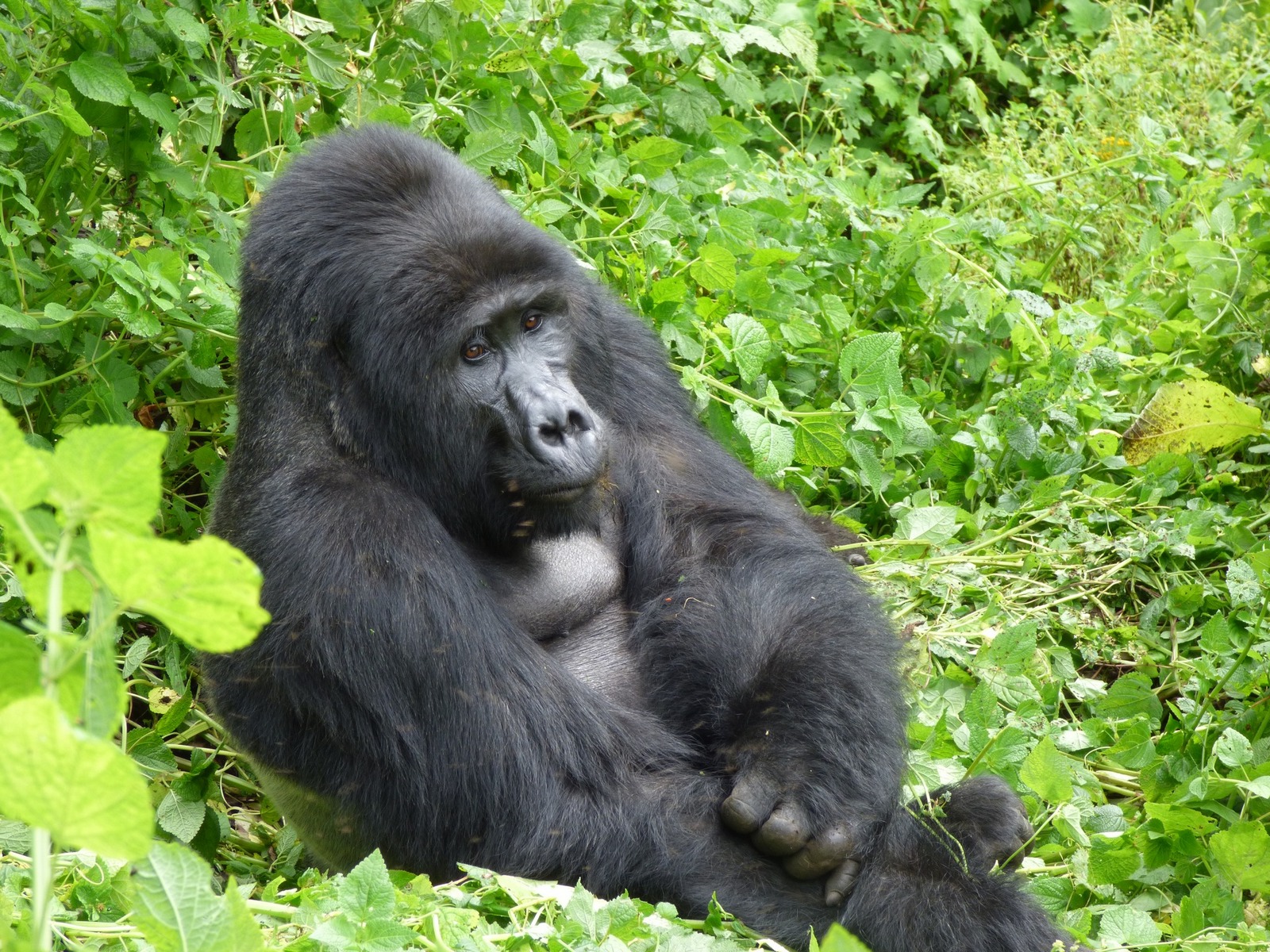
Uganda and Rwanda gorilla trekking tip s for first timers, for first-time gorilla trekkers in Uganda and Rwanda, secure permits 3–6 months in advance, as they are limited ($700 in Uganda, $1,500 in Rwanda). Pack sturdy, broken-in hiking boots, gardening gloves for thorny vegetation, and long-sleeved, neutral-colored clothing to prevent skin exposure and stinging nettles
12-days-best-uganda-rwanda-primate-safaris-and-akagera-big-five-safaris
10-days-best-of-uganda-and-rwanda-all-big-five-animal-and-gorilla-trekking
9-days-best-of-uganda-and-rwanda-combined-tour-packagen
8-days-best-uganda-rwanda-safari-holiday-ending-in-kigali
8-days-best-uganda-tour-with-lake-bunyonyi-ending-in-kigali-city
2-days-all-inclusive-uganda-gorilla-trekking-from-kigali-rwanda
Essential Tips for First-Timers
Embarking on a gorilla trek is a bucket-list experience that requires more than just showing up with a camera. The cornerstone of your planning should be securing permits early. In Rwanda’s Volcanoes National Park, these cost $1,500, while Uganda’s Bwindi and Mgahinga offer a more accessible price point at $700. Because these permits are strictly limited to protect the primates, they often sell out six to nine months in advance, especially for the dry seasons (June–August and December–February). While the wet season offers lower lodge prices and a lush backdrop, the terrain becomes significantly more slick and challenging.
Preparation extends to your physical and logistical approach. Even if you consider yourself fit, hiring a porter is a game-changer. For a small fee (usually $15–$20), a local porter carries your pack and, more importantly, provides a steady hand during steep ascents or muddy descents. This supports the local economy and ensures you aren't too exhausted to enjoy the actual encounter. Regarding physical preparation, you don't need to be an Olympic athlete, but you should be comfortable walking on uneven inclines for up to six hours.
Finally, your gear and conduct define the quality of the trek. You’ll need waterproof boots with deep tread and "gardening gloves" to grab onto vegetation without getting stung by nettles. Once you find the gorilla family, the "Golden Rules" take over: maintain a 7-meter distance to prevent disease transmission—gorillas share about 98% of our DNA and are highly susceptible to human cold and flu—and never use flash photography, as it can agitate the silverback. Following these guidelines ensures the safety of the majestic creatures and a profound, respectful experience for you.
Rwanda vs. Uganda
Choosing between Rwanda and Uganda often comes down to a trade-off between convenience and cost. Rwanda is frequently marketed as the "luxury" trekking destination. Volcanoes National Park is a mere three-hour drive from Kigali International Airport on well-paved roads, making it possible to complete a trek with a much shorter total trip duration. The terrain in Rwanda tends to be slightly more open, consisting of bamboo forests that can make photography a bit easier. However, this convenience comes with the $1,500 permit price tag, catering to those with limited time but a larger budget.
Uganda, conversely, is the choice for the adventurous and budget-conscious. While the $700 permit is half the price of Rwanda's, the journey to Bwindi Impenetrable Forest is an expedition in itself—typically an 8- to 10-hour drive from Entebbe or a shorter flight via bush plane. The trekking here earns the "Impenetrable" name; it is often denser, steeper, and more rugged than the Rwandan side. However, Uganda offers a more diverse safari experience, allowing you to pair your gorilla trek with a visit to Queen Elizabeth National Park for tree-climbing lions or Kibale for chimpanzee tracking.
Ultimately, the "better" destination depends on your priorities. Rwanda offers a seamless, high-end logistical experience, whereas Uganda provides a raw, deep-jungle immersion that many find more rewarding. Both countries have incredibly successful conservation programs, and regardless of which side of the border you choose, the actual hour spent in the presence of a Silverback is equally transformative. Both nations adhere to the same strict 60-minute limit once the gorillas are located, ensuring the animals' daily routines remain undisturbed.
Packing Essentials
Packing for a gorilla trek requires a "utility over fashion" mindset. Your most important piece of luggage is a lightweight, waterproof daypack. You’ll need this to carry at least two liters of water, your lunch box, and your camera gear. Because the weather in the rainforest is notoriously unpredictable, a high-quality, breathable rain jacket is non-negotiable. Even in the dry season, a sudden downpour is common. To protect your skin, pack high-quality insect repellent (deet-based is usually recommended) and wear long-sleeved shirts and trousers tucked into your socks to prevent "safari ants" from climbing up your legs.
When it comes to capturing the moment, your camera gear needs to be handled with care. Bring a lens with a decent zoom (70-200mm is a favorite), but remember that the jungle canopy can be quite dark, so a lens with a wide aperture helps. More importantly, bring extra batteries and a waterproof bag for your electronics. However, the best advice for any first-timer is to put the camera down for at least ten minutes. Observing the social dynamics of the troop—mothers grooming infants or juveniles wrestling—through your own eyes provides a connection that a viewfinder simply cannot replicate.
Finally, don't overlook hydration and snacks. Trekking at high altitudes (often above 2,000 meters) can dehydrate you faster than you realize. A refillable water bottle is essential, as many lodges and parks are moving away from single-use plastics to protect the environment. Energy-dense snacks like nuts, dried fruit, or granola bars are vital for maintaining your stamina during a long search. By packing thoughtfully—focusing on protection from the elements and physical sustenance—you ensure that your focus remains entirely on the incredible primates in front of you rather than on personal discomfort.
1. What is the cost of a gorilla permit?
In 2026, the pricing for gorilla permits reflects the different tourism models adopted by Uganda and Rwanda. In Rwanda, the Rwanda Development Board (RDB) maintains a high-end, low-impact strategy, charging USD $1,500 for all international visitors. This uniform price positions Rwanda as a luxury destination, where the premium cost is reinvested into the protection of Volcanoes National Park and the local communities living on its fringes. For many first-timers, this price represents an investment in superior infrastructure and easier accessibility from the capital city, Kigali.
In contrast, Uganda offers a tiered pricing system managed by the Uganda Wildlife Authority (UWA). For international tourists, a permit costs USD $800, which is nearly half the price of Rwanda’s permit. Uganda also provides discounted rates for foreign residents (those with work permits in East Africa) and a significantly lower rate for East African Community (EAC) citizens. This makes Uganda the preferred choice for budget-conscious travelers or those looking to extend their stay for other activities.
The value proposition in Uganda is further bolstered by the sheer number of habituated gorilla families. With over 20 groups available for tracking in Bwindi Impenetrable National Park and Mgahinga Gorilla National Park, Uganda has the highest capacity for trekkers in the world. Rwanda, while offering a more "boutique" experience, has roughly 12 families dedicated to tourism. Regardless of the price difference, both countries use the revenue for the same critical mission: the conservation of the endangered mountain gorilla. For first-timers, the choice often comes down to whether they prioritize the lower cost and variety of Uganda or the high-end convenience and specialized service levels often associated with Rwanda’s permit price.
2. How far in advance should I book my permit?
Booking your gorilla permit is the most critical step in planning your trip, and doing so 6 to 12 months in advance is highly recommended. Because the number of visitors allowed to see each gorilla family is strictly limited to eight people per day, demand almost always outstrips supply, especially during the peak seasons. In both Uganda and Rwanda, the dry months of June to October and December to February see a massive influx of tourists, and permits for these dates can sell out a year or more ahead of time.
If you are planning to trek in Rwanda, the limited number of permits (approximately 96 per day) means that even a slight delay in booking can result in missing out on your preferred dates. Since Rwanda is a popular add-on for travelers finishing a Serengeti or Masai Mara safari, its permits are intensely competitive. For Uganda, while there are more permits available across the different sectors of Bwindi (Buhoma, Ruhija, Rushaga, and Nkuringo), the logistics of coordinating transport and accommodation around a specific sector make early booking equally vital.
For first-timers, waiting until the last minute is a significant risk. While "cancellation permits" occasionally become available, relying on them often leads to disappointment or having to reorganize an entire international itinerary. Booking early also gives you the best chance of securing a permit for a sector that matches your physical ability; for example, some sectors in Bwindi are known for slightly less strenuous hikes than others. By securing your permit early through a reputable tour operator or directly through the UWA or RDB, you ensure that the "anchor" of your African adventure is firmly in place.
3. What is the difference between trekking in Uganda and Rwanda?
The choice between Uganda and Rwanda often depends on your budget, time, and the type of physical experience you desire. Rwanda is frequently described as the more "user-friendly" option. Volcanoes National Park is characterized by open bamboo forests and volcanic slopes, which often provide clearer lines of sight for photography. The hikes here tend to be shorter, and because the park is only a 3-hour drive from Kigali, it is possible to complete a gorilla trek in just two days. This makes Rwanda ideal for those on a tight schedule or those who prefer luxury lodges and high-end service.
Uganda offers a more "raw" and adventurous jungle experience. Bwindi Impenetrable National Park is a UNESCO World Heritage site known for its ancient, thick canopy and steep ridges. Trekking here is often more physically demanding because the vegetation is denser, requiring rangers to hack through the undergrowth with machetes. However, Uganda offers incredible diversity. Because Bwindi is further from the main airport (8–10 hours from Entebbe), most travelers turn the trip into a week-long safari, combining gorillas with chimpanzee tracking in Kibale or a search for tree-climbing lions in Queen Elizabeth National Park.
For a first-timer, Rwanda offers "efficiency and luxury," while Uganda offers "adventure and value." Rwanda’s landscape is dramatic and iconic, reminiscent of Gorillas in the Mist, whereas Uganda’s forests feel like a journey into a prehistoric world. Additionally, Uganda has two parks for trekking—Bwindi and Mgahinga—whereas Rwanda has only Volcanoes National Park. Ultimately, the gorillas are the same species, and the magical one-hour encounter is identical in its emotional impact, but the "wrapper" of the experience—the terrain, the travel time, and the cost—is what differentiates the two nations.
4. How difficult is the gorilla trek?
Gorilla trekking is a physically demanding activity that should not be underestimated by first-timers. In both countries, the trek involves navigating through thick forests without paved paths. You will be walking on uneven ground, over tangled roots, and through muddy patches. The hike can last anywhere from 1 to 8 hours depending on where the gorillas spent the previous night. Because gorillas are constantly on the move in search of food, there is no guarantee of how far you will have to walk before finding them.
In Uganda, the challenge often lies in the "impenetrable" nature of the forest. The terrain consists of steep ridges and deep valleys. You may find yourself climbing up a 45-degree slope only to descend immediately on the other side. The humidity and dense foliage can make the trek feel more strenuous. In Rwanda, the primary challenge is the altitude. Volcanoes National Park sits at a higher elevation than Bwindi, and trekkers can reach heights of over 3,000 meters. For those not acclimated to thin air, even a relatively short walk can cause shortness of breath and fatigue.
Preparation is key for both destinations. First-timers are advised to engage in cardiovascular exercises, such as hiking, walking on an incline, or stair-stepping, for several weeks before their trip. It is also important to communicate your fitness level to your lead ranger during the morning briefing. In both parks, rangers try to assign groups to gorilla families based on the anticipated difficulty of the trek—keeping the "easier" groups for older travelers or those with lower fitness levels, while sending the "adventurous" hikers after the families that have moved deeper into the forest.
5. How long do I spend with the gorillas?
The actual time spent in the direct presence of the mountain gorillas is strictly limited to one hour. This rule is a cornerstone of gorilla conservation in both Uganda and Rwanda. The limit exists for two primary reasons: the health of the gorillas and their behavioral well-being. Because gorillas share about 98% of human DNA, they are highly susceptible to human respiratory diseases. Limiting the exposure time reduces the risk of cross-infection. Furthermore, mountain gorillas are wild animals; while they are "habituated" (accustomed to human presence), having a group of humans staring at them for extended periods can cause stress and disrupt their natural grooming, feeding, and resting patterns.
For first-timers, that one hour often feels like it passes in minutes. The experience is incredibly intense—observing a silverback’s commanding presence, watching juveniles play, and seeing mothers nurse their infants. Because the time is so short, it is important to balance your time between taking photos and simply observing the animals with your own eyes. Many professional guides suggest taking your "must-have" photos in the first 20 minutes and then putting the camera away to soak in the atmosphere of the forest and the majesty of the primates.
The "clock" starts the moment the lead ranger determines that the group is in sight of the gorillas. Even if the gorillas are moving or the vegetation is thick, the hour begins then. The rangers are very strict about this; when the 60 minutes are up, you must leave immediately, even if you just saw a particularly interesting behavior. This discipline is what has allowed gorilla tourism to remain sustainable for decades. In Uganda, there is an alternative called the "Gorilla Habituation Experience" in the Rushaga sector, which allows for four hours with the gorillas at a higher permit cost, but for the standard trek in both countries, the one-hour rule is absolute.
6. What is the minimum age?
The minimum age for gorilla trekking in both Uganda and Rwanda is 15 years old. This age limit is strictly enforced by the Uganda Wildlife Authority (UWA) and the Rwanda Development Board (RDB). When you book your permit, you are required to provide passport details, and these will be checked again at the park headquarters on the morning of your trek. If a traveler is found to be under the age of 15, they will be denied entry, and the permit fee is generally non-refundable.
There are several reasons for this restriction. First, children are more likely to carry common childhood diseases, such as mumps, measles, or even simple colds, which can be fatal to a gorilla population that has no natural immunity. Second, the trek is physically grueling and requires a level of stamina and patience that younger children may lack. Third, mountain gorillas are massive, powerful wild animals. If a gorilla makes a sudden movement or a "mock charge," a 15-year-old is more likely to follow the ranger's instructions to remain calm and still, whereas a younger child might panic, scream, or run—actions that could trigger a real attack.
For families traveling with younger children, both countries offer alternative activities. In Rwanda, children can often participate in cultural village tours or easier nature walks outside the park boundaries while the adults trek. In Uganda, similar community-led walks are available. Some lodges in both Bwindi and Volcanoes National Park offer specialized childcare services. Planning around this age limit is essential for first-timers to avoid the heartbreak of arriving at the park gates only to have a family member turned away.
7. Can I bring my children if they are under 15?
While the 15-year age limit is a firm rule, many parents wonder if there is any flexibility. Generally, the answer is no. The conservation authorities in both Uganda and Rwanda prioritize the safety of the gorillas and the visitors above all else. Exceptions are extremely rare and are usually only granted by the highest levels of park management (the Executive Director of UWA or the head of RDB) under very specific circumstances, such as a child who is turning 15 within a few weeks of the trek and is exceptionally physically fit.
If you are hoping for an exception, you must apply for it months in advance in writing, providing proof of the child's physical fitness and maturity. However, first-timers should not count on this. It is much safer to plan your trip for when your child has reached their 15th birthday. This ensures that the whole family can enjoy the experience without the stress of potential rejection at the park headquarters.
For parents who still want to bring younger children on a safari, Uganda is often a better "all-around" destination. While the children cannot go on the gorilla trek, they can participate in boat safaris on the Kazinga Channel or game drives in Murchison Falls, where age limits are not an issue. In Rwanda, the Akagera National Park also offers traditional game viewing suitable for all ages. If you are traveling as a group and some members are under 15, the best strategy is to have the adults rotate their trekking days, so one parent stays at the lodge with the children while the others go into the forest.
8. What should I pack for the trek?
Packing correctly is the difference between a comfortable adventure and a miserable one. For both Uganda and Rwanda, the most important item is a pair of waterproof hiking boots with excellent grip. The forest floor is often slick with mud and covered in loose leaves; sneakers or sandals will not provide the necessary traction or ankle support. You should also pack long-sleeved shirts and long trousers. These are not just for the cold; they are your primary defense against stinging nettles and thorns that are prevalent in the undergrowth of Bwindi and Volcanoes National Park.
Gaiters are highly recommended to prevent mud and "safari ants" from entering your boots. If you don’t have gaiters, tucking your trousers into your long socks is a tried-and-true method used by rangers. Another essential item is a pair of sturdy gardening gloves. You will often find yourself grabbing branches or vines for balance, and the gloves protect your hands from scratches and stings. A lightweight, breathable raincoat or poncho is a must, as it can rain at any time in the rainforest, regardless of the season.
Your daypack should be waterproof or have a rain cover. Inside, you should carry your permit, your passport, at least 2 liters of water, and a packed lunch (usually provided by your lodge). For your camera equipment, bring extra batteries and memory cards. Because you cannot use a flash, a lens with a wide aperture (f/2.8 or lower) is ideal for the low-light conditions under the forest canopy. Finally, don't forget insect repellent and a small personal first-aid kit with band-aids and antiseptic cream for minor scratches.
9. Do I need a porter?
Hiring a porter is one of the best tips for any first-time gorilla trekker. Porters are local residents, many of whom used to be poachers but have now turned to conservation and tourism for their livelihoods. For a fee of approximately $20–$25 USD (plus an optional tip), a porter will carry your heavy daypack, leaving you free to focus on your footing and the beautiful surroundings. More importantly, they provide physical assistance, offering a steady hand to pull you up steep inclines or help you navigate across muddy streams.
In both Uganda and Rwanda, hiring a porter is a direct way to support the local economy. The income they earn goes toward school fees, healthcare, and improving the standard of living in the villages surrounding the parks. This financial incentive is a key reason why local communities now protect the gorillas instead of hunting them or encroaching on their habitat. Even if you are physically fit and feel you can carry your own bag, hiring a porter is considered a gesture of "responsible tourism."
During the morning briefing at the park headquarters, porters will be standing by. Your guide will help you select one. It is common for trekkers to form a bond with their porters during the hike; they are often incredibly knowledgeable about the forest and can point out birds or plants you might otherwise miss. When you finally reach the gorillas, the porters will stay a short distance back with your bags to ensure the gorillas aren't distracted by the gear, allowing you to move forward for your one hour of observation with just your camera.
10. Are there toilet facilities in the forest?
There are no formal toilet facilities once you leave the park headquarters and enter the forest in either Uganda or Rwanda. Because you could be in the bush for anywhere from two to eight hours, it is a common concern for first-timers. The rule is simple: if nature calls, you must inform your ranger. They will find a suitable, secluded spot away from the trail and the gorillas to ensure your privacy.
The environmental guidelines are very strict to prevent the spread of human bacteria and to keep the park pristine. You are expected to follow the "leave no trace" principle. If you need to "go," your ranger will dig a hole (at least 30cm deep) using a machete or a small shovel and will instruct you to bury everything completely. You must bring your own toilet paper, but you are not allowed to leave it in the forest; you should bring a small plastic "zip-lock" bag to carry used paper out with you for proper disposal back at the lodge or headquarters.
It is highly recommended to use the facilities at the park headquarters before the trek begins. Once you are in the presence of the gorillas, you are strictly prohibited from eating, drinking, or using the "bush toilet." If you feel the urge while with the gorillas, you will have to move a significant distance away from the family before the ranger will allow you to stop. For this reason, many trekkers manage their water intake carefully—sipping enough to stay hydrated in the heat but avoiding gulping large amounts just before reaching the gorilla group.
11. What if I am sick?
If you are feeling unwell on the morning of your trek, it is your responsibility to inform the park authorities. Mountain gorillas are highly vulnerable to human illnesses, including the common cold, flu, pneumonia, and COVID-19. Because their immune systems have not evolved to deal with human pathogens, what might be a minor sniffle for you could lead to a catastrophic outbreak within a gorilla family. In both Uganda and Rwanda, rangers conduct a visual health check during the briefing, and they have the right to refuse entry to anyone showing signs of infectious illness.
If you are disqualified from trekking due to illness, the policies in Uganda and Rwanda differ slightly, but both aim to be fair. In many cases, if you report your illness voluntarily before going into the forest, you may be eligible for a 50% refund of the permit fee, or the park may attempt to reschedule your trek for a later date if your itinerary allows and you recover quickly. This policy is designed to encourage honesty among travelers, ensuring that no one feels pressured to hide an illness because of the high cost of the permit.
First-timers should take extra precautions in the days leading up to their trek. This includes wearing a mask in crowded areas, washing hands frequently, and avoiding close contact with anyone who is sick. Some tour operators even suggest a "self-quarantine" of sorts during the travel days to the park. During the trek itself, you may be required to wear a surgical mask when you are in the presence of the gorillas—a rule that became standard in Rwanda and parts of Uganda following the pandemic to add an extra layer of protection for these precious primates.
12. What happens if I don't see the gorillas?
The success rate for seeing mountain gorillas in both Uganda and Rwanda is incredibly high, often cited at over 99%. This is because each park employs teams of "trackers" who head into the forest at dawn, long before the tourists arrive. These trackers find the spot where the gorillas nested the previous night and then follow their trail of chewed bamboo and footprints until they locate the family. They then radio the location to your lead ranger.
However, because these are wild animals in a vast, unfenced habitat, there is a very small chance that the gorillas could move into an inaccessible area or cross a border before you reach them. In the rare event that you do not see the gorillas after a full day of trekking, the park authorities usually offer a "second chance." In both countries, this typically means you will be given a free permit to trek again the following day, provided there is space available.
If your travel schedule does not allow for a second day of trekking, or if the park is fully booked, you may be eligible for a partial refund (usually around 50% to 75% of the permit fee). It is important to note that "seeing" the gorillas means even a fleeting glimpse; if you see them for only 10 minutes before they disappear into a thicket, it still counts as a successful trek. First-timers should approach the experience with a sense of adventure, knowing that while the rangers do everything in their power to ensure a sighting, the unpredictability is part of what makes the encounter so authentic and special.
13. What is the best time of year for trekking?
While gorilla trekking is a year-round activity in both Uganda and Rwanda, the dry seasons are generally considered the best time to visit. These periods run from June to August and from December to February. During these months, the trails are significantly less muddy, making the steep climbs in Bwindi and the volcanic slopes of Rwanda much easier to manage. Lower rainfall also means that the forest canopy is less drippy, which is better for both your physical comfort and the safety of your camera gear.
However, the "wet seasons" (March to May and September to November) have their own unique advantages. Because these months are considered "low season," the parks are less crowded, and you may find yourself in a trekking group of only three or four people instead of the maximum eight. Furthermore, some luxury lodges in both countries offer discounted rates during the rainy months. From a photography perspective, the rain cleans the air of dust, and the forest becomes an incredibly vibrant, lush green that looks stunning in photos.
For first-timers, the choice often depends on physical fitness. If you are worried about slipping or find steep hiking difficult, the dry season is definitely the way to go. If you are an experienced hiker on a budget, the rainy season might offer the solitude and savings you are looking for. Regardless of when you go, it is important to remember that these parks are rainforests—it can rain at any time, even in the middle of the "dry" season. Always pack your rain gear and expect the unexpected when it comes to the weather.
14. What are the rules for filming or photography?
Photography is one of the most exciting aspects of a gorilla trek, but it comes with strict rules to protect the animals. The most important rule in both Uganda and Rwanda is no flash photography. The sudden burst of bright light can startle the gorillas, potentially causing a silverback to charge or the group to flee. You must ensure your flash is turned off before you even approach the family. Because the forest can be quite dark under the heavy canopy, first-timers should practice using high ISO settings on their cameras to capture clear images in low light.
You are allowed to bring professional cameras and video equipment for personal use. However, if you are filming for commercial purposes (documentaries, professional films), you must apply for a special filming permit from the UWA or RDB, which involves additional fees and paperwork. When you are with the gorillas, you must also keep your noise levels to a minimum. Loud clicking of camera shutters or talking can disturb the animals, so use "silent" or "electronic shutter" modes if your camera has them.
It is also vital to keep your equipment organized. You shouldn't be fumbling with lenses or batteries while you are in the one-hour window. Have everything ready to go. Remember that the gorillas are often close (within 7–10 meters), so a massive telephoto lens isn't always necessary; a versatile 24-70mm or 70-200mm lens is usually perfect. Most importantly, don't spend the entire hour behind a lens. Take a few minutes to look at the gorillas directly, making eye contact (briefly) and appreciating the sheer presence of these great apes in their natural home.
15. Is it safe?
Gorilla trekking is remarkably safe, provided you follow the instructions of your rangers. The gorillas you will visit are "habituated," meaning they have undergone a multi-year process of being gradually exposed to human presence until they no longer perceive humans as a threat. In both Uganda and Rwanda, the gorillas generally treat visitors with "peaceful indifference," continuing to eat, groom, and sleep as if you weren't there.
To ensure your physical safety, every trekking group is accompanied by at least two armed rangers. These rangers are not there to protect you from the gorillas, but rather to guard against other potential forest hazards, such as forest elephants or buffaloes, which can be much more aggressive. The rangers also serve as a deterrent against any illegal activity within the park. In the history of gorilla tourism in these two countries, there have been no recorded instances of habituated gorillas attacking tourists who followed the safety protocols.
For first-timers, the most important safety rule is to remain calm. If a gorilla, especially a silverback, decides to move toward you or makes a loud noise, you must follow the ranger's lead. This usually involves crouching down, looking at the ground (to show submission), and avoiding any sudden movements or screams. By respecting the gorillas' space and adhering to the 7-meter distance rule, you ensure a peaceful encounter. Additionally, both Bwindi and Volcanoes National Park are located in regions that have been stable and secure for decades, with a heavy security presence to ensure the safety of international visitors.
16. What is the distance to keep from the gorillas?
The official rule in both Uganda and Rwanda is to maintain a minimum distance of 7 meters (23 feet) from the gorillas. This distance is calculated to be far enough to prevent the easy transmission of airborne diseases and to give the gorillas enough personal space to feel comfortable, while still being close enough for you to have an incredible view. Your rangers will constantly monitor this distance and will ask you to move back if the gorillas move toward the group.
Sometimes, the gorillas don't follow the rules! Young, curious juveniles may occasionally try to approach you or even touch your clothing. If this happens, your instructions are to slowly move away without making eye contact. You should never attempt to touch a gorilla, even if it comes within reach. Their skin and fur can carry parasites or bacteria that are harmful to humans, and vice versa. Maintaining this "buffer zone" is the single most important thing you can do as a tourist to contribute to the long-term health of the species.
For first-timers, 7 meters might sound like a long way, but in the context of the forest, it feels incredibly close. You will be able to hear them breathing, see the individual hairs on their backs, and look into their remarkably human-like eyes. If the vegetation is thick, the rangers may carefully clear a small amount of brush to improve your view, but they will never do so in a way that compromises the 7-meter rule. Respecting this boundary ensures that gorilla trekking remains a sustainable activity that benefits the gorillas as much as it does the people who come to see them.
Booking Uganda and Rwanda gorilla trekking with us Roads of Adventure safaris
Roads of Adventure Safaris specializes in custom gorilla trekking tours in Uganda and Rwanda, offering tailored mid-range experiences, including park permits and transport, for both individual and group travelers. Based in Kampala, they offer 3- to 30-day itineraries, including combined primate and wildlife safaris
