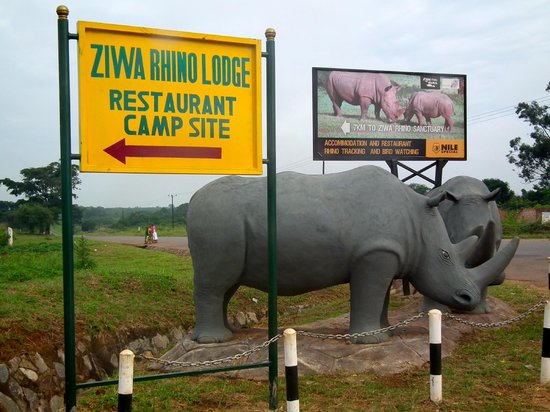
If you are planning a trip through Uganda, stopping at Ziwa Rhino and Wildlife Ranch is a must. Situated along the main highway to Murchison Falls National Park, this sprawling sanctuary offers a rare chance to step out of your vehicle and walk alongside giants. Rhinos completely vanished from the country decades ago due to heavy poaching, but dedicated conservation efforts have brought these magnificent creatures back to life. Today, Ziwa stands as the only place in Uganda where white rhinos roam freely in a natural environment. Stepping into the quiet bush with an expert ranger gives you an up-close perspective that no standard game drive can match. Whether you want to complete your safari checklist or simply connect with nature, a visit here adds real meaning and adventure to your journey.
3-days-murchison-falls-via-ziwa-rhino-sanctuary-uganda-wildlife-safari
1-day-intimate-ziwa-rhino-sanctuary-uganda-safari-tour
4-days-luxury-murchison-falls-and-jinja-uganda-safari-vacation
4-days-murchison-falls-and-chimpanzee-tracking-in-budongo-forest
5-day-best-safaris-to-uganda-kidepo-and-murchison-falls-national-parks
6-days-best-of-murchison-and-kidepo-uganda-safari-via-ziwa
7-days-africa-big-five-safari-in-uganda-and-gorilla-trekking-and-chimpanzee-tracking
8-days-exclusive-gorilla-trekking-chimpanzee-and-big-five
8-days-best-africa-big-five-safari-in-uganda-and-primate-safari-experience
9-days-luxury-gorilla-and-uganda-safari-tour-package
10-days-uganda-safari-all-big-five-gorilla-and-chimpanzee-tracking-adventure
15-days-africa-big-five-safari-in-uganda-and-primate-vacation
Key Reasons to Visit Ziwa Rhino Sanctuary
The Only Place to See Wild Rhinos in Uganda
Uganda’s native rhino population was completely wiped out during the turbulent years of the late twentieth century, leaving a massive void in the country’s natural heritage. Thanks to a passionate breeding project, southern white rhinos were carefully reintroduced to protected land. What started with just a small group of rescued animals has grown into a thriving herd of over twenty healthy rhinos. Walking through the sanctuary today means witnessing one of the greatest wildlife recovery stories in East Africa. Each young calf born here represents a vital step forward for local conservation and biodiversity. When you visit, your travel entry fees directly support round-the-clock protection, veterinary care, and land maintenance required to keep these animals safe from poachers. Seeing them graze naturally in the tall grass is not just a thrilling sight; it is a heartening reminder of what dedicated humans can achieve when working to save an endangered species from total extinction.
Track Rhinos On Foot for a True Safari Thrill
Most African safaris keep you tucked inside a closed vehicle, watching animals through a open window or roof hatch. At Ziwa, the experience is completely different and far more personal. Armed with basic safety guidelines and accompanied by experienced wildlife rangers, you set out on foot across grasslands, thickets, and wooded pastures. The rangers use their deep knowledge of track marks, fresh droppings, and broken branches to locate where the herd is resting or feeding. Once you find them, you approach quietly and stand just a few meters away. Hearing the loud crunch of grass under their heavy jaws and smelling the earthy morning air creates a grounding connection with nature that car windows always block out. It is an exhilarating, humbling adventure that leaves you with deep respect for these prehistoric gentle giants while keeping everyone involved completely safe throughout the walk.
Perfectly Located En Route to Murchison Falls
Traveling across Uganda often involves long hours on bumpy roads, making good rest stops essential for any journey. Fortunately, Ziwa Rhino Sanctuary sits right along the main Kampala to Gulu highway in Nakasongola District, near the small town of Nakitoma. Leaving early from the capital city puts you at the sanctuary gate in roughly three hours, covering a manageable distance of about 180 kilometers. Because it rests midway between Kampala and Murchison Falls National Park, it serves as the ultimate stretch stop to break up an otherwise long drive. Instead of sitting through an exhausting travel day, you can stretch your legs, track rhinos on a peaceful guided trail, enjoy a fresh meal at the local restaurant, and hit the road again feeling refreshed. It fits seamlessly into almost any Northern Uganda travel itinerary without requiring long detours or extra travel days.
Complete Africa’s Famous "Big Five" Safari List
For many travelers visiting East Africa, seeing the iconic "Big Five"—elephants, lions, leopards, buffaloes, and rhinos—is the ultimate goal of their trip. However, Murchison Falls National Park, despite its massive size and unbelievable wildlife diversity, currently lacks any living rhinos. If you drive straight to the park without stopping, your chances of checking off all five animals drop to zero. Adding a brief visit to Ziwa fixes that gap entirely. By spending a morning tracking white rhinos at the sanctuary before heading north, you set yourself up to catch lions, leopards, elephants, and cape buffaloes during your game drives around Murchison. It turns a great wildlife vacation into a complete, once-in-a-lifetime safari package that leaves no major African animal missing from your photo album or travel memories.
Discover an Array of Diverse Wildlife and Birds
While rhinos are certainly the main attraction, the 70-square-kilometer sanctuary offers far more than just one species. The surrounding savannah plains, dense woodlands, and nearby wetlands shelter around forty different mammal species, including elusive leopards, noisy hippos, bushbucks, oribis, and inquisitive monkeys. Bird lovers will also find themselves in paradise, as the sanctuary hosts roughly 300 unique bird species. One of the biggest highlights for birdwatchers is taking a early morning boat ride through the adjacent Lugogo Swamp to search for the rare shoebill stork. This strange, prehistoric-looking bird attracts enthusiasts from all over the world. Combining foot tracking on dry land with quiet canoe rides through the wetlands makes Ziwa a well-rounded nature destination that offers plenty of unexpected discoveries for anyone willing to slow down and explore.
How far is Ziwa Rhino Sanctuary from Kampala, and how do I get there?
Ziwa Rhino Sanctuary sits roughly 176 to 180 kilometers north of Kampala in Nakasongola District. The drive takes about three hours along the well-paved Kampala–Gulu highway. You can travel via private safari vehicle, self-drive rental car, or a public Link bus heading toward Masindi or Gulu (asking to alight at Nakitoma trading center).
Is on-foot rhino tracking at Ziwa safe for families and first-time visitors?
Yes, on-foot rhino tracking is completely safe when you follow ranger instructions. Every group is escorted by trained, armed wildlife rangers who understand rhino behavior intimately. Guests are kept at a safe distance of 6 to 20 meters, ensuring a secure and thrilling encounter for visitors of all ages.
How much does rhino tracking at Ziwa Rhino Sanctuary cost?
Permit prices generally range between $50 and $60 USD per adult non-resident, with lower rates for foreign residents ($45 USD) and East African citizens (approx. 40,000 UGX). Children receive discounted rates. Permits include park entry and ranger guide services.
What is the best time of day to track rhinos at Ziwa?
Early morning (7:00 AM to 10:00 AM) and late afternoon (4:00 PM to 6:00 PM) offer the best tracking conditions. During these cooler hours, rhinos actively graze across open pastures. In the hot midday sun, they often retreat into dense thickets to sleep, making them harder to view clearly.
Can I see all of Africa’s "Big Five" animals at Ziwa Rhino Sanctuary alone?
No, Ziwa only hosts the white rhino among the traditional "Big Five." However, stopping at Ziwa allows you to check off the rhino before continuing to nearby Murchison Falls National Park, where you can see lions, leopards, elephants, and cape buffaloes to complete the set.
What other wildlife can I see besides white rhinos?
The 70-square-kilometer ranch harbors over 40 mammal species, including elusive leopards, hippos, bushbucks, reedbucks, oribis, and various monkeys. Additionally, over 300 bird species thrive within its varied grassland, woodland, and swamp ecosystems.
How do I see the rare shoebill stork at Ziwa Rhino Sanctuary?
Shoebill tracking takes place via a quiet canoe trek through the adjacent Lugogo Swamp. Because the shoebill safari starts at 6:00 AM for optimal sightings, visitors are encouraged to stay overnight at the sanctuary the night before.
What should I wear and pack for a rhino tracking walk?
Wear sturdy closed-toe walking shoes or hiking boots, long breathable trousers, and neutral-colored clothing (khaki, green, or brown). Bring plenty of drinking water, insect repellent, sun protection (hat and sunscreen), a camera with a good zoom lens, and binoculars for birdwatching.
What accommodation options are available inside or near Ziwa Sanctuary?
Ziwa offers on-site accommodation ranging from budget guesthouses, safari tents, and campsites to comfortable mid-range lodges like Amuka Safari Lodge. Dining facilities and local restaurants are also available inside the ranch grounds to cater to day visitors and overnight guests.
Do I need to book my rhino tracking permit in advance?
While day visitors can often secure walk-in permits at the main gate, advance booking is highly recommended—especially during peak safari seasons (June–August and December–February) or if you plan to do early morning shoebill canoe trips or stay overnight.
How long does a typical rhino tracking experience take?
The entire activity usually lasts between 1.5 to 3 hours depending on where the rhinos are located on any given day. You will drive or walk to the starting trail with your ranger, followed by a 45- to 90-minute walk through the bush.
Why were rhinos wiped out in Uganda, and how were they reintroduced?
Poaching during political instability in the 1970s and 1980s drove northern white and black rhinos to total extinction in Uganda. Rhino Fund Uganda and the Uganda Wildlife Authority established Ziwa in 2005, reintroducing southern white rhinos from Kenya and the US to build a secure breeding herd.
Is Ziwa Rhino Sanctuary suitable as a day trip from Kampala?
Yes. Leaving Kampala early in the morning (around 6:00 AM) allows you to reach Ziwa by 9:00 AM, complete a 2-hour rhino trek, enjoy lunch at the sanctuary lodge, and return to Kampala by late afternoon.
What is the best month or season to visit Ziwa Rhino Sanctuary?
Ziwa is open year-round. However, the dry seasons—June through August and December through February—offer the easiest walking conditions, shorter grass for clearer viewing, and smooth driving conditions along sanctuary roads.
What rules must visitors follow while tracking rhinos on foot?
Visitors must stay behind the ranger at all times, maintain quiet voice levels, avoid sudden movements, turn off camera flash, and keep a minimum safety distance of 6 to 20 meters. Running or leaving the guided path is strictly prohibited.
How does visiting Ziwa contribute to rhino conservation in Uganda?
All entrance and tracking fees directly fund round-the-clock armed ranger patrols, veterinary care, habitat management, and community outreach programs. Visiting directly sustains the long-term breeding plan to eventually reintroduce rhinos back into national parks.
Can children join the on-foot rhino tracking experience?
Yes, children are welcome to track rhinos on foot under parental supervision and guided by rangers. Rangers adjust walking pace and safety protocols to ensure young family members enjoy an educational, safe adventure.
What other guided activities are available at Ziwa besides rhino tracking?
Beyond rhino tracking, Ziwa offers guided day and night nature walks, morning and afternoon birdwatching tours across four distinct trails, and Lugogo Swamp canoe trips for shoebill viewing.
How far is Ziwa Rhino Sanctuary from Murchison Falls National Park?
Ziwa is approximately 85 to 100 kilometers (a 1.5- to 2-hour drive) south of the main entrance gates to Murchison Falls National Park, making it an ideal stopover to break up the journey from Kampala.
What makes white rhinos at Ziwa different from black rhinos?
Ziwa protects southern white rhinos, which are larger, have wide flat lips designed for grazing grass, and are generally calmer in demeanor than the smaller, hook-lipped black rhinos that browse on shrubs and trees.
Booking Uganda big five safari with us Roads of Adventure safaris
Booking your Uganda Big Five safari with Roads of Adventure Safaris guarantees an extraordinary journey through East Africa’s premier wildlife destinations. Our expertly tailored itineraries take you deep into Murchison Falls National Park and Queen Elizabeth National Park to encounter majestic lions, leopards, elephants, and buffaloes in their natural habitats. We round out your checklist with a dedicated tracking excursion at the Ziwa Rhino Sanctuary. Traveling in our custom 4x4 safari vehicles alongside knowledgeable local guides, you will enjoy seamless logistics, handpicked luxury or mid-range lodges, and unparalleled game-viewing opportunities. Let us turn your bucket-list African adventure into reality.