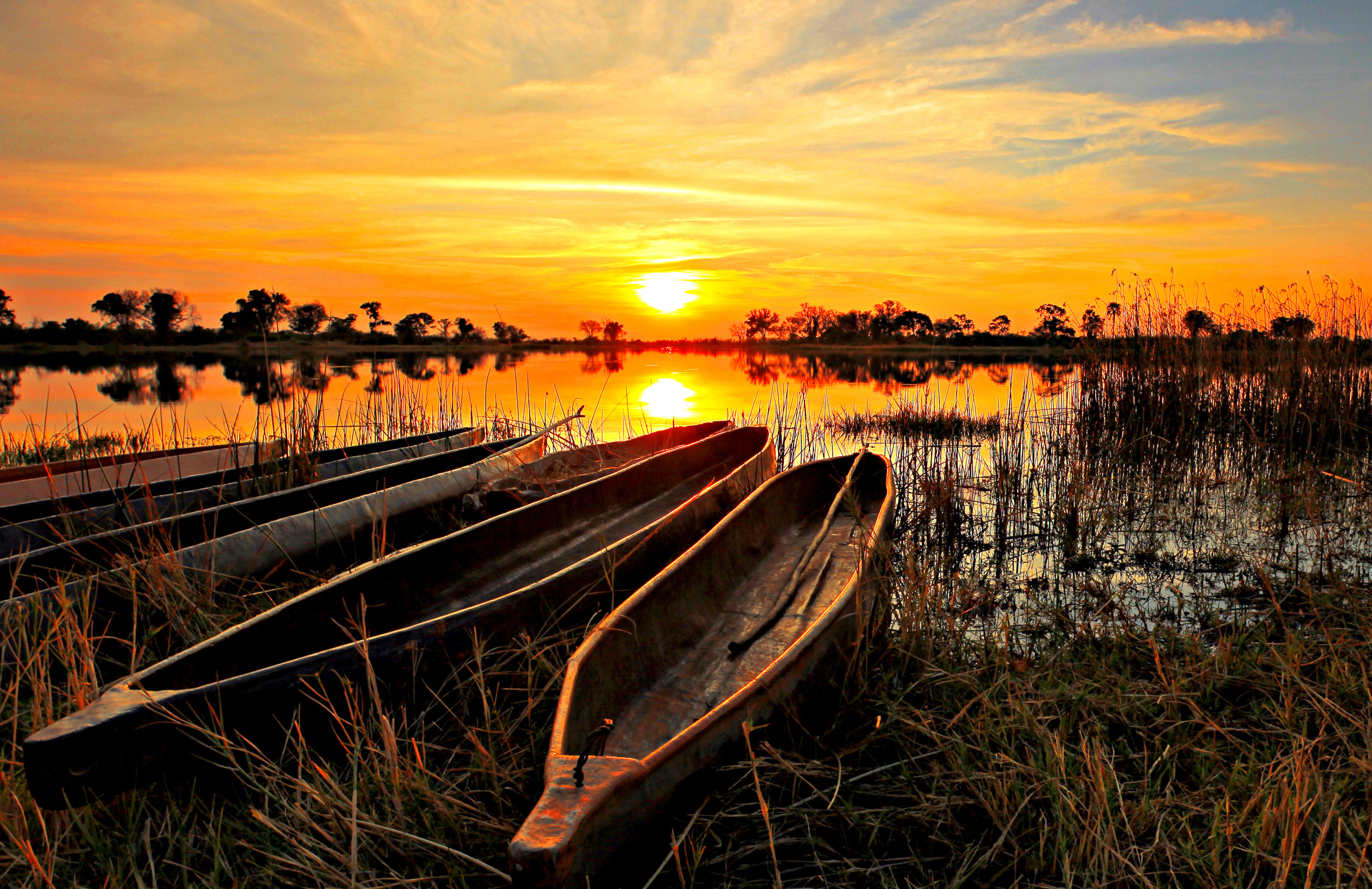
Explore the Okavango Delta through tranquil mokoro (dugout canoe) excursions, guided bush walks, high-octane 4x4 game drives, and scenic flights. Best experienced from July to October when floodwaters peak, this dynamic ecosystem offers a variety of ways to intimately experience African wildlife
2-days-best-gorilla-trekking-safari-tour-via-kigali-to-bwindi-impenetrable-forest-park
3-days-gorilla-trekking-safari-and-lake-bunyonyi-relaxation-itinerary
3-days-affordable-uganda-budget-gorilla-trekking-via-kigali
4-days-ultimate-gorilla-and-uganda-safari-and-chimpanzee-tracking
4-days-ultimate-gorilla-and-uganda-safari-and-chimpanzee-tracking
4-days-uganda-gorilla-safari-with-golden-monkey-tracking-from-rwanda
4-days-luxury-gorilla-trekking-safari-in-bwindi-fly-in-all-inclusive-tour
5-days-gorilla-and-uganda-safari-and-golden-monkey-trekking-tour-from-kigali
5-days-un-matched-uganda-gorilla-safari-and-chimpanzee-tour-itinerary
7-days-safari-to-uganda-queen-elizabeth-park-gorillas-trekking-and-lake-mburo
7-days-perfect-uganda-primate-safari-itinerary
7-days-uganda-tour-to-murchison-falls-via-ziwa-kibale-and-queen-elizabeth-national-park
7-day-ultimate-uganda-primate-safari-chimpanzees-and-game-drives
7-days-best-uganda-safari-tour-to-popular-safari-parks
7-days-perfect-road-trip-uganda-safari-tour
7-days-best-uganda-birding-safari-tour
7-day-uganda-safari-to-kidepo-valley-via-jinja-and-sipi-falls
7-days-murchison-falls-uganda-safari-trip-via-ziwa-rhinos-kidepo-valley-and-jinja
10-days-uganda-rwanda-primate-safari-vacation-and-game-drive-safari
10-days-best-uganda-big-five-safaris-and-primate-experience
10-days-best-uganda-birding-safari-and-wildlife-experience
10-days-best-of-uganda-and-rwanda-all-big-five-animal-and-gorilla-trekking
10-days-uganda-safari-all-big-five-gorilla-and-chimpanzee-tracking-adventure
10-days-budget-uganda-safari-holiday-vacation-tour-road-trip
1. The Mokoro Safari (Water)
Gliding across the shimmering floodplains of the Okavango Delta on a traditional mokoro (a hand-carved or fiberglass dugout canoe) offers an intimate connection to the wilderness that no motorized vehicle can replicate. Propelled silently by a skilled local guide standing at the stern—known as a "poler"—the mokoro moves at the gentle pace of the water itself. Using a long wooden pole (ngashi) to push off the shallow riverbed, your poler navigates through narrow, papyrus-lined channels and wide, lily-covered lagoons. Because the craft glides without the roar of an engine, it allows you to blend seamlessly into the surrounding environment without disturbing its natural rhythms.
Sitting just inches above the water's surface completely shifts your perspective of the bush. Instead of looking down at wildlife from a high-riding vehicle, you are eye-level with the aquatic ecosystem. You’ll watch tiny, colorful painted reed frogs clinging to tall stalks of papyrus and marvel at delicate water lilies opening under the morning sun. The silence of the marsh allows you to hear the faint splashing of semi-aquatic antelopes like the shy sitatunga or the skittish red lechwe as they wade through the shallows nearby.
A mokoro excursion on a Botswana wildlife safari isn’t about chasing high-speed predator hunts; it’s about slow, sensory immersion. It is a peaceful, eco-friendly journey where the gentle sound of water dripping off the poler’s stick and the distant call of an African fish eagle form the soundtrack to your morning.
Explorest Travel
2. Guided Walking Safaris
Stepping out of a vehicle and onto the open ground for a guided walking safari is the ultimate test of awareness in the African bush. Led by licensed professional armed guides and experienced local trackers, walking safaris transform you from a passive observer into an active participant in the ecosystem. This hyper-focused, sensory experience strip away the barrier of an engine, forcing you to rely on your sight, sound, smell, and intuition. Every crackle of dry grass underfoot and every sudden shift in the wind takes on a new significance as you move quietly through the habitats of large game.
On foot, the focus shifts to the smaller, often-overlooked wonders of the bush that are easily missed during a fast-moving game drive. Your guide will pause to decipher animal tracks ("spoor") left in the soft sand, pointing out the fresh print of a prowling leopard or the massive, rounded depression of a passing elephant. You’ll examine dung beetles tirelessly at work, learn how traditional cultures use indigenous plants for medicine, and study the complex architectures of termite mounds.
While the emphasis is often on tracking micro-details, encountering large wildlife on foot—such as watching a giraffe browse among the acacia treetops or spotting a herd of buffalo grazing from a safe, respectful distance—delivers an unforgettable rush of adrenaline. A walking safari provides a foundational understanding of how the wilderness functions, making it a deeply grounding highlight of any Botswana wildlife safari.
3. 4x4 Game Drives (Land)
For those looking to cover vast distances and track Africa's heavy hitters, open-sided 4x4 game drives are an indispensable part of the experience. Custom-built safari vehicles, equipped with tiered seating for optimal viewing, allow travelers to traverse varied terrain ranging from dry mopane woodlands and acacia forests to muddy floodplains and deep sand tracks. Because many of the private concessions surrounding the Okavango Delta permit off-road driving, expert guides can follow key predator tracks off the main paths to locate animals resting in dense thickets or actively hunting across open savannas.
Land-based game drives offer the best opportunities to witness big-game dynamics and predator-prey interactions. Areas like Chief’s Island in the Moremi Game Reserve are renowned for housing dense concentrations of wildlife. During a typical drive, you might encounter pride of lions sprawling under the shade of a baobab tree, track a stealthy leopard moving through the branches, or follow a pack of endangered African wild dogs as they coordinate a high-speed hunt.
These drives usually run during the cool early mornings and late afternoons when animals are most active. In private concessions, afternoon drives often extend into the night. Using high-powered spotlights, guides illuminate the dark to reveal elusive nocturnal species like genets, civets, bushbabies, and hunting hyenas, adding a exciting dynamic to your Botswana wildlife safari.
4. Motorboat Safaris
While mokoros excel in the shallow, weed-choked channels of the delta, motorized boat safaris are designed to master the deeper rivers, main channels, and expansive open lagoons. Equipped with comfortable seating and open sides for photography, these specialized river craft allow you to travel farther and faster into the heart of the wetland network. Motorboat trips offer a dynamic contrast to land drives, shifting the search toward aquatic species and riverbank activity while cruising through iconic waterways like the Boro or Kwando rivers.
From the vantage point of a boat, you get front-row seats to some of the delta’s most dramatic water-based encounters. You’ll navigate around massive pods of hippos grunting and snorting in deep pools, watch Nile crocodiles sunning themselves on sandy banks, and observe large elephant herds wading—or even swimming—across wide river channels with their trunks raised like snorkels.
For birdwatching enthusiasts, a boat safari on a Botswana wildlife safari is unmatched. Cruising along the reed banks reveals an incredible variety of avian life, including malachite kingfishers, African skimmers, white-backed night herons, and the rare Pel’s fishing owl roosting in riverine trees. Capping off an afternoon boat trip with a cold drink in hand while watching the sun sink below the water-bound horizon is a classic African travel experience.
5. Scenic Flights (Aerial)
To truly grasp the sheer scale and geological wonder of the Okavango Delta, you have to take to the skies. Because this vast inland wetland spans thousands of square miles in the middle of the Kalahari Desert, its true structure can only be fully appreciated from above. Whether aboard a light fixed-wing aircraft used for transfers between bush airstrips or on a dedicated doors-off helicopter flight, a scenic aerial tour provides an awe-inspiring bird’s-eye perspective of one of Earth's most complex natural ecosystems.
Explorest Travel+ 1
From the air, the delta reveals itself as a massive, glittering mosaic of emerald-green channels, sapphire lagoons, and intricate palm-fringed islands. You can clearly trace the winding animal paths etched into the landscape by generations of hippos and elephants carving trails through the marshlands. The lack of windows or doors on specialized helicopter flights offers clear, uninhibited views and incredible photo opportunities, allowing you to capture sweeping aerial shots of the watery wilderness below.
Safari Bookings
Looking down, you'll spot vast herds of elephants splashing through flooded meadows, lines of buffalo traversing the plains, and pods of hippos clustered in deep pools. Seeing how life thrives where water meets the desert sands underscores the genius of this ecosystem, making a flight a breathtaking grand finale to a Botswana wildlife safari.
Why is a mokoro safari so special in Botswana?
Sitting mere inches above the water, a mokoro safari strips away the roar of engines and replaces it with pure tranquility. Guided by a skilled local poler using a long wooden pole, you glide effortlessly through lily-covered lagoons and narrow papyrus channels. This silent, eco-friendly travel method allows you to move seamlessly alongside nature without startling the wildlife.
From this unique water-level vantage point, the small details of the bush come alive. You’ll find yourself gazing up at delicate painted reed frogs clinging to tall stalks, watching colorful dragonfly species dart across the surface, and listening to the soft rustle of reeds in the gentle breeze. It’s a peaceful, deeply grounding journey where the quiet rhythms of the Okavango Delta take center stage, offering a calm counterpoint to the high-adrenaline energy of traditional land drives.
What can you expect on a guided walking safari?
Stepping out of a safari vehicle and putting your boots directly on the African soil instantly changes how you experience the wilderness. Led by expert armed guides and native trackers, a walking safari awakens all your senses. You are no longer just watching nature from a distance; you are stepping directly into the ecosystem and following its unwritten rules.
While you might spot larger animals like giraffes or zebras grazing from a safe distance, the real magic of a walk lies in the finer details. Your guide will teach you how to read animal tracks etched into the sand, identify droppings, and explain how local plants are used for traditional medicine. It’s an immersive, educational journey that forces you to slow down, listen closely, and feel a deep, authentic connection to the wild landscape around you.
Why are 4x4 game drives essential for viewing wildlife?
Open 4x4 game drives are the ultimate way to cover wide stretches of terrain and track heavy-hitting wildlife across the Okavango Delta. Riding in a high-clearance, custom vehicle gives you a commanding view over tall grasses and dense thickets, making it far easier to spot big cats, wild dogs, and massive herds of elephants or buffalo roaming the open savannas.
Because private concessions permit off-road driving, skilled guides can safely navigate through rugged terrain to follow fresh tracks right to the action. Whether you’re following a pride of lions on a hunt or trailing a stealthy leopard moving through mopane woodlands, the mobility of a 4x4 puts you right in the center of the dynamic wildlife encounters Botswana is famous for.
How do motorboat safaris differ from mokoro canoe trips?
While a mokoro is all about slow, silent gliding through shallow waterways, a motorboat safari gives you the power and range to explore deeper rivers, broad channels, and expansive open lagoons. Motorboats cover much larger distances, making them ideal for traveling between different regions of the delta while searching for aquatic wildlife along the riverbanks.
On a motorboat, you’re perfectly positioned to navigate around grunting pods of hippos, spot massive Nile crocodiles sunning themselves on sandy beaches, and watch elephant herds swim across deep channels. It’s a faster-paced, highly dynamic water experience that offers fantastic vantage points for birdwatching and photographing wildlife from the safety of a sturdy river craft.
Why should you take a scenic flight over Okavango?
From the ground, the Okavango Delta feels like a endless maze of reeds, islands, and channels, but taking to the air reveals its breathtaking scale. A scenic flight in a light aircraft or helicopter gives you an incredible bird’s-eye view of how water carves its way through the golden Kalahari Desert, creating a vibrant oasis.
Gliding high above the floodplains, you can trace intricate animal trails etched into the earth by generations of wildlife. You’ll easily spot sprawling herds of elephants splashing through flooded meadows, lines of buffalo traversing islands, and pods of hippos clustered in deep pools. Seeing this shimmering green-and-blue mosaic from above provides a necessary perspective that rounds out any trip to the region.
When is the best time of year to visit?
The prime time to experience the Okavango Delta is during the dry season, which runs from July to October. Paradoxically, this is when the delta’s famous floodwaters peak after traveling hundreds of miles from the highlands of Angola. As the surrounding Kalahari dries up, animals gather in huge concentrations around the delta's permanent water sources.
During these months, clear blue skies and thinner vegetation make wildlife much easier to spot, while the cool mornings keep animals active longer into the day. The water channels are full, offering optimal conditions for both mokoro rides and motorboat safaris. It’s the dynamic sweet spot where rich land-based game viewing meets idyllic aquatic adventures.
What unique animals live in this wetland habitat?
The Okavango Delta’s unique blend of permanent water and dry land creates a sanctuary for species adapted specifically to life in the marshes. Among the most iconic are semi-aquatic antelopes like the skittish red lechwe, built to bound through shallow water, and the rare, secretive sitatunga, which hides deep within dense papyrus beds.
Beyond specialized antelopes, the delta hosts vibrant populations of hippos, Nile crocodiles, and over 400 species of birds, including the elusive Pel’s fishing owl and colorful kingfishers. Large land mammals like lions, leopards, African wild dogs, and massive elephant herds move freely between islands and floodplains, creating one of the most biodiverse wildlife havens on the planet.
What makes Chief’s Island such a popular destination?
Located in the heart of the Moremi Game Reserve, Chief’s Island is the largest landmass within the Okavango Delta. Because it stays dry even when seasonal floods submerge the surrounding plains, wildlife naturally gathers here in astonishing densities, making it one of Africa’s premier game-viewing locations.
The island’s rich variety of habitats—ranging from woodland savannahs to rich grasslands—supports abundant prey, which in turn attracts high numbers of large predators. Lions, leopards, cheetahs, and endangered wild dogs thrive here. For travelers seeking intense predator interactions and classic big-game viewing, Chief’s Island remains an unrivaled safari highlight.
Is a water safari safe around large animal?
Navigating waterways shared with hippos and crocodiles can sound intimidating, but water safaris are remarkably safe when led by trained professionals. Polers and boat captains undergo rigorous licensing and possess an intimate knowledge of local animal behaviors, knowing exactly how to read river currents and maintain respectful distances.
Your guide constantly monitors the water for signs of territorial hippos or basking crocodiles long before you get close. By sticking to safe routes, avoiding deep hippo pools in a mokoro, and using caution around riverbanks, guides ensure you experience the thrill of the wetland environment without placing you or the wildlife in harm's way.
What should you pack for a Botswana safari?
Packing for a safari in the Okavango Delta requires a balance of practicality, comfort, and versatility. You’ll want lightweight, breathable clothing in neutral tones—like khaki, beige, or olive green—to blend into the bush and avoid attracting insects. Layers are key, as cool early morning drives quickly give way to warm afternoon sun.
Crucial items include a wide-brimmed hat, sturdy walking shoes for bush walks, high-SPF sunscreen, and reliable bug spray. Don’t forget a good pair of binoculars to spot distant wildlife, a camera with a zoom lens, and a soft-sided duffel bag, which is required for loading gear into small light aircraft transit flights.
Booking Botswana wildlife safari with us Roads of Adventure safaris
Booking a Botswana safari with Roads of Adventure Safaris is seamless from start to finish. Securing your trip requires just a 30% deposit, with the remaining balance due 60 days before you set off. Their team takes care of all the behind-the-scenes details—from internal bush flights and park fees to luxury lodge bookings. Whether you prefer a 6-day mobile camping trip or a 12-day fly-in expedition, their expert itineraries highlight the best of Botswana, including the Okavango Delta, Chobe, and Moremi. You can easily customize your ideal route by exploring their website or diving into their latest travel blog.
