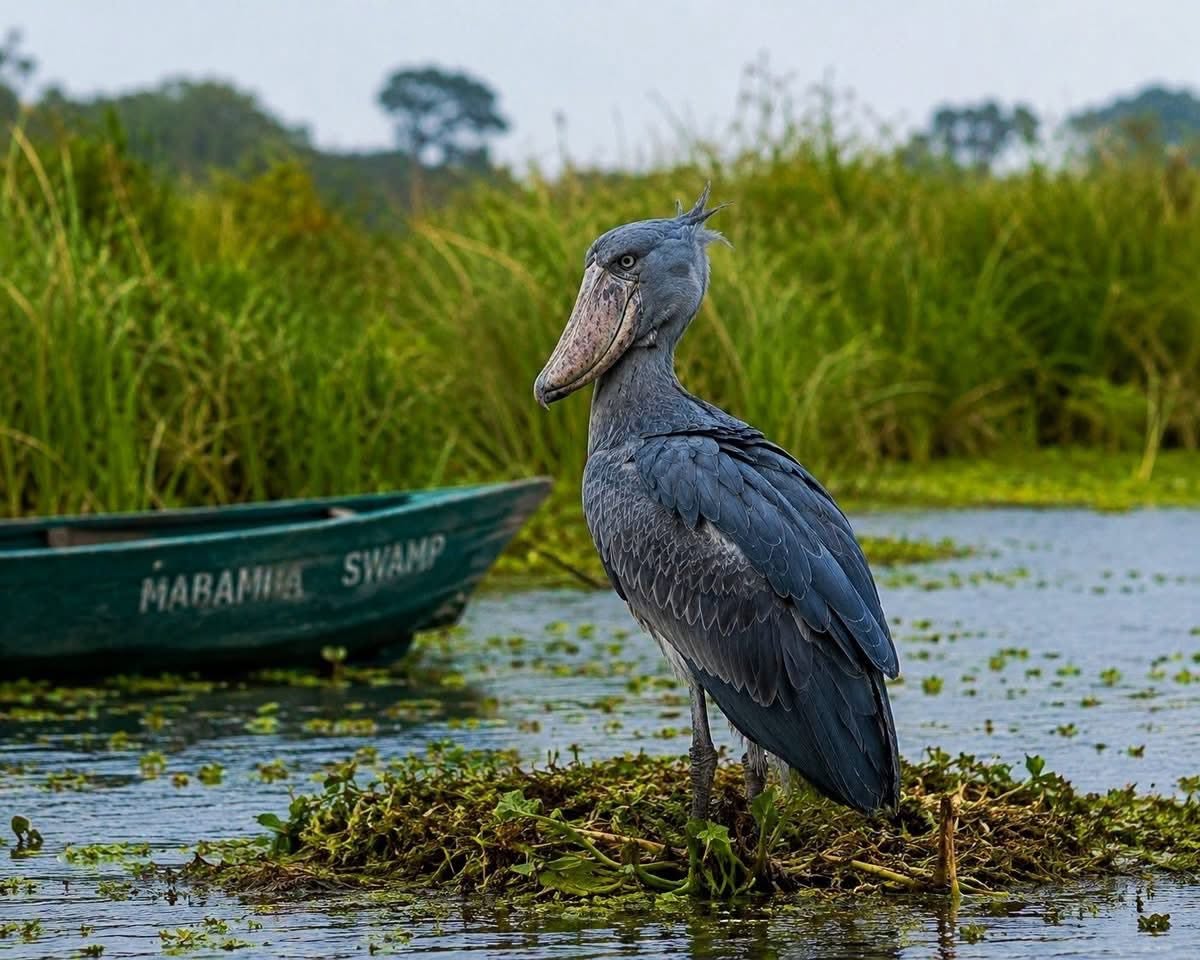
Uganda birding and birdwatching tours range from short wetland excursions to multi-day safaris across the country’s forests, lakes and savannahs. A one-day trip is a practical option for visitors based near Entebbe who want to search for the Shoebill, while a longer itinerary allows time to explore several habitats and look for a wider range of species.
1-day-perfect-mabamba-swamp-shoebill-stork-uganda-birding-safari
5-days-uganda-bird-watching-safari-lake-victoria-shores-and-lake-mburo
9-days-classic-uganda-birding-safari-tourn
13-days-uganda-birding-safari-and-wildlife
20-days-uganda-birding-safari-to-uganda-national-park
21-days-uganda-birding-safari-extravaganza-to-best-uganda-safari-parks
10-days-best-uganda-birding-safari-and-wildlife-experience
9-days-best-uganda-birding-safari-tour-from-swamps-to-savannah-eastern-route
30-days-best-uganda-birding-safari-extravaganza-and-wildlife-safari
25-days-complete-uganda-birding-safari-extravaganza-with-wildlife-viewing
1. Mabamba Bay Shoebill Day Tour
A day trip to Mabamba Bay Wetland is one of Uganda’s best-known birding excursions. Travellers typically explore the papyrus channels by canoe with a local guide, looking for the Shoebill as well as wetland species such as the Papyrus Gonolek and other papyrus specialists. Tours may depart from Entebbe and can suit visitors with limited time.
Indicative price: about $123–$360 per person, depending on whether the trip is shared or private and what is included.
2. Entebbe Wetland and Botanical Gardens Birding Tour
For a shorter outing, birding around Entebbe can combine wetland habitat with a visit to the botanical gardens. It’s a convenient introduction to Uganda’s birdlife and can be a good choice before or after an international flight. Ask the operator which sites are included, since routes and target species vary.
Indicative price: often within the $123–$360 per-person range for day excursions; confirm the exact itinerary and inclusions before booking.
3. Jinja Birding Excursion
A Jinja-area birding trip offers another day-tour option, with opportunities to explore local wetlands and other habitats. It can work well for travellers already visiting the region, though the species you see will depend on the route, season and conditions.
Indicative price: day-tour prices vary; compare the guide, transport and activities included in the quote.
4. Multi-Day Uganda Birding Safari
For a broader birding experience, multi-day Uganda safaris link wetlands, tropical forests and savannah parks. Depending on the itinerary, routes may include destinations such as Mabamba Bay, Kibale Forest, Bwindi Impenetrable National Park, Queen Elizabeth National Park, Murchison Falls, Semuliki or Kidepo Valley. Some tours also offer optional primate tracking.
Typical duration: 10–21 days
Indicative price: around $5,012–$8,190 per person
The final cost depends on group size, accommodation, transport, park fees, permits and the activities selected. Confirm whether birding guides, meals, transfers and any primate permits are included.
Choosing the Right Uganda Birdwatching Tour
Choose a day excursion if you have limited time or are mainly interested in Mabamba’s Shoebill and wetland birds. Pick a multi-day birding safari if you want to explore different habitats and search for a broader range of species. Before booking, check the tour’s dates, group size, inclusions and cancellation terms, and ask how the itinerary can be adjusted for your birding priorities. Prices are indicative and should be verified with the tour operator.
Uganda Birding & Birdwatching Tours: Top Destinations
Uganda birding tours bring together wetlands, tropical forests, open savannah and mountain habitats in one compact destination. The locations below are popular with birders seeking specialist species as well as varied wildlife and scenery. Sightings can never be guaranteed, but a knowledgeable local guide can help you plan around habitat, season and recent bird activity.
Mabamba Bay Wetland
Mabamba Bay Wetland is one of the most popular stops on Uganda birdwatching tours, especially for visitors hoping to see the Shoebill. This extensive wetland on the northern shore of Lake Victoria is best explored by canoe, gliding quietly through narrow channels between dense papyrus beds. Moving slowly gives you time to scan the reeds, listen for calls and watch the water for feeding birds.
The Shoebill is the headline species, but Mabamba offers plenty more for keen birders. Look for papyrus specialists such as the Papyrus Gonolek, Papyrus Yellow Warbler and White-winged Warbler, along with kingfishers, herons, jacanas and other wetland birds. Local guides know the channels and can often help visitors interpret distant calls and movement in the vegetation.
A Mabamba excursion can work as a day trip from Entebbe or as part of a longer Uganda birding safari. Early starts are useful for reaching the wetland before the day gets busy and warm. Bring binoculars, sun protection and a light rain jacket, and remember that wildlife sightings depend on conditions. For photographers, a canoe trip can provide close, low-angle views, but patience and respectful distance are essential.
Bwindi Impenetrable National Park
Bwindi Impenetrable National Park is celebrated for mountain gorillas, but it is also a major destination for birders exploring Uganda’s Albertine Rift. Its steep, forested slopes support a rich variety of habitats, from lower-elevation forest to cooler, higher ground. Guided walks along established trails are the best way to search for birds, since many species are heard before they are seen beneath the dense canopy.
Birding highlights may include the African Green Broadbill, Bar-tailed Trogon, Short-tailed Warbler and Archer’s Robin-Chat. The park is particularly rewarding for visitors interested in Albertine Rift endemics, though finding these elusive forest birds can take time. A specialist guide can help identify calls, choose suitable trails and adjust the day’s plan to local conditions.
Bwindi is often included in multi-day Uganda birding tours that also visit Queen Elizabeth National Park or Kibale Forest. Some travelers combine birding with gorilla trekking, which requires a separate permit and advance planning. The experience is active: trails can be steep, muddy and uneven, so sturdy footwear and a reasonable level of fitness are helpful. Move quietly, follow park guidance and give wildlife space. Whether you spend a morning birding or several days exploring different sectors, Bwindi offers an immersive forest experience and memorable opportunities to learn about Uganda’s highland biodiversity.
Kibale Forest National Park
Kibale Forest National Park is a rewarding choice for travelers who want to combine forest birding with primate watching. The park has more than 375 recorded bird species and a mix of forest, woodland and wetland habitats. Its trails pass through lush vegetation where bird calls often reveal activity before a bird appears. A patient pace and an experienced local guide can make a substantial difference.
Notable species to look for include the Green-breasted Pitta, Red-chested Owlet, Purple-breasted Sunbird and Great Blue Turaco. The pitta is especially sought after, but sightings are never guaranteed; timing, weather and forest conditions all play a part. Even when a target species stays hidden, birders can enjoy a rich soundscape and a range of forest birds, butterflies and primates.
Kibale fits naturally into longer Uganda birding tours, often alongside Bigodi Wetland Sanctuary, Queen Elizabeth National Park or Bwindi. Bigodi offers a contrasting community-managed wetland experience, with boardwalks and guided walks through papyrus and swamp forest. For a comfortable day in the field, wear breathable clothing, carry water and protect your gear from rain. Follow your guide’s advice, avoid playing bird calls excessively and keep to permitted trails. Kibale is a fine destination for both dedicated birders and first-time visitors seeking an accessible introduction to Uganda’s tropical forests.
Queen Elizabeth National Park
Queen Elizabeth National Park offers a striking change of scenery from Uganda’s forest destinations. Savannah grassland, crater lakes, wetlands and the Kazinga Channel create a varied landscape that attracts a wide range of birds. More than 600 species have been recorded in the park, making it a strong choice for travelers who want broad habitat variety during one safari.
Birding can take place on game drives, at selected lakes and around the Kazinga Channel. The channel boat trip is especially appealing: from the water, visitors may see African fish eagles, pelicans, herons, cormorants and other waterbirds along the banks. On land, open-country species share the savannah with elephants, antelope and other wildlife. The combination makes Queen Elizabeth a popular stop on Uganda birdwatching tours for both specialist birders and mixed-interest groups.
Species vary with location and season, so a flexible itinerary is useful. A local guide can help decide whether to focus on wetlands, open plains or woodland edges on a given day. Queen Elizabeth is often paired with Kibale, Bwindi or the Ishasha sector for a longer circuit. Bring binoculars, sun protection and water for game drives, and keep a respectful distance from wildlife. With its contrasting habitats and excellent general wildlife viewing, the park adds variety and memorable scenery to a Uganda birding safari.
Murchison Falls National Park
Murchison Falls National Park combines classic savannah birding with the dramatic scenery of the Nile River. Its habitats include open grassland, riverine woodland, wetlands and the broad Nile delta, where waterbirds gather. The variety makes the park a useful stop on Uganda birding tours, particularly for visitors hoping to combine birdwatching with wildlife drives and a river excursion.
The Nile delta is a key area to explore, with opportunities to look for waterbirds and species associated with river margins. Elsewhere in the park, birders can scan open country and woodland for savannah species. The Shoebill is sometimes a target in the delta, but sightings depend on conditions and are never assured. A local guide can help select the best areas and plan the day around current access and wildlife activity.
A boat trip on the Nile offers a different perspective from a game drive, with chances to observe birds along the banks and enjoy views of the falls. The park is often included in longer itineraries that continue to Kibale, Queen Elizabeth or Semuliki. Warm temperatures and strong sun are common, so carry water, wear a hat and use sun protection. If you are interested in photography, bring equipment that is practical for both dusty roads and boat travel. Murchison’s mix of river, delta and savannah makes it a rewarding destination for a varied birding safari.
Semuliki National Park
Semuliki National Park sits in western Uganda near the border with the Democratic Republic of the Congo. Its lowland tropical forest is part of the wider Guinea-Congo ecosystem, giving birders a chance to seek species that are difficult to find elsewhere in the country. The forest feels distinct from Uganda’s highland parks, and its humid conditions and dense vegetation make guided birding especially valuable.
Among the notable species associated with Semuliki is the Nkulengu Rail. Birders may also encounter a range of forest specialists, though many are shy, well camouflaged or most active in the canopy. Listening carefully is important: a guide familiar with local calls can help distinguish nearby activity and improve the chances of locating birds without disturbing them. Patience is part of the experience, and sightings are not guaranteed.
Semuliki is a good addition to longer Uganda birding tours, particularly for travelers seeking a broader range of habitats beyond savannah and montane forest. The park can be paired with Kibale or Queen Elizabeth, depending on route and available time. Expect warm, humid weather and the possibility of rain; lightweight, quick-drying clothing and waterproof protection for binoculars and cameras are useful. Follow park guidance, stay with your guide and keep to permitted routes. For birders interested in Central African forest species, Semuliki offers a distinctive and worthwhile experience.
Kidepo Valley National Park
Kidepo Valley National Park, in Uganda’s remote northeast, offers a very different birding experience from the country’s western forests and wetlands. Open plains, rocky hills and seasonal river valleys create an arid landscape with species suited to drier conditions. The park’s location and scenery make it an appealing choice for birders who have time to travel beyond Uganda’s more frequently visited safari circuit.
The Common Ostrich is among the notable birds associated with Kidepo, while the wider area supports a range of dry-country and savannah species. Birding is often done from a vehicle along park tracks, with stops to scan open ground, acacia woodland and rocky slopes. A local guide can help identify birds and adapt the route to weather, road conditions and recent sightings. As with any wildlife destination, no particular species is guaranteed.
Kidepo is usually best suited to travelers planning a longer Uganda birding safari, since reaching the park takes time. Its remote setting rewards visitors with expansive views, a quieter atmosphere and excellent opportunities to combine birdwatching with game viewing. Pack for heat, dust and changing conditions, and carry enough water for time in the field. If you are comparing Uganda birdwatching tours, consider whether you want a focused birding itinerary or a broader safari that includes scenery and mammals. Kidepo is especially memorable for travelers who value wilderness, open landscapes and a less-visited corner of Uganda.
What are the best Uganda birding and birdwatching tours?
The best Uganda birding tour depends on how much time you have and which habitats or birds interest you most. If you have one day, a Mabamba Bay Wetland excursion from Entebbe is a popular choice for searching for the Shoebill and papyrus specialists. Other short outings may explore Entebbe’s wetlands and botanical gardens or birding areas near Jinja.
For a broader experience, consider a multi-day birding safari. It can combine wetlands, lowland and montane forests, savannah and river habitats. Depending on the route, destinations may include Mabamba, Kibale Forest, Bwindi Impenetrable National Park, Queen Elizabeth National Park, Murchison Falls, Semuliki and Kidepo Valley.
Some tours focus primarily on birds, while others combine birdwatching with game drives, boat trips or optional primate tracking. When comparing Uganda birdwatching tours, check the itinerary, guide’s birding experience, group size and what the price includes. The right tour is one that allows enough time in the habitats you care about, rather than simply covering the most destinations.
How much does a Uganda birding tour cost?
The price of a Uganda birding tour varies with its duration, group size, accommodation, transport and included activities. Based on the indicative ranges provided, day excursions may cost about $123–$360 per person, while multi-day safaris of roughly 10 to 21 days may range from $5,012–$8,190 per person. Treat these as estimates, not guaranteed current rates.
A private tour may cost more per person than a shared trip, but it can offer greater flexibility over pace and birding priorities. Multi-day prices may or may not include park fees, meals, accommodation, transfers, specialist birding guides or permits for activities such as gorilla trekking. Ask for an itemised quote before paying a deposit.
When comparing Uganda birdwatching tour prices, look beyond the headline amount. Check the vehicle type, number of guiding days, accommodation standard, cancellation policy and any extra fees. A lower-priced itinerary may exclude important costs, while a higher quote may include more services. Confirm all inclusions directly with the operator and ask whether prices are quoted in US dollars or another currency.
Can I see a Shoebill on a Mabamba Bay tour?
Mabamba Bay Wetland is one of Uganda’s best-known places to search for the Shoebill, and many visitors take a canoe trip through its papyrus channels for this reason. A local guide can help navigate the wetland, look for movement among the reeds and identify other birds along the way. Species of interest may include papyrus specialists such as the Papyrus Gonolek, Papyrus Yellow Warbler and White-winged Warbler.
However, a Shoebill sighting is never guaranteed. Birds move around, conditions change, and a particular canoe route may not produce a view on a given day. A responsible operator should describe the excursion as a search for the Shoebill rather than promise a sighting.
For a better experience, allow enough time for the wetland visit and follow your guide’s advice on quiet movement and distance. Bring binoculars and, if you use a camera, be prepared for changing light and views partly obscured by vegetation. Even if the Shoebill remains out of sight, Mabamba can offer rewarding wetland birding and a close look at papyrus habitat. Consider it a wildlife excursion, not a guaranteed encounter.
How long should a Uganda birding safari be?
The ideal length depends on your target birds, travel style and appetite for time on the road. A single day can work for a focused outing to Mabamba Bay or birding around Entebbe. If you want to visit several habitats, a longer itinerary gives you more time to explore forests, wetlands, river areas and savannah.
Multi-day Uganda birding safaris commonly span around 10 to 21 days in the tour options described here. A shorter circuit can focus on a few destinations, such as Mabamba, Kibale and Queen Elizabeth National Park. A longer trip may add Bwindi, Murchison Falls, Semuliki or remote Kidepo Valley, depending on transport and priorities.
Avoid choosing an itinerary only by the number of parks listed. Long transfers can reduce time in the field, and forest birding often rewards patience. Ask how many full birding days are planned at each location and whether the route includes time for rest or weather changes. If you have specific target species, share your list with the operator before booking so the itinerary can be planned around realistic opportunities.
What birds can I look for at Mabamba Bay Wetland?
Mabamba Bay Wetland is best known for the Shoebill, but it also supports a variety of wetland birds. Visitors may look for papyrus specialists such as the Papyrus Gonolek, Papyrus Yellow Warbler and White-winged Warbler. Depending on the route and conditions, birders may also see kingfishers, herons, jacanas and other species associated with marshes and open water.
The wetland is a mosaic of papyrus beds and narrow water channels. Exploring by canoe lets visitors move quietly through areas that can be difficult to reach on foot. A knowledgeable local guide can help identify calls, scan the vegetation and explain the habitat. As with all wildlife watching, individual sightings vary and cannot be promised.
Mabamba makes a convenient addition to Uganda birdwatching tours based in Entebbe or Kampala, although travel time depends on the starting point and arrangements. Early departures are often used to make the most of the visit, but confirm the schedule with your operator. Bring binoculars, sun protection and rain protection for your equipment. A patient approach helps: the wetland is not just about ticking off one famous bird, but also about appreciating its wider birdlife and landscape.
Is Bwindi Impenetrable National Park good for birdwatching?
Yes. Bwindi Impenetrable National Park is an important Uganda birding destination, particularly for people interested in forest birds and Albertine Rift species. Its steep, densely vegetated slopes support different conditions across the park, and many birds are easier to hear than see beneath the canopy. Walking with a guide who knows the local calls and trails can make the experience more productive.
Birding highlights may include the African Green Broadbill, Bar-tailed Trogon, Short-tailed Warbler and Archer’s Robin-Chat. These are sought-after species, but sightings are not guaranteed. The dense forest, changing weather and bird activity all influence what visitors encounter on a particular walk.
Bwindi can be paired with Queen Elizabeth National Park or Kibale Forest on a longer Uganda birdwatching safari. Some travellers also add gorilla trekking, which is a separate activity with its own permit and planning requirements. Trails may be muddy, steep or uneven, so sturdy footwear and suitable fitness are helpful. Ask your tour operator which park sector and walking routes are planned, and whether the guide specialises in birding. With realistic expectations and time in the field, Bwindi offers an immersive forest experience as well as the chance to seek distinctive highland birds.
What makes Kibale Forest a popular birding destination?
Kibale Forest National Park is popular because it combines rich forest birding with opportunities to experience Uganda’s primate habitats. More than 375 bird species have been recorded in the park, and the forest’s dense vegetation creates a rewarding setting for visitors who enjoy listening for calls and searching carefully through the canopy and understory.
Birds that birders may hope to find include the Green-breasted Pitta, Red-chested Owlet, Purple-breasted Sunbird and Great Blue Turaco. The Green-breasted Pitta is a particular target for many visitors, but sightings depend on conditions and should never be treated as certain. An experienced guide can help identify calls, interpret movement and choose suitable trails.
Kibale is often included in Uganda birding tours alongside Queen Elizabeth National Park, Bwindi or Bigodi Wetland Sanctuary. Bigodi provides a contrasting wetland experience and can be a useful complement to forest walks. Wear comfortable clothing, carry water and protect cameras and binoculars from rain. Ask whether park activities and local guiding fees are included in your tour price. Kibale can suit both dedicated birders and travellers who want a forest experience as part of a broader Uganda safari.
What can I see while birding in Queen Elizabeth National Park?
Queen Elizabeth National Park offers a broad range of habitats, including savannah, crater lakes, wetlands and the Kazinga Channel. More than 600 bird species have been recorded in the park, making it a strong choice for visitors who want varied birding without staying in only one type of landscape.
Birdwatching opportunities include game drives across open country, visits to selected lake areas and boat trips on the Kazinga Channel. From the water, visitors may see birds such as African fish eagles, pelicans, herons and cormorants along the banks. On land, open-country species share the park with mammals including elephants and antelope, making the destination appealing to mixed-interest groups as well as dedicated birders.
A flexible schedule helps because bird activity and viewing conditions vary by location and season. A local guide can suggest whether to focus on wetlands, woodland edges or savannah during a particular outing. Queen Elizabeth is often combined with Kibale or Bwindi on multi-day Uganda birding tours. Bring binoculars, drinking water and sun protection for time in the vehicle or on the boat. Keep a respectful distance from wildlife and follow park rules throughout your visit.
Is Murchison Falls National Park worth including on a birding tour?
Murchison Falls National Park is worth considering if you want to combine birdwatching with river scenery, savannah wildlife and a boat excursion. The park includes grassland, riverine woodland, wetlands and the Nile delta, offering several habitats to explore during one visit. The delta is particularly interesting for birders looking for waterbirds and species associated with river margins.
The Shoebill may be a target in the delta, but sightings are not guaranteed. Other birds can be watched along the Nile, on game drives or from the riverbanks. A boat trip gives a different perspective from a vehicle-based safari and can offer close views of the river landscape, though wildlife activity varies.
Murchison Falls is often added to longer Uganda birding itineraries that also include Kibale, Queen Elizabeth or Semuliki. Travel time and road conditions should be considered when planning the route. The area can be hot and sunny, so carry water, a hat and sun protection. If you are travelling with photography equipment, pack for both dusty roads and boat travel. Ask your operator how much time is allocated to birding, rather than assuming that a general wildlife itinerary will provide a specialist birding experience.
What is special about birding in Semuliki National Park?
Semuliki National Park is distinctive for its lowland tropical forest and its connection to the wider Guinea-Congo ecosystem. This gives birders a chance to seek forest species that are different from those found in Uganda’s highland forests and open savannah parks. Its dense, humid habitat can make birds challenging to locate, so patience and a guide familiar with local calls are valuable.
The Nkulengu Rail is among the notable species associated with Semuliki. Visitors may also encounter other forest specialists, although many are shy, obscured by foliage or active high in the canopy. A guided walk can help you interpret calls and focus on promising areas without disturbing wildlife.
Semuliki is usually most practical as part of a longer Uganda birdwatching tour, often combined with Kibale or Queen Elizabeth National Park. The park’s warm, humid conditions mean lightweight clothing and rain protection for binoculars and cameras are useful. Check access and itinerary details with your tour operator before travelling. Semuliki may be less suited to visitors seeking quick, easy sightings, but it can be especially rewarding for birders interested in lowland forest habitats and expanding the range of species they might encounter in Uganda.
Is Kidepo Valley National Park suitable for birdwatching?
Kidepo Valley National Park is a good option for travellers who want to explore Uganda’s remote northeast and experience a drier landscape than the country’s western forests. Open plains, rocky hills and seasonal river valleys support birds suited to savannah and arid conditions. The park’s scenery and quieter setting can make the journey appealing in its own right.
The Common Ostrich is among the notable birds associated with Kidepo. Birding is often done from a vehicle, with stops to scan grassland, acacia woodland and rocky slopes. A local guide can help identify birds and adapt the day’s route to road conditions and wildlife activity. As with other destinations, particular sightings cannot be guaranteed.
Kidepo is generally a better fit for a longer Uganda birding safari because reaching it takes time. Consider how the park fits into your overall route and whether you have enough days to enjoy it without rushing. Pack for heat, dust and changing conditions, and carry water during field outings. Kidepo may appeal most to visitors who value remote wilderness, open landscapes and the chance to add dry-country birds to a broader Uganda itinerary.
Can I combine birdwatching with gorilla trekking in Uganda?
Yes. Some Uganda birding tours combine time in forest and wetland habitats with gorilla trekking in Bwindi Impenetrable National Park. The two activities offer different experiences: birdwatching involves searching and listening along trails, while gorilla trekking is a separate guided wildlife activity. They can complement each other on a longer trip, but each requires its own planning.
Gorilla trekking requires a permit, and availability, fees and booking requirements should be confirmed with the relevant operator before travel. Do not assume that a birding safari price includes a gorilla permit. Ask for the permit cost, booking arrangements, cancellation terms and the time allocated for trekking. The trek can involve steep, muddy or uneven trails, so visitors should consider their fitness and discuss any mobility concerns in advance.
Bwindi birding may also be planned around a chosen park sector, depending on the itinerary and available access. Give your tour operator enough notice to coordinate transport, accommodation and permits. If birding is your priority, make sure the schedule includes dedicated birding time rather than treating it as an optional activity around the trek. A well-planned combination can add variety to a Uganda safari while keeping expectations realistic.
What is the best time of year for birdwatching in Uganda?
There is no single perfect time for every Uganda birding tour. Weather, habitat conditions, access and bird activity can vary across the country, and the best dates may depend on the species and locations you hope to see. Some travellers prefer to plan around drier travel conditions, while others are willing to visit during wetter periods to suit their schedule or birding interests.
Before booking, share your target species and travel dates with a specialist operator. Ask about recent conditions at destinations such as Mabamba Bay, Bwindi, Kibale and Queen Elizabeth National Park. A local guide can advise whether a particular route is practical and how much flexibility to build into the itinerary.
It is also wise to plan for changing weather regardless of the season. Lightweight rain protection, sturdy footwear and a waterproof case or bag for optics can help in forests and wetlands. Avoid choosing dates based only on a general claim that one month is best for all birding. Uganda contains many habitats, and conditions differ between them. The most useful planning advice is specific to your route, target birds and the latest local information.
Are Uganda birding tours suitable for beginners?
Yes. Uganda birding tours can suit beginners as well as experienced birders, provided the itinerary and pace match the traveller’s interests. A day trip to Mabamba Bay, for example, can introduce visitors to wetland habitats and guided birdwatching without requiring a long safari. Entebbe-area outings may also offer a convenient first experience for visitors with limited time.
Beginners benefit from a patient guide who can help identify calls, explain field marks and share basic birding techniques. You do not need to know every species before you go. Binoculars are useful, and a simple bird checklist or field guide can make the experience more engaging. Let the operator know whether you are a beginner so the guide can adjust the pace and explain what you are seeing.
Some locations involve walking on uneven, steep or muddy trails, while others are explored from a vehicle or canoe. Ask about physical demands in advance. A mixed itinerary can balance forest walks with boat trips and game drives. Whether you are a first-time birder or an experienced naturalist, setting realistic expectations helps: the goal is to enjoy the habitats and wildlife, not to guarantee a particular species on every outing.
What should I pack for a Uganda birding safari?
Pack for long hours outdoors and changing conditions. Binoculars are the most useful item for many birders; a camera with a telephoto lens is optional. A notebook or birding app can help you record sightings, but keep devices protected from rain and dust. Bring comfortable, neutral-coloured clothing, sturdy walking shoes and several pairs of socks.
The right kit depends on your route. Forest trails in places such as Bwindi and Kibale can be damp, steep or muddy, while open areas such as Kidepo may be hot and dusty. A lightweight rain jacket, sun hat, sunscreen, insect protection and reusable water bottle are useful for many itineraries. Consider a waterproof bag or cover for binoculars, cameras and documents.
For canoe trips at Mabamba Bay, ask the operator what is provided and how to protect equipment from splashes. Pack spare batteries and memory cards if you plan to photograph birds. Avoid bringing more than you can comfortably carry on walks. Before departure, ask your tour company for destination-specific packing guidance, particularly if your trip includes primate trekking or long drives. Practical, comfortable gear helps you stay focused on birdwatching rather than managing avoidable discomfort.
Should I choose a private or shared Uganda birding tour?
A private Uganda birding tour can offer more control over pace, route and target species. This may be useful if you have a specific bird list, want extra time at a site or prefer to travel with family or friends. Private tours can also make it easier to adjust the day when weather or bird activity changes, although flexibility depends on the operator and itinerary.
Shared tours may cost less per person and provide the chance to meet other travellers. The trade-off is that the group may have different interests, fitness levels or preferred pace. Before booking, ask how many people are expected and whether the tour is designed for birders or general wildlife visitors.
Price is only one part of the decision. Compare the guiding experience, vehicle arrangements, included meals and site fees, and the time set aside for birding. If photography is important, ask whether the group size and vehicle setup will work for your needs. The right choice depends on your budget and priorities. For a focused target-species trip, private guiding may suit you; for a more general introduction, a well-organised shared excursion may be a practical option.
What is usually included in the price of a Uganda birding tour?
Tour inclusions vary, so it is important to check the written itinerary and quote rather than assume that all costs are covered. A day excursion may include some combination of transport, a guide and the birding activity, but meals, park or site fees and other expenses may be charged separately. A multi-day safari may include accommodation, transport and meals, while permits and certain activities could remain additional.
Ask the operator to list what is included and excluded. Clarify whether the price covers a specialist birding guide, transfers from your hotel, entrance fees, boat or canoe trips, drinking water and accommodation. If you plan to add gorilla trekking or another permit-based activity, confirm that it is not being mistaken for a standard tour inclusion.
Also check whether the quote is per person, whether it assumes a minimum group size and what happens if the group size changes. For multi-day Uganda birdwatching tours, ask about accommodation standards and any single-room supplement. A clear breakdown helps you compare offers fairly and avoid surprises. Keep a copy of the confirmed itinerary, payment schedule and cancellation terms, and verify that any price estimate is current before booking.
Are Uganda birding tours suitable for families?
Some Uganda birding tours can work well for families, but the best choice depends on children’s ages, interests and comfort with travel. A shorter excursion near Entebbe may be easier to manage than a long circuit with frequent transfers. Mabamba Bay, for example, offers a guided canoe experience, while botanical gardens and other local sites can provide a less demanding introduction to birdlife.
For a family safari, ask the operator about travel times, vehicle comfort, walking distances and toilet or meal stops. Young birders may enjoy a mix of birdwatching, boat trips and general wildlife viewing rather than long forest walks focused on one target species. Guides can often make outings more engaging by explaining calls and helping children spot movement in the vegetation.
Some forest trails may be steep, muddy or uneven, and not every activity is suitable for every age or ability. Discuss these details before booking. A private itinerary can make it easier to set a family-friendly pace, though the cost may differ from a shared tour. Choose a route that leaves room for breaks and does not rely on children sustaining long periods of quiet observation. A flexible plan can make birdwatching enjoyable for the whole family.
How do I choose a reliable Uganda birding tour operator?
Start by looking for an operator that clearly explains its routes, guiding arrangements and tour inclusions. For a specialist Uganda birding safari, ask about the guide’s birding experience, familiarity with your target species and ability to adapt plans when conditions change. A general wildlife guide may be suitable for a mixed safari, but dedicated birders may prefer a guide with strong local bird knowledge.
Request a day-by-day itinerary and a written quote that separates included and excluded costs. Check the group size, accommodation, transport, park fees, boat trips and any permit arrangements. Ask how the operator handles sightings responsibly and whether the itinerary allows enough time at each site. Be cautious of claims that guarantee a particular bird or animal.
Reviews can be useful, but look for details about guiding, communication and logistics rather than relying only on star ratings. Confirm payment terms, cancellation conditions and who to contact during the trip. If possible, share your bird list and experience level before booking. A reliable operator should answer questions clearly and help set realistic expectations. Good planning and knowledgeable guiding can improve the experience, even though wildlife sightings always remain uncertain.
How can I plan a Uganda birding itinerary around target species?
Begin by listing the birds or habitats that matter most to you. If the Shoebill is your main target, consider a Mabamba Bay excursion. If you are interested in Albertine Rift forest birds, include Bwindi; for lowland forest specialists, consider Semuliki; and for dry-country species, Kidepo may be worth adding to a longer itinerary. Kibale and Queen Elizabeth provide contrasting forest, wetland and savannah experiences.
Share your list with a Uganda birding tour operator before confirming the route. Ask how much time is planned in each habitat, whether the guide has experience with your target species and how much travel the itinerary involves. A tour that visits many parks quickly may provide less time for focused birding than a route with fewer stops.
Keep expectations flexible. Birds move, weather changes and some species are naturally difficult to see. Build in enough time for walks, listening and repeat visits where possible, rather than treating every destination as a checklist stop. If you are also interested in gorilla trekking or general wildlife viewing, explain those priorities too. A well-balanced itinerary matches your targets to realistic travel times and leaves room to enjoy Uganda’s landscapes along the way.
Booking Uganda birding safari with us Roads of Adventure safaris
Booking a Uganda birding safari with Roads of Adventure Safaris connects you with local birding guides across Uganda's top habitats, including Mabamba Swamp, Bwindi, Kibale, Queen Elizabeth, and Murchison Falls. You can target Shoebill Storks, Albertine Rift endemics, and over 1,065 recorded species on trips ranging from 1-day excursions to multi-week circuits. Itineraries can be tailored to your target list, travel pace, and add-ons like gorilla or chimpanzee trekking, with 4WD transport, permits, and lodging handled. To book, select your dates and package on their site or contact their team directly.