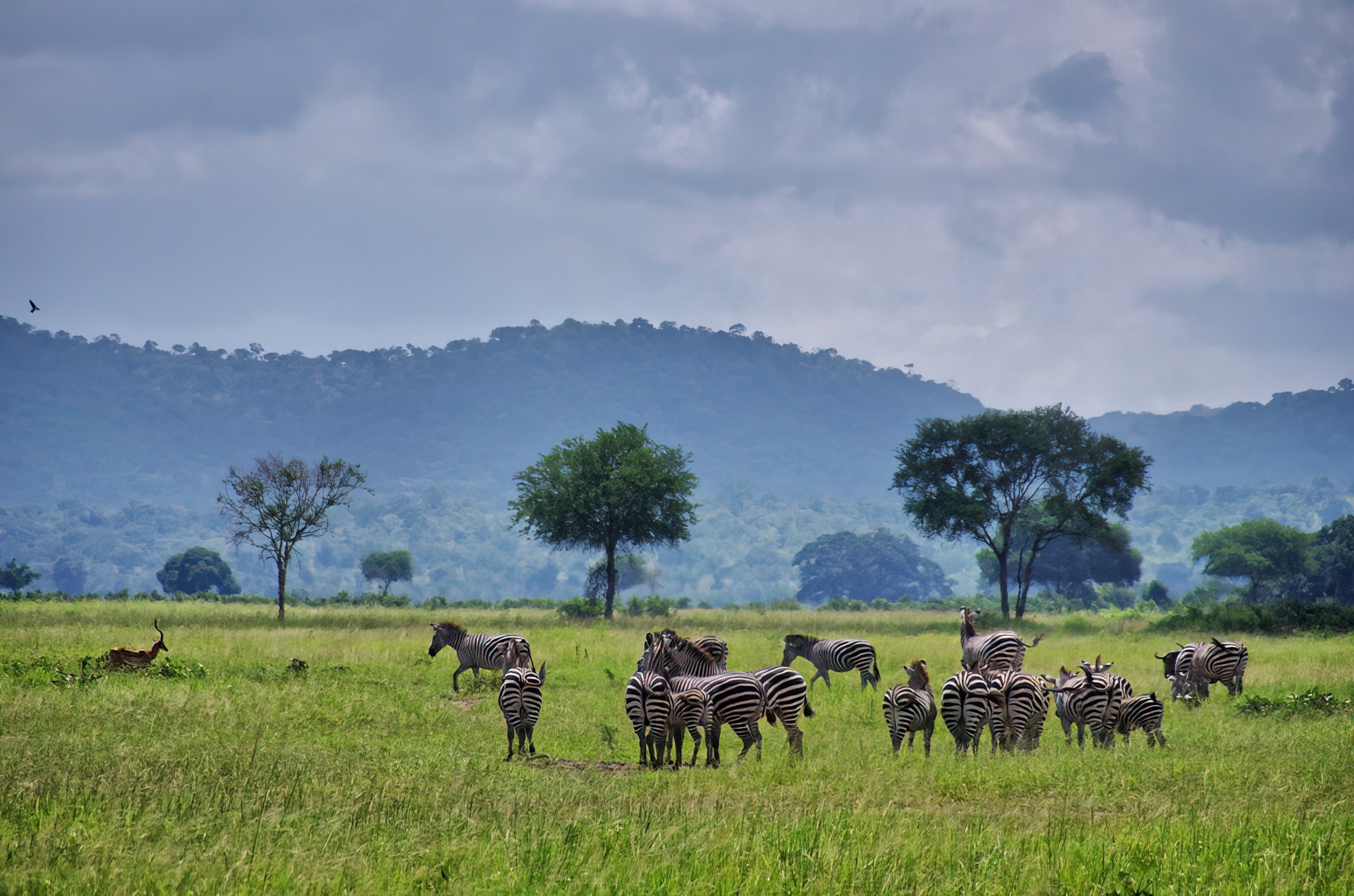
To tourist attractions in Mikumi national park on Tanzania wildlife safari, Mikumi National Park is Tanzania's fourth-largest park, offering an accessible and rewarding wildlife safari. Key attractions include the vast Mkata Floodplain for large-mammal viewing, the Hippo Pools for up-close observations, the bird-rich Miombo woodlands, and the scenic Malundwe Mountains
4-days-perfect-mikumi-and-nyerere-national-park-tanzania-safari-vacation-holiday
2-days-best-mikumi-safari-itinerary-from-zanzibar-beach-holidays
3-days-best-mikumi-national-park-tanzania-safari-tour-package
5-days-southern-circuit-tanzania-safari-to-nyerere-and-mikumi-national-park
Top Attractions to Explore in Mikumi
The Mkata Floodplain
The Mkata Floodplain is the undisputed soul of Mikumi National Park, frequently likened to the legendary Serengeti for its expansive, open grasslands. For those embarking on a Tanzania wildlife safari, this area serves as a spectacular stage where the drama of the African bush unfolds daily. The lack of dense vegetation allows for unobstructed, panoramic views, making it a dream destination for wildlife enthusiasts and photographers alike. As you traverse the floodplain, you will be greeted by the sight of immense herds of zebras, wildebeests, and impalas grazing in harmonious proximity. Buffaloes are also a common sight, often congregating near the permanent water holes.
The floodplain is particularly celebrated as prime predator territory. Lions, the apex hunters of the region, are frequently observed using the raised termite mounds as tactical vantage points to scan the plains for their next meal. This behavior provides visitors with some of the most iconic wildlife viewing opportunities in East Africa. Because the terrain is so open, you are afforded the luxury of tracking movements from a distance, watching the social dynamics of the herbivores and the stealthy presence of the hunters. Whether you are observing a playful group of zebras or the calculated patience of a lioness on the hunt, the Mkata Floodplain captures the very essence of the wilderness. It is a place where the cycle of life is visible in its rawest form, reminding every traveler why a Tanzania wildlife safari is an essential experience for those seeking to connect with the natural world in its most undisturbed and majestic state.
The Hippo Pools
Located just a short, exhilarating drive from the park’s main circuit, the Hippo Pools offer an intimate encounter with some of the bush’s most fascinating and vocal residents. For any guest on a Tanzania wildlife safari, this location provides a rhythmic, sensory experience that is entirely distinct from the quiet grazing seen on the open plains. As you approach the water’s edge, the deep, guttural grunting of the hippos serves as an immediate reminder of the power these heavy, aquatic giants possess. Watching them in their natural element is mesmerizing; you can witness them yawning to display their impressive tusks, wallowing in the cool mud to regulate their body temperature, or interacting with the territorial crocodiles that often bask on the nearby banks.
These pools are a sanctuary for activity, making them an excellent spot for high-quality wildlife photography. The lighting often catches the spray of water as the hippos surface, providing dramatic opportunities to capture movement and raw energy. The presence of crocodiles adds a layer of tension and interest, as these two formidable species share the aquatic space with a begrudging, ancient respect. Beyond the larger animals, the banks are often frequented by a variety of waterbirds, adding color and movement to the scene. The Hippo Pools represent the complexity of the ecosystem within Mikumi, highlighting how water sources act as magnets for life in the African heat. For those looking to see the sheer personality of wildlife—the social, the aggressive, and the playful—this location is a cornerstone of the Tanzania wildlife safari experience, offering a glimpse into the underwater world of the park’s most robust inhabitants.
The Miombo Woodlands & Mountain Fringes
While the open plains draw the initial attention, the Miombo Woodlands and the surrounding mountain fringes offer a more nuanced, secretive layer to a Tanzania wildlife safari. Covering the park’s borders, these scenic, wooded areas present a stark and beautiful contrast to the grasslands. The environment here is more intimate, with the thickets and dappled light creating a sanctuary for animals that prefer the shelter of the brush. During the dry season, these woodlands become a critical refuge for large mammals, including elephants, who move through the trees with a quiet grace that is almost impossible to observe in the open plains.
The woodland fringes are the best place to search for the shyer, more elusive antelopes, such as the kudu, which are prized for their magnificent spiraled horns and cautious nature. The interplay between the deep shadows of the woodlands and the mountain backdrop creates a stunning, ever-changing landscape that challenges the photographer’s eye. It requires a different kind of patience; here, you aren't just looking for a horizon filled with animals, but rather searching for a flash of movement or the twitch of an ear in the brush. This exploration of the fringes allows you to appreciate the park’s diversity, noting how the flora dictates the movement and behavior of the fauna. For those who want to move beyond the "big game" drive and truly understand the habitat, the Miombo Woodlands offer a deeper, more atmospheric side to the journey. It is a reminder that in every corner of a Tanzania wildlife safari, there is a unique story being told, hidden within the trees and the quiet, mountain-shadowed corridors of this diverse park.
The Malundwe Mountains
Rising majestically in the southern reaches of the park, the Malundwe Mountains represent the rugged, high-altitude spine of Mikumi. For travelers looking to add a vertical, scenic dimension to their Tanzania wildlife safari, this is the highest point in the area and a place of remarkable natural beauty. The mountains are characterized by distinct forest types that differ significantly from the savannahs below, creating a micro-climate that supports unique flora and fauna not found anywhere else in the park. As you ascend, the transition in vegetation—from the base to the misty peaks—is a fascinating study in environmental adaptation.
The Malundwe Mountains are a haven for those who appreciate the finer details of nature. During the right season, the hillsides erupt in a display of blooming flowers, turning the landscape into a vibrant tapestry of color that contrasts sharply with the rugged, rocky outcrops. The views from the summits are unparalleled, offering an aerial perspective of the sprawling park below and the horizon stretching out into the distance. It is a quiet, contemplative space that feels worlds away from the busy game circuits. Whether you are interested in identifying rare plant species, bird-watching for mountain-dwelling specials, or simply standing at the edge of the world to witness the grandeur of Tanzania, this region is a testament to the park’s geographical variety. Including the Malundwe Mountains in your itinerary enriches the overall narrative of your Tanzania wildlife safari, proving that the park is more than just a place to see lions—it is a complex, layered world of mountains, forests, and valleys waiting to be discovered by the curious traveler.
Rich Birdlife
Mikumi National Park is a paradise for ornithologists and casual bird-watchers alike, boasting over 400 recorded species. If your vision of a Tanzania wildlife safari is incomplete without the flash of brilliant feathers against a blue sky, Mikumi will exceed your expectations. The park’s diversity of habitats—from the open Mkata Floodplain to the dense Miombo Woodlands and riverine areas—creates a mosaic that supports a truly impressive array of resident and migratory birds. Among the most iconic residents is the lilac-breasted roller, whose vibrant plumage and dramatic displays are a highlight of any game drive.
The birdlife is particularly active near the seasonal water streams and pools, where the interplay between avian behavior and the larger mammals creates endless fascination. Migratory birds, traveling from as far away as Europe or Asia, add to the population during specific months, creating a dynamic environment that changes throughout the year. Watching a raptor circle high above the plains or spotting a kingfisher diving into a pool requires a sharp eye and an appreciation for the smaller wonders of the bush. Beyond the sheer number of species, the birds of Mikumi provide a melodic soundtrack to the safari experience, from the early morning calls to the evening choruses. Every turn in the road or stop at a water hole offers a potential "lifer" for dedicated birders, or simply a beautiful, colorful interruption to a day of searching for elephants and lions. By paying attention to the avian life, you gain a fuller understanding of the park's health and complexity, making your Tanzania wildlife safari a richer, more vibrant, and truly comprehensive exploration of East Africa's incredible natural heritage.
Game Drives
Game drives are the foundational experience of a Tanzania wildlife safari, serving as the primary way to explore the vast reaches of Mikumi National Park. These drives, conducted in specialized 4x4 vehicles, allow guests to cover significant ground, transitioning from the open Mkata Floodplain to the forested mountain fringes in a single excursion. Morning drives are particularly magical; the cool air of dawn often brings out the predators before the heat of the day settles in. This is the prime time to watch lions on the move, leopards stealthily navigating the thickets, or a pride of lionesses lounging in the tall grasses.
The afternoon drives offer a different rhythm as the park comes alive in anticipation of the night. As the shadows lengthen, the herbivores—including massive herds of giraffes, zebras, and elephants—become more active. The game drive experience is fundamentally about the thrill of discovery; there is an undeniable excitement in scanning the horizon and spotting the distinct silhouette of a giraffe or the heavy frame of an elephant walking silently through the brush. Your guide plays a pivotal role here, using their expert knowledge to read tracks, follow alarm calls, and position the vehicle for the best possible viewing angles. Because Mikumi is so rich in wildlife, these drives are rarely quiet. Every kilometer offers the potential for a new sighting, whether it’s a family of elephants crossing the road in front of you or a leopard perched high in a tree. For many, the game drive is the quintessential Tanzania wildlife safari activity, providing a comfortable, safe, and highly rewarding way to witness the immense power and beauty of Africa’s most iconic animals in their natural, wild habitat.
Walking Safaris
A walking safari is perhaps the most immersive way to engage with the environment on a Tanzania wildlife safari, stripping away the mechanical barrier of the vehicle to bring you face-to-face with the sights, sounds, and scents of the bush. Unlike a game drive, where you observe from a distance, walking requires you to be fully present and alert. Accompanied by an experienced, armed ranger, you move through the landscape at a pace that allows you to notice the small ecosystems that are often missed from the comfort of a seat. You might examine termite mounds up close, learn to identify the tracks of a leopard, or study the medicinal properties of local plants.
This activity is less about the "Big Five" and more about understanding the intricate web of life that sustains the park. The silence of the bush on foot is profound, and every snap of a twig or distant bird call becomes a focal point of your attention. Walking safaris in Mikumi provide a unique perspective on the smaller, often overlooked creatures—insects, reptiles, and specialized flora—that define the park's biological diversity. There is an unmistakable surge of adrenaline that comes with being on the ground in the wild, an experience that connects you to the instinctual rhythms of the earth. The armed ranger ensures your safety while sharing deep knowledge of the park’s history and ecology, transforming your walk into an educational adventure. For those who want to feel the earth beneath their boots and truly breathe in the African wilderness, a walking safari is the ultimate way to deepen your connection to nature. It is a challenging, humbling, and unforgettable highlight of any Tanzania wildlife safari.
Cultural Tours
While the wildlife is the primary draw for a Tanzania wildlife safari, cultural tours offer a profound and essential counterpoint, allowing you to connect with the traditions, history, and vibrant spirit of the local people who live alongside the park. Many multi-day safari itineraries include visits to nearby Maasai villages, providing an authentic, respectful glimpse into a culture that has been shaped by a deep, generational relationship with the land. These tours are not just an add-on; they are an opportunity to engage in meaningful dialogue, learn about traditional pastoralist life, and understand the challenges and successes of conservation from the perspective of those who call this area home.
During these visits, you may be welcomed with traditional singing and dancing, showcasing the pride and vitality of the community. You might have the chance to learn about the intricate craftsmanship behind beadwork, the traditional methods of constructing homes, or the deep cultural importance of cattle in Maasai society. These encounters bridge the gap between "observer" and "guest," fostering a sense of mutual respect and understanding that stays with you long after you leave. The cultural tours provide a necessary human context to the wilderness you have been exploring, showing how local communities are integrating their traditions with the modern realities of tourism and environmental protection. It is a grounding experience, one that highlights the diversity of human culture in the same way the park highlights the diversity of wildlife. By participating in these tours, your Tanzania wildlife safari becomes a holistic journey, honoring the land’s animals and the people who are its long-term stewards, ensuring you leave with a much richer perspective on Tanzania as a whole.
1. What makes the Mkata Floodplain the heartbeat of a Tanzania wildlife safari?
The Mkata Floodplain is the lifeblood of Mikumi National Park, functioning as a magnet for biodiversity that draws visitors from across the globe. Often compared to the Serengeti, it is a vast, open expanse where the horizon seems to stretch infinitely, offering a rare, unobstructed view of the African wild. For a traveler on a Tanzania wildlife safari, this floodplain is the premier stage for observing large mammalian herds in their natural, social environment. Because the vegetation here is primarily low-lying grass, you do not have to contend with the dense thickets that often obscure wildlife in other regions.
The significance of this floodplain lies in its predictability and visibility. Large herds of zebras, wildebeests, impalas, and buffaloes congregate here to graze, creating a living, moving landscape that feels almost prehistoric in its scale. This density of prey naturally attracts the park’s most iconic predators. Lions are a permanent fixture of the Mkata Floodplain, famously utilizing the elevated termite mounds as lookout posts. These mounds provide a vantage point from which the lions can survey the plains for miles, strategizing their next hunt while their prey grazes unsuspecting nearby. Watching this high-stakes social dynamic unfold in an open environment provides photographers and wildlife enthusiasts with unparalleled opportunities to document natural history. The floodplain is not merely a geographic feature; it is a complex, active ecosystem where the eternal struggle for survival is played out under the bright African sun. For anyone seeking the quintessential, raw experience of the bush, the Mkata Floodplain represents the absolute pinnacle of what a Tanzania wildlife safari offers, proving that Mikumi is a world-class destination for anyone passionate about witnessing nature in its purest, most powerful, and most visible form.
2. How do the Hippo Pools transform the experience of a Tanzania wildlife safari?
If the Mkata Floodplain represents the grand scale of the African savannah, the Hippo Pools offer a deep dive into the intimate, boisterous, and chaotic world of the park’s aquatic residents. For guests on a Tanzania wildlife safari, these pools provide a sensory experience that is entirely distinct from the quiet observations made on the open plains. Located just a short drive from the main circuit, these water bodies act as social hubs where the rhythmic, deep-throated grunting of hippos serves as a constant soundtrack to the safari.
Watching hippos in their natural element is endlessly fascinating. These massive, territorial animals possess complex social structures, and the pools provide the best theater to witness their interactions. You can observe them yawning, which is not an act of sleepiness but rather a powerful, intimidating display of their massive tusks to rivals or threats. Occasionally, you might witness playful behavior among the calves or aggressive territorial disputes that send ripples of excitement through the water. Adding another layer of intrigue, basking crocodiles are frequently found lounging on the muddy banks. Their presence creates a tense but fascinating dynamic, as these two formidable species share the limited space. The pools are a photographer’s dream; the interplay of water, wildlife movement, and the dramatic expressions of the hippos allows for shots that capture real personality and action. Beyond the megafauna, the periphery of the pools is usually teeming with colorful waterbirds, adding flashes of brilliance to the muddy, dramatic environment. The Hippo Pools remind visitors that the bush is not just about the iconic land mammals, but also about the hidden, underwater world that sustains them. It is an essential component of a Tanzania wildlife safari, showing the vibrant diversity that flourishes wherever water meets land in the Tanzanian wild.
3. Why are the Miombo Woodlands and mountain fringes essential for a Tanzania wildlife safari?
While the open grasslands often dominate the itinerary, the Miombo Woodlands and the mountain fringes of Mikumi offer a more atmospheric, secretive dimension to a Tanzania wildlife safari. These wooded borders and dramatic slopes provide a vital contrast to the plains, creating a mosaic habitat that supports a wide range of specialized species. As you move into the woodlands, the nature of the safari changes; it becomes less about scanning a broad horizon and more about developing a sharp, observant eye for movement within the dappled light and shadows of the trees.
The Miombo Woodlands are particularly rewarding during the dry season, when the animals move from the drying plains toward these areas in search of shelter and food. This is the prime time to encounter elephants as they move with quiet, deliberate grace through the brush. The woodland fringes also serve as the preferred territory for shyer, more elusive antelopes like the kudu. With their beautiful, spiraled horns and cautious nature, spotting a kudu in the woodlands is a true mark of a successful safari. The mountain fringes add a breathtaking aesthetic quality, providing a rugged backdrop that makes the entire park feel more wild and remote. The interplay between the deep, forested valleys and the open sky makes for stunning landscape compositions, whether you are behind the lens or simply taking it in with your own eyes. For those seeking a deeper connection with the park, these areas require a slower, more deliberate approach. They remind us that nature is layered and that the most rewarding sightings often occur in the places where the light is dim and the vegetation is thick. Including the woodlands and mountain fringes ensures that a Tanzania wildlife safari is a comprehensive exploration of both the dramatic savannah and the subtle, hidden corners of the wilderness.
4. What ecological wonders can be found in the Malundwe Mountains?
The Malundwe Mountains, situated in the southern reaches of Mikumi, offer a dramatic, vertical shift in the park’s topography and a unique ecological experience for those on a Tanzania wildlife safari. As the highest peak in the area, the mountains act as a distinct island of biodiversity, featuring forest types and plant life that differ significantly from the savannah ecosystems below. For a visitor interested in the broader scope of natural history, the Malundwe range is a place where you can witness the effects of altitude and isolation on the evolution of flora and fauna.
The mountains are characterized by lush, high-altitude forests that harbor unique species, making them a point of interest for researchers and nature lovers alike. During the seasonal blooming periods, the slopes are transformed, as wildflowers erupt across the terrain, turning the rugged landscape into a tapestry of color. These blooms are not just beautiful; they are an essential part of the mountain’s ecology, supporting unique insect populations and avian life. The views from the ridges are truly unparalleled, offering a bird’s-eye perspective of the sprawling park floor, a sight that puts the sheer size of the wilderness into perspective. Exploring these mountains requires a spirit of adventure and an appreciation for the details of the landscape, from the different layers of forest canopy to the specific plants that thrive in the cooler, mistier air. It is a contemplative experience, far removed from the busy game circuits of the main plains. By visiting the Malundwe Mountains, you are expanding the scope of your Tanzania wildlife safari, ensuring that you experience the full range of geographical and biological variety that this corner of Tanzania has to offer. It is a destination that demands patience and a keen eye, rewarding those who venture there with a deeper understanding of how landscape and life are inextricably linked.
5. Why is Mikumi considered a prime destination for bird-watching on a Tanzania wildlife safari?
Mikumi National Park is an ornithological treasure trove, home to over 400 recorded bird species, making it a mandatory stop for any bird-watcher planning a Tanzania wildlife safari. The park’s diversity of habitats—encompassing grasslands, riparian zones, and dense woodlands—creates a sanctuary that appeals to a massive range of avian life, from large, soaring raptors to tiny, vibrant sunbirds. Birding in Mikumi is not just a secondary activity; it is a primary lens through which the park’s health and diversity can be truly appreciated.
The lilac-breasted roller is undoubtedly the park’s most famous avian icon, and witnessing one in flight is a staple of any game drive. Their brilliant plumage of turquoise, green, and lilac offers a stark, beautiful contrast to the golden and earthy tones of the savannah. However, the birdlife extends far beyond the most recognizable species. Near the seasonal water streams and pools, you can find a constant, melodic chorus and a flurry of movement as kingfishers, herons, and egrets hunt for prey. During the migratory seasons, the park’s population swells as birds from Europe and Asia arrive, adding new sights and sounds to the environment. For the dedicated birder, the challenge of identifying species against the backdrop of the bush is a thrilling test of patience and skill. Even for the casual observer, the sheer number of colorful, singing, and active birds makes every game drive feel alive. By observing the birdlife, you gain a fuller, more immersive experience of the ecosystem. It reminds you that the savannah is not just about the "Big Five," but about the countless small, winged lives that orchestrate the beauty of the landscape. A Tanzania wildlife safari in Mikumi is not just an opportunity to see big mammals; it is a vibrant, melodic, and visually stunning dive into one of East Africa’s most diverse avian populations.
6. How do morning and afternoon game drives define the Tanzania wildlife safari experience?
Game drives are the quintessential, heart-pounding activities that define a Tanzania wildlife safari, providing the primary vehicle for exploring the vast, untamed reaches of Mikumi National Park. These drives are not just about driving; they are about participating in a search, a quiet observation, and a shared sense of discovery. By splitting the experience into morning and afternoon slots, the safari allows guests to observe the rhythm of the bush as it shifts with the sun, offering two distinct snapshots of life in the wild.
The morning drive begins at the crack of dawn, when the air is crisp and the park is waking up. This is the golden time for predators. Lions, leopards, and hyenas are often still active, using the cooler temperatures to finish their hunts or patrol their territories. Watching the sun rise over the Mkata Floodplain while scanning the tall grass for the movement of a lion is an experience that stays with a traveler forever. The afternoon drive, conversely, captures the transition toward the night. As the heat of the day dissipates, the park experiences a second wind. Huge herds of giraffes, elephants, and zebras emerge from the shade of the woodlands to graze and socialize. It is a time for seeing animals interact, for witnessing the complex social bonds of an elephant family, or for watching the playful curiosity of a zebra foal. The success of these drives is greatly enhanced by the skill of the guide, who uses their deep knowledge to track movements, interpret alarm calls, and ensure that every guest gets the best view possible. A Tanzania wildlife safari is built upon the excitement of the next corner, the next turn, and the next unexpected sighting. Whether it is a dramatic predator hunt or a serene grazing scene, the game drive remains the ultimate, comfortable, and thrilling way to witness Africa’s most iconic animals.
7. What makes a walking safari in Mikumi such a transformative activity?
A walking safari is the most intimate and humbling activity available during a Tanzania wildlife safari, stripping away the mechanical security of the vehicle and forcing you to engage with the bush on its own terms. While game drives provide a panoramic view, walking safaris bring you down to the level of the earth, where every scent, sound, and movement takes on a new layer of significance. Guided by an expert, armed ranger, these walks are not about covering massive distances or chasing the "Big Five," but about appreciating the smaller ecosystems that make the park function.
The silence of a walking safari is the first thing that strikes a visitor. Without the hum of an engine, you are able to hear the wind in the grass, the distant calls of birds, and the rustle of small creatures that usually escape notice. You are taught to interpret tracks, recognize the dung of different animals, and understand the medicinal or historical uses of specific plants. This is an educational experience that transforms the landscape from a passive backdrop into an active, breathing organism. The sense of vulnerability and connection is profound; it reminds you that you are a guest in a wild, untamed world. The armed ranger ensures that the experience is safe while also sharing their expert knowledge of the park’s ecology and history. For those who want to truly feel the rhythm of the African wilderness, there is no substitute for walking on the same ground as the wildlife. It is a challenging, reflective, and deeply rewarding way to spend time in the park. By participating in a walking safari, you are moving beyond the role of a passive tourist and becoming a participant in the wilderness, making your Tanzania wildlife safari an incredibly personal and unforgettable adventure that stays with you for a lifetime.
8. How do cultural tours bridge the gap between wildlife and community?
Cultural tours provide a vital and essential human context to the wilderness of a Tanzania wildlife safari, ensuring that the traveler gains a holistic understanding of the region. While the animals of Mikumi are undoubtedly the primary attraction, the lives, history, and traditions of the people living around the park are equally rich and fascinating. Many multi-day safari packages offer visits to nearby Maasai villages, where guests can engage in an authentic, respectful, and educational exchange with the local community. These visits are not mere performances; they are an invitation to see how a culture that has existed in harmony with this landscape for centuries continues to thrive today.
During these tours, you gain insight into the daily lives of the Maasai, learning about their traditional pastoralist lifestyle, their social structures, and the immense cultural importance of their cattle. You may witness traditional singing and dancing, which serve as a powerful testament to their pride and the vibrancy of their heritage. You can also explore traditional architecture, jewelry-making, and the challenges of balancing a traditional way of life with the modern demands of conservation and tourism. This interaction fosters a sense of empathy and mutual respect. It challenges the "outsider" perspective, showing that the people of the region are the most important stewards of the wildlife you have come to admire. The tours help the traveler understand that conservation is not just about fences and rangers; it is about the sustainable relationship between people and their environment. By participating in these tours, your Tanzania wildlife safari is transformed from a purely wildlife-focused trip into a much broader exploration of the human spirit and the intricate connection between land, animal, and culture, leaving you with a deeper, more meaningful appreciation for the entirety of Tanzania.
9. Why is the Mkata Floodplain the best spot for lion sightings?
The Mkata Floodplain is famous among safari enthusiasts as the best location to spot lions in Mikumi, a reputation it has earned through its unique geographical design. For anyone on a Tanzania wildlife safari, the challenge of finding lions often lies in their ability to camouflage with the tall grasses. However, the Mkata Floodplain is a vast, open grassland, minimizing the places where predators can hide and maximizing the chances for visitors to witness them in action. The open terrain is an ideal hunting ground for the prides, as it allows them to patrol the herds with ease.
The most iconic behavior associated with this floodplain is the lions’ use of elevated termite mounds. These structures, built by termites over many years, become the highest points in the grassy landscape. Lions use these mounds as their own personal watchtowers, climbing to the top to scan the entire plain for zebras, wildebeests, and other prey. For visitors, this provides a spectacular viewing opportunity. You can see the lions from a distance, watching them sit majestically atop their mounds, ears twitching as they monitor the plains. It is a behavior that highlights the intelligence and tactical nature of these apex predators. Whether you are observing a pride in the early morning sunlight or watching a lioness stalk through the grass, the floodplain offers a visibility that is rarely matched elsewhere. It allows you to watch the complex social interactions of the lions—nurturing their cubs, defending their territory, or coordinating a hunt—with incredible clarity. For photographers and wildlife lovers, the Mkata Floodplain provides the quintessential "safari moment," where the drama of the predator-prey relationship is on full display. It is for this reason that the plain is the heartbeat of a Tanzania wildlife safari, a place where the wild is not just present, but clearly and beautifully revealed.
10. What makes the interaction at the Hippo Pools a highlight for photographers?
The Hippo Pools in Mikumi National Park are a goldmine for wildlife photographers, providing a dynamic environment where the animals are constantly in motion and full of personality. For someone embarking on a Tanzania wildlife safari, capturing the perfect shot of a hippo is a unique challenge and a huge reward. These pools are not just a place to see hippos; they are a place to watch them live, interact, and display their distinct temperaments, offering endless opportunities for high-quality, action-oriented photography.
The pools offer a variety of lighting and environmental factors that can be used to great effect in a photograph. The spray of water as a hippo surfaces, the dramatic reveal of their massive tusks during a yawn, and the contrast between the dark, wet skin of the hippo and the sparkling water make for visually striking images. Because the hippos spend most of the day in the water, you can often spend hours at the pools waiting for the perfect sequence of movements. The territorial crocodiles lounging nearby add another element of tension to the scene, as the predator and the herbivore coexist in the same small space. Beyond the larger animals, the pools are a hub for various waterbirds, including kingfishers and herons, which add color, life, and a sense of scale to the environment. The photography here is about patience and anticipation. You must be ready to capture the sudden, explosive movement of a hippo splashing or the silent, predatory gaze of a crocodile. The Hippo Pools prove that a Tanzania wildlife safari is not just about the big-game drives on the plains, but also about the hidden, dramatic stories that unfold in the water. For any photographer looking to capture raw energy, complex social dynamics, and the fascinating reality of wildlife, the Hippo Pools are an indispensable highlight.
11. How do the Miombo Woodlands serve as a sanctuary for elusive wildlife?
The Miombo Woodlands, framing the borders of Mikumi, offer a sheltered world that is vastly different from the open Mkata Floodplain, providing a crucial sanctuary for species that prefer to stay away from the exposed grasslands. During a Tanzania wildlife safari, these woodlands are where you go to test your powers of observation, searching for wildlife that is far more elusive than the massive herds on the plains. The thickets and dappled sunlight create a complex environment that demands a slower, more deliberate pace of exploration.
The woodlands are a haven for many animals, most notably the elephant. Watching an elephant herd emerge quietly from the shade of the trees is a deeply powerful and peaceful experience. The woodlands are also the preferred habitat for various antelopes, including the beautiful and skittish kudu, which thrive in the cover provided by the brush. Unlike the open plains, where animals are easily spotted from miles away, the woodlands require you to look for a twitch of an ear, a flash of white tail, or the slight movement of branches. This creates a more suspenseful safari experience, where the discovery of a shy animal feels like a personal victory. The interplay of light and shadow in the Miombo is also a beautiful subject for photography, as the sun filters through the canopy to create dramatic, high-contrast scenes. By exploring these woodlands, you are gaining a deeper understanding of how animals adapt their behavior to fit their habitat. It is a reminder that the wild is not a uniform place, but a mosaic of different ecosystems, each with its own secrets and residents. A Tanzania wildlife safari is greatly enriched by including these woodland areas, as they offer the variety that keeps the journey interesting, challenging, and endlessly rewarding for those who are willing to look closely.
12. Why should the Malundwe Mountains be part of an adventurous safari itinerary?
For the adventurous traveler looking to elevate their Tanzania wildlife safari, the Malundwe Mountains represent a compelling, rugged, and high-altitude departure from the standard game-drive experience. As the highest point in Mikumi, these mountains offer a dramatic geographical contrast to the sprawling savannahs below, introducing a vertical dimension to your adventure. Visiting this region is about more than just spotting animals; it is about witnessing the diverse landscapes that make Tanzania such a unique and visually arresting country.
The mountains are home to distinct forest types and unique flora that are not found anywhere else in the park, creating a micro-ecosystem of extreme beauty. The floral displays during the blooming season are particularly spectacular, painting the hillsides with colors that are rarely seen on the dry, dusty plains. The panoramic views from the mountain peaks are the true reward for the trek, offering an aerial perspective of the entire park, which stretches out into the horizon like a patchwork quilt of greens, browns, and blues. This is a space for quiet reflection, far removed from the bustle of the main circuits and the frequent sightings of common game. It is a place to focus on the small wonders: the mountain-dwelling bird species, the rare mountain plants, and the sheer majesty of the landscape itself. Including the Malundwe Mountains in your itinerary makes your Tanzania wildlife safari a much more comprehensive and exploratory journey. It demonstrates that the park is not a one-dimensional destination, but a complex, multifaceted world of valleys, plains, woodlands, and high-altitude peaks. For those who want to see the full scope of nature’s diversity and escape into the quiet, high-altitude air, these mountains are an essential, unforgettable highlight.
13. Why are birds in Mikumi considered an essential component of the ecosystem?
The 400+ species of birds in Mikumi National Park are not just pretty additions to the scenery; they are an essential, vibrant, and active component of the ecosystem, and observing them is a core part of a Tanzania wildlife safari. From the large, circling raptors that oversee the park to the tiny, colorful sunbirds that feed on the nectar of the Miombo blossoms, every bird plays a role in the health and vitality of the environment. Their presence acts as a indicator of the park’s ecological success, showing how the different habitats—from the grasslands to the riverine zones—sustain a massive range of life.
For the safari-goer, the birds provide a constant soundtrack and a visual delight. The lilac-breasted roller is a staple of the experience, its bright colors serving as a constant reminder of the beauty inherent in the bush. However, the true value of birding lies in the detail. Watching a kingfisher dive into the water, listening to the call of a hornbill, or observing the social nesting habits of weaver birds adds depth to your understanding of the park. These activities bring the entire ecosystem to life, turning a static view of a landscape into a dynamic, interconnected story of survival, reproduction, and coexistence. Birds also occupy different niches than the mammals, meaning that even when the large game is quiet, the birds are always busy. They provide a continuous rhythm to the safari, ensuring that there is never a dull moment. A Tanzania wildlife safari in Mikumi would be incomplete without an appreciation for the avian wonders that fill the sky and the trees. By watching the birds, you gain a perspective on the bush that is layered and rich, transforming your experience from a search for "big things" into a deeper, more mindful engagement with all the small, winged lives that share the park.
14. What makes game drives in Mikumi a world-class safari activity?
Game drives are the foundational experience of a Tanzania wildlife safari, offering a safe, efficient, and thrilling way to explore the vast and varied landscapes of Mikumi National Park. These drives are carefully choreographed to maximize your exposure to the park’s wildlife, utilizing specialized 4x4 vehicles that can handle the terrain with ease. The true magic of the game drive lies in the expertise of your guide, who acts as the bridge between you and the secret life of the bush. They track movements, interpret alarm calls, and use their deep knowledge to find animals that would otherwise be invisible to the untrained eye.
The sequence of the morning and afternoon drives is designed to capture the best of the park’s activity. The early morning drives focus on the predators, giving you the best chance to see lions or leopards while the day is still cool. The afternoon drives shift the focus to the massive herds of giraffes, zebras, and elephants, as the park comes alive in the late-day sun. This rhythm ensures that the experience is always fresh, engaging, and filled with potential. The excitement of scanning the horizon, the sudden flash of a leopard in a tree, or the sight of a large elephant herd crossing the road—these are the moments that define a Tanzania wildlife safari. It is an immersive, high-energy activity that allows you to see the power and grace of Africa’s most iconic animals in their natural, wild habitat. Because Mikumi is so rich in wildlife, these drives are rarely quiet; the experience is a constant, unfolding narrative of movement, survival, and beauty. Whether you are a first-time visitor or a seasoned safari-goer, the game drive remains the ultimate way to engage with the wild, providing a perfect blend of comfort, education, and raw adventure.
15. How does a walking safari in Mikumi challenge your perception of the wild?
A walking safari is the most challenging and transformative activity offered during a Tanzania wildlife safari, forcing you to step out of your comfort zone and engage with the bush in a truly direct way. When you are in a vehicle, you are protected and detached; when you are on foot, you are part of the landscape. Every sense becomes heightened—your hearing picks up the slightest rustle, your eyes scan for the smallest tracks, and your skin feels the temperature of the air and the texture of the earth. It is an experience that breaks down the barrier between visitor and wilderness.
The purpose of a walking safari is to slow down, allowing you to observe the tiny, critical details of the ecosystem that you would simply drive past in a 4x4. You learn about the termite mounds, the tracks of a leopard, the medicinal properties of local plants, and the social structures of small insect colonies. This focus on the "small" gives you a far more layered and nuanced understanding of the park. It is also an incredibly humbling experience; you realize how much is going on in the bush every second, most of which goes unnoticed by the casual observer. The armed ranger who leads the walk provides safety and expert knowledge, but the real work of observing and understanding is left to you. This level of participation is what makes a Tanzania wildlife safari so deeply personal. It is a challenging, reflective, and sometimes adrenaline-pumping activity that leaves you with a much deeper respect for the wild. By walking on the same soil as the elephants and the lions, you are building a connection that is physical, emotional, and intellectual, ensuring that your safari experience is not just about seeing animals, but about understanding the complex, interconnected world they inhabit.
16. Why is cultural engagement a cornerstone of the Tanzania wildlife safari experience?
Cultural tours provide a grounding and deeply meaningful dimension to the Tanzania wildlife safari, ensuring that you leave the region with a perspective that is as rich in human history as it is in wildlife. Visiting a Maasai village near Mikumi is more than just a sightseeing stop; it is an opportunity to bridge the gap between two different ways of living and to gain insight into the traditions, values, and resilience of the local community. These tours serve as a bridge, reminding the visitor that the landscape they are admiring is not just a wildlife reserve, but a place that has been home to people for generations.
The engagement is deeply authentic; you are welcomed into a vibrant world of song, dance, and storytelling that showcases the pride of the community. Learning about the traditional pastoralist lifestyle, the intricate beadwork, the building of homes, and the complex social responsibilities of the Maasai helps the traveler appreciate the human side of conservation. It encourages a conversation about how traditional cultures are evolving to exist alongside tourism and environmental protection, and it highlights the role of the local people as the primary guardians of the land. This builds a sense of empathy, mutual respect, and understanding that is often missing from purely wildlife-focused trips. By engaging with the community, you realize that the wildlife and the people share a fate—the health of the land is essential for both. A Tanzania wildlife safari that includes these cultural experiences becomes a truly holistic journey, one that honors the animals, respects the environment, and values the people who live in and care for this incredible part of the world. It is an essential component of a complete safari, ensuring that you return home with a deeper, more profound, and more empathetic understanding of the entirety of Tanzania.
Booking Mikumi activities with us Roads of Adventure safaris
Booking activities for Mikumi National Park through Roads of Adventure Safaris offers tailored options for exploring the southern safari circuit of Tanzania. Although based in Kampala, Uganda, the agency operates custom multi-day itineraries across East Africa, including specialized packages for Mikumi
