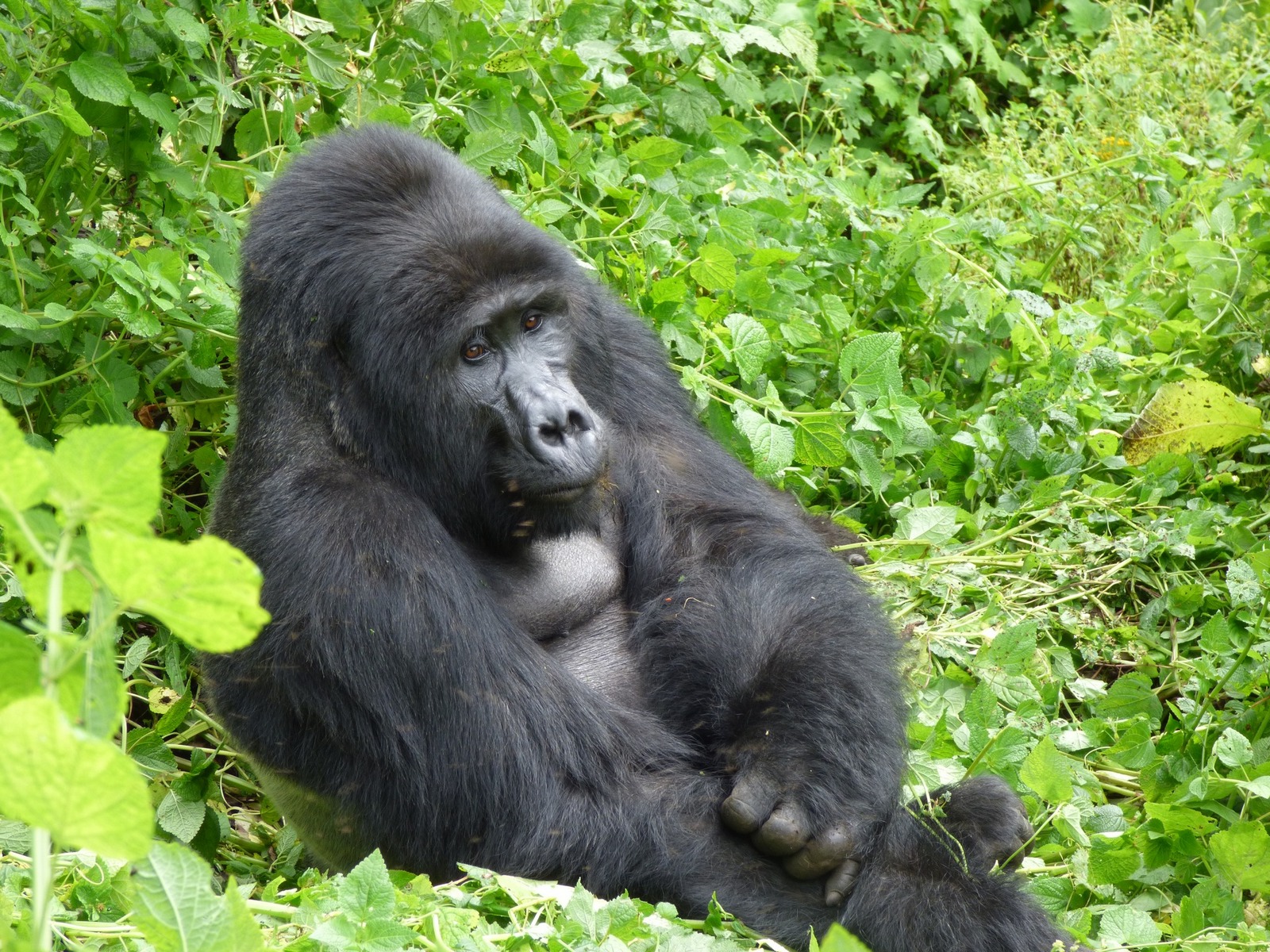
The top-visited places for a primate safari in Uganda are focused in the southwest, headlined by Bwindi Impenetrable National Park (mountain gorillas) and Kibale National Park (chimpanzees). Key destinations also include Mgahinga Gorilla National Park for gorillas, and Kyambura Gorge or Kalinzu Forest for additional chimpanzee tracking
2-days-best-gorilla-trekking-safari-tour-via-kigali-to-bwindi-impenetrable-forest-park
3-days-gorilla-trekking-safari-and-lake-bunyonyi-relaxation-itinerary
3-days-affordable-uganda-budget-gorilla-trekking-via-kigali
4-days-ultimate-gorilla-and-uganda-safari-and-chimpanzee-tracking
4-days-ultimate-gorilla-and-uganda-safari-and-chimpanzee-tracking
4-days-uganda-gorilla-safari-with-golden-monkey-tracking-from-rwanda
4-days-luxury-gorilla-trekking-safari-in-bwindi-fly-in-all-inclusive-tour
5-days-gorilla-and-uganda-safari-and-golden-monkey-trekking-tour-from-kigali
5-days-un-matched-uganda-gorilla-safari-and-chimpanzee-tour-itinerary
7-days-safari-to-uganda-queen-elizabeth-park-gorillas-trekking-and-lake-mburo
7-days-perfect-uganda-primate-safari-itinerary
7-days-uganda-tour-to-murchison-falls-via-ziwa-kibale-and-queen-elizabeth-national-park
7-day-ultimate-uganda-primate-safari-chimpanzees-and-game-drives
7-days-best-uganda-safari-tour-to-popular-safari-parks
7-days-perfect-road-trip-uganda-safari-tour
7-days-best-uganda-birding-safari-tour
7-day-uganda-safari-to-kidepo-valley-via-jinja-and-sipi-falls
7-days-murchison-falls-uganda-safari-trip-via-ziwa-rhinos-kidepo-valley-and-jinja
10-days-uganda-rwanda-primate-safari-vacation-and-game-drive-safari
10-days-best-uganda-big-five-safaris-and-primate-experience
10-days-best-uganda-birding-safari-and-wildlife-experience
10-days-best-of-uganda-and-rwanda-all-big-five-animal-and-gorilla-trekking
10-days-uganda-safari-all-big-five-gorilla-and-chimpanzee-tracking-adventure
10-days-budget-uganda-safari-holiday-vacation-tour-road-trip
Top 5 Primate Safari Destinations
1. Bwindi Impenetrable National Park (Mountain Gorillas)
Bwindi Impenetrable National Park is a place of prehistoric beauty and one of the most biologically diverse regions on Earth. Located in southwestern Uganda on the edge of the Albertine Rift, its name—"Impenetrable"—comes from the dense cover of bamboo, vines, and shrubs that blanket its steep ridges. This ancient rainforest is world-renowned as the premier destination for mountain gorilla trekking, protecting roughly 459 individuals, which is nearly half of the world’s remaining population. The park is a UNESCO World Heritage site, and for good reason: it offers an intimate look at one of man’s closest relatives in their natural, rugged habitat.
The trekking experience in Bwindi is as much about the journey as the destination. Visitors are split into four main sectors—Buhoma, Ruhija, Rushaga, and Nkuringo—each offering a different level of physical challenge. The hike can last anywhere from two to seven hours, involving steep climbs through tangled vegetation and muddy trails. However, the moment you come face-to-face with a silverback and his troop, the exhaustion vanishes. These gentle giants are surprisingly peaceful; watching them groom, play, and forage just meters away is a profound, life-altering experience.
Beyond the gorillas, Bwindi is a haven for birdwatchers, boasting 350 bird species, including 23 Albertine Rift endemics. It also hosts other primates like L'Hoest’s monkeys and black-and-white colobus. For those seeking cultural depth, the Batwa Pygmy community—the original inhabitants of the forest—offer heritage trails where they share their ancient knowledge of forest survival, medicine, and music. Bwindi isn't just a park; it is a sanctuary where conservation and community tourism work hand-in-hand to ensure the survival of a species that once teetered on the brink of extinction.
2. Kibale National Park (Chimpanzees)
Kibale National Park is widely celebrated as the "Primate Capital of the World," and it earns this title through sheer density and diversity. Spanning 795 square kilometers, the park contains one of the loveliest and most varied tracts of tropical forest in Uganda. It is home to a staggering 13 species of primates—the highest concentration in Africa. While the park is a sanctuary for rare species like the red-tailed monkey and the vulnerable L’Hoest’s monkey, the undisputed star of the show is the chimpanzee. With over 1,500 individuals swinging through its canopy, Kibale offers the most reliable and high-quality chimpanzee trekking on the continent.
Chimpanzee trekking in Kibale is a high-energy adventure. Unlike the slow, deliberate movements of gorillas, chimps are highly mobile and vocal. A trek usually begins with the distant sound of "pant-hoots" echoing through the trees, guiding visitors toward the troop. Once found, you spend an hour observing their complex social structures—watching them hunt, squabble, and care for their young. For a deeper dive, the park offers a "Chimpanzee Habituation Experience," allowing visitors to follow the primates from the moment they wake up until they build their nests at night.
The park’s ecosystem is equally impressive, featuring a mix of lowland and montane forests, swamps, and grasslands. This variety supports a massive array of wildlife, including forest elephants, buffaloes, and over 370 bird species. Just outside the park, the Bigodi Wetland Sanctuary offers a community-run boardwalk trail where you can spot the Great Blue Turaco and several other monkey species. Kibale is a vibrant, noisy, and exhilarating destination that provides a comprehensive look at the complexity of primate life and the vital importance of tropical rainforest conservation.
3. Mgahinga Gorilla National Park (Gorillas & Golden Monkeys)
Mgahinga Gorilla National Park may be Uganda’s smallest national park, but it packs a powerful punch in terms of scenery and rare wildlife. Perched in the clouds at the border of Rwanda and the DR Congo, the park covers the Ugandan slopes of three extinct Virunga Volcanoes: Mount Muhavura, Mount Gahinga, and Mount Sabinyo. This dramatic landscape of bamboo forests and alpine moorlands provides a unique backdrop for primate tracking. It is the only other place in Uganda where you can trek mountain gorillas, specifically the Nyakagezi family, known for their frequent cross-border travels and stable social structure.
What truly sets Mgahinga apart, however, is the opportunity to see the "Gold and Silver." In addition to gorillas, the park is the primary habitat for the endangered golden monkey. These striking primates, with their bright orange-gold coats, are endemic to the Virunga Massif and are found primarily in the bamboo zones. Tracking them is a lively experience; they are fast, playful, and stay in large groups, often leaping through the bamboo stalks just feet above your head. Seeing both the silverback gorillas and the golden monkeys in a single park is a rare "double" that few other places on Earth can offer.
The park is also a cultural landmark. It was the ancestral home of the Batwa people, and the "Batwa Trail" here is particularly poignant, as it includes a visit to the sacred Garama Cave, once a royal residence and hiding place for the tribe. For those with a taste for physical challenge, the volcano climbs offer breathtaking views of the three countries meeting at a single peak. Mgahinga is a destination of mist-covered peaks and rare treasures, offering a quieter, more intimate safari experience compared to the larger parks.
4. Kyambura Gorge (Chimpanzees)
Kyambura Gorge, often referred to as the "Valley of Apes," is one of the most stunning geographical features in Uganda. Located within the heart of Queen Elizabeth National Park, the gorge is a deep, 100-meter-deep scar in the otherwise flat savannah. As you stand at the edge, you look down into a lush, tropical "underground" forest that follows the path of the Kyambura River. This hidden world creates a stark contrast to the sun-drenched plains above, where lions and elephants roam. This isolated forest strip is home to a small, habituated community of chimpanzees that have become the gorge’s most famous residents.
Trekking in Kyambura Gorge is a unique atmospheric experience. The descent into the gorge feels like entering a lost world. The humidity rises, the light dims under the thick canopy, and the air fills with the sounds of the river and birds. Tracking the chimps here can be more challenging than in Kibale due to the steep terrain and the primates’ mobility, but the dramatic setting makes every sighting feel like a cinematic discovery. Because this chimp population is geographically isolated from the main forests, their behavior and survival are subjects of intense conservation focus, making a visit here feel like being part of a vital environmental story.
Beyond the chimpanzees, the gorge is a hotspot for other primates, including red-tailed monkeys, vervet monkeys, and baboons. It is also an avian paradise, frequently visited by various species of kingfishers and the rare Fin-foot. A trek in Kyambura is easily paired with a traditional savannah safari or a boat cruise on the Kazinga Channel, providing a "primate-meets-predator" itinerary. It remains one of the most visually captivating spots in East Africa, offering a sense of mystery and adventure that is hard to replicate elsewhere.
5. Kalinzu Forest (Chimpanzees)
Kalinzu Forest is one of Uganda’s best-kept secrets, offering an exceptional primate experience without the crowds or the high price tag of more famous parks. Located on the edge of the Queen Elizabeth National Park and near the tea estates of Bushenyi, this forest reserve manages to combine high-quality chimpanzee tracking with a raw, off-the-beaten-path feel. It is home to roughly 414 chimpanzees, with several groups habituated for tourism and research. For many savvy travelers, Kalinzu is the preferred alternative to Kibale because it offers similar sighting success rates (around 95%) in a more intimate setting.
The forest itself is ecologically rich, featuring over 400 tree species and an impressive array of wildlife. As you walk through the undulating trails, you aren’t just looking for chimps; you are immersed in a world of 260 bird species, 97 moths, and 45 types of butterflies. Primate enthusiasts will be thrilled to find six different species here, including the blue monkey, L’Hoest’s monkey, and the black-and-white colobus. The forest guides in Kalinzu are particularly well-regarded for their deep knowledge of the individual chimpanzees' personalities and family histories, adding a layer of storytelling to the trek.
One of the logistical advantages of Kalinzu is its accessibility. Since it sits right alongside the highway leading to the Queen Elizabeth plains, it is incredibly easy to integrate into a broader western Uganda circuit. It offers a "middle ground" experience—more rugged than a standard park walk but more accessible than the deep ridges of Bwindi. Whether you are a budget-conscious traveler or a primate enthusiast looking for a more secluded encounter, Kalinzu provides a deep, authentic connection to the Ugandan wild, proving that some of the best experiences are found just off the main tourist trail.
Essential Accompanying Destinations
Queen Elizabeth National Park: A Medley of Wonders
Queen Elizabeth National Park is Uganda’s most popular savanna destination, serving as the perfect topographical bridge between the primate-dense jungles of the west and the open plains of East Africa. Spanning nearly 2,000 square kilometers, the park’s unique landscape is a mosaic of volcanic explosion craters, grassy savannas, and tropical forests, all set against the backdrop of the jagged Rwenzori Mountains. It is famously home to the Ishasha sector, one of only two places in the world where lions are known to habitually climb trees. These iconic "tree-climbing lions" are often seen lounging in the sprawling branches of ancient fig and acacia trees, a behavior thought to be a way of escaping ground-dwelling insects or finding cooler breezes.
The park’s ecological centerpiece is the Kazinga Channel, a 32-kilometer natural waterway that links Lake George and Lake Edward. A boat cruise along this channel is arguably the most rewarding wildlife experience in the park, offering front-row seats to the world’s highest concentration of hippos. As you drift along the shores, you will encounter massive herds of elephants, buffalos, and crocodiles coming to drink, alongside a staggering array of over 600 bird species—the second-highest bird count of any national park in Africa. Whether you are exploring the "underground forest" of Kyambura Gorge for chimps or tracking predators on a morning game drive in the Kasenyi Plains, Queen Elizabeth National Park provides a complete and diverse safari narrative in a single location.
Bigodi Wetland Sanctuary: The Community Primate Hub
Located on the fringes of Kibale National Park, Bigodi Wetland Sanctuary is a shining example of successful community-based conservation. Managed by the Kibale Association for Rural and Environmental Development (KAFRED), this 4-square-kilometer jungle swamp protects the Magombe wetland, a vital wildlife corridor for primates migrating from the nearby rainforest. Unlike the high-speed tracking required for chimpanzees, a walk through Bigodi is a rhythmic, sensory experience. Visitors traverse raised wooden walkways that wind through lush aquatic vegetation, allowing for steady observation of eight different primate species, including the striking black-and-white colobus, red-tailed monkeys, and the rare L’Hoest’s monkey.
For bird enthusiasts, Bigodi is often considered superior even to the main forest, earning the nickname "Home of the Great Blue Turaco". This large, vibrant bird is a frequent sight among the 200 other avian species recorded here, such as the Papyrus Gonolek and various kingfishers. Beyond the wildlife, the sanctuary is deeply rooted in local culture. Community-led tours often include visits to traditional healers, local primary schools, and women’s handicraft groups, with tourism revenue directly funding local health and education projects. A three-hour guided walk here perfectly complements a morning chimp trek in Kibale, offering a more intimate look at the smaller primates and the vibrant rural life of western Uganda.
Ngamba Island Chimpanzee Sanctuary: A Haven on the Lake
Ngamba Island Chimpanzee Sanctuary offers a profoundly different experience from a wild forest trek, focusing on the care and rehabilitation of rescued apes. Situated 23 kilometers off the coast of Entebbe in Lake Victoria, this 100-acre island was founded in 1998 by a coalition of conservationists, including the Jane Goodall Institute, to house orphans of the illegal wildlife trade. Today, it is home to over 50 chimpanzees that roam freely across 95 acres of thick tropical forest. These individuals, many of whom were traumatized by poachers, would not survive reintroduction to the wild, making Ngamba their lifelong refuge.
For travelers with limited time, Ngamba provides a high-certainty encounter with chimpanzees that is both accessible and educational. Visitors typically arrive via a 45-minute speedboat ride from Entebbe to witness scheduled feeding sessions from a raised observation platform. Watching the complex social interactions and hearing the thunderous vocalizations of 50 chimps at once is a powerful experience that highlights their intelligence and the challenges they face in the wild. The sanctuary is accredited by the Global Federation of Animal Sanctuaries and serves as a global center for primate research and environmental education. Whether through a half-day trip or an overnight stay in the island’s eco-lodges, a visit to Ngamba is an opportunity to directly support a critical conservation mission while coming face-to-face with our closest living relatives.
1. Where can I see mountain gorillas in Uganda?
You can see mountain gorillas in Uganda in two protected areas in the country’s southwest: Bwindi Impenetrable National Park and Mgahinga Gorilla National Park. These parks preserve the cool, forested habitat that mountain gorillas depend on—dense vegetation, steep valleys, and misty conditions that make gorilla trekking both challenging and profoundly memorable.
Bwindi Impenetrable National Park is the most famous option and the primary gorilla destination in Uganda. It protects several gorilla families distributed across different sectors and provides the largest concentration of gorillas. Because trekking routes and gorilla groups vary by location and daily conditions, it’s possible to have very different trekking experiences even if you visit more than once. Bwindi is also well-supported for tourism, with established ranger teams, tracking systems, and visitor facilities at park headquarters.
Mgahinga Gorilla National Park, near the borders of Rwanda and the Democratic Republic of the Congo, offers a more scenic but smaller trekking base. It is part of the Virunga volcanic region, and the landscape can feel more mountainous and open than Bwindi’s deep forest blocks. Gorilla trekking here can be an excellent choice if you also plan to include other Virunga attractions like volcanic hikes or cultural experiences in the region.
For either park, success depends on ranger-led tracking to a habituated gorilla group. You will trek within the forest while keeping respectful distance, following ranger instructions, and allowing gorillas to approach naturally. Because permits are limited and each trek is tied to a specific gorilla family, it’s important to book early and confirm your trek date and group details in advance.
2. Which Park is best for chimpanzee trekking?
The best park for chimpanzee trekking in Uganda is Kibale National Park, widely regarded as the country’s premier chimp destination. The reason is simple: Kibale combines strong chimp habituation, a high chimp population, and a well-developed trekking program that makes sightings consistently achievable for visitors.
Kibale’s forest is not just “a forest”—it is a rich mosaic of habitat that supports thriving primate communities. Chimpanzees are present in high numbers, and because trekking is organized around habituated groups, trackers can locate them and guide visitors to see them in a controlled, respectful way. For travelers, this translates into a high chance of seeing chimps during your allotted trek window and enjoying meaningful observation time.
Unlike some other chimp destinations where groups may be less predictable or the habituation level may differ, Kibale’s trekking experience is often described as immersive and rewarding. Your day typically starts with a briefing at the park, followed by ranger-led movement into the forest. Chimps can travel and feed, so trekkers may hike for a while before locating them—patience is part of the experience. When you find the chimps, you’ll have an observation period that allows you to watch social interactions, feeding behavior, grooming, and play.
Kibale is also advantageous because you’re not limited to chimps alone. The park is famous for many other primates and biodiversity. Many visitors pair chimp trekking with a visit to Bigodi Wetland Sanctuary, which offers additional primate sightings and excellent birding opportunities.
In short: if your priority is chimpanzees and you want the most reliable experience, Kibale National Park is the best place to plan your trek.
3. What other places offer chimpanzee tracking?
Besides Kibale, Uganda offers several other strong opportunities for chimpanzee tracking, though the experience and reliability can vary by location, habitat accessibility, and habituation levels. If Kibale is fully booked or if you want to combine chimps with other safari activities, these alternatives are worth considering.
Kyambura Gorge (Queen Elizabeth National Park) is one of the best-known chimp options outside Kibale. The gorge acts like a refuge of forest habitat within a region dominated by savanna. Chimpanzee tracking here can feel especially exciting because chimps are sometimes visible within the steep-sided gorge as you search using ranger guidance. Conditions in the gorge can affect how often chimps are found, so it’s wise to keep expectations flexible and follow briefing guidance carefully.
Budongo Forest (near Murchison Falls National Park) provides another excellent possibility. Budongo is part of a broader forest ecosystem where chimpanzees live in significant numbers. Trekking may involve deeper forest and, at times, longer movement depending on where chimps are feeding or traveling. Because Budongo is also a high-biodiversity area, it can be paired with other wildlife sightings such as birds and mammals during a broader safari.
Kalinzu Forest is another option, sometimes associated with areas closer to Uganda’s western regions. Like other non-Kibale destinations, Kalinzu offers the chance to see chimps while also experiencing different forest structures compared to Kibale.
Practical tip: when tracking chimps outside Kibale, be sure to confirm:
- permit type and inclusions,
- trek timing and duration expectations,
- habituation and ranger procedures,
- what “success rate” realistically means for that destination during your travel month.
By choosing the right backup locations—like Kyambura Gorge, Budongo Forest, or Kalinzu—you can still build a chimp-focused safari even if Kibale isn’t available.
4. Where can I see golden monkeys?
Golden monkeys are one of Uganda’s most captivating primates, known for their striking golden-orange fur and energetic behavior in montane forest habitats. In Uganda, the most reliable place to see them is Mgahinga Gorilla National Park, which is located in the Virunga volcanic region of the country’s southwest.
Mgahinga’s forest environment includes bamboo, dense montane vegetation, and cooler highland ecosystems—exactly the kind of habitat golden monkeys prefer. Golden monkeys typically move through forest and bamboo zones, feeding and traveling in groups. Because they inhabit relatively specific ecological niches, they are not found throughout every part of Uganda. That’s why planning matters: if golden monkeys are a priority for your trip, Mgahinga is the key destination.
Trekking for golden monkeys works similarly in principle to other primate tracking: you receive a briefing, then ranger-guided tracking leads you through forest and hillside terrain until you locate a habituated group. Trekking duration can vary based on where the monkeys are at that moment. Once you find them, you’ll usually have a limited, respectful viewing window designed to minimize stress for the animals while maximizing your chance to see their natural behaviors.
Mgahinga can be particularly attractive if you want a “Virunga experience” that blends primates with scenic landscapes. Many travelers pair golden monkey trekking with nearby attractions such as cultural experiences, volcano region viewpoints, or gorilla trekking in the surrounding area (depending on permits and itinerary design).
If you’re planning a trip, ensure you book your golden monkey trek permits ahead of time and confirm your expected trek day and time window. Also bring appropriate gear: waterproof clothing, sturdy shoes, long sleeves, and insect repellent. With the right planning and fitness, Mgahinga offers one of Uganda’s most visually rewarding primate encounters.
5. How much is a gorilla permit in Uganda?
A gorilla permit in Uganda is the key cost you’ll pay to participate in mountain gorilla trekking in Bwindi Impenetrable National Park or Mgahinga Gorilla National Park. The price is set by Uganda’s tourism authorities and can differ depending on nationality, residency status, and updates to park fees.
For planning purposes, many travelers budget around USD 800 for a standard gorilla trekking permit for foreign non-residents. However, permits can change from time to time due to policy updates, fee adjustments, and seasonal demand. Because gorilla permits are limited in number each day and each permit is tied to a specific trek date, it’s important to confirm the exact current price before you pay.
To avoid surprises, consider these practical steps:
- Confirm residency status: the permit price is often structured by whether you are a foreign tourist, regional traveler, or resident.
- Check the latest fee schedule: even if you have a “typical” figure in mind, verify the precise amount for your travel month.
- Ensure what’s included: permits usually cover access to the trekking program and ranger tracking, but you may also pay separate costs such as park-related service fees (depending on operator structure).
- Book early: popular seasons can sell out well ahead of time, and last-minute changes can force you into different trek days or different park options.
It’s also wise to budget additional expenses around permits, including transport, accommodation, meals, park fees that might be operator-dependent, and tips for trackers. Gorilla trekking is an all-in experience—permit cost is just one portion of your total safari budget.
If you tell me your citizenship/residency (e.g., US citizen visiting, UK resident, etc.) and your intended travel month, I can help you plan a realistic gorilla trekking budget checklist.
6. What is the best time for a primate safari in Uganda?
The best time for a primate safari in Uganda is generally during the drier seasons, because trail conditions become easier and wildlife viewing can be more comfortable and predictable—especially for primates that require trekking through forest and sometimes muddy ground.
In Uganda, the commonly recommended dry periods are:
- June to August, and
- December to February.
During these months, trekking routes are typically less slippery, and river or valley crossings can be easier. Although Uganda’s weather is still variable, drier conditions often mean:
- better hiking comfort for gorilla and chimp treks,
- fewer delays from heavy rain,
- clearer paths for guides and rangers during daily tracking operations.
Why this matters for primate safaris:
- Gorilla trekking can involve steep, muddy forest terrain. Rain can make paths slippery and reduce mobility, increasing discomfort even for moderately fit travelers.
- Chimpanzee trekking depends heavily on forest movement and terrain. Wet conditions may slow progress and make trekking more physically demanding.
That said, primates are present year-round in the protected areas, and you can still enjoy excellent sightings during wetter months—just with more humidity, more mud, and a higher chance that trekking conditions may be tougher. Wet-season travel can also bring quieter parks and sometimes better availability, though comfort may be lower.
If you’re planning an itinerary that includes both gorillas and chimps (and possibly golden monkeys), prioritizing the dry seasons is a smart strategy for maximizing enjoyment and reducing trekking fatigue.
Final practical tip: regardless of season, pack gear for rain (even in dry months), including a lightweight rain jacket, waterproof shoe covers if you have them, and quick-dry clothing. Then you’ll be prepared if the weather shifts unexpectedly.
7. Can I see primates and savannah wildlife in the same trip?
Yes—seeing primates and savannah wildlife in the same Uganda trip is one of the best ways to experience the country’s range of ecosystems. Many classic itineraries combine chimpanzee or gorilla trekking in southwestern Uganda with game drives in savanna-rich national parks like Queen Elizabeth and Murchison Falls. This creates a balanced safari where you can switch from forest encounters to open-country wildlife viewing.
Here’s why it works well:
- Primates (gorillas, chimps, sometimes golden monkeys) are concentrated in Uganda’s southwestern highlands and forests—primarily Bwindi, Kibale, and Mgahinga.
- Savannah wildlife (elephants, buffalo, giraffes, lions, leopards, and antelope species) thrives in Uganda’s famous parks with open grasslands and river systems—particularly Queen Elizabeth National Park and Murchison Falls National Park.
A well-designed itinerary typically looks like this:
- Start in the southwest forest zone for primate treks—chimp tracking in Kibale or gorilla trekking in Bwindi/Mgahinga.
- Then move into a savanna park for game drives, often adding a boat cruise for added variety.
- End by returning to the forest region if you want additional primate experiences, or by continuing onward to Rwanda.
You don’t need to choose one “type” of wildlife. Instead, you can enjoy close, emotional primate encounters (gorillas are especially memorable) and then balance it with the high-energy drama of savanna predators and herds.
Planning tip: include buffer time between parks because roads can be long and travel days can be physically tiring. Also confirm the timing of permits and trek days, since primate permits are date-specific. With good scheduling, the result is a safari that feels varied, complete, and deeply rewarding.
8. Where can I see tree-climbing lions?
Tree-climbing lions are one of Uganda’s most unusual and photogenic wildlife phenomena. They are not seen everywhere, which is why knowing the exact location matters. In Uganda, tree-climbing lions are found primarily in the Ishasha sector of Queen Elizabeth National Park.
Ishasha is different from many other savanna areas because it includes patches of acacia and fig trees, along with riverine and seasonal grassland. The “tree-climbing” behavior is linked to the structure of the habitat and the animals’ hunting and resting patterns—particularly when prey and temperature conditions make tree perches advantageous. As a result, lion sightings in Ishasha can feel surprisingly different from typical ground-lion viewing.
What to expect on a safari day in Ishasha:
- Lions may be seen resting high in fig trees during hotter parts of the day.
- Patience and quiet observation matter; animals are often relaxed and may appear suddenly as you scan treetops and savanna edges.
- Your guide will choose vantage points and tracks based on recent sightings and daily animal movement patterns.
Tree-climbing lions are best pursued with an itinerary that gives you enough time in Ishasha—often more than just a quick drive-through. Many travelers enjoy a half-day or full-day in the sector, paired with other Queen Elizabeth activities like a Kazinga Channel boat cruise.
Photography tip: bring a telephoto lens if you have one, because lions can be high and distant in trees. Also remember that mornings and late afternoons can offer strong light for images, while midday can be good for finding lions at rest in branches.
If you want the most distinctive predator experience in Uganda, Ishasha (Queen Elizabeth National Park) is the place to go.
9. What is special about Ngamba Island?
Ngamba Island Chimpanzee Sanctuary is special because it offers a rare kind of encounter: a sanctuary experience focused on rescued chimpanzees rather than purely wild trekking. Located on Lake Victoria, Ngamba Island serves as a safe refuge for chimps that have been orphaned, injured, or confiscated due to illegal activities such as poaching or the bushmeat trade, or the illegal pet trade. Instead of exposing chimps to the risks of human contact, the sanctuary supports their welfare in a protected environment and provides structured viewing for visitors.
The sanctuary is also meaningful educationally. When you visit, you’ll learn about threats to chimps, the sanctuary’s rehabilitation work, and how conservation efforts aim to protect chimp populations in their natural habitats as well as support rescued individuals. Visitors often appreciate the balance of emotion and education—there’s a sense that your visit contributes to welfare programs, research, and long-term chimp protection.
Wildlife viewing is typically more controlled than in a trekking setting, since chimps on Ngamba are in a sanctuary environment. You may observe chimps from designated viewing points, watching them interact, feed, and move naturally around the habitat. It’s a fascinating opportunity, particularly if you want a chimp experience that feels gentler than forest trekking.
Ngamba Island also adds scenic value. Being on Lake Victoria, the journey to and from the island and the views over the water can feel like a relaxing wildlife break within a broader safari itinerary.
If you’re planning a trip that includes both Kibale chimp tracking and sanctuary visits, Ngamba provides a complementary perspective: Kibale shows chimps in their forest habitat behavior, while Ngamba shows rescued chimps thriving in a protected setting. It’s a powerful, conservation-forward stop on Uganda itineraries.
10. Do I need to be fit for gorilla tracking?
Yes—you should be prepared for gorilla trekking physically, though it’s also true that many people with moderate fitness can do it with the right pace, guidance, and appropriate gear. Gorilla tracking is rarely a gentle walk. It often involves trekking through thick forest, uneven ground, steep slopes, and sometimes muddy conditions, depending on the season and where the gorilla family is located that day.
Why fitness matters:
- Duration varies: some treks may be shorter and involve less steep terrain, while others can be longer, with repeated climbing and descending.
- Terrain is unpredictable: roots, slippery patches, and dense vegetation can slow movement.
- Weather effects: heavy rain can increase mud and make footing more difficult.
- Respiratory demand: higher humidity and steep sections can raise exertion levels, even if you’re experienced walking.
What “fit enough” usually means:
- You can comfortably walk for extended periods.
- You can handle stairs or hills without needing frequent stops.
- You’re not limited by severe knee, back, or heart conditions (and if you have any medical concerns, you should discuss them with your doctor before booking).
Practical preparation can make a big difference:
- Wear sturdy hiking boots with good grip.
- Use gaiters or waterproof footwear if it’s rainy season.
- Carry water, a rain jacket, and energy snacks.
- Follow ranger instructions and maintain your pace—don’t try to “rush” the trek.
Even with good fitness, it’s normal to feel challenged. The key is that the trek is guided by trained trackers who manage the route. You also typically receive time at the gorillas once you reach them, which makes the effort worthwhile.
In short: prepare physically and mentally, start your days early, and you’ll be in the best position to enjoy gorilla tracking safely and fully.
11. Where is the best birding in Uganda?
Uganda is an exceptional birding destination because it supports an extraordinary range of habitats—from wetlands and swamps to rainforests and savannas. With 1,000+ bird species across the country, birdwatchers can enjoy both high diversity and distinct specialty sites. If you want a focused list of top birding areas, these are among the most rewarding places to plan around.
Semuliki National Park is one of the best regions for birding in Uganda. The park’s landscape and mix of habitats—forest edges, river corridors, and seasonal ecosystems—create excellent opportunities for seeing forest birds and specialty species. Birding outings here often feel “rewarding and varied,” especially when guides know the best areas for particular species.
Mabamba Bay Swamp is famous for one of Uganda’s most sought-after birds: the Shoebill. Shoebills are rare and difficult to see elsewhere, and Mabamba Bay is a key location where birders can search for them in wetland habitat. Since shoebills are often elusive, choosing a good time of day and working with knowledgeable guides improves your chances.
Bigodi Wetland Sanctuary is another standout, particularly for visitors who are already in the Kibale region. Bigodi is often praised for being accessible and for delivering frequent sightings of birds along with other wildlife such as primates (like red-tailed monkeys) and sometimes butterflies and insects. The community-led guiding approach also adds value, because you learn about conservation while birding.
To get the most from birding in Uganda:
- Bring binoculars and a field guide/app if you use one.
- Plan early morning sessions, when birds are more active.
- Use a local bird guide for target species and habitat knowledge.
If you share your target birds (or whether you want “overall diversity” versus “specific rarities”), I can suggest a birding-focused route that fits your safari timeframe.
12. What can I do in Murchison Falls National Park?
Murchison Falls National Park is one of Uganda’s most thrilling safari destinations because it combines the dramatic power of a major waterfall with classic savanna wildlife viewing and river-based experiences. Activities are typically centered around game drives, boat cruises, and—depending on your itinerary—nearby primate options.
One of the park’s biggest highlights is a boat cruise to the base of Murchison Falls. As the Victoria Nile squeezes through a narrow gorge, visitors experience the “thunderous” spectacle up close. The cruise also offers excellent opportunities to see hippos, crocodiles, and diverse waterbirds that gather along the river. It’s a different wildlife atmosphere compared to savanna game drives—more relaxed, more watery, and often filled with dramatic views and photography moments.
On land, you can enjoy game drives in areas of open savanna and river-adjacent habitats. These outings commonly produce sightings of elephants, giraffes, buffalo, and various antelope species. With luck and time, predator sightings such as lions or leopards can also happen. Even when predators aren’t visible, the variety of large mammals and birds makes every drive worthwhile.
Many safari itineraries also add a chimpanzee tracking component in nearby forest habitats such as Budongo Forest. While your main “name attraction” might be Murchison itself, combining activities makes the region feel much richer and more diverse.
If you’re planning your days:
- Ask your guide about the best timing for the boat cruise (often in the afternoon for atmosphere and light).
- Keep game drive blocks flexible so you can follow sightings.
- Bring binoculars and a rain layer, since river mist and weather can affect comfort.
In short, Murchison Falls offers a rare blend: waterfall drama + savanna wildlife + river ecosystems, making it a must for travelers seeking variety.
13. Where can I see Rhinos in Uganda?
If you’re specifically looking for rhinos in Uganda, your best—often only—realistic option is Ziwa Rhino Sanctuary. Uganda does not have wild rhino populations spread across typical national park routes the way some other countries do. Instead, Ziwa is the conservation-focused place where visitors can see rhinos under structured protection.
Ziwa Rhino Sanctuary is located along the route toward Murchison Falls National Park. It was established to protect and grow the rhino population through anti-poaching measures, habitat management, and breeding programs. Visiting Ziwa allows you to see rhinos in a controlled sanctuary environment and learn about how conservation organizations are working to secure the species’ long-term future.
When you visit, you will typically join a guided rhino trek. Unlike a drive-through game viewing style, these encounters are often more intimate because the sanctuary walk places you closer to the animals while staying within safety procedures. Trained guides lead you along designated routes, and you’ll learn how to interpret rhino behavior and the sanctuary’s conservation goals.
From a visitor perspective, Ziwa is special because it:
- offers rare access to a species that is otherwise extremely scarce in Uganda,
- provides an educational experience about rhino conservation,
- supports a conservation model that relies on careful management rather than “open wilderness searching.”
If rhinos are a major priority in your safari, plan ahead and confirm trekking times and availability with your operator. Also remember that seeing rhinos isn’t “guaranteed sightseeing” in the same way as elephants at watering holes—you are visiting live animals, so you should be prepared to follow guide instructions and remain flexible.
Overall, Ziwa Rhino Sanctuary is the correct answer for rhino viewing in Uganda—and it’s also a meaningful stop for conservation-minded travelers.
14. What are the Batwa Cultural Experiences?
Batwa Cultural Experiences are community-led tours that highlight the traditional forest life and cultural heritage of the Batwa, an indigenous people historically associated with the forests of Uganda and surrounding regions. These experiences are typically offered near major forest areas such as Bwindi and Mgahinga, where Batwa communities collaborate with conservation organizations and tourism initiatives.
The purpose of Batwa cultural visits is not only to entertain visitors with stories and demonstrations, but to support understanding and respect. Many travelers connect with the Batwa experience because it provides context for how people once lived in close relationship with forest ecosystems—knowledge of plant uses, traditional practices, and ways of adapting to forest life.
What you might do during a Batwa experience can vary depending on the community and program, but commonly includes:
- guided storytelling about Batwa history and cultural traditions,
- demonstrations related to traditional knowledge (such as forest plants and survival practices),
- songs, dances, and performances that reflect Batwa cultural expression,
- a chance to learn about conservation and livelihood transitions, since many Batwa communities have been affected by protected-area establishment.
A key value of these experiences is the emphasis on community benefits. When done responsibly, tourism helps create income streams for Batwa households and funds activities that support education, healthcare, and cultural preservation. It can also build a bridge of awareness between visitors and indigenous perspectives of the forest.
Ethical travel tip: choose programs that are community-run and transparent about how benefits are shared. Also approach the experience with sensitivity—ask respectful questions and follow guides’ instructions around photography, pacing, and participation.
In short, Batwa Cultural Experiences offer more than a cultural “show.” They provide insight into indigenous knowledge, heritage, and the intersection of people and conservation in Uganda’s forest regions.
15. Is it safe to visit Uganda for a safari?
In general, yes—Uganda is considered safe for tourists, particularly when you travel through managed tourism corridors and spend time in national parks with professional guides and reputable operators. The safety profile of a destination depends heavily on how you travel (guided versus independent, urban areas versus protected parks, daylight movement versus nighttime travel), so it’s important to frame safety correctly.
Many travelers enjoy Uganda’s wildlife-rich parks without incident because:
- parks are managed with established security procedures,
- guides and lodges follow best-practice protocols,
- vehicle routes between destinations are typically planned for safer travel,
- sightings and activities happen within controlled environments.
That said, like any country, Uganda has areas where risks can be higher. In many travel advisories, the main concerns for visitors often relate to:
- petty crime in busy towns or markets,
- road safety challenges (speeding, road conditions, limited signage in some areas),
- political and social issues in certain locations at certain times.
So what should you do to stay safe?
- Use a reputable safari operator and follow their itinerary recommendations.
- Stay within scheduled routes between parks and lodges (avoid spontaneous night travel).
- Keep valuables secure, don’t display expensive gear in urban settings, and use your hotel safe if available.
- Choose secure accommodation in Kampala and other towns.
- Follow your guide’s guidance on where to go and when, especially in public markets.
- Review official travel advisories for the specific dates you’ll be there, since risk levels can change.
For safari specifically, most risks are manageable with common-sense precautions and local expertise. If you tell me your travel month and which cities/parks you plan to visit, I can suggest a practical “safety checklist” tailored to your route and activities.
Booking Uganda primate safari with us Roads of Adventure safaris
To book a Uganda primate safari with Roads of Adventure Safaris, you can contact their team directly via email at info@roadsofadventuresafaris.com or through WhatsApp at +256 701041637
