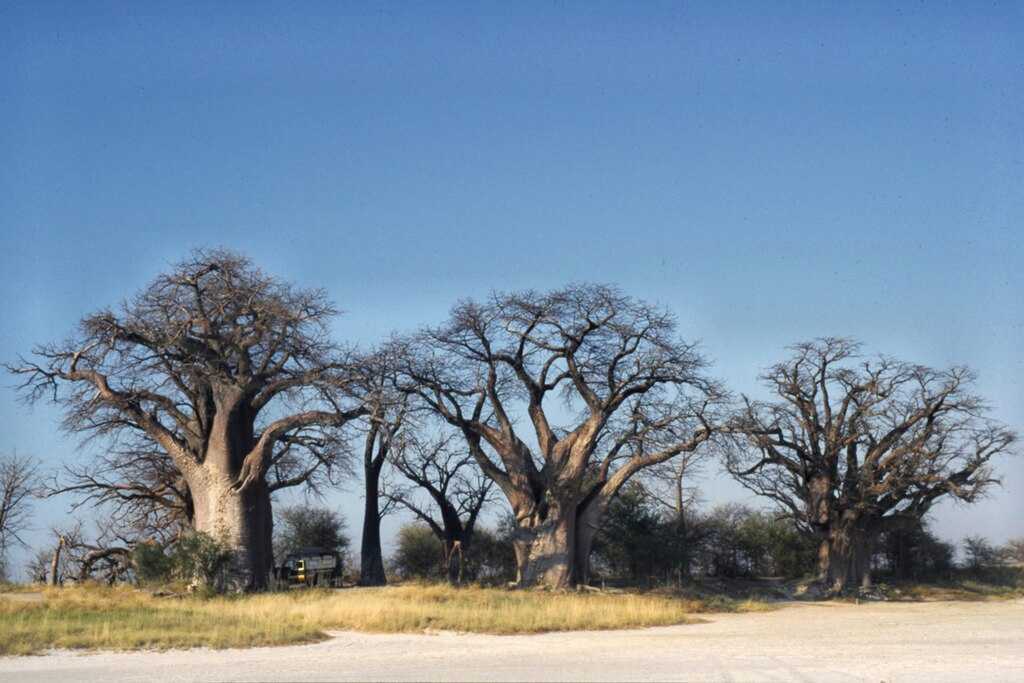
Top activities in Nxai Pan National Park include game drives to spot massive herds of migratory zebra (Dec-March), visiting the ancient Baines' Baobabs, walking with San Bushmen trackers, watching predators at the waterholes, birdwatching, and nighttime stargazing. The park is a stunning, lesser-visited, year-round destination
5-days-central-kalahari-and-makgadikgadi-botswana-safari-tour
7-days-ultimate-botswana-safari-to-makgadikgadi-pans-okavango-delta-and-chobe
7-days-okavango-delta-moremi-khwai-best-africa-safari-in-botswana
21-days-exceeding-botswana-safari-itinerary-all-inclusive-tour-package
Quad Biking
Game Drives
Game drives are the backbone of any wildlife visit in this region, typically run in the cooler hours of morning and late afternoon to coincide with peak animal activity. Morning drives depart at or before first light to witness predators returning from nocturnal excursions and herbivores feeding in the fresh, dewy grass. Afternoon drives begin mid‑afternoon and extend into early evening, offering dramatic lighting for photography as animals move toward water and shade. Vehicles are usually open‑sided 4x4s with elevated seating, enabling unobstructed views and off‑road access where permitted. Expert guides and trackers interpret animal behavior, track elusive species, and position vehicles for the best sightings while prioritizing safety and minimal disturbance. In this landscape you can expect a high density of wildlife—lions and cheetahs are commonly seen, and sightings of springbok, giraffe, and kudu are frequent. The coexistence of both impala and springbok in the same ecosystems creates varied viewing opportunities and a rich photographic palette. Guides customize drives according to guest interests—whether following a particular lion pride, searching for cheetah coalitions, or watching herds move across pans—so communicating your priorities beforehand yields the best experience. Drives often include short, interpretive stops to discuss ecology, spoor identification, and the role of predators in regulating herbivore populations. For more immersive experiences, many operators offer private drives with flexible timing, longer sundowner stops, and the option to combine vehicle safaris with guided walks. The tailored nature of game drives in this region ensures high encounter rates and memorable, up‑close encounters with the continent’s iconic species.
Baines' Baobabs
Baines' Baobabs are a dramatic natural and cultural landmark, rising from the Kudiakam Pan and immortalized in 19th‑century expedition accounts and period artwork. These ancient trees, with their enormous girths and sculpted branches, are a photographer’s dream—especially in the warm, low angles of early morning or late afternoon light. Their weathered trunks bear scars of time, and the panoramic plains surrounding them emphasize their solitary grandeur. Visiting the baobabs provides insight into the deep cultural and historical ties between landscape and people: many local oral histories and traditional practices reference these trees as meeting places, landmarks for navigation, and sources of food and fiber. Guided visits commonly include discussions about the baobabs’ ecology—how they store water, their longevity, and their role as microhabitats for birds, bats, and insects. Interpretive guides may also explain early explorers’ routes and how artists such as Thomas Baines documented the region’s unique flora. Walking among the baobabs allows for close observation of bark textures, root buttresses, and cavities that support nesting birds or small mammals. For photographers, compositions that pair baobabs with distant wildlife, seasonal clouds, or dramatic skies produce iconic images. Respect for the site is paramount—avoiding climbing or removing bark, and observing any local cultural restrictions. Timing visits to coincide with cleaner skies after rains or golden hours yields the most evocative photos, while staying until sunset may reveal nocturnal species emerging nearby. A visit to Baines' Baobabs is both a natural history lesson and a powerful visual experience that ties the present landscape to its storied past.
Guided Nature Walks
Guided nature walks led by San Bushmen trackers offer an intimate, sensory immersion into the landscape that game drives cannot replicate. Walking quietly with knowledgeable trackers, you can detect subtle signs—tiny tracks, partial feathers, or recently stripped bark—that reveal animal presence and ecological interactions. San trackers possess finely tuned skills in spoor reading, plant identification, and knowledge of seasonal cycles; they explain how specific plants are used medicinally, how to find water in arid terrain, and which signs indicate nearby predators. Walks typically emphasize low‑impact learning: techniques for desert survival, traditional hunting methods (demonstrated ethically and safely), and storytelling that conveys indigenous perspectives on fauna and landscape stewardship. Smaller fauna—reptiles, insects, and ground‑dwelling birds—become focal points, and trackers often point out camouflage strategies and microhabitat adaptations. Walks can be adapted for varying fitness levels and interests, from short interpretive strolls to longer, full‑day treks that explore different habitat zones. Safety is paramount; walks into predator country are accompanied by armed rangers or conducted within ranger‑protected corridors. These guided walks support cultural preservation, providing employment and platforming traditional ecological knowledge. For photographers and naturalists, the slow pace allows for close‑up study of behaviors and textures—mosses, lichens, and invertebrate life that rarely feature during vehicle safaris. Even without large mammal sightings, the depth of understanding gained—about plant phenology, animal tracks, and the interdependence of species—makes guided nature walks an immensely rewarding complement to wider wildlife viewing.
Summer Zebra Migration
During the wet season (December–March), the region becomes a magnet for vast herds of zebras and wildebeest undertaking seasonal movements to exploit fresh grazing. The Summer Zebra Migration concentrates thousands of animals across the lush grasslands, transforming the landscape with movement, sound, and ecological drama. These migrations are driven by rainfall patterns and the availability of nutrient‑rich grasses; as predators follow the herds, you’ll witness heightened predator–prey dynamics including increased sightings of lions, hyenas, and opportunistic cheetahs. Migratory columns stretching across plains create spectacular photographic opportunities—endless lines of striped forms framed by sweeping skies or sudden rain squalls. Beyond the visual spectacle, migration plays a crucial ecological role: heavy grazing stimulates new grass growth, nutrient recycling occurs through dung deposition, and predator populations are sustained by the abundance of prey. Observing migration provides insights into animal navigation and group behavior: how herds maintain cohesion, the role of dominant individuals in leading movement, and the tensions at natural choke points like river crossings or narrow passages. Guided experiences during migration prioritize safety and ethical distances; guides know how to position vehicles for dramatic yet non‑disruptive views. For photographers, early morning and late afternoon light highlight the texture of coats and the motion of hooves, while wider lenses capture scale and telephotos isolate behaviors. The intensity of migration—dust clouds, vocalizations, and frequent predator interactions—creates an immersive natural drama unmatched at other times of year. Overall, migration season offers both striking visual theater and meaningful ecological learning for visitors.
Stargazing & Overnight Camping
The region’s expansive, open pans—often flat, treeless, and minimally light‑polluted—provide an exceptional canvas for stargazing and overnight camping. Away from the glow of towns and lodges, the night sky here is vivid: the Milky Way arches bright and detailed, constellations burn clear, and meteor activity during certain periods can be breathtaking. Overnight camping under these skies allows for a primal connection with the landscape; soundscapes shift from daytime herbivore activity to nocturnal insects, distant calls of predators, and the soft rustle of wind across grasses. Campsites are typically simple and carefully chosen—on higher ground or near pans to reduce predator encounters—and are set up with guest safety and minimal environmental impact in mind. Guided astronomy sessions may be offered, with naturalists pointing out southern hemisphere constellations, planets visible to the naked eye, and the cultural stories different groups have attached to the stars. Practical comforts like insulated mattresses, warm bedding, and hot meals are standard at luxury camps, while more rustic setups provide authentic bush experiences. Night photography here is superb: long exposures capture star trails and the Milky Way, while low‑light fills can render silhouettes of baobabs or distant termite mounds. Camping also offers opportunities for nocturnal wildlife observation—some species become active around waterholes or follow night‑time foraging routes. Guides enforce strict protocols—no open fires in sensitive areas, secure food storage, and escorted walks to and from facilities—to ensure safety. Stargazing and overnight camping combine solitude, sensory immersion, and spectacular astronomy to create unforgettable evenings in the wild.
Birding
Birding in this landscape is especially rewarding during the rainy season when water and food resources proliferate, attracting resident and migratory species alike. The mosaic of habitats—open pans, acacia woodlands, seasonal wetlands, and ridgelines—supports a wide range of birds, from ground‑dwelling bustards and korhaans to tree‑perching raptors and colorful passerines. The noisy black Korhaan is a signature species, often heard before seen as it performs display flights over grasslands. Raptors, including Goshawks and Kestrels, hunt over open ground and provide dynamic observation opportunities as they quarter the plains. Migratory flamingos and other waterbirds may arrive in numbers where seasonal pans hold water, creating stunning flocks of pink against shallow blue pools. Rainy‑season birding highlights include increased passerine activity, breeding displays, and vocal complexity that aid detection. Guided birding walks and point counts by experienced ornithologists are effective: guides know local territories, seasonal movements, and ideal vantage points for canopy species or waterhole congregations. Early mornings are prime for bird activity, while post‑rain conditions can bring sudden high activity as birds exploit ephemeral food sources. For photographers, the juxtaposition of birds against vast, open backgrounds allows creative compositions—isolating a single korhaan against sky or capturing a raptor in flight with dramatic cloudscapes. Binoculars, a spotting scope, and a field guide tailored to southern African species improve identification and enjoyment. Ethical birding practices—maintaining distance, avoiding playback near nests, and minimizing disturbance at roosting sites—are emphasized. Overall, birding here during the rains offers both quantity and quality of sightings, rewarding patience with memorable species and behaviors.
Waterhole Viewing
Waterholes act as ecological magnets in this environment, concentrating a wide diversity of species that converge for drinking, cooling, and social interaction—especially in the dry season. Artificially filled and naturally occurring waterholes both provide predictable, prolonged viewing opportunities where elephants, buffalo, antelope, and smaller mammals assemble in overlapping schedules. The “endless elephant parade” is a dramatic spectacle at larger waterholes: families and bull elephants arrive in waves to drink, bathe, and socialize, displaying complex behaviors from playful mud‑bathing to social horn and trunk interactions. Predators also use waterholes as ambush or opportunistic hunting sites, and carcasses or weakened animals near water can create tense, educational scenes revealing the harsh realities of survival. From raised hides, viewing platforms, or carefully positioned vehicles, guests can observe species interactions across trophic levels—giraffes drinking awkwardly at the periphery, herds of springbok and impala taking turns at the water’s edge, and flocks of birds scavenging insects stirred up by visiting mammals. The predictable nature of waterhole visits makes them excellent for photographers and families seeking extended observation without extended driving. Guides time visits to coincide with peak activity—early morning and late afternoon—while ensuring ethical distances and preventing disturbance. Water quality and management at artificial waterholes influence species composition; conservation teams often monitor and maintain these resources to support wildlife through dry spells. Observing at waterholes offers a concentrated lesson in animal behavior, social structures, and interspecies dynamics, delivering some of the most intimate and reliable wildlife encounters in the region.
Best Time for Botswana Safari in Nxai Pan National Park
The optimal time for a safari in Nxai Pan National Park is during the dry season, which typically runs from May to October. This period witnesses lower temperatures and minimal rainfall, creating perfect conditions for wildlife viewing. The pans become less waterlogged, compelling animals to congregate around remaining water sources, making them easier to spot. Travel is also convenient, as roads are more accessible. Furthermore, this time of year offers spectacular views of the landscape, with clear skies and a beautiful golden hue to the grasslands. Additionally, the peak of the birdwatching season coincides with this period, attracting migratory species. Whether observing lions, elephants, or the many bird species, the dry season provides a rewarding and unforgettable safari experience suited for wildlife enthusiasts and photographers alike.
Where to Stay in Nxai Pan National Park
Nxai Pan National Park offers a selection of accommodation options that cater to various preferences and budgets. The most popular choice is the Nxai Pan Camp, which provides luxurious tented accommodations with stunning views of the surrounding landscape. These tents are equipped with en-suite bathrooms and comfortable furnishings, allowing guests to experience nature without sacrificing comfort. For those seeking a more adventurous experience, camping in designated areas is a great option, offering a more intimate exploration of the park. Guided safaris and nature walks are often included, enhancing the experience. Additionally, some visitors choose nearby lodges that offer easier access to the park while providing essential amenities. Whichever accommodation you choose, staying in Nxai Pan National Park allows for immersive experiences in one of Botswana’s most breathtaking natural settings, enhancing your safari adventure.
Booking Botswana Safari with Roads of Adventure Safaris
Booking your Botswana safari with Roads of Adventure Safaris ensures a seamless and enriching experience in Nxai Pan National Park. This reputable tour operator specializes in personalized safari itineraries tailored to meet your interests, whether it's wildlife photography, birdwatching, or cultural immersion. Their knowledgeable guides lead you through the incredible landscapes, sharing insights into the diverse ecosystems and wildlife behaviors. Roads of Adventure Safaris also provides various options, from luxurious lodges to immersive camping experiences, allowing travelers to choose what suits them best. Additionally, their commitment to sustainable tourism means that your safari contributes positively to the preservation of Botswana's natural heritage. With a focus on customer satisfaction, they handle all logistics, letting you focus on enjoying your adventure. Booking with Roads of Adventure Safaris ensures an unforgettable journey filled with extraordinary encounters and lasting memories in Nxai Pan National Park.
