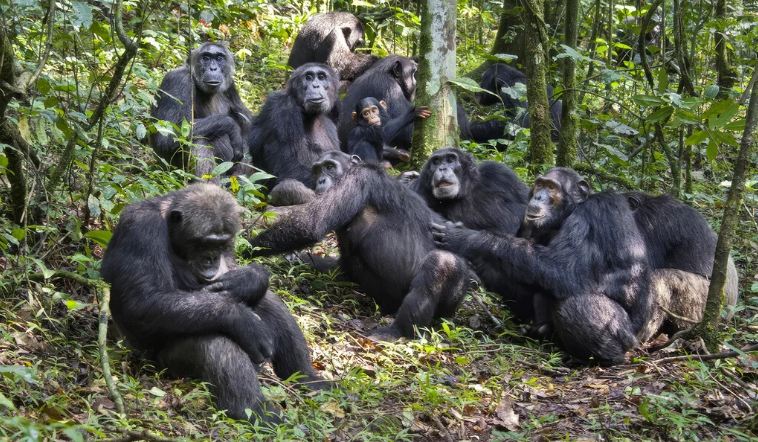
Top Rwanda safari activities include primate tracking and canopy walks in Nyungwe Forest, relaxation and boating on Lake Bunyonyi, plus gorilla trekking in Volcanoes National Park. Key highlights are:
Nyungwe Forest: Chimpanzee Trekking
Nyungwe Forest is one of East Africa’s premier primate habitats, famed for its dense, ancient montane forest that supports a rich tapestry of wildlife and a deep sense of wilderness. Chimpanzee trekking here is a highlight for many visitors, offering an intimate encounter with one of humanity’s closest relatives in a relatively pristine environment. The trek typically begins with a briefing from experienced guides, who outline tracking strategies, safety considerations, and expectations for the day. Depending on the season and observed chimpanzee activity, the hike can range from a few hours to a full, demanding day of ascent and descent through humid undergrowth, moss-draped trunks, and narrow forest trails.
Once you locate a habituated chimpanzee group, the experience shifts into a quiet, almost hushed observation. Guides emphasize minimizing disturbance—speaking in soft tones, avoiding sudden movements, and ensuring that distances are respected for the primates’ welfare. The sight of a silverback male guiding his group, juveniles tumbling playfully, and females moving with purpose through the canopy creates a visceral connection to the forest’s social dynamics. Expect moments of rest in shaded clearings, panoramic views of vine-draped trees, and perhaps the distant calls of birds and other primates that punctuate the scene.
Nyungwe’s chimps are just one piece of a broader ecological puzzle. The forest’s humidity, altitude, and microhabitats contribute to a remarkably high biodiversity. Trekkers often pair chimp trekking with forest walks that reveal endemic birds, butterflies, and small mammals. Given the forest’s elevation, weather can be changeable, so packing lightweight rain gear, breathable layers, sturdy walking shoes, and a water bottle is prudent. A well-chosen trekking route offers rewards in terms of wildlife sightings and a profound sense of being immersed in a living, breathing rainforest that has endured for millennia.
Nyungwe Forest: Canopy Walk
Nyungwe Forest’s Canopy Walkway stands as a dramatic, vertigo-inducing gateway to a different perspective on this ancient landscape. Suspended high above the forest floor, the walkway stretches across a deep ravine, creating a thrilling, bird’s-eye vantage point that reveals the forest’s upper stories—where epiphytes cling to trunks, vines loop between branches, and headset of mist and sunshine weave through the canopy. The experience is as much about the physical sensation of height as it is about the ecological rewards: you gain a unique sense of the forest’s vertical structure, from the emergent trees rising above to the shaded understory far below.
Walking the Canopy Walk, guests are treated to panoramic views that range from the emerald tapestry of the canopy to distant ridgelines and, on clear days, the patchwork of tea plantations that spill down valleys. The elevated perspective often brings closer looks at high-altitude birds and arboreal primates that rarely surface at ground level. Guided commentary enriches the experience with explanations of Nyungwe’s hydrology, the interplay between forest and sky, and how epiphytic plants rely on the forest’s microclimate. Photographers relish the framing opportunities—the interplay of light, the map-like mosaic of leaves, and the sense of suspended time above a living, breathing ecosystem.
Preparation for the Canopy Walk is straightforward: comfortable, snug footwear, a light jacket (the breeze can be cool at height), and a small backpack with water, sunscreen, and a camera. The route is designed to be accessible to a broad range of visitors, though those with a fear of heights may find the experience intense. For most travelers, the Canopy Walk delivers a memorable, cinematic moment that complements Nyungwe’s other forest adventures, offering a literal and figurative vantage point on a landscape where life thrives from the root to the canopy.
Nyungwe Forest: Colobus Monkey Trekking
Colobus monkey trekking in Nyungwe National Park invites visitors into a dynamic, vine-draped world where one of Africa’s most striking colobus species—often distinguished by its striking black-and-white fur and elegant, flowing tails—moves with agile grace through the forest canopy. These treks usually begin with a forest briefing, followed by a guided ascent into Nyungwe’s ridges and ravines where these arboreal primates live high in the branches. The experience emphasizes quiet observation, as these lemur-like primates are highly sensitive to human disturbance and can vanish at a moment’s notice if a branch creaks or a twig snaps.
As you trace the monkeys’ passage through the treetops, you’re treated to a choreography of leaps, slow clambering climbs, and social interactions within the troop. Guides point out the subtleties of colobus behavior—howler-like alarm calls, momentary pauses to groom, and the intricate bonds that traverse the forest’s vertical strata. The encounter is often accompanied by a chorus of forest birds and the distant murmur of Nyungwe’s streams, creating a multisensory immersion that squares with the park’s overall sense of primeval wilderness.
In terms of scenery, Colobus Trekking pairs beautifully with other Nyungwe activities. A morning or afternoon spent among monkeys can be combined with a Canopy Walk for a day that balances ground-level immersion and aerial perspectives. Because Nyungwe’s terrain tends toward humid, forested slopes, bring sturdy footwear, long pants, and light rain gear. It’s also wise to carry water and a light snack to sustain you through the trek. While sightings can never be guaranteed—monkeys move quickly and are shy—the reward of watching a troop of Colobus glide through the treetops is a defining Nyungwe moment, one that underscores the park’s global significance as a bastion of primate diversity.
Nyungwe Forest: Bird Watching
Nyungwe National Park is a birding paradise, with a remarkable assemblage of Albertine Rift endemics and a constant chorus of forest, swamp, and highland species. Bird watching here unfolds across a mosaic of habitats: swamps, cloud-laden ridges, tea-plantation fringes, and riverine edges—each microhabitat hosting a distinctive avifauna. For visitors, Nyungwe offers both sought-after lifers and introductory sightings, making it a versatile destination for bird lovers at every level of expertise.
Key highlights often include the chance to spot endemic species such as the Grauer’s broadbill, the African green broadbill, and various sunbirds and sunbird-agers that glitter in the understory. The forest’s waterlogged areas attract waterfowl and waders, especially near streams and marshy pockets. In the canopy and mid-story, raptors may wheel on thermals, while forest edges give rise to mixed-species foraging flocks. For dedicated birders, Nyungwe represents a living classroom: a place to study avian behavior, calls, territorial displays, and seasonal migrations that reflect the broader ecological rhythms of the Albertine Rift.
Best practices for birding Nyungwe include arriving early when birds are most active, moving slowly to minimize disturbance, and carrying a lightweight field guide or a birding app. A pair of binoculars with good close-focus and a reliable camera with a zoom lens can transform ordinary moments into intimate field observations. Guides are invaluable: they help you locate tricky species, identify calls, and interpret shifts in bird behavior as weather systems roll through the forest. Whether you’re a seasoned twitcher or a casual enthusiast, Nyungwe’s birds offer a steady stream of discoveries—one of East Africa’s most rewarding avian experiences.
Nyungye Forest: Waterfall Hikes & Nature Walks
Nyungwe National Park’s landscape is threaded with dramatic waterfalls and scenic nature trails that invite visitors to slow down and immerse themselves in the forest’s microcosms. Waterfall hikes, such as the Isumo Falls route, reveal cascades tumbling through mossy rocks, where spray creates rainbows in the occasional sunbeam and the soundscape blends rushing water with birdsong and the rustle of leaves. These walks vary from gentle, scenic strolls to more strenuous treks that demand steady footing and a sense of exploration, rewarding hikers with panoramic viewpoints and the feeling of stepping into a living, dripping green cathedral.
Nature walks in Nyungwe provide intimate encounters with the park’s plant diversity and smaller mammals. Along these trails, guides point out medicinal plants, epiphytes clinging to tree trunks, and the subtle signs of wildlife—fresh tracks, broken twigs, or a chorus of frogs after a rain. The hikes often connect to broader ecological narratives: forest fragmentation, watershed health, and the role of Nyungwe as a biodiversity hotspot. For nature lovers, these walks are as much about the sensory experience—the cool air, the earthy scent of wet soil, the cadence of dripping water—as they are about spotting wildlife.
Practical notes: bring sturdy hiking shoes, a lightweight rain jacket, a small backpack with water, some snacks, and sun protection. Respect for the forest is paramount; stay on established paths to protect delicate habitats and to minimize disturbance to wildlife. Conservation-minded travelers will appreciate that many of Nyungwe’s trails are maintained with an eye toward both accessibility and preservation. Waterfall hikes and nature walk in Nyungwe offer a contemplative counterbalance to the park’s more adrenaline-fueled activities, inviting you to slow down, observe, and absorb the forest’s enduring vitality.
Nyungyu Forest: Bird Watching (Isumo and Beyond)
Note: Nyungwe is renowned for birding across its diverse habitats, including Isumo waterfall-adjacent streams, forest clearings, and high-elevation ridge lines. While specific route names may vary by operator, the core idea remains consistent: an immersive, patient approach to watching Nyungwe’s avian residents in a landscape where the birdlife is as dramatic as the primates and the forest itself. Bird watchers in Nyungwe can expect to encounter a spectrum of Albertine Rift endemics, including sunbirds, turacos, francolins, and forest-dwelling passerines that occupy the canopy, mid-story, and undergrowth. The forest’s proximity to tea plantations and edge habitats also introduces rural-forest bird dynamics that add variety to the experience.
Guides often tailor birding itineraries to seasonal movements, dawn chorus windows, and the particular species of interest a guest might have—whether it’s endemic rhabdornis or the striking colors of sunbird species. A successful session hinges on quiet observation, patience, and the ability to read subtle cues from the forest, such as a flutter in the canopy or the distant call of a scout bird. Whether you’re an avid birder or a casual traveler who enjoys wildlife sightings, Nyungwe’s birding opportunities reward careful listening, a sharp eye, and a willingness to linger in moments of natural stillness. Exploring Nyungwe through birding promises not just species lists but a pronounced sense of being immersed in a living, breathing forest that has sustained remarkable avifauna for generations.
Nyungye National Park: Tea Plantation Tours
Nyungwe’s landscape is complemented by nearby tea plantations that contribute to the region’s economy, culture, and scenery. Tea plantation tours offer visitors a chance to witness the cultivation, production, and processing of tea—from the verdant rows of Camellia sinensis to the factory floors where leaves are withered, rolled, fermented, and dried into the familiar tones and aromas of fresh tea. These tours often begin with a panoramic drive through rolling hills blanketed in lush green tea bushes, inviting visitors to observe the meticulous care that goes into selecting leaf quality, managing shaded rows, and optimizing harvest cycles.
Guides on tea plantation tours commonly share insights into the history of tea in Rwanda and neighboring regions, the cultural significance of tea to local communities, and the environmental considerations of plantation farming within a biodiverse landscape. Visitors may participate in light tastings, learn about tea processing steps, and gain a deeper appreciation for how agricultural practices intertwine with conservation and ecotourism. Beyond the agricultural narrative, plantation visits provide a scenic counterpoint to Nyungwe’s forest experiences, with leafy vistas, fragrant tea aromas, and a sense of connection to rural life in East Africa.
Tips for visitors: arrange plantation visits in advance as part of a broader Nyungwe itinerary, wear comfortable footwear for short walks among processing facilities, and come prepared for variable weather on hillside plots. A tea plantation tour in Nyungwe complements wildlife-focused activities with a cultural and agricultural perspective, enriching the overall sense of place and the region’s integrated landscape.
Lake Bunyonyi: Boat Rides/Canoeing to Islands
Lake Bunyonyi is renowned for its serene, emerald-green waters and a plethora of small islands with stories, legends, and ecological charm. A quintessential Lake Bunyonyi experience is boat rides or canoeing across the lake to reach its many islands, each offering a distinct slice of life and landscape. The ride itself is peaceful, with reflections of the surrounding hills and terraced fields dancing on the water. Upon landing on islands such as its most famous cluster, visitors encounter motifs of local culture, historic ruins, and opportunities for quiet wildlife observation along the shoreline.
Islands around Lake Bunyonyi are home to nesting birds, small herds of grazing animals, and a few resident communities living in harmony with the lake’s gentle ecosystem. The island-hopping itinerary often includes short walks through traditional villages, interacting with locals, and learning about the Batwa or other communities that have long histories in the region. Photography opportunities abound: dramatic settings of palm-fringed coves, misty mornings over the water, and the light that plays on the island’s shorelines as the sun moves through the sky. A day spent island-hopping can be both relaxing and culturally enlightening, offering insight into life on one of Uganda’s most absorbingly tranquil lakes.
For a sustainable experience, choose local operators who promote respectful visits to communities and adhere to responsible boating practices to minimize environmental impact on Lake Bunyonyi’s delicate shoreline and aquatic life. Whether you’re seeking a gentle paddle, a sunset cruise, or a multi-island exploration, the lake rewards visitors with a sense of calm and a window into the region’s mosaic of landscapes and cultures.
Lake Bunyonyi: Hiking, Birding, and Visiting Local Communities/Batwa
Beyond boat trips, Lake Bunyonyi invites active exploration through hiking, birding, and engaging with local communities, including the Batwa’s unique culture. The hiking options range from gentle shoreline strolls to more vigorous treks that weave through terraced hillsides, along forested ridges, and toward viewpoints that overlook the lake’s sinuous shoreline. These hikes reveal diverse microhabitats—from reed beds and wetlands to forest edges that shelter a variety of birds and small mammals. Each trail presents opportunities to encounter endemic species and to gain a deeper understanding of the region’s ecological richness, as well as its agricultural practices and rural livelihoods.
Birding along Lake Bunyonyi emphasizes the area’s wetland birds, endemic species, and migratory visitors that ride the lake’s breezes. Guides often tailor trips to seasonal bird activity, maximizing chances to observe kingfishers, herons, and waterfowl in flight or at lakeside rest stops. The presence of local communities adds a cultural dimension to any visit. Engaging with residents—whether to learn about traditional crafts, farming techniques, or storytelling—cultivates a more holistic sense of responsibility and appreciation for the region’s heritage.
Interacting with Batwa communities offers a window into ancestral lifestyles that have shaped the landscape for centuries. Visitors may witness traditional dances, beadwork, and forest knowledge that informed their survival strategies and cultural expressions. Responsible visits emphasize respect, consent, and learning, ensuring that both visitors and communities benefit from tourism. Lake Bunyonyi’s combination of hiking, birding, and cultural encounters provides a balanced day or multi-day itinerary that grounds travelers in both the natural beauty and the living culture of this region.
Rwanda Highlights: Gorilla Trekking (Volcanoes National Park)
Rwanda’s Volcanoes National Park is globally celebrated for its gorilla trekking, offering one of the most iconic wildlife experiences on Earth. Trekking to see mountain gorillas is a deeply moving encounter with these extraordinary primates in their high-elevation forest homes. Each trekking day begins with a briefing from park rangers and licensed guides, who assess group fitness, track gorilla movements, and ensure safety and conservation standards. Hikes can be steep and challenging, demanding stamina, patience, and an appreciation for the forest’s microclimates. Yet the payoff is immense: close, up-close observations of family groups, the tactile warmth of a mother gorilla shielding her infant, and the visceral sense of watching these remarkable beings in their natural habitat.
Gorilla encounters are always framed by a strong conservation ethos. Trekking permits are limited to protect gorilla populations, and timing is influenced by weather, vegetation, and gorilla movement. Photographers will find opportunities for intimate portraits, but guidelines stress minimizing disturbance, keeping a respectful distance, and avoiding flash photography to protect the animals’ well-being. In addition to gorilla trekking, Volcanoes National Park offers scenic volcano landscapes, golden-hour vistas, and opportunities to learn about the region’s biodiversity, local cultures, and conservation challenges.
A Rwanda highlights itinerary often blends gorilla trekking with other national parks, community experiences, and cultural explorations. Given the effort involved in gorilla trekking, many travelers choose to couple it with additional wildlife experiences and relaxation time to soak in Rwanda’s mountains, lakes, and forests. For many, the gorilla trek is not just a wildlife sighting but a transformative encounter that resonates long after the journey ends.
Rwanda Highlights: Wildlife Game Drives in Akagera National Park
Akagera National Park marks Rwanda’s large, savannah-scripted wildlife theatre, where expansive landscapes host a dynamic array of wildlife and a sense of classic East African safari. A game-drive-focused exploration here provides a complementary contrast to Rwanda’s forested gorilla country, showcasing elephants, lions, rhinos, buffalo, hippos, antelopes, and a thriving birdlife—a reminder of the hidden biodiversity that exists beyond the park borders. Akagera’s mosaic of acacia savanna, wetlands, and riverine corridors creates opportunities to observe predator-prey dynamics, long migrations, and resilient ecosystems that thrive in the park’s diverse habitats.
Guided 4x4 safaris in Akagera are designed to maximize wildlife sightings while balancing comfort and safety. Early morning drives yield crisp light and animal activity, while afternoon safaris often coincide with cooler temps and more relaxed angles for photography. In addition to terrestrial wildlife, Akagera’s lakes and wetlands support a variety of waterfowl and water-dependent species, making it a strong destination for birders seeking Rift Valley affinities or migratory contrasts. The park’s landscape also invites interpretation of its hydrological cycles, with seasonal water levels influencing animal movements and the accessibility of certain habitats.
A well-planned Akagera day can be integrated with gorilla trekking, Nyungwe’s forest experiences, or Lake Kivu adventures to form a multi-park, cross-country itinerary. Given Rwanda’s compact geography, Akagera provides a big-game, open-country safari feel within reach of Volcanoes National Park and Nyungwe’s rainforest, offering a diverse safari arc that highlights the country’s breadth of wildlife experiences and ecological versatility.
Rwanda Highlights: Kayaking on Lake Kivu
Lake Kivu provides a scenic, water-centric complement to Rwanda’s wildlife safaris, with kayaking offering a tranquil, intimate way to engage with the lake’s coastlines, shoreline villages, and island silhouettes. Paddling the calm waters of Lake Kivu invites close-up views of shoreline habitats, aquatic plants, and the rural life that flourishes along the lake’s edge. A guided kayaking excursion often includes cultural stops, brief village visits, and opportunities to observe local fishing practices, boat traffic, and daily rhythms that define life around the lake.
Paddling can be tailored to experience level, from gentle, no-weariness routes suitable for families to more spirited paddle sessions for experienced kayakers. The route might include island-hopping stops, shoreline coves, and reflective moments at sunset when the surface of the lake becomes a mirror to the surrounding hills. Learning about the lake’s geology and history—how it formed, its role in local economies, and its ecological importance—adds depth to the experience.
Safety and sustainability are central to kayaking on Lake Kivu. Proper life jackets, weather awareness, and reliance on licensed operators help ensure a safe and respectful encounter with the lake’s ecosystem. For travelers seeking a slower pace that still delivers scenery, cultural insight, and light physical activity, kayaking on Lake Kivu offers a refreshing alternative to typical overland safaris, weaving together natural beauty, local life, and a sense of immersion in Rwanda’s diverse landscapes.
Acacia Safaris Uganda
Acacia Safaris Uganda positions itself as a gateway to Uganda’s wildlife-rich destinations, blending a portfolio of classic safari circuits with personalized itineraries designed to fit diverse traveler interests and budgets. A typical offering emphasizes Uganda’s flagship parks—Queen Elizabeth National Park, Murchison Falls, Bwindi Impenetrable National Park, Kibale Forest, and other iconic sites—while highlighting practical logistics, safety, and concierge-level service. The operator’s value proposition often revolves around expert driver-guides, well-maintained 4x4 vehicles, and a collaborative approach to itinerary design that balances wildlife drives, boat safaris, chimpanzee trekking, gorilla trekking add-ons, and cultural interactions with local communities.
Acacia Safaris Uganda may emphasize a client-centric planning process: listening to travelers’ priorities, clarifying must-see experiences (like chimp trekking in Kibale or gorilla visits near Bwindi), and weaving in comfort lodging that aligns with pace and travel style. A well-curated Uganda safari by Acacia Safaris would typically include park-entry fees, guided game drives, boat cruises, and airport transfers, with optional add-ons such as community visits, hiking across forested landscapes, or specialized wildlife photography sessions. The company’s emphasis on Uganda’s biodiversity—across savannas, forests, wetlands, and crater lakes—appeals to families, couples, and curious solo travelers seeking a robust, immersive East African safari experience.
As with all operators, prospective clients should confirm inclusions, lodging standards, permit requirements, and seasonal variations before booking. A transparent discussion of what is included (and what would be extra) helps ensure the itinerary aligns with expectations, budgets, and travel timelines, resulting in a seamless, memorable Uganda safari.
Top Activities in Nyungwe National Park
Top activities in Nyungwe National Park center on exploring the park’s remarkable primate diversity, forest canopies, and rich biodiversity. Chimpanzee tracking remains a central draw, offering visitors a rare glimpse into the social lives of one of humanity’s closest relatives within a pristine montane forest. Treks are guided by experienced rangers who help guests interpret primate behavior, track movements, and minimize disturbance to the animals. The encounter can be intimate, with close-range observations of social interactions, mother-infant bonding, and the dynamic family structures that characterize chimpanzee groups. The experience is not only about wildlife watching but also about the emotional resonance of being in the forest where these remarkable beings live.
Nyungwe Canopy Walk, a high suspension bridge perched above the forest floor, provides panoramic views and a dramatic sense of perspective. The walkway invites visitors to experience Nyungwe from above, spotting epiphytes, birds, and the forest’s vertical complexity while surrounded by misty air and expansive vistas. It’s a must for photographers and nature lovers who crave that aerial sense of scale and a memorable frame for landscapes rich in texture and color.
Colobus Monkey Trekking offers a chance to observe elegant, black-and-white primates moving with practiced ease through the trees. Watching the colobus leap between branches, engage in grooming rituals, and contribute to the forest’s social dynamics adds to Nyungwe’s reputation as one of Africa’s premier primate habitats.
Waterfall Hikes & Nature Walks highlight Nyungwe’s scenic side, with trails that reveal Isumo Falls and other cascades set against lush vegetation. These walks provide opportunities to observe plant life, observe forest birds, and enjoy gentle physical activity amid stunning scenery. Bird watching is a cornerstone activity, with Nyungwe hosting a diverse avifauna, including Albertine Rift endemics and a wide array of forest birds. Finally, Tea Plantation Tours connect visitors with the human landscape surrounding Nyungwe, offering insights into local agriculture, processing, and the scenic interplay between cultivated land and protected forest. Collectively, these top Nyungwe activities capture the park’s ecological breadth, highlight its iconic species, and showcase why Nyungwe remains a premier ecotourism destination in East Africa
How to Combine Nyungwe and Lake Bunyonyi on a Rwanda Safari
Combining Nyungwe National Park and Lake Bunyonyi on a Rwanda safari is an excellent way to experience both the lush rainforests and stunning highland lakes. Start your journey in Kigali, where you can rent a car or hire a guide. Drive to Nyungwe, approximately 5-6 hours away, known for its rich biodiversity, including primates and unique hiking trails. Spend a few days exploring the park with activities like chimpanzee trekking and canopy walks.
From Nyungwe, head towards Lake Bunyonyi. The drive takes about 2-3 hours, and you'll enjoy spectacular views along the way. Upon arrival, relax by the lake, take canoe rides, or explore the surrounding islands. Consider spending one or two nights at a lakeside lodge to fully appreciate the serene atmosphere. This itinerary allows you to enjoy the best of Rwanda's natural beauty, creating a perfect blend of adventure and relaxation.
When is the Best Time for Nyungwe and Lake Bunyonyi on a Rwanda Safari
The best time to visit Nyungwe National Park and Lake Bunyonyi on a Rwanda safari is during the dry seasons from June to September and December to February. During these months, wildlife viewing is optimal, as the weather is typically dry and the roads are more accessible. In Nyungwe, the low humidity levels make trekking and hiking enjoyable, enhancing your chances of spotting chimpanzees and other primate species.
Additionally, visiting in the dry season ensures clearer skies over Lake Bunyonyi, perfect for stunning reflections in the water during early morning or late afternoon. With warm temperatures and reduced rainfall, you'll also have more opportunities for outdoor activities like hiking, birdwatching, and kayaking. This seasonal advantage makes these periods ideal for experiencing the natural beauty and rich biodiversity of Rwanda.
Booking Nyungwe and Lake Bunyonyi on a Rwanda Safari with Us: Roads of Adventure Safaris
At Roads of Adventure Safaris, we specialize in crafting personalized itineraries that combine the wonders of Nyungwe National Park and the enchanting beauty of Lake Bunyonyi. Our expert team understands the unique landscapes and wildlife experiences that Rwanda has to offer, allowing us to create tailored safari packages that fit your interests and preferences.
From arranging accommodations in comfortable lodges to providing knowledgeable guides, we ensure that every detail of your trip is well-planned. Whether you're interested in chimpanzee trekking in Nyungwe, canoeing on Lake Bunyonyi, or simply relaxing amid breathtaking scenery, we will customize your journey to maximize your experience. Contact us today to begin planning your unforgettable adventure in Rwanda, where nature and culture seamlessly intertwine, promising memories that will last a lifetime.
Boat Cruises & Canoeing
Lake Bunyonyi’s glassy, emerald waters invite gentle exploration by boat, offering a serene vantage on the lake’s 29 islands and the terraced hills that cradle them. Boat cruises and canoe trips can be tailored to fit whether you’re seeking a relaxed, scenic ride or a short, informative foray into island stories. Motorized boats provide a smooth, time-efficient way to cover larger distances and reach far-flung shores, while traditional dugout canoes offer a slower, more intimate connection with the water and shoreline life. Either option yields postcard-perfect moments: reflections of the surrounding hills on the water, birds skimming the surface, and villages unfolding along the banks.
On longer boat excursions, your guide can point out notable landmarks, such as Punishment Island and other historically rich sites, while sharing insights into local livelihoods, fishing practices, and lake ecology. If you’re visiting with family or a small group, private cruises can be arranged to include on-board picnics, brief cultural demonstrations, or sunset departures that cast a golden glow across the lake. For photographers, the calm early morning glass and late-afternoon alpenglow present ideal lighting for tranquil landscape portraits and candid village scenes.
Safety and etiquette are straightforward: wear life jackets, follow your guide’s instructions on boarding and disembarkation, and respect local communities’ quiet times and shorelines. Environmental stewardship is a shared priority, so use designated docks, avoid littering, and minimize speed near busy swimming areas. Boat cruises and canoe trips at Lake Bunyonyi are not just a means of transport; they’re a quiet pathway to experiencing the lake’s ritmo—the rhythm of water, wind, and village life—that makes this lake a timeless sanctuary in Uganda’s fabric of remarkable destinations.
Island Hopping & Tours
Island hopping at Lake Bunyonyi is a mosaic of micro-journeys, each island offering its own character, stories, and scenic vantage points. With 29 islands dotting the lake, visitors can craft a rhythm of short, targeted visits that blend natural beauty, history, and cultural insight into a single day or a thoughtful multi-day itinerary. Guided island tours typically include stops at well-known sites such as Punishment Island, a place steeped in local lore, along with visits to smaller, less-visited isles where you can meet resident families, observe school activities, or view small farms that illustrate rural life on the lakeshore.
The pace of island hopping is deliberately relaxed, inviting moments of quiet reflection as you step ashore to admire thatched rooves, terraced gardens, and spectacular viewpoints that overlook the water. Local guides often weave in storytelling about the islands’ origins, traditional practices, and the historical tides that shaped settlement around the lake. Depending on your interest, island visits can incorporate short walks through village paths, a peek into school routines, and conversations with residents about daily life, crafts, and the role of fishing in sustaining households.
Practical planning helps maximize your island itinerary: start early to catch the best light, bring water and sun protection, and be mindful of private property and community norms when stepping onto island shores. Island hopping at Lake Bunyonyi is a gentle, culturally rich way to experience the lake’s myriad personalities—the quiet beauty of its isles, the warmth of its people, and the enduring connection between water and community.
Cultural Community Tours
Cultural community tours around Lake Bunyonyi provide a window into everyday life, local traditions, and the living history of the region. These immersive experiences emphasize respectful engagement with communities, including the Batwa and other lake-adjacent settlements, and aim to foster meaningful exchanges between visitors and residents. Your itinerary might include market strolls, family-home visits, traditional craft demonstrations, and informal conversations about daily routines, cuisine, and agricultural practices that shape life on the lakeshore.
Guided visits are typically organized through community associations or responsible-tour operators who prioritize benefit-sharing and ethical interactions. Travelers can observe beadwork, basketry, label-work on handcrafts, and small-scale farming techniques that have persisted for generations. Cuisine-inspired moments—tasting local stews, breads, and fresh produce—offer a sensory dimension to the cultural encounter, often accompanied by stories that carry the region’s history, beliefs, and resilience. Depending on the day, you might join a village ceremony, witness a local dance, or hear elders recount tales of lake legends, migrations, and environmental stewardship.
Important etiquette includes asking before photographing people, respecting sacred or private spaces, and participating in activities only when invited. Cultural tours are not just about observation; they’re an invitation to reciprocity—supporting local schools, artisans, and community projects through modest purchases or donations arranged in advance. For travelers seeking a human-centered complement to the lake’s natural beauty, cultural community tours around Lake Bunyonyi offer authentic connections, memorable storytelling, and a deeper appreciation for how lakeside life weaves together tradition, creativity, and everyday resilience.
Hiking & Nature Walks
Hiking and nature walks around Lake Bunyonyi unfold along ridge trails, terraced hillside paths, and forested edges that frame breathtaking views of the lake’s emerald expanse. The terrain ranges from gentle, lake-shore strolls to moderate climbs that ascend to overlooks where the water’s glassy surface blends with the surrounding hills’ patchwork of fields and villages. Each route offers a different lens on the landscape—whether you’re savoring a soft breeze on a sunny afternoon or pausing to study the flora that thrives along the banks and in the hillside micro-habitats.
Birdlife, butterflies, and small mammals add a living dimension to hiking excursions. Guides can help you spot endemic species and explain how the lake’s ecosystem supports a diverse web of life, from reeds that shelter waterfowl to forests that host primates and other mammals. Hiking also provides opportunities to observe agricultural life more intimately: terraced farming practices, crop cycles, and the seasonal rhythms of planting and harvest that shape local economies.
Practical gear matters for a comfortable day on foot: sturdy walking shoes with good grip, a hat and sunscreen, a light rain layer, and plenty of water. Depending on the season, trails can be muddy or slick, so trekking poles can be helpful. Respect for local communities and the environment is essential—stick to marked paths, carry out all trash, and minimize noise to preserve wildlife. Hiking and nature walks around Lake Bunyonyi reward curious travelers with intimate landscapes, quiet contemplation, and a stronger sense of place within Uganda’s rural heart.
Swimming
Swimming in Lake Bunyonyi is pitched as a safe, serene option within a landscape of gentle beauty and calm waters. The lake’s reputation for being bilharzia-free in many areas is often highlighted by operators and guides as a practical reassurance for travelers seeking a refreshing dip or an easy watery pastime after a day of sightseeing. A swim here can be a restorative counterpoint to more strenuous activities, offering a chance to cool off while surrounded by the lake’s stillness and the scenic backdrop of terraced hills and bobbing canoes.
When planning a swim, choose supervised, designated swimming areas and check with local guides or lodge staff about water conditions, currents, and seasonal variations. Swim wear that’s comfortable and modest is recommended, and sunscreen should be applied generously to protect from sun exposure during longer midday sessions. For families with children, a swim can be part of a broader day that includes boat rides, island visits, and picnics on shaded shorelines.
Safety and etiquette are important even in tranquil waters: avoid diving in unfamiliar spots, steer clear of boat traffic, and be mindful of local wildlife and villagers along the shore. Swimming at Lake Bunyonyi combines relaxation with a touch of adventure, inviting travelers to linger in the lake’s peaceful ambience while soaking in the surrounding scenery and the slow, restorative cadence of life along Uganda’s storied lakeshore.
How to Combine Nyungwe and Lake Bunyonyi on a Rwanda Safari
Combining Nyungwe National Park and Lake Bunyonyi on a Rwanda safari is an excellent way to experience both the lush rainforests and stunning highland lakes. Start your journey in Kigali, where you can rent a car or hire a guide. Drive to Nyungwe, approximately 5-6 hours away, known for its rich biodiversity, including primates and unique hiking trails. Spend a few days exploring the park with activities like chimpanzee trekking and canopy walks.
From Nyungwe, head towards Lake Bunyonyi. The drive takes about 2-3 hours, and you'll enjoy spectacular views along the way. Upon arrival, relax by the lake, take canoe rides, or explore the surrounding islands. Consider spending one or two nights at a lakeside lodge to fully appreciate the serene atmosphere. This itinerary allows you to enjoy the best of Rwanda's natural beauty, creating a perfect blend of adventure and relaxation.
When is the Best Time for Nyungwe and Lake Bunyonyi on a Rwanda Safari
The best time to visit Nyungwe National Park and Lake Bunyonyi on a Rwanda safari is during the dry seasons from June to September and December to February. During these months, wildlife viewing is optimal, as the weather is typically dry and the roads are more accessible. In Nyungwe, the low humidity levels make trekking and hiking enjoyable, enhancing your chances of spotting chimpanzees and other primate species.
Additionally, visiting in the dry season ensures clearer skies over Lake Bunyonyi, perfect for stunning reflections in the water during early morning or late afternoon. With warm temperatures and reduced rainfall, you'll also have more opportunities for outdoor activities like hiking, birdwatching, and kayaking. This seasonal advantage makes these periods ideal for experiencing the natural beauty and rich biodiversity of Rwanda.
Booking Nyungwe and Lake Bunyonyi on a Rwanda Safari with Us: Roads of Adventure Safaris
At Roads of Adventure Safaris, we specialize in crafting personalized itineraries that combine the wonders of Nyungwe National Park and the enchanting beauty of Lake Bunyonyi. Our expert team understands the unique landscapes and wildlife experiences that Rwanda has to offer, allowing us to create tailored safari packages that fit your interests and preferences.
From arranging accommodations in comfortable lodges to providing knowledgeable guides, we ensure that every detail of your trip is well-planned. Whether you're interested in chimpanzee trekking in Nyungwe, canoeing on Lake Bunyonyi, or simply relaxing amid breathtaking scenery, we will customize your journey to maximize your experience. Contact us today to begin planning your unforgettable adventure in Rwanda, where nature and culture seamlessly intertwine, promising memories that will last a lifetime.
