A 10-day Rwanda safari through the Land of a Thousand Hills offers a front-row seat to some of Africa’s most diverse rainforest ecosystems. Traveling from the misty bamboo zones of Volcanoes National Park down to the ancient montane canopy of Nyungwe Forest National Park, you will encounter remarkable wildlife along every trail. Rwanda hosts 13 distinct primate species, each playing a vital role in keeping these lush tropical forests balanced and healthy. From powerful apes navigating rugged mountain slopes to acrobatic monkeys swinging through high tree branches, tracking these creatures gives you an authentic connection to nature. Here are the top five primates you will meet on your journey across Rwanda’s national parks.
Popular Uganda Rwanda safari tour package
10-days-rwanda-uganda-safari-tour-double-gorilla-trekking-itinerary
10-days-rwanda-gorilla-trekking-safari-and-kenya-masai-mara-safari-tour
10-days-best-uganda-big-five-safaris-and-primate-experience
10-days-uganda-rwanda-primate-safari-vacation-and-game-drive-safari
10-days-best-of-uganda-and-rwanda-all-big-five-animal-and-gorilla-trekking
Top 5 Primates You Will See on a 10-Day Rwanda Safari
1. Mountain Gorilla (Ingagi)
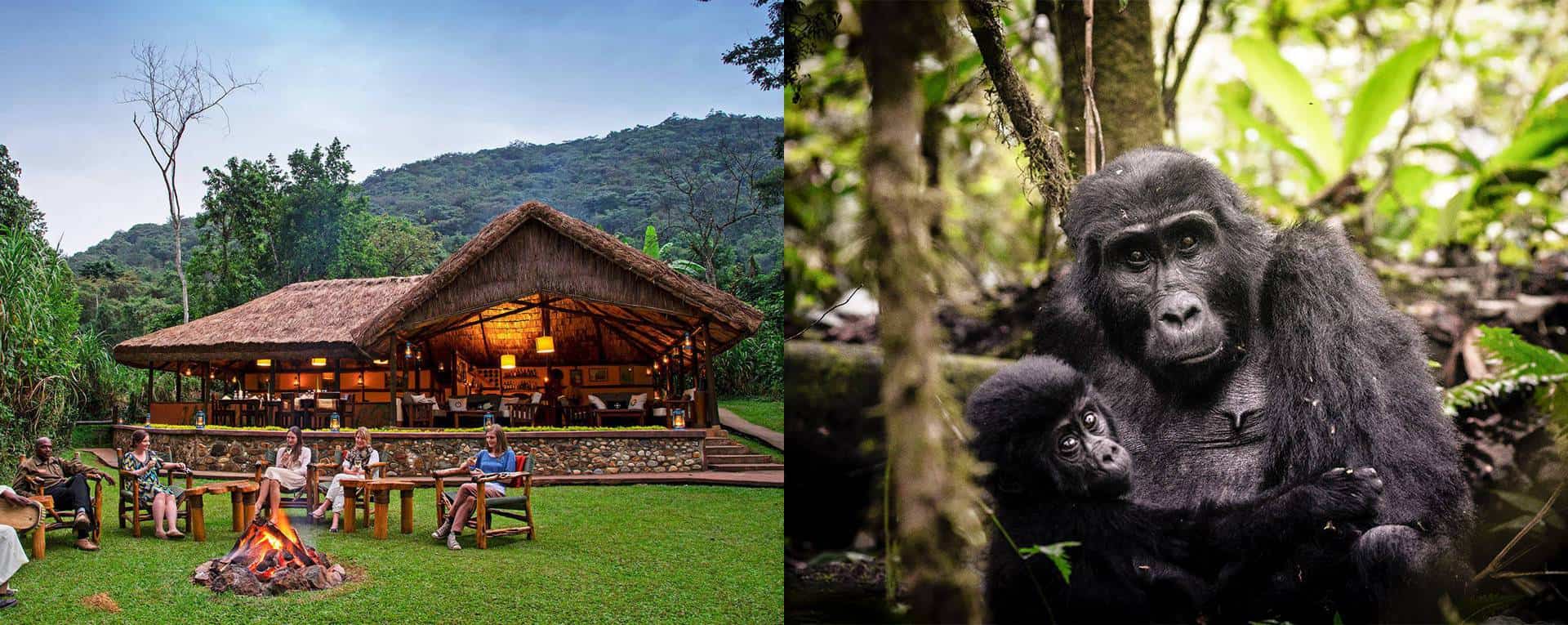
The mountain gorilla, locally named Ingagi in Kinyarwanda, stands as the crowning highlight of any itinerary through Volcanoes National Park. High up along the bamboo-covered slopes of the Virunga Massif, these gentle giants live in tight-knit family groups guided by a massive alpha silverback. Spending a quiet hour watching a mother nurse her infant or young juveniles playfully wrestling in the underbrush leaves a lasting impression. Guided treks navigate through dense vegetation and damp mountain soils, leading you right into their tranquil world. Rwanda's strong conservation model and community initiatives, like the annual Kwita Izina naming ceremony, have helped numbers steadily rise, making this encounter deeply meaningful.
2. Chimpanzee (Inyenzi / Inshako)
Deep within the primary rainforest of Nyungwe Forest National Park and Cyamudongo Forest, wild chimpanzees roam the canopy. Known locally as Inyenzi or Inshako, these highly intelligent apes share over 98% of human DNA and display fascinating group dynamics. Tracking chimps requires an early morning wake-up call, as you follow their loud pants, hoots, and heavy tree-drumming echoing through the morning mist. Once located, you might witness them cracking seeds, foraging for fruits, or grooming one another along forest clearings. Their fast pace and energetic vocalizations offer an exciting contrast to the calm, steady presence of mountain gorillas.
3. Golden Monkey (Inkima)
Endemic to the high-altitude Albertine Rift, the golden monkey, known locally as Inkima, brings bright color to the lower bamboo slopes of Volcanoes National Park. These active primates are easily identified by their striking golden-orange backs, dark limbs, and expressive faces. Living in vibrant troops of up to 80 members, Inkima spend their days leaping effortlessly between bamboo shoots, harvesting fresh leaves, and foraging for fruit near the forest floor. A tracking excursion to see them involves a light, enjoyable hike, offering incredible close-up opportunities for photography as they dart through light-dappled glades.
4. Angola Colobus Monkey (Umutobo)
Nyungwe Forest is home to massive troops of Ruwenzori Angola colobus monkeys, locally called Umutobo. Unlike many primate species that live in smaller family units, these striking black-and-white monkeys gather in super-troops that can exceed 300 individuals. Watching a troop move through the upper canopy is a magnificent sight, as their long white tails, shoulder capes, and snowy whiskers contrast against the deep green rainforest foliage. Their diet consists primarily of tough leaves, and you will often hear them calling across valleys before spotting them gracefully leaping from tree branch to tree branch.
5. L’Hoest’s Monkey (Ikimba)
The L’Hoest’s monkey, known locally as Ikimba, is a distinctive dark-furred primate with a snowy-white bib across its chest and a long, curved tail. Found across the damp forest floors of Nyungwe National Park, these ground-dwelling monkeys are routinely spotted along shaded trekking trails and quiet forest roads. Unlike their high-canopy relatives, Ikimba prefer foraging on the ground for fallen fruits, mushrooms, and roots, quickly retreating up tree trunks when startled. Their calm demeanor and striking appearance make them a memorable find for sharp-eyed travelers exploring Rwanda’s ancient wilderness.
How much does a gorilla trekking permit cost for a Rwanda safari?
A gorilla trekking permit in Volcanoes National Park costs $1,500 per person for foreign non-residents. Secure your permit well in advance, especially when traveling during peak dry seasons from June to September or December to February. Your permit includes guided park ranger services, park entry, and one full hour spending time near a habituated family of mountain gorillas (Ingagi). Investing in this permit supports local conservation programs and community projects. Early booking guarantees your slot on your preferred trekking date.
What is the cost of chimpanzee tracking permits in Nyungwe Forest National Park?
Chimpanzee tracking permits in Nyungwe Forest National Park cost $250 per person for foreign non-residents. This activity lets you follow wild habituated chimpanzee (Inyenzi) groups through ancient montane rainforest trails alongside experienced park rangers. Early morning trekking slots fill up quickly due to high demand among wildlife enthusiasts. Combining your chimpanzee permit with a canopy walk or colobus monkey tracking permit maximizes your overall wildlife experience across southern Rwanda's lush ecosystems.
How do I purchase golden monkey permits in Volcanoes National Park?
Golden monkey permits cost $100 per person and are easily secured through registered local tour operators or directly via the Rwanda Development Board (RDB). Tracking these lively primates (Inkima) along lower bamboo zones serves as an ideal activity to pair with gorilla trekking. Permits include expert guide fees and park access. Because daily permits are capped to protect the habitat, reserve your spot early when planning your 10-day safari itinerary.
What physical fitness level is required for a 10-day Rwanda primate safari?
A moderate level of physical fitness is ideal for navigating Rwanda's steep, rainforest terrain. Daily treks range from gentle two-hour walks to challenging five-hour hikes across slippery trails, high altitudes, and dense thickets. Staying active before your trip helps you tackle elevations easily. Local porters (abahererezi) are available at park headquarters to carry your heavy daypacks and offer steady support along muddy slopes, ensuring your trek remains comfortable and enjoyable throughout the journey.
What clothing and packing gear are best for trekking primates in Rwanda?
Pack sturdy waterproof hiking boots with excellent grip, long lightweight trousers, long-sleeved moisture-wicking shirts, and thick hiking socks to tuck your pants into. Rain jackets are essential year-round due to unpredictable tropical downpours across high-altitude rainforests. Bring durable gardening gloves to protect your hands from stinging nettles, a wide-brimmed sun hat, eco-friendly insect repellent, and a water-resistant backpack for carrying your camera equipment and extra hydration supplies.
When is the best time of year to go on a 10-day Rwanda primate safari?
The best months for primate tracking are during the dry seasons from June to September and December to February. Dryer conditions mean forest trails are less muddy and easier to navigate, enhancing visibility for photography. However, trekking continues year-round, and the wet seasons (March to May and October to November) offer lush greenery, vibrant birdlife, and lower crowds at major safari lodges across the country.
How far in advance should I book my Rwanda safari permits?
Book your mountain gorilla and chimpanzee permits 3 to 6 months in advance to guarantee availability, especially if traveling during the peak summer months. Daily permit numbers are strictly regulated by conservation authorities to protect sensitive ecosystems and prevent wildlife stress. Booking early allows you to secure preferred mid-range or luxury lodge accommodations close to national park entry gates without last-minute schedule adjustments.
What accommodation options are available near Volcanoes National Park?
Volcanoes National Park offers a wide selection of accommodations ranging from comfortable budget lodges to luxury eco-resorts. Renowned properties provide cozy fireplaces, warm hospitality (ubugwaneza), and scenic views of the Virunga Volcanoes. Popular choices include Five Volcanoes Boutique Hotel, Mountain Gorilla View Lodge, Bisate Lodge, and Singita Kwitonda. Selecting a lodge close to the Kinigi park headquarters simplifies your early morning trek briefing schedules.
Where should I stay when visiting Nyungwe Forest National Park?
Accommodations around Nyungwe Forest range from scenic mid-range lodges to top-tier luxury eco-lodges situated along tea plantation borders. Notable stays include One&Only Nyungwe House, Nyungwe Top View Hill Hotel, and Gisakura Visitor Guesthouse. Staying near the Gisakura or Uwinka visitor centers reduces morning drive times for chimpanzee tracking (Inyenzi) and canopy walk excursions across high forest canopies.
Can I combine gorilla trekking with a canopy walk in Rwanda?
Combining gorilla trekking in Volcanoes National Park with a canopy walk in Nyungwe Forest is a core feature of a 10-day itinerary. A scenic drive connects the two parks, allowing you to experience high-altitude bamboo zones and vast montane rainforests. The Uwinka Canopy Walkway offers panoramic views 70 meters above the forest floor, where you can spot Ruwenzori Angola colobus monkeys (Umutobo) and bird species.
Is it safe to travel across Rwanda on a multi-day safari?
Rwanda is recognized as one of the safest, cleanest, and most welcoming travel destinations in Africa. Main highways connecting Kigali to national parks are well-maintained, smooth, and paved. Local communities warmheartedly welcome international travelers (abashyitsi). Professional driver-guides handle all transport logistics, ensuring a smooth, secure, and stress-free journey between safari destinations, cultural sites, and regional airports.
What rules must I follow when trekking mountain gorillas and chimpanzees?
Maintain a mandatory minimum distance of 7 meters from all primates to protect them from human-transmitted illnesses. Always keep your voice low, avoid sudden movements, and never flash camera lights when taking photos. Wearing facemasks is required during close gorilla encounters to protect their health. If you feel unwell or display signs of communicable illness on trek day, inform park authorities immediately to protect habituated groups.
How long do you get to spend with primates during a tracking excursion?
Standard tracking permits grant exactly one full hour with habituated gorilla, chimpanzee, or golden monkey groups once located. This strictly enforced limit minimizes human disturbance and preserves natural wildlife behaviors. That single hour offers ample opportunity to observe feeding habits, social grooming, and playful juvenile interactions while capturing memorable photographs alongside expert local park guides.
Are porters available during primate trekking in Rwanda national parks?
Porters (abahererezi) are readily available at park briefing stations in Volcanoes and Nyungwe National Parks. Hiring a porter costs around $15 to $20 per trek. Porters assist by carrying heavy camera bags, holding hands over slippery terrain, and offering physical balance along steep inclines. Hiring a porter directly supports local community livelihoods and empowers families living near national park boundaries.
What local dishes and beverages can I enjoy while on safari in Rwanda?
Savor authentic Rwandan meals featuring fresh local ingredients like plantains (imatoke), sweet potatoes, grilled tilapia, brochettes, and organic beans. Lodges serve international cuisine alongside fresh tropical fruits like tree tomatoes and pineapples. Don’t miss sampling world-class Rwandan specialty coffee and fresh tea cultivated along high-altitude mountain slopes bordering Nyungwe Forest.
What is the minimum age requirement for trekking mountain gorillas in Rwanda?
The minimum age for mountain gorilla trekking in Volcanoes National Park is 15 years old. This regulation is strictly enforced by the Rwanda Development Board to ensure visitor safety and park protocol compliance. Children under 15 can participate in golden monkey tracking, cultural village tours, or scenic nature walks around nearby lakes while parents complete their gorilla trek.
How do I travel between Kigali, Volcanoes, and Nyungwe National Park?
Travel across Rwanda is typically conducted using private 4x4 safari vehicles equipped with pop-up roofs for optimal game viewing. Driving from Kigali to Volcanoes National Park takes approximately 2.5 hours, while traveling from Volcanoes to Nyungwe via Lake Kivu takes around 5 to 6 hours. Domestic helicopter transfer flights are also available for fast travel between Kigali International Airport and luxury forest lodges.
What local cultural experiences can I include on a 10-day Rwanda safari?
Enrich your wildlife itinerary by visiting the Gorilla Guardians Cultural Village (Iby’Iwacu) near Volcanoes National Park to experience traditional Intore dancing, drumming, and ancient royal customs. You can also explore the Kigali Genocide Memorial, tour vibrant local artisan markets like Kimironko, or participate in tea-harvesting experiences alongside local farmers near Nyungwe Forest.
What tipping etiquette should I follow on a Rwanda primate safari?
Tipping is widely appreciated across Rwanda's hospitality and tourism industry. Tipping $15 to $20 per day for your driver-guide and $10 to $15 per trek for main park rangers is standard practice. Lodge staff tip boxes allow you to show gratitude (murakoze) to housekeepers, chefs, and waitstaff. Carrying small US dollar bills or Rwandan Francs (FRW) ensures easy cash tipping throughout your trip.
How do I book a customized 10-day Rwanda primate safari with Roads of Adventure Safaris?
Booking your dream Rwanda safari with Roads of Adventure Safaris is simple, seamless, and fully tailored to your travel preferences. Our expert safari planners secure your official gorilla (Ingagi) and chimpanzee (Inyenzi) permits directly, reserve handpicked boutique accommodations, and arrange comfortable 4x4 safari transportation with top-tier local driver-guides. Contact Roads of Adventure Safaris today via our direct booking page or email to start crafting your customized 10-day itinerary across Rwanda's rainforests.