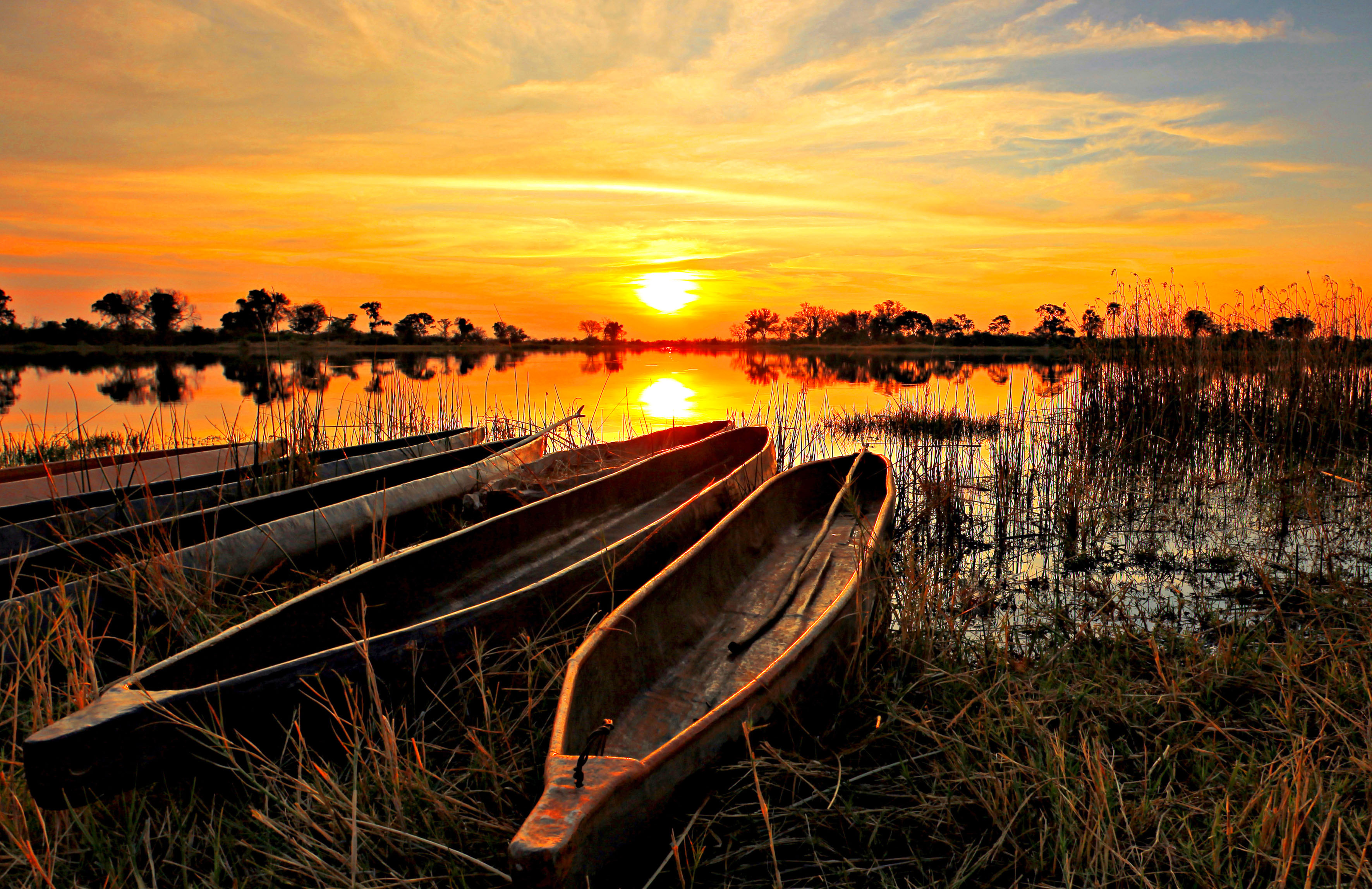
Experience the Okavango Delta’s unique ecosystem through iconic water safaris and thrilling aerial views. Top activities include gliding through shallow channels on a traditional mokoro (dugout canoe), taking a doors-off scenic helicopter flight over the massive floodplains, and embarking on walking safaris or night drives in private concessions
2-days-best-gorilla-trekking-safari-tour-via-kigali-to-bwindi-impenetrable-forest-park
3-days-gorilla-trekking-safari-and-lake-bunyonyi-relaxation-itinerary
3-days-affordable-uganda-budget-gorilla-trekking-via-kigali
4-days-ultimate-gorilla-and-uganda-safari-and-chimpanzee-tracking
4-days-ultimate-gorilla-and-uganda-safari-and-chimpanzee-tracking
4-days-uganda-gorilla-safari-with-golden-monkey-tracking-from-rwanda
4-days-luxury-gorilla-trekking-safari-in-bwindi-fly-in-all-inclusive-tour
5-days-gorilla-and-uganda-safari-and-golden-monkey-trekking-tour-from-kigali
5-days-un-matched-uganda-gorilla-safari-and-chimpanzee-tour-itinerary
7-days-safari-to-uganda-queen-elizabeth-park-gorillas-trekking-and-lake-mburo
7-days-perfect-uganda-primate-safari-itinerary
7-days-uganda-tour-to-murchison-falls-via-ziwa-kibale-and-queen-elizabeth-national-park
7-day-ultimate-uganda-primate-safari-chimpanzees-and-game-drives
7-days-best-uganda-safari-tour-to-popular-safari-parks
7-days-perfect-road-trip-uganda-safari-tour
7-days-best-uganda-birding-safari-tour
7-day-uganda-safari-to-kidepo-valley-via-jinja-and-sipi-falls
7-days-murchison-falls-uganda-safari-trip-via-ziwa-rhinos-kidepo-valley-and-jinja
10-days-uganda-rwanda-primate-safari-vacation-and-game-drive-safari
10-days-best-uganda-big-five-safaris-and-primate-experience
10-days-best-uganda-birding-safari-and-wildlife-experience
10-days-best-of-uganda-and-rwanda-all-big-five-animal-and-gorilla-trekking
10-days-uganda-safari-all-big-five-gorilla-and-chimpanzee-tracking-adventure
10-days-budget-uganda-safari-holiday-vacation-tour-road-trip
1. Mokoro Excursions: Gliding Through the Watery Wilderness
The traditional mokoro (a dugout canoe historically carved from ebony or sausage trees, now crafted from durable fiberglass to protect the old-growth trees) is the quintessential symbol of the Okavango Delta. Propelled gracefully by a skilled local "poler" using a long wooden pole called a ngashi, this watercraft offers an intimately quiet and low-impact way to navigate the delta’s shallow, lily-choked channels and reed beds.
Because a mokoro has no engine noise, you float seamlessly into the aquatic realm without disturbing its residents. At eye level with the water’s surface, small details often missed on vehicle safaris come vividly into focus. You will glide past thousands of fragrant water lilies, encounter miniature painted reed frogs clinging to papyrus stalks, and spot brilliant malachite kingfishers and African pygmy geese darting through the vegetation. Larger animals—such as red lechwe antelopes wading through the flooded plains or elephants feeding along the grassy banks—are frequently observed from a safe, respectful distance.
Mokoro excursions are generally offered in the early morning or late afternoon, when the light is soft and temperatures are pleasant. The serene stillness of the morning water, punctuated only by the drip of water from the pole and the distant call of an African fish eagle, creates a meditative, hypnotic atmosphere. It is an ideal activity for travelers seeking absolute tranquility, birdwatching enthusiasts, and photographers aiming for striking, low-angle reflections. Most excursions include a mid-trip stop on a secluded island for a guided bush walk, combining gentle water navigation with on-foot tracking before poling back as the sun sets over the flooded horizon.
2. Scenic Helicopter Flights: The Aerial Masterpiece
While exploring the Okavango Delta from the ground or water reveals its fine details, taking to the skies in a scenic helicopter flight provides the only true sense of its immense scale. The delta is a vast alluvial fan created where the Okavango River empties into the Kalahari Desert sands, fanning out into thousands of interconnected channels, lagoons, and palm-fringed islands. From the air, this complex geographical marvel reveals itself like a living, dynamic tapestry.
Most scenic flights operate out of Maun or directly from private airstrips deeper within the delta. A popular option is choosing a "doors-off" helicopter flight, which eliminates glass glare and allows completely unobstructed, 360-degree views and exceptional photo opportunities. Hovering low over the terrain, you can trace the labyrinthine pathways carved by hippos and elephants through the tall papyrus grass.
From above, wildlife viewing takes on an entirely new dimension. You can effortlessly spot large herds of buffalo moving across flooded plains, pods of hippos submerged in deep pools, tower formations of giraffes crossing open savannahs, and elephant families wading across crystal-clear channels. The contrast between the emerald-green marshlands and the dry sandveldt surrounding the delta is visually staggering.
Many high-end flight experiences include a wilderness touchdown on an isolated, uninhabited palm island deep within the floodplains. Here, far from any human settlement, travelers can enjoy a private champagne stop, soaking in the absolute solitude of the African bush before taking off back over the majestic, sunlit landscape.
3. 4x4 Game Drives & Walking Safaris: Deep Terrestrial Exploration
To track Africa’s large predators and classic plains game, land-based safaris are essential. In the Okavango Delta, these activities are primarily conducted in private game concessions or within the renowned Moremi Game Reserve, offering two distinct yet complementary methods of exploration: custom open-sided 4x4 vehicles and immersive walking safaris.
Off-road 4x4 game drives allow travelers to cover large expanses of terrain, crossing dry savannahs, mopane woodlands, and shallow water crossings. Because private concessions are free from national park restrictions, expert guides can track animals off-road to get up-close views of lions, leopards, wild dogs, and cheetahs. Furthermore, private concessions permit night drives equipped with high-powered spotlights. As the sun dips, a completely different cast of creatures emerges, giving guests the rare chance to observe nocturnal species such as genets, civets, bushbabies, servals, and hunting predators on the prowl.
Complementing vehicle drives, guided walking safaris strip away the barrier of an engine and put you directly on equal footing with nature. Led by armed, highly trained professional guides and trackers, walking safaris focus on the subtle, intricate details of the bush. You will learn to identify animal tracks in the sand, read territorial markings, discover the medicinal uses of indigenous plants, and interpret bird alarm calls. Encountering large game—such as a bull elephant or a herd of zebras—while standing on foot is a thrilling, grounding experience that fosters a profound connection to the ecosystem and an elevated respect for the African wilderness.
4. Motorboat Safaris & Fishing: Navigating the Deep Channels
In regions where the delta’s waters are too deep or fast-flowing for traditional mokoros, motorboat safaris offer an exhilarating way to explore the main waterways and expansive open lagoons. Utilizing light, flat-bottomed aluminum boats equipped with outboard motors, these excursions cover greater distances and grant access to remote, permanent water features such as the Okavango Panhandle and broad river channels.
Motorboat safaris excel at bringing guests close to aquatic megafauna. Skimming across the open water allows for excellent viewing of large hippo pods lounging in deep pools, massive Nile crocodiles basking on muddy riverbanks, and elephant herds swimming across deep channels with their trunks raised like snorkels. For birdwatchers, motorboats provide an ideal platform to visit seasonal heronries, where thousands of storks, herons, and egrets nest in the dense papyrus banks, as well as opportunities to spot rare species like the Pel’s fishing owl and African skimmer.
For angling enthusiasts, the delta’s main channels offer world-class sport fishing, particularly between August and November when water levels drop and clarity increases. The primary target for anglers is the formidable tigerfish, famous for its aggressive strikes and acrobatic fights, along with various bream (tilapia) species and African pike. To protect the delicate aquatic balance of this UNESCO World Heritage site, reputable safari operators strictly enforce a "catch-and-release" policy. Whether speeding along deep channels to catch a golden sunset or quietly casting a line into a peaceful lagoon, motorboat safaris highlight the vibrant life powered by the delta’s liquid lifeline.
5. Sleepout Under the Stars: The Ultimate Night in the Bush
For travelers seeking an unforgettable connection to the African night, a star bed or sleepout experience offers pure, unfiltered immersion in nature. Situated away from the main camp lodges, elevated sleepout platforms are built high off the ground—either open-air wooden decks or multi-story timber towers—outfitted with comfortable, plush beds draped in fine mosquito netting.
The experience begins in the late afternoon, as guests are escorted to their private platform, often located overlooking a busy waterhole, a sweeping marshland, or a dry riverbed. After enjoying a gourmet sunset dinner cooked over an open fire and relaxing around a crackling campfire, guests retire to their open-air deck as the darkness settles over the landscape.
Without walls or ceilings, you are treated to an unobstructed view of the night sky, where the Milky Way shines with extraordinary clarity due to the complete absence of light pollution. The auditory experience is equally captivating: the silence of the night is filled with the raw symphony of the delta—the deep, resonant grunt of hippos, the distant roar of a lion, the eerie laugh of a spotted hyena, and the soothing chorus of thousands of reed frogs.
Safety is paramount, with guests equipped with two-way radios and backup camp staff situated nearby. Waking up to the soft pastel light of dawn, watching the mist rise off the floodplains, and sipping hot coffee while watching early morning wildlife stir right below your platform makes the sleepout one of the most rewarding bucket-list adventures in Southern Africa.
What is the best time of year to visit?
Choosing the right time to visit depends entirely on what you want to experience. Peak water season runs from July to October, bringing high water levels from the Angolan highlands into the delta. This is ideal for water-based activities like mokoro trips and boat safaris, as well as exceptional game viewing around shrinking waterholes.
However, the green season from December to April has its own charm. The landscape transforms into a lush paradise, newborn animals are everywhere, and migratory birds arrive in huge numbers. While heavy rain can make some land tracks trickier, lodge rates are lower and the scenery is stunning.
How many days should you spend in the delta?
To truly appreciate the diversity of this ecosystem, aim to stay for at least three to four full days. This gives you enough time to combine both water-based activities, like mokoro trips and boat rides, with land-based 4x4 game drives without feeling rushed.
Because traveling between camps usually requires light aircraft flights, a longer stay helps justify the travel time and cost. If your budget allows, splitting six days between two different concession areas—one focused on deep water and another on land game viewing—offers the most complete safari experience.
Is a mokoro safari safe for first-time travelers?
Yes, mokoro excursions are very safe when operated by experienced, licensed local polers. These guides grow up navigating the delta's waterways and know how to read animal behavior, keeping a respectful distance from wildlife like hippos and crocodiles.
The traditional wooden or fiberglass canoes sit low in the water, offering a calm and peaceful ride through shallow channels rather than deep rivers. You will be provided with life jackets, and as long as you follow your poler’s safety instructions and stay seated, it is one of the most relaxing ways to explore.
What wildlife can you expect to see on safari?
The Okavango Delta is one of Africa’s richest wildlife havens, home to the classic Big Five—elephants, lions, leopards, rhinos, and buffaloes. Huge elephant herds frequent the floodplains, while predators thrive in the private concessions and Moremi Game Reserve.
You will also encounter specialized wetland wildlife, including red lechwe, sitatunga antelopes, hippos, and massive Nile crocodiles. Birdwatchers can spot over 400 species, including the elusive Pel’s fishing owl and malachite kingfishers. Every game drive or boat trip brings a fresh chance to spot something remarkable.
How do you get around the Okavango Delta?
Because the delta is a massive network of water channels and isolated islands, there are no continuous road networks linking the camps. The primary way to get around is by light bush planes, usually flying out of Maun or Kasane directly onto dirt airstrips near your lodge.
Once you arrive at your camp, daily travel is handled using open 4x4 safari vehicles, motorboats, or traditional mokoro canoes. Transfers between activities are an adventure in themselves, often doubling as scenic game-viewing trips across the water or savannah.
Are night game drives allowed in the delta?
Night game drives are allowed, but generally only within private concessions surrounding the main reserve. Public areas like Moremi Game Reserve enforce strict park hours that require vehicles to be back in camp before dark to protect nocturnal wildlife.
In private concessions, staying out after dark with a spotlight allows you to spot nocturnal animals like genets, civets, bushbabies, and servals. It also offers a rare look at big predators like lions and leopards active on the hunt, giving you a completely different perspective on the wilderness.
What should you pack for an Okavango trip?
Packing for the delta requires focusing on practical, lightweight clothing in neutral tones like khaki, green, or beige. Avoid bright colors and dark blue or black shades, which can attract tsetse flies. Bring comfortable layers, as mornings can be chilly while afternoons get hot.
Since internal transfers rely on small bush planes, strict luggage limits apply—usually around 15 kg (33 lbs) in soft-sided bags. Essential items include a wide-brimmed hat, high-SPF sunscreen, insect repellent, reliable binoculars, a good camera with a zoom lens, and sturdy walking shoes.
Can you combine water and land safari activities?
Combining water and land activities is actually the best way to experience the Okavango Delta. Many lodges are classified as "combination camps," offering game drives alongside mokoro poling and motorboat trips depending on seasonal water levels.
Water safaris let you focus on aquatic life, birds, and tranquil landscapes at eye level, while 4x4 vehicles allow you to cover larger distances in search of big cats and heavy game. Booking a camp that offers both—or splitting your stay between specialized water and land camps—ensures a well-rounded itinerary.
Do you need a private guide for walking safaris?
Yes, walking safaris in the Okavango Delta are strictly led by professional, licensed armed guides and trackers. Walking through big game country on foot requires expert knowledge to read animal tracks, wind directions, and subtle environmental cues safely.
Your guide ensures group safety while sharing fascinating insights into the smaller details of the ecosystem, such as medicinal plants, insect life, and bird calls. This intimate, ground-level approach offers an educational and thrilling perspective that you simply cannot get from inside a safari vehicle.
Is the Okavango Delta suitable for family travel?
The delta can be a fantastic destination for families, provided you choose child-friendly lodges with appropriate age policies. Many high-end camps feature specialized family suites, tailored educational programs, and private vehicles to keep younger travelers engaged.
Keep in mind that certain activities, such as walking safaris and mokoro trips, often have minimum age limits (usually 12 or 16 years) for safety reasons. Working with your operator to select camps with flexible activity schedules ensures every family member enjoys a safe and memorable African adventure.
Booking Okavango delta safari with us Roads of Adventure safaris
Securing your Okavango Delta journey with Roads of Adventure Safaris is simple and flexible, requiring a 30% deposit to lock in your dates, with the balance due 60 days before travel. We offer tailored itineraries ranging from a quick 3-Day Mokoro Safari and a 5-Day Chobe & Okavango Combo to a comprehensive 14-Day Extended Botswana Tour covering Moremi Game Reserve. Nightly rates span from $550 for budget camping to over $2,500 per person for high-end fly-in packages, with all internal light aircraft flights from Maun or Kasane seamlessly arranged for smooth transfers straight to remote camps.
