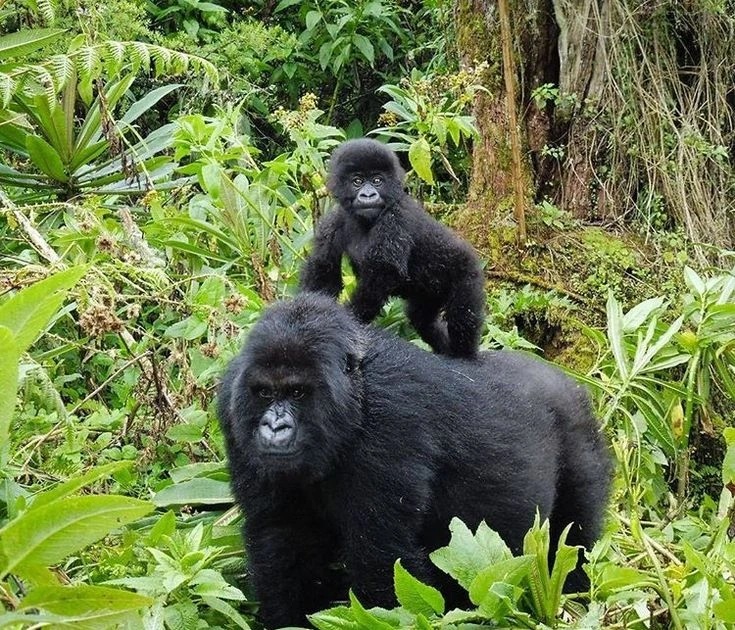
For a successful Uganda primate safari, book permits (approx. $800 for gorillas, $250 for chimps) months in advance, preferably for June–September or December–February. Key tips include hiring porters, wearing waterproof hiking boots/long clothing, and carrying rain gear, insect repellent, and masks. Treks are demanding, lasting 30 minutes to 5+ hours, with one hour allowed for viewing
20-days-uganda-birding-safari-wildlife-gorilla-and-chimpanzee-tracking
20-days-uganda-birding-safari-to-uganda-national-park
20-days-uganda-safari-holiday-tour-package-itinerary
19-days-best-photography-uganda-birding-safari-and-wildlife-adventure
19-days-incredible-uganda-safari-tour-big-five-chimpanzees-and-mountain-gorillas
18-days-best-of-uganda-safari-holiday-vacation-to-all-best-parks
17-days-uganda-honeymoon-safari-holiday-tour
17-days-uganda-birding-safari-itinerary
17-days-best-safari-in-uganda-ending-in-kigali-rwanda
16-days-ultimate-uganda-safari-to-rwanda-safari-tour-package-combo
16-days-best-of-uganda-birding-safari-holiday-extravaganza
7-day-ultimate-uganda-primate-safari-chimpanzees-and-game-drives
6-days-best-gorilla-trekking-and-safari-uganda-parks
Gorilla Trekking: Bwindi and Mgahinga
Gorilla trekking is often the emotional centerpiece of a trip to Uganda, centered in the southwest where the landscape turns into high-altitude rainforest and volcanic peaks. Bwindi Impenetrable National Park is the primary destination, housing roughly half of the world’s remaining mountain gorilla population. Because of its size, Bwindi is divided into four sectors—Buhoma, Ruhija, Rushaga, and Nkuringo—each offering a different perspective on the forest. Mgahinga Gorilla National Park, while smaller, provides a unique experience on the slopes of three dormant volcanoes. In both parks, the trek begins with a morning briefing before you head into the dense undergrowth with a team of rangers and trackers.
Preparation is key, as the terrain is famously difficult. You are not walking on manicured trails; you are often navigating steep, muddy slopes and pushing through thick vines and stinging nettles. This is where your gear becomes vital. Sturdy, waterproof boots with deep tread are necessary to avoid slipping, and long trousers tucked into socks help prevent ants and nettles from reaching your skin. Many travelers find gardening gloves surprisingly useful, as you will frequently grab onto branches or roots to pull yourself up steep inclines.
Once the trackers locate the gorilla family, you are allowed exactly one hour in their presence. This time limit is strictly enforced to minimize the impact on the animals' natural behavior. You must maintain a distance of at least 7 to 8 meters and wear a face mask, as gorillas are highly susceptible to human respiratory illnesses. Observing a silverback—which can weigh over 200 kilograms—as he oversees his family is a humbling experience. While the physical effort to reach them is significant, the quiet observation of their human-like social interactions makes the exertion entirely worthwhile for any nature enthusiast.
Chimpanzee Trekking: Kibale, Budongo, and Kalinzu
While gorilla trekking is about quiet observation, chimpanzee trekking is often high-energy and vocal. Kibale National Park is widely considered the best location in the world for this, boasting a population of over 1,500 chimpanzees and a high success rate for sightings. Unlike gorillas, which tend to stay on the ground or in lower branches, chimpanzees are highly arboreal and mobile. A trek in Kibale or the mahogany stands of Budongo Forest often involves following the sound of "pant-hoots" echoing through the canopy. You may spend your hour watching them groom each other on the forest floor, or you might find yourself walking quickly to keep up as they move through the upper branches.
For those looking for a slightly different experience, Kalinzu Forest and Budongo Forest offer excellent alternatives. Budongo, located near Murchison Falls, provides a flatter terrain that is easier to navigate than the steep slopes of the southwest. Regardless of the location, the same health protocols apply: you must be free of communicable diseases to trek, as our close genetic link makes chimps vulnerable to our viruses. Because chimps are active and the forest canopy can be quite dark, photography requires a camera with fast autofocus and the ability to shoot at high ISO settings without too much noise. Flash is strictly prohibited, as it can agitate the primates.
One of the best ways to enhance your trek is by hiring a local porter at the trailhead. Beyond the practical benefit of having someone to carry your heavy camera gear and provide a steady hand on slippery paths, it is a direct way to support the local economy. Porters are often former hunters or community members who now rely on tourism for their livelihood, making their participation a cornerstone of conservation. Whether you are in the lush expanse of Kibale or the ancient trees of Budongo, the encounter offers a fascinating window into the complex social lives of our closest living relatives.
1) When is the best time for chimpanzee trekking and gorilla trekking in Uganda?
The best time for both chimpanzee trekking and gorilla trekking in Uganda is during the dry seasons, because forest conditions are generally more comfortable and safer for trekking. In practical terms, that usually means June to September and December to February. During these months, rainfall is lower, ground conditions are steadier, and the forest trails—especially in rugged areas like Bwindi and Kibale—tend to be less muddy and slippery. That matters because trekking routes can be steep, uneven, and physically demanding, even for experienced walkers.
Another reason dry seasons are preferred is that visibility can be better and wildlife movement may be easier to follow. While chimpanzees and gorillas are present year-round, tracking is affected by how quickly forest paths become difficult to navigate. Rainy periods can also reduce your comfort during the trek, since you may face wet vegetation, slippery steps, colder mist in high forest, and heavier use of waterproof gear.
However, “best time” also depends on your priorities. If you want fewer crowds and potentially better availability, you may prefer shoulder periods. But if you want the highest chance of comfortable trekking conditions, stick with the dry-season windows.
In addition, remember that permits are limited and gorilla permits in particular can sell out quickly. So even if you travel in the ideal weather months, you should still book permits well in advance through the official Uganda Wildlife Authority or a reputable tour operator. This way, you secure your trekking date and can plan clothing and logistics confidently around Uganda’s seasonality.
2) How much do permits cost for gorilla trekking in Uganda?
Gorilla trekking permits in Uganda are typically the most expensive primate activity permits because they support conservation and are limited in number. The exact cost can vary based on your nationality, and permits are not sold freely like standard park entries. Instead, gorilla trekking permits are issued by the relevant authorities, with pricing that may differ for citizens of different countries.
When planning a trip, it’s important to treat the permit as a budget priority. The cost also depends on whether the trek is in Bwindi Impenetrable National Park or Mgahinga Gorilla National Park, because operational logistics differ and availability can vary. In Bwindi, the number of habituated gorilla groups and the overall tourism demand can influence how quickly dates sell out and how competitive planning becomes.
Because prices change from year to year, the most reliable approach is to confirm the current pricing when you book. Most travelers either:
- book through an approved tour operator, or
- check permit pricing directly through the official channels (Uganda Wildlife Authority or designated booking platforms).
Also, even when you have the permit fee, you should anticipate other trip costs. For example, you’ll likely need park fees where applicable, transport to the trailhead, guides and trackers, and sometimes porter services. Many packages combine these components so you can budget more easily.
In short: gorilla permits are “quite expensive,” with prices depending on nationality and season/availability. To avoid unpleasant surprises, always verify the exact permit rate for your passport before finalizing your itinerary. Then book early—gorilla trekking permits can reach capacity quickly, especially during popular dry-season months.
3) How much do permits cost for chimpanzee trekking in Uganda?
Chimpanzee trekking permits are generally cheaper than gorilla permits, though they still represent a premium conservation-based experience. The cost usually depends on a few factors, including your nationality and the specific trekking location. Most chimp trekking in Uganda is focused on Kibale National Park, which is the most famous and commonly visited chimpanzee destination.
Because chimp permits are less expensive, they remain highly popular with travelers who want primate encounters but have a tighter budget than gorilla trekking. Still, you should plan ahead: permits may have limited daily availability depending on the number of habituated chimpanzee groups being tracked and the operational schedule for guides and trackers.
When estimating your total trip cost, remember that chimp trekking is only one part of the overall safari. The permit cost should be considered alongside transport (often long drives in Uganda), accommodation, park-related services, and the costs of guides. In many cases, tour operators bundle permits with other safari elements such as ground transfers, meals, and game drives. If you book independently, you may need to coordinate logistics yourself.
To get a precise number, the best approach is always to confirm pricing at the time of booking. Permit rates can change, and the “right” price depends on whether you are treated as a resident, citizen, or foreign visitor under the pricing structure.
In summary, chimpanzee trekking permits are cheaper than gorilla trekking permits, and most trekking happens in Kibale National Park. For the most accurate cost, confirm current permit pricing based on your nationality through official channels or a trusted tour provider.
4) How fit do I need to be for gorilla trekking in Uganda?
For gorilla trekking in Uganda, you don’t need to be an elite athlete, but you do need moderate fitness. The reason is that treks can vary from about 1 hour to 6 hours, depending on where the gorillas are located that day and how quickly trackers find the habituated group. Even when the trek is shorter, the terrain often includes steep slopes, root-filled pathways, muddy sections, and dense vegetation.
A typical challenge is the combination of walking duration and elevation changes. Bwindi’s forest is famously thick and hilly, which means you may climb and descend repeatedly while following trackers. Sometimes the trail is narrow, and you have to step around obstacles like fallen branches, slippery stones, and wet leaves. Your pace can be flexible, but you’ll still need enough stamina to keep moving for long periods.
Fitness doesn’t only mean cardiovascular endurance. It also includes balance and leg strength for uneven surfaces. Trekking often requires slower, careful steps rather than fast walking. If you have knee issues or problems with mobility, you should consider that steep, uneven ground may be difficult—even with frequent stops.
To prepare, many travelers recommend:
- comfortable hiking practice on hills or stairs
- building leg endurance with regular walks
- strengthening core and balance
- stretching and using good trekking footwear
Also, most gorilla treks include time for breathers once trackers locate the group. Guides manage safety and pace, and you can communicate any concerns.
Bottom line: moderate fitness is required. If you can hike for a few hours on uneven terrain at a reasonable pace, you are likely to be able to complete the experience safely—with proper footwear and gear.
5) Is chimpanzee trekking easier than gorilla trekking in Uganda?
Yes—chimpanzee trekking is generally easier than gorilla trekking in Uganda, mainly because it tends to involve shorter tracking times and fewer steep climbs. Chimpanzees in Kibale are often found at different forest layers, and the tracking process can be faster once trackers locate the habituated group.
Most travelers report chimp trekking typically lasting around 2–3 hours total (though exact timing can vary by day). This difference in duration matters. A shorter trek usually means less time on steep or muddy trails and less overall physical strain. The forest environment at Kibale can still be challenging—there may be wet ground, thick vegetation, and insects—but the overall effort is usually less than what many people experience during gorilla trekking in Bwindi’s steeper terrain.
However, “easier” doesn’t mean effortless. You’ll still need:
- comfortable hiking shoes or boots
- long pants and sleeves
- patience and willingness to move slowly
- readiness for rain or humidity
Also, chimp trekking rules require you to keep distance and follow guide instructions closely. Once chimpanzees are located, you may need to reposition yourself to maintain safe viewing distances without disrupting the animals.
In terms of emotional experience, chimp trekking can be extremely rewarding—chimpanzees are energetic and may move quickly through branches, making sightings lively. So even if it’s physically easier, it can still feel like a high-impact wildlife encounter.
To sum up: chimp trekking is usually faster and less strenuous than gorilla trekking, often around 3 hours, but it still requires preparation and suitable clothing. Choosing chimp trekking alongside gorilla trekking is a great way to balance your safari physically and emotionally.
6) What should I pack for chimpanzee and gorilla trekking in Uganda?
Packing for chimpanzee and gorilla trekking is mostly about staying comfortable in wet, dense forest conditions while protecting yourself from insects and abrasion. The essentials usually include reliable footwear, weather protection, and clothing that covers your skin.
Key items to pack:
- Waterproof hiking boots (ideal for muddy, rooty trails)
- Long pants (protect legs from plants, insects, and scratches)
- Long-sleeved shirts (added protection in thick vegetation)
- Rain jacket (forests can be humid and showers can happen quickly)
- Gardening gloves (help with gripping branches or protecting hands while moving carefully)
- Insect repellent (important for mosquitoes and other biting insects)
It’s also wise to carry:
- a small daypack
- a water bottle (and possibly a lightweight snack)
- a headlamp or flashlight (especially for early starts)
- a dry bag or ziplock bags for protecting your phone/camera
For cameras, note that flash is prohibited during treks, so your camera should be set up for natural forest light. Many travelers bring a strap you can secure tightly to avoid accidental drops, since you may need both hands at times.
If you’re planning both chimp and gorilla trekking, use the same basic kit for both—boots, long clothing, rain gear, repellent—because both environments are forested and insect-prone. The difference is that gorilla trekking can involve steeper terrain, so your footwear and leg coverage become even more important.
Plan to pack lightweight but protective gear. Avoid clothing that tears easily or footwear that isn’t stable. When in doubt, it’s safer to pack more protection rather than less, since forest conditions in Uganda can change quickly.
7) Is there an age limit for chimpanzee and gorilla trekking in Uganda?
Yes. Uganda has minimum age requirements for primate trekking to ensure safety and reduce stress on animals and visitors. These age limits exist because treks can be physically demanding, require following strict rules, and involve activities in rugged natural environments.
For gorilla trekking, the visitor must be at least 15 years old.
For chimpanzee trekking, the visitor must be at least 12 years old.
These limits may also affect what’s possible for family groups traveling with children. If you’re planning a trip with minors, you should confirm their age eligibility at the time you book, because permits and trekking slots are allocated based on visitor details.
Beyond age limits, consider that “age eligible” does not always mean “physically comfortable for the trek.” Gorillas often require more endurance due to steep and uneven terrain. Even if a younger traveler meets the minimum age, parents or guardians should evaluate whether the child can handle the pace, duration, and uneven footing.
Also remember that there may be additional rules for behavior, distance, and health. Because primates can be sensitive to human illness, you may be required to confirm health status before participating.
In short: 15+ for gorilla trekking and 12+ for chimpanzee trekking. If any traveler is close to the cutoff age, it’s best to confirm official requirements early to prevent last-minute complications.
8) Can I see gorillas if I am sick?
No. If you are sick, you generally will not be allowed to visit gorillas. This is because gorillas—and other primates—can be highly susceptible to human illnesses. Disease transmission is a major concern in primate tourism, and close contact during a trek can increase risk if visitors carry pathogens.
For that reason, park authorities require strict health and safety compliance. If you show signs of illness such as fever, respiratory infection symptoms (for example, coughing or sneezing), or other contagious symptoms, you may be denied participation. The rules are designed to protect both the animals and other guests.
If you become sick before your trek, you should inform your guide or operator immediately. Depending on timing, you may need to adjust your itinerary or reschedule. But rescheduling isn’t always guaranteed, especially if permits are tied to specific dates and gorilla trekking slots sell out.
To avoid problems, travelers often take preventive measures before departure:
- get adequate sleep
- carry basic medication if permitted
- maintain hydration
- avoid close contact with sick people prior to travel
On the trek day, guides may also conduct checks, and you may be asked to follow additional instructions. Even mild symptoms may matter. If you are unsure whether your condition counts as “sick,” it’s better to err on the side of caution and communicate proactively.
In summary: No—you cannot visit gorillas if you are sick, because primates are vulnerable to human diseases. This rule is not only a safety requirement but also part of conservation protection for endangered gorilla populations.
9) How close can I get to the gorillas/chimpanzees?
You must maintain a safe viewing distance from the primates to minimize stress and reduce disease transmission risk. The safe distance rules also help ensure that animals can continue normal behavior without disturbance.
For gorillas, you must stay at least 7–10 meters away (commonly stated as about 8 meters in many guidelines).
For chimpanzees, you must maintain about 8 meters distance as well (often explicitly stated).
Your guide and trackers will show you where to stand once the animals are located. They may ask you to hold position quietly and avoid sudden movements. If the gorillas or chimpanzees move closer or farther, you still must follow instructions and keep the required distance.
It’s also important to understand that “distance” is not the same as “privacy.” You can still observe behaviors clearly—feeding, social interactions, playing, and vocalizations are typically visible from the permitted distance. For many visitors, the experience is still extremely close and memorable without violating safety protocols.
Maintaining distance also means:
- no leaning forward aggressively
- no blocking paths
- keeping voices low
- not using flash photography
- following your guide’s directions immediately
If you ever feel unsure about positioning, ask your guide. It’s better to adjust carefully under guidance than to guess.
Bottom line: keep the mandated minimum distance—roughly 7–10 meters for gorillas and about 8 meters for chimps—so both your safety and animal protection are guaranteed.
10) Do I need to hire a porter for trekking?
Hiring a porter is not always mandatory, but it is highly recommended—especially if you have limited mobility, heavy camera equipment, or you want to reduce fatigue during a long trek. A porter helps carry some of your gear, which can make the day more comfortable and enjoyable.
In gorilla trekking and chimp trekking, you may need hands free to navigate uneven terrain carefully, handle camera straps, or move through dense vegetation. If you’re carrying a heavy bag, it can slow you down and increase the physical burden. A porter reduces that load and helps you focus on the trek and the wildlife experience.
From a community and ethical perspective, hiring a porter can also provide local employment, which many travelers value. Porters are familiar with local conditions and may understand which paths and walking rhythms feel safest and most manageable.
If you do hire one, the best approach is to discuss what you will carry versus what the porter carries. Many people still keep essentials with them: water, rain protection for quick access, and possibly snacks. Meanwhile, the porter carries non-essential bulky items like extra clothing, camera bags (if allowed), and other personal gear.
Even if porter service is available, confirm the arrangement with your operator or guide beforehand. Pricing can vary, and your guide can help you follow local expectations.
In short: not mandatory, but strongly recommended. It improves comfort, reduces strain, and supports local livelihoods—making your trek easier and safer.
11) How long can I spend with the animals?
Once trackers locate the habituated primates, your time to observe them is carefully controlled. For both chimpanzee trekking and gorilla trekking, the standard viewing time is exactly one hour.
This time limit is important because it protects the animals and helps avoid prolonged disturbance. Primate tourism is managed so the animals are not overstressed by continuous human presence. It also ensures all groups have a fair chance to observe from safe positions during the day.
Within the one-hour window, your guide will typically:
- help you settle into the correct viewing area
- remind you of safety rules (distance, quiet behavior, no sudden movement)
- monitor animal behavior and your position
As soon as you are with the gorillas/chimps, you should prioritize calm observation over rushing for photos. Many visitors notice that the best moments—feeding, interactions, gestures, and movement—often happen within the first part of your hour or sometimes near the end, when the animals relax into routine behavior.
Because you have exactly one hour, it’s smart to come prepared. Set camera settings ahead of time so you’re not struggling with devices when the animals appear. Make sure your phone or camera is charged and that you have protective covers ready for moisture.
So, plan mentally for a structured experience: one hour with the primates once found. It’s a short window in human time, but it’s long enough for many meaningful encounters and clear memories, especially since the gorillas/chimps are typically active and expressive during that period.
12) Is flash photography allowed?
No. Flash photography is strictly prohibited during both chimpanzee trekking and gorilla trekking. This rule exists to protect primates from stress and to reduce any risk of disturbing their natural behavior. Flash can be extremely bright in a forest environment and may affect an animal’s comfort or reaction.
Instead of flash, visitors should rely on natural light. Forest conditions may be dim, so the key is preparing your camera for low-light conditions ahead of time. Use settings such as:
- increased ISO (within your camera’s limits)
- wider aperture or portrait/low-light modes if available
- stabilization (tripod is not usually practical, but stabilizing your stance helps)
You can still take clear photographs without flash—many cameras perform well once tuned for forest lighting. If your camera has a “night” or “low light” preset, you can consider using it, but test it before the trek so you aren’t adjusting in the moment when animals appear.
If you wear glasses, ensure they don’t fog from humidity; that can affect photo clarity. Also, keep your lens clean because forest mist and humidity can smear surfaces.
Your guide will remind everyone of photography rules at the start of the trek. If you’re uncertain whether a particular camera mode counts as “flash,” confirm with the guide. When in doubt, disable any flash option.
In summary: Flash is not allowed during chimp and gorilla trekking. Use available light and camera adjustments instead to capture the experience safely.
13) Where can I go chimpanzee trekking?
Chimpanzee trekking in Uganda is most famously offered in Kibale National Park, which is widely considered the premier chimp destination in the country. Kibale’s forest supports habituated chimp groups, making it possible for visitors to track and observe chimps under controlled, conservation-friendly rules.
Besides Kibale, there are additional chimp-related trekking options that some itineraries include:
- Kyambura Gorge (often called “the Primate Forest” area in some safari packages; chimp opportunities may depend on ongoing tracking feasibility)
- Kaniyo Pabidi (a chimp area sometimes associated with community conservation efforts and habituation projects)
In many travel plans, Kibale is chosen because it’s the most established destination for chimp encounters, with relatively reliable trekking schedules and strong guide capacity. That’s why most operators build chimp trekking days around Kibale.
When selecting a chimp trekking location, consider:
- whether you want the most reliable chimp-tracking experience
- how the location fits with the rest of your safari route
- trekking schedule and permit availability
- overall time you have for the day
Also, keep expectations realistic: the forest is large, and chimps can move. Even with habituated groups, the actual “where you stand” and “what you see” depend on the animals’ behavior that day.
So, if you’re planning chimp trekking and want the highest chance of a smooth experience, start with Kibale National Park as your primary option. If you’d like alternatives, discuss Kyambura Gorge or Kaniyo Pabidi with your tour operator based on permit and trekking feasibility for your travel dates.
14) Where can I go gorilla trekking?
Gorilla trekking in Uganda is primarily carried out in two national parks:
- Bwindi Impenetrable National Park
- Mgahinga Gorilla National Park
Bwindi is the most famous and most visited location. It is known for its steep, lush forest and for supporting multiple habituated gorilla groups. Many visitors consider Bwindi the “main” gorilla trekking destination because it offers the widest access to habituated groups and is the core region of Uganda’s gorilla tourism industry.
Mgahinga is smaller and sits in the Virunga region. It also provides gorilla trekking opportunities but is generally less common in itineraries than Bwindi due to logistics and the number of habituated groups. Some travelers choose Mgahinga if their safari itinerary aligns geographically with other parts of the Virunga region or if they want a different landscape experience.
Choosing between the parks can depend on:
- your overall travel route
- your time available
- the location of your other planned activities
- availability of gorilla trekking permits on your preferred date
In both parks, the trekking process is similar in principle: you enter the forest with experienced guides and trackers, follow signs or movements, and once the gorillas are found, you spend up to one hour with the group under strict rules.
So in simple terms, if you want to go gorilla trekking in Uganda, you have two main options: Bwindi or Mgahinga. Most travelers will plan around Bwindi for the most established access.
15) What happens if a gorilla charges at me?
If a gorilla charges, the priority is staying calm and following safety instructions from your guide. Charges are not common, but gorillas can react if they feel threatened or disturbed. Your behavior can reduce escalation and help the encounter remain safe.
Recommended actions:
- Remain calm — do not panic or run.
- Crouch down slowly — this reduces your perceived threat level and helps you avoid sudden movements.
- Do not make eye contact — direct eye contact can be interpreted as a challenge.
- Follow your guide’s direction immediately — your guide may instruct where to move and how to posture yourself.
The key idea is to avoid actions that trigger a chase response. Running or sudden aggressive movement can look like threat behavior to the gorillas. Crouching calmly and staying still helps communicate non-aggression.
Also, keep in mind that the forest is dense; any rushing can be dangerous for both you and other trekkers. You must prioritize safety over getting a “better photo.” If you have your camera out, follow the rule about quiet, appropriate behavior first and then manage your gear afterward.
Your guide will be experienced in these scenarios. If a gorilla reacts strongly, the guide may lead you into a position that maintains safe distance and reduces stress.
Bottom line: stay calm, crouch slowly, avoid eye contact, and don’t run. This helps de-escalate if a gorilla shows aggressive movement. Trust the guidance from your trackers and guides—this is exactly why they lead the trek.
16) Are there snakes in the forest?
Yes, there can be snakes in the forest—especially in dense vegetation environments like those where chimp and gorilla treks happen. That said, snakes generally try to avoid humans, and most encounters are rare. You’re more likely to see or hear signs indirectly (tracks, slither spaces, or simply that the forest is alive) rather than face a direct snake confrontation.
To reduce risk:
- Wear long pants so your legs aren’t exposed.
- Wear boots to protect your feet and lower legs.
- Stick to guided routes—don’t wander off trails or step into thick brush without looking.
- Move carefully and avoid sudden steps where you can’t see the ground.
Also, keep in mind that most forest snakes avoid confrontation and will retreat when possible. The goal is simply to protect yourself and behave calmly. If you see a snake, do not try to handle it. Instead, stop briefly and allow space for it to move away. Your guide will know how to manage such situations.
Most trekking experiences across Uganda happen without any snake-related incidents. Proper clothing is usually enough to prevent bites by providing barrier protection. That’s why long pants and boots are repeated as essentials in gorilla and chimp packing advice—they’re not only for comfort and mud, but also for general forest safety.
In summary: yes, snakes exist in the forest, but they usually avoid humans. Wearing long pants and boots is your first line of protection, and staying with your guide keeps you on safe paths.
17) Can I use a camera during the trek?
Yes, you can use a camera during chimp and gorilla treks. For many travelers, having a camera is essential to document the once-in-a-lifetime encounter and capture behaviors like feeding, movement, and social interactions.
However, there are strict restrictions:
- Flash photography is not allowed during both chimp trekking and gorilla trekking.
- You must also keep to safe positions and maintain the required distance.
Because forest lighting can be dim, you should prepare your camera settings before you meet the primates. Avoid fumbling with your camera when the animals are close. A good plan includes:
- ensuring your battery is fully charged
- using a memory card with sufficient space
- protecting your camera from humidity with a rain cover or dry bag
- setting your camera to a low-light mode if helpful
If you use a phone, keep in mind that humidity can affect screen responsiveness. Use a protective case if possible and be mindful of fingerprints on the lens.
The guide may advise you on the best angle or how to hold the camera steadily while staying within distance and safety rules. Sometimes it may be best to reduce camera movement and focus on steady framing, especially if animals move quickly.
In short: cameras are allowed, but flash is prohibited, and you must follow distance and behavior rules. With careful preparation, you can capture high-quality photos safely.
18) What is the best way to get to the parks?
Most Uganda safari parks are accessible by road from Kampala/Entebbe, but travel times can be long depending on the park location. Uganda’s road networks vary—some routes are smooth, while others include rougher sections, occasional ferries, or long stretches of changing terrain.
For many itineraries, road access is the default choice: you drive to the park with stops for meals, breaks, and sometimes scenic viewpoints. However, it’s important to recognize that some legs may take 8–9 hours or even longer, especially when traveling between far-apart ecosystems. That’s why many tour operators plan early departures and build rest stops into the schedule.
The best way to get to parks depends on two factors:
- How far the park is from Kampala/Entebbe
- Your time and comfort preferences
For distant routes—especially those linking remote savanna parks—some operators suggest using domestic flights for part of the journey to reduce fatigue and improve the overall safari experience. Flying can save many hours and help you arrive fresher for game drives or primate tracking.
In practice, a “best way” approach might be:
- drive on shorter legs for flexibility and lower cost
- consider internal flights for very long and tiring legs
- match travel mode with your planned activities so you don’t miss key trekking windows
So, while the majority of parks can be reached by road, expect longer travel days for remote destinations. If comfort and time efficiency are priorities, ask your operator whether any internal flight options would improve your itinerary.
19) How far in advance should I book my trip?
You should book your trip—especially gorilla trekking—as early as possible. The most time-sensitive part is usually permits, because gorilla permits can be limited in number and sell out quickly for popular trekking days. If you wait too long, you might find that your preferred date is unavailable or that only alternate trekking locations or time slots remain.
The exact “how many months” depends on your travel style, but as a principle:
- book early for gorilla trekking dates
- book early for chimp trekking dates as well, though they may be less likely to sell out instantly than gorillas
- plan flights and accommodation around the permit date
If you’re traveling during the dry seasons—June to September and December to February—demand is often higher, which makes early booking even more important. These are the periods when trekking conditions are usually best and when many travelers prefer to travel.
A reputable tour operator can help you secure permits and lock in a route that fits your schedule. But you should still take ownership of timeline planning by confirming:
- permit availability for each day
- exact trekking locations and group allocations
- the cancellation/rescheduling terms if plans change
Booking Chimpanzee and Gorilla trekking in Uganda with us Roads of Adventure safaris
Roads of Adventure Safaris offers customized gorilla and chimpanzee trekking in Uganda, specializing in treks in Bwindi Impenetrable and Mgahinga National Parks ($800/permit) and Kibale Forest ($250/permit). They provide full-service packages, including 4x4 transport, accommodation, and guided tours. A 30% deposit is required for booking, which should be done 3-6 months in advance.
