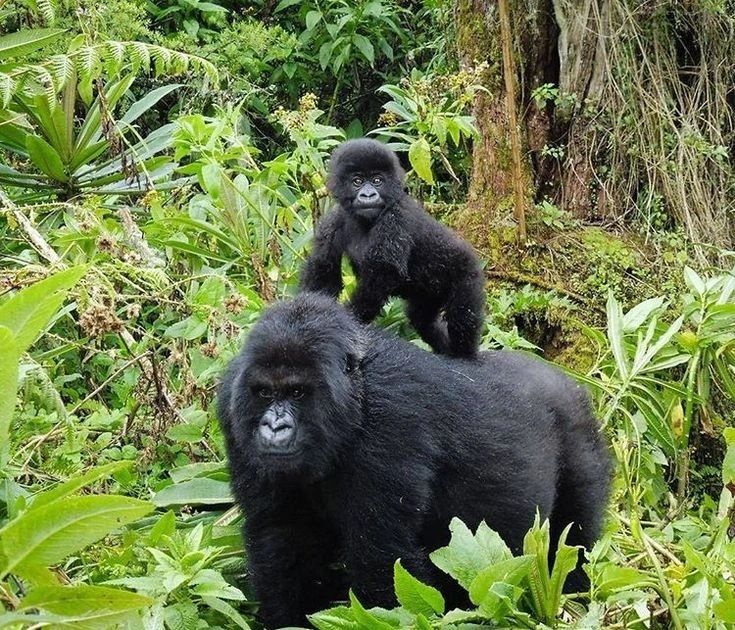
A 10-day Uganda safari is best spent combining chimpanzee tracking in Kibale, gorilla trekking in Bwindi, and game drives in Murchison Falls or Queen Elizabeth national parks. Key tips include visiting during the dry seasons (June–Sept, Dec–Feb), booking gorilla permits months in advance, packing layers and waterproof gear, and hiring a reputable local guide
10-days-best-photography-uganda-wildlife-safari-holiday-and-gorilla-trekking
10-days-luxury-uganda-gorilla-trekking-safari-and-big-five-safari-vacation
10-days-budget-uganda-safari-holiday-vacation-tour-road-trip
10-days-best-honeymoon-uganda-safari-tour-vacation-holiday
10-days-best-uganda-birding-safari-and-wildlife-experience
10-days-best-of-uganda-and-rwanda-all-big-five-animal-and-gorilla-trekking
10-days-uganda-gorilla-trekking-and-safari-tour-vacation-holiday
10-days-9-nights-midrange-uganda-wildlife-safari-and-cultural-experience
10-days-uganda-safari-all-big-five-gorilla-and-chimpanzee-tracking-adventure
10-days-uganda-rwanda-primate-safari-vacation-and-game-drive-safari
10-days-exclusive-family-uganda-safari-with-kids
Essential Planning Tips for Your Uganda Safari
Best Time to Visit: Timing Your Adventure
While Uganda is a year-round destination thanks to its equatorial climate, timing your visit during the dry seasons—from June to September and December to February—significantly enhances the quality of your safari. During these months, the savanna grass in parks like Queen Elizabeth and Murchison Falls is shorter, making it much easier to spot predators like lions and leopards. Wildlife also tends to congregate around permanent water sources like the Kazinga Channel, providing high-density viewing opportunities. For those interested in Gorilla or Chimpanzee trekking, the dry season is almost essential; the steep, forested trails of Bwindi and Kyambura Gorge become significantly less slippery and easier to navigate. Traveling during the "shoulder" months can offer fewer crowds and lower lodge rates, but you must be prepared for tropical downpours that can occasionally turn remote park tracks into muddy challenges.
Book Permits Early: Securing Your Spot
If your heart is set on seeing the mountain gorillas or chimpanzees, the most critical piece of advice is to book your permits early. These activities are strictly regulated by the Uganda Wildlife Authority (UWA) to protect the primates, with only a limited number of permits issued per day. For gorilla trekking in Bwindi, it is standard to book 3 to 6 months in advance, especially if you plan to travel during the peak dry seasons. Chimpanzee permits for Kyambura Gorge are also limited and can sell out quickly. You can secure these through a registered tour operator or directly from the UWA. Waiting until you arrive in the country to find a permit is a high-risk strategy that often leads to disappointment. Having your permits secured well in advance is the foundation of a stress-free itinerary, ensuring you don't miss out on these once-in-a-lifetime wildlife encounters.
Vaccinations: Staying Health-Compliant
Health and safety are paramount when traveling to East Africa, and the Yellow Fever vaccination is a non-negotiable requirement for entry into Uganda. You must present an official International Certificate of Vaccination (the "Yellow Card") upon arrival at Entebbe International Airport or any land border. It is recommended to get this shot at least 10 days before your departure. Beyond Yellow Fever, it is wise to consult a travel clinic regarding Malaria prophylaxis; Queen Elizabeth National Park and other low-lying areas are malarial zones, and taking a preventative course is standard practice. Other recommended boosters often include Hepatitis A and B, Typhoid, and Tetanus. Carrying a basic personal first-aid kit with rehydration salts, bandages, and any personal prescriptions will ensure you stay comfortable as you move between different altitudes and environments during your safari.
Packing Essentials: Gear for the Bush
Packing for a Ugandan safari requires a "function over fashion" mindset. For trekking, the most important item is a pair of sturdy, waterproof hiking boots with excellent grip for steep, muddy slopes. To protect against stinging nettles and biting insects (including tsetse flies), you should pack long-sleeved shirts and long trousers in neutral "safari" colors like khaki, tan, or olive green—avoid bright blue and black as they attract flies. Long socks are essential, as you will often tuck your trousers into them to prevent ants from crawling up your legs during forest walks. A high-quality lightweight rain jacket is a must, as tropical showers can happen even in the dry season. Finally, don't forget high-SPF sun protection, a wide-brimmed hat, and a potent insect repellent containing DEET to keep you comfortable during evening sundowners or early morning game drives.
Currency: Managing Your Safari Budget
Navigating currency in Uganda is straightforward if you follow a few specific rules. While the Uganda Shilling (UGX) is the local currency used for small purchases, tips, and souvenirs in local markets, the US Dollar (USD) is widely accepted for larger expenses like park fees, lodge bills, and tour balances. However, there is a very strict quirk: US bills must be newer than 2009 and in pristine condition (no tears, ink marks, or heavy folds). Many banks and local businesses in Uganda will reject older "small head" bills or damaged currency due to high counterfeit rates in the past. It is helpful to carry a mix of both; use USD for the big-ticket items and keep a stash of small-denomination UGX for tipping your guides, rangers, and lodge staff. Credit cards are accepted at high-end hotels, but "cash is king" once you head into the remote reaches of the national parks.
10-Day Uganda Safari Holiday
This 10-Day Uganda Safari Holiday is the definitive "Grand Circuit" of the Pearl of Africa, offering a seamless journey from the thundering northern Nile to the misty, ancient rainforests of the south. In 2026, this itinerary remains the gold standard for travelers seeking a total immersion in Uganda's ecological diversity. You will witness the power of the world's longest river at Murchison Falls, track the "Big Five" across golden savannahs, and engage in the profound "Primate Double"—encountering both the acrobatic chimpanzees of Kibale and the majestic mountain gorillas of Bwindi. Beyond the wildlife, this journey is a celebration of Ugandan landscapes, from the volcanic crater lakes to the emerald islands of Lake Bunyonyi. Staying in a blend of luxury eco-lodges and intimate tented camps, you will experience world-class conservation hospitality. Every day is a new chapter in a story of resilience, biodiversity, and breathtaking beauty, concluding with a tranquil crossing of the Equator.
Day 1: Entebbe to Murchison Falls via Ziwa Rhino Sanctuary
Your adventure begins with a drive north from Entebbe toward Murchison Falls National Park. The first major highlight is a stop at the Ziwa Rhino Sanctuary, the only place in Uganda where you can see rhinos in the wild. Accompanied by expert rangers, you will track these prehistoric giants on foot, an intimate experience that marks the beginning of your "Big Five" checklist. After a traditional lunch, you continue the journey toward the park, entering a landscape where the savannah meets the Nile. You will reach the "Top of the Falls," where the entire Nile River is squeezed through a narrow 7-meter gorge, creating a thundering roar and a permanent rainbow. The sheer force of the water is a humbling introduction to Uganda’s raw power before you settle into your lodge overlooking the river.
Day 2: Murchison Falls Game Drive and Nile Boat Cruise
Rise at dawn for a game drive across the northern banks of the Nile. This area is a haven for Rothschild giraffes, elephants, lions, and Jackson’s hartebeests. The open plains provide spectacular photography opportunities as the sun illuminates the dew-covered grass. In the afternoon, you will embark on a boat cruise toward the base of the falls. Along the riverbanks, you will observe massive Nile crocodiles, wallowing hippos, and a diverse array of birdlife, including the rare shoebill stork. The boat allows you to see wildlife coming to the shore to drink, providing a unique perspective on the river's ecosystem. As the spray from the falls cools the air, you’ll reflect on the day's sightings while the sun sets over the Albert Nile, painting the water in shades of deep orange and gold.
Day 3: Savannah Game Drive and Delta Exploration
The third day in Murchison Falls is dedicated to exploring the Albert Delta, where the Nile flows into Lake Albert. This region is famous for its high concentration of water birds and elusive predators like leopards, which often hide in the thickets. You will enjoy a private bush breakfast surrounded by the sounds of the savannah. This second game drive allows for a deeper exploration of the park’s remote tracks, increasing your chances of witnessing a predator hunt or a large elephant family migration. In the afternoon, you can opt for a "sundowner" drive or relax at the lodge, soaking in the panoramic views of the river. The day is designed for "slow safari" moments, ensuring you capture the intricate details of the park’s biodiversity before heading south tomorrow.
Day 4: Drive to Kibale Forest and Tea Plantation Beauty
Leaving the northern savannahs, you embark on a scenic drive toward Kibale Forest National Park. The journey takes you through the "Royal Road," passing through vibrant trading centers and the lush, rolling tea plantations of Fort Portal. The landscape shifts from golden plains to emerald-green hills as you approach the foothills of the Rwenzori Mountains. You will stop at a local tea estate to learn about the heritage of Ugandan tea production, which has shaped the region's culture for a century. Arriving at Kibale, the "Primate Capital of the World," you will feel the air turn cool and moist. You’ll check into a forest lodge where the sounds of the canopy—monkeys calling and exotic birds singing—provide a serene backdrop for your first evening in the rainforest.
Day 5: Chimpanzee Tracking and Bigodi Community Walk
Today is a primate lover’s dream. After a briefing, you enter the dense canopy of Kibale for an exhilarating chimpanzee tracking experience. Observing our closest living relatives as they groom, play, and vocalize high in the branches is a profound highlight of the trip. Following the trek, you will visit the Bigodi Wetland Sanctuary for a community walk. This project is a model for sustainable tourism, where local guides share the folklore of the forest and the medicinal uses of indigenous plants. You will spot various monkey species, including the Red Colobus and L’Hoest’s monkey, and perhaps the Great Blue Turaco. This cultural immersion provides a heartening look at how tourism supports local livelihoods, offering a balanced perspective on the relationship between the people and the primates of Kibale.
Day 6: Queen Elizabeth NP and Kazinga Channel Cruise
The journey continues south to Queen Elizabeth National Park, crossing the Equator once again. You will arrive in time for a mid-day rest before embarking on a two-hour boat cruise along the Kazinga Channel. This natural waterway connecting Lake Edward and Lake George is home to one of the world’s highest concentrations of hippos and massive Nile crocodiles. As you drift along the banks, you will see elephants and buffaloes coming to drink, while kingfishers and fish eagles dive for prey. The boat offers an unparalleled, eye-level view of the wildlife, making it one of the most relaxing yet high-yield safari experiences in Africa. The evening ends with a game drive as you head toward your lodge, keeping a keen eye out for the park’s resident leopard population.
Day 7: Ishasha Sector and Tree-Climbing Lions
Today you head to the remote southern sector of Queen Elizabeth, known as Ishasha. This region is world-famous for its unique population of tree-climbing lions. Unlike most lions, these prides spend their afternoons draped over the massive limbs of sycamore-fig trees to escape the heat and insects. Finding these majestic cats resting high above the ground is a rare and spectacular sight. The Ishasha landscape is characterized by open woodlands and vast savannahs, also home to large herds of topis and buffaloes. You will enjoy a private picnic lunch in the bush, surrounded by the wild beauty of the southern rift. The day is a masterclass in patient wildlife tracking, concluding with a drive toward the borders of Bwindi, where the savannah finally gives way to the ancient mountains.
Day 8: Bwindi Impenetrable Forest and Gorilla Trekking
This is the pinnacle of your 10-day safari. After an early morning briefing, you enter the misty, tangled undergrowth of Bwindi Impenetrable National Park with expert rangers. The trek can be challenging, navigating steep and muddy terrain, but the reward is life-altering: a full hour spent in the presence of a habituated mountain gorilla family. Standing just meters away from a silverback and his family as they go about their daily lives is a silent, sacred experience. In 2026, your permit contributes directly to the protection of this endangered species. After the trek, you will drive to the stunning Lake Bunyonyi. Known as the "Place of Many Little Birds," this lake is dotted with 29 islands and offers a serene space to reflect on your encounter with the great apes.
Day 9: Lake Bunyonyi Relaxation and Island Exploration
After the physical exertion of gorilla trekking, Day 9 is dedicated to relaxation at Lake Bunyonyi, the deepest lake in Uganda. You will enjoy a morning boat ride or a traditional dugout canoe excursion to explore the lake's historic islands, such as Punishment Island and Sharp’s Island. The terraced hillsides surrounding the lake create a landscape often compared to Switzerland, providing a breathtaking backdrop for photography. You can visit a local school or a Batwa community to learn about the region's indigenous history and the traditions of the "Keepers of the Forest." Whether you choose to swim in the bilharzia-free waters, go birdwatching, or simply read a book on your balcony, the day is an essential "soul-recharge" before your final drive back toward the central region and the Equator.
Day 10: Lake Mburo, Equator Stop, and Departure
Your final day begins with a sunrise game drive in Lake Mburo National Park, the only place in western Uganda to see impalas and the massive eland antelopes. The park’s rolling green hills and acacia woodlands provide a beautiful final safari setting where you can walk among zebras and giraffes. Following the drive, you begin your return journey to Entebbe. You will make a significant stop at the Equator for a water-flow demonstration, photographs, and last-minute souvenir shopping for hand-carved crafts. A final celebratory lunch in a lush garden marks the end of your journey. You arrive in Entebbe in the late afternoon for your transfer to the airport, carrying with you the thundering energy of the Nile, the gaze of the gorillas, and the warm spirit of the Pearl of Africa.
What is the best time for a 10-day Uganda safari holiday?
Uganda’s location on the equator means temperatures remain relatively consistent year-round, but the dry seasons—from June to September and December to February—are the undisputed champions for a 10-day circuit. During these months, the savanna grass in parks like Queen Elizabeth or Murchison Falls is shorter, making it significantly easier to spot lions, leopards, and hyenas. More importantly, as smaller water holes dry up, wildlife congregates around permanent water sources like the Nile and the Kazinga Channel, providing high-density viewing opportunities. For those embarking on the highlight of many 10-day trips—gorilla and chimpanzee trekking—the dry season is essential. The steep, forested trails of Bwindi and Kibale become much less slippery and easier to navigate. While the "wet" months (March to May and October to November) offer lush, green backdrops and lower lodge rates, the rains can lead to muddy roads and more challenging trekking conditions.
How far in advance should I book my 10-day safari?
Planning a comprehensive 10-day trip requires a significant lead time, primarily due to the strict permit systems for primates. Because the Uganda Wildlife Authority (UWA) limits the number of visitors to gorilla and chimpanzee families each day to protect their well-being, permits for Bwindi and Kibale are highly sought after. It is standard practice to secure your permits 3 to 6 months in advance, especially if you plan to travel during the peak months of July or August. Waiting until the last minute often results in being assigned to a sector far from your preferred lodging or, worse, missing out on the trekking experience entirely. Early booking also ensures you have your pick of the best safari lodges, which are often small, boutique properties with limited capacity. Starting your planning six months out allows your tour operator to stitch together a seamless itinerary that flows logically between the different regions.
Do I need a visa for a 10-day Uganda safari holiday?
Yes, most international travelers require a visa to enter Uganda. In recent years, the process has moved entirely online via the Uganda E-Visa portal. It is crucial to secure your visa before you arrive at Entebbe International Airport, as "visa on arrival" is no longer the standard. For a 10-day safari, you will typically apply for a Standard Tourist Visa (USD 50). However, if your 10-day itinerary is part of a larger East African adventure that includes Kenya or Rwanda, you should consider the East Africa Tourist Visa (USD 100). This multi-entry visa allows you to move between the three countries without paying for separate entry permits. The online application requires a scanned copy of your passport, a yellow fever certificate, and a recent passport photo. Processing usually takes between 3 to 7 business days, so it is best to have this finalized at least two weeks before your departure.
What vaccinations are required?
The most critical health requirement for entering Uganda is a valid Yellow Fever vaccination certificate. This is a mandatory entry requirement, and you will be asked to present your "Yellow Card" to health officials upon landing at Entebbe. Without it, you may be denied entry or required to be vaccinated at the airport at your own expense. Beyond this, medical professionals typically recommend being up to date on routine vaccinations such as DTP (Diphtheria, Tetanus, Polio) and Hepatitis A. Given that most 10-day safaris visit low-lying savanna parks, Malaria prophylaxis is also highly recommended. You should consult a travel clinic to find the medication that best suits you. It is also worth carrying a basic first-aid kit with rehydration salts and bandages, ensuring you are prepared for the different altitudes and environments you will encounter during your journey across the country.
Is it safe to do a 10-day safari in Uganda?
Uganda is widely recognized as one of the safest and most welcoming countries for tourists in Africa. The tourism industry is a vital part of the national economy, and the government takes visitor safety very seriously. All national parks are managed by the Uganda Wildlife Authority (UWA), which employs a large force of highly trained and often armed park rangers. These rangers escort visitors during walks, treks, and boat cruises, providing both security and expert wildlife knowledge. Furthermore, specialized Tourism Police are stationed in major parks and hubs to ensure a peaceful environment. While petty crime can exist in large cities like Kampala, the safari circuit itself is very secure. Lodges are well-monitored, and your local driver-guide acts as a constant companion and security layer. By following standard travel common sense and the instructions of your guides, a 10-day safari is an exceptionally safe adventure.
What clothing should I pack?
Packing for a 10-day safari requires a mix of "bush-ready" gear and comfortable layers. The general rule is to stick to neutral-colored clothing—khakis, beiges, and greens—which help you blend into the environment and don't startle the animals. Avoid bright blue and black, as these colors are known to attract tsetse flies in certain areas. You will need long-sleeved shirts and long pants to protect against insects and stinging nettles during forest walks. Mornings and evenings on the savanna can be surprisingly chilly, so a warm sweater or fleece is essential for early game drives. A lightweight, high-quality rain jacket is a must, regardless of the season, as tropical showers can be unpredictable. Finally, remember to pack a wide-brimmed hat and polarized sunglasses to protect against the equatorial sun, ensuring you stay comfortable during long days in the field.
Do I need hiking boots for this trip?
For a 10-day safari that includes primate tracking, sturdy hiking boots are non-negotiable. While sneakers might suffice for a vehicle-based game drive, they will fail you in the forests of Bwindi or Kibale. Gorilla and chimpanzee trekking often involves "off-trail" hiking through thick undergrowth, over slippery roots, and up steep, muddy slopes. You need boots with excellent ankle support and deep treads for grip. It is also highly recommended that your boots be waterproof or at least water-resistant, as you may cross small streams or trek through dew-soaked vegetation. Pro tip: Ensure you "break in" your boots at home before the trip to avoid blisters, and pair them with long, moisture-wicking socks that you can tuck your trousers into—a classic safari move that prevents ants and other insects from crawling up your legs.
What is the best way to get around during the 10 days?
The most efficient and comfortable way to navigate a 10-day Uganda itinerary is by hiring a 4x4 safari vehicle with an experienced local driver-guide. Uganda’s road conditions can vary significantly, ranging from smooth tarmac on main highways to rugged, corrugated "African massage" tracks within the national parks. A professional driver-guide not only manages these difficult conditions safely but also acts as an expert "spotter" who can identify elusive wildlife and birds that an untrained eye would miss. They also handle all park entrance logistics and provide invaluable cultural context during the drives between destinations. While domestic "bush flights" are available to cut down travel time between parks, most travelers prefer the road journey as it offers a deeper look at the country’s changing landscapes, vibrant villages, and roadside markets.
Can I see both gorillas and chimpanzees in 10 days?
Yes, a 10-day itinerary is the perfect duration to experience both of Uganda’s premier primate encounters. A typical "Primate and Savanna" circuit starts with Kibale National Park, often called the primate capital of the world, for chimpanzee tracking. From there, you would move through Queen Elizabeth National Park for a traditional "Big Game" safari before heading south to Bwindi Impenetrable National Park for the mountain gorilla experience. Ten days allow for a logical, circular route that doesn't feel overly rushed, giving you two nights in each major location. This pace ensures you have time for "buffer" activities, such as boat cruises or community walks, and accounts for the travel time required to move between the diverse ecosystems of the Albertine Rift. It is arguably the most popular way to see the very best of Uganda's biodiversity.
How much should I tip guides and staff?
Tipping is a common practice in the Ugandan tourism industry and is a great way to show appreciation for the hard work of the staff who make your safari possible. For your driver-guide, who stays with you for the duration of the 10 days, it is customary to tip between USD 10 to 15 per person, per day. This is usually given as a lump sum at the very end of the trip. For lodge staff (the behind-the-scenes team like chefs and housekeepers), most lodges have a central "tip box" in the reception or dining area; a tip of USD 5 to 10 per day for the entire group is a generous standard. For specialized activities, like a boat cruise or a guided walk, tipping the specific ranger about USD 5 to 10 is appropriate. While tipping is always at your discretion, these gestures are highly valued and go a long way in supporting the local communities that protect these wild spaces.
Is the tap water safe to drink?
No, the tap water in Uganda is not treated to a standard that is safe for international travelers to drink. To avoid any stomach issues that could interrupt your 10-day adventure, you should always drink bottled mineral water or filtered water provided by your hotel or lodge. Most safari vehicles come equipped with a cooler box filled with complimentary bottled water for the drives. It is also wise to use bottled water for brushing your teeth, especially in more remote areas. When dining, be cautious with ice in drinks and avoid salads that may have been washed in tap water if you are in a very budget-oriented establishment. However, most mid-range and luxury safari lodges are very experienced in hosting international guests and use purified water for all food preparation and ice, allowing you to enjoy your meals with confidence.
Should I bring cash or use cards?
For a 10-day safari, a "cash is king" approach is the most practical, though a mix of both is best. You should bring US Dollars (USD) to pay for your visa (if not done online), tips, and any high-end lodge extras. Crucially, your USD bills must be printed after 2013 and be in pristine condition; local banks and businesses often reject older or damaged notes. Once you arrive, you should exchange some USD for Ugandan Shillings (UGX). The local currency is essential for smaller purchases in local markets, buying crafts, or paying for drinks in smaller towns. While major hotels and high-end lodges in cities like Entebbe or Kampala accept credit cards (usually with a 3–5% surcharge), card machines are rare and unreliable once you are deep within the national parks. Having a stash of local shillings ensures you can always participate in the local economy without a hitch.
Are there tsetse flies, and how can I avoid them?
Tsetse flies are present in some of Uganda’s savanna parks, most notably in parts of Murchison Falls and northern Queen Elizabeth National Park. While their bite can be sharp and annoying, they are generally more of a nuisance than a health risk for short-term visitors. To avoid attracting them, the most effective strategy is to avoid wearing dark blue or black clothing, as these colors are scientifically proven to attract the flies. Instead, stick to the classic safari palette of khaki, beige, and olive green. You should also keep your vehicle windows rolled up when driving through thick "tsetse-heavy" bush areas. Standard insect repellents often have limited effect on these flies, but some specialized "fly-repellent" sprays are available. Most safari lodges in affected areas use "tsetse traps" (large blue and black cloths) to draw the flies away from guest areas, keeping the annoyance to a minimum.
Is a 10-day safari suitable for families?
Yes, a 10-day safari can be a life-changing experience for families, provided the itinerary is tailored to the ages of the children. It is important to note that mountain gorilla trekking has a strict minimum age limit of 15 years, and chimpanzee tracking usually requires children to be at least 12. For families with younger children, a 10-day trip can be modified to focus on activities like boat cruises on the Nile, shorter game drives in the savanna, and cultural village visits where kids can meet their Ugandan peers. Choosing lodges with swimming pools and larger family suites can help keep children entertained and comfortable. Most local operators can "slow down" the pace of a 10-day trip, reducing the long drive times and incorporating more hands-on activities, making the "Pearl of Africa" an incredible outdoor classroom for the whole family.
Can the 10-day itinerary be tailored?
Absolutely. One of the greatest strengths of the Ugandan tourism industry is its flexibility. While there are "classic" 10-day routes, most local tour operators pride themselves on tailoring the itinerary to match your specific interests, budget, and travel style. If you are an avid birder, your 10 days can be weighted toward the Mabamba Wetlands and the Albertine Rift forests. If you prefer a more relaxed pace, you might spend more time at a single lakeside lodge rather than moving every two days. You can also choose between "budget," "mid-range," and "luxury" accommodation levels to suit your financial plan. Whether you want to add a white-water rafting adventure in Jinja or a cultural immersion with the Batwa people, a 10-day framework is incredibly malleable, ensuring your holiday is a personalized reflection of what you want to experience in the wild.
Booking 10 Uganda safari with us Roads of Adventure safaris
Book a 10-day Uganda safari with Roads of Adventure Safaris for tailored, mid-range to luxury experiences (approx. per person). The itinerary features gorilla trekking in Bwindi, chimpanzee tracking in Kibale, and wildlife viewing in Queen Elizabeth/Murchison Falls. Contact them via email (info@roadsofadventuresafaris.com) or WhatsApp (+256 701041637) for customized, secure, and expert-guided adventures
