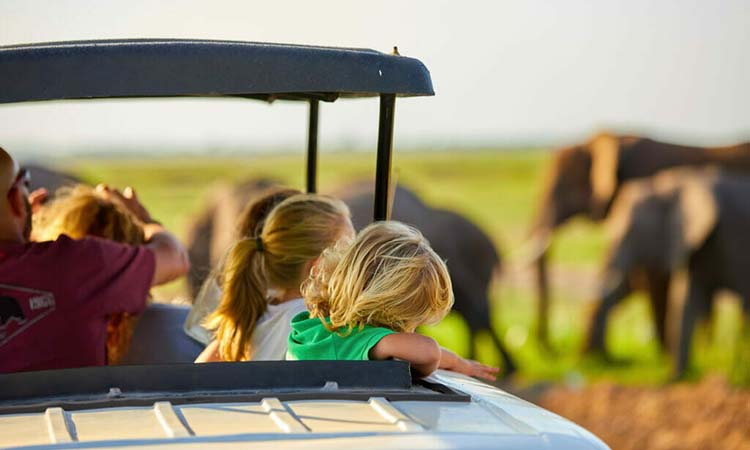
A 14-day Kenya safari offers a comprehensive mix of iconic wildlife viewing in the Maasai Mara, Amboseli, and Samburu, combined with birdwatching at Rift Valley lakes, cultural visits, and a relaxing beach finale on the Indian Ocean. Key activities include the Great Migration (July-October), big five game drives, hot air ballooning, and snorkeling on white-sand beaches
14-days-2-week-exclusive-kenya-tanzania-safari-tour-holiday-combined-vacation
14-days-ultimate-kenya-tanzania-safari-to-zanzibar-beach-beach-holidays
14-days-kenya-birding-safari-and-wildlife-watching
14-days-best-of-kenya-safari-holiday-2-weeks-africa-kenya-safari-vacation
Maasai Mara National Reserve (Days 4-7)
The Maasai Mara is the crown jewel of Kenyan wildlife conservation, offering arguably the most consistent big-game viewing on the planet. Spanning over 1,500 square kilometers of open savanna, this reserve is where the drama of the wild unfolds daily. For travelers visiting between July and October, the park hosts the Great Wildebeest Migration, a natural spectacle involving millions of herbivores crossing the Mara River in a life-or-death struggle against Nile crocodiles and waiting predators. It is the ultimate arena for spotting the Big Five, with the Mara being particularly famous for its high concentration of apex predators; it is common to witness lion prides on a hunt or a leopard draped across an acacia branch.
To elevate the experience, a hot air balloon safari at dawn offers a silent, ethereal perspective of the plains. Drifting with the wind as the sun crests the horizon, you can watch the shadows of elephants and giraffes stretch across the golden grass. Upon landing, a traditional champagne bush breakfast is served in the middle of the wilderness, providing a moment of refined luxury amidst the raw beauty of the savanna. Whether you are navigating the Talek River or exploring the Musiara Marsh, the Maasai Mara provides a visceral connection to the African wilderness that is both humbling and exhilarating.
Amboseli National Park (Days 10-11)
Amboseli is a landscape of striking contrasts, dominated by the majestic, snow-capped peak of Mount Kilimanjaro. Although the mountain is located across the border in Tanzania, Amboseli offers the most iconic and unobstructed views of its summit. The park is world-renowned for its large herds of free-ranging elephants, which are among the most studied populations in Africa. Watching these gentle giants traverse the dusty plains against the backdrop of Africa’s highest mountain is a quintessential safari image that defines the Kenyan experience.
The park's unique ecosystem is fueled by underground springs from Kilimanjaro, creating lush green swamps like Enkongo Narok that attract hundreds of bird species and wallowing hippos. These permanent water sources ensure that wildlife viewing is exceptional year-round. Beyond the elephants, you can spot cheetahs, spotted hyenas, and vast numbers of plains game. The open nature of the terrain makes spotting animals relatively easy, providing a photographers' paradise where the light and scenery combine to create breathtaking compositions.
Samburu National Reserve (Days 1-2)
For those seeking a more rugged and unique experience, Samburu National Reserve in Northern Kenya offers a distinct departure from the southern parks. The arid, red-earth landscape is bisected by the Ewaso Ng’iro River, the lifeblood of the region. Samburu is famous for the "Samburu Special Five"—species adapted to the semi-desert environment that are not found in the Mara. These include the Reticulated Giraffe, with its striking geometric patterns; the Grevy’s Zebra, characterized by its large ears and thin stripes; the Somali Ostrich; the Beisa Oryx; and the Gerenuk, a long-necked antelope that stands on its hind legs to reach high branches.
The reserve is also a stronghold for leopards and African wild dogs, offering a more intimate safari experience with fewer crowds. The cultural presence of the Samburu people, who are cousins to the Maasai, adds a rich layer to the visit. Their colorful attire and deep connection to the land reflect a traditional way of life that has remained resilient in the face of the harsh northern climate. Exploring Samburu provides a sense of discovery, revealing a side of Kenya that is wild, ancient, and beautifully adapted to the sun-scorched earth.
Lake Nakuru National Park (Day 3)
Lake Nakuru is a stunning soda lake nestled in the Great Rift Valley, once famous for the millions of flamingos that fringed its shores in a sea of pink. While water level changes have caused the flamingo populations to fluctuate, the park remains one of Kenya’s most successful conservation stories. It is a premier specialized rhino sanctuary, home to significant populations of both black and white rhinoceroses. Spotting these prehistoric creatures grazing near the fever trees is a highlight of any Rift Valley circuit.
The park is also one of the best places in Kenya to see the rare Rothschild’s Giraffe, which was relocated here for protection. Leopards are frequently sighted in the yellow-barked acacia woodlands, and the lake itself is home to hippos and a vast array of waterbirds. A drive to the "Baboon Cliff" viewpoint offers a panoramic vista of the entire lake and the surrounding escarpment, providing a sense of the geological grandeur of the Rift Valley. Nakuru’s compact size makes it possible to see a high density of wildlife in a single day, making it an efficient and rewarding stop.
Lake Naivasha (Day 4)
Lake Naivasha is a freshwater oasis that offers a refreshing change from vehicle-based safaris. A boat ride on the lake’s calm waters allows you to glide past massive pods of hippos and spot African fish eagles diving for prey. The lake is surrounded by yellow-backed acacia forests, which are home to a diverse array of birdlife and colobus monkeys. The tranquility of the water provides a peaceful atmosphere for reflection amidst the busy 14-day schedule.
A unique highlight of Naivasha is the walking safari on Crescent Island. Because there are no resident predators on this private sanctuary, you can walk among giraffes, waterbucks, elands, and zebras. It is a surreal experience to stand at eye level with a giraffe or watch a wildebeest calf run across the grass just meters away. This "walk in the wild" provides a visceral connection to the animals that you cannot achieve from the seat of a 4x4, making Naivasha a favorite for those who want a more active and intimate encounter with nature.
Cultural Immersion (Ongoing)
No Kenyan safari is complete without engaging with the people who have coexisted with this wildlife for centuries. Cultural immersion with the Maasai people is a profound experience that adds human depth to the natural wonders. Visiting a traditional Maasai village (Manyatta) allows you to learn about their semi-nomadic lifestyle, their intricate beadwork, and the significance of their red shukas. You will witness the "Adumu" (the jumping dance), where young warriors demonstrate their strength and agility.
These interactions are designed to be respectful and educational. You can learn how to start a fire using only sticks, understand the medicinal uses of local plants, and hear stories about the community’s transition from hunting to conservation. Many lodges and camps partner directly with local communities, ensuring that tourism revenue supports schools and healthcare. This ongoing cultural thread throughout your 14-day tour reminds you that Kenya is not just a collection of parks, but a living landscape where ancient traditions continue to thrive alongside modern conservation efforts.
Tsavo East & West National Parks (Days 12-13)
Together, Tsavo East and West form one of the largest national park complexes in the world. Tsavo East is famous for its vast, flat plains and the "Red Elephants"—so named because they dust-bathe in the park’s vibrant volcanic soil. The Yatta Plateau, the world's longest lava flow, provides a dramatic backdrop to the wildlife. In contrast, Tsavo West is a mountainous, greener landscape featuring the spectacular Mzima Springs. Here, millions of gallons of crystal-clear water gush from underground, filtered through volcanic rock, creating an oasis for hippos and crocodiles that can be viewed from an underwater observatory.
The parks also hold significant historical weight, particularly the Tsavo battlefields from World War I. For wildlife enthusiasts, the "Man-Eaters of Tsavo" legend adds a layer of mystery to the resident lion populations. The sheer scale of Tsavo offers a sense of isolation and raw wilderness that is hard to find elsewhere. Exploring these parks provides a final, rugged chapter to your safari, showcasing the diverse geology of Kenya from the volcanic Shetani lava flows to the palm-fringed Galana River.
Diani Beach Relaxation (Days 12-14)
After two weeks of early mornings and dusty game drives, Diani Beach provides the ultimate tropical finale. Located on the Indian Ocean coast south of Mombasa, Diani is world-renowned for its shimmering white sands and turquoise waters. This is the time to trade your safari boots for flip-flops and embrace the "Pole Pole" (slowly slowly) pace of coastal life. The coral reefs just offshore are teeming with marine life, offering exceptional opportunities for snorkeling and diving.
You can take a traditional dhow boat trip to Wasini Island to search for dolphins or explore the sacred Kaya Kinondo Forest with local Mijikenda guides. For the more adventurous, kitesurfing and skydiving are popular activities, while those seeking rest can simply enjoy fresh seafood platters and spa treatments at a beachfront resort. The blend of Swahili culture, ancient baobab trees, and the warm Indian Ocean ensures that you return home not just with stories of lions and elephants, but with the deep rejuvenation that only the Kenyan coast can provide.
14 Days Kenya safari tour
This 14-day Kenya "Grand Circuit" safari offers an exhaustive exploration of East Africa’s most iconic landscapes and diverse wildlife habitats. From the arid, rugged beauty of the northern frontier to the legendary rolling savannas of the south, this itinerary captures the true spirit of the wild. You will journey through a tapestry of ecosystems, including the high-altitude plains of Ol Pejeta, the shimmering alkaline waters of the Great Rift Valley lakes, and the sun-drenched plains of the Masai Mara. Along the way, you will encounter the "Special Five" of Samburu, the protected rhinos of Sweetwaters, and the massive elephant herds of Amboseli, all set against the dramatic backdrops of Mount Kenya and Mount Kilimanjaro. Expertly paced to balance exhilarating game drives with moments of tranquil lake-side relaxation, this expedition is designed for the ultimate nature enthusiast seeking a comprehensive and deeply immersive Kenyan experience. Prepare for a breathtaking adventure across the heart of the African continent.
Days 1-2: Arrival & Samburu National Reserve
Upon arrival in Nairobi, you will head north toward the rugged Samburu National Reserve. This arid landscape, bisected by the Ewaso Nyiro River, offers a unique wildlife experience distinct from the southern parks. Over these two days, you will search for the "Samburu Special Five": the reticulated giraffe, Grevy’s zebra, Somali ostrich, Beisa oryx, and the long-necked gerenuk. The river acts as a magnet for wildlife, providing excellent opportunities to see large herds of elephants, lions, and leopards as they come to drink. The striking contrast between the red earth, green riverine forest, and blue skies makes for spectacular photography. You will enjoy multiple game drives and have the chance to visit local Samburu communities to learn about their rich cultural heritage and traditional way of life in this beautiful yet harsh environment.
Day 3: Sweetwaters / Ol Pejeta Conservancy
On day three, you travel to the Ol Pejeta Conservancy, a private sanctuary located on the plains of Mount Kenya. Ol Pejeta is world-renowned for its conservation efforts and is home to the Sweetwaters Chimpanzee Sanctuary, the only place in Kenya where these primates can be seen. It is also the largest sanctuary for black rhinos in East Africa and hosts the last remaining northern white rhinos on Earth. Because it is a private conservancy, you can enjoy unique activities often unavailable in national parks, such as night game drives and guided bush walks. The proximity to Mount Kenya provides a stunning backdrop for viewing the "Big Five." Watching rhinos roam against the jagged peaks of Africa’s second-highest mountain is a highlight of this leg, offering a profound look at intensive wildlife protection in action.
Day 4: Lake Nakuru National Park
Next, the safari descends into the Great Rift Valley to Lake Nakuru National Park. Once famous primarily for its millions of flamingos, the lake remains a birdwatcher's paradise with over 400 species. However, Nakuru has evolved into one of Kenya's most successful rhino sanctuaries. You are almost guaranteed sightings of both southern white rhinos and the more elusive black rhinos along the lakeshore. The park also features a high concentration of leopards and the rare Rothschild’s giraffe. The landscape here is diverse, ranging from the shimmering alkaline lake to yellow-fever acacia woodlands and dramatic rocky cliffs like Baboon Cliff, which offers a panoramic view of the entire park. It is a compact but wildlife-dense park where the reflection of the surrounding hills in the water creates a serene and picturesque atmosphere for afternoon game drives.
Day 5: Lake Naivasha & Hell's Gate National Park
The journey continues to Lake Naivasha, a freshwater lake known for its healthy hippo population and incredible birdlife. After a morning boat safari to spot fish eagles and hippos, you will head to the nearby Hell's Gate National Park. Unlike most parks in Kenya, Hell's Gate allows visitors to explore on foot or by bicycle, as there are no large predators. You can cycle past grazing zebras and gazelles toward the dramatic gorge. The park is characterized by towering obsidian caves, towering rock towers like Fischer's Tower, and geothermal steam vents that hiss from the earth. The scenery inspired the landscapes of The Lion King, making it a nostalgic and physically active day. After the hike through the narrow sandstone canyons, you can return to a lakeside lodge for a peaceful evening under the acacia trees.
Days 6-8: Masai Mara Game Reserve
For many, the Masai Mara is the pinnacle of the Kenyan safari. Over three days, you will explore this vast savanna, which hosts the world’s highest concentration of terrestrial wildlife. If visiting during the Great Migration (July–October), you may witness thousands of wildebeest and zebras crossing the Mara River. Regardless of the season, the Mara offers unparalleled sightings of the "Big Cats"—lions, leopards, and cheetahs are frequently spotted on the hunt. Day seven features a sunrise hot air balloon safari, providing a silent, bird’s-eye view of the plains followed by a champagne breakfast in the bush. You will navigate the Mara’s diverse sectors, from the Sand River to the Musiara Marsh, enjoying picnic lunches under lone trees. A visit to a traditional Maasai Manyatta (village) offers a deep dive into the customs of these iconic pastoralist warriors.
Days 9-10: Lake Naivasha to Amboseli National Park
Leaving the Mara, you head south toward Amboseli National Park, located at the foot of Mount Kilimanjaro. While the mountain is in Tanzania, Amboseli offers the most iconic views of its snow-capped peak. These two days are centered around the park’s famous "tuskers"—some of Africa's largest and oldest elephants. The park’s unique ecosystem is fueled by underground springs from Kilimanjaro, creating lush emerald-green swamps in the middle of a dry landscape. These swamps are teeming with hippos, pelicans, and buffalo, while the surrounding plains host lions and hyenas. The sight of a line of elephants marching across the dry Lake Amboseli with the massive dome of Kilimanjaro looming behind them is the quintessential image of an African safari. Observation Hill provides a perfect vantage point to watch the sunset over the plains and marshes.
Days 11-12: Amboseli to Tsavo West National Park
The safari then moves into the rugged, volcanic landscape of Tsavo West. This park is a dramatic contrast to the flat plains of Amboseli, featuring ancient lava flows, rolling hills, and thick acacia scrub. You will visit Mzima Springs, where millions of gallons of crystal-clear water gush out of the ground, creating an oasis for hippos and crocodiles that can be viewed from an underwater glass chamber. Another highlight is the Shetani Lava Flow, a black, jagged landscape formed by volcanic activity just centuries ago. Wildlife here can be more challenging to spot due to the dense vegetation, but the park is home to the "Red Elephants" (colored by the local volcanic dust), leopards, and the endangered rhinos of the Ngulia Rhino Sanctuary. The mountainous terrain and spectacular sunsets make Tsavo West one of the most scenic parks in the country.
Day 13: Tsavo East National Park
Crossing over to Tsavo East, you enter one of the largest and oldest protected areas in Kenya. Often referred to as the "Theatre of the Wild," Tsavo East is characterized by its flat, open plateaus. The defining feature here is the Yatta Plateau—the world’s longest lava flow—and the Galana River, which bisects the park. You will visit Lugard Falls, where the river crashes through eroded rock formations, and Mudanda Rock, a massive inselberg that serves as a natural water catchment for hundreds of elephants. The wildlife viewing here is excellent due to the sparse vegetation, allowing for clear sightings of lions, cheetahs, and the Cape buffalo. The vastness of the park provides a sense of isolation and true wilderness, offering a final, powerful connection to the African bush before your return to the bustling capital.
Day 14: Return to Nairobi for Departure
On your final day, you will enjoy an early morning game drive in Tsavo East, catching the predators at their most active before the sun rises high. After a hearty bush breakfast, you will begin the journey back to Nairobi. Depending on your flight schedule, you may have time for a final farewell lunch at the famous Carnivore Restaurant or a brief stop at the Giraffe Centre. This day is a transition from the wild silence of the savanna to the energetic hum of Nairobi. As you are transferred to Jomo Kenyatta International Airport for your departure, you carry with you a complete "Grand Circuit" of memories—from the northern rhinos and the Mara’s big cats to the giants of Amboseli and the volcanic fires of Tsavo. It is a fitting end to a comprehensive fourteen-day odyssey through the heart of Kenya.
What are the must-see wildlife spots on a 14 days Kenya safari tour?
A 14-day journey typically targets the "Grand Circuit" of Kenya’s protected areas. The Maasai Mara National Reserve remains the crown jewel, offering the highest density of lions, leopards, and cheetahs. Amboseli National Park is indispensable for its massive "tuskers" and the iconic silhouette of Mount Kilimanjaro. For those seeking rare species, Samburu National Reserve in the north provides a stark, beautiful contrast with its arid-adapted wildlife. Lake Nakuru National Park is a sanctuary for both black and white rhinos, while the vast Tsavo West and Tsavo East parks offer a rugged, volcanic wilderness that feels truly prehistoric. Including these spots ensures a complete representative sample of East African biodiversity.
Can I include a beach holiday in my 14 days Kenya safari tour?
Yes, adding a coastal extension is a popular way to conclude an intensive safari. After 10 to 11 days of early morning wake-up calls and dusty game drives, flying from the Mara or Amboseli to Diani Beach or Watamu provides a perfect transition. You can swap the safari vehicle for a traditional dhow boat, exploring the Indian Ocean's coral reefs through snorkeling or scuba diving. The white sands and turquoise waters of the Kenyan coast offer a world-class "Bush to Beach" experience, allowing you to reflect on your wildlife encounters in a tropical paradise before flying back to Nairobi for your international departure.
What types of game drives are available during a 14 days Kenya safari tour?
Standard packages offer three main types of game drives. Early morning drives (starting around 6:30 AM) are the most critical, as predators like lions and hyenas are active before the heat of the day. Full-day game drives involve heading out after breakfast with a picnic lunch, allowing you to reach remote corners of the park, such as the Mara River. Finally, late afternoon drives (4:00 PM to sunset) capture the "golden hour" for photography and the beginning of nocturnal activity. In private conservancies, you may also have the option for night game drives, using spotlights to find aardvarks, bushbabies, and hunting leopards.
Are there cultural interactions included in a 14 days Kenya safari tour?
Cultural immersion is a cornerstone of the Kenyan experience. Most 14-day itineraries include visits to Maasai Manyattas (villages) near the Mara or Samburu communities in the north. These are not just photo opportunities; they are educational exchanges where you can learn about traditional medicine, fire-making, and the complex social structures of pastoralist societies. You might witness the Adumu (the famous Maasai jumping dance) and see how these communities have lived in harmony with wildlife for centuries. These interactions provide essential context to the conservation efforts you see in the parks.
Is bird watching popular on a 14 days Kenya safari tour?
Kenya is one of the world's premier birding destinations, boasting over 1,100 species. On a 14-day tour, the Rift Valley lakes serve as the primary birding hubs. Lake Naivasha is perfect for spotting African Fish Eagles and various Kingfishers from a boat. Lake Nakuru and Lake Elementaita are famous for their seasonal congregations of Lesser and Greater Flamingos. In the drier regions like Samburu, you can find the Somali Ostrich and Vulturine Guineafowl. Even for non-specialists, the vibrant colors of the Lilac-breasted Roller or the Superb Starling make birding an effortless joy throughout the trip.
Can I do a hot air balloon safari on a 14 days Kenya safari tour?
A hot air balloon safari is arguably the most magical experience available in the Maasai Mara. Usually scheduled for day 7 or 8 of your tour, you arrive at the launch site before dawn. As the sun rises over the horizon, you float silently over the savanna, gaining a unique perspective on the sheer scale of the herds below. The flight typically lasts an hour and concludes with a traditional champagne bush breakfast cooked right on the plains. While it is an optional extra that can cost between $450 and $500 per person, many travelers consider it the highlight of their entire 14-day journey.
Is it possible to visit chimpanzees on a 14 days Kenya safari tour?
While chimpanzees are not native to Kenya, you can visit them at the Sweetwaters Chimpanzee Sanctuary within the Ol Pejeta Conservancy. This sanctuary was established in collaboration with the Jane Goodall Institute to provide a lifelong home for orphaned and rescued chimpanzees from across West and Central Africa. During your 14-day tour, a stop at Ol Pejeta allows you to see these primates from a viewing platform and learn about the global effort to combat the bushmeat trade. It is the only place in Kenya where you can see these intelligent creatures in a naturalistic riverine forest habitat.
What activities are available on Lake Naivasha during a 14 days Kenya safari tour?
Lake Naivasha offers a break from the traditional "vehicle-based" safari. The most popular activity is a boat safari, providing close encounters with large hippo pods and majestic water birds. Many tours also include a visit to Crescent Island Game Sanctuary, a private island where you can enjoy a walking safari among giraffes, zebras, and wildebeests. Because there are no predators on the island, it is a rare opportunity to walk freely among wild animals. This "leg-stretch" day is often positioned in the middle of a 14-day itinerary to provide a change of pace before heading to the Mara.
Are walking safaris safe to do during a 14 days Kenya safari tour?
Walking safaris are entirely safe when conducted by professionals. In places like Hell’s Gate National Park, you can hike through spectacular gorges and cycle past plains game. In private conservancies, such as those in Laikipia or Samburu, you are accompanied by armed rangers and expert trackers who read the "newspaper of the bush"—interpreting tracks, droppings, and alarm calls to keep a safe distance from large animals. These walks offer a sensory connection to the land that you simply cannot get from a car, allowing you to focus on the smaller "Little Five" and local flora.
How does a 14 days Kenya safari tour help with capturing good photos?
The luxury of time is a photographer's greatest asset. A 14-day tour allows you to spend 2 to 3 nights in each major park, meaning you can return to specific spots to catch the perfect light. It gives you the patience to sit with a leopard for an hour waiting for it to descend from a tree, rather than rushing to the next sighting. Furthermore, the route usually includes varied terrain—from the dusty reds of Samburu to the lush greens of the Mara—providing a diverse portfolio of shots. Most safari vehicles are also equipped with charging points and beanbags for camera stability.
Can I visit the Samburu special five on a 14 days Kenya safari tour?
Yes, a 14-day itinerary that heads north of the equator to Samburu National Reserve is the only way to see these unique species. The "Special Five" consist of the Reticulated Giraffe, Grevy’s Zebra, Somali Ostrich, Beisa Oryx, and the Gerenuk (a gazelle that stands on its hind legs to reach high branches). These animals have specifically adapted to the arid conditions of northern Kenya and are not found in the more famous southern parks like the Mara or Amboseli. Seeing them against the backdrop of the Koitogor and Ololokwe mountains is a distinct and rewarding wildlife experience.
Is camel riding a part of a 14 days Kenya safari tour?
In the northern frontier regions, such as Samburu and Laikipia, camel safaris are a traditional and eco-friendly way to explore the landscape. Unlike a noisy vehicle, a camel trek allows you to move silently through the bush, often allowing for closer approaches to wildlife. Some luxury lodges include a short camel ride to a "sundowner" spot as part of their experience. For the more adventurous, multi-day camel treks can be arranged, where you walk with the camels through the wilderness, camping under the stars—a truly authentic nod to the nomadic heritage of the region.
Are there adventures for children during a 14 days Kenya safari tour?
Kenya is surprisingly family-friendly. Many lodges on a 14-day tour offer "Junior Ranger" programs where kids can learn to track animals, identify birds, and make traditional crafts with local guides. Activities like the Giraffe Centre in Nairobi, where children can hand-feed Rothschild’s giraffes, or cycling in Hell’s Gate, provide active breaks from game drives. Most mid-range and luxury lodges also have swimming pools, which are essential for burning off energy between drives. It is an educational odyssey that brings biology and geography to life in a way no classroom can.
What is the best way to enjoy a "sundowner" on a 14 days Kenya safari tour?
The "sundowner" is a quintessential safari tradition dating back to the 1920s. On a 14-day tour, your guide will often drive you to a scenic viewpoint—perhaps a ridge overlooking the Mara River or a spot with a clear view of Mount Kilimanjaro—as the sun begins to set. They will set up a small table with drinks and snacks, allowing you to toast to the day's sightings while the sky turns brilliant shades of orange and purple. It is a moment of profound peace and a highlight of the social side of safari life.
Is there a chance for night game drives during a 14 days Kenya safari tour?
Night game drives are generally prohibited inside Kenya’s National Parks to protect the animals' rest cycles. However, a 14-day tour that includes stays in private conservancies (like Ol Pejeta, Mara North, or Lewa) offers this thrilling opportunity. Using filtered red spotlights to avoid blinding the animals, you can search for nocturnal creatures like the Aardvark, Honey Badger, and Serval Cat. Watching a pride of lions wake up and begin their evening hunt is a visceral experience that adds a whole new dimension to your understanding of the African wilderness.
Booking 14 Days Kenya safari with us Roads of Adventure safaris
Booking your 14-day safari with Roads of Adventure Safaris offers a comprehensive exploration of East Africa's most iconic landscapes. While based in Kampala, Uganda, this operator specializes in tailored private tours across Kenya, Tanzania, and Uganda
