For a first-time safari in Uganda, focus on the "Big Three": tracking mountain gorillas in Bwindi Impenetrable National Park, chimpanzee trekking in Kibale Forest, and boat safaris on the Kazinga Channel or Nile River. Experience diverse wildlife in Queen Elizabeth and Murchison Falls National Parks, and enjoy adventure in Jinja.
17-days-uganda-honeymoon-safari-holiday-tourn
15-days-best-uganda-honeymoon-safari-holiday
10-days-best-honeymoon-uganda-safari-tour-vacation-holiday
5-days-gorilla-trekking-and-jinja-white-water-rafting
5-days-perfect-uganda-honeymoon-safari-in-jinja
1-day-tubing-and-water-massage-jinja-tour-package
14-days-uganda-primate-safari-and-jinja-white-water-rafting
6-days-jinja-white-water-rafting-gorilla-trekking-and-chimpanzee-tracking-adventure
6-days-jinja-white-water-rafting-bwindi-impenetrable-and-lake-mburo-park
5-days-gorilla-trekking-and-jinja-white-water-rafting
Gorilla Trekking
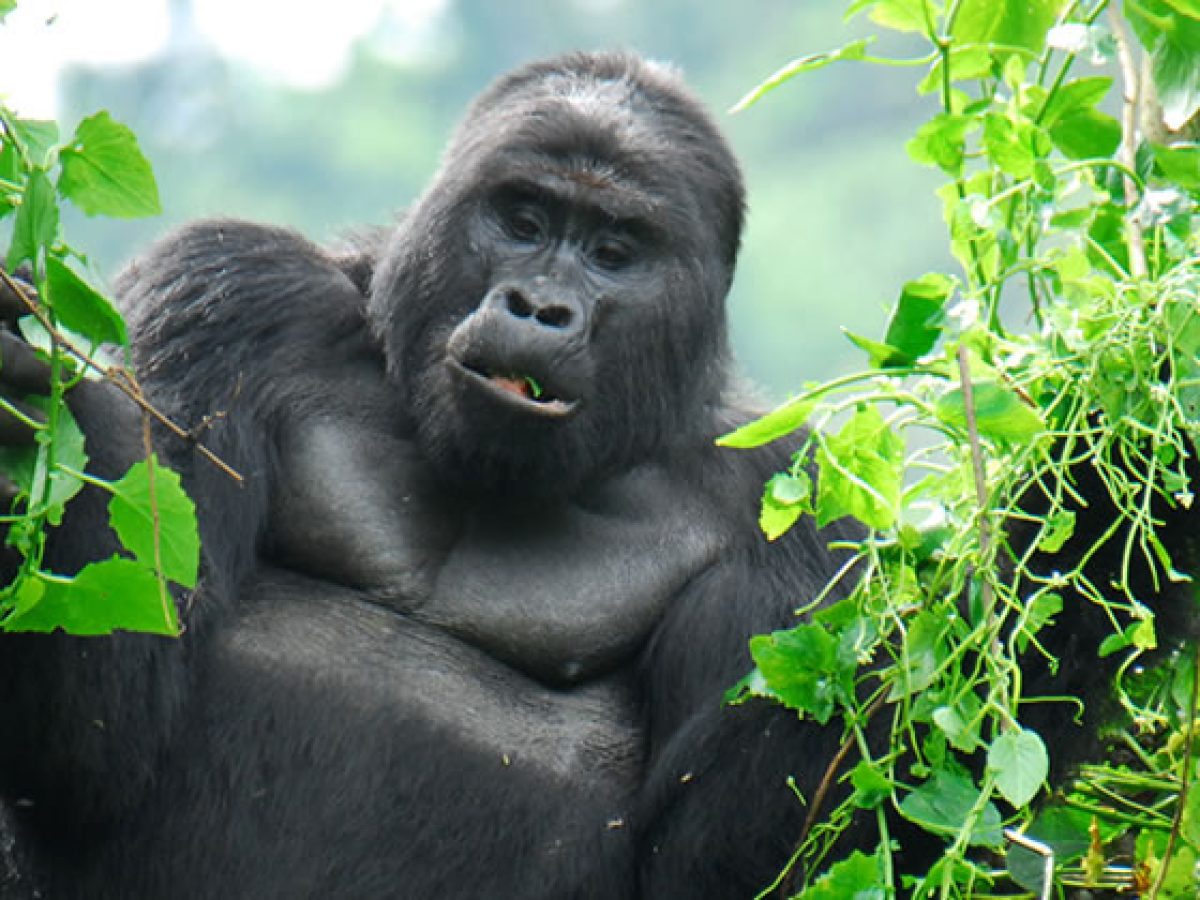
Trekking to see the endangered mountain gorillas in Bwindi Impenetrable National Park is arguably the most profound wildlife experience on the planet. Bwindi, a UNESCO World Heritage site, is home to roughly half of the world's remaining mountain gorilla population. The trek itself is a physical challenge, navigating steep, misty ridges and dense prehistoric undergrowth—hence the name "Impenetrable." Under the guidance of expert rangers, you follow the trail of broken branches and fresh nests until you come face-to-face with a silverback and his family. The "golden hour" spent in their presence, watching them groom, play, and forage, is a soul-stirring encounter that highlights the fragile beauty of our closest relatives.
Chimpanzee Tracking
With over 1,500 individuals, Kibale National Park is the undisputed primate capital of the world. Chimpanzee tracking here is a high-energy affair; unlike the slow-moving gorillas, chimps are arboreal, vocal, and constantly on the move. As you hike through the tropical rainforest, the forest floor erupts with the sound of "pant-hoots" echoing through the canopy. Following these highly intelligent primates offers a glimpse into complex social structures and tool-using behaviours. The thrill of seeing a troop swing effortlessly through the branches or descend to the forest floor for a social grooming session is a highlight of any Ugandan safari.
Boat Safari on Kazinga Channel
A boat safari along the Kazinga Channel in Queen Elizabeth National Park provides one of the highest concentrations of hippos and Nile crocodiles in Africa. This 40-kilometre natural channel connects Lake Edward and Lake George, acting as a massive permanent water source for the park’s wildlife. From the safety of a double-decker boat, you can observe herds of elephants and buffaloes coming down to the banks to drink and bathe. The channel is also an ornithological paradise, with skimmers, kingfishers, and pelicans lining the shore, offering photographers a stable platform to capture "National Geographic" moments at water level.
Murchison Falls Game Drive
A game drive in Murchison Falls National Park, Uganda's largest and oldest conservation area, is a journey through quintessential African savannah. The northern bank of the Victoria Nile is a tapestry of borassus palms and acacia trees, providing a home to the world’s largest population of Rothschild’s giraffes. As you traverse the tracks, you are likely to encounter prides of lions, herds of Cape buffalo, and the elusive leopard. The open landscape allows for long-distance spotting, and the sight of an elephant herd silhouetted against the rising sun over the Nile is an image that defines the Ugandan wilderness.
Boat Trip to Murchison Falls
To truly appreciate the power of the Nile, a boat trip to the base of Murchison Falls is essential. As the boat chugs upstream against a strong current, you pass through a landscape teeming with hippos and massive crocodiles. The climax of the journey is the view of the falls themselves, where the entire Victoria Nile—the world's longest river—is forced through a narrow seven-metre gap in the rocks. The water plunges 43 metres with a thunderous roar, creating a permanent mist and a spectacular rainbow. The sheer force and sound of the "world's most powerful waterfall" are a humbling reminder of nature's raw energy.
White-Water Rafting in Jinja
For adrenaline junkies, the source of the Nile in Jinja offers some of the best Grade 5 white-water rafting on earth. The river here is a "pool-drop" system, where intense, crashing rapids are followed by long stretches of calm water, making it both thrilling and safe. Navigating famous rapids like "The Bad Place" or "Itanda Falls" requires intense teamwork and a willingness to get soaked. Between the drops, you can swim in the warm river water, watch local fishermen in dugout canoes, and enjoy the lush tropical scenery of the riverbanks. It is a high-octane celebration of the Nile's legendary power.
Tree-Climbing Lions
In the remote Ishasha sector of Queen Elizabeth National Park, a peculiar phenomenon exists: lions that spend their days lounging in the branches of ancient sycamore fig trees. While lions elsewhere occasionally climb, the Ishasha prides do so as a daily habit, likely to escape the heat of the ground and the irritation of tsetse flies. Seeing a 200kg predator draped over a limb like a house cat is a surreal and rare sight. This behaviour makes for incredible photography and adds a layer of mystery to the park’s northern savannahs, making Ishasha a "must-visit" for big cat enthusiasts.
Rhino Trekking at Ziwa
Rhinos were once extinct in Uganda due to poaching, but the Ziwa Rhino and Wildlife Ranch is successfully spearheading their reintroduction. Rhino trekking here is done on foot, accompanied by highly trained rangers. It is a rare opportunity to stand just metres away from the endangered southern white rhino. Because you are on foot, the experience feels much more intimate and vulnerable than a traditional vehicle safari. The ranch also serves as a critical education centre, teaching visitors about the immense efforts required for conservation and the ongoing battle to protect these prehistoric giants from extinction.
Chimpanzee Habituation Experience
For those who find the standard one-hour tracking too short, the Chimpanzee Habituation Experience (CHEX) in Kibale allows you to spend an entire day with the researchers and the chimps. Starting at dawn, you watch the chimpanzees wake up and descend from their nests. You follow them through their daily routine—foraging, hunting, patrolling territories, and finally, building new nests for the night. This immersive experience provides a deep understanding of their complex personalities and social dynamics, offering a much more technical and scientific perspective than a standard tourist trek.
Visit Lake Bunyonyi
Known as the "Place of Many Little Birds," Lake Bunyonyi is Uganda’s deepest lake and a sanctuary of tranquillity. Its 29 islands are scattered across the water like emeralds, surrounded by steeply terraced hillsides. The lake is bilharzia-free and contains no dangerous wildlife, making it one of the few places in Uganda where you can swim safely. Whether you are exploring the islands by a traditional dugout canoe, hiking the surrounding ridges for panoramic views, or simply relaxing at a lakeside lodge, Bunyonyi is the perfect place to decompress after the rigours of gorilla trekking.
Golden Monkey Trekking
High in the volcanic slopes of Mgahinga Gorilla National Park, you can track the rare and beautiful golden monkey. These primates are endemic to the Albertine Rift and are distinguished by their bright orange-gold fur. They live in the bamboo forests at the base of the Virunga volcanoes. Trekking for golden monkeys is generally less strenuous than gorilla trekking but equally rewarding. They are incredibly active and playful, often leaping through the bamboo stalks in large troops. Watching them socialise and feed against the backdrop of the towering volcanoes is a vibrant and unique primate encounter.
Mabamba Swamp Shoebill Hunt
The Mabamba Swamp, located on the edge of Lake Victoria, is the best place in the world to see the prehistoric Shoebill Stork. This massive, blue-grey bird looks like something out of the Cretaceous period, with a bulbous, shoe-shaped bill and a haunting, stationary hunting style. You navigate the narrow papyrus channels in a small wooden boat, guided by local experts who know the bird's favourite hideouts. Seeing a Shoebill take flight—its wingspan reaching over two metres—is a bucket-list moment for any birder and a highlight for anyone interested in the oddities of evolution.
Hike Sipi Falls
Located on the foothills of Mount Elgon in eastern Uganda, Sipi Falls consists of a series of three stunning waterfalls. A hike here takes you through local Sabiny coffee plantations and rural homesteads, offering a blend of natural beauty and cultural insight. The highest fall plunges 100 metres over a sheer basalt cliff. The hike is moderately challenging but rewards you with breathtaking views of the Karamoja plains below. Many visitors choose to abseil down the main fall for an extra rush of adrenaline, while others prefer to enjoy a "coffee tour," learning how the local Arabica beans are grown, roasted, and brewed.
Stand on the Equator
A stop at the Equator crossing in Kayabwe is a quintessential Ugandan travel ritual. Marked by two large circular monuments, this is the spot where the Earth is divided into the Northern and Southern Hemispheres. You can participate in the famous "water experiment," where guides demonstrate how water drains in different directions—clockwise, counter-clockwise, or straight down—depending on which side of the line you stand. It is a fun, educational photo opportunity and home to several excellent craft markets where you can buy locally made souvenirs to commemorate your "cross-hemisphere" journey.
Kampala City Tour
The capital city, Kampala, is a bustling, vibrant metropolis built on seven hills. A city tour offers a deep dive into Uganda’s complex history and culture. Key stops include the Uganda Museum, which houses a vast collection of ethnological and natural history exhibits, and the Baha'i Temple, the only one of its kind in Africa, set within magnificent gardens. You can explore the chaotic beauty of Owino Market, visit the historic Kasubi Tombs (the burial site of Buganda kings), and experience the city's legendary nightlife. Kampala is a city of contrasts, where traditional culture meets modern East African urban life.
Ngamba Island Chimpanzee Sanctuary
Located on Lake Victoria, Ngamba Island is a dedicated sanctuary for orphaned and rescued chimpanzees. The island provides a natural forested environment for chimps that cannot be returned to the wild due to trauma or injury. Visitors can watch the chimps being fed from a raised platform, providing an excellent opportunity to observe their interactions and personalities. The sanctuary is run by the Chimpanzee Trust and focuses heavily on conservation education. It is an excellent alternative for those who cannot manage the physical demands of forest tracking but still want to support primate conservation.
Batwa Cultural Trail
In the shadow of the Virunga Volcanoes, the Batwa Cultural Trail offers a poignant look at the lives of the "forest people." The Batwa were the original inhabitants of the Bwindi and Mgahinga forests, living as hunter-gatherers for millennia. On this guided trail, Batwa elders share their ancient knowledge of medicinal plants, fire-making, and traditional hunting techniques. The tour often concludes at the Garama Cave, where they perform traditional songs and dances. It is a powerful cultural experience that highlights the challenges faced by indigenous groups in the face of modern conservation and resettlement.
Game Drive in Lake Mburo
Lake Mburo National Park is Uganda’s smallest savannah park but it is packed with biodiversity. It is the only place in southern Uganda where you can see plains zebras and massive eland antelopes. Because there are no elephants and few lions, the park has a much more relaxed atmosphere, making it ideal for walking safaris and mountain biking. A game drive here usually yields sightings of impalas, topis, and buffaloes. The park’s proximity to Kampala makes it a popular "first stop" on the western safari circuit, offering a gentle and beautiful introduction to Uganda’s wildlife.
Mabira Forest Canopy Zip-lining
For a bird’s-eye view of the jungle, the Mabira Forest canopy zip-line is an exhilarating choice. Located between Kampala and Jinja, Mabira is one of the largest remaining rainforests in central Uganda. The zip-line system sends you soaring through the ancient treetops, 40 metres above the forest floor. From this vantage point, you can spot grey-cheeked mangabeys, red-tailed monkeys, and a variety of tropical birds. It is a unique way to experience the forest's vertical layers and offers a great mix of environmental education and high-altitude fun.
Bird Watching
Uganda is an undisputed titan of African birdwatching, with over 1,000 recorded species—nearly 50% of Africa's total bird population. Top spots like Semuliki National Park offer Central African "Guinea-Congo" biome species found nowhere else in East Africa, while the Mabamba Swamp is the place for the Shoebill. From the iconic Great Blue Turaco to the tiny, iridescent Sunbirds, the variety is staggering. Even a casual traveler will be struck by the constant movement and song. For serious birders, the "Albertine Rift Endemics" provide a challenging and rewarding pursuit across the country’s diverse montane forests and wetlands.
Gemini said
Uganda, famously described as the "Pearl of Africa", offers an extraordinary blend of savannah, rainforest, and mountain landscapes. For those planning their first journey to this East African gem, understanding the logistical and seasonal nuances is key to a successful adventure. Here is a comprehensive guide to the most frequently asked questions for a Ugandan safari.
1. What are the top activities for a first-timer in Uganda?
For those visiting Uganda for the first time, the itinerary almost always revolves around the country's unique primate population. The absolute "must-do" is gorilla trekking in Bwindi Impenetrable National Park. Standing just metres away from a 200kg silverback is a transformative experience that few other wildlife encounters can match. Closely following this is chimpanzee tracking in Kibale Forest, where the high-energy social dynamics of our closest relatives provide a thrilling contrast to the quiet dignity of the gorillas.
Beyond primates, a first-timer should not miss the classic savannah experience. A boat safari on the Nile in Murchison Falls National Park allows you to see the world’s most powerful waterfall while drifting past hundreds of hippos and crocodiles. In Queen Elizabeth National Park, the Kazinga Channel offers similar aquatic brilliance, while the plains provide opportunities to see lions and elephants. For the adventurous, Jinja—the source of the Nile—offers world-class white-water rafting. Combining these three elements—primates, savannah wildlife, and the Nile—provides a perfectly balanced introduction to Uganda's biodiversity.
2. Is it safe to travel to Uganda for a safari?
Generally speaking, Uganda is considered a safe and welcoming destination for international tourists. The government places a high priority on tourism security, with a dedicated Tourism Police force visible in all national parks and major transit hubs. Most visitors travel with registered tour operators, which adds a significant layer of security as experienced local drivers and guides navigate the routes and manage logistics.
However, like any developing nation, standard travel precautions apply. In urban centres like Kampala, it is wise to avoid walking alone at night and to be discreet with valuable items like expensive jewellery or large amounts of cash. When on safari, the primary "danger" comes from the wildlife; it is vital to follow your ranger's instructions, stay within designated areas, and never leave your vehicle unless permitted. By sticking to reputable operators and respecting local laws and customs, the vast majority of travellers enjoy a trouble-free and deeply rewarding experience.
3. What is the best time of year to visit Uganda?
Uganda is an equatorial country, meaning it can be visited year-round, but the dry seasons are the most popular for a reason. These occur from June to September and December to February. During these months, the weather is predictable, with sunny days and minimal rainfall. This is ideal for gorilla and chimpanzee trekking, as the forest trails are less slippery and the thick undergrowth is slightly thinner, making sightings easier.
The dry season is also the best time for general wildlife viewing. As water sources in the savannahs dry up, animals congregate around permanent rivers and waterholes, leading to spectacular concentrations of elephants, buffaloes, and predators. However, because this is the peak season, permits for gorillas must be booked months in advance, and popular lodges can fill up quickly. If you prefer a quieter experience and don't mind a bit of mud, the "shoulder" months can offer better value and a more exclusive feel.
4. Where can I see the "Big Five" in Uganda?
Uganda is one of the few places where you can complete the "Big Five" (lion, leopard, elephant, buffalo, and rhino) across a single circuit. While the first four are found in several national parks, the rhino requires a specific stop. Rhinos were reintroduced to Uganda at the Ziwa Rhino and Wildlife Ranch, where you can track southern white rhinos on foot alongside expert rangers.
For the remaining four, Murchison Falls and Queen Elizabeth National Parks are the premier destinations. Both parks host large populations of elephants and buffaloes. Lions are a major draw, particularly the unique tree-climbing lions in the Ishasha sector of Queen Elizabeth Park. Leopards are the most elusive of the five, but they are frequently spotted during early morning or late afternoon game drives in the thickets of Murchison Falls or Lake Mburo. While you won't find all five in a single park, a standard western circuit safari easily ticks every box.
5. How much does a gorilla trekking permit cost?
The cost of a gorilla trekking permit is a significant portion of any safari budget. As of the 2024/2026 period, a permit for a foreign non-resident in Uganda costs $800 per person. This fee is regulated by the Uganda Wildlife Authority (UWA) and covers the cost of park entry, the expert rangers who lead the trek, and the 24-hour security provided by forest wardens.
It is important to note that these permits are in high demand and are strictly limited to eight people per habituated gorilla family per day to minimise human impact. Most travellers book their permits through a registered safari agent at least six to nine months in advance. While the price might seem steep, it is significantly lower than the $1,500 charged in neighbouring Rwanda. Furthermore, a portion of the permit fee is funnelled back into local community projects and gorilla conservation, ensuring that your visit directly contributes to the survival of the species.
6. Do I need to be fit for a gorilla safari?
A moderate level of fitness is highly recommended for gorilla trekking. Unlike a standard game drive where you remain in a vehicle, finding gorillas involves hiking through the Bwindi Impenetrable Forest, which lives up to its name. The terrain is characterised by steep, muddy ridges and dense vegetation, with altitudes ranging from 1,160 to 2,607 metres. A trek can last anywhere from two to seven hours depending on where the gorilla family spent the night.
However, the "difficulty" is manageable for most. Rangers are incredibly patient and will set a pace that suits the slowest member of the group. For those who are concerned about the terrain, porters are available at the park headquarters for a small fee (around $20). These local men and women are incredibly strong; they will carry your backpack and provide a steady hand during steep climbs or slippery descents. As long as you are comfortable walking on uneven ground for several hours, you will find the experience manageable and well worth the physical effort.
7. Is Uganda suitable for a family vacation with children?
Uganda is a fantastic family destination, but there are age-related restrictions to consider. The most important rule is that children must be at least 15 years old to participate in gorilla or chimpanzee trekking. This is strictly enforced for safety reasons and because children are more susceptible to communicable diseases that could be fatal to primates.
For families with younger children, Uganda still offers plenty of magic. Many lodges are family-friendly, featuring swimming pools and large grounds. Boat safaris on the Nile or the Kazinga Channel are a hit with kids, as they can see "Lion King" animals from the safety and comfort of a boat. National parks like Lake Mburo allow for walking safaris and mountain biking, which can be tailored for younger ages. Many tour operators can arrange "nanny services" or alternative activities for children while the parents are off trekking, making it a viable and exciting destination for the whole family.
8. What should I pack for my first Ugandan safari?
Packing for Uganda requires a "layering" strategy. Because you’ll be moving between hot savannahs and cool, damp rainforests, you need versatile gear. For the forest, long-sleeved shirts and long trousers are essential; these protect you from stinging nettles, thorny bushes, and biting insects like "safari ants." Neutral colours like khaki, beige, and olive green are best, as bright colours can startle wildlife, and dark blue or black can attract tsetse flies.
A pair of sturdy, waterproof hiking boots with good grip is the most important item in your suitcase. You should also pack a lightweight raincoat, a wide-brimmed hat, and high-quality insect repellent (DEET-based). Because the equatorial sun is intense, high-SPF sunblock is a must. For the evenings, a fleece or light jacket is necessary, as temperatures in the highlands can drop significantly once the sun goes down. Finally, don't forget a pair of binoculars and a camera with a decent zoom lens to capture the details of distant birds and predators.
9. Can I visit Uganda during the rainy season?
Yes, visiting during the rainy seasons (March to May and September to November) is entirely possible and offers several unique advantages. These periods are often called the "Green Season" because the landscape becomes incredibly lush and photogenic. For photographers, the dust-free air and dramatic clouds make for stunning shots. Furthermore, because this is the "low season," many luxury lodges offer significant discounts, and the national parks are much less crowded.
The trade-off is the weather. Forest trails become much muddier and more challenging to navigate, and some backcountry roads can be difficult for vehicles. However, a good 4x4 and an experienced driver can handle most conditions. Birdwatchers often prefer the rainy season as it coincides with the arrival of migratory species and the breeding season for residents. If you are prepared for afternoon downpours and slightly more strenuous trekking, the rainy season can be a rewarding and cost-effective time to visit.
10. Do I need any vaccinations for a trip to Uganda?
Health preparations are a vital part of planning your trip. A Yellow Fever vaccination certificate is a mandatory requirement for entry into Uganda; you will likely be asked to present your "Yellow Card" at Entebbe Airport upon arrival. Beyond this, most doctors recommend vaccinations for Hepatitis A and B, Typhoid, and Tetanus.
Since Uganda is a high-risk area for malaria, taking a course of anti-malarial medication is strongly advised. You should consult a travel clinic at least six weeks before your departure to discuss which prophylactic is best for you. During your stay, being diligent about using insect repellent and sleeping under the mosquito nets provided by your lodge will further reduce your risk. It is also worth checking your routine vaccinations are up to date, ensuring you can focus on the wildlife rather than your health.
11. What is the best place for chimpanzee trekking?
While there are several spots to see chimps in Uganda (including Budongo Forest and Kyambura Gorge), Kibale National Park is the undisputed champion. Kibale has the highest density and diversity of primates in East Africa, with over 1,500 chimpanzees calling the forest home. The success rate for spotting them here is over 95%, making it the most reliable location for a trek.
Kibale also offers the unique Chimpanzee Habituation Experience (CHEX), where guests can spend a half or full day with the chimps as they go about their daily routines. Beyond the chimps, the park is home to 12 other primate species, including the rare red colobus and L’Hoest’s monkey. The well-maintained trail system and the expertise of the local rangers make Kibale the premier choice for anyone looking for a high-quality, immersive primate experience.
12. How do I get around while on safari?
The most common and effective way to get around Uganda is by using a 4x4 safari vehicle provided by a tour operator. These vehicles (usually modified Land Cruisers or Safari Vans) are designed to handle the bumpy, unpaved roads found in and around the national parks. They feature "pop-up" roofs that allow for 360-degree viewing and photography during game drives.
Hiring a vehicle with a professional driver-guide is highly recommended over "self-driving." Ugandan roads can be unpredictable, and having an expert who knows the terrain, the local traffic laws, and—most importantly—how to track wildlife is invaluable. For those who are short on time or prefer to avoid long drives, domestic flights are available. Companies like AeroLink operate scheduled flights from Entebbe to airstrips near Bwindi, Queen Elizabeth, and Murchison Falls, turning an eight-hour drive into a scenic 60-minute flight.
13. What is the official currency and is cash needed?
The official currency is the Ugandan Shilling (UGX). While the US Dollar is widely accepted in the tourism sector—specifically for park fees, high-end lodges, and tour operator payments—carrying local cash is essential for smaller expenses. You will need shillings for tipping guides and porters, buying souvenirs at local markets, and purchasing drinks or snacks in rural areas.
When bringing US Dollars, ensure the notes are printed after 2009 and are in pristine condition (no tears or ink marks), as banks in Uganda often reject older or damaged bills. It is best to withdraw shillings from an ATM at the airport or in major towns like Kampala, Fort Portal, or Mbarara. Credit cards are accepted at luxury lodges and some upscale restaurants in the city, but they often attract a surcharge (3% to 5%). For the majority of your safari, "cash is king."
14. What is the accommodation like in the national parks?
Accommodation in Uganda’s national parks has evolved significantly and now caters to every budget. At the top end, you’ll find luxury lodges that offer world-class service, gourmet dining, and spectacular locations—some perched on the edge of craters or overlooking the Nile. These often feature private decks and infinity pools. Mid-range options usually consist of comfortable "tented camps" or cottages with en-suite bathrooms and solid amenities.
For those on a budget, many parks have "bandas" (simple stone or wooden huts) managed by the Uganda Wildlife Authority (UWA) or private hostels. Regardless of the price point, the focus is almost always on the environment. Most lodges are designed to be "eco-friendly," often using solar power and gravity-fed water systems. One of the greatest joys of a Ugandan safari is the "resident" wildlife; it is not uncommon to find warthogs grazing outside your room or to hear the distant roar of a lion while you lie in bed.
15. Is it safe to drink water in Uganda?
The short answer is no. It is not recommended for international travellers to drink tap water in Uganda. While the water in major towns is treated, the piping systems can be old, and the bacterial content may be very different from what your body is used to. Drinking tap water is a quick way to contract a stomach bug that could ruin your safari.
Instead, you should always stick to bottled or filtered water. All reputable safari lodges and tour operators provide plenty of complimentary bottled water in their vehicles and rooms. You should also use bottled water for brushing your teeth. When it comes to ice in drinks, it is usually safe in high-end hotels and lodges (as they use filtered water), but in local bars or rural areas, it is better to skip it. Staying hydrated is vital in the equatorial heat, but staying safe with your water source is equally important.
Booking Africa safari in Uganda with us Roads of Adventure safaris
Book your unforgettable Uganda safari with Roads of Adventure Safaris, a premier operator specializing in tailored primate trekking, thrilling savanna game drives, and scenic birding tours. As experts in the Pearl of Africa, they craft bespoke itineraries featuring gorilla tracking in Bwindi, chimpanzee trekking in Kibale, and wildlife encounters in Queen Elizabeth National Park. Roads of Adventure Safaris ensures seamless planning, offering luxury or budget camping, professional English-speaking guides, and 4x4 transport. Whether it is a honeymoon, family trip, or private tour, they provide customized, high-quality service, making them a top choice for exploring Uganda’s breathtaking landscapes and rich biodiversity.
