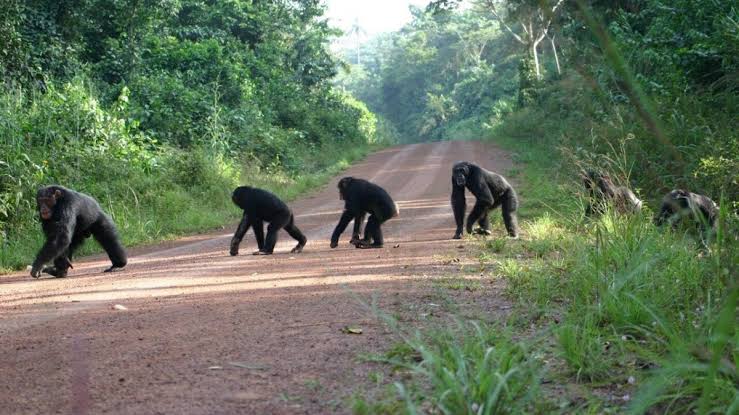
This 4-day luxury itinerary together two of Rwanda’s most memorable wildlife experiences: chimpanzee tracking in Nyungwe Forest and mountain gorilla trekking in Volcanoes National Park. With stays at exceptional lodges such as One&Only Nyungwe House, One&Only Gorilla’s Nest or Wilderness Bisate Lodge, it’s a remarkable way to experience the country in a short time.
It is, however, a fast-paced trip. The long distances between the parks mean you’ll spend a fair amount of time travelling, so private transport—and, if your budget allows, helicopter transfers—can make a real difference.
Your Four-Day Nyungwe Forest park Itinerary
Day 1: Kigali to Nyungwe Forest
Meet your private driver-guide at Kigali International Airport. If your arrival time allows, visit the Kigali Genocide Memorial for a thoughtful introduction to Rwanda’s history. Continue south through the country’s rolling hills, stopping in Huye to visit the Ethnographic Museum and enjoy lunch.
Arrive in the Nyungwe area later in the day. If timing permits, take a guided walk on the Uwinka Canopy Walkway, suspended high above the forest. Then check in at One&Only Nyungwe House, set among the tea fields, for dinner and a relaxing night.
Day 2: Chimpanzee Tracking and Transfer to Volcanoes
Set out early for a guided chimpanzee trek in Nyungwe Forest. The walk can be lively: chimpanzees move quickly, and you may need to follow their calls through thick forest and uneven terrain.
After your trek, have lunch and begin the journey north to Volcanoes National Park. It’s a long transfer by road, so consider a private helicopter charter if you’d rather spend less of the day travelling. Settle into One&Only Gorilla’s Nest or Wilderness Bisate Lodge for the evening.
Day 3: Mountain Gorilla Trekking
After breakfast, head to the park headquarters for your briefing before setting off with experienced guides to find a habituated gorilla family. The trek can take anything from a relatively short walk to several hours over steep, muddy ground. Once you reach the gorillas, visitors are allowed a limited time with the family, following the park’s rules.
Return to your lodge for lunch and a well-earned rest. In the afternoon, visit the Gorilla Guardians Village—also known as Iby’Iwacu Cultural Village—for traditional dance, drumming and local storytelling.
Day 4: Golden Monkeys and Return to Kigali
Spend the morning tracking golden monkeys in Volcanoes National Park. After the trek, return to your lodge, check out and travel back to Kigali. If your flight schedule allows, stop at Kimironko Market or a local craft centre before heading to the airport.
Planning note: This is an ambitious itinerary, particularly if you’re travelling entirely by road. Build in enough time for the treks and transfers, and check your flight departure time before planning activities on Day 4.
Frequently Asked Questions on luxury Nyungwe forest park holidays
1. Is four days enough to visit both Nyungwe and Volcanoes National Park?
Four days can work if you’re happy with a busy schedule and plan the transport carefully. You’ll have time for the headline experiences—chimpanzee tracking, gorilla trekking and, if the timing works, a golden monkey trek—but there won’t be much time to linger at the lodges or explore at an easy pace.
The biggest challenge is the journey between Nyungwe and Volcanoes National Park. By road, it takes several hours, and the route is winding. A helicopter transfer can save valuable time, although it comes at an additional cost. If you’d like a more relaxed holiday, consider adding a night or two. But if you’re working with a tight window, this itinerary can still deliver an extraordinary introduction to Rwanda’s forests and wildlife.
2. How physically demanding are the treks?
Expect some uneven, muddy ground and be ready for a proper walk. Chimpanzees are active and may move through dense forest, so the trek can be brisk and unpredictable. Gorilla trekking varies too: some groups are found after a shorter walk, while others require a longer hike over steep terrain at altitude. Golden monkey tracking is often less demanding, though conditions can still be slippery.
You don’t need to be an athlete, but a reasonable level of fitness and confidence on uneven ground will make the days more enjoyable. Bring broken-in hiking boots, dress in layers and take your time. You can also hire a porter to carry your daypack and lend a hand on difficult sections.
3. What does staying at a lodge like One&Only or Bisate add to the trip?
After an early start and hours on a forest trail, a comfortable lodge can make the whole experience feel special. Properties such as One&Only Nyungwe House, One&Only Gorilla’s Nest and Wilderness Bisate Lodge offer beautifully appointed rooms, thoughtful service and excellent meals in remarkable settings.
The practical touches matter too: a warm place to unwind, help with drying or cleaning trekking gear, and meals prepared around your dietary needs can make a real difference after a long day outside. The lodges also sit close to the parks, helping you make the most of early starts. For many travellers, the appeal is the balance: adventurous days in the forest, followed by a peaceful evening and attentive hospitality.
4. Is the Nyungwe Canopy Walkway suitable for someone who is afraid of heights?
The walkway is high above the forest floor and moves gently underfoot, so it may feel daunting if you’re uncomfortable with heights. The views are wonderful, but there’s no need to push yourself if the experience would make you anxious. You can ask your guide about the route and conditions before setting out, and decide whether you’d like to continue.
If you do go, focus on the path ahead rather than looking down, and take it at your own pace. If you’d rather stay on solid ground, Nyungwe has forest trails where you can enjoy the scenery and birdlife without crossing the suspension bridge.
5. What should I expect on a chimpanzee trek?
Chimpanzee tracking is an exciting, sometimes energetic forest walk. Unlike gorillas, chimpanzees are often moving through the trees or travelling quickly along the ground, so sightings can feel lively and spontaneous. Your guide will help you follow the trackers’ information and listen for calls from the forest.
Bring binoculars if you have them: chimpanzees may be high in the canopy, and dense leaves can make them difficult to see. Wear clothes that cover your arms and legs, sturdy shoes and a light rain jacket. The experience is not staged or predictable, which is part of its appeal—you’re following the forest’s rhythms and may have to work a little for the view.
6. Why visit the Kigali Genocide Memorial?
A visit to the Kigali Genocide Memorial offers important context for understanding Rwanda’s recent history. It is a place to learn about the 1994 Genocide against the Tutsi, remember those who were killed and reflect on the country’s recovery and ongoing work of remembrance.
The visit is moving, so allow enough time and approach it with respect. Some travellers choose to go at the start of their trip, while others prefer to visit later. Either way, it can deepen your understanding of the people and places you encounter during your stay.
7. How long does it take to travel between Nyungwe and Volcanoes National Park?
The drive is a substantial part of the journey and can take several hours, depending on your route, stops and road conditions. Rwanda’s scenery is beautiful, with green hills, tea fields and lakeside views, but the roads are winding and travel can be slower than the distance on a map suggests.
A private vehicle gives you flexibility to stop along the way, while a helicopter charter can shorten the transfer considerably. If you’re considering a flight, ask your lodge or tour operator to confirm the route, landing arrangements and timing before booking. Either way, plan the transfer as a major part of the day rather than a quick hop between parks.
8. How does gorilla trekking compare with golden monkey tracking?
Gorilla trekking is often quiet and absorbing. The hike can be challenging, but once you find the family, you’ll have time to observe the gorillas as they rest, feed and interact. It’s a powerful experience, and many visitors remember it as the highlight of their trip.
Golden monkey tracking has a different feel. The monkeys are lively and quick, and watching them leap through the bamboo can be great fun. The walk is often shorter, though trail conditions and sightings vary. If your schedule and permit availability allow, doing both gives you two very different ways to experience the wildlife of Volcanoes National Park.
9. What permits and fees should I plan for?
You’ll need permits for chimpanzee tracking, gorilla trekking and golden monkey tracking. A permit is also required for the Nyungwe Canopy Walkway. The prices listed in this itinerary are $1,500 for a gorilla permit, $100 for a golden monkey permit, $250 for a chimpanzee permit and around $40 for the canopy walk; confirm current rates and availability before you book, as fees can change.
Permits are limited, so it’s wise to arrange them well ahead of your travel dates—especially if you have fixed dates or want to stay at a particular lodge. Your tour operator can help coordinate the permits, park schedules and transport.
10. What is the Gorilla Guardians Village?
The Gorilla Guardians Village, also known as Iby’Iwacu Cultural Village, offers visitors a chance to learn about local traditions through music, dance, storytelling and demonstrations. Activities may include traditional drumming, Intore dancing and an introduction to aspects of Rwandan history and daily life.
It’s also a way to support community-led tourism near Volcanoes National Park. Go with an open mind, ask questions and take time to speak with your hosts. As with any cultural visit, experiences can vary, so ask your operator what is included on the day.
11. What should I pack for the forests and mountains?
Pack for changing weather and muddy trails. Good waterproof hiking boots with ankle support and a strong grip are essential. Long trousers, long-sleeved tops, a light waterproof jacket, warm layers and comfortable socks will help you stay prepared. Gaiters and gardening gloves can be useful on overgrown or muddy trails.
A small daypack, refillable water bottle, sunscreen, insect repellent and a dry bag for your camera are also worth bringing. Evenings can feel cool, especially in the mountains, so bring something warm for dinner. Keep your trekking kit practical and comfortable—you’ll be glad of it once you’re on the trail.
12. When is the best time to take this trip?
Many travellers choose Rwanda’s drier periods, generally around June to September and December to February, when trails may be less muddy. The forest remains beautiful year-round, though, and rain is always possible.
The wetter months can bring lush scenery and fewer visitors, but trails may be more slippery. Rather than choosing dates by season alone, think about your priorities: easier walking, quieter lodges, availability and the overall feel you want from the trip. Pack a waterproof layer whatever time of year you visit, and check conditions with your operator before travelling.
13. Is the one-hour gorilla visit time limit strictly enforced?
Visitors are allowed a limited period with a habituated gorilla family, and the park guides will tell your group when that time begins and ends. The rules are there to protect the gorillas and reduce disruption, so it’s important to follow your ranger’s instructions throughout the visit.
The hour can pass quickly, but it gives you time to watch the family and take photographs while keeping the encounter respectful. Keep your camera ready, listen to your guide and give the gorillas space. You’ll have plenty to take in without needing to get closer than instructed.
14. What food can I expect at the luxury lodges?
The lodges serve a mix of local and international dishes, often using seasonal ingredients. Expect carefully prepared meals, good coffee and a comfortable place to eat after a day outdoors. Menus vary by lodge, so ask your operator about the dining experience at your preferred property.
Most high-end lodges can accommodate dietary requirements if they know about them in advance. Let your tour operator know about allergies, vegetarian meals or other needs when you book. Packed lunches can also be arranged for trek and transfer days—handy when you’re heading out early or spending much of the day on the road.
15. Is Rwanda a good destination for international visitors?
Rwanda is a popular destination for travellers interested in wildlife, scenery and cultural experiences. As on any trip, it’s sensible to follow local guidance, look after your belongings and listen to your driver-guide and park staff.
For trekking, you’ll be accompanied by park guides, who explain the rules and help your group navigate the terrain. A private driver-guide can also make the journey between destinations easier to manage. Before you travel, check your government’s current travel advice and make sure your insurance covers the activities you plan to do.
16. What wildlife can I see in Nyungwe besides chimpanzees?
Nyungwe is known for its rich forest life, especially its primates and birds. Depending on the area and conditions, you may see colobus monkeys and other monkey species, as well as colourful forest birds. Keep an eye out for butterflies and unusual plants along the trails, too.
Wildlife sightings are never guaranteed, and animals can be hard to spot in thick forest. A knowledgeable guide can help you notice movement and calls you might otherwise miss. Bring binoculars if you enjoy birdwatching, and leave a little time in your schedule to appreciate the forest itself—not just the animals you came to find.
17. Are helicopter transfers worth considering?
If you have only four days, a helicopter charter may be worth considering. It can cut down the time spent on long road transfers and give you more time at the lodges or on activities. The views of Rwanda’s hills, tea fields and volcanic landscape are a memorable bonus.
Helicopter transfers add considerably to the cost, and routes, operating conditions and landing arrangements need to be confirmed in advance. Ask your tour operator to compare the flight and road options for your exact itinerary. If you prefer to travel by road, build in enough time and treat the journey as part of the experience rather than a short connection.
18. What local customs should I keep in mind?
A warm greeting, a little patience and a respectful manner go a long way. Ask before photographing people, particularly in markets or around children. Dress comfortably but modestly when visiting communities, and follow your host’s guidance during cultural visits.
Rwanda’s history is deeply personal for many people, so approach conversations about the genocide with care and let your guide or host lead. If you’d like to tip, ask your operator what is customary for guides, drivers, porters and lodge staff. A few simple courtesies can make your encounters more meaningful and enjoyable.
19. What can I buy in Kigali?
Kigali has a range of places to find Rwandan crafts, textiles and contemporary art. Kimironko Market is lively and colourful, with stalls selling fabric, baskets, produce and other goods. If you’d prefer a quieter visit, ask your guide about artisan shops and galleries around the city.
Woven baskets, locally made jewellery and artwork can make thoughtful souvenirs. Prices and styles vary, so take your time, ask about the makers and agree on the price before a purchase. If you plan to visit the market on your final day, leave enough time to get to the airport.
20. Should I hire a porter for the treks?
A porter can carry your daypack and offer a hand on slippery or steep sections of trail. You don’t have to be an experienced hiker to benefit; travelling with less weight can make the walk more comfortable and let you focus on the forest around you.
Hiring a porter also provides paid work for people living near the park. If you’d like one, ask your tour operator or guide how to arrange it and what the current fee is. Carry only what you need for the trek, and bring a small amount of cash in case you decide to hire a porter on the day.
Plan Your Rwanda Safari with Roads of Adventure Safaris
Let Roads of Adventure Safaris help you shape a four-day Rwanda trip around the experiences that matter most to you. Choose the forests of Nyungwe and Volcanoes National Park for chimpanzee and gorilla encounters, or consider Akagera for game drives and a boat safari.
Your trip can be arranged with private 4x4 transport, experienced local guides and carefully selected lodge stays. Gorilla permits are subject to availability and are booked separately. Because this route is ambitious, the team can also help you compare road and helicopter transfers and build a schedule that suits your arrival and departure times.
Ready to start planning? Get in touch with Roads of Adventure Safaris to discuss dates, lodge options and the right pace for your Rwanda journey.
