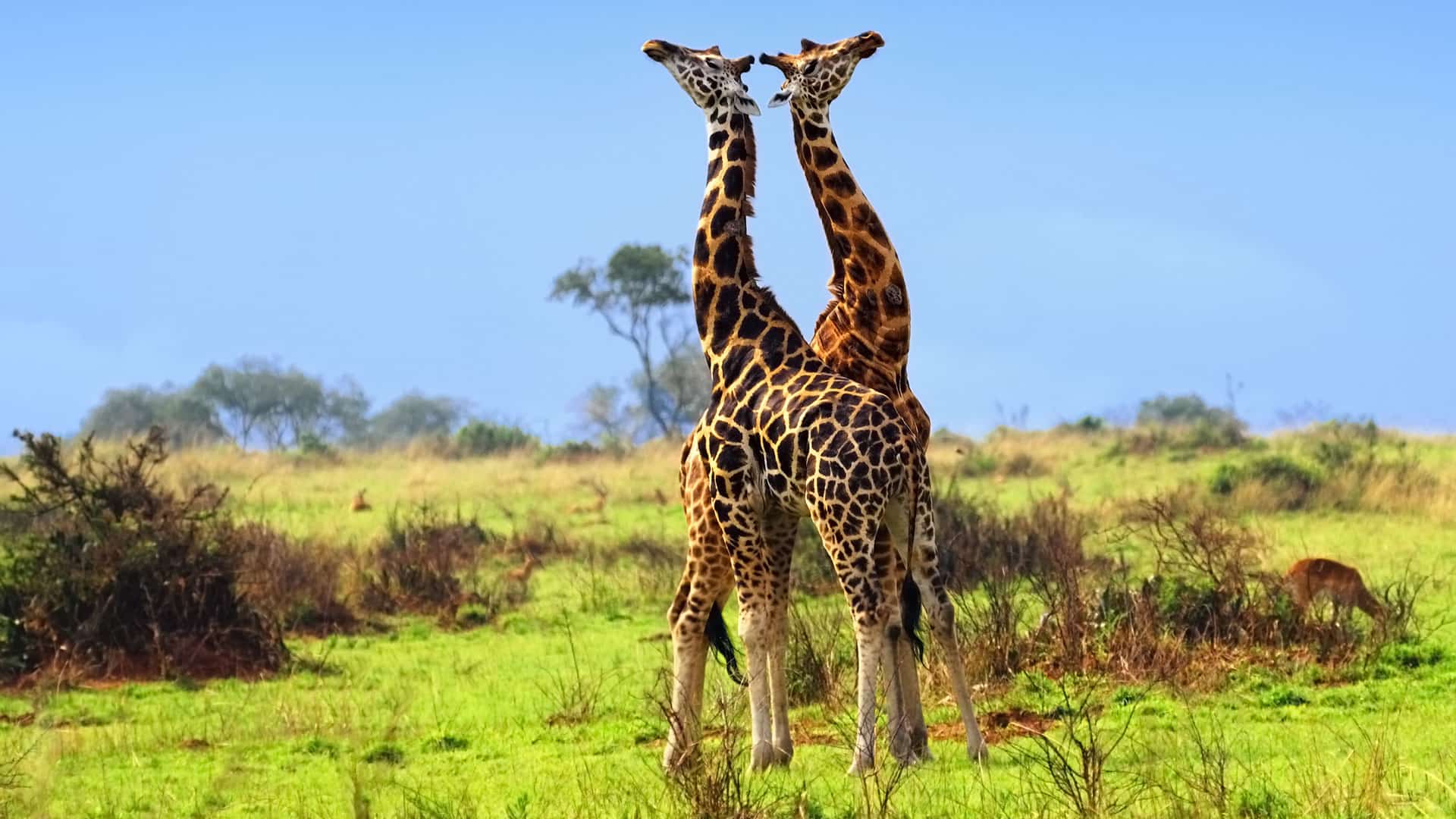
The Southern Tanzania Safari Circuit offers an exclusive, off-the-beaten-path adventure, showcasing Africa’s most pristine and remote wilderness areas. Far less crowded than the north, this region features enormous, untouched landscapes, including the sprawling Nyerere National Park (formerly Selous) and the rugged Ruaha National Park. The circuit is characterized by its wild, untamed nature, offering unique, intimate encounters with wildlife, including large populations of elephants, buffalo, and the rare African wild dog. Visitors can enjoy diverse activities beyond traditional game drives, such as boat safaris along the Rufiji River, walking safaris, and fly-camping under the stars. Primarily accessed via light aircraft, the southern circuit is ideal for seasoned safari-goers seeking a true bush experience, blending raw, dramatic, and varied landscapes with exceptional, high-end, and, intimate, eco-conscious, camps.
3-days-best-rauha-national-park-tanzania-safari-tour-package
2-days-best-mikumi-safari-itinerary-from-zanzibar-beach-holidays
2-days-tanzania-wildlife-safari-to-nyerere-national-park-from-dar-es-salaam-city
3-days-katavi-national-park-tanzania-safari-tour-package
3-days-best-mahale-mountains-national-park-tanzania-chimpanzee-tracking-tour-package
3-days-nyerere-np-game-drive-boat-at-river-rufiji-and-walking-safari-in-tanzania
4-days-perfect-mikumi-and-nyerere-national-park-tanzania-safari-vacation-holiday
4-days-perfect-mahale-mountain-chimpanzee-tracking-and-lake-tanganyika-beach-life
4-days-best-gombe-stream-national-park-and-chimpanzee-tracking
4-days-best-of-nyerere-national-park-southern-tanzania-safari-tour
5-days-southern-circuit-tanzania-safari-to-nyerere-and-mikumi-national-park
6-days-best-of-tanzania-safari-to-nyerere-mikumi-and-udzungwa-mountains
7-days-best-southern-tanzania-safari-parks-nyerere-mikumi-ruaha-and-udzungwa
10-days-southern-tanzania-safari-to-nyerere-mikumi-ruaha-and-udzungwa-mountains
What is the Southern Tanzania Safari Circuit?
The Southern Tanzania Safari Circuit is a collection of national parks renowned for their remoteness and rugged beauty. This circuit includes destinations like Nyerere National Park (formerly Selous), Ruaha National Park, Mikumi National Park, and the Udzungwa Mountains, along with lesser-visited places like Katavi and Mahale Mountains. Unlike the Northern Circuit, which is characterized by busy tourism hotspots and well-trodden paths, the Southern Circuit offers a more intimate experience, allowing visitors to immerse themselves in the pristine wilderness.
This circuit is often favored by those seeking solitude and an opportunity to disconnect from the crowds. Wildlife viewing here is exceptional, often completed with fewer vehicles in sight, providing a more authentic safari experience. The parks boast diverse ecosystems, including wetlands, savannahs, rivers, and mountains, which contribute to a rich variety of flora and fauna.
The Southern Circuit also allows for unique experiences—such as walking safaris and boat safaris—enabling a deeper exploration of the African landscape. Visitors will likely encounter fewer tourists, allowing for serene experiences while observing wildlife in their natural habitats. For those looking to witness the unspoiled beauty of Tanzania and engage in exclusive wildlife experiences, the Southern Tanzania Safari Circuit is an excellent choice.
Which Parks are Included in the Southern Tanzania Safari Circuit?
The Southern Tanzania Safari Circuit encompasses several national parks and reserves, each offering unique landscapes and wildlife interactions. The main destinations include:
- Nyerere National Park (formerly Selous): One of the largest protected areas in Africa, Nyerere is renowned for its riverine ecosystems and impressive biodiversity. It is home to a variety of wildlife, including elephants, lions, and hippos. The park's river-based safaris along the Rufiji River provide a unique vantage point for viewing animals.
- Ruaha National Park: Known as the largest park in Tanzania, Ruaha boasts spectacular landscapes and hosts one of the largest populations of elephants in the country. With its diverse habitats and large predator populations, including lions and leopards, it is a must-visit for wildlife enthusiasts.
- Mikumi National Park: Often regarded as the most accessible park in the Southern Circuit, Mikumi offers excellent game viewing opportunities close to Dar es Salaam. Its vast plains attract a variety of wildlife, including zebras, elephants, and wildebeests, making it an ideal spot for quick visits.
- Udzungwa Mountains National Park: This UNESCO World Heritage site features lush forests and is known for hiking and endemic species, including unique primates. The park provides a contrasting experience to the savannahs, emphasizing the region’s ecological diversity.
- Katavi and Mahale Mountains National Parks: These are more remote and require additional travel but offer unique experiences, such as the chance to see wild chimpanzees in Mahale and large herds of buffalo in Katavi.
Together, these parks create a captivating Southern Tanzania Safari Circuit that appeals to those looking for an adventurous and less commercialized safari experience.
When is the Best Time to Visit the Southern Tanzania Safari Circuit?
The best time to visit the Southern Tanzania Safari Circuit is during the dry season, which generally runs from June to October. This period is characterized by lower rainfall and more stable weather conditions, causing many animals to congregate around permanent water sources. As the landscape dries, the animals become easier to spot, making game-viewing significantly enhanced.
The dry season offers peak conditions for safaris, as both wildlife and viewers benefit from clear skies and better visibility. The habitat opens up, and the diminishing foliage allows visitors to see animals that might otherwise be obscured by dense vegetation. This time is particularly conducive for viewing large herds of elephants, giraffes, and predators hunting near water.
The months prior to this peak season, specifically April and May, form the wet season, which can bring lush landscapes but also challenges such as muddy roads and fewer accessible paths—making wildlife harder to spot. However, for those willing to brave the wet season, it has its own distinct charm, with vibrant landscapes and fewer tourists.
In summary, while visiting during the peak season yields the best wildlife visibility, each season has its own advantages, making Southern Tanzania a captivating destination for every kind of traveler.
Is the Southern Tanzania Safari Circuit Less Crowded Than the North?
Yes, one of the most appealing aspects of the Southern Tanzania Safari Circuit is its seclusion and exclusivity. Unlike the Northern Circuit, which often experiences heavy tourist traffic due to its popularity, the Southern parks offer a more tranquil and intimate experience. Visitors to the Southern Circuit frequently enjoy hours of game viewing without encountering other vehicles, creating a more immersive and personal connection with nature.
This lack of crowds enhances the overall experience, allowing for deeper appreciation of the sights and sounds of the African wilderness. Wildlife behaviors are often more pronounced in these less disturbed habitats, offering unique opportunities for photography and observation.
However, the Southern Circuit’s remoteness also means that it attracts a different type of traveler, often those seeking an authentic adventure or a more rugged and wild experience. Although infrastructure is being developed, it isn't as established as in the North, contributing to the circuit’s low visitor numbers.
For wildlife enthusiasts looking to escape commercial tourism and delve deeper into Africa’s enchanting landscape, the Southern Tanzania Safari Circuit is perfectly suited to provide an unparalleled experience woven into the fabric of authentic wilderness.
How Do I Get to the Southern Tanzania Safari Circuit?
Most safaris to the Southern Tanzania Safari Circuit start from Dar es Salaam, the country's major international gateway. From there, travelers have two primary options for accessing the parks: domestic flights or road travel.
Domestic flights are often the most efficient way to reach remote parks, particularly Nyerere National Park, Ruaha National Park, and Mikumi National Park. Several airlines operate flights to airstrips located close to or within the parks, drastically reducing travel time compared to road journeys. These flights provide a scenic view of Tanzania's landscapes and help avoid long, rugged drives.
For those seeking a budget-friendly option or wanting to experience the landscapes of Tanzania more intimately, road travel is another viable choice. Mikumi National Park is particularly accessible, requiring only a 4–5-hour drive from Dar es Salaam, making it an ideal option for quick getaways. Guided safari vehicles typically handle road transfers, providing commentary and insights about the region along the way.
Whichever method travelers choose, it’s important to plan ahead and consult with reputable safari operators who can facilitate arrangements, ensuring a seamless travel experience as you embark on your safari adventure in Southern Tanzania.
Can I See the "Big Five" on the Southern Tanzania Safari Circuit?
Yes, you can see most of the "Big Five"—lions, leopards, elephants, and buffaloes—on the Southern Tanzania Safari Circuit. However, rhinoceroses’ sightings are extremely rare in this region, primarily due to poaching and habitat loss. Thus, while four out of the five iconic species are commonly spotted, the absence of rhinos is a notable drawback.
Lions can be encountered in various parks, particularly in Ruaha National Park, where a significant population thrives due to the park's vast grasslands and diverse habitats. Leopards are also commonly seen, especially in the more wooded areas of Nyerere and Ruaha.
Elephants are abundant in both Nyerere and Ruaha, with herds frequently gathered around water sources, and the Southern Circuit is known for its impressive concentrations of these majestic animals. Buffaloes are often spotted in large herds grazing in open savannahs, especially in Mikumi National Park.
While the Big Five may not be as populous in the Southern Circuit due to the greater area and geography, the experience is enriched by the opportunity to see less common wildlife, including African wild dogs and diverse bird species, as well as unique activities such as walking and boat safaris. Overall, the Southern Tanzania Safari Circuit provides a robust wildlife experience with distinct opportunities for memorable sightings, even if all members of the Big Five aren’t always present.
What Unique Activities Can I Do in the Southern Tanzania Safari Circuit?
The Southern Tanzania Safari Circuit offers a range of unique activities that set it apart from the more traditional safari experiences found in the north. These activities cater to adventurers and wildlife enthusiasts looking to engage with nature in diverse ways.
- Boat Safaris in Nyerere National Park: One of the standout activities in Nyerere is the opportunity to embark on boat safaris along the Rufiji River. This experience allows visitors to observe wildlife from a unique perspective, providing a chance to see animals such as hippos, crocodiles, and elephants drinking at riverbanks.
- Walking Safaris: Many southern parks, particularly Ruaha and Nyerere, offer guided walking safaris, providing travelers with an intimate experience where they can learn about ecosystems, flora, and animal behavior up close. Walking safaris allow participants to appreciate the smaller details often missed during vehicle-based safaris.
- Chimpanzee Trekking in Mahale Mountains: Mahale is renowned for its specialized chimpanzee trekking tours, where visitors can hike into the mountains to observe these fascinating primates in their natural habitat. The experience is both rewarding and educational, highlighting conservation efforts.
- Night Game Drives: Some parks, such as Ruaha and Nyerere, permit night drives, allowing travelers to witness the nocturnal behaviors of wildlife. This unique experience unveils a different side of the African wilderness, as you may encounter creatures such as leopards, hyenas, and various nocturnal birds.
- Cultural Experiences: Engage with local communities, which are often available through lodge operators, to gain insight into the rich cultural heritage of Tanzania. This interaction provides a more holistic understanding of the region beyond wildlife viewing.
These diverse activities in the Southern Tanzania Safari Circuit allow visitors to experience the wilderness in multifaceted ways and create memories unique to this less trodden path of Tanzania's safari offerings.
Is Ruaha National Park Part of the Southern Tanzania Safari Circuit?
Yes, Ruaha National Park is a cornerstone of the Southern Tanzania Safari Circuit and is celebrated as Tanzania’s largest national park. Spanning over 20,000 square kilometers, Ruaha is known for its breathtaking landscapes, which feature a combination of savannah, hills, and riverine forests.
The park is particularly famous for its large populations of elephants and lions, making it a prime destination for wildlife enthusiasts. Visitors can witness large herds of elephants gathering around the Ruaha River, especially during the dry season when water sources are limited. Additionally, Ruaha’s diverse ecosystems support a variety of other wildlife, including leopards, giraffes, and over 500 bird species, contributing to an impressive biodiversity.
Ruaha offers unique experiences beyond traditional game drives as well. The park is known for its walking safaris, where trained guides lead small groups on foot, allowing participants to learn about the intricacies of the ecosystem up close. The combination of vast open spaces and varied terrain makes Ruaha an ideal location for observing wildlife behaviors and interactions in their natural habitats.
The park is more remote compared to the Northern Circuit, often providing a less crowded experience, allowing visitors to feel more connected to nature. For families and travelers seeking vibrant wildlife experiences amid stunning landscapes, Ruaha National Park remains an unmissable highlight of the Southern Tanzania Safari Circuit.
What Makes Nyerere National Park Special in the Southern Tanzania Safari Circuit?
Nyerere National Park, which was formerly known as Selous Game Reserve, is a remarkable destination within the Southern Tanzania Safari Circuit. It is distinguished by being one of the largest protected areas in the world, encompassing over 30,000 square kilometers of diverse ecosystems, including swamps, riverine forests, and savannahs.
What sets Nyerere apart is its unique focus on river-based safaris along the stunning Rufiji River. These boat safaris provide an exceptional opportunity to observe wildlife such as hippos, crocodiles, and elephants approaching the river to drink. The tranquil setting offers a different perspective of the African savannah, enhancing the overall safari experience.
Nyerere is home to one of the largest populations of elephants in Tanzania, and visitors have a high likelihood of spotting large herds grazing or bathing in the water. Additionally, the park is known for its diverse wildlife, including lions, wildebeests, and various bird species, making it a fantastic destination for wildlife photography.
The park's remoteness and lower visitor numbers contribute to its tranquility, allowing for an intimate experience with nature that many travelers seek. Unlike more commercialized parks in the north, Nyerere offers a chance to explore genuine wilderness without the distractions of too many tourists.
In summary, Nyerere National Park is special for its vast size, unique river-based safaris, biodiversity, and the feeling of seclusion it provides, making it an essential component of the Southern Tanzania Safari Circuit.
How Long Should I Spend on the Southern Tanzania Safari Circuit?
Spending 7 to 14 days on the Southern Tanzania Safari Circuit is typical, allowing you to fully immerse yourself in the unique wildlife and landscapes of the region. The length of your itinerary can vary based on the number of national parks you wish to visit and the type of experience you seek.
For a concise trip, spending about 7 days could allow exploration of two to three parks, such as Mikumi, Ruaha, and perhaps a day in Nyerere. This timeframe is perfect for travelers with limited time who want to see wildlife without feeling rushed.
A more leisurely itinerary of 10 to 14 days allows for a deeper dive into the Southern Circuit, giving you ample time to explore additional parks like Katavi or Mahale Mountains. Longer trips enable more flexible schedules, providing opportunities for walking safaris, boat rides, and cultural interactions, creating a well-rounded experience.
Considering travel time between parks is also essential. For example, while Mikumi is more easily accessible from Dar es Salaam, reaching Katavi and Mahale typically involves longer drives or domestic flights. Thus, planning adequately to account for travel times ensures a satisfying safari adventure.
Ultimately, the ideal duration will depend on your individual interests, travel style, and the specific parks you aim to explore, but a week to two weeks is generally reassured for an unforgettable experience in Southern Tanzania.
Is the Southern Tanzania Safari Circuit More Expensive?
The Southern Tanzania Safari Circuit can be more expensive compared to its northern counterpart, primarily due to the remoteness of the parks and the logistics involved in accessing them. Many of the southern parks, such as Ruaha and Nyerere, require internal flights to reach due to their distance from major cities and the rugged nature of the terrain, leading to higher travel costs.
Costs also depend on the level of accommodation and the style of safari experience desired. Luxury lodges and tented camps are available in remote areas, often leading to higher price points, as they offer exclusive services and immersive wildlife experiences. That said, budget and mid-range options are also available but may have limited facilities due to the location.
In addition, tailored itineraries that include unique activities such as walking safaris, boat safaris, and specialized treks—like those to see chimpanzees in Mahale—can also contribute to increased costs. While these experiences enhance the safari adventure, they come at a premium.
It’s also worth noting that while the upfront costs may be higher in the Southern Circuit, the seclusion and exclusivity offered can result in a more intimate and memorable experience, often making it worth the investment. Overall, travelers should carefully weigh their options based on their preferences and budget, considering the unique offerings of the Southern Tanzania Safari Circuit.
Can I See African Wild Dogs on the Southern Tanzania Safari Circuit?
Yes, the Southern Tanzania Safari Circuit is one of the best places in Africa to see African wild dogs in their natural habitat. These endangered predators can often be spotted in parks such as Nyerere and Ruaha, where they thrive because of the vast expanses and diverse ecosystems that offer adequate hunting grounds and denning areas.
African wild dogs, known for their distinctive coat patterns and social dynamics, are fascinating animals to observe. They live in packs and exhibit remarkable teamwork while hunting, making for exciting wildlife experiences. Their hunting behaviors often include long-distance pursuits and coordinated strategies that captivate safari-goers interested in predator-prey dynamics.
In Nyerere National Park, the relatively low density of tourists and more remote habitats contribute to better opportunities for sightings without the interference of other vehicles. Similarly, Ruaha, with its diverse landscapes, offers good prospects for spotting these elusive animals.
While encounters with African wild dogs are not guaranteed, their presence in the Southern Circuit sets it apart as a must-visit for wildlife enthusiasts wishing to observe one of Africa's most unique predators. For those looking to immerse themselves in incredible wildlife experiences, the Southern Tanzania Safari Circuit provides exceptional opportunities to witness the behaviors and social structures of African wild dogs amid the stunning landscapes of Tanzania.
Is Mikumi National Park the Easiest to Reach in the Southern Tanzania Safari Circuit?
Yes, Mikumi National Park is considered the easiest park to reach in the Southern Tanzania Safari Circuit. Located approximately 4–5 hours by road from Dar es Salaam, it serves as a convenient gateway for those wishing to explore the South. The park's accessibility makes it an ideal option for travelers with limited time who want to experience wildlife without undertaking lengthy travel.
The drive to Mikumi is predominantly along well-maintained roads, allowing for a comfortable journey. Many travelers begin their safaris in Dar es Salaam, where they can easily join guided tours or self-drive to Mikumi. Due to its proximity to the city, Mikumi is often included in short safari itineraries or weekend trips, making it popular among both locals and tourists.
Once in Mikumi, visitors can enjoy a range of wildlife viewing experiences, including large herds of elephants, zebras, buffaloes, and a variety of bird species. The park’s diverse habitats provide excellent opportunities for game drives through open plains and rolling hills.
Mikumi’s accessibility, coupled with its rich wildlife and stunning landscapes, make it an excellent starting point for families or travelers venturing into the Southern Tanzania Safari Circuit, allowing for immediate immersion into Tanzania's incredible wildlife scene.
What Should I Wear on the Southern Tanzania Safari Circuit?
When preparing for a safari in the Southern Tanzania Circuit, clothing choice plays a crucial role in ensuring comfort, safety, and effectiveness during your wildlife experience. Neutral-colored, breathable clothing is highly recommended; shades like khaki, olive, and beige help you blend into the natural environment while minimizing your visibility to wildlife. These colors also reflect heat better than darker ones, keeping you more comfortable in warm climates.
It's important to avoid wearing dark blue or black, as these colors attract tsetse flies, which are prevalent in various areas of southern Tanzania. These flies can be a nuisance and may pose health risks, so it's wise to dress accordingly.
In terms of layering, mornings and evenings can be quite chilly, particularly during the dry season, so including a light jacket or fleece is essential. Lightweight, long-sleeved shirts and long pants can also provide protection against sun exposure and insects.
Footwear should be sturdy and comfortable, ideally closed-toed shoes suitable for uneven terrain. Hiking boots are a great choice for walking safaris, while sandals can be suitable for downtime at your accommodation.
Additionally, packing a wide-brimmed hat and quality sunglasses will help protect you from the sun and keep you comfortable while on safari. Don’t forget to bring sunscreen and insect repellent, as well as a buff or scarf for protection from dust during drives. Taking these considerations into account will maximize your comfort and enjoyment during your Southern Tanzania safari adventure.
Are Walking Safaris Common in the Southern Tanzania Safari Circuit?
Yes, walking safaris are a signature experience in the Southern Tanzania Safari Circuit, particularly in Nyerere and Ruaha National Parks. This activity allows visitors to connect deeply with nature, offering a unique opportunity to observe wildlife and the environment up close.
Walking safaris are guided by trained professionals who use their expertise to ensure safety while providing informative insights about the ecosystem. These guides can point out tracks, animal signs, and flora that you might overlook during a traditional game drive. The slower pace allows for intimate wildlife encounters that add an enriching dimension to the safari experience.
In Nyerere National Park, the vastness of the landscapes enhances this experience, providing the chance to see wildlife from an entirely different perspective. Ruaha, with its mix of open plains and dense bush, offers diverse terrains to explore on foot, further adding to the excitement.
It's worth noting that participants should be physically able to undertake the walks, which may vary in length and difficulty. While the experiences may differ, the essence of walking safaris lies in the immersive nature of the surroundings and the shared knowledge of the guide.
Overall, walking safaris are a fantastic way to experience the wildlife and landscapes of Southern Tanzania in a profound and memorable manner, making it a popular choice for many adventurers.
Can I Combine the Southern Tanzania Safari Circuit with a Beach Holiday?
Absolutely! The Southern Tanzania Safari Circuit offers the perfect opportunity to combine thrilling wildlife experiences with a beach holiday in Zanzibar. The proximity to Dar es Salaam, Tanzania's main international gateway, enables easy access to the Southern Circuit and convenient connections to Zanzibar.
After immersing yourself in the diverse wildlife and stunning landscapes of the Southern parks, you can quickly transition to the serene beaches of Zanzibar. Daily domestic flights are available, taking approximately an hour to reach the tropical island paradise known for its stunning white-sand beaches and crystal-clear waters.
This combination of a “bush and beach” trip allows for a well-rounded vacation experience. In Zanzibar, travelers can indulge in various activities, including snorkeling, diving, and exploring the rich culture and history of Stone Town, a UNESCO World Heritage site.
Zanzibar's vibrant local cuisine adds another layer to the experience, allowing you to enjoy fresh seafood and flavorful spices after days of adventure in the wild. The island provides ample options for relaxation and cultural experiences, creating a compelling contrast to the exhilarating nature of safari life.
Ultimately, combining the Southern Tanzania Safari Circuit with a beach holiday is an excellent way to experience the best of Tanzania, making for an unforgettable and diverse travel experience.
What is the Landscape Like in the Southern Tanzania Safari Circuit?
The Southern Tanzania Safari Circuit features a rich tapestry of landscapes that vary considerably between parks, offering a diverse natural environment that adds to the adventure.
- Nyerere National Park: Known for its expansive wetlands and waterways, particularly along the Rufiji River, Nyerere is characterized by lush riverine forests and open savannahs. This diversity creates ideal habitats for a wide variety of wildlife, making it a prime destination for both boat and land-based safaris.
- Ruaha National Park: In contrast, Ruaha boasts dry, baobab-studded plains that provide a different safari atmosphere. The park features granite hills and a river that runs through it, creating picturesque landscapes. It is also home to one of the densest populations of elephants in Tanzania, adding to its uniqueness.
- Mikumi National Park: This park is defined by flat plains that allow for easy wildlife viewing. The landscapes here are often dotted with acacia trees and backed by panoramic views of the Udzungwa Mountains, creating a beautiful backdrop for game drives.
- Udzungwa Mountains: This area is notable for its dense rainforests and steep slopes. As part of the Eastern Arc Mountains, it features lush vegetation, unique endemic species, and hiking opportunities for those seeking adventure off the beaten path.
Each of these parks contributes to the stunning and varied landscapes of the Southern Tanzania Safari Circuit, providing visitors with multiple settings and experiences during their journey through this magnificent region of Africa.
Are Night Game Drives Allowed in the Southern Tanzania Safari Circuit?
Yes, night game drives are permitted in certain areas of the Southern Tanzania Safari Circuit, primarily in Mikumi and Ruaha National Parks. These night drives offer a unique safari experience, allowing visitors to witness nocturnal wildlife behaviors that often go unseen during daytime game drives.
During night drives, specialized guides use spotlights to help locate animals in the dark, revealing their active nighttime behaviors. This can lead to exciting encounters with species such as lions, leopards, hyenas, and various nocturnal creatures, providing a thrilling adventure for wildlife enthusiasts.
However, it's important to note that night game drives are generally not permitted within Nyerere National Park, where regulations favor daytime viewing to maintain the park's natural integrity and minimize disturbances to wildlife behavior.
Night drives provide a fascinating change of pace from the traditional safari experience, as they allow for a different perspective on the rich biodiversity of the Southern Circuit. They can be a spectacular addition to a safari itinerary, further enhancing the opportunities to observe Africa’s wildlife.
What Kind of Accommodation is Available in the Southern Tanzania Safari Circuit?
The Southern Tanzania Safari Circuit offers a wide range of accommodation options to suit different budgets and preferences, catering to both luxury seekers and budget travelers.
- Budget Campsites and Hostels: For those looking to experience the outdoors, budget campsites are available within or near the parks. These often provide basic facilities, communal bathrooms, and opportunities for campfire evenings under the stars, offering an immersive experience in nature.
- Mid-Range Lodges: Mid-range options typically feature comfortable lodges or tented camps with amenities such as private bathrooms, dining facilities, and guides who can provide insight into the surrounding wildlife. These lodges strike a balance between comfort and affordability, making them popular choices among families and groups.
- Luxury Tented Camps: For travelers seeking an upscale experience, luxury tented camps offer sophisticated accommodations with high-quality furnishings, gourmet dining, and personalized service. Many luxury camps are strategically located to provide exceptional wildlife viewing and a memorable safari experience.
- High-End Lodges: High-end lodges offer exceptional comfort and amenities, often featuring private suites with stunning views, pools, and spa services. These lodges focus on providing exclusive experiences, catering to guests' every need.
Overall, the Southern Tanzania Safari Circuit provides a variety of accommodation options to ensure that all visitors can enjoy their experience according to their preferences and budgets, whether they're seeking adventure or relaxation in the stunning landscapes of southern Tanzania.
Is the Southern Tanzania Safari Circuit Good for Birdwatching?
Yes, the Southern Tanzania Safari Circuit is exceptional for birdwatching, making it a paradise for avian enthusiasts. Parks such as Mikumi and Nyerere host over 400 bird species each, providing limitless opportunities for observation and photography.
Mikumi National Park, with its diverse ecosystems—ranging from savannahs to wetlands—serves as a haven for both resident and migratory birds. Species such as storks, vultures, and the vibrant lilac-breasted roller can be easily spotted here. The park's accessibility also makes it a popular choice for birdwatchers looking to enjoy an enriching experience close to Dar es Salaam.
Nyerere National Park, with its extensive river systems and floodplains, attracts countless water birds. Visitors can expect to see herons, kingfishers, and various migratory waders during certain seasons. The riverine habitat provides ideal nesting and feeding grounds for many species.
The rich biodiversity of the Southern Circuit enables birdwatchers to witness unique behaviors, feeding habits, and interactions, significantly enhancing the overall experience of the safari. Guided birdwatching tours often provide expert insights, helping enthusiasts identify numerous species and understand their ecological roles.
In summary, the Southern Tanzania Safari Circuit is an ideal destination for birdwatchers, providing a rich variety of species and habitats to explore, making it a compelling addition to any wildlife itinerary.
Can I See Chimpanzees in the Southern Tanzania Safari Circuit?
Yes, while chimpanzee sightings are primarily associated with Mahale Mountains National Park, often considered a part of the Southern Tanzania Safari Circuit, this location is renowned for world-class chimp trekking. Mahale, although located further west, is frequently grouped with the southern parks due to its focus on wildlife experiences and accessibility from Dar es Salaam.
In Mahale, visitors can embark on guided treks through beautiful forested landscapes to observe wild chimpanzee communities in their natural habitat. The trekking experience offers not only the thrill of seeing these highly intelligent primates but also opportunities to learn about their social structures and behaviors from experienced guides.
The hiking trails range from easy to challenging and enable trekkers to enjoy the stunning scenery of the park while searching for these remarkable animals. The best time for chimp trekking is during the dry season, from June to October, when chimps are often more active and easier to locate.
While you may not find chimpanzees readily in the other parks of the Southern Circuit, Mahale offers a unique add-on for travelers interested in primate watching, making it a fulfilling component of a broader Southern Tanzania safari experience.
What are the Road Conditions Like in the Southern Tanzania Safari Circuit?
The road conditions in the Southern Tanzania Safari Circuit vary significantly between main access routes and interior roads within the parks.
Main roads, particularly the route to Mikumi National Park, are generally paved and well-maintained, providing convenient access from Dar es Salaam. These roads are suitable for a range of vehicles and allow for smoother travel for those embarking on short trips to the park.
However, as you venture deeper into the Southern Circuit, especially to remote locations like Ruaha, you will encounter predominantly dirt roads. These interior roads can vary in condition and may become impassable during the long rains, which occur from March to May. During this period, heavy rainfall can lead to mudslides and flooding, affecting accessibility and travel times. For this reason, it's advisable to check current road conditions before planning your journey.
Travelers should also consider that some safari operators provide 4x4 vehicles specifically designed for off-road conditions, enhancing comfort and safety when navigating rugged terrains.
In summary, while access to major parks like Mikumi is relatively easy, the condition of roads within the Southern Tanzania Safari Circuit can present challenges during certain times of the year, particularly in the rainy season. It is essential to prepare accordingly and consult with safari operators to ensure a smooth travel experience.
Is the Southern Tanzania Safari Circuit Safe for Families?
Yes, the Southern Tanzania Safari Circuit is generally safe for families, but there are certain considerations to keep in mind. The region is known for its low visitor numbers and unspoiled wilderness, offering a unique opportunity for families to connect with nature.
However, many of the more remote camps and lodges in Southern Tanzania may impose age restrictions due to the wild and rugged nature of the parks. Families with young children should verify these restrictions in advance and choose accommodations that cater to their needs.
Most lodges and safari operators prioritize safety and provide trained guides to ensure family members are briefed on safety protocols, particularly during walks or game drives. Experienced guides are accustomed to handling families and can tailor activities to suit varying age groups, ensuring a fulfilling and safe experience for everyone.
It is also important for families to remain vigilant and follow safety guidelines provided by staff, especially when in areas where wildlife is active. Simple measures such as staying within designated areas and avoiding direct encounters with wild animals can enhance safety during your journey.
In summary, with proper planning and adherence to safety guidelines, the Southern Tanzania Safari Circuit can offer an enriching and safe experience for families looking to explore the beauty and diversity of this pristine region.
Do I Need a Guide for the Southern Tanzania Safari Circuit?
While self-driving is possible in some areas of the Southern Tanzania Safari Circuit, having a professional guide is highly recommended. The vast, remote terrain of these parks can be challenging to navigate, and local guides possess valuable knowledge about the landscapes, wildlife behaviors, and safety protocols.
Using a local guide can significantly enhance your safari experience. They can interpret animal tracks, identify birds, and share insight into the unique ecosystems while ensuring that safety is a top priority. Guides can also help you locate wildlife more easily and create unforgettable memories by leading you to the best viewing spots.
Additionally, many parks have specific regulations that might restrict self-driving options or require guided tours in certain areas, especially when it comes to walking safaris or night drives. Tour operators can offer packages that include transportation and knowledgeable drivers, making for a more seamless and enjoyable experience.
In summary, while some travelers may choose to self-drive in accessible parks like Mikumi, hiring a qualified guide is the most effective way to navigate the Southern Tanzania Safari Circuit. This practice not only enriches your understanding of the environment and its inhabitants but also ensures a safer and more rewarding safari adventure.
What is the "Garden of God" in the Southern Tanzania Safari Circuit?
The "Garden of God" refers to Kitulo National Park, a rare botanical reserve in the southern highlands of Tanzania. Located at high altitude, the park is renowned for its striking diversity of wildflowers, particularly during the rainy season when the landscape bursts into a vibrant tapestry of colors.
Kitulo is especially famous for its orchids, many of which are endemic to this region. The park hosts over 350 species of flowering plants, making it a remarkable destination for botanists and nature enthusiasts alike. Beyond the floral display, Kitulo is also home to various wildlife, including several species of antelope and birdlife, offering a multifaceted experience for visitors.
The park's designation as a national park in 2005 underscores its ecological significance and conservation efforts. Compared to other neighboring parks, Kitulo's grassland and montane ecosystems offer a different landscape to explore, adding depth to safari itineraries in the Southern Tanzania Circuit.
While Kitulo is less frequented than the more famous wildlife parks, its unique appeal as the "Garden of God" attracts those seeking an unconventional safari experience focused on flora, fauna, and breathtaking scenery. It’s an excellent addition for travelers looking to enrich their journey through Southern Tanzania beyond just wildlife viewing.
Booking Southern Tanzania safari with us Roads of Adventure safaris
Book your unforgettable Southern Tanzania safari with Roads of Adventure Safaris for an authentic, off-the-beaten-path experience. Specializing in tailored itineraries, we explore Nyerere National Park (Selous) and Mikumi, focusing on wild dog sightings and vast landscapes. Our expert guides ensure safe, private 4x4, and, in some cases, walking safaris. Contact us to craft your personalized 5-day or 6-day southern circuit adventure, featuring premium, remote lodges for a truly intimate bush experience. Enjoy competitive, expert-managed tours focusing on conservation.
