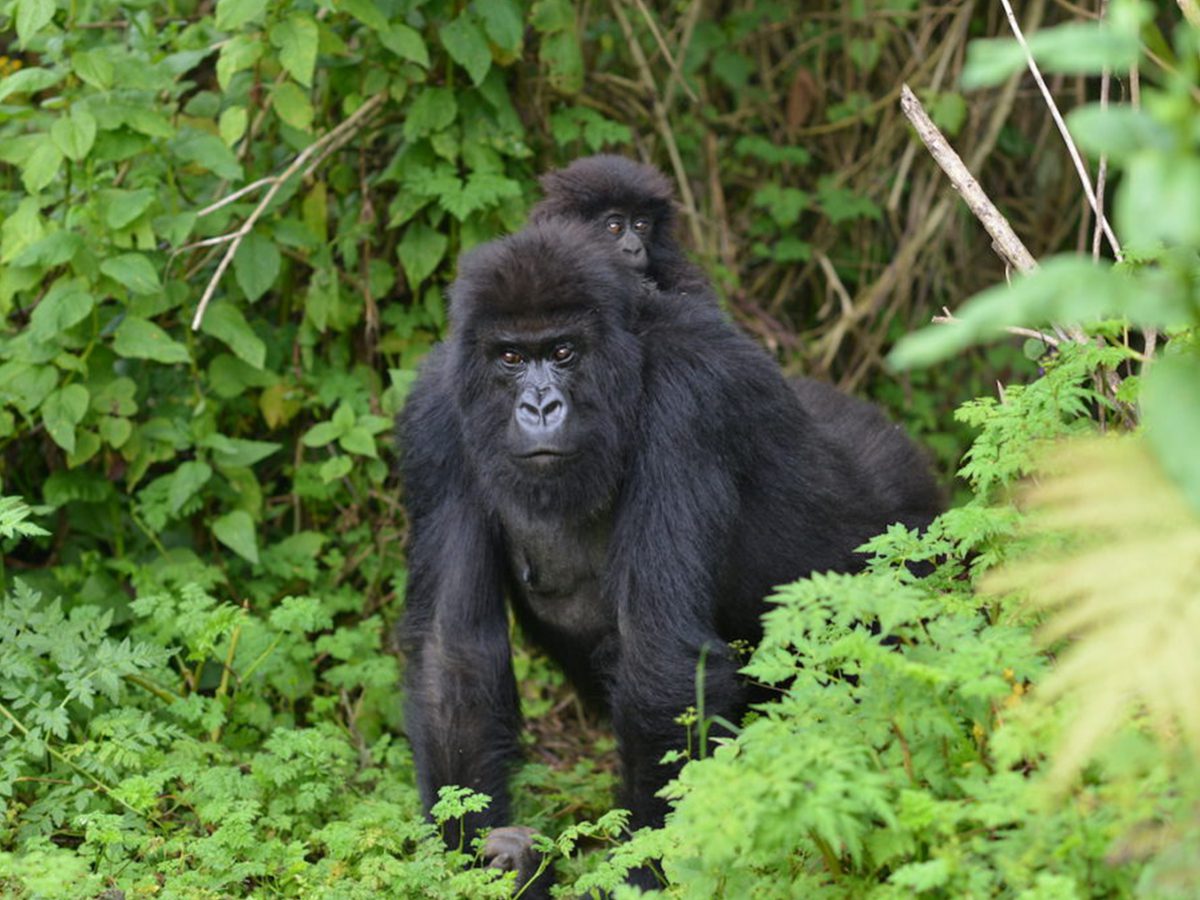
A Safari in Uganda offers an unparalleled adventure into the "Pearl of Africa," boasting rich biodiversity, thrilling primate trekking, and stunning, varied landscapes. From the mist-shrouded volcanic mountains in the southwest to the hot, hazy savannahs of the north, a Safari in Uganda provides a unique combination of forest and savanna experiences. As a premier, year-round destination, visitors can track endangered mountain gorillas in Bwindi Impenetrable National Park, observe tree-climbing lions in Queen Elizabeth National Park, and boat to the base of the powerful Murchison Falls.
1-day-kampala-city-tour-excursion-full-day-tour
4-days-best-uganda-cultural-safari-deep-in-cultural-history
7-days-best-uganda-wildlife-safari-and-culture
8-days-uganda-and-rwanda-cultural-and-city-life-experience
3-days-mgahinga-gorilla-park-batwa-and-lake-bunyonyi
3-days-fly-in-uganda-gorilla-habituation-africa-safari-tour-package
2-days-best-gorilla-trekking-safari-tour-via-kigali-to-bwindi-impenetrable-forest-park
3-days-gorilla-trekking-safari-and-lake-bunyonyi-relaxation-itinerary
3-days-affordable-uganda-budget-gorilla-trekking-via-kigali
4-days-ultimate-gorilla-and-uganda-safari-and-chimpanzee-tracking
4-days-ultimate-gorilla-and-uganda-safari-and-chimpanzee-tracking
4-days-uganda-gorilla-safari-with-golden-monkey-tracking-from-rwanda
4-days-luxury-gorilla-trekking-safari-in-bwindi-fly-in-all-inclusive-tour
5-days-gorilla-and-uganda-safari-and-golden-monkey-trekking-tour-from-kigali
5-days-un-matched-uganda-gorilla-safari-and-chimpanzee-tour-itinerary
6-days-gorilla-and-uganda-safari-to-see-big-five
7-day-ultimate-uganda-primate-safari-chimpanzees-and-game-drives
19-days-incredible-uganda-safari-tour-big-five-chimpanzees-and-mountain-gorillas
14-days-uganda-and-rwanda-safari-tour-itinerary
12-days-perfect-rwanda-uganda-gorilla-trekking-safari-holiday-vacation
Top Safari in Uganda Experiences
1. Gorilla Trekking (Bwindi & Mgahinga)
Gorilla trekking is the pinnacle of any safari experience in Uganda, drawing adventure enthusiasts from around the globe. Bwindi Impenetrable National Park and Mgahinga Gorilla National Park are two prime locations for this extraordinary experience, both rich in biodiversity and home to significant populations of mountain gorillas.
The trek begins early in the day, with participants gathering for a briefing about safety protocols and gorilla behavior. Afterward, small groups set off into the dense, hilly terrain, guided by experienced park rangers. Trekking can be physically demanding, often taking anywhere from a couple of hours to a full day, depending on the location of the gorilla families.
Once the gorillas are found, visitors have one hour to observe these magnificent creatures in their natural habitat. Witnessing the social interactions between gorilla families, watching them forage, and seeing playful young ones can be life-changing. This moment creates an indescribable connection between humans and these gentle giants, which are critically endangered.
Having gorilla tracking permits is essential, as only a limited number are available each day, ensuring the species' conservation. The cost reflects the value of sustainable tourism in preserving these incredible animals and their habitats. Overall, gorilla trekking in Uganda promises a unique blend of adventure, education, and profound personal connection with one of the most extraordinary species on the planet.
2. Chimpanzee Tracking (Kibale Forest)
Kibale Forest is often regarded as Africa's premier destination for chimpanzee tracking, making it a must-visit for wildlife enthusiasts. Home to approximately 1,500 chimpanzees, Kibale is a pristine tropical rainforest that offers an ideal habitat for these lively primates.
The thrilling experience begins with early morning treks, where trained guides lead groups into the heart of the forest. The dense vegetation and rich biodiversity create a unique atmosphere, filled with the sounds of nature. Kibale is not only about chimpanzees; visitors can also encounter dozens of other primate species, including red-tailed monkeys, black-and-white colobus, and bush babies.
Chimpanzee tracking is characterized by a high success rate for sightings, with groups often witnessing the fascinating social behaviors of these intelligent beings. Once located, trekkers are allowed to spend an hour observing the chimpanzees as they groom, interact, and occasionally swing through the trees. This intimate encounter offers meaningful insight into their lives, emphasizing the importance of primate conservation.
The park is also home to a diverse array of bird species, making it a favorite spot for birdwatchers. Kibale's enchanting atmosphere and abundant wildlife make chimpanzee tracking an enriching addition to any Uganda safari itinerary, providing unforgettable memories and highlighting the importance of these primates in our ecosystems.
3. Wildlife Game Drives & Boat Safaris
Uganda’s wildlife game drives and boat safaris offer a diverse array of opportunities for experiencing its breathtaking landscapes and rich animal populations. Queen Elizabeth National Park and Murchison Falls National Park stand out as prime locations for observing large herds of magnificent wildlife, including elephants, buffalos, and giraffes.
Game drives are typically conducted during the early morning or late afternoon to maximize animal sightings. In Queen Elizabeth Nation Park, the Ishasha sector is famous for tree-climbing lions, which can often be seen lounging on branches. Observing these lions in their unique behavior adds an exhilarating element to the safari experience.
Murchison Falls National Park is another highlight, where vast savannahs and lush wetlands teem with wildlife. The park is renowned for its large herds of elephants and hippos, especially along the Nile River. The scenery here is dramatic, with the Nile cascading through the Murchison Falls, creating a stunning backdrop for your safari.
Additionally, boat safaris on the Nile and along the Kazinga Channel provide a unique perspective, allowing close-up views of hippos, crocodiles, and a myriad of bird species. Watching elephants and buffaloes cooling off in the water is a sight to behold. These combined experiences offer a comprehensive safari adventure, highlighting Uganda’s incredible biodiversity and landscapes.
4. Birding
Uganda is a sanctuary for birdwatchers, offering over 1,000 distinct bird species that make it a prime destination for birding enthusiasts. Its varied habitats, from wetlands to forests, attract a rich assortment of avifauna, including some of Africa's rarest and most sought-after species.
Among the notable birds is the elusive Shoebill Stork, a prehistoric-looking bird that inhabits the swamps of Murchison Falls and other wetlands. Spotting this remarkable bird is often a highlight for many birders, as its unique appearance adds excitement to any birding expedition. Additionally, the bustling forests of Bwindi and Kibale are home to numerous endemic species and vibrant forest birds, such as the African Grey Parrot and the Great Blue Turaco.
Birding expeditions often include guided walks through national parks and reserves, where knowledgeable guides point out colorful species while providing insights into their behaviors and habitats. The tranquility of these environments allows for a deeper appreciation of nature, enhancing the enjoyment of every sighting.
Whether you’re an avid birdwatcher or someone simply looking to expand your wildlife experience in Uganda, the country's rich avian diversity provides an unforgettable adventure. The combination of magnificent views and the thrill of spotting unique bird species underlines why Uganda is regarded as a birdwatching paradise.
1. What is the Best Time for a Safari in Uganda?
The optimal time for a safari in Uganda is during the dry seasons, which run from June to October and again from December to February. These months are characterized by reduced rainfall, making wildlife spotting significantly easier as animals congregate around water sources. The clear skies and drier conditions allow for comfortable trekking and game drives, providing an excellent opportunity to witness the country's diverse fauna.
During the dry seasons, many of Uganda's national parks become more accessible, with fewer muddy trails hindering travel. This is especially important for trekking activities, such as gorilla and chimpanzee tracking, where trekking paths can be challenging during the wet season. Additionally, wildlife behavior tends to be more predictable, increasing your chances of spotting iconic species like the mountain gorillas in Bwindi Impenetrable National Park or the tree-climbing lions in Queen Elizabeth National Park.
Planning your safari during these months also coincides with the peak tourist season. However, it’s advisable to book accommodations and permits well in advance, as they can fill up quickly. By choosing to visit during these prime months, you can maximize your chances for rewarding wildlife encounters and create lasting memories amidst Uganda's stunning natural beauty.
2. Is it Safe to Go on a Safari in Uganda in 2026?
Yes, undertaking a safari in Uganda in 2026 is considered safe, thanks to high-security measures implemented by the Uganda Wildlife Authority (UWA) and local law enforcement. The UWA manages all national parks and wildlife reserves, ensuring that strict guidelines are followed to protect both visitors and the wildlife. Rangers and guides are carefully trained to offer a secure and enriching safari experience.
In addition to the measures taken within national parks, many safari operators prioritize safety by providing well-maintained vehicles and employing experienced guides who are knowledgeable about the local environment and wildlife. They also risk-assess the routes, taking care to adhere to safety protocols.
Travelers are encouraged to stay updated on travel advisories and follow standard safety precautions, including securing travel insurance that covers medical emergencies. By taking these steps, visitors can enjoy the incredible wildlife and stunning landscapes Uganda has to offer without significant concerns for personal safety. Overall, the combination of effective regulations and a strong focus on conservation create an environment conducive to both adventure and security.
3. What is the Cost of a Gorilla Trekking Safari in Uganda for 2026?
As of 2026, a standard gorilla trekking permit in Uganda is priced at $800 for foreign non-residents. This cost is an essential aspect of planning a gorilla safari and is a vital contribution to conservation efforts aimed at protecting these endangered species. The permit allows trekkers to spend one hour observing these incredible animals in their natural habitat.
While the $800 fee covers only the gorilla trekking aspect, additional costs may include accommodation, transportation, meals, and other activities, making it wise to budget accordingly for a comprehensive wildlife experience. Depending on personal preferences, safari packages can range widely in price based on the level of comfort and services provided. Various options are available, from more budget-friendly arrangements to luxury safaris that can significantly increase overall costs.
In summary, a gorilla trekking safari in Uganda is an investment in both adventure and conservation. The permit fees directly support ongoing wildlife protection efforts and contribute to the local economy, making it an essential part of responsible tourism in the region.
4. Do I Need a Visa for a Safari in Uganda?
Yes, travelers require a tourist visa for entry into Uganda, which can be conveniently obtained through the online E-Visa system. This system allows applicants to easily apply for and secure their visa before traveling, ensuring a smooth entry process upon arrival. The visa is typically valid for multiple entries and allows for stays of up to 90 days, which suits most safari itineraries.
It is important to have all necessary documentation ready when applying, including a passport valid for six months beyond your intended date of departure, a passport-sized photo, and confirmations of accommodation and travel plans. For those planning to visit neighboring countries, the East African Tourist Visa is an excellent option, covering Uganda, Kenya, and Rwanda, simplifying border crossings during your safari.
Embarking on a safari without the required visa can result in delays or denial of entry, so adequate planning is vital. Completing your E-Visa application well in advance will not only save time but also allow for adjustments if any issues arise. By ensuring you have the proper visa in place, you can focus on enjoying the exceptional wildlife and natural beauty Uganda has to offer.
5. Which National Parks Are Best to Visit on a Safari in Uganda?
Uganda is home to several national parks, each offering unique wildlife experiences and stunning landscapes. Key parks to include on your safari itinerary are:
- Bwindi Impenetrable National Park: Renowned for its mountain gorilla population, Bwindi is a UNESCO World Heritage site that provides visitors with memorable trekking experiences in dense rainforest. The thrill of seeing gorillas in their natural habitat makes this park a highlight for many.
- Kibale National Park: Often considered the best location in Africa for chimpanzee tracking, Kibale is rich in biodiversity, featuring a variety of primate species, such as red-tailed monkeys and colobus monkeys.
- Murchison Falls National Park: As Uganda's largest national park, Murchison Falls offers breathtaking landscapes, impressive wildlife populations, and the spectacular Murchison Falls itself. Here, visitors can enjoy game drives as well as boat safaris on the Nile River.
- Queen Elizabeth National Park: Famous for its diverse ecosystems and tree-climbing lions, Queen Elizabeth is another must-visit park, where visitors can also encounter elephants, hippos, and a variety of bird species.
- Kidepo Valley National Park: Situated in the northeastern corner of Uganda, Kidepo boasts a remote wilderness experience with vast savannahs, stunning landscapes, and remarkable wildlife including cheetahs and various antelope species.
These parks not only showcase Uganda's rich wildlife but also offer various activities that cater to differing interests, ensuring an unforgettable safari experience.
6. How Many Days is a Typical Safari in Uganda?
A typical safari in Uganda focusing on both gorillas and savannah wildlife generally lasts between 7 to 10 days. This duration allows travelers to explore a variety of national parks and engage in multiple activities, maximizing the adventure and wildlife experiences available.
A 7-day itinerary often includes gorilla trekking in Bwindi Impenetrable National Park, followed by a visit to Queen Elizabeth National Park for game drives and boat safaris. This timeframe provides adequate opportunity to spot iconic wildlife while ensuring a comfortable pace without feeling rushed.
For those wishing to extend their adventure, a 10-day safari is ideal, allowing additional experiences such as chimpanzee tracking in Kibale National Park and a visit to Murchison Falls National Park to see the impressive waterfall and diverse wildlife.
By properly planning an itinerary that balances exploration with sufficient resting periods, visitors can fully appreciate Uganda’s incredible natural offerings. Choosing the right duration ensures a more enriching experience, providing ample time to savor unforgettable wildlife encounters and the beauty of Uganda’s landscapes.
7. What Is Included in a Typical Safari in Uganda Package?
A typical all-inclusive safari package in Uganda aims to provide a well-rounded experience to ensure that all essential elements for a memorable trip are covered. Generally included in these packages are key components like park entry fees, which allow access to various national parks and reserves.
Transportation is usually provided in a well-maintained 4x4 vehicle suitable for safari driving, ensuring comfort and safety while navigating rugged terrains. Accommodations can range from budget-friendly lodges to luxury resorts, catering to various traveler preferences and budgets.
Meals are typically included in safari packages, offering visitors the chance to taste local cuisine as part of their adventure. Additionally, professional guides are essential components, as they bring local knowledge and expertise, enhancing wildlife viewing experiences while ensuring safety.
Some packages may also include extra activities such as cultural visits, boat safaris, or nature walks. By covering these aspects, a typical Uganda safari package allows visitors to focus on enjoying their safari experiences without needing to manage many individual arrangements, thus ensuring a smooth and enjoyable journey.
8. Can I Do a Luxury Safari in Uganda?
Yes, luxury safaris in Uganda are available, providing high-end experiences tailored to travelers seeking comfort and exclusivity during their wildlife adventures. Luxury safari options can range from lavish lodges situated within national parks to boutique hotels that offer stunning views and exceptional service.
Many luxury packages include fly-in options, allowing swift access to remote parks, which can save time and add convenience to the itinerary. Private guided tours are also often part of luxury experiences, offering personalized attention and tailored activities based on individual interests and preferences.
The cost of luxury safaris typically ranges from $600 to $1,500+ per day, depending on accommodations, services, and included activities. This investment often encompasses comprehensive packages that maintain high standards for guest comfort and unique experiences, such as private game drives or gourmet meals prepared by renowned chefs.
Overall, luxury safaris in Uganda combine the thrill of wildlife encounters with opulence and comfort, ensuring that travelers enjoy the best of both worlds while exploring the stunning landscapes and diverse wildlife that the country has to offer.
9. Is a Budget Safari in Uganda Possible?
Yes, budget-friendly safari options are widely available in Uganda, catering to travelers looking to explore the country’s natural beauty without breaking the bank. Budget safaris typically range from $250 to $300 per day, often utilizing safari vans and simpler lodges or camps for accommodations.
Traveling on a budget does not mean sacrificing experience or access to key attractions. Budget safari packages usually include essential components, such as park entry fees, transport in comfortable vehicles, and basic accommodations, allowing visitors to engage in major activities like gorilla trekking, game drives, and chimpanzee tracking.
Many budget tours also strive to provide value-added experiences, such as local cultural visits or guided nature walks. Group tours can be a cost-effective way to explore the parks, as they often share transport and accommodation costs among participants.
By planning strategically and researching various tour operators, budget travelers can discover affordable ways to enjoy Uganda’s incredible wildlife offerings. This ensures that even those with limited budgets can experience the rich biodiversity and stunning landscapes that make Uganda such a captivating safari destination.
10. What is the Minimum Age for a Gorilla Tracking Safari in Uganda?
The minimum age requirement for participating in gorilla tracking safaris in Uganda is set at 15 years. This age limit is enforced to ensure the safety and well-being of both the guests and the mountain gorillas. Trekking to observe gorillas can be physically demanding, often involving long hikes through challenging terrain that may not be suitable for younger children.
The age requirement also serves to foster a level of maturity in trekkers, allowing them to understand and appreciate the significance of observing these critically endangered animals in their natural habitat. Guides emphasize the importance of maintaining a respectful distance and following safety protocols, which are easier for older participants to comprehend.
Families looking to include younger children in their travel plans can seek alternative activities, such as cultural interactions or nature walks, that may be more age-appropriate. By adhering to the minimum age restriction, the experience ensures both enjoyment and conservation of Uganda’s precious wildlife, especially the majestic mountain gorillas.
11. Do I Need a Yellow Fever Vaccination for a Safari in Uganda?
Yes, a valid yellow fever vaccination certificate is mandatory for entry into Uganda. This requirement is crucial for travelers to prevent the spread of the yellow fever virus, which can be transmitted through mosquito bites. The vaccine is effective and typically provides lifelong immunity, making it a standard precaution for individuals traveling to African countries where yellow fever is endemic.
Visitors are usually required to present their vaccination certificates upon arrival at Ugandan border control. Failure to provide proof of vaccination may result in being denied entry or facing quarantine until proof is provided.
It's advisable for travelers to consult with a healthcare provider well in advance of their trip to ensure they receive the vaccination, as some vaccines may require time to take effect. Being proactive about health precautions not only ensures compliance with travel regulations but also enhances overall safety during the safari experience. By obtaining the yellow fever vaccine and carrying the necessary documentation, travelers can embark on their Ugandan adventure with greater peace of mind.
12. How Do I Book a Gorilla Permit for a Safari in Uganda?
Booking a gorilla permit for a safari in Uganda is best done 6 to 10 months in advance, particularly if you plan to visit during the peak season, which runs from June to October and December to February. The permits are handled by the Uganda Wildlife Authority (UWA), but you can also book through a licensed tour operator.
To secure a permit through the UWA, you can visit their official website, where you will find the necessary application forms and details about availability. Always verify that you are using the official UWA site to avoid scams. Once you find your desired dates, completing the booking requires providing personal details such as your passport information. A deposit or full payment may be necessary to finalize the permit.
If you choose to book through a tour operator, they typically manage the permit acquisition as part of the overall safari package. This option can be especially convenient, as many operators offer comprehensive itineraries that include accommodation, transport, and guided trekking experiences.
Expect to pay around $800 for a standard permit, which allows you to spend one hour with a gorilla family. The demand for these permits is high, so early booking is critical to ensure your spot in this unforgettable wildlife encounter. Whether you choose to navigate the booking process independently or with the help of a travel expert, securing your permit well in advance ensures your gorilla trekking experience is a highlight of your Ugandan safari.
13. Is Malaria Common on a Safari in Uganda?
Yes, malaria is present in Uganda, particularly in rural areas and national parks where much of the safari experience occurs. Thus, it is essential for travelers to take preventive measures to mitigate the risk of contracting this mosquito-borne illness.
Health authorities generally recommend that visitors consult their healthcare provider to discuss anti-malarial medications. These medications are most effective when started before entering malarial zones and continued for a specified period afterward. Common options include Atovaquone-proguanil (Malarone) and Doxycycline, but your doctor can provide personalized recommendations based on your health history and travel plans.
Additionally, it’s vital to adopt protective behaviors while on safari. This includes wearing long-sleeved shirts and long trousers, especially during evening and nighttime activities when mosquitoes are most active. Using mosquito repellent containing DEET or picaridin on exposed skin helps further safeguard against bites.
Staying in accommodations equipped with mosquito nets and screens can also help reduce exposure. Finally, scheduling activities during daylight hours when mosquito activity is lower can further diminish risks. By taking these precautions, travelers can focus on enjoying their safari experiences while minimizing health concerns related to malaria and ensuring a safe adventure in Uganda's stunning natural landscapes.
14. What Should I Pack for a Safari in Uganda?
When preparing for a safari in Uganda, packing the right gear is essential to ensure comfort and preparedness for various activities. Start with neutral-colored clothing such as khaki and beige; these tones blend well with the natural environment and are less likely to attract insects or disturb wildlife. Long-sleeved shirts and trousers are recommended to protect against sun exposure and insect bites.
Sturdy hiking boots are crucial, as the terrain can be rocky and uneven during gorilla trekking or game drives. Additionally, a waterproof jacket is advisable since weather conditions can be unpredictable, and rain showers are common.
Consider packing items like binoculars for wildlife watching and a quality camera with extra batteries and memory cards to capture memorable moments. Sun protection, such as sunglasses, sunscreen, and wide-brimmed hats, is also essential, particularly during outdoor activities.
Don’t forget to bring essential personal items, including a first-aid kit, insect repellent, and any necessary medications. A refillable water bottle is important for staying hydrated throughout the day. Given the varying conditions, packing layers could be beneficial, allowing for adjustments based on temperature changes. A well-prepared packing list not only enhances comfort during your safari but also ensures you are fully equipped for all the adventures that await you in Uganda.
15. Can I Use My Credit Card on a Safari in Uganda?
Using credit cards during a safari in Uganda can vary depending on your location. While larger hotels, upscale lodges, and some restaurants in cities like Kampala accept major credit cards (such as Visa and MasterCard), many remote lodges and smaller facilities in rural areas prefer cash payments. It’s advisable to always carry sufficient cash, primarily in US dollars, for smaller purchases, park entry fees, and local markets.
When using cash, ensure that the notes are printed after 2013, as older bills may not be accepted. ATMs are available in urban areas, but there may be withdrawal limits and service fees associated with international transactions. Hence, it's wise to withdraw cash in bulk while in the city before heading to more remote safari areas.
Credit card transactions may incur additional fees, so confirm with your bank beforehand to understand the applicable charges. Having a mix of payment options allows for flexibility during your safari, helping you to manage expenses effectively. By preparing in advance and understanding the currency landscape, you can enjoy a smoother and more enjoyable safari experience in Uganda.
16. What is the Difference Between a Gorilla Trek and a Habituation Experience on a Safari in Uganda?
The main difference between a standard gorilla trek and a habituation experience in Uganda lies in the duration of interaction and the level of contact with the gorillas. A standard gorilla trek allows visitors to spend one hour with a gorilla family after locating them in the wild. This brief period is an opportunity to observe gorilla behavior, take photographs, and create lasting memories.
On the other hand, the gorilla habituation experience allows participants to spend up to four hours with a group of semi-habituated gorillas. This extended time provides a deeper understanding of their social structures and daily activities, as the gorillas acclimate to human presence. The habituation experience is designed for those seeking a more comprehensive encounter, often resulting in unique wildlife photography opportunities and richer insights into gorilla behavior.
Participating in the habituation experience typically involves a bit more hiking compared to a standard trek, as groups may need to locate the semi-habituated gorillas, who may not be as accustomed to human presence as fully habituated families. Given the richer interaction, the habituation experience can be a worthwhile investment for dedicated wildlife enthusiasts.
Both options offer incredible chances to connect with these magnificent creatures, but depending on your time and interest, you can choose the experience that best fits your safari itinerary and wildlife aspirations.
17. Is a Safari in Uganda Suitable for Children?
Yes, a safari in Uganda can be quite suitable for children, offering various family-friendly options that cater to all ages. However, it is essential to be aware that gorilla tracking has a minimum age requirement of 15 years. This stipulation is in place to ensure the safety of both young trekkers and the gorillas, who can be sensitive to loud noises and sudden movements.
While the gorilla trek itself might not be an option for younger children, there are numerous other activities that families can enjoy together. Game drives in national parks, such as Queen Elizabeth or Murchison Falls, provide excellent viewing opportunities of diverse wildlife while allowing children to participate in the safari experience. Many lodges offer family-oriented packages and activities, ensuring that younger travelers remain engaged and entertained throughout the trip.
Additionally, cultural interactions, nature walks, and birdwatching opportunities offer varying experiences that can captivate children's interests. By planning ahead and choosing accommodations and activities mindful of family needs, parents can create a memorable safari experience that enriches children's understanding of wildlife and nature.
Ultimately, Uganda's rich biodiversity and welcoming hospitality make it an appealing destination for family safaris, maximizing potential adventures both for parents and children.
18. Can I Combine a Safari in Uganda with Rwanda or Kenya?
Absolutely! Combining a safari in Uganda with neighboring countries like Rwanda or Kenya is quite feasible and is complemented by the East African Tourist Visa. This visa allows travelers to move freely between Uganda, Kenya, and Rwanda for a multiple-entry experience at a cost of $100.
Such combinations offer a unique chance to explore the diverse landscapes and wildlife in each country. For instance, after completing gorilla trekking in Uganda’s Bwindi Impenetrable National Park, travelers can easily extend their adventure by crossing into Rwanda for additional trekking experiences or cultural exploration in Kigali. Alternatively, one can fly or drive into Kenya for a more expansive safari experience in the Maasai Mara or Amboseli National Park.
This inter-country travel is generally well facilitated, making it straightforward to plan an itinerary that encompasses various attractions. When booking through a reputable tour operator, they can assist with logistics, including transportation and accommodation options. By incorporating multiple countries into your itinerary, travelers can enrich their experiences and take full advantage of East Africa’s incredible wildlife and cultural offerings.
19. What Are the Roads Like on a Safari in Uganda?
The road conditions in Uganda can vary significantly, and travelers should be prepared for some bumpy and unpaved stretches, particularly when visiting national parks. Many of the main highways are asphalted and suitable for standard vehicles, but once you veer into rural areas or head towards park entrances, gravel and dirt roads become more common.
For this reason, 4x4 vehicles are strongly recommended for safaris, as they provide better traction and stability on rough terrain. These vehicles are equipped to handle the varied conditions one may encounter, including potholes and muddy patches, ensuring both safety and comfort during travel.
Alternatively, some travelers opt for fly-in safari options, which can save time and mitigate the challenges of navigating poor road conditions. This approach allows access to remote parks while offering spectacular aerial views of Uganda's landscapes.
Overall, while some roadways may be challenging, this aspect of travel adds to the adventure. A proper vehicle equipped for off-road travel ensures that visitors can safely and comfortably reach Uganda's stunning wildlife destinations.
20. Is There Internet Access During a Safari in Uganda?
Internet access during a safari in Uganda can be mixed, depending on where you are. Most lodges and hotels, particularly in urban areas and popular tourist destinations, offer Wi-Fi in common areas. However, the quality and speed of the connection can vary widely, with connectivity being less reliable in remote locations within national parks.
While some lodges have Wi-Fi facilities, do not expect constant access, especially in more secluded areas. In these case, the connection may be limited or available only in specific areas of the lodging. For those needing to stay connected for work or personal reasons, it is advisable to carry a local SIM card that provides mobile data, which can often offer better connectivity while on the go.
Moreover, keeping in mind that part of the safari experience is to disconnect and immerse oneself in nature, travelers are encouraged to embrace this aspect and limit their online presence. However, for practical communication needs, planning ahead with mobile data or checking Wi-Fi availability at accommodation can help balance connectivity with the immersive safari experience.
21. Are the Tree-Climbing Lions Easy to See on a Safari in Uganda?
Tree-climbing lions are a major highlight of a safari in Uganda, particularly in the Ishasha sector of Queen Elizabeth National Park. This unique behavior of lions resting in trees is fascinating and provides excellent wildlife viewing opportunities for visitors exploring the area.
While these lions are relatively common in the Ishasha sector, their visibility can depend on various factors, including time of year, weather conditions, and the pride's movements. Game drives in the early morning or late afternoon are typically the best times to spot these lions as they bask lazily in the branches or prepare for evening hunts.
Wildlife guides in the area have a good understanding of the lions’ habits and locations, making it much easier for visitors to locate them during drives. Spotting a lion perched atop a fig tree not only offers a unique photographic opportunity but also enriches the overall safari experience.
Given their unusual behavior, tree-climbing lions serve as one of the iconic features of Uganda's wildlife, showcasing the diversity and intrigue of the region's biodiversity. Planning a visit to Queen Elizabeth National Park will greatly enhance the chances of witnessing these remarkable animals in action.
22. What is the Best Way to See the Nile on a Safari in Uganda?
Experiencing the Nile River during a safari in Uganda can be achieved through a variety of engaging activities that showcase its natural beauty. The best options include boat cruises in Murchison Falls National Park and whitewater rafting near Jinja.
Boat cruises on the Nile in Murchison Falls National Park offer a tranquil way to appreciate the river and its wildlife. These cruises often take participants upstream to the base of Murchison Falls, offering close encounters with hippos, crocodiles, and a range of bird species, such as the iconic African fish eagle. This leisurely experience allows for fantastic photo opportunities and relaxation amidst breathtaking scenery.
For adventure seekers, whitewater rafting near Jinja on the Nile provides an adrenaline-filled experience, with some of the best rapids in the world. Guided rafting trips cater to varying skill levels, making it an accessible adventure for both beginners and experienced rafters. The thrill of navigating the river's turbulent waters surrounded by lush landscapes creates unforgettable memories.
Both options illustrate the multifaceted nature of the Nile River, allowing safari-goers to appreciate its stunning beauty and abundant wildlife. Choosing either a boat cruise or whitewater rafting will enrich your Uganda safari, making it a well-rounded adventure filled with remarkable experiences.
23. Do I Need to Be Fit for a Safari in Uganda?
While not all activities on a safari in Uganda require high levels of fitness, a reasonable level of physical fitness is beneficial, particularly for trekking and exploring natural landscapes. Gorilla and chimpanzee tracking, for example, involves hiking in hilly and sometimes rugged terrain, which can be physically demanding. Expect to navigate through dense forest, often on steep paths that can be uneven and slippery.
Travelers should be prepared for the possibility of long treks that can last several hours. If you prefer a less strenuous encounter, it is advisable to communicate your fitness level when booking, as some tour companies offer different tracking options that cater to varying fitness levels.
For visitors who may not feel up for intensive activities, safaris still provide opportunities for game drives, cultural visits, and nature walks that can accommodate less strenuous engagement with nature. It’s essential to listen to your body and communicate with your guide to tailor the safari experience around your comfort levels.
In summary, while a good fitness level is advantageous, many rewarding safari experiences in Uganda are accessible for individuals of differing fitness levels, ensuring that everyone can appreciate the country's stunning natural beauty and wildlife.
24. Can I See All "Big Five" Animals on a Safari in Uganda?
Yes, it is indeed possible to see all of the "Big Five" (lion, leopard, rhino, elephant, buffalo) on a safari in Uganda. This unique opportunity makes the country a remarkable destination for wildlife enthusiasts looking to experience the diversity of African fauna.
- Lions: Spotting lions is highly likely in Queen Elizabeth National Park, especially in the Ishasha sector, where tree-climbing lions are renowned for their unique behavior.
- Leopards: Leopards can be more elusive, but they are present in various habitats across Uganda, particularly in Queen Elizabeth National Park and Murchison Falls National Park, where they often hunt at night.
- Rhinos: The white rhinos can be seen at Ziwa Rhino Sanctuary, where active conservation efforts are underway to protect this endangered species. Guided tracking allows for close encounters in a secure environment.
- Elephants: Large populations of elephants inhabit various parks, including Murchison Falls and Queen Elizabeth National Parks. Game drives in these areas often provide excellent viewing opportunities.
- Buffalo: The African buffalo is abundant in many Ugandan national parks, frequently spotted during game drives in both Queen Elizabeth and Murchison Falls National Parks.
Booking Safari in Uganda with us Roads of Adventure safaris
Book your unforgettable Uganda safari with Roads of Adventure Safaris, experts in gorilla trekking and wildlife adventures. We offer customized itineraries featuring Bwindi, Queen Elizabeth, and Murchison Falls. Our services include secure lodge bookings, 4x4 transport, and knowledgeable guides, ensuring a seamless experience from start to finish. A 30% deposit secures your trip. Contact us via email (info@roadsofadventuresafaris.com) or WhatsApp (+256 701041637) to plan your adventure today. We specialize in creating tailored, memorable, and safe journeys.
