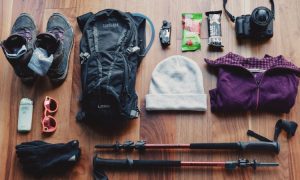
For a perfect gorilla trekking packing list (2026-2028), focus on dull-colored, quick-drying layers, sturdy waterproof hiking boots with ankle support, thick socks, a rain jacket, and essential gear like gardening gloves, insect repellent, sunscreen, a wide-brimmed hat, camera, and water bottle, ensuring you're prepared for dense jungle, potential rain, and challenging terrain in places like Uganda or Rwanda.
2-days-best-gorilla-trekking-safari-tour-via-kigali-to-bwindi-impenetrable-forest-park
3-days-gorilla-trekking-safari-and-lake-bunyonyi-relaxation-itinerary
3-days-affordable-uganda-budget-gorilla-trekking-via-kigali
4-days-ultimate-gorilla-and-uganda-safari-and-chimpanzee-tracking
4-days-ultimate-gorilla-and-uganda-safari-and-chimpanzee-tracking
4-days-uganda-gorilla-safari-with-golden-monkey-tracking-from-rwanda
4-days-luxury-gorilla-trekking-safari-in-bwindi-fly-in-all-inclusive-tour
5-days-gorilla-and-uganda-safari-and-golden-monkey-trekking-tour-from-kigali
5-days-un-matched-uganda-gorilla-safari-and-chimpanzee-tour-itinerary
7-days-safari-to-uganda-queen-elizabeth-park-gorillas-trekking-and-lake-mburo
7-days-perfect-uganda-primate-safari-itinerary
7-days-uganda-tour-to-murchison-falls-via-ziwa-kibale-and-queen-elizabeth-national-park
7-day-ultimate-uganda-primate-safari-chimpanzees-and-game-drives
7-days-best-uganda-safari-tour-to-popular-safari-parks
7-days-perfect-road-trip-uganda-safari-tour
7-days-best-uganda-birding-safari-tour
7-day-uganda-safari-to-kidepo-valley-via-jinja-and-sipi-falls
7-days-murchison-falls-uganda-safari-trip-via-ziwa-rhinos-kidepo-valley-and-jinja
10-days-uganda-rwanda-primate-safari-vacation-and-game-drive-safari
10-days-best-uganda-big-five-safaris-and-primate-experience
10-days-best-uganda-birding-safari-and-wildlife-experience
10-days-best-of-uganda-and-rwanda-all-big-five-animal-and-gorilla-trekking
10-days-uganda-safari-all-big-five-gorilla-and-chimpanzee-tracking-adventure
10-days-budget-uganda-safari-holiday-vacation-tour-road-trip
Clothing & Footwear (Wear Dull Colors: Greens, Browns, Greys)
When preparing for a Uganda safari holiday, selecting the appropriate clothing and footwear is crucial for comfort, safety, and maximizing your wildlife encounters. The variable climate—ranging from hot savannahs to cool mountain forests—requires a strategic packing list. Here is a detailed breakdown of essential items to ensure you are well-prepared for your adventure.
Clothing & Footwear (Wear Dull Colors: Greens, Browns, Greys)
The color of your clothing on a Uganda safari holiday is more important than you might think. Opting for neutral, dull colors like greens, browns, and greys is highly recommended. Bright colors (especially red and blue) can attract tsetse flies in certain regions, and white shows dirt instantly. Earthy tones help you blend into the natural environment, which is less intimidating to wildlife and enhances your game viewing experience. This is especially vital during walking safaris or gorilla/chimpanzee trekking, where camouflage and minimizing your visual impact on the animals are essential for the best possible experience.
Hiking Boots: Waterproof, sturdy, broken-in boots with ankle support
Sturdy, reliable footwear is non-negotiable for a Uganda safari holiday, particularly if you plan to go gorilla or chimpanzee trekking. The terrain in Bwindi or Kibale is often steep, muddy, and challenging. Waterproof hiking boots with strong ankle support are essential for navigating slippery slopes and dense vegetation. Ensure your boots are well broken-in before your trip to prevent painful blisters. While game drives are less demanding on footwear, comfortable, protective boots will ensure you are prepared for any excursion, keeping your feet dry and supported throughout your adventure.
Socks: Thick, moisture-wicking hiking socks (consider two pairs: thin liner + thick outer)
The right socks are just as important as the right boots for comfort during your Uganda safari holiday. The long hikes through humid forests require socks that can handle moisture. Thick, moisture-wicking hiking socks pull sweat away from your skin, preventing blisters and keeping your feet dry. A popular and effective strategy is to wear a two-pair system: a thin synthetic or silk liner worn under a thick wool or synthetic outer sock. This combination reduces friction, provides cushioning, and is key to a comfortable trekking experience in Uganda’s varied environments.
Trousers: Lightweight, quick-drying hiking pants/trousers (long)
Long, lightweight, quick-drying hiking pants or trousers are essential for a Uganda safari holiday. Long pants protect your legs from insect bites (especially mosquitos and tsetse flies), thorny vegetation, and stinging nettles encountered during forest treks and nature walks. Materials like nylon or treated synthetics are ideal as they wick moisture and dry quickly after rain or washing. While shorts might seem tempting in the heat, the practical protection offered by long pants makes them a far better choice for activities like game drives and treks.
Shirts: Long-sleeved, breathable, moisture-wicking shirts
Similar to trousers, long-sleeved shirts are highly recommended for your Uganda safari holiday. They offer vital protection from the sun's intense rays, insect bites, and the occasional scratch from passing branches during walks. Opt for breathable, moisture-wicking fabrics (like merino wool or technical synthetics) that help regulate body temperature and dry quickly. Neutral, dull colors (greens, browns, greys) are best to avoid attracting tsetse flies. Having a few of these versatile shirts will keep you comfortable throughout your trip, from early morning game drives to evening relaxation.
Layers: Fleece or wool mid-layer for warmth, plus a waterproof jacket/poncho
Uganda’s climate can be unpredictable, even in the dry season. Layering is key to adapting to temperature changes and sudden weather shifts during your Uganda safari holiday. Mornings and evenings in the elevated national parks can be surprisingly cool, making a fleece or wool mid-layer essential for warmth. A waterproof jacket or poncho is a critical item for afternoon downpours, which can occur at any time, especially in forested areas like Bwindi. The lightweight nature of these layers means they are easy to pack and carry in a daypack while on safari.
Headwear: Wide-brimmed hat for sun/rain
A good hat is a simple but vital accessory for your Uganda safari holiday. A wide-brimmed hat provides essential protection from the intense equatorial sun, reducing the risk of sunburn and heat exhaustion during game drives and nature walks. It also offers a measure of protection from rain in a sudden shower. Choose a hat with a chin strap for windy days and an earthy color (green, brown, or khaki) to blend in. This one item offers continuous comfort and protection throughout your daily safari activities.
Essential Gear & Accessories
When planning a Uganda safari holiday, the right gear and accessories can make the difference between a good trip and a great one. While clothing is crucial, these essential items are designed to enhance your comfort, safety, and ability to fully experience Uganda’s incredible wilderness. From hygiene products to photography equipment, here is a detailed guide to the essential accessories for your adventure.
Gloves: Sturdy gardening gloves to protect hands from thorns
For activities like mountain gorilla and chimpanzee trekking during your Uganda safari holiday, you'll be pushing through dense vegetation and gripping onto branches for support on steep, muddy slopes. Sturdy gardening gloves are surprisingly practical and essential. They protect your hands from painful stinging nettles, sharp thorns, and other irritants in the forest. Choosing a durable, slightly waterproof pair will keep your hands comfortable and scratch-free, allowing you to focus on the incredible experience of being close to the primates rather than the surrounding foliage.
Backpack: Small, waterproof daypack for essentials
A small, waterproof daypack is essential for carrying your daily essentials during a Uganda safari holiday. It needs to hold your water bottle, camera, extra layers, snacks, and any permits. A waterproof or water-resistant pack is crucial for protecting electronics and personal items from sudden rain showers, which are common in Uganda's forests and mountains. Choose one that is comfortable to carry for several hours during hikes and game drives. This pack should be robust and easily accessible, ensuring your vital gear is always secure and protected.
Water Bottle: Reusable
Staying hydrated is vital in Uganda’s warm, equatorial climate. A reusable water bottle is a more sustainable and cost-effective option than buying single-use plastic bottles throughout your Uganda safari holiday. Most lodges and camps provide filtered drinking water for refills. Ensuring you have a large enough capacity (at least 1.5 - 2 liters for treks) and remembering to drink regularly will help you combat fatigue and stay energized for all the activities, from climbing to game drives.
Insect Repellent & Sunscreen: Crucial for jungle environment
Protection from the elements and insects is paramount for a comfortable Uganda safari holiday. Insect repellent (containing DEET or Picaridin) is vital to protect against mosquito bites, which can transmit diseases like malaria. Apply it frequently, especially during the early mornings and evenings. A high-factor, reef-safe sunscreen is equally important to protect your skin from the strong equatorial sun. Applying both of these crucial items will ensure you stay healthy and protected throughout your adventure in diverse environments like jungles, savannahs, and open water channels.
Camera & Extra Batteries: Capture memories (check power adapters)
Your Uganda safari holiday will be full of once-in-a-lifetime moments, and you will want to capture them all. A good camera with a zoom lens is essential for wildlife photography. Make sure to pack extra batteries and a charger, as power sources can be limited in remote lodges and you don't want to run out of power at a critical moment (like a gorilla encounter). Additionally, check which power adapters are needed (Type G, the UK style, is common). Remember to also bring sufficient memory cards to store all your incredible safari photos.
Binoculars: For bird/wildlife viewing
While guided tours and treks get you close to some animals, many of the sights on your Uganda safari holiday will be at a distance. A good pair of binoculars is arguably the most important piece of gear after your camera. They enhance every game drive, nature walk, and boat safari, allowing you to spot elusive birds, leopards in trees, or simply get a better look at animal behavior from a respectful distance. Invest in a quality pair (8x42 is a common recommendation) to fully appreciate Uganda's incredible biodiversity.
Torch/Flashlight: With spare batteries
Many safari lodges in Uganda, especially those in remote locations, rely on generators or solar power, which may not run 24 hours a day. A reliable torch or flashlight is essential for navigating around your lodge grounds in the evening and moving in your accommodation during potential power outages. Headlamps are particularly useful as they leave your hands free for carrying things. Always pack spare batteries to ensure you are never left in the dark during your Uganda safari holiday.
Wet Wipes, Hand Sanitizer, Face Mask: For hygiene
Maintaining hygiene in remote safari locations can be challenging. Wet wipes and hand sanitizer are invaluable for quick clean-ups when soap and water aren't readily available, such as after handling gear, before snacks on a trek, or after a game drive. While mask mandates may change, having a face mask on hand can be useful for travel in crowded areas or specific health requirements. These simple items help keep you feeling fresh and healthy throughout your Uganda safari holiday.
Snacks: Energy bars/snacks for the trek
Gorilla and chimpanzee treks are physically demanding and can last for several hours. While your lodge usually provides a packed lunch, having some high-energy snacks on hand is a great idea. Pack energy bars, trail mix, or dried fruit to keep your energy levels up during the challenging climbs and waits. These little energy boosts can make the difference on a long day of hiking, ensuring you remain comfortable and energized during this highlight of your Uganda safari holiday.
Tips for Your Trek
Preparing effectively for the physically demanding yet rewarding treks—primarily gorilla and chimpanzee tracking—is essential for a successful Uganda safari holiday. Simple logistical considerations and practical packing tips can significantly enhance your comfort and overall experience. Here are some key tips for your trek.
Tuck In: Tuck trousers into socks to keep ants out
This simple tip is a lifesaver during your forest treks on a Uganda safari holiday. As you navigate dense jungle and muddy trails in Bwindi Impenetrable or Kibale Forest National Parks, you will inevitably encounter various insects, including army ants and safari ants, which can deliver a painful bite. Tucking your long hiking trousers securely into your thick hiking socks creates a barrier, preventing unwanted insects from crawling up your legs. It might not be the most fashionable look, but it is a highly effective, practical measure for comfort and peace of mind during your adventure in the jungle.
Pack Light: Porters may be available for your main luggage, but pack your daypack essentials
Smart packing enhances the logistics of your Uganda safari holiday. While safari vehicles transport your main luggage between lodges, you need to be mobile for daily activities. Pack light for your treks, using only your small daypack for essentials like water, a camera, snacks, and extra layers. Importantly, for gorilla and chimpanzee treks, porters are usually available for hire at the park headquarters. Hiring a porter (for a small fee that directly supports the local community) is highly recommended. They carry your daypack, offer a helping hand on slippery slopes, and allow you to focus your energy on the trek itself.
Laundry: Lodges often offer services, so you don't need endless clothes
When packing for your Uganda safari holiday, remember that many lodges and camps, especially mid-range and luxury options, offer efficient laundry services (often at an extra charge). This means you don't need to bring a complete change of clothes for every day of your trip. The dusty game drives and muddy treks mean your clothes will get dirty quickly, but with laundry services, you can reuse key items like hiking trousers and shirts. This helps you pack lighter, save space in your luggage, and ensures you always have clean, appropriate clothing for your next adventure. Note that some remote lodges may not wash underwear for cultural reasons.
ost of Gorilla Trekking Permit in Uganda
The cost of a gorilla trekking permit is a major consideration when budgeting for a Uganda safari holiday. As of late 2025, a permit for non-resident foreign nationals in Uganda costs $800 USD per person. The permit fee for East African citizens is UGX 300,000, and for foreign residents, it is $500 USD. This fee is a crucial source of revenue for conservation efforts and community development around Bwindi Impenetrable National Park and Mgahinga Gorilla National Park. Securing this permit in advance—often three to six months prior—is essential, especially during the peak tourist seasons, as a limited number of permits are issued daily. This cost includes the park entry fee, guides, and an hour spent with the habituated gorilla family.
Cost of Gorilla Trekking Permit in Rwanda
Rwanda positions itself as a luxury gorilla trekking destination with a significantly higher permit cost compared to its neighbor. The price for a gorilla trekking permit in Rwanda is currently $1,500 USD per person for all foreign nationals. This premium pricing strategy aims to conserve the delicate ecosystem of Volcanoes National Park and attract high-end tourists. While the cost is substantially higher than Uganda's, the trekking experience in Rwanda is often perceived as slightly less strenuous due to potentially shorter hiking times from the park boundary to the gorillas. The higher cost reflects a different market approach to funding conservation and offering a luxury Uganda safari holiday alternative.
When is the Best Time for Gorilla Trekking in Uganda and Rwanda
The best time for gorilla trekking in both Uganda and Rwanda is during the dry seasons: June to August and December to February. During these months, rainfall is lower, resulting in drier, less muddy, and more manageable forest trails. The drier conditions make the hike less physically demanding and the viewing conditions better. Trekking is possible year-round, however. The "wet seasons" (March-May and September-November) bring heavier rains, making trails extremely slippery and challenging. While wet season trekking is tough, it offers advantages like lush scenery, fewer crowds, and potential discounts on accommodation, making for a unique Uganda safari holiday experience.
Gorilla Trekking in Uganda vs Gorilla Trekking in Rwanda
The choice between gorilla trekking in Uganda and Rwanda often comes down to budget and terrain. Uganda offers a more affordable permit at $800 USD and generally involves longer, more strenuous treks through the dense, biodiverse Bwindi Impenetrable Forest, which is a key part of the adventurous Uganda safari holiday experience. Rwanda, conversely, provides a premium, luxury experience with $1,500 USD permits, often featuring shorter hikes through the volcanic slopes of Volcanoes National Park. Rwanda is generally easier to access (shorter drive from Kigali airport to the park) while Uganda requires a longer drive or domestic flight from Entebbe. The actual time spent with the gorillas (one hour) is the same in both countries.
What are the Accommodation Options on Gorilla Trekking Safari
Accommodation options for a Uganda safari holiday focused on gorilla trekking cater to all budgets. In both Uganda (Bwindi and Mgahinga) and Rwanda (Volcanoes National Park), you can find a wide range of lodges. Budget options include simple guesthouses and basic campsites, providing essential comfort after a long trek. Mid-range lodges offer more amenities, comfortable beds, en-suite bathrooms, and hot water. Luxury lodges provide premium services, gourmet dining, spas, private villas, and stunning views of the surrounding forests or volcanoes, perfectly complementing a high-end Uganda safari holiday. Booking well in advance is vital, especially during peak season.
Booking gorilla trekking with us Roads of Adventure safaris
When planning your ultimate Uganda safari holiday, securing your essential gorilla trekking permits and crafting the perfect itinerary requires expert assistance. Booking your gorilla trekking tour with Roads of Adventure Safaris ensures a seamless and memorable experience from start to finish. We specialize in creating bespoke safari packages that combine the thrill of meeting the mountain gorillas in Bwindi Impenetrable National Park with other iconic Ugandan adventures, such as chimpanzee tracking in Kibale Forest or exploring Murchison Falls National Park.
Our team at Roads of Adventure Safaris handles all the logistics, from purchasing your highly sought-after gorilla permits well in advance to arranging comfortable accommodation that matches your budget (from luxury lodges to mid-range camps). We provide expert guides who are knowledgeable about the local wildlife, terrain, and culture, enhancing your entire Uganda safari holiday experience. We take the stress out of planning by managing transportation logistics, ensuring you have the right gear recommendations, and offering flexible itineraries tailored to your specific interests and fitness levels.
By choosing Roads of Adventure Safaris for your Uganda safari holiday, you gain access to insider knowledge, reliable service, and local expertise that guarantees an authentic and impactful journey into the heart of Africa.
