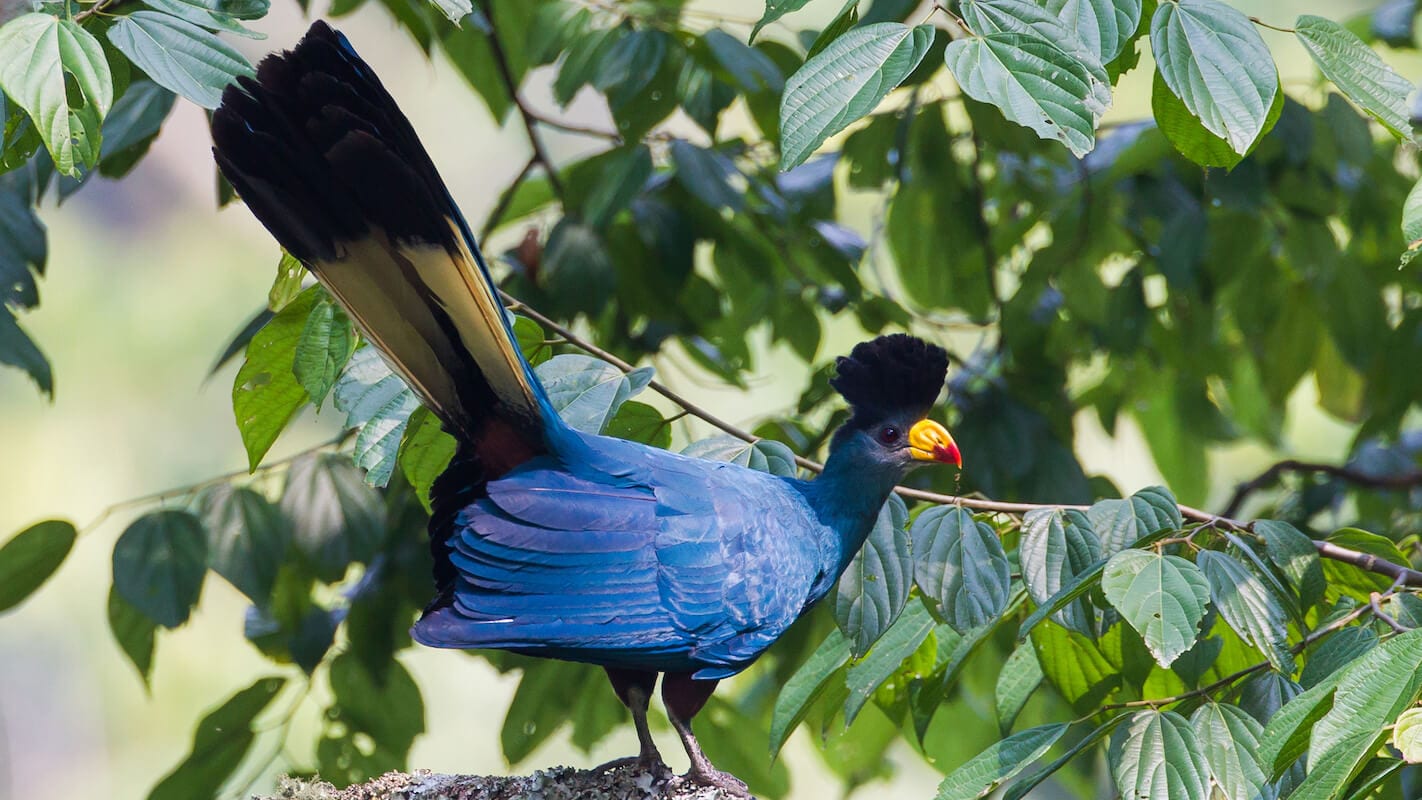
Uganda is a premier bird-watching destination in Africa, hosting over 1,090 species (roughly 50% of Africa's total bird population). Its diverse ecosystems, from tropical rainforests to savannahs and wetlands, make it possible to see an immense variety of birds within relatively short distances
30-days-best-uganda-birding-safari-extravaganza-and-wildlife-safari
25-days-complete-uganda-birding-safari-extravaganza-with-wildlife-viewing
22-days-best-uganda-primate-and-birding-safari-adventure
21-days-uganda-birding-safari-extravaganza-to-best-uganda-safari-parks
20-days-uganda-birding-safari-to-uganda-national-park
20-days-uganda-birding-safari-wildlife-gorilla-and-chimpanzee-tracking
14-days-classic-uganda-birding-safari-expedition
12-days-uganda-birding-tour-looking-for-rift-valley-endemic-birds-west-circuit
10-days-best-uganda-birding-safari-and-wildlife-experience
Queen Elizabeth National Park
Queen Elizabeth National Park is a premier destination for an Uganda birding safari, offering extraordinary habitat diversity—lakes, papyrus swamps, forest fragments, savannah and the 40 km Kazinga Channel that links Lakes George and Edward. With over 600 bird species recorded, the park is a magnet for both waterbird and forest specialists. The Kazinga Channel is the park’s marquee birding zone: boat cruises provide unrivalled views of massive concentrations of hippos and crocodiles, while African fish eagles, herons, and a variety of waders and terns are easily observed. One particularly memorable target is the Shoebill, occasionally seen in papyrus beds and slow‑moving wetland channels; sightings require patience, early starts, and local guide knowledge. The park’s mosaic habitats also attract raptors—Martial Eagle and Western Banded Snake Eagle—plus large waterbird congregations like pelicans and flamingoes in season. Woodland and forest patches support species such as Great Blue Turaco and various turacos, while Kyambura Gorge and Maramagambo Forest add chances for forest specialists and primate‑associated species. Kasenyi plains are excellent for open‑country species and large mammal/bird interactions—kobs, buffalo and associated larks, pipits and bustards. For a successful Uganda birding safari here, schedule early morning game drives and a dedicated boat trip on the Kazinga Channel around sunrise or late afternoon; bring binoculars, a scope for waterbird flocks, and a local guide who knows current Shoebill stakeouts and seasonal movements. Accommodation options around Mweya and Kasenyi make multi‑day birding easy. Respect park rules (stay on tracks, minimize disturbance) to protect sensitive wetland and forest zones that sustain this rich avifauna.
Murchison Falls National Park
Murchison Falls National Park is a classic stop on an Uganda birding safari, combining dramatic riverine scenery with exceptional birdlife concentrated along the Nile‑Albert Delta and the gorge of the powerful falls. The park’s river corridors, floodplains and acacia‑dominated woodlands are especially productive for waterbirds and migrants. The Nile Delta and waterfront around Masindi and the river mouth draw huge numbers of species, including the globally sought Shoebill Stork—best found in papyrus channels and quiet backwaters using guided boat trips or canoe excursions. Along the Victoria Nile, boat cruises below Murchison Falls offer close views of African Skimmers, African Finfoot, Open‑billed Stork and riverine raptors such as African Fish Eagle and Gabar Goshawk. The cliffs and escarpments near the falls host rock‑loving species like Rock Pratincole, which can be watched along rocky shoals. In drier woodland and savannah you’ll encounter species such as White‑headed Buffalo Weaver, Kori Bustard (rare), and a range of larks and pipits. The park is also good for raptor migration watches during certain times of year. For an efficient Uganda birding safari at Murchison, plan early mornings for woodland and savannah drives and schedule late‑afternoon or full‑day boat trips for river species. Bring sun protection and good optics for long views across open habitat and a local bird guide familiar with Shoebill stakeouts and seasonal river changes. Overnighting near the park allows multiple attempts for scarce targets and maximizes chances for viewing both shoreline and inland specialties.
Bwindi Impenetrable National Park
Bwindi Impenetrable National Park is an essential component of any Uganda birding safari focused on Albertine Rift endemics. Its ancient, species‑rich montane forest harbors a concentrated suite of range‑restricted birds—among them the African Green Broadbill, Regal Sunbird, and several unique robins, apalises and warblers. The park’s steep ridges, mossy gullies and varied elevation create microhabitats that sustain understorey specialists and canopy dwellers alike. Ruhija, Buhoma and Nkuringo sectors each present different birding opportunities and access points; Ruhija is especially prized for Mubwindi Swamp and Albertine endemics. Expect to hear and see skulking species early in the day—many birds are detected first by song. The African Green Broadbill is a top target: stakeouts at fruiting trees and patient canopy scans are key. Regal Sunbird and other nectarivores are active around epiphytes and flowering trees. Mixed‑species flocks regularly include apalises, flycatchers and robin‑chats, delivering rapid species lists for persistent birders. Combining gorilla or primate treks with pre‑ or post‑trek birding increases efficiency, but dedicated dawn sessions are best for shy understorey species. Because trails can be steep and muddy, bring sturdy footwear, gaiters, rain protection and warm layers. Hiring local guides with deep knowledge of territories and current fruiting patterns dramatically improves success on an Uganda birding safari here. Conservation considerations—respecting park rules, minimizing off‑trail walking and supporting community tourism—help preserve Bwindi’s extremely fragile montane ecosystems that sustain these high‑value bird species.
Kibale Forest National Park
Kibale Forest National Park is a must on any Uganda birding safari that values primary lowland/upper‑mixed forest specialties. Often paired with chimpanzee tracking, Kibale’s extensive moist evergreen forest hosts an exceptional array of forest birds including the sought‑after Green‑breasted Pitta, African Olive Pigeon, and a multitude of turacos, hornbills and forest flycatchers. The park’s network of trails and well‑managed visitor facilities make early morning guided walks highly productive: the Green‑breasted Pitta in particular is a prized target—locating this secretive, ground‑foraging pitta requires listening for its low, reedy calls and patiently staking out likely leaf‑litter patches. Kibale’s canopy yields species such as Great Blue Turaco and various sunbirds while the forest edge supports mixed‑species flocks that can deliver dozens of species in short order. Given its chimp trekking reputation, combining birding with primate activities is efficient; however, birders often rise before dawn for dedicated sessions when understorey activity peaks. Bring insect repellent, waterproofs for sudden tropical showers, and long lenses for shaded forest photography. Local guides at Kibale offer superb identification skills and know seasonal movements tied to fruiting and breeding cycles. For a successful Uganda birding safari, plan multiple early‑morning walks, include night walks for forest owls and nightjars, and coordinate with guides for stakeouts of high‑value targets like the pitta.
Lake Mburo National Park
Lake Mburo National Park is a compact but rewarding stop on an Uganda birding safari, notable for its mix of woodland, acacia dry savannah and reed‑lined lakes. The park’s wetlands and riparian zones create outstanding opportunities for species such as the African Finfoot—often secretive and best targeted by quiet boat or canoe trips—and papyrus specialists like the Papyrus Gonolek and the globally attractive papyrus endemic assemblage. Open acacia and mixed woodland attract lark species, hornbills, and conspicuous raptors, while rocky kopjes and shallow lakes host waterfowl and waders. Lake Mburo’s smaller size makes it easy to combine boat trips, game drives and walking safaris in a single day—ideal for birders short on time. Early morning boat excursions or canoe trips provide the best chances for skulking waterbirds and secretive finfoots; dawn game drives deliver open‑country species in good light. The park’s resident impala and zebra herds also attract raptors and scavengers, creating dynamic birding opportunities. For a productive Uganda birding safari at Lake Mburo, bring a scope for distant waterbird flocks, lightweight rain gear and comfortable walking shoes for trails where skulkers and understorey species hide. Local guides greatly increase detection rates and can arrange guided canoe trips into papyrus fringes for specialties like the Papyrus Gonolek.
Kidepo Valley National Park
Kidepo Valley National Park is a remote, exceptional choice on an Uganda birding safari, offering arid savannah, montane islands and acacia‑dominated valleys that support rare and range‑restricted species. The park’s isolation in northeastern Uganda produces unique sightings not easily found elsewhere in the country: Common Ostrich (in historical contexts and relict populations), Karamoja Apalis and a host of dry‑country species, including specialized larks, rollers, and raptors adapted to the harsh, open landscapes. The park’s varied topography—valley grasslands, riverine galleries and rocky kopjes—makes for diverse birding habitats and excellent photographic backdrops. Birding in Kidepo often involves long drives and guided walks at dawn when desert‑adapted species are most active. Because the region lies in a semi‑arid rain shadow, plan for hot conditions, dusty roads and significant travel time; nevertheless, the payoff is high for birders seeking species absent from central Uganda. Night drives can reveal nocturnal desert species and owls. For an efficient Uganda birding safari in Kidepo, arrange logistics in advance (local flights or robust 4x4 transfers), hire experienced local guides who know microhabitats for Karamoja specialties, and allow multiple days to maximize chance encounters. Supporting Park‑based guides and local communities’ helps sustain conservation and tourism benefits in this under‑visited but ornithologically rich region.
Semuliki National Park / Forest
Semuliki National Park and its lowland forest hold a fascinating suite of Central African affinities, making it a high‑value stop on an Uganda birding safari for species with West/Central African ties. Semuliki’s mixed lowland rainforest along the Rwenzori foothills and the Semuliki River supports species such as the Yellow‑throated Nicator and Piping Hornbill—taxa more typical of the Congo Basin—which highlights Semuliki’s biogeographic importance as an eastern outpost of Central African fauna. The park’s swamp forests and riverine corridors also attract a wealth of waterbirds, woodland specialists and forest understorey species. Birding here is productive on boardwalks, river walks, and forest trails where insectivores, broadbills and various barbets can be located by vocalization; the Yellow‑throated Nicator’s mellow calls and the distinctive piping of hornbills are key auditory cues. To maximize success on an Uganda birding safari in Semuliki, start at dawn, target river edges and swamp forest tracks, and arrange local guides who know where Central African specialties have been recently active. The park’s hot, humid climate calls for lightweight, breathable clothing, insect repellent and waterproof protection for sudden tropical showers. Semuliki rewards birders with an unusual mix of biogeographic elements and offers a valuable comparative contrast to the Albertine Rift highlands.
Mgahinga Gorilla National Park
Mgahinga Gorilla National Park—nestled on the Virunga volcanic chain—is a compact but rewarding site on an Uganda birding safari, especially for Albertine Rift and montane forest species. The park’s altitudinal range includes montane forest, bamboo zones and Afro‑alpine moorland, creating microhabitats for species such as Rwenzori Turaco and Grauer’s Rush Warbler. The Rwenzori Turaco, with its rich green plumage and crested profile, favors forest canopy and is often detected by its loud calls; Grauer’s Rush Warbler occupies reedbeds and swampy tangles near streams and bogs. Birding here benefits from trails that ascend through different vegetation belts—each belt brings new specialties. Combining birding with gorilla trekking is a popular option: early starts and patient hillwalking yield both primate encounters and prime birding encounters as species are most vocal at dawn. Weather can be unpredictable and trails steep; proper hiking gear, layered clothing and waterproofs are necessary. For the best Uganda birding safari experience in Mgahinga, allocate time for pre‑dawn starts, hire a knowledgeable local guide, and plan slow ascents through habitat transitions to catch canopy, mid‑storey and understory specialists.
Rwenzori Mountains National Park
Rwenzori Mountains National Park concentrates high‑altitude Albertine Rift endemics—an essential destination for a specialized Uganda birding safari. The park’s dramatic altitudinal gradient from montane forest to afro‑alpine moorland supports distinct bird communities and rare endemics adapted to cool, wet conditions. High‑value targets include mountain‑specialist warblers, sunbirds and chats that occur only in the Albertine highlands. Birders should expect challenging but rewarding hikes to reach specialized habitats: giant lobelia belts, heather moorlands and mossy forests harbor species with tight elevational ranges. Early morning and changeable weather mean bringing warm layers, sturdy boots and waterproof gear. Guides with mountain experience are invaluable for locating elusive endemics and for safe navigation. An Rwenzori Uganda birding safari is for committed birders ready to trade comfort for exceptional, high‑altitude endemism and dramatic landscapes.
Mount Elgon National Park
Mount Elgon National Park provides a contrasting montane experience on an Uganda birding safari, showcasing montane forest species, open moorland and unique cliff habitats. The park’s older volcanic mass supports specialized birds—some references note high‑altitude raptors and mountain specialists, while local sightings occasionally include large cliff‑associated species such as Lammergeier (bearded vulture) in regional reports. Birding routes follow saddle trails, forest edges and escarpment overlooks where montane species concentrate. Accessibility is variable; plan for gradual ascents, layered clothing and guide support. Mount Elgon’s birding appeal lies in its ecological gradients and the opportunity to connect with montane East African species in a less crowded setting for an immersive Uganda birding safari.
Mabamba Swamp — Uganda birding safari
Mabamba Swamp, a short drive from Entebbe, is arguably Uganda’s premier wetland for an Uganda birding safari—most famously for the Shoebill Stork. This extensive papyrus and reed swamp on the edge of Lake Victoria offers some of the best and most reliable Shoebill viewing in East Africa. Boat trips through narrow channels at dawn or just after sunrise are the standard approach: experienced local boatmen who know recent Shoebill locations greatly increase success rates. Apart from Shoebill, Mabamba supports a suite of papyrus and wetland specialists—Papyrus Gonolek, African Finfoot, Swamp Flycatcher, and various marsh and reed warblers—plus numerous herons, egrets and kingfishers. The swamp’s mosaic of open water, reedbeds and papyrus creates rich feeding opportunities for waterbirds and raptors such as African Fish Eagle. For photographers, Mabamba provides close, low‑angle views from canoes or motorized pirogues; keep noise low and avoid sudden movements to minimize disturbance. Best birding occurs in the early morning when waterbirds are active and lighting is favorable. Because Shoebills can be skittish, flexibility and patience are essential—plan for multiple attempts if spotting is a priority. Practical tips: dress in muted colors, bring binoculars and a scope if possible, carry insect repellent and waterproof protection for sudden showers. Mabamba’s proximity to Entebbe makes it easy to fit into arrival or departure days of a wider Uganda birding safari, and using accredited local guides supports community livelihoods and conservation of this sensitive wetland habitat.
Budongo Forest Reserve — Uganda birding safari
Budongo Forest Reserve is a larger tract of lowland rainforest and a cornerstone site on many Uganda birding safari itineraries, especially for those seeking forest canopy species and riverine specialists. The reserve’s Royal Mile and Kaniyo Pabidi trails are renowned for excellent birding: mixed‑species flocks move through the canopy, delivering turacos, barbets, sunbirds, cuckooshrikes, and flycatchers in rapid succession. Budongo is particularly prized for the Chocolate‑backed Kingfisher—a secretive, riverine specialist best sought along forest streams and shaded banks—and Puvel’s Illadopsis, a skulking understorey species that responds well to careful playback and patient stakeouts. The forest also supports species such as Yellow‑breasted Apalis, Black‑and‑white Casqued Hornbill, and the noisy Great Blue Turaco around forest edges. Early morning walks along established trails yield the highest species counts; experienced local guides and trackers increase detection of skulking, low‑density species. Night walks around camp can reveal forest owls and other nocturnal species. Conditions in Budongo are humid and can be muddy in the rainy season—sturdy footwear, gaiters and insect repellent are recommended. Combining chimp or primate watching with targeted birding maximizes time, but dedicated pre‑dawn sessions focused on mixed flocks and river corridors are essential for forest specialists. For an effective Uganda birding safari here, hire a skilled guide, allow several full days if possible (to work different trails and microhabitats), and respect reserve rules to minimize disturbance to wildlife and support sustainable tourism.
Makanaga Wetland
Makanaga Wetland serves as an excellent alternative stakeout for Shoebill and other papyrus specialists on an Uganda birding safari, particularly when Mabamba is crowded or when boat access there is limited. This wetland’s network of channels and reedbeds offers similar habitat to Mabamba, and local guides who know subtle seasonal shifts can direct search efforts to likely Shoebill locations. Boat or canoe trips at first light remain the most productive method, allowing close approaches to feeding and loafing birds while keeping disturbance low. In addition to the marquee Shoebill, expect papyrus‑associated taxa such as Papyrus Gonolek, Greater Swamp Warbler, and African Finfoot. The wetland also attracts assorted herons, kingfishers and marsh terns, making it attractive for a broad waterbird list. Because Makanaga is less visited than Mabamba, it can provide quieter, more intimate encounters and better photographic opportunities with less boat traffic. Practical considerations include coordinating experiences with reputable local operators who understand flotation and safety standards—many boat trips use small dugout canoes requiring steady, calm conditions. Dawn and early morning sessions are optimal; late afternoon can also be productive but may bring increased wind and choppier waters. Bring binoculars, a scope if you have one, insect repellent and waterproof layers. Integrating Makanaga into a broader Uganda birding safari itinerary offers good redundancy for Shoebill search days and spreads tourism benefits across local communities near lesser‑visited wetlands.
Echuya Forest
Echuya Forest, a remnant montane forest on the western edge of Uganda’s highlands, is an important stop on a focused Uganda birding safari seeking montane and Albertine Rift endemics. Despite its small size, Echuya’s cool, mossy understorey and dense montane canopy support species such as Grauer’s Rush Warbler (in swampy tangles), Rwenzori Batis, and several high‑altitude warblers and flycatchers. Its elevational position creates a mix of montane forest and bamboo with microhabitats that sustain range‑restricted species often difficult to find elsewhere. Birding in Echuya benefits from early starts and quiet, patient listening—the forest’s skulking species are frequently detected by song before being seen. Trails are generally steep and narrow; sturdy, grippy footwear and gaiters are recommended, as conditions can be slippery and wet. Because the forest is small and relatively accessible, guided half‑day or full‑day circuits can be productive for concentrated lists of montane specialties. Bring warm layers, rain protection and a headlamp for dawn starts. Engaging local guides familiar with recent nest sites, fruiting trees and territorial pairs greatly improves odds for targeted species like Grauer’s Rush Warbler. Echuya’s conservation value is high: supporting community conservation and responsible tourism here helps protect an important stronghold for montane endemics and enhances the scientific and recreational value of an Uganda birding safari focused on Albertine Rift biodiversity.
Bigodi Wetland Sanctuary
Bigodi Wetland Sanctuary, adjacent to Kibale Forest, is a compact, visitor‑friendly site that packs papyrus and swamp specialists, forest edge species and excellent mixed‑flock activity into short, accessible trails—making it a popular addition to a Uganda birding safari that includes Kibale. Bigodi is especially famed for regular sightings of Great Blue Turaco and several papyrus endemics that inhabit reed margins and wetland pools. The sanctuary’s raised boardwalks and looped trails provide easy vantage points for papyrus‑dependent species such as Papyrus Gonolek and Swamp Flycatcher, and its proximity to Kibale increases opportunities to see both lowland forest and wetland species in a single morning. Bigodi also supports gardens and community‑run eco‑projects that enhance bird diversity and provide interpretive experiences—local guides are excellent at finding secretive understorey birds, and community conservation fees support habitat protection. Dawn and early morning are peak times for mixed‑species flocks, and guided walks of two to three hours typically yield high species counts. Practical advice: wear comfortable walking shoes, carry insect repellent, and consider combining a Bigodi visit with chimp trekking in Kibale later in the day. Bigodi is ideal for birders with limited time who want a dense species tally in an accessible setting as part of a broader Uganda birding safari.
Mpanga Forest Reserve
Mpanga Forest Reserve is a compact, accessible patch of moist tropical forest located close to Kampala, making it an excellent quick‑visit site on an Uganda birding safari for birders with limited time. The reserve’s short trails and approachable layout enable productive early morning walks where visitors can encounter forest species such as African Emerald Cuckoo, various barbets, sunbirds and flycatchers, plus resident turacos. Mpanga’s convenience makes it a preferred stop for arrival or departure days when long drives aren’t feasible but birders still want quality forest birding. Despite its small size, the reserve supports diverse understory and canopy communities; local guides are adept at locating mixed flocks and key stakeouts. Best birding is at first light, when territorial song and mixed‑flock activity are highest. Because Mpanga is visited more frequently, maintaining low impact and using accredited guides helps reduce disturbance and ensures continued conservation funding. Practical items include binoculars, light rain gear for sudden tropical showers, and comfortable walking shoes. For birders building an Uganda birding safari, Mpanga is a time‑efficient complement to larger forest parks (such as Kibale or Budongo), offering immediate forest immersion close to Kampala with solid species returns for a half‑day visit.
Fat Birder
Fat Birder is a well‑known online birding news and travel resource that regularly features trip reports, site guides and practical advice valuable to anyone planning an Uganda birding safari. For birders organizing their own trips or researching operators, Fat Birder’s community content and trip reports can provide recent sightings, recommended routes, and candid notes on logistics—like where Shoebill sightings have been most reliable or which local guides have the best reputations. Trip write‑ups and forum threads often include timing advice, recommended equipment, and real‑world tips for stakeouts in places such as Mabamba, Makanaga, or the lesser‑visited wetlands. Using such resources can help birders set realistic expectations for target species, prepare for challenging field conditions (heat, rain, or muddy trails), and identify reputable local operators or guides who support conservation‑minded tourism. While Fat Birder is not an operator itself, its aggregated knowledge base and community discussions are valuable for building itineraries, comparing operator services, and finding the latest on seasonal movements and site accessibility—essential for a successful Uganda birding safari. When relying on online sources, cross‑check recent local reports and contact in‑country guides to confirm current stakeouts and conditions; birding sites change quickly with water levels and human activity. Combining Fat Birder intel with local guide expertise yields the best outcomes for targeting scarce or localized species while ensuring a responsible, well‑planned Uganda birding safari.
Botanical Gardens, Entebbe
Entebbe’s Botanical Gardens is a serene, accessible stop for any Uganda birding safari, offering shady paths, mature trees and lakeside edges that attract a surprisingly rich assortment of lowland and water‑edge species close to the airport and capital. The gardens’ mix of cultivated gardens, large fig and mahogany trees, and small wetlands create excellent opportunities for canopy and understorey birds without the long drives required for remote reserves. One of the standout residents is the Great Blue Turaco, often seen and heard in the taller tree stands; its vivid plumage and loud calls make it an easy and rewarding target for birders of all levels. Along water margins and open lawns, African Open‑billed Storks and a variety of herons and waders forage in shallow pools and puddles, especially following rains. The gardens also draw a variety of barbets, sunbirds, weavers and flycatchers that utilize both native and introduced trees, and early morning mixed‑species flocks can produce surprisingly high species counts in a short period. For photographers and families new to birding, the gardens’ easy trails and benches allow relaxed, patient observation—ideal for tuning into calls and behavior. Practical tips for an effective Uganda birding safari stop here include arriving at first light when birds are most active, carrying insect repellent and a small field guide, and hiring an experienced local guide who knows regular feeding trees and recent sightings. Because the gardens are near Entebbe, this site is perfect for arrival or departure day birding or as a gentle warm‑up before venturing into the country’s more challenging forest and wetland habitats. Visiting the Botanical Gardens also supports local conservation and the gardens’ educational programs, linking a pleasant birding experience with meaningful community benefit.
Lake Victoria Shores (Jinja / Source of the Nile)
The Lake Victoria shores around Jinja—the celebrated Source of the Nile—are an excellent, scenic addition to an Uganda birding safari, combining broad waterfront habitats, papyrus fringes and riverside woodlands that support a diverse assemblage of waterbirds, raptors and shoreline specialists. Palm‑nut Vultures are among the more notable species in this area; they frequent riverside plantations and oil‑palm stands, where they exploit palm fruit and associated food resources and can often be seen perched prominently on riverside trees. The shoreline and shallow bays also attract a mix of ducks, terns, herons and egrets, while papyrus beds and reed margins shelter secretive Papyrus Gonoleks, African Finfoots and various marsh warblers. Boat trips on the Nile’s first stretches provide excellent vantage points for viewing riverine species and for photographing interactions between birds and the dramatic, fast‑flowing river. Early morning and late afternoon are the most productive times, with thermal activity, feeding flocks and raptor movement creating dynamic birding. The Jinja area also provides easy access to local wetlands and community conservation sites that bolster species detection—experienced local guides can take you to reliable stakeouts for palm‑nut vultures and other regionals. Practical advice for this leg of a Uganda birding safari: bring sun protection and a hat for exposed riverbank viewing, a scope for distant waterbird flocks, waterproof protections for camera gear during boat trips, and insect repellent for papyrus fringes. Combining a cultural visit to Jinja with focused birding on Lake Victoria’s shorelines yields both memorable scenery and strong chances for water‑associated species.
Lake Bunyonyi
Lake Bunyonyi, set amid terraced hills in southwestern Uganda, offers a scenic and tranquil stop on an Uganda birding safari—its mosaic of islands, reedbeds and steep wooded shores supports a pleasing variety of water‑associated birds and edge specialists. While Lake Bunyonyi lacks some of the larger waterbird species found on bigger lakes, its sheltered bays and papyrus patches host species such as African Finfoot, various kingfishers, and marsh warblers. The lake’s islands and surrounding bamboo and forest fragments provide habitat for forest edge species—sunbirds, flycatchers, turacos and several Albertine Rift affinities in nearby highlands—so combining lakeshore boat trips with short forest walks can yield diverse lists. Birding from a canoe or motorboat at sunrise offers quiet approaches to reed fringes and better chances of encountering shy waterbirds; paddled trips minimize noise and disturbance. Lake Bunyonyi’s scenic setting also makes it a favorite among birders who appreciate landscape photography—the calm water reflecting terraced hills and misty mornings creates compelling compositions with birds in the foreground. For a productive Uganda birding safari here, plan early morning boat trips, stay at one of the lakeside lodges to allow multiple dawn sessions, and coordinate with local guides who know seasonal concentrations and island rookery sites. Practical items: sun protection, insect repellent (tsetse are not abundant here but bites can occur in some patches), binoculars and a waterproof bag for optics. Lake Bunyonyi is a peaceful complement to more species‑dense Albertine Rift sites, rewarding birders with scenic calm and a steady list of water‑edge and edge‑forest species.
Panupagam Reserve
Panupagam Reserve, a lesser‑known wetland and waterbird area, is increasingly visited on targeted Uganda birding safari itineraries by birders seeking specialized water‑related species and quieter stakeouts away from busier sites. The reserve’s patchwork of shallow pools, reedbeds and seasonal floodplains provides ideal habitat for secretive marsh species, waders and migrant shorebirds—many of which concentrate here during specific seasons as water levels change. Panupagam’s relative obscurity can be an advantage: lower visitor pressure often yields calmer, closer encounters with sensitive waterbirds such as rails, crakes and small waders that are easily flushed in busier wetlands. Boat or canoe access is often the best way to reach stakeouts, enabling discreet approaches into dense papyrus and reed channels; local guides with intimate knowledge of the reserve’s microhabitats are essential for locating skulking targets and interpreting seasonal shifts. For an effective Uganda birding safari stop, aim for early morning sessions and plan for variable water conditions—the best stakeouts can change with rains and dry spells, so flexibility increases success. Bring appropriate wetland footwear, insect repellent and waterproof protection for optics and electronics. Because Panupagam is less developed for tourism, logistical planning (transport, guides, safety considerations) should be arranged in advance—working with local operators provides better chances of finding rare or localized species while supporting local communities and responsible conservation. Including Panupagam in a Uganda birding safari adds depth to a wetland itinerary by offering quieter, stakeout‑focused birding and the potential for specialized, high‑value sightings.
When is the best time for Uganda birding safari
The best time for a Uganda birding safari is during the drier months—generally December to February and June to September—when roads are more passable, trails are less muddy, and birds are easier to locate. These windows also coincide with peak visibility for migrants and many breeding behaviors, increasing vocal activity and detectability. However, Uganda’s birding is strong year‑round: the short rains (March–May) bring lush fruiting and influxes of some migrants, while the long rains (October–November) can produce excellent activity in forests and wetlands, albeit with wetter field conditions. For Shoebill searches and papyrus stakeouts, water levels matter—slightly lower water can concentrate birds in narrower channels, while very low or very high levels can reduce sightings. Roads of Adventure safaris plans itineraries around current local conditions and seasonal patterns, offering flexibility to target endemics, wetlands, and Albertine Rift specialties at optimal times.
Where to stay on Uganda birding safari
Choosing accommodation on a Uganda birding safari balances proximity to sites, early‑start logistics, and habitat access. Opt for lodges or camps located near key birding areas—Entebbe/Entebbe Botanical Gardens for arrivals, Mabamba‑area camps for Shoebill stakeouts, Kibale/Bwindi lodges for forest endemics, and Mweya/Kasenyi in Queen Elizabeth for Kazinga Channel boat trips. In national parks, select lodges that offer guided bird walks, early breakfast options and knowledgeable local guides; community‑run lodges often deliver authentic experiences while supporting conservation. Roads of Adventure safaris recommends a mix of comfortable lodges for longer stays and mobile tented camps for remote sites like Kidepo, ensuring early access to dawn drives and boat trips. Prioritize operators who coordinate permits, arrange expert birding guides and minimize driving times between dawn sessions and key habitats to maximize morning bird activity.
Booking Uganda birding safari with us Roads of Adventure Safaris
Booking a Uganda birding safari with Roads of Adventure safaris ensures locally grounded logistics, licensed guides and tailored itineraries focused on target species. We design trips around your priority list—Albertine Rift endemics, Shoebill stakeouts, wetland complexes and remote savannahs—optimizing timing, transport and guide expertise. Our service includes park permits, locally sourced guides with strong birding knowledge, comfortable transfers (4x4 vehicles for rough roads), accommodation bookings and boat/canoe arrangements for wetlands. We monitor seasonal water levels and recent sighting reports to maximize chances for scarce species and offer flexible options for early starts, stakeout days and photography needs. To book, contact our reservations team with preferred dates, target species, group size and budget; we’ll propose a detailed itinerary, confirm availability and handle payments, permits and safety briefings so you can focus on the birds.
