Murchison Falls National Park is one of Uganda’s premier bird-watching sanctuaries, boasting a remarkable checklist of over 450 recorded species across diverse ecological zones. Split dramatically by the roaring Victoria Nile and encompassing sweeping borassus palm savannahs, dense riverine woodlands, Lake Albert delta wetlands, and the lush interior of Budongo Forest, the park creates a haven for both aquatic specialists and forest dwellers. Whether tracking the prehistoric and elusive Shoebill Stork during a morning boat cruise into the delta, marveling at vibrant flocks of bee-eaters and kingfishers along the riverbanks, or searching for rare Guinea-Congo biome specials beneath the ancient mahogany trees of Budongo, birding enthusiasts are treated to an unforgettable East African avian safari experience
9-days-classic-uganda-birding-safari-tourn
13-days-uganda-birding-safari-and-wildlife
20-days-uganda-birding-safari-to-uganda-national-park
21-days-uganda-birding-safari-extravaganza-to-best-uganda-safari-parks
10-days-best-uganda-birding-safari-and-wildlife-experience
9-days-best-uganda-birding-safari-tour-from-swamps-to-savannah-eastern-route
30-days-best-uganda-birding-safari-extravaganza-and-wildlife-safari
25-days-complete-uganda-birding-safari-extravaganza-with-wildlife-viewing
Iconic Waterbirds & Wetland Species
Shoebill Stork (Balaeniceps rex)
The Shoebill Stork is the ultimate bucket-list sighting on any Uganda birding safari in Murchison Falls National Park. Standing up to 1.5 meters tall with a massive, shoe-shaped bill, this prehistoric-looking bird inhabits the papyrus swamps of the Lake Albert Delta. Despite its imposing size, the Shoebill is remarkably patient, standing completely motionless for hours before lunging to catch lungfish, eels, and small crocodiles. They are largely solitary and territorial, making an early morning boat cruise to the delta essential for a successful sighting. Their distinctive bill-clattering display during courtship echoes across the quiet wetlands. Listed as Vulnerable due to habitat loss, seeing a wild Shoebill in Murchison Falls offers a rare encounter with one of Africa’s most ancient and charismatic avian species.
Goliath Heron (Ardea goliath)
Towering over the shallows of the Victoria Nile, the Goliath Heron is the largest living heron in the world. Reaching heights of up to 152 centimeters with a wingspan exceeding two meters, this slate-grey and chestnut giant is a common yet breathtaking sight on a Uganda birding safari. Unlike smaller herons that wade actively, the Goliath Heron hunts by standing knee-deep in water, waiting for large fish weighing several kilograms to swim within striking distance. It spears its prey with a dagger-like bill before swallowing it whole. In Murchison Falls, these solitary hunters are frequently spotted along quiet riverbanks and papyrus fringes during afternoon boat safaris. Their slow, heavy wingbeats and deep, booming calls add to their commanding presence across the Nile’s aquatic ecosystem.
African Fish Eagle (Haliaeetus vocifer)
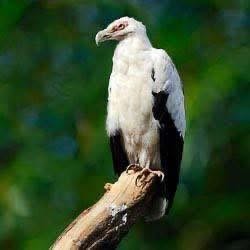
Known as the "Voice of Africa," the African Fish Eagle is an unmistakable icon of the Victoria Nile and a highlight of every Uganda birding safari. Easily recognized by its snowy-white head, chest, and tail contrasting against dark brown wings, this powerful raptor perches high in riverside trees scanning the water below. When it spots a fish near the surface, it swoops down at high speed, snatching prey with its rough, barbed talons. Beyond its impressive hunting skills, the bird is famous for throwing its head back to deliver a ringing, yelping cry that defines the soundscape of Murchison Falls. Pairs often duet loudly to establish territory along the riverbanks. Photographers and birders alike cherish the chance to watch these majestic eagles dive into the Nile against the backdrop of the roaring falls.
Gray Crowned-Crane (Balearica regulorum)
As Uganda’s national bird, the Gray Crowned-Crane holds special cultural and ecological significance on a Uganda birding safari. Instantly recognizable by its stiff golden feather crown, striking white-and-red cheek patches, and elegant pearl-grey plumage, this crane thrives in the wet grasslands and floodplains of Murchison Falls. Unlike other crane species, it possesses a long hind toe that allows it to perch securely in trees at night. During the breeding season, pairs perform elaborate, energetic dances featuring leaping, bowing, and booming calls amplified by an inflatable red throat sac. They feed on grasses, seeds, insects, and small vertebrates, often stamping their feet to flush prey from the vegetation. While populations face threats elsewhere in East Africa, Murchison Falls provides a protected sanctuary where travelers can regularly admire these graceful birds.
Savannah & Woodland Birds
Abyssinian Ground Hornbill (Bucorvus abyssinicus)
Striding confidently across the Buligi savannah tracks, the Abyssinian Ground Hornbill is one of the most memorable terrestrial birds encountered on a Uganda birding safari. Roughly the size of a turkey, this jet-black bird features bright white primary feathers visible in flight, a massive curved bill topped with a hollow casque, and vivid blue or red inflatable throat skin. Unlike tree-dwelling hornbills, this species spends most of its day walking across open grasslands in small family groups, hunting reptiles, amphibians, large insects, and small mammals. They nest in large tree cavities or rock crevices, where the female is sealed inside during incubation. Their deep, booming calls carry for kilometers across the Murchison plains at dawn, making them an unforgettable sight and sound during morning game drives.
Secretary Bird (Sagittarius serpentarius)
Resembling a cross between an eagle and a stork, the Secretary Bird is a unique terrestrial raptor regularly spotted patrolling the northern savannahs on a Uganda birding safari. Named for the crest of long black quill-like feathers behind its head, this bird boasts the longest legs of any raptor, allowing it to stride up to 30 kilometers a day through tall grass. Rather than hunting from the air, it hunts on foot, flushing out snakes, lizards, rodents, and large insects before stomping them to death with powerful, precision kicks. Although largely terrestrial, Secretary Birds are strong flyers and build massive flat nests atop thorny acacia trees. Spotting one stalking gracefully across the open plains of Murchison Falls is a prized moment for wildlife enthusiasts and birders alike.
Red-throated Bee-eater (Merops bulocki)
Adding a burst of vivid color to the riverbanks, the Red-throated Bee-eater is a favorite subject for photographers on a Uganda birding safari. Sporting emerald-green upperparts, a bright crimson throat, and a black eye mask, these sociable birds gather in noisy, active colonies along the sandy cliffs of the Victoria Nile. They excavate deep nesting tunnels directly into vertical riverbanks, where cooperative family helpers assist breeding pairs in raising chicks. True to their name, they specialize in catching bees, wasps, and hornets mid-air, returning to a favorite perch to beat the insect and remove its stinger before eating. Boat cruises along the Nile offer close-up views of dozens of these dazzling birds darting in and out of cliffside burrows in the golden afternoon light.
Black-headed Lapwing (Vanellus tectus)
Frequently seen in open fields, short-grass plains, and dusty tracks, the Black-headed Lapwing is a lively and vocal resident encountered throughout a Uganda birding safari. Easily identified by its bold black head, contrasting white forehead band, long wispy black crest, and bright red bill tip, this medium-sized wader thrives in the drier savannah zones of Murchison Falls. They forage both by day and on moonlit nights, using a classic run-and-pause technique to pick insects, beetles, and larvae from the ground. When predators or vehicles approach their ground scrapes, they become fiercely protective, emitting sharp, metallic alarm calls and performing distraction displays. Their striking facial pattern and bold behavior make them an engaging species to observe during savannah game drives.
Kingfishers & Riverine Specials
Giant Kingfisher (Megaceryle maxima)
Patrolling shaded riverbanks and overhanging branches along the Nile, the Giant Kingfisher is the largest kingfisher species in Africa and a highlight of any Uganda birding safari. Measuring up to 46 centimeters in length, this heavyweight bird features a shaggy black crest, white-spotted slate-grey wings, and a rich chestnut breast in males. Unlike smaller kingfishers that hover above water, the Giant Kingfisher hunts from a stationary perch, plunging headfirst into the river to capture large fish, crabs, and frogs. Once caught, prey is battered against a branch to stun it before being swallowed whole. They excavate deep nesting tunnels into vertical earth banks along the river. Spotting one perched quietly above the swirling waters of Murchison Falls offers a rewarding glimpse of riverine predator power.
Malachite Kingfisher (Alcedo cristata)
Tiny yet dazzling, the Malachite Kingfisher is a miniature jewel of the waterways frequently admired on a Uganda birding safari. At just 13 centimeters long, this vibrant bird boasts electric-blue upperparts, a rufous-orange belly, a bright coral-red bill, and a distinctive crest of blue-and-black feathers on its crown. Perched low on papyrus stems or reeds overhanging the Victoria Nile, it bobs its head to judge water depth before diving like a dart to snatch tiny fish, tadpoles, and aquatic insects. Because of its small size, it often allows boats to drift quite close, providing incredible opportunities for crisp wildlife photography. Watching a Malachite Kingfisher flash across the sunlit water is a classic moment on any Murchison Falls boat excursion.
Rock Pratincole (Glareola nuchalis)
Thriving amidst the spray and thunder of the world’s most powerful waterfall, the Rock Pratincole is a specialized riverine bird sought after on a Uganda birding safari. This dark, swallow-like wader features a crisp white collar, bright red legs, and a red-based black bill. In Murchison Falls, flocks gather on exposed rocks and mist-shrouded boulders near the base of the falls and along fast-flowing rapids. During the hottest hours of the day, they rest motionless on sun-warmed stones, coming alive at dawn and dusk to hawk insects gracefully above the churning river. They lay their eggs directly in shallow rock depressions without building a nest. Observing these agile birds perched calmly beside roaring whitewater highlights the remarkable adaptability of Uganda’s riverine avifauna.
Forest-Interior & Woodland Species (Budongo Forest & Woodlands)
Chocolate-backed Kingfisher (Halcyon badia)
Hidden within the lush canopy of Budongo Forest on the southern edge of Murchison Falls, the Chocolate-backed Kingfisher is a prized forest-interior target on a Uganda birding safari. Unlike its water-loving relatives, this secretive bird rarely visits rivers, preferring dense tropical rainforest where it hunts large beetles, grasshoppers, lizards, and small frogs from high perches. It is strikingly patterned with a rich chocolate-brown head and back, a pure white throat and belly, a bright red bill, and a flash of electric blue on its lower back visible in flight. Birders typically locate it by listening for its loud, descending whistle echoing through the mahogany trees along the famous Royal Mile. Spotting this elusive canopy dweller is a true badge of honor for dedicated forest birders.
Puvel's Illadopsis (Illadopsis puveli)
For serious avian enthusiasts, tracking down Puvel's Illadopsis in Budongo Forest is one of the defining goals of a Uganda birding safari. East Africa’s only known population of this secretive, ground-dwelling babbler resides within the dense undergrowth of Budongo, making Murchison Falls Conservation Area the premier place to see it. Dressed in warm olive-brown upperparts with buffy flanks and a pale throat, this shy bird spends its time foraging quietly among fallen leaves for insects and spiders. Because it rarely leaves thick cover, experienced local guides use subtle playback and patience to coax it into brief view along quiet forest trails. Successfully observing Puvel’s Illadopsis underscores the incredible biodiversity bridging East African savannahs and Central African rainforests.
Great Blue Turaco (Corythaeola cristata)
Large, flamboyant, and noisy, the Great Blue Turaco is an unforgettable spectacle in the woodlands and Budongo Forest during a Uganda birding safari. Measuring up to 76 centimeters from its upright blue-black crest to its long, broad tail, this canopy giant displays vibrant cobalt-blue plumage, a yellow-and-red bill, and a chestnut belly. Moving in small, sociable flocks through the treetops, they run agilely along thick branches like squirrels before launching into graceful, swooping glides across forest clearings. Their diet consists mainly of fruits, leaves, and flowers, playing a vital role in forest seed dispersal. Their loud, rolling chorus of kok-kok-kok calls echoes through the canopy each morning, delighting birders exploring the forested sector of Murchison Falls.
Why a Boat Cruise to the Delta is Essential for Birding in Murchison Falls
The Victoria Nile Delta boat cruise is the premier birding highlight in Murchison Falls National Park because it accesses shallow papyrus marshes where the Nile meets Lake Albert. Unlike vehicles, a quiet boat glides right up to secluded wetland edges without disturbing shy species. This 4-to-6-hour morning excursion offers Africa’s best odds of spotting the prehistoric, sought-after Shoebill stork. Alongside the Shoebill, birders enjoy close-up photography of Goliath Herons, Saddle-billed Storks, African Fish Eagles, Malachite and Pied Kingfishers, Papyrus Gonoleks, and African Jacanas, plus hippos and crocodiles basking along the tranquil riverbanks.
Why Budongo’s Royal Mile is a Must-Visit
Located within the Murchison Falls Conservation Area, Budongo Forest’s Royal Mile is widely regarded as Uganda’s finest forest birding trail. Originally a royal hunting ground, this wide, flat forest track cuts beneath towering mahogany and ironwood trees, creating a high, open canopy that makes spotting elusive upper-story birds far easier than in dense jungle. It harbors over 360 bird species, including sought-after Guinea-Congo biome specials rarely seen elsewhere in East Africa. Key targets include Puvel’s Illadopsis, Nahan’s Francolin, Chocolate-backed and Blue-breasted Kingfishers, White-thighed Hornbills, Yellow-footed Flycatchers, and Rufous-sided Broadbills, alongside lively troops of forest primates.
How Many Days to Spend Birding in Murchison Falls
To thoroughly explore the park’s diverse habitats without rushing, plan to spend 3 to 4 days birding in Murchison Falls National Park. A 3-day itinerary covers the core highlights: one day birding Budongo’s Royal Mile en route, a second day dedicated to the Nile Delta boat cruise and northern savanna game drives, and a final morning exploring the Top of the Falls and Kaniyo Pabidi sector. Extending to 4 or 5 days allows a slower pace to track nocturnal species like Pennant-winged Nightjars, re-visit productive riverine woodlands, and maximize your checklist across savanna, wetland, and forest ecosystems.
Booking Your Murchison Falls Birding Safari with Roads of Adventure Safaris
Booking your Murchison Falls birding expedition with Roads of Adventure Safaris guarantees a seamless, custom-tailored experience led by passionate local ornithological guides. We handle every logistical detail, including park entrance permits, private Nile Delta boat charters, Budongo forest walks, and strategic accommodation near prime birding hotspots. Traveling in our comfortable, pop-up-roof 4x4 safari vehicles, you set the pace—spending extra hours scanning papyrus beds or canopy gaps until every target species is ticked off. Whether you want a focused 3-day getaway or an extended Uganda birding circuit, contact Roads of Adventure Safaris today to customize your itinerary.