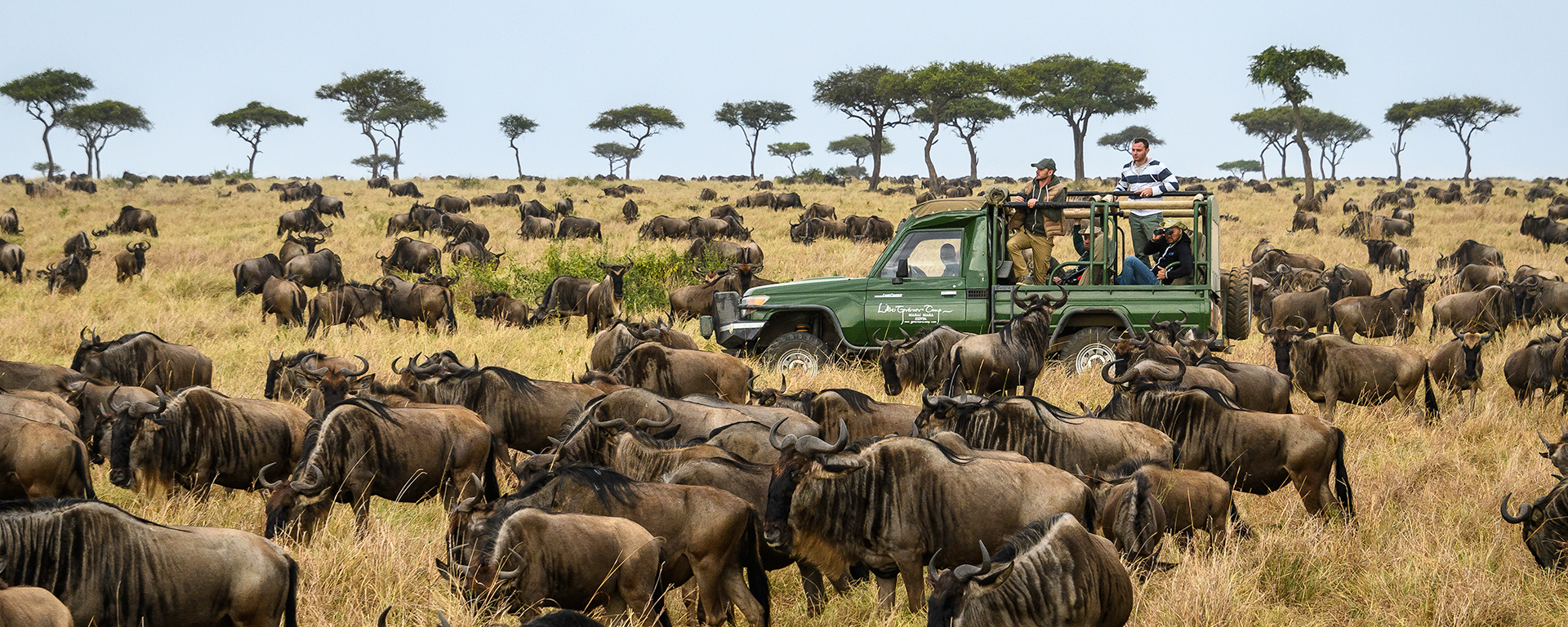
Kenya offers world-class photography and filming safaris, with top locations including the Masai Mara for the Great Migration, Amboseli for elephant herds against Mount Kilimanjaro, and Samburu for unique, arid-adapted species. Key locations like Naboisho and Lewa Conservancy provide intimate, private, and exclusive filming opportunities for predators, birds, and diverse wildlife in varied landscapes.
21-days-exclusive-kenya-wildlife-safari-in-all-popular-parks-and-beach-holidays
21-days-kenya-photography-safari-kenya-parks-diani-beach-and-malindi
19-days-kenya-tanzania-wildlife-combined-with-zanzibar-beach-holiday-vacation
17-days-photography-kenya-tanzania-safari-tour-package-to-best-east-arica-destinations
15-days-luxury-kenya-safari-holiday-and-zanzibar-beach-holiday-combined-itinerary
13-days-samburu-ol-pejeta-lake-nakuru-masai-mara-lake-naivasha-and-amboseli-kenya-safari
11-days-ultimate-kenya-tanzania-safari-combined-tour
What are the top Kenya photography safari locations for filming the Great Migration?
The Maasai Mara National Reserve is the premier destination for capturing the Great Migration, especially during July to October when wildebeests and zebras traverse the plains in search of greener pastures. The Mara River becomes the focal point of this extraordinary event, showcasing dramatic river crossings where thousands of animals bravely navigate the treacherous waters, often pursued by lurking crocodiles. This not only offers breathtaking moments for photography but also highlights the raw struggle for survival in the wild.
Key locations within the Maasai Mara, particularly along the Mara River, provide photographers with optimal vantage points for filming these crossings. The excitement builds as the herds approach the riverbank, offering dynamic compositions that capture both the animals' apprehension and determination. Settings like Paradise Plains and Musiara Marsh further enhance the experience, offering expansive landscapes dotted with acacia trees and the vibrant colors of the savannah.
To maximize the photographic potential, consider timing your visits during the golden hours—early morning and late afternoon—when the light is soft and atmospheric. Moreover, specialized photography vehicles allow for greater stability and flexibility, enabling you to position your camera at the right angle for that perfect shot.
The Maasai Mara National Reserve serves not only as a natural theater for one of the greatest wildlife spectacles on the planet but as an essential stop on any Kenya photography safari. Here, photographers can create powerful images that tell stories of nature's incredible rhythms, capturing moments that resonate deeply long after the journey has ended.
Where are the best Kenya photography safari locations to capture big cats?
The Maasai Mara National Reserve is undoubtedly the best location for photographing big cats in Kenya. This iconic reserve hosts a remarkable concentration of lions, leopards, and cheetahs, providing photographers with unparalleled opportunities to capture their majestic beauty in an unspoiled natural setting. The vast plains are home to numerous prides of lions, offering various chances to photograph them in action—whether mating, playing with cubs, or stalking prey.
Notably, the Mara Triangle, part of the reserve, is famous for its high-density lion population. Here, photographers can often observe lionesses on the hunt or lions lounging in the shade, providing superb conditions for both candid portraits and dynamic action shots. Cheetahs are also frequently seen sprinting across the open savannah, and the best time to capture these moments is during the early mornings or late afternoons when the light is soft.
Leopards, though more elusive, can be photographed in the wooded areas and along riverbanks. Their spectacular climbing skills make them particularly striking when perched on tree branches or monitoring their surroundings. Specialized photography vehicles allow for crouching low and getting closer without disturbing the animals, offering ideal angles for stunning images.
In summary, the abundant wildlife and stunning landscapes of the Maasai Mara make it the ultimate destination for any photographer keen on capturing big cats in their natural habitat. The variety of photographic opportunities combined with the thrill of wildlife encounters ensures that your Kenya photography safari will be both enriching and rewarding.
Which Kenya photography safari locations offer the best mountain backdrop for wildlife?
Amboseli National Park is unparalleled when it comes to photographing wildlife against a breathtaking mountain backdrop, specifically that of Mount Kilimanjaro. This iconic peak looms majestically over the park, creating a stunning panorama that elevates your wildlife photography to new heights. Amboseli’s diverse landscapes, characterized by open savannahs and wetlands, provide ample opportunities to capture large herds of elephants framed by the snow-capped summit of Kilimanjaro.
The elephants, known for their significant size and social behavior, can often be seen foraging or interacting in the foreground, making for powerful visual stories that showcase the harmonious relationship between wildlife and the dramatic landscape. The best time to photograph this scene is during the early morning or late afternoon light, when Kilimanjaro is often bathed in a golden glow, enhancing the visual impact of your images.
Additionally, the park is home to a variety of other wildlife, including buffaloes, lions, and various bird species, which can also be photographed within this striking backdrop. The diversity of ecosystems—ranging from swamps to grasslands—allows for a range of compositions and perspectives, enriching your photography portfolio.
Guided tours often focus on maximizing the opportunities to photograph both wildlife and the mountain, offering insights on the best spots and times for shooting. For those seeking the quintessential images of wildlife set against a stunning mountain backdrop, Amboseli National Park is a must-visit location on any Kenya photography safari.
What are the top Kenya photography safari locations for rare species?
Samburu National Reserve, located in northern Kenya, is an exceptional location for photographers eager to capture rare species. Known for its unique wildlife, including the "Samburu Special Five," this reserve provides opportunities to photograph reticulated giraffes, Grevy’s zebras, Somali ostriches, Beisa oryx, and gerenuks. These species are specifically adapted to the arid environment, and their unique characteristics add a rich layer to wildlife photography.
The landscapes of Samburu, characterized by rugged hills and the Ewaso Ng'iro River, create stunning backdrops for your photographs. The mix of lush riverine vegetation and arid plains allows for a variety of compositions, giving photographers ample opportunity to showcase both the animals and their habitats. The relatively low visitor numbers in Samburu create a more intimate experience, enabling photographers to wait patiently for the perfect shot without the distractions common in more popular parks.
The best times for photography in Samburu are early mornings and late afternoons, when the light is softer and wildlife activity peaks. Experienced guides can assist in locating these rare animals, enhancing the likelihood of capturing them in their natural behaviors and interactions.
In summary, Samburu National Reserve stands out as a top destination for photographing rare species in Kenya. The combination of unique wildlife and stunning landscapes provides a multifaceted experience that will undoubtedly enrich any photography safari.
What are the best Kenya photography safari locations for bird photography?
When it comes to bird photography, Lake Nakuru National Park is a top pick in Kenya, particularly known for its breathtaking flocks of flamingos. During migration seasons, massive numbers of flamingos can blanket the shores, creating a visual spectacle that is not only beautiful but also provides a multitude of photographic opportunities. The vibrant pink hues against the backdrop of the lake are striking, particularly during the golden hours of sunrise and sunset.
In addition to flamingos, Lake Nakuru is home to an impressive array of over 450 bird species, including pelicans, herons, and various raptors, making it a birdwatcher’s paradise. The diverse ecosystems within the park—ranging from wetlands to surrounding woodlands—allow photographers to capture a wide variety of avian species in different settings.
Photographers can maximize their birding experience by utilizing binoculars to scout for rare or interesting species before setting up their shots. Guided tours focused on bird photography can help inform you about the best spots and tactics for getting the most compelling images. The park’s stunning natural beauty, combined with the rich avian population, makes Lake Nakuru an essential stop on any Kenya photography safari focused on birds.
Are there good Kenya photography safari locations near Nairobi?
Yes, Nairobi National Park is an excellent location for wildlife photography in close proximity to the capital city. Just a short drive from Nairobi, this unique urban park allows photographers to capture images of iconic African wildlife among the backdrop of Nairobi's skyline. The juxtaposition of black rhinos and lions against skyscrapers creates a striking visual narrative that emphasizes the coexistence of nature and urbanization.
The park features a variety of ecosystems, including savannahs, wetlands, and forests, making it a rich habitat for diverse wildlife, including giraffes, zebras, and various bird species. This variability provides ample opportunities for photographing wildlife in varied settings. Early morning and late afternoon are ideal times for photography when the lighting enhances the natural beauty of the landscapes.
Accessibility is one of the key advantages of Nairobi National Park, making it an ideal destination for those with limited time but a desire to experience Kenya’s wildlife. Game drives can be arranged to maximize your photographic opportunities, often allowing you to spot animals within an hour of leaving the city.
In summary, Nairobi National Park presents a unique opportunity for engaging wildlife photography without the need for extensive travel. This enriching experience makes it an ideal addition to any Kenya photography safari itinerary.
What are the best Kenya photography safari locations for spotting black rhinos?
Lake Nakuru National Park and Ol Pejeta Conservancy are premier locations in Kenya for photographing black rhinos. Both areas are pivotal in conservation efforts for these endangered species, providing ample opportunities for wildlife enthusiasts to capture them in various behaviors and settings.
Lake Nakuru, famous for its expansive lakeside and surrounding acacia woodlands, offers unique opportunities to photograph black rhinos against stunning natural backdrops. The park is home to a significant population of both black and white rhinos, allowing for intimate interactions and stunning close-ups, particularly during the early morning light. The varied terrain makes for interesting compositions, especially when rhinos are grazing or interacting near the water.
Ol Pejeta Conservancy, in addition to being a successful conservation area, provides specialized photography vehicles to allow for close and unobtrusive encounters with rhinos. The open savannah landscape and rolling hills offer numerous vantage points to capture these majestic creatures in their natural habitat.
Photographers should aim for sunset or sunrise for the most flattering light, which enhances the vivid colors of the landscape and creates dramatic imagery of these endangered animals. Both Lake Nakuru National Park and Ol Pejeta Conservancy are must-visit locations for any photographer serious about black rhino photography, contributing to not just breathtaking images but also vital conservation awareness.
Where are the top Kenya photography safari locations to capture diverse landscapes?
Tsavo East and West National Parks are among the top destinations in Kenya for capturing a wide range of diverse landscapes, making them ideal for photographers seeking to document the beauty and variety of the African wilderness. These parks collectively span over 4,000 square kilometers, featuring dramatic volcanic landscapes, rolling hills, expansive plains, and dense forests.
Tsavo East is characterized by its red earth, open savannas, and the impressive sight of large herds of elephants roaming freely. The animals, often dusted in the park’s distinctive red soil, provide stunning subjects against the backdrop of their rugged environment. The visibility across the plains allows for breathtaking panoramic shots that demonstrate the vastness of the landscape.
In contrast, Tsavo West offers lush green hills and scenic water sources, such as Mzima Springs, that create a rich ecosystem attracting a variety of wildlife. The dramatic landscapes and varied terrain provide photographers with endless opportunities for stunning compositions, from sweeping vistas to intimate wildlife portraits.
Both parks offer incredible lighting conditions during early morning and late afternoon, which can dramatically enhance your photos by creating depth and texture. Exploring these diverse landscapes allows photographers to experiment with different perspectives and styles, making a visit to Tsavo East and West a rewarding experience for anyone on a Kenya photography safari.
What are the best Kenya photography safari locations to avoid crowds?
Meru National Park and Samburu National Reserve are two excellent options for photographers looking to avoid crowds while enjoying intimate wildlife experiences. Both locations are less frequented than popular parks like the Maasai Mara or Amboseli, offering a more tranquil atmosphere that allows for deeper engagement with the environment.
Meru National Park, famous for its diverse landscapes ranging from savannahs to wetlands and forests, is ideal for photographers seeking solitude. The park's off-the-beaten-path location provides opportunities to capture wildlife interactions in serene settings without the distraction of other visitors. You may encounter rare species like the elusive bongo, as well as sizeable populations of elephants and other iconic wildlife.
Samburu National Reserve, located in a semi-arid region, is celebrated for its unique wildlife, including the "Samburu Special Five." The lower visitor numbers in this reserve enhance the experience, enabling photographers to wait patiently for the perfect moment to capture animals in their natural behavior without the stress of competing vehicles.
Both Meru and Samburu offer varied ecosystems, unique species, and breathtaking landscapes that allow for compelling photographic compositions. By choosing to explore these lesser-visited parks, photographers can create a richer narrative of their experience while enjoying the peace and tranquility of Kenya’s magnificent wilderness.
Where are the top Kenya photography safari locations to capture boat-based wildlife photography?
Lake Naivasha is a prime destination for boat-based wildlife photography in Kenya, providing photographers with a unique perspective to capture intimate shots of hippos and a variety of water birds. The tranquil waters enable boats to approach wildlife closely, allowing for exciting opportunities to document animal behavior in their natural habitat.
Taking a boat ride across Lake Naivasha allows photographers to achieve lower camera angles, giving shots a more dynamic and engaging feel. This vantage point captures the essence of the lake's ecosystem, where you'll find hippos basking on the shores or swimming gracefully in the water. The close proximity can lead to dramatic images that highlight the everyday life of these magnificent creatures.
In addition to hippos, Lake Naivasha is home to an abundance of birdlife, including pelicans, kingfishers, and various migratory species. A boat-based approach allows for unobtrusive photography, with the chance to capture birds in action—whether diving for fish or nesting in nearby trees.
Photographers should take advantage of the early morning or late afternoon light for stunning visuals, as the soft, golden hues shimmering on the water can enhance the overall composition. With its wealth of wildlife and beautiful landscapes, Lake Naivasha proves to be an exceptional spot for boat-based wildlife photography on any Kenya photography safari.
What are the top Kenya photography safari locations for marine wildlife?
For photographers interested in marine wildlife, Diani Beach and Kisite-Mpunguti Marine Park stand out as premier locations in Kenya for capturing underwater beauty. These areas offer stunning coral reefs, crystal-clear waters, and a rich variety of marine life, making them ideal for both snorkeling and diving photography.
Diani Beach is known for its idyllic coastline and accessible submerged treasures. The warm, shallow waters provide excellent snorkeling opportunities, where photographers can capture vibrant coral formations and a fascinating array of fish species. Brightly colored tropical fish darting among the reefs allow for captivating and striking underwater shots, creating compelling visuals that highlight the biodiversity beneath the surface.
Kisite-Mpunguti Marine Park, located a short boat trip from Diani Beach, is a protected area renowned for its abundant marine biodiversity and clear visibility. Photographing dolphins, manta rays, and sea turtles in their natural settings adds an exciting dimension to your portfolio. The park’s coral gardens are teeming with life, allowing photographers to explore different underwater ecosystems.
Underwater photography in these areas is most rewarding when using a good underwater housing for your camera, enabling you to capture high-quality images without the risk of damage from saltwater. With both Diani Beach and Kisite-Mpunguti Marine Park offering excellent opportunities for marine wildlife photography, you can expect an enriching experience that showcases the beauty of Kenya's aquatic environments.
What are the top Kenya photography safari locations for photographing traditional culture?
The Maasai Mara and the Samburu region are prime locations for photographers interested in capturing traditional culture in Kenya. The Maasai people, known for their vibrant customs and striking attire, offer a wealth of photographic opportunities that highlight rich cultural heritage. Engaging with local communities provides a unique window into their customs, ceremonies, and daily lives, making for compelling documentary-style images.
In the Maasai Mara, you can capture traditional dances, crafts, and rituals, as well as stunning portrayals of the community's close relationship with the natural world. The colorful beadwork and distinctive clothing of the Maasai make for visually rich compositions, and many communities welcome photographers to document their traditions.
The Samburu people, similarly, offer unique opportunities for photographing their distinct culture. The Samburu tribe's colorful attire, adorned with intricate jewelry, is an intrinsic part of their identity. Documenting how they live harmoniously with the wildlife and landscape adds depth to your photographic story.
While engaging in cultural photography, it’s crucial to approach with respect and sensitivity, seeking permission and being aware of cultural protocols. This not only enriches the photographic experience but also fosters positive interactions with the community. By focusing on respectful engagement, photographers can capture authentic images that convey the rich tapestry of life in these cultures, making the Maasai Mara and the Samburu region essential stops on a comprehensive Kenya photography safari.
What are the best Kenya photography safari locations for night photography?
Private conservancies such as Olare Motorogi, located near the Maasai Mara, are ideal locations for night photography. Unlike national parks, where night game drives are often restricted, private conservancies allow for nocturnal wildlife encounters, providing photographers with the unique opportunity to capture the sights and sounds of the African night.
The chance to photograph nocturnal species—such as leopards, hyenas, and various small mammals—makes night drives particularly thrilling. Skilled guides help navigate the terrain while ensuring minimal disturbance to wildlife, allowing photographers to focus on capturing those magical moments as animals become active under the stars.
Night photography requires suitable equipment, including fast lenses and high ISO settings to account for low-light conditions. Utilizing specialized photography gear can yield stunning images of animals in their natural behaviors, illuminated by the soft glow of moonlight or vehicle spotlights.
Furthermore, night skies in remote areas are often breathtaking, devoid of light pollution and brimming with stars. Capturing the celestial landscape in balance with wildlife creates a visual narrative that transcends ordinary photography.
Integrating night photography into your Kenya safari offers the chance to explore a completely different perspective on wildlife, providing memorable images that celebrate the richness of life in the African wilderness after dark. This enriching experience is a must for photographers looking to expand their portfolios with nocturnal wonders.
What are the best Kenya photography safari locations to capture dramatic river scenes?
The Mara River crossing points during the Great Migration are essential for capturing dramatic wildlife scenes in Kenya. This annual spectacle, where thousands of wildebeests and zebras brave the perilous waters in search of better grazing grounds, offers a wealth of thrilling photographic opportunities.
Photographers can set up along the riverbanks to witness and document the incredible action as herds gather on the banks, contemplating their treacherous crossing while being pursued by crocodiles and big cats. The tension and energy create visually dynamic scenes, culminating in moments of high drama that are perfect for storytelling through images.
Timing is crucial; peak crossing periods, particularly during the dry season, draw large numbers of animals to the river, making it the prime moment to capture breathtaking photos filled with movement and emotion. Early mornings and late afternoons are particularly rewarding, as the soft lighting enhances the overall atmosphere of the scene and adds depth.
Utilizing specialized photography vehicles and scouting potential vantage points in advance can significantly improve your chances of capturing striking shots. The Mara River crossing represents a thrilling combination of nature's beauty, struggle, and drama—a significant highlight for any photographer turning towards wildlife and landscapes in Kenya.
What are the most accessible Kenya photography safari locations for a short trip?
Nairobi National Park and Amboseli National Park are among the most accessible wildlife photography locations in Kenya, ideal for short trips from the capital city. Being just a short drive from Nairobi, Nairobi National Park offers an extraordinary wildlife experience combined with the stunning contrast of urban scenery. Photographers can effortlessly capture images of iconic animals such as black rhinos, lions, and giraffes with the city skyline serving as a unique backdrop.
The park's diverse ecosystems, including savannahs, wetlands, and woodlands, create opportunities for rich and varied photography within a compact area. Early morning and late afternoon light conditions are excellent for photography, enhancing the natural beauty and vibrancy of your images.
Similarly, Amboseli National Park is easily reachable from Nairobi and presents breathtaking views of Mount Kilimanjaro alongside large herds of elephants, making it an ideal location for wildlife photography focused on majestic landscapes. The expansive grasslands and wetlands provide varied backdrops for stunning shots of elephants for
Booking Kenya photography safari with us Roads of Adventure safaris
Book your Kenya photography safari with Roads of Adventure Safaris for an unforgettable, personalized experience. Our tailored itineraries prioritize capturing stunning wildlife—including the Big Five—and breathtaking landscapes. Enjoy expert-guided game drives designed for optimal lighting, specializing in Masai Mara migration and Amboseli, using private vehicles. We offer luxury or premium tented accommodation and handle all logistics for a seamless, creative journey. Explore diverse terrains and capture iconic moments with our specialized photography guides. Contact us today to create your dream photographic journey!
