A Kenya photography safari offers incredible wildlife, best during dry seasons (June-Oct) for migration, with specialized vehicles, iconic animals (Big Five), and essential packing like neutral clothes, camera gear, power banks; you'll need an Electronic Travel Authorization (ETA) for entry, and can expect amazing shots but requires planning for light, rough roads, and camp power.
19-days-kenya-tanzania-wildlife-combined-with-zanzibar-beach-holiday-vacation
18-days-exclusive-kenya-tanzania-safari-to-uganda-primate-safari
9-days-luxury-africa-big-five-kenya-safari-itinerary
8-days-kenya-photography-safari-expedition
8-days-ol-pejeta-lake-nakuru-masai-mara-lake-naivasha-and-amboseli
6-days-masai-mara-kenya-vacation-and-tanzania-safari-with-zanzibar-beach-tour
7-days-incredible-africa-big-five-kenya-tanzania-combined-tour
11-days-ultimate-kenya-tanzania-safari-combined-tour
What’s the best time for a Kenya photography safari?
The best time for a Kenya photography safari largely depends on your specific interests and the wildlife conditions you want to capture. The dry season, particularly from late June to October, is ideal, as it coincides with the Great Migration when millions of wildebeest and zebras traverse the Serengeti and cross into the Maasai Mara. This incredible spectacle offers numerous photographic opportunities as herds navigate rivers and encounter predators. During this period, the vegetation is thinner, enhancing visibility for game viewing and photography. Conversely, the rainy seasons, occurring from November to March, create lush green landscapes and foster vibrant wildlife interactions, although spotting may be trickier due to denser foliage and rain. This time attracts fewer tourists, allowing for more intimate experiences with wildlife and landscapes; photographers can capture stunning contrasts of light and color in the scenery. If you’re focused on specific species or behaviors, consider the timing to align with their seasonal movements. Ultimately, both seasons provide unique photographic opportunities, ensuring that your Kenya photography safari yields captivating images.
Do I need a visa for Kenya?
For your Kenya photography safari, you do not need a traditional visa but rather an Electronic Travel Authorization (ETA). This can be easily obtained online through the official Kenyan government website, etakenya.go.ke. Ensure your application is completed in advance, as it generally takes a short time to process, allowing for a smooth entry into the country. The ETA is valid for six months from the date of application and allows for single or multiple entries. Ensure your passport is valid for at least six months beyond your planned departure date, with at least two blank pages for any necessary stamps. When traveling on an ETA, you’ll need to provide confirmation upon arrival. It’s a straightforward process that facilitates your travel arrangements, so you can focus on planning your photography adventures in Kenya without complications. Having the correct entry documentation is crucial for a hassle-free start to your safari experience, ensuring you’re well-prepared to capture the incredible wildlife and landscapes Kenya has to offer.
What are the luggage restrictions for a Kenya photography safari?
When preparing for your Kenya photography safari, it’s essential to be aware of luggage restrictions, particularly for small bush flights commonly used for transfers between remote parks. Generally, you should expect a limit of 15 kg for soft-sided luggage, which includes both checked baggage and hand luggage. The soft-sided requirement is important as it allows for easier stacking and storage in aircraft. To meet these restrictions, consider using lightweight packing techniques, such as rolling clothing and selecting versatile apparel that can be worn in multiple settings. Packing your camera gear efficiently is vital; prioritize essential items like your camera body, lenses, batteries, and accessories while ensuring your heavier items don't exceed the weight limit. Utilizing padding, such as a camera bag with protective compartments, can help safeguard your equipment during travel. If you find it challenging to fit everything within the limit, consider alternative arrangements, such as a separate luggage service or checking with your tour operator for any extra baggage allowances. Being mindful of these restrictions will contribute to a smoother travel experience, allowing you to concentrate on capturing breathtaking images during your Kenya safari.
What’s the best vehicle for a Kenya photography safari?
The best vehicle for your Kenya photography safari is typically a rugged, open-sided 4x4 vehicle. These vehicles are designed to navigate the diverse, often challenging terrains encountered during game drives, providing optimal stability and handling. The open sides facilitate excellent views and opportunities for photographing wildlife without glass reflections obstructing your shots. In a well-equipped 4x4, you can enjoy comfortable seating and ample space for all your camera gear, ensuring that everything you need is on hand during your excursions. Adaptable to various environments, these vehicles allow for off-road access, bringing you closer to wildlife and landscapes that traditional vehicles cannot reach. Many operators also equip their safari vehicles with charging points to keep your camera batteries powered throughout the day. Additionally, a knowledgeable driver-guide enhances your safari experience, offering insights into wildlife behaviors and the best positioning for photography. Ultimately, an open-sided 4x4 provides the essential combination of comfort, accessibility, and photographic opportunities that make it the ideal choice for your Kenya photography safari.
Can I charge camera batteries on a Kenya photography safari?
Yes, you can charge camera batteries during your Kenya photography safari, as most lodges and camps are equipped with solar or generator-powered electricity. Before your trip, it’s a good idea to verify the power arrangements at your accommodation, as availability may vary between locations. While many camps offer regular charging facilities, having a backup is essential for extended photo sessions. Bring a portable power bank to charge your devices on the go, especially during long game drives where it may not be feasible to charge batteries. It’s also advisable to pack extra batteries to ensure you have a full supply, particularly during critical wildlife sightings when you don’t want to miss a moment due to a dying battery. Furthermore, always take care to keep your batteries protected from dust and moisture, as both can be damaging. Adequate preparation regarding charging facilities and maintaining battery health will allow you to fully enjoy your photography opportunities, ensuring you capture stunning images throughout your Kenya safari experience.
How do I get around Kenya for my photography safari?
Getting around Kenya for your photography safari can be done in multiple ways, depending on your itinerary and preferences. Many travelers prefer a fly-in/fly-out approach, utilizing small charter flights to access distant parks like the Masai Mara, Amboseli, or Tsavo, significantly reducing travel time and allowing you to focus on photography. These flights typically depart from Nairobi and land close to camp or lodge locations. Using air travel is particularly beneficial if you’re looking to maximize your time spent capturing wildlife and landscapes. On the other hand, road transfers can provide a different perspective, allowing for spontaneous stops in remote areas and roadside opportunities to spot wildlife. Some travelers prefer this slower pace, enjoying the beautiful scenery during the journey. Regardless of your choice, ensure your transport options are suitable for photography, such as using open-sided vehicles for better visibility during wildlife sightings. Working with experienced tour operators will help streamline arrangements, ensuring a seamless travel experience that caters to your photography needs while maximizing opportunities in Kenya’s beautiful wilderness.
What type of photography permits are needed?
For your photography safari in Kenya, general photography within national parks is typically covered by the park entrance fees. These fees allow you to capture the stunning wildlife and beautiful landscapes without requiring additional permits for standard photography. However, if you plan to conduct specialized filming or commercial photography—such as using professional equipment, filming a documentary, or hosting a photo workshop—you may need to obtain specific permits from the Kenya Wildlife Service (KWS). It’s essential to contact the KWS or consult your tour operator well in advance to understand the requirements and apply for any necessary permits. Be mindful that policies and regulations can change, so staying informed is crucial before your trip. This proactive approach will ensure that your photography activities are in compliance, allowing you to focus on capturing beautiful images without any interruptions. Always keep documentation handy and be prepared for any requirements when entering parks to enhance your overall experience during your Kenya photography safari.
How important is insurance for a Kenya photography safari?
Insurance is critically important for a Kenya photography safari, especially given the remote nature of many travel areas. Having comprehensive travel insurance, including medical evacuation coverage, ensures you’re protected against unforeseen circumstances such as accidents or emergencies that may arise while in remote locations. Medical evacuation insurance becomes crucial, as many parks are situated far from hospitals; this coverage allows for swift transport in case of emergencies. Trip insurance is equally beneficial, safeguarding your investment should unexpected events cause you to cancel or interrupt your travels. Additionally, consider insuring your photography equipment, as cameras and lenses can be expensive and susceptible to damage during travel. Accidental damage or loss could hinder your ability to capture stunning moments, so protection is essential. When selecting insurance, evaluate your needs thoroughly to ensure you have adequate coverage for your specific activities. By prioritizing insurance, you can embark on your Kenya photography safari with peace of mind, enabling you to immerse yourself in the adventure without unnecessary worry.
What camera gear is essential for a Kenya photography safari?
When preparing for a Kenya photography safari, having the right camera gear is essential to capture the incredible wildlife and stunning landscapes. A telephoto lens, ideally ranging from 300-400mm or higher, is crucial for photographing distant subjects without disturbing them. This allows you to capture those intimate moments and action shots from a safe distance. A sturdy tripod or monopod is also important to stabilize your camera, especially for low-light situations or when using longer lenses. Carry enough extra batteries to ensure that you don’t run out during key wildlife sightings, as well as multiple high-capacity memory cards to store the abundance of photos you’ll be taking. Protective gear is also essential; bring dust protection to safeguard your equipment in Kenya’s sometimes dusty environment. Consider lens cleaning kits and protective bags for your camera gear to keep them safe during travels. Depending on your photographic style and interests, additional accessories such as converters or filters may also benefit your creative approach. With the right gear in place, you’ll enhance your photo-taking potential, ensuring optimal results from your Kenyan adventure.
What settings should I use for wildlife on a Kenya photography safari?
To effectively capture wildlife during your Kenya photography safari, utilizing the right camera settings is vital. Start with a fast shutter speed, ideally at least 1/1000 of a second or faster, to freeze action and reduce motion blur, particularly if you’re photographing animals in motion. Low ISO settings, generally between 100 and 400, are most advantageous in good lighting conditions to minimize noise in your images. For aperture settings, a wider aperture (e.g., f/4 to f/6.3) is recommended when working with telephoto lenses; this allows for a shallow depth of field to isolate your subject and create a beautiful bokeh effect. Adjustments may be needed depending on the light—camera settings should optimize your chances to capture sharp, vivid images. Utilize continuous shooting mode to capture a sequence of shots, especially during critical moments like a predator chasing prey. Lastly, familiarize yourself with focus modes; using AI Servo (or continuous focus) can help track moving subjects, offering a higher probability of getting the perfect shot. By mastering your camera settings, you’ll be well-prepared to document the mesmerizing wildlife of Kenya.
How do I protect my camera from dust on a Kenya photography safari?
Protecting your camera from dust during a Kenya photography safari is crucial, as the landscape can be dry and dusty, particularly while traveling on dirt roads. Start by using dust bags or covers specifically designed to shield your camera and lenses while not in use. Keep your lenses capped when not filming to prevent dust accumulation. During the safari, you can use camera rain covers that provide protection from both dust and moisture, especially if there's any chance of rain or potential splashes from wildlife interactions. If your camera collects some dust, refrain from blowing or wiping it aggressively; instead, use a blower or soft brush to gently remove particles. Additionally, having cloths designed for cleaning lenses will ensure that you keep your gear clear of smudges and dust. Regular maintenance of your camera will also pay off; clean your gear after each use and inspect it periodically while on safari. By following these precautions, you’ll ensure that your camera remains in peak condition, allowing you to capture the stunning wildlife and landscapes without worry.
Should I bring a drone for my Kenya photography safari?
Bringing a drone on your Kenya photography safari warrants careful consideration due to regulations regarding drone usage in national parks. In many cases, drones are often restricted or banned in conservation areas to ensure minimal disturbance to wildlife and to preserve the natural environment. Before planning to bring a drone, thoroughly research the specific regulations governing the parks you intend to visit; contacting your tour operator or park authorities for clarification may be necessary. If you wish to use your drone for aerial photography, you may need to obtain special permits, and adhering to the guidelines is crucial to avoid fines or confiscation. Additionally, consider the environmental impact; respectful wildlife observation is paramount. If drone usage is allowed, ensure you’re skilled in operating it responsibly to enhance your photography without jeopardizing wildlife. If drones are prohibited or undesirable, traditional photography methods can still provide magnificent images of Kenya’s beautiful landscapes and wildlife. Ultimately, staying informed about regulations will determine whether bringing your drone is feasible and beneficial for your photography safari.
What about capturing the Great Migration on my Kenya photography safari?
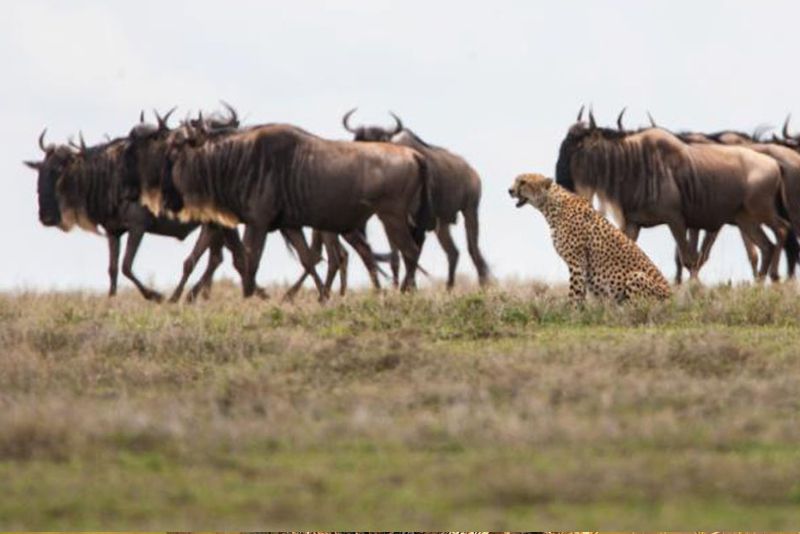
Capturing the Great Migration during your Kenya photography safari is a once-in-a-lifetime opportunity that requires strategic planning and the right techniques. This incredible spectacle, involving millions of wildebeest and other herbivores traversing the Serengeti and crossing into the Maasai Mara, creates dramatic scenes perfect for photographers. Focus on wide shots that encompass the vast herds and the breathtaking landscape, which helps illustrate the sheer scale of the migration. River crossings are particularly thrilling moments; prepare your camera for fast-action shots and ensure you’re set up to respond quickly as animals make their daring leaps. Utilize a telephoto lens to capture individual animals in action, highlighting their determination and struggles during crossings. Pay attention to the surrounding environment, such as the diverse cast of predators that follow the migration; this adds depth and context to your photos. The lighting can significantly impact your images; for those ambers and golds at dawn or dusk, adjust your settings accordingly to maximize stunning results. Stay patient and aware of your surroundings; spontaneous moments unfold quickly during the migration. By approaching this dramatic event thoughtfully, you’ll come away with awe-inspiring images from your Kenya photography safari.
Are there special photo hides on a Kenya photography safari?
Yes, some conservancies and lodges in Kenya offer special photo hides, providing a unique way to capture wildlife in their natural habitats. These hides are strategically positioned near water sources or popular animal paths, allowing photographers to remain concealed while observing and photographing wildlife without disturbing them. Being in a hide enhances opportunities for close-up shots, particularly of animals that might be skittish around humans. It also offers excellent options for birdwatching, especially during feeding times or when birds come to drink. Before your safari, inquire with your tour operator about the availability of photo hides in the areas you plan to visit, as this can significantly enrich your photographic experience. Additionally, some hides may require advance booking, so planning ahead is essential to secure your spots. Utilizing these hides can yield remarkable images and add a varied dimension to your wildlife photography. By taking advantage of the unique settings provided by these hides, photographers can successfully immerse themselves in the wildlife-rich environment of Kenya, capturing stunning images in ways that are often not achievable from vehicles.
What are the "Big Five" to photograph on a Kenya photography safari?
The "Big Five" consists of the lion, leopard, elephant, rhino, and buffalo, representing Africa's most iconic wildlife species and providing captivating subjects for photography during your Kenya safari. The lion, often seen lounging in the savannah or engaged in social interactions within prides, offers stunning photographic opportunities, especially during golden hour. The elusive leopard, known for its tree-climbing prowess, is another favorite; capturing one draped over a branch or stalking its prey can create breathtaking images. Elephants, with their majestic presence and complex social structures, are commonly seen in Amboseli National Park, often with Kilimanjaro as a stunning backdrop. The endangered black and white rhinoceros are more easily spotted at Lake Nakuru, while the buffalo, known for their impressive herd mentality, can be photographed in various parks. Focusing on the unique behaviors and environments of each of these animals will help create a diverse portfolio of images from your safari, showcasing the beauty and ecological significance of Kenya’s incredible wildlife. Ensuring you have the right camera settings and strategies in place will enhance your chances of capturing striking images of these magnificent animals.
Which parks are best for a Kenya photography safari?
For a Kenya photography safari, some parks stand out for their unique wildlife opportunities and stunning landscapes. The Maasai Mara is renowned for its spectacular Great Migration, where millions of wildebeest and zebras cross the plains in search of greener pastures. This migration creates breathtaking scenes that are ideal for capturing dynamic photographs of wildlife in action. Amboseli National Park offers stunning views of Mount Kilimanjaro and large herds of elephants, making it a perfect spot for majestic wildlife photography against dramatic backdrops. Lake Nakuru is another must-visit for photographers; it’s famous for its vast flocks of pink flamingos, and you can also spot rhinos and various bird species, enriching your portfolio with vibrant colors and unique species. Meru National Park, less frequented by tourists, provides an opportunity for intimate wildlife encounters, allowing you to capture unspoiled moments. These parks collectively present diverse habitats and wildlife, ensuring plenty of photographic opportunities, from sweeping landscapes to intimate animal interactions during your Kenya photography safari.
Can I see birds on a Kenya photography safari?
Absolutely! Kenya is a birdwatcher’s paradise, and a photography safari provides excellent opportunities to observe and capture an incredible diversity of bird species. Lakes, wetlands, and diverse habitats across the country attract a variety of birds year-round. Lake Nakuru is particularly famous for its flamingos and pelicans, offering stunning visuals against the backdrop of the lake. Bird photography here can be incredibly rewarding, capturing vibrant scenes filled with color. Meru National Park is also notable for its rich birdlife, featuring species like the African fish eagle, secretary bird, and various raptors. The combination of wetland areas and savannah provides many unique backdrops for diverse bird species. Birding is often integrated into typical safari activities, allowing you to capture smaller avian subjects while seeking larger wildlife. With keen observation and the right gear, you can photograph everything from raptors to waterbirds, enriching your overall wildlife photography experience. Engaging with local guides knowledgeable in bird species can enhance your chances of spotting rarer birds, making your Kenya photography safari an outstanding opportunity for both wildlife and bird photography.
What is a walking safari on a Kenya photography safari like?
A walking safari on a Kenya photography safari offers a unique and intimate way to connect with nature, allowing you to photograph the subtle details of the environment often missed during vehicle-based game drives. Guided by armed professionals, you’ll explore the bush on foot, providing the chance to observe smaller animals, tracks, and plants, enriching your understanding of the ecosystem. This format is particularly advantageous for close-ups of wildlife behavior, insects, and plant life, allowing for unique compositions and perspectives. As you walk slowly, you can take your time to consider the best approaches for your shots, experimenting with various angles and settings. The sounds and scents of the wilderness become more apparent when on foot, creating a more immersive experience. Walking safaris are typically conducted in parks and conservancies that prioritize visitor safety, ensuring you can appreciate the exhilarating aspects of wildlife observation without sacrificing security. As you navigate diverse terrain, photographers can capture sweeping landscapes or intimate portraits of wildlife up close. Bring appropriate gear and provisions, such as water and a good camera setup, to enhance your experience while maintaining comfort and safety on your walking safari adventure.
Can I do night drives on a Kenya photography safari?
Yes, night drives are permitted in private conservancies in Kenya, offering incredible opportunities to photograph nocturnal wildlife activities rarely seen during the day. These drives provide an entirely different perspective, revealing the behaviors, sounds, and sights of the African wilderness after sunset. Equipped with spotlights, your guide will help you spot elusive creatures such as leopards, hyenas, and various nocturnal birds. The experience can be thrilling as you observe animals in their natural behaviors, creating dynamic scenes ideal for photography. Night drives also allow for creative photography opportunities, as you adjust your camera settings to maximize low-light conditions. However, preparation and understanding of low-light photography techniques are essential to successfully capture these moments, as this may involve using higher ISO settings or slower shutter speeds. Communication with your guide helps ensure both safety and optimal photographic experiences during night excursions. Be sure to check with your tour operator about the availability and regulations of night drives, as they can greatly enrich your safari experience. Engaging in this unique activity will undoubtedly provide you with stunning and unforgettable images of Kenya’s wildlife.
What should I wear on a Kenya photography safari?
When planning what to wear on your Kenya photography safari, comfort and practicality are essential. Opt for neutral colors like khaki, brown, or green to blend into the environment and avoid startling wildlife. Layers are important, as temperatures can vary significantly from early morning to midday and evening, allowing you to adapt to changing conditions. Lightweight, breathable fabrics will keep you comfortable during warm days, while warm layers like fleece or a light jacket will be essential for cooler mornings and evenings. A wide-brimmed hat provides sun protection, and sunglasses are crucial for shielding your eyes from UV rays. Sturdy walking shoes or boots should be your go-to footwear, providing support on both vehicles and during walking safaris. Don't forget sun protection; high-SPF sunscreen and insect repellent are must-haves to shield against the sun and mosquitoes. A small backpack or camera bag will help carry your essentials, including water, snacks, and extra photography gear. Adhering to these guidelines will help ensure that you remain comfortable, protected, and ready to seize every photographic opportunity during your amazing Kenya safari.
What's a typical day on a Kenya photography safari?
A typical day on a Kenya photography safari is thoughtfully structured to maximize wildlife encounters and photography opportunities. Mornings usually start early, around sunrise, with a hearty breakfast to fuel you for an exciting day ahead. The first activity often involves a game drive, setting off to explore the park while the wildlife is most active. This time is ideal for capturing stunning images in the soft morning light. After a few hours, you'll return to your lodge or camp for brunch, allowing time to review your photos and relax during the heat of midday when animals are less active. This downtime is perfect for editing your photographs or recharging for the next adventure. In the late afternoon, you’ll head out once more for a second game drive, which often coincides with golden hour—the best time to capture wildlife images bathed in warm evening light, enhancing your shot composition. After a day filled with photography, dinner serves as a perfect opportunity to share stories and experiences with fellow travelers. This structured yet flexible schedule allows for both immersion in nature and the creative needs of photographers, ensuring unforgettable moments during your Kenya safari.
How close can I get to animals on a Kenya photography safari?
During your Kenya photography safari, respecting wildlife and maintaining a safe distance are paramount for both your safety and the animals' well-being. Professional guides are trained to understand animal behaviors and will maintain appropriate distances to ensure minimal disturbance. Typically, you can expect to be about 20-30 meters away from larger wildlife, such as elephants and lions, allowing for great photographic opportunities while prioritizing safety. Approaching animals too closely can provoke stress and alter their natural behavior, which could be harmful to them and the safari experience. Your guide will also ensure you adhere to park regulations regarding proximity to wildlife. In smaller conservancies, the regulations may be more relaxed, permitting closer encounters, yet the importance of respecting wildlife remains pivotal. Ensure you communicate with your guide about your photographic needs while adhering to their advice. Ultimately, maintaining a respectful distance enhances the experience, allowing you to capture mesmerizing photographs while ensuring the comfort and safety of all involved during your Kenya photography safari.
What if I need the restroom during a game drive on my Kenya photography safari?
During a game drive on your Kenya photography safari, it’s always advisable to use restroom facilities before departing. Most lodges and camps provide well-maintained amenities for their guests, which is a good practice to uphold before setting out on wildlife adventures. However, if nature calls during your game drive, your professional guide will have options to assist you. Guides are trained to find safe and discreet spots for brief breaks off the vehicle, ensuring that your need to go is met without compromising safety or the wildlife experience. They will assess the surroundings and ensure that you’re in a safe area, away from wandering wildlife. It’s essential to follow the guide’s lead and instructions during this process. Always carry a few sanitation items, such as hand sanitizer, to maintain cleanliness during your safari. Open communication with your guide will help ensure a comfortable experience as you navigate the exciting but unpredictable wilderness of Kenya. Proper planning will contribute to a smooth and enjoyable photography adventure.
Is tipping expected on a Kenya photography safari?
Yes, tipping is customary on a Kenya photography safari and is an essential aspect of expressing gratitude for the service you receive from your guides and lodge staff. While it’s not mandatory, tipping is a generous way to acknowledge the hard work and dedication of your team, significantly enhancing your overall safari experience. For guides, a common recommendation is to tip between $10 to $15 per day, depending on the quality of service and your satisfaction. This can be given directly at the end of your safari or placed in a communal tip box if participating in a group tour. Additionally, consider tipping lodge staff separately, such as waitstaff or housekeeping, to appreciate their service during your stay. While cash is typically preferred, inquire about tipping policies at your lodge, particularly regarding local currency. Remember that thoughtful tipping is much appreciated and contributes to the livelihoods of those who play a vital role in ensuring a rewarding safari experience. Ultimately, expressing appreciation through tips encourages excellent service and positivity, enhancing your journey in the captivating landscapes of Kenya.
Booking Kenya photography safari with s Roads of Adventure safaris
Booking Kenya Photography Safari with Roads of Adventure Safaris
Experience the magic of wildlife and landscapes on a Kenya photography safari with Roads of Adventure Safaris. Our expertly crafted itineraries ensure you catch the best photographic opportunities, from the mesmerizing Great Migration in the Maasai Mara to the breathtaking elephants of Amboseli against Mount Kilimanjaro. Our experienced guides are passionate about photography and wildlife, providing valuable insights and ensuring you’re in the right position for stunning shots. With comfortable accommodations and tailored activities, your adventure will be both immersive and enjoyable. Join us for a photography safari that promises to enrich your portfolio and create unforgettable memories in the heart of Kenya’s wilderness!
