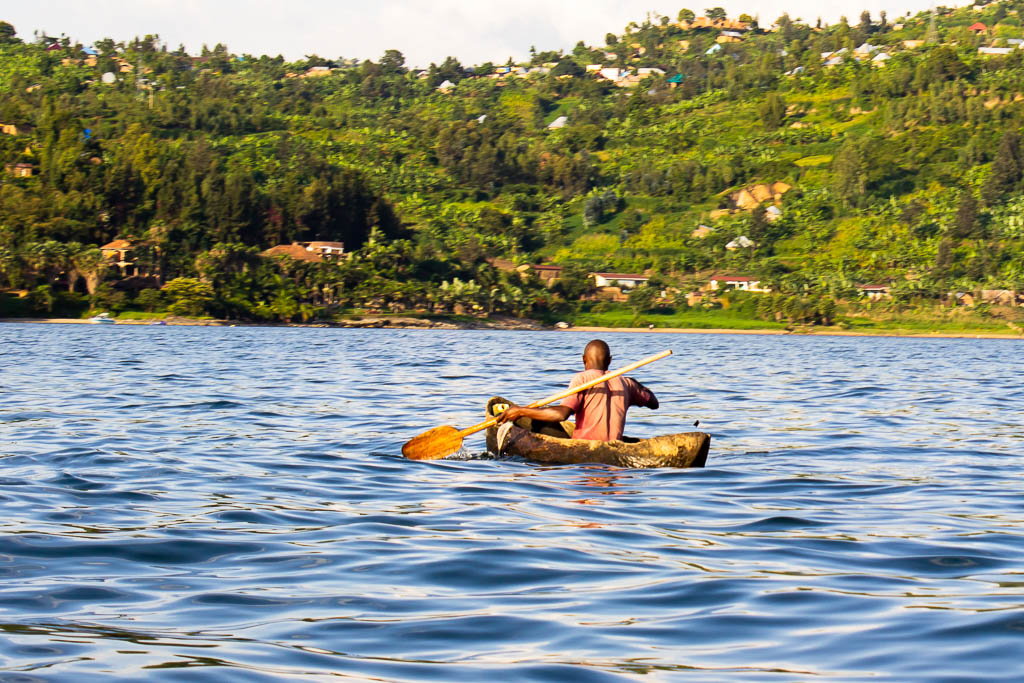
Imagine gliding across crystal-clear, deep blue waters as the sun dips behind the towering rolling hills. Lake Kivu, one of Africa's Great Lakes, offers an unrivaled aquatic escape. Shielded from strong currents and free of hippos and crocodiles, its serene bays and emerald islands create a flawless, safe paradise for both novice and seasoned paddlers.
2-days-nyungwe-luxury-fly-in-to-trek-with-chimpanzee
2-days-nyungwe-chimpanzee-tracking-and-canopy-walk
3-days-luxury-honeymoon-chimpanzee-tracking-and-canopy-walk-in-nyungweb
3-days-budget-chimpanzee-tracking-in-nyungwe-forest-park
3-days-nyungwe-chimpanzee-tracking-and-lake-kivu-relaxation
3-days-best-rwanda-canopy-walk-and-nyungwe-chimpanzee-tracking-adventure
3-day-chimpanzee-trekking-tour-package-canopy-and-lake-kivu
4-days-nyungwe-chimpanzee-trekking-canopy-walk-and-lake-kivu-relaxation
1. Lake Kivu Geography: The Jewel of the Great Lakes
Lake Kivu is a massive freshwater body straddling the border between Rwanda and the Democratic Republic of the Congo. It forms part of the African Great Lakes system and is the largest lake in Rwanda. its unique shoreline is heavily indented, creating deep bays, hidden inlets, and a scattering of distinct islands. It sits at an elevation of 1,460 above sea level, giving it a remarkably fresh, temperate, and comfortable tropical climate year-round. Because of its position in the Albertine Rift Valley, the lake is surrounded by steep, terraced green hills—living up to Rwanda's moniker as the "Land of a Thousand Hills". Paddling along this complex, sprawling coastline provides ever-changing vistas, with some shores directly bordering the active volcanoes of the Virunga range to the north.
2. Is Lake Kivu Bilharzia and Crocodile Free?
A common concern for travelers and water enthusiasts in East Africa is water-borne parasites and dangerous wildlife. Fortunately, Lake Kivu is completely free of crocodiles and hippos, making it a safe haven for water sports. Additionally, the lake's waters are Bilharzia-free. This means you can safely swim, sunbathe, and partake in water sports like kayaking, windsurfing, and paddleboarding without the typical risks associated with many other African lakes. The absence of large, predatory aquatic animals allows you to paddle with peace of mind. Whether you are setting out from a resort or stopping on a deserted island, the clean, refreshing, and deep blue waters of Lake Kivu are highly inviting.
3. Kayak Launch Points: Rubavu vs. Karongi (Kibuye)
When planning a kayaking trip on Lake Kivu, two primary launch hubs stand out: Rubavu (formerly Gisenyi) and Karongi (formerly Kibuye). Rubavu is located at the northern tip of the lake and offers a vibrant, social atmosphere with stunning volcanic backdrops, including views of the distant Mount Nyiragongo. Karongi, situated roughly in the middle of the lake, is renowned for its tranquil environment, extensive network of islands, and peaceful bays. Both towns offer excellent access to the water and are well-supported by operators like Kingfisher Journeys and local guides. Many multi-day kayak expeditions are designed to start in Rubavu and end in Karongi (or vice versa), allowing adventurers to cover significant distances while taking in markets, coffee farms, and islands along the way.
4. Guided vs. Independent Kayaking on the Lake
Navigating Lake Kivu by kayak is highly accessible, though guided excursions are strongly recommended for the best experience. Local outfitters provide modern, stable, sit-on-top, and sea kayaks that are perfect for both beginners and experienced paddlers. A local certified guide enhances the trip by navigating the complex shorelines, interpreting the local flora and fauna, and sharing cultural knowledge about the lakeside communities. While independent paddling is possible in the sheltered bay areas, venturing into the open waters without a guide is discouraged due to changing weather and winds. Utilizing guided operators ensures you have safety instructions, proper equipment, and logistical support.
5. Island Exploring: Napoleon Island (Munini)
One of the most famous and striking islands to explore on Lake Kivu is Munini, widely known as Napoleon Island. It earns its nickname from its distinctive hat-like shape that rises dramatically from the water. The island is particularly famous for its massive, raucous colony of straw-colored fruit bats, numbering in the thousands. Adventurers can kayak to the shores, tie up, and take a short but steep hike to the top of the island's peak. From the summit, you are rewarded with panoramic views of the lake, the scattered islands, and the distant Rwandan coastline. The hike through the lush foliage and the auditory experience of the bat colony make Napoleon Island a quintessential stop on any Lake Kivu kayaking itinerary.
6. Island Exploring: Monkey Island and Agriculture Island
Beyond the famous bat colonies, the Lake Kivu archipelago is full of life and local agriculture. Monkey Island is a popular destination where paddlers can observe various primate species, such as vervet monkeys, as they forage and play in the dense canopy along the water's edge. Nearby, you will find Agriculture Island—a completely different experience where local communities cultivate the land. Paddlers can disembark and explore small, terraced farms laden with avocados, macadamia nuts, bananas, and coffee. Visiting these agricultural islands provides a tangible connection to the region's rich volcanic soil and offers an opportunity to interact respectfully with local farmers who rely on these fertile plots.
7. Birdwatching: The Pied Kingfisher and African Fish Eagle
Lake Kivu is a sanctuary for birdlife, and a kayak allows for a silent, unobtrusive approach that motorboats cannot match. As you paddle the quiet inlets, you can observe a variety of water birds darting in and out of the shoreline vegetation. A prominent species frequently spotted is the pied kingfisher, renowned as the largest bird in the world capable of hovering in place without being propelled by the wind. Overhead, the iconic cry of the African Fish Eagle is a regular soundtrack to your paddle, often seen scanning the clear waters from the highest treetops. Herons, egrets, and cormorants are also commonly seen stalking the shallows or drying their wings on rocky outcrops, making the lake a paradise for birding enthusiasts.
8. The Singing Fishermen of Lake Kivu
Perhaps the most culturally evocative experience on Lake Kivu is witnessing the local fishing culture. Traditional wooden boats, often linked together as catamarans, go out onto the water at sunset. As the fishermen paddle in unison across the dark waters, their deep, rhythmic songs carry beautifully across the tranquil lake. Paddling out on a sunset kayak tour gives you the unique opportunity to meet these fisherfolk as they begin their night of work, catching the prized small fish known as Isambaza. This authentic interaction bridges the gap between traveler and local life, and experiencing the unity and song of the fishermen is an emotionally moving highlight of any trip to the lake.
9. Night Fishing Experience: Catching Isambaza
For those who want to immerse themselves further in the local maritime tradition, the local night fishing experience is an absolute must. The fishermen cast their wide nets in the pitch-black night, utilizing bright lanterns on their boats to attract the lake's fish. These lanterns create a stunning, starry effect across the otherwise dark, expansive water. Paddling out at night (usually with a guide) allows you to witness this ancient, sustainable method of catching Isambaza up close. Many tour providers, such as Roads of Adventure safaris, offer opportunities to paddle alongside the fishermen, learn about their traditional techniques, and observe how the lake supports the livelihoods of surrounding communities.
10. Imbabazi Orphanage and Local History
While touring the lakeside town of Rubavu (Gisenyi), visitors often make time to visit the nearby Imbabazi Orphanage. Established by the late Rosamond Carr in 1994, the orphanage was created to care for children who were left orphaned in the aftermath of the tragic Rwandan genocide. Although its focus has evolved over the decades, the orphanage remains a deeply significant place to visit, offering visitors a glimpse into Rwanda's resilience and capacity for healing. Paddlers taking a break from the water can tour the beautiful surrounding gardens, learn about the area's complex history, and gain a profound appreciation for the social fabric of the country.
11. Coffee and Tea Plantation Tours
The lush volcanic hillsides rising from Lake Kivu are prime agricultural land, especially for high-quality Arabica coffee and rich tea. Many kayaking and boat excursions incorporate stops at lakeside farms and processing stations, such as those in Kinunu. During these tours, travelers can walk through the emerald green plantations, learn about the harvesting and washing process, and even roast their own coffee beans. Sipping a freshly brewed cup of coffee right at the source, while taking in the cooling breeze off the lake, provides a sensory experience that grounds your adventure in the agricultural heritage of Rwanda's Western Province.
12. Hot Springs and Methane Gas
Lake Kivu is a geothermally active region, and paddlers exploring the northern shores near Rubavu can easily kayak to the Amashuza Hot Springs, often called "magic waters". These natural thermal springs emerge at the lake's edge, and their mineral-rich waters are reputed to have medicinal properties that soothe tired muscles after a long day of paddling. Additionally, Lake Kivu is globally famous for its vast, deep-water deposits of dissolved methane and carbon dioxide. While the lake poses unique limnic eruption hazards, Rwanda has harnessed this geothermal resource. Innovative plants extract the methane from the deep waters, safely converting it into a source of renewable electricity for the region.
13. Congo Nile Trail Biking and Hiking
For those who wish to combine their time on the water with land-based adventures, the Congo Nile Trail is a spectacular option. Stretching along the eastern shores of Lake Kivu from Rubavu in the north to Rusizi in the south, this multi-stage trail spans roughly 227 km. The trail can be broken down into shorter, manageable segments for hiking or mountain biking. Winding through eucalyptus forests, tea and coffee plantations, and vibrant rural villages, it offers a challenging but incredibly rewarding way to see the country. Many visitors spend their mornings kayaking the bays of Lake Kivu and their afternoons cycling or hiking segments of the Congo Nile Trail.
14. Best Time to Kayak on Lake Kivu
While kayaking on Lake Kivu is possible year-round, the optimal conditions align with Rwanda's dry seasons. The best times to paddle are generally from December to February and again from June to September. During these months, the weather is sunny, rainfall is minimal, and the lake waters are typically much calmer. This makes navigation easier and more enjoyable for island hopping and taking scenic photographs. However, it is always wise to be prepared for sudden winds or afternoon rain showers, which are characteristic of the equatorial climate. Checking with local outfitters ensures you hit the water during the safest, most picturesque windows of the day.
15. The "Swimming Cows" of Nkombo and Lake Kivu
An incredibly unique and delightful sight on Lake Kivu is witnessing "swimming cows". In the southern reaches of the lake near Nkombo Island and other smaller islets, local farmers occasionally guide their cattle into the water to swim between the mainland and the smaller grazing islands. The cattle, primarily the majestic long-horned Ankole variety, are surprisingly strong swimmers. Paddlers exploring the more remote southern islands may chance upon this remarkable, pastoral scene, where farmers paddle alongside their livestock in small wooden canoes. It is a testament to the traditional, harmonious lifestyle of the local communities and an unforgettable photo opportunity for the observant kayaker.
16. Multi-Day Kayak and Camp Expeditions
For the true adventurer, the multi-day kayaking and camping expeditions offer the ultimate Lake Kivu experience. Outfitters like Kingfisher Journeys organize journeys that can last anywhere from 2 to 4 days. Paddlers glide through inlets, explore the stunning "Bay of Islands," and stop to rest at remote, uninhabited islands. Instead of returning to a resort, adventurers set up comfortable campsites under the stars on quiet, secluded island shores. These multi-day excursions allow you to travel at a slow, deliberate pace, giving you ample time to meet Kivu's fisherfolk, hike the various island peaks, and fully disconnect from the modern world.
What makes Lake Kivu safer for swimming and kayaking than other African Great Lakes?
Lake Kivu is a true anomaly among Africa’s major bodies of water because it completely lacks two of the continent's most feared aquatic residents: crocodiles and hippopotamuses. The lake's unique chemical composition, which features high levels of dissolved carbon dioxide and methane gases trapped deep beneath the surface, creates an environment that does not support the aquatic vegetation and food chains these large, dangerous animals require.
Additionally, the water is entirely free from Bilharzia, a common and painful parasitic disease found in many tropical freshwater lakes. This parasitic freedom is due to the lake's specific mineral content, temperature, and deep-water characteristics, which prevent the host snails from thriving along the shoreline. Because you do not have to worry about predatory wildlife or microscopic parasites, you can jump straight out of your kayak for a refreshing swim into the clear, deep blue water. It provides an incredible peace of mind that is rare for freshwater adventures in East Africa, making it a safe haven for families, solo travelers, and water sports enthusiasts alike.
Can you explain the phenomenon of the "Singing Fishermen" of Lake Kivu?
The singing fishermen represent the living heartbeat of Lake Kivu's cultural heritage. Every single evening as the sun dips below the horizon, hundreds of fishermen venture out onto the water in unique, traditional wooden catamarans made of three long boats lashed together with eucalyptus poles. As they paddle in unison out into the deep waters, they sing rhythmic, deep-voiced songs that carry beautifully across the calm, open water.
These songs are not just for entertainment; they are a vital tool for survival and teamwork. The rhythmic chanting helps the crew synchronize their paddling strokes against the currents and coordinate the heavy lifting required to cast and haul their massive fishing nets. The music also keeps morale high during long, chilly nights on the water. Paddling alongside these three-boat crews in a kayak at dusk is a profoundly moving, sensory experience. Watching their lanterns flicker to life across the dark lake while listening to their melodies echo off the surrounding hills is a beautiful reminder of the deep, historic connection between the local people and the waters that sustain them.
What is the best itinerary for a first-time kayaker visiting the lake?
For a first-time visitor, a three-day itinerary starting in the northern resort hub of Rubavu (Gisenyi) and exploring the central "Bay of Islands" near Karongi (Kibuye) offers the perfect balance of relaxation and adventure. On your first day, launch your kayak from Rubavu for a gentle morning paddle along the shoreline, passing local fishing villages and stopping to soak in the therapeutic Amashuza Hot Springs where warm, mineral-rich water bubbles directly into the lake.
On day two, transfer down to the peaceful town of Karongi, which features a heavily indented coastline packed with emerald-green islands. Spend your morning paddling out to Munini, famously known as Napoleon Island, to hike its summit and watch the massive colony of fruit bats. In the afternoon, navigate through the sheltered channels around Monkey Island to spot foraging primates in the trees. On your final evening, book a guided sunset kayak excursion to paddle alongside the iconic singing fishermen as they head out for their nightly harvest. This route keeps you in sheltered, calm waters while maximizing your exposure to the lake's best wildlife and cultural highlights.
What wildlife can I expect to see while exploring Kivu’s islands?
While you won't find the classic African "Big Five" large mammals swimming in Lake Kivu, the islands and shorelines are absolutely teeming with a spectacular array of smaller wildlife, particularly birds and primates. The undisputed highlight for most adventurers is the massive colony of straw-colored fruit bats thriving on Napoleon Island. Thousands of these vocal creatures hang from the forest canopy, occasionally taking flight in giant, swirling clouds that darken the daytime sky.
As you silently glide along the shorelines of the smaller islets, you will frequently spot troops of lively vervet monkeys playing in the branches and foraging for wild fruits near the water's edge. For birdwatchers, the lake is an absolute paradise. You will constantly hear the haunting, iconic cry of the African fish eagle echoing from high perches. Brightly colored malachite and pied kingfishers hover precisely over the water before diving to catch small fish, while long-tailed cormorants, majestic grey crowned cranes, and elegant white egrets stalk the shallow reeds. A kayak allows you to approach these animals quietly without the disruptive noise of a motorboat engine.
How does Rwanda safely extract methane gas from the depths of Lake Kivu?
Lake Kivu is globally famous for being an "exploding lake" because its deep waters contain billions of cubic meters of dissolved methane and carbon dioxide trapped under immense water pressure. If left unchecked, a major disturbance could trigger a catastrophic gas release. However, Rwanda has turned this environmental hazard into a pioneering source of clean, renewable energy through cutting-edge engineering facilities like the Kivuwatt project.
The extraction process involves floating platforms anchored several kilometers offshore in the deepest parts of the lake. These facilities vacuum up the gas-rich water from depths of over 300 meters. As the water rises to the surface, the atmospheric pressure drops, causing the dissolved methane gas to naturally separate from the water, much like bubbles rushing out of an opened bottle of soda. The extracted methane is captured, purified, and piped to an onshore power plant where it is burned in gas engines to generate electricity for the national grid. The degassed water is then safely returned to the lake's depths. This brilliant system mitigates the risk of a dangerous natural eruption while providing Rwanda with a steady source of domestic power.
What should I pack for a multi-day kayaking and camping trip on the lake?
Packing for a multi-day kayak expedition requires a balance of sun protection, moisture management, and lightweight camping essentials. Because you will be exposed to intense equatorial sun reflecting off the water all day, high-quality UV protection is your absolute priority. Pack a wide-brimmed sun hat, polarized sunglasses with a retention strap, and plenty of reef-safe sunscreen. Wear lightweight, quick-drying long-sleeve shirts and a breathable pair of water shoes or sandals with secure straps for island landings.
For the water, you must bring durable dry bags to keep your clothing, electronics, and camera gear completely waterproof. While outfitters like Kingfisher Journeys provide top-tier life jackets, spray decks, and tents, you should pack a lightweight sleeping bag, a headlamp for the dark island nights, and a power bank to recharge your devices. Don't forget a sturdy insect repellent for the evenings on shore, a reusable water bottle, and a compact rain jacket, as afternoon tropical showers can roll over the volcanic hills quite suddenly even during the dry season.
How can travelers ethically interact with the lakeside farming communities?
Interacting ethically with the local communities along Lake Kivu means prioritizing respect, economic fairness, and cultural sensitivity. The terraced hillsides and islands are home to hardworking agricultural communities who cultivate coffee, tea, bananas, and macadamia nuts. When your kayak arrives on an inhabited island or rural shore, always greet the locals warmly with a polite "Amakuru" (How are you?) in Kinyarwanda. Always ask for explicit permission before taking photographs of residents, especially children or people working in their fields.
The best way to support these communities is to inject money directly into the local economy. Book guided tours through local cooperatives, purchase fresh fruit directly from farmers, or visit processing stations like the Kinunu coffee washing station. Here, you can pay for an educational tour to see how coffee travels from bean to cup. Hiring local guides ensures that the profits from tourism stay within the lakeside villages. Additionally, avoid handing out loose cash or candy to children on the beaches, as this encourages begging; instead, donate to established local schools or community projects if you wish to give back.
What are the differences between launching from Rubavu versus Karongi?
Choosing where to launch your kayak depends entirely on the type of atmosphere and landscape you prefer. Rubavu, located on the northern shore, is a lively and bustling border town that blends an urban beach vibe with outdoor adventure. When you paddle here, you are treated to dramatic views of the active Virunga volcanoes, including Mount Nyiragongo. The water can be a bit more open and wavier, making it ideal for those who enjoy a classic seaside feel, relaxing at beachside bars, and checking out local historical sites like the nearby Imbabazi Orphanage.
In contrast, Karongi, situated in the middle of Rwanda's western coastline, is a paradise of pure tranquility. The landscape here is defined by an intricate maze of deeply indented bays, peaceful channels, and a spectacular cluster of islands rising steeply from the water. The waters around Karongi are remarkably calm, sheltered, and mirror-like, offering an easy and incredibly relaxing paddling experience. This makes Karongi the premier choice for island hopping, birdwatching, and enjoying a quiet, isolated escape deep within nature's playground.
What challenges or risks should kayakers look out for on Lake Kivu?
Although Lake Kivu is incredibly safe due to the absence of dangerous animals and parasites, it is still a massive body of water that demands respect. The primary risk for kayakers stems from unpredictable weather patterns. Because the lake is nestled within steep volcanic hills, strong winds can channel through the valleys quite suddenly, creating choppy waves and strong currents in the afternoon. A perfectly calm morning can quickly transition into a challenging paddle, so checking weather forecasts and staying close to the shore is vital.
Another factor to consider is the sun and dehydration. The cool breeze off the lake can easily mask the intense strength of the equatorial sun, leading to severe sunburn or heat exhaustion if you aren't careful. Finally, while the lake's unique methane and carbon dioxide gases are safely trapped in the deep water, you should avoid entering deep, enclosed caves or unventilated depressions right along the volcanic shorelines where pockets of heavier gases could theoretically accumulate. Paddling with a certified local guide mitigates almost all of these risks, as they know how to read the winds and handle changing conditions.
Can you describe the experience of tasting Lake Kivu’s local specialty food?
No kayaking trip to Lake Kivu is complete without indulging in the local culinary crown jewel: Isambaza. These tiny, sardine-like silver fish are endemic to the lake and form the foundation of the local diet and economy. Freshly caught by the singing fishermen during the night, they are brought to lakeside restaurants and village markets early every morning, guaranteeing that what is on your plate is incredibly fresh.
The most popular way to enjoy Isambaza is deep-fried until they are perfectly crispy and golden brown. They are typically served whole—bones, head, and all—accompanied by a squeeze of fresh lime juice, a side of local chips (fries), or Akabanga, Rwanda’s famously fiery chili oil. Eating them is a hands-on, casual experience; you pop them into your mouth like crunchy finger food. The flavor is mildly salty, savory, and not overly fishy, making them an instant hit even for cautious eaters. Sitting on a wooden deck over the water after a long day of paddling, enjoying a cold drink, and sharing a platter of crispy Isambaza is the ultimate way to celebrate the lake.
