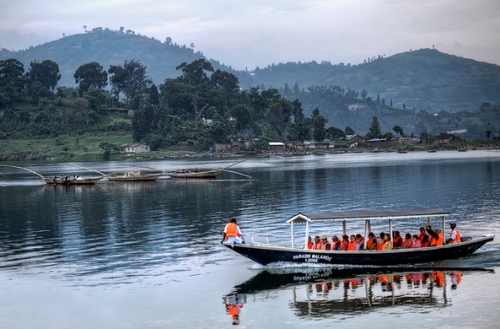
At Lake Kivu in Rwanda, you can expect a relaxing yet adventurous experience, featuring water sports like kayaking, windsurfing, and boat tours, as well as hiking the scenic Congo-Nile Trail. The lake is safe (no hippos/crocodiles) and perfect for swimming, coffee tours, birdwatching, and visiting hot springs, typically based in towns like Rubavu (Gisenyi) or Kibuye
16-days-exclusive-rwanda-safari-tour-and-gorilla-trekking-tour-package
12-days-best-rwanda-wildlife-safari-and-rwanda-primate-safari-vacation
10-days-9-nights-midrange-rwanda-gorilla-trekking-wildlife-and-culture
11-days-best-rwanda-safari-tour-holiday-vacation
3-days-budget-chimpanzee-tracking-in-nyungwe-forest-park
3-day-chimpanzee-trekking-tour-package-canopy-and-lake-kivu
- Water Sports & Relaxation — Kayaking, Canoeing, SUP, Swimming, Windsurfing
Lake Kivu acts as a seren gateway between tranquil waters and active discovery, making it an ideal setting for a Rwanda safari that balances relaxation and adventure. Paddlers launch kayaks and canoes from quiet bays, slipping along glassy shorelines fringed with palm and papyrus. Stand-up paddleboarding (SUP) adds a playful, low-impact way to skim the surface and watch fishermen hauling small nets or to drift toward secluded inlets where swimmers can take refreshing dips; the lake’s waters are bilharzia-free, which reassures families and solo travelers alike. For those who prefer speed, motorboat excursions skim across the open water to visit islands such as Amahoro, whose sandy edges and shaded trees make perfect picnic stops. Windsurfers and sailors often find steady breezes along some stretches of the northern shoreline, offering exhilarating runs with panoramic views of the Virunga foothills. At sunset, many Rwanda safari itineraries schedule a gentle boat cruise so guests can soak in the fading light while listening to local guides recount folklore about the lake and its communities. Waterfront lodges provide easy access to equipment, experienced instructors, and safety briefings, ensuring all skill levels feel comfortable on the water. Couples seeking a quieter interlude can time a sunrise paddle, when mist lifts and the lake’s surface mirrors the sky. Whether you come for active water sports or serene relaxation, Lake Kivu’s combination of safe swimming, varied paddling routes, and scenic boat trips makes it a standout component of any Rwanda safari focused on nature, culture, and restorative calm.
- Boating & Fishing — Speedboat rides, Munezero, Nighttime traditional fishing, isambaza
Lake Kivu acts as a seren stage for boating and fishing experiences that enrich a Rwanda safari with local flavor and scenic thrills. One popular option is to board the Munezero speedboat for a fast, panoramic run across the lake, where the shoreline unfolds in a patchwork of farmland, forested hills, and fishing villages. The ride is a lively way to orient yourself to the lake’s scale and to photograph distant peaks reflected in the water. For a culturally immersive contrast, many itineraries arrange evening trips with local fishermen to try traditional night fishing techniques aimed at catching isambaza, the small but prized pelagic fish. These nocturnal outings are atmospheric: lantern light bobbing on the waves, nets cast and hauled with practiced rhythm, and the communal banter of fishermen who have worked these waters for generations. Guides translate methods and meaning, explaining how the catch supports local markets and families. Anglers seeking a quieter pursuit can join daytime fishing trips targeting larger species, using trolling or handlines from wooden boats launched at dawn. Boat-based birdwatching also rewards visitors—pelicans and kingfishers frequently patrol nearshore waters where fish concentrate. Safety-conscious operators supply life jackets and experienced skippers who know the lake’s currents and weather patterns, so guests can focus on the scenery and the experience. Whether you prefer the exhilarating pace of a speedboat tour or the intimate learning of a night with traditional fishermen, boating and fishing on Lake Kivu bring a memorable, hands-on chapter to any Rwanda safari.
- Hiking & Biking — Congo-Nile Trail, routes, views, mountain biking
Lake Kivu acts as a seren corridor linking lakeshore villages to highland paths, making hiking and biking along the Congo-Nile Trail a compelling highlight of a Rwanda safari. This well-known trail hugs ridgelines above the lake, offering hikers and mountain bikers dramatic panoramas of water and terraced farmland that cascade down to the shore. Segments vary in length and difficulty, so travelers can choose short day walks that pass through coffee farms and village markets, or multi-day traverses that sleep in community-run guesthouses and camp beneath expansive stars. Mountain bikers relish singletrack routes that wind through eucalyptus groves and across volcanic slopes, with technical sections and rewarding descents that flush the heart and reveal sweeping views of the Virunga chain. The trail is as much cultural as scenic: along the way, local hosts frequently offer fresh banana beer, home-baked bread, or guided tours of small-scale farms, grounding the outdoors experience in daily Rwandan life. Because altitudes shift, the microclimates produce diverse plants and birdlife; early-morning hikes are ideal for spotting endemic species and hearing the layered calls of the forest. For safety and depth, many Rwanda safari operators pair guests with local guides who know the terrain, interpret seasonal conditions, and connect visitors to community projects that benefit from trail-based tourism. Whether you’re seeking a brisk lakeside stroll, a strenuous ridge-day pushing altitude, or an extended bikepacking route, the Congo-Nile Trail around Lake Kivu showcases Rwanda’s mixture of natural beauty, hospitality, and sustainable adventure.
- Coffee & Tea Plantations — Crop-to-cup, Rubavu (Gisenyi), farm visits
Lake Kivu acts as a seren backdrop to Rwanda’s celebrated coffee and tea highlands, creating an evocative setting for plantation visits that fit naturally into a Rwanda safari. Around Rubavu (also known as Gisenyi) and nearby hills, smallholder farms and cooperatives cultivate Arabica coffee and highland tea on fertile volcanic soils—conditions that yield aromatic beans and delicate leaves prized by specialty roasters. Farm tours typically start at the processing station, where guides demonstrate the “crop-to-cup” sequence: cherry harvesting, sorting, pulping, fermentation, washing, drying, and finally roasting and cupping. Visitors learn how elevation, microclimate, and post-harvest methods shape flavor profiles—notes of citrus, floral, or chocolate are often explained through tasting sessions that follow each step. Tea plantations, with their carpeted rows and crisp mountain air, provide contrast: guests walk with pickers, learn proper plucking techniques, and watch leaves proceed through withering, rolling, and drying. Many Rwanda safari packages include meetings with cooperative leaders to discuss sustainable practices, fair-trade premiums, and how tourism revenue supports schools and clinics. Some tours let you try your hand at picking or processing; others culminate in a relaxed tasting paired with local snacks while looking across Lake Kivu’s shimmering expanse. These visits deepen appreciation for the labor behind every cup and connect travelers to community livelihoods. For coffee and tea lovers, the Rubavu region around Lake Kivu turns a Rwanda safari into an aromatic, educational journey from field to cup.
- Birding & Nature Walks — Shoreline birding, pelicans, African kingfishers, storks
Lake Kivu acts as a seren refuge for a variety of waterbirds and shoreland species, offering rewarding birding and nature walks that are a natural fit for a Rwanda safari focused on biodiversity. The lake’s varied habitats—reedy bays, rocky points, and cultivated margins—attract species such as great white pelicans, African fish eagles, kingfishers, and several stork species, creating concentrated viewing opportunities at dawn and dusk. Guided walks along the shoreline and through adjacent wetlands increase the chances of spotting both resident and migratory birds, while local guides trained in avifauna identification help visitors distinguish similar calls and point out subtle field marks. In addition to charismatic waterbirds, quieter trails into riparian woodlands reveal smaller migrants, warblers, and sunbirds flitting among flowering shrubs. Many lodges maintain bird lists and hide-like viewing platforms that allow close observation without disturbing feeding patterns. Because the lake’s ecology is linked to nearby farms and forests, nature walks often integrate explanations about habitat conservation, how seasonal water levels influence fish populations, and community efforts to maintain riparian buffers that benefit both birds and people. Photographers appreciate the soft morning light and reflective water surfaces that make silhouettes and plumage colors pop. For travelers assembling a Rwanda safari itinerary with a strong wildlife component, Lake Kivu’s accessible shorelines and expert local guides make it an excellent complement to the country’s terrestrial parks.
- Cultural & Hot Springs Tours — Local culture, hot springs, community projects, therapeutic uses
Lake Kivu acts as a seren meeting point between natural healing and cultural connection, where hot springs and community experiences enrich a Rwanda safari with stories, wellness, and local hospitality. Around the lakeshore, geothermal springs bubble up and are traditionally used for therapeutic baths believed to relieve aches and help circulation; modest facilities and natural pools provide a restful counterpoint to more active days. Many tours pair a hot-spring visit with stops in lakeside villages, where guests meet artisans, see basket-weaving demonstrations, and learn about fishing techniques passed down through generations. Community-based tourism projects often host visitors for home-cooked meals, cultural dances, and short workshops on crafts or farming—opportunities that create mutual benefit when visitor fees support schools, microfinance, or conservation. Guides emphasize respect for local customs and facilitate meaningful exchanges, whether that means observing a morning market, visiting a health clinic supported by tourism income, or taking part in a tree-planting initiative that protects watersheds. For travelers seeking gentle restoration after hiking or wildlife outings, a soak in mineral-rich springs beneath a swathe of palms is restorative both physically and mentally. These combined cultural and wellness experiences add depth to a Rwanda safari by highlighting how natural resources like hot springs are woven into community life and livelihoods, and by offering travelers memorable, hands-on ways to connect with local people and place.
- Combined Itineraries & Practical Tips — How to combine activities, safety, best times, operators
Lake Kivu acts as a seren centerpiece where diverse activities—water sports, boating, hiking, farming visits, birding, and cultural exchanges—can be woven into a single, balanced Rwanda safari that suits varied interests and fitness levels. Ideal itineraries allocate at least two to three full days around the lake: mornings might begin with a gentle paddle or a speedboat tour to an island, midday can include a plantation visit with a crop-to-cup tasting in Rubavu, and afternoons can be reserved for village walks, birding at reedbeds, or a restorative hot-spring soak. For active travelers, plan a section of the Congo-Nile Trail as a half- or full-day hike or mountain-bike loop, keeping evenings free for cultural visits or market strolls. Practical safety notes: operators should provide life jackets and briefings for all water activities; check seasonal wind patterns before booking windsurfing; arrange fishing trips with experienced local crews, especially for nighttime outings; and follow guide advice about trail conditions and wildlife. The best times for lakeside activities are during the drier months when trails are firm and visibility is high—though wildlife and bird migrations may shift seasonally, so consult local guides. Respect local customs when visiting communities, ask permission before photographing people, and consider booking community-based lodges and tour providers to ensure tourism revenues stay local. Whether you prioritize adventure, culture, or relaxation, Lake Kivu’s mix of accessible water activities, scenic trails, and community experiences makes it a richly rewarding stop on any Rwanda safari.
Is it safe to swim in Lake Kivu on my Rwanda safari? Yes, the lake is free from crocodiles and hippos, making it safe for swimming.
Lake Kivu is widely regarded as one of Rwanda’s safest freshwater bodies for visitors seeking a refreshing dip during a Rwanda safari. Unlike many large African lakes, Lake Kivu does not host populations of hippopotamus or dangerous crocodiles in its popular swimming zones, which makes family-friendly lakeside resorts and sheltered bays desirable for swimmers of all ages. Safety begins with choosing the right locations: beaches near main towns such as Gisenyi (Rubavu) and Kibuye (Karongi) offer calm, patrolled areas, often with lifeguards and tour operators who provide supervision and flotation devices. Water quality is generally good, and the lake is known to be bilharzia-free in many accessible areas—though it’s wise to confirm current health advisories with your lodge or guide before swimming. Seasonality affects conditions: during the rainy season, runoff can stir sediments close to shore and reduce visibility, while the dry season delivers mirror-like surfaces and easier entry points. Even without large aquatic predators, basic water safety matters—use lifejackets for boat transfers, avoid swimming alone after dark, and heed local guidance about currents near inlets or narrow channels. For travelers seeking quieter experiences, early-morning swims or paddles from secluded coves provide serene encounters with the lake’s placid surface and cooling mountain air. Many lodges combine swimming with guided activities—stand-up paddleboarding, short kayak loops, or shallow snorkeling near rocky points—so guests can enjoy varied water time under experienced supervision. In short, swimming at Lake Kivu can be a safe and restorative part of your Rwanda safari when you choose appropriate sites, follow operator advice, and practice standard water-safety precautions.
What can I see on a boat trip to Napoleon Island? A boat trip to Napoleon Island features hiking, birdwatching, and a colony of fruit bats.
A boat excursion to Napoleon Island offers a compact blend of wildlife viewing, light trekking, and dramatic scenery that enhances any Rwanda safari itinerary. Napoleon Island, one of Lake Kivu’s small offshore islets, is prized for its accessible trails that wind through scrub and woodland, making it ideal for short hikes that culminate in panoramic viewpoints over the lake and surrounding hills. Hikers of moderate fitness can follow clear paths to vantage points where the interplay of water, terraced farmland, and distant volcanic slopes creates excellent photographic opportunities. Birdwatchers find the island rewarding: the mix of shoreline, trees, and reedbeds attracts a variety of species, from kingfishers darting along the margins to waterbirds loafing on rocky points. With a trained local guide, visitors are likely to encounter species not easily seen from the mainland, and guided walks often emphasize how seasonal movements and local fish schools influence bird activity. One of Napoleon Island’s distinctive features is its fruit-bat colony. At dusk these bats may depart the island in sweeping, dramatic flights that are striking against the setting sun—an evocative wildlife spectacle that many guests remember as a highlight of their Rwanda safari. Boat transfers to the island are short but should be arranged with reputable skippers who provide life vests and know the safest landing places. Picnics or light refreshments are common additions to the trip, and some operators time visits so guests can combine an island hike with an evening cruise back to the mainland, enjoying twilight reflections on the water. Whether you prioritize birdwatching, a short nature hike, or witnessing the bat emergence, Napoleon Island is a compact, memorable stop on a Lake Kivu leg of a Rwanda safari.
Are there popular water sports available at Lake Kivu? Visitors can enjoy kayaking, canoeing, windsurfing, and water skiing on the lake's calm waters.
Lake Kivu’s sheltered bays and generally calm surface make it a hub for a variety of water sports that fit neatly into a Rwanda safari focused on active recreation. Kayaking and canoeing are especially popular, offering easy entry for novices and varied routes for paddlers who want to explore rocky headlands, reed-fringed inlets, and quiet beaches. Stand-up paddleboarding (SUP) has grown in availability and is a gentle, accessible way to enjoy the lake’s mirrored mornings. For wind-dependent sports, certain stretches of the lake provide consistent breezes that windsurfers and small-sail craft can exploit—operators will advise on the best launch sites and likely wind windows. More adrenaline-driven options, like water skiing and wakeboarding, are offered by some operators near larger towns where motorboats and instructors are available; these are typically scheduled during calmer weather and with experienced skippers to ensure safety. Equipment rental, guided lessons, and safety briefings are commonly provided by lakeside lodges and activity providers, making it straightforward for visitors to try a new sport with competent supervision. Because wind and water conditions can shift quickly with local weather, it’s prudent to book activities through reputable operators who supply life jackets and keep groups small. Combining water sports with other Lake Kivu experiences—such as a morning paddle followed by a coffee-farm visit—creates balanced Rwanda safari days that mix physical activity with culture and relaxation. Whether you prefer a peaceful kayak glide or the thrill of water skiing, Lake Kivu’s range of water-sport options caters to diverse preferences and contributes an active, scenic dimension to a Rwanda safari.
What is the Congo Nile Trail, and can I hike it? The Congo Nile Trail is a scenic route ideal for hiking or biking along the lake’s edge.
The Congo Nile Trail is a renowned long-distance route that traces a dramatic corridor of ridgelines, terraced farmland, and lakeshore scenery around Lake Kivu—making it a must-consider component of a Rwanda safari for hikers and mountain bikers alike. Stretching roughly 227 kilometers along the western lakeshore, the trail is divided into manageable sections that range from short day hikes to multi-day treks, allowing visitors to tailor distances to fitness and time constraints. Trail segments pass through small villages, coffee farms, forest patches, and panoramic overlooks, providing a continuous blend of natural beauty and community encounters. Hikers can expect a mix of well-worn footpaths, ridgewalks with sweeping views, and steeper climbs that reward effort with vistas of the shimmering lake and the Virunga foothills. Mountain bikers favor the trail’s variable terrain—technical singletrack, rutted farm tracks, and fast descents—while many operators offer bike rentals, support vehicles, and luggage transfers to lighten travelers’ loads. Community-based accommodation and village homestays are common along the route, enabling meaningful cultural exchanges and ensuring tourism income benefits local hosts. For safety and navigation, guided sections are recommended for first-time visitors; local guides add knowledge about seasonal weather, trail conditions, and cultural norms. The best months for trail activity are generally the drier periods when footpaths are firmer and visibility is clearer, though the trail is walkable year-round with appropriate planning. Whether tackled as a single-day highlight or a multi-day adventure, the Congo Nile Trail is an excellent way to combine active exploration with cultural immersion on a Lake Kivu-centered Rwanda safari.
Are there guided fishing trips available for tourists? Yes, you can engage in sport fishing, targeting fish species like Nile tilapia and Lake Tanganyika sardines.
Guided fishing trips on Lake Kivu offer anglers and curious travelers a hands-on way to experience the lake’s aquatic life while adding a different rhythm to a Rwanda safari. Local operators and fishing guides arrange half- and full-day excursions using traditional wooden boats or modest motorboats, tailoring outings to guest interests—whether that’s relaxed day fishing from sheltered bays or more focused sport fishing for larger targets such as Nile tilapia. While Lake Kivu’s fisheries include small pelagic species often referred to locally as isambaza (similar to Lake Tanganyika sardines), many anglers concentrate on larger, table-sized fish that provide satisfying catches. Guides know productive spots near underwater structures, rocky points, and channels where fish gather, and they supply local tackle, bait, and instruction for those less experienced. Nighttime traditional fishing trips with local crews are particularly atmospheric: lantern-lit paddles, community techniques for net-setting, and an intimate look at how fishing rhythms shape lakeshore livelihoods. Responsible operators emphasize sustainable catch limits and often work with local communities to ensure tourism supports rather than pressures fish stocks. For visiting anglers, it’s helpful to check whether permits or temporary licenses are needed and to confirm whether operators will prepare catches for the table—many will gladly cook fresh fish as part of the experience. Combining a fishing day with other lakeside activities—birding, a beach picnic, or a visit to a coffee farm—creates a balanced Rwanda safari day that blends relaxation, culture, and sport.
Can I visit coffee plantations around Lake Kivu? You can visit coffee plantations on islands like Nyamirundi to learn about the coffee production process.
Visiting coffee plantations near Lake Kivu is a flavorful and educational addition to any Rwanda safari, offering insight into the production chain that connects hillside cherries to your morning cup. Around the lake—both on the mainland and on smaller islands such as Nyamirundi—smallholder farms and cooperatives cultivate high-altitude Arabica coffee, benefiting from volcanic soils and cool microclimates that contribute to complex flavor profiles prized by specialty roasters. Plantation visits typically include guided walks through shaded plots where workers demonstrate cherry-picking techniques and explain how elevation, varietal selection, and processing all influence taste. Most tours proceed to washing stations where visitors can observe pulping, fermentation, and drying steps—the “crop-to-cup” narrative is often brought to life through interactive demonstrations and tasting sessions. Many cooperatives welcome visitors, offering cupping sessions that teach basic sensory evaluation and allow guests to sample different roast levels while comparing tasting notes. On islands like Nyamirundi, boat transfers add a scenic prelude to farm tours; island farms often have intimate atmospheres and local hosts who explain how coffee revenue supports schools and community projects. For travelers interested in hands-on experiences, some plantations allow short picking or processing participation, and many offer to sell freshly roasted beans or packaged specialty lots. Scheduling visits through reputable Rwanda safari operators or directly with cooperatives helps ensure respectful engagement and that fees benefit local producers. Whether you’re a dedicated coffee aficionado or a curious traveler, a plantation visit around Lake Kivu enriches a Rwanda safari by revealing the labor, culture, and craft behind every cup.
What unique bird species can I find near the lake? Birdwatching opportunities exist to spot Pelicans, Crowned Cranes, and Malachite Kingfishers.
Lake Kivu’s mosaic of habitats—open water, reedbeds, rocky points, and lakeside woodlands—supports a rewarding array of bird species that make ornithology a popular component of a Rwanda safari. Among the conspicuous waterbirds, great white pelicans are often seen gliding or loafing on calm bays, their broad wings and gular pouches easy to pick out against the water. Crowned cranes, with their elegant stance and distinctive golden crests, frequent marshy margins and adjacent grasslands, offering striking photo opportunities when they forage or preen. Malachite kingfishers, small and brilliantly colored, hawk for tiny fish along sheltered shorelines and can be observed diving from low perches—watching their rapid movements rewards patient observers. Beyond these highlights, the region attracts numerous herons, egrets, cormorants, and storks; seasonal movements also bring migrants that expand species lists at certain times of year. Guided walks with experienced local bird guides increase sighting rates and produce richer interpretive context—guides can identify calls, lead visitors to likely feeding areas, and explain how fishing patterns and water levels influence bird distributions. Many lodges and tour operators maintain updated birdlists and even offer hides or vantage platforms to observe feeding flocks without disturbance. For photographers, the soft morning and late-afternoon light around the lake flatters plumage and reflections, while quieter coves allow close approach. Incorporating birding into a Rwanda safari around Lake Kivu pairs well with boating trips, nature walks, and wetland explorations, giving guests multiple settings to seek both common and more elusive avian species.
How can I experience the local culture at the lake? You can watch local fishermen singing and fishing at night using traditional dugout canoes.
Experiencing lakeside culture at Lake Kivu enriches a Rwanda safari with deeply human encounters that highlight traditional livelihoods, music, and communal rhythms. One captivating cultural activity is joining local fishermen on evening outings—many communities continue the age-old practice of fishing from dugout canoes and singing rhythmic work songs while they set nets or gather fish. These excursions are as much social as they are productive: songs keep time, pass on knowledge, and create convivial bonds among crews. Visitors who join such trips gain firsthand insight into the techniques, seasonal knowledge, and cooperative systems that sustain lakeshore families. Beyond fishing, lakeside villages host basket-weaving demonstrations, dance performances, and market visits that reveal artisanal skills and daily life. Community-based tourism projects often arrange home-cooked meals, storytelling sessions, and short workshops where visitors can learn to weave or roast coffee. Responsible operators emphasize respectful engagement—asking permission before photographing, compensating hosts fairly, and booking through initiatives that channel income to local families and projects. Many cultural visits also connect to larger conservation and social programs; revenues from tourism may support schools, health clinics, or environmental initiatives that protect the lake’s shoreline. Timing your cultural activities to coincide with market days, festivals, or communal fishing events enriches the experience, and combining cultural exchanges with natural outings—such as an early-morning boat trip followed by a village visit—creates balanced Rwanda safari days. In all interactions, openness, humility, and curiosity unlock the most meaningful exchanges with the hospitable communities around Lake Kivu.
Are there beach relaxation opportunities on a Lake Kivu tour? Yes, visitors can relax on beaches such as Rubona in Gisenyi and enjoy water-based activities.
Lake Kivu’s shoreline offers several pleasant beach spots perfect for relaxation, making them attractive stops during a Rwanda safari for travelers who want rest between activities. Rubona Beach in Gisenyi (Rubavu) is one of the better-known public beaches—sandy stretches backed by palm trees provide easy access to gentle water entries, shaded lounging areas, and nearby cafés or small restaurants. Other quieter coves and small beaches around the lake are tucked beside guesthouses and boutique lodges, offering more private atmospheres where visitors can sunbathe, read, or take short swims. Many lodges maintain beach facilities—sun loungers, umbrellas, and equipment for stand-up paddleboarding, kayaking, or pedal boats—so guests can combine restful beach time with light water-based activities under the supervision of staff. Evening beach walks are particularly pleasant, with cool breezes and sunset views across the water; some operators arrange beach barbecues or floating-boat dinners that let guests dine while gently bobbing on the lake. While beaches are generally safe, it’s sensible to swim in supervised areas, watch for changing weather, and respect local norms about modesty and conduct. Combining a beach day with other Lake Kivu highlights—such as a coffee-farm tour, a short hike on a nearby ridge, or a sunset boat cruise—creates a well-rounded Rwanda safari schedule that balances leisure and exploration. For families, beaches with calm, well-monitored water are ideal for kids, and many accommodation options cater to family-friendly beach activities and meals.
Is it possible to visit the historic Imbabazi Orphanage? Yes, you can visit the Imbabazi Orphanage, established by Rosamond Carr near the lake.
Visiting the Imbabazi Orphanage—founded by Rosamond Carr and made widely known through her outreach and life story—adds a poignant cultural and historical dimension to a Rwanda safari around Lake Kivu. Imbabazi’s work has focused on caring for children affected by past national traumas, and a visit offers travelers perspective on community recovery, resilience, and ongoing social support efforts. Many tours coordinate respectful visits with advance arrangement, ensuring that the orphanage and its staff are prepared to host guests in ways that protect the dignity and privacy of children and align with best practices for responsible tourism. When organized appropriately, visits may include guided walks of the grounds, conversations with caretakers about programs in education, healthcare, and vocational training, and opportunities to learn about how donations and tourism support sustain services. It is crucial to follow the orphanage’s rules regarding photography, gift-giving, and direct contact—best practice is to coordinate through the orphanage or a reputable operator so any contributions are helpful and culturally appropriate. A visit to Imbabazi can also be combined with other lakeside experiences—coffee-farm visits, cultural performances, or village tours—creating a balanced Rwanda safari day that mixes historical context, cultural exchange, and scenic relaxation. Travelers often find such visits emotionally meaningful, offering a chance to witness positive community efforts and to better understand the human stories woven into the Lake Kivu region.
Do boats offer sunset cruises on Lake Kivu? Evening boat cruises are popular for enjoying the scenic, romantic views of the sunset over the water.
Sunset cruises on Lake Kivu are a quintessential, easily arranged activity that complements any Rwanda safari with serene scenery and relaxed conviviality. The lake’s sheltered geometry and surrounding hills produce spectacular mirror-like reflections and richly hued skies at dusk, making evening boat rides especially photogenic and romantic. Operators offer a range of options—short hour-long cruises from lakeside towns, private charters for couples, or larger group outings that combine music, refreshments, and commentary from a local guide. Sunset trips often include light snacks or a simple dinner and sometimes a stop at a small island or quiet cove for a brief shoreline walk before heading back to watch the sun sink behind distant peaks. These cruises are family-friendly when run by reputable companies that supply lifejackets and experienced skippers; operators will also consider weather forecasts and lake conditions to ensure comfort. For wildlife enthusiasts, evening cruises may coincide with feeding birds and the bat emergence on certain islands, adding a nature dimension to the scenic spectacle. Photographers prize the golden hour’s soft light and reflections, while couples and small groups appreciate the calm, low-effort way to absorb Lake Kivu’s vistas. Booking in advance during high season helps secure preferred times, especially for private charters or dining cruises. In short, a sunset boat cruise is a relaxed, atmospheric highlight that dovetails perfectly with other elements of a Rwanda safari.
Can I go mountain biking along the shores of Lake Kivu? Mountain biking along the Congo Nile Trail offers great views and is a popular adventure activity.
Mountain biking the tracks and singletrack around Lake Kivu—especially along sections of the Congo Nile Trail—is a popular way to combine fitness, adrenaline, and scenic immersion on a Rwanda safari. Routes vary from moderate farm tracks and undulating ridge paths to more technical singletrack that challenges experienced riders with rocky stretches and steep descents. Many tour operators provide guided rides, bike rentals, and support vehicles that transfer luggage or rescue riders if necessary; guided options are especially valuable for navigation, safety, and local knowledge about the best viewpoints and rest stops. A typical ride might wind through terraced coffee and tea farms, pass small villages where riders can pause for refreshments, and culminate in dramatic overlooks above the lake where the payoff is exceptional panoramic photography and a sense of accomplishment. For multi-day itineraries, lodges and community homestays along the trail offer staged segments that let riders experience longer distances without carrying heavy packs. Conditions are best in the drier months when trails are firmer—rain makes some paths slippery and more technical. Riders should bring helmets, gloves, and adequate hydration, and ensure brakes and suspensions are tuned for the local terrain. For families or casual cyclists, easier shore-side sections and paved promenades near towns provide gentle rides with scenic rewards. Mountain biking around Lake Kivu adds an active, outdoorsy dimension to a Rwanda safari and is well-suited to travelers seeking both exploration and exercise.
Are there any floating restaurants for lunch or dinner? Yes, some boat tours offer the unique experience of sharing a meal while floating on the water.
Floating-restaurant experiences on Lake Kivu provide a distinctive culinary layer to a Rwanda safari, pairing fresh local cuisine with the novelty of dining gently afloat. Several tour operators and lakeside lodges arrange boat-based meals—either as short floating lunches, romantic dinner cruises, or private charters where chefs prepare grilled fish and local specialties on board or on a moored platform. These offerings often emphasize fresh-caught fish, seasonal vegetables, and regional flavors, sometimes including coffee or dessert sourced from nearby plantations. The ambience—soft water sway, open skies, and panoramic views—makes floating meals memorable, especially at sunset or under starlit skies. Operators who provide this service prioritize safety (stable platforms, life jackets on hand) and logistics (food storage, shelter from wind), and many will tailor menus to dietary preferences with advance notice. Floating meals are also a good fit for special occasions—honeymoons, anniversaries, or small private groups—because they combine exclusivity with natural spectacle. For families and groups that prefer more casual settings, picnic-style lunches on a sheltered beach or a small island provide similar charm with easier access. When booking, ask about capacity limits, restroom access, and contingencies for weather, since wind and sudden showers can affect comfort. In short, floating-restaurant options on Lake Kivu add a novel, scenic dining experience that complements the relaxation and exploration aspects of a Rwanda safari.
Is birdwatching a good activity around the lake area? Birdwatching is excellent, with species found along the shore and in surrounding vegetation.
Birdwatching around Lake Kivu ranks highly for visitors who include wildlife-focused days in their Rwanda safari. The lake’s shoreline habitats—reedbeds, marshy inlets, rocky points, and adjacent riparian woodlands—concentrate both resident waterbirds and seasonal migrants, producing satisfying species lists for both casual birders and dedicated twitchers. Iconic species such as pelicans, herons, and kingfishers are commonly encountered along sheltered margins where fish concentrate, while nearby agricultural terraces, forests, and wetlands host smaller passerines, sunbirds, and warblers. Local guides with strong avifauna knowledge significantly increase sighting rates and help with vocal identification, which is especially useful for shy or skulking species. Many lodges maintain up-to-date bird checklists and can arrange early-morning guided walks or boat-based birding trips that target feeding flocks and roosting sites. Photo opportunities are excellent during the low-angle light of early morning and late afternoon when birds are active and the water reflects dramatic color. Because bird activity shifts with seasons and water levels, local guides offer the best advice on where to go and what to expect. For travelers assembling a Rwanda safari itinerary, pairing birding sessions with boat trips, nature walks, and community visits creates a varied experience: you can watch wading birds from a hide, scan open water for pelicans, then move inland for forest species—making Lake Kivu a versatile birding base.
Can I take a day trip to visit Amahoro Island? Yes, you can take a boat trip to visit Amahoro Island, also known as "One Bar Island," to swim and relax.
Amahoro Island—often called "One Bar Island"—is a charming and accessible day-trip destination on Lake Kivu that fits neatly into a relaxed Rwanda safari itinerary. Boat transfers to the island are generally short from nearby lakeside towns, and visitors choose Amahoro for its sandy spots, shaded trees, and calm swimming areas ideal for a leisurely day by the water. On arrival, guests commonly enjoy swimming in the clear shallows, snorkeling near rocky edges where small fish congregate, or simply settling under a tree with a packed picnic or lunch arranged by tour operators. The island’s modest size makes it suitable for short nature walks and birdwatching, adding light activity to a restful day. Some operators combine an Amahoro visit with other lakeshore highlights—coffee-farm stops or a plantation tasting on the return journey—or schedule it as part of a longer boat cruise that includes island hopping and sunset views. Safety is straightforward when traveling with reputable skippers who provide life jackets and choose calm landing zones; beach access is usually gentle and family-friendly. For private groups or couples, island trips can be personalized with meals, music, or guided swims. Amahoro Island’s relaxed atmosphere and easy access make it an appealing option for travelers seeking a restful, scenic pause within a broader Rwanda safari.
Booking Rwanda safari with us Roads of Adventure safaris
Book your Rwanda safari with Roads of Adventure Safaris for personalized, expert-guided journeys through the "Land of a Thousand Hills," including mountain gorilla trekking in Volcanoes National Park. We offer tailored itineraries, from chimpanzee tracking in Nyungwe to wildlife viewing in Akagera, featuring experienced local guides who ensure memorable wildlife encounters. Road of Adventure Safaris' TripAdvisor page ensures warm hospitality and flexible, high-quality, memorable experiences for every traveler.
