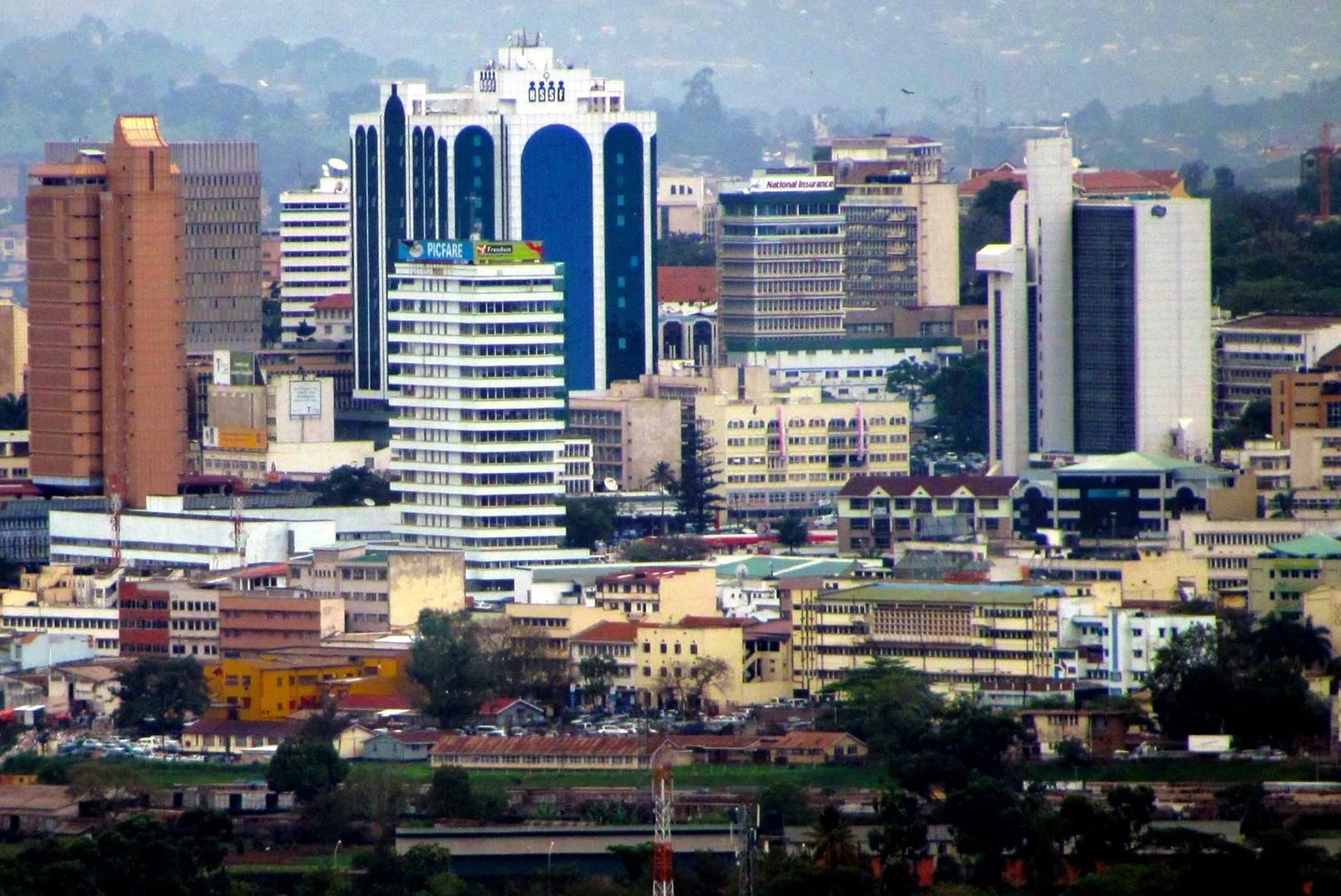
Experience the vibrant energy of Kampala, the "City of Seven Hills," through an immersive urban tour. Start at the Uganda National Museum to explore the nation's tribal heritage before heading to the historic Kasubi Tombs, a UNESCO World Heritage site.
Marvel at the Uganda National Mosque (Gaddafi Mosque) for panoramic city views and visit the Baháʼí Temple, the only one of its kind in Africa. Dive into the "organized chaos" of Owino Market to shop for local crafts and taste a "Rolex"—Uganda’s famous street food. Conclude your journey by experiencing the rich music and dance at Ndere Cultural Centre.
1-day-kampala-city-tour-excursion-full-day-tour
How is a Kampala city tour different from a Kigali city tour?
A Kampala city tour provides a glimpse into a vibrant metropolis characterized by its numerous hills and deep-rooted cultural heritage, particularly linked to the Buganda Kingdom. The vibe of Kampala is bustling and lively, with a rich blend of urban energy and historical significance. Visitors will encounter a lively atmosphere filled with street vendors, busy markets, and rich cultural interactions.
In contrast, a Kigali city tour highlights one of Africa’s safest and cleanest cities, known for its remarkable transformation following the 1994 genocide. Kigali’s organized layout, modern infrastructure, and emphasis on cleanliness create a different touring experience where visitors can explore key historical sites like the Kigali Genocide Memorial in a serene environment.
The tours cater to different interests; Kampala's focus is on cultural heritage through sites like the Kasubi Royal Tombs and vibrant neighborhoods, showcasing its royal past. Kigali, on the other hand, centers on resilience and modern development, reflected in art centers like Inema and community initiatives.
Both cities offer unique perspectives on East African culture, though their distinct histories shape the narratives and experiences provided during the tours. While Kampala buzzes with the energy of its people and markets, Kigali invites visitors to appreciate its orderly streets and the hopeful spirit of its residents. These differences make each city unique, presenting distinct stories and landscapes that enrich the travel experience in East Africa.
What key historical sites will I visit on a Kampala city tour, similar to the Kigali Genocide Memorial?
A Kampala city tour introduces visitors to several significant historical and cultural sites that mirror the depth of history found in Kigali, particularly with the Kigali Genocide Memorial. One of the foremost sites is the Kasubi Royal Tombs, a UNESCO World Heritage site, which serve as the burial place of the kings of Buganda. This site is vital for understanding the rich history and traditions of the Buganda Kingdom, with its traditional architectural style that reflects the cultural heritage of the area.
Another landmark is the Kabaka's Palace, which offers insights into the current monarchic system and the political significance of the Buganda Kingdom within Uganda. This site allows visitors to comprehend the role of traditional leadership in contemporary Ugandan society.
The Uganda Museum is also essential for history lovers, showcasing the nation's archaeological and ethnographical heritage. Exhibits include traditional musical instruments, artifacts, and crafts that reveal the origin and evolution of Ugandan cultures.
Religious landmarks such as the Namirembe Cathedral and the Bahá'í Temple add depth to the cultural experience, presenting the various faiths practiced in Uganda. These sites frame the historical context that contrasts the narrative found in Kigali related to its recent past.
While the memorial in Kigali serves to educate on the tragic genocide, Kampala’s sites provide a broader cultural narrative, allowing visitors to connect with the rich tapestry of Uganda’s history. Ultimately, each city offers meaningful historical explorations that contribute to an understanding of East African heritage.
Is the transport system for a Kampala city tour as organized as for a Kigali city tour?
The transport system in Kampala is quite different from that of Kigali. Kampala's system tends to be more chaotic and bustling, reflecting the city's vibrant energy. Public transportation options include matatus (shared minibuses), boda-bodas (motorcycle taxis), and the availability of private vehicles for tours. While these transportation methods can be convenient, the atmosphere can be hectic, especially during peak hours, making navigation a challenge for those unfamiliar with the city.
In contrast, Kigali is known for its highly organized transport system. The city features clearly marked pathways, well-maintained roads, and a well-defined public transportation network, allowing for a smoother experience when moving between attractions. Tourists often find Kigali’s layout easy to navigate, which adds to the overall enjoyment of their city experience.
Tour packages in both cities may include private vehicles for comfort and ease, especially for tourists who prefer to avoid the bustling public transport systems. However, in Kampala, visitors may choose to experience the local flavor by opting for boda-boda rides, which can be exhilarating yet require careful navigation and safety precautions.
Overall, while both cities offer various transport options for city tours, Kigali’s organized infrastructure tends to provide a more relaxed and efficient exploration experience. In comparison, Kampala's transport reflects its dynamic urban life, offering a different kind of adventure for travelers willing to immerse themselves in the local scene.
How safe is a Kampala city tour compared to a Kigali city tour?
When considering safety for a Kampala city tour versus a Kigali city tour, it is essential to recognize the differing perceptions and realities of both cities. Kigali is often touted as one of Africa's safest urban environments, with a low crime rate, clean streets, and a visible police presence. Visitors can generally feel secure walking in popular areas and are frequently greeted by friendly locals. The emphasis on cleanliness and orderliness further enhances the perception of safety, making Kigali a comfortable choice for tourists.
In contrast, Kampala is generally safe for tourists, but standard travel precautions should be advised. While most areas are safe to explore during the day, petty crime can occur, particularly in crowded markets or when navigating public transport. Visitors are recommended to use licensed tour guides, especially in unfamiliar neighborhoods, to navigate the city safely and enjoyably.
Moreover, transport within Kampala can be chaotic, which warrants an additional layer of caution. At night, it's best to avoid walking alone and to rely on private transportation or guided tours to ensure safety.
In summary, while both cities offer enjoyable experiences for tourists, Kigali is recognized for its outstanding safety record and organization. Kampala, though generally safe, requires travelers to exercise more caution and awareness. With the right precautions, both cities can provide enriching and memorable experiences.
What kind of local markets can I explore during a Kampala city tour, similar to Kimironko Market on a Kigali city tour?
During a Kampala city tour, visitors can explore vibrant local markets that offer a dynamic experience similar to Kimironko Market in Kigali. One of the most prominent markets is Owino Market, also known as St. Balikuddembe Market. It is one of the largest markets in East Africa, featuring an extensive array of goods. From fresh produce to clothing, jewelry, and handicrafts, Owino Market provides a rich tapestry of local commerce. Walking through the stalls, you can immerse yourself in the atmosphere, engaging with vendors and sampling local food.
Nakasero Market is another vibrant marketplace worth visiting. Known for its fresh fruits and vegetables, Nakasero also sells spices, herbs, and other local products. This market stands out for its cleanliness and organization, making it a pleasant place to navigate. With a range of locally sourced goods, it offers visitors a taste of Ugandan culinary delights.
These markets provide opportunities for cultural exchange, where visitors can engage with locals, learn about traditional crafts, and even participate in bargaining for souvenirs. This interaction adds value to the experience, allowing tourists to connect with the cultural fabric of Uganda.
In summary, Kampala offers markets like Owino and Nakasero that rival Kigali’s Kimironko Market in vibrancy and local flavor. Both cities highlight the significance of market culture, showcasing the uniqueness of their respective communities through bustling commerce and rich interactions.
Can I do a walking Kampala city tour, or is it better to use a vehicle like in a Kigali city tour?
Yes, you can definitely do a walking Kampala city tour, and this option is available alongside vehicle tours. The choice between walking and using a vehicle depends on your personal interests and the specific sites you wish to explore.
Walking tours in Kampala offer a wonderful opportunity for a closer connection with the local culture, enabling you to navigate the streets, neighborhoods, and markets at a more leisurely pace. This method also allows you to discover hidden gems, such as small shops, cafés, or art installations, that you might miss when traveling by vehicle. Moreover, walking tours can foster richer interactions with locals, giving you insights into daily life in Kampala.
On the other hand, utilizing a vehicle—whether it be a private car or a boda-boda—can help cover more ground, especially when visiting sites that are spread out across the city. A vehicle allows you to reach important cultural landmarks and avoid the challenging traffic conditions that can sometimes impede walking tours.
Just like in Kigali, where both walking and vehicle tours are options, Kampala offers flexible touring experiences. The combination of both modes can enrich your journey, combining the intimacy of walking with the convenience of vehicular travel. Ultimately, the best choice may involve a blend of both, tailoring your Kampala city tour to suit your interests and schedule.
What is the best time of year for a Kampala city tour, in comparison to a Kigali city tour?
Both Kampala and Kigali enjoy a relatively moderate climate year-round, making them suitable for city tours at various times. However, there are nuances in their weather patterns that travelers should consider when planning a visit.
In Kampala, the climate can be unpredictable, with two primary rainy seasons: one from March to May and another from October to November. During these months, rain showers can be frequent, ranging from light drizzles to heavy downpours, which may disrupt outdoor activities. To enjoy a more pleasant touring experience, it is advisable to plan your visit during the dry seasons, typically from December to February and June to August. These periods offer more stable weather, making it easier to explore the city without interruptions from rain.
Kigali, while also experiencing rainy seasons, tends to have a more consistent climate. The best touring months are similarly during the dry seasons, when clear skies and pleasant temperatures prevail. Travelers are advised to pack light layers for both cities, but it’s crucial to have a rain jacket handy when visiting Kampala due to its unpredictable weather.
In summary, while both cities can be explored year-round, the ideal times for Kampala and Kigali tours often align during their dry seasons from December to February and June to August. Packing strategies should consider each city's rainfall potential to ensure a comfortable and enjoyable experience.
Will my Kampala city tour include a local meal as many Kigali city tours do?
Yes, many organized Kampala city tours typically include a local meal, similar to the inclusion of traditional cuisine in Kigali tours. Enjoying local dishes is an essential part of experiencing the culture, and reputable tour operators often incorporate meal stops at popular restaurants that specialize in Ugandan cuisine.
During your Kampala city tour, you may have the opportunity to savor dishes such as matoke (steamed plantains), posho (maize porridge), and various grilled meats like kabab. Meals are often accompanied by local vegetables and sauces, providing a wholesome representation of Ugandan culinary traditions.
Tour operators may take you to renowned dining establishments, where you can try popular dishes in a vibrant atmosphere infused with local culture. Additionally, some tours may offer a cooking class experience, allowing you to learn how to prepare local delicacies, thereby deepening your appreciation for Ugandan cuisine.
While many tours include meals, confirming meal inclusions when booking is always a good idea to ensure a satisfying culinary experience. This culinary engagement adds another dimension to your city tour, allowing you not only to explore the sights but also to partake in the flavors that define Ugandan culture.
In summary, organized Kampala city tours generally include a local meal, offering visitors the chance to enjoy delicious Ugandan cuisine at diverse dining establishments, enhancing the overall cultural experience.
Are the arts and culture scenes as prominent on a Kampala city tour as they are on a Kigali city tour?
Yes, the arts and culture scenes in Kampala are vibrant and prominent, providing visitors with enriching experiences comparable to what they might find in Kigali. Both cities take pride in showcasing their cultural heritage, and visitors can immerse themselves in various artistic expressions during their tours.
In Kampala, the Ndere Centre is a key cultural hub, specializing in performances that celebrate Ugandan music, dance, and folklore. This venue offers live shows that encapsulate the diversity of Uganda’s cultural traditions, featuring dances, storytelling, and vibrant costumes. Attending a performance at the Ndere Centre provides a captivating glimpse into the rich tapestry of Ugandan culture.
In addition to traditional performances, Kampala boasts numerous art galleries and studios, where local artists display their work. The Uganda National Museum is also a significant stop, providing insights into the country’s cultural history, including artifacts, crafts, and historical displays.
Similarly, Kigali is home to prominent art venues like Inema Arts Centre and Niyo Arts, which highlight contemporary African art and engage with local artists. These spaces foster creativity and social change through art, offering workshops and exhibitions that allow visitors to connect deeply with Rwandan culture.
Overall, both cities present a vibrant arts and culture scene that reflects their unique identities and histories. While there are differences in specific venues and experiences, the artistic expressions found in Kampala and Kigali offer visitors a rich cultural exploration, making each city a worthwhile destination for art enthusiasts.
What should I pack for a Kampala city tour? Is it the same as for a Kigali city tour?
When planning for a Kampala city tour, packing requirements are quite similar to those for a Kigali city tour, though there are some specific considerations to keep in mind.
It is advisable to pack lightweight clothing suitable for warm temperatures, as both cities generally enjoy a moderate climate. Comfortable walking shoes are essential, especially if you plan on exploring markets, historical sites, and neighborhoods. Given that Kampala can experience unpredictable rain, carrying a light rain jacket is crucial, particularly if you visit during the rainy seasons.
Sun protection is vital in both cities due to strong UV exposure, so be sure to pack a hat and sunscreen. A camera for capturing memorable moments is a must, as both cities offer picturesque landscapes and vibrant street scenes.
In terms of cultural considerations, modest clothing is recommended when visiting religious sites or more traditional neighborhoods in both cities. This means dressing appropriately by covering shoulders and knees to show respect for local customs.
How Long Does a Typical Kampala City Tour Last?
A typical Kampala city tour can last anywhere from half a day to a full day, depending on your interests and the specific itinerary you choose. For travelers with limited time, many operators offer half-day options that usually cover the city's key attractions in about four to five hours. These shorter tours often include visits to significant sites such as the Uganda Museum, the National Mosque, and local markets, allowing participants to gain a quick yet comprehensive glimpse into the vibrant culture and history of Kampala.
Full-day tours, on the other hand, can stretch from 8 to 10 hours and often include more in-depth experiences, such as visits to the Kasubi Tombs, the Kabaka's Palace, and various craft villages. This extended timeframe allows tourists to explore the city at a more leisurely pace, engage with locals, and perhaps enjoy a traditional Ugandan meal at a local restaurant. Similar to Kigali city tours, the flexibility in duration means that travelers can choose a tour that fits their schedule and interests.
Whether you opt for a half-day or full-day tour, guided tours typically provide knowledgeable guides who enhance your experience with insightful commentary and anecdotes about the city’s rich history, social dynamics, and cultural heritage. Overall, the duration of your Kampala city tour can be customized to fit your itinerary, ensuring that you get the most out of your exploration of Uganda's capital.
Can I Combine a Kampala City Tour with Other Safaris?
Yes, combining a Kampala city tour with other safaris is a popular option for travelers looking to maximize their experience in Uganda. Many tourists choose to embark on a Kampala city tour as a short excursion before or after venturing to national parks such as Bwindi Impenetrable Forest or Murchison Falls. This flexibility is similar to how travelers may combine a Kigali city tour with gorilla trekking adventures in Volcanoes National Park.
By scheduling a city tour, you not only gain insights into the cultural and historical aspects of Kampala but also set the stage for your upcoming safari experiences. Many tour operators can help coordinate your itinerary to ensure a seamless transition from city exploration to wildlife adventures. They can arrange transportation, guide services, and accommodations, allowing you to focus on your trip without worrying about logistics.
Visitors who participate in a Kampala city tour often find that it enriches their understanding of Uganda as a whole, complementing the natural beauty and wildlife encounters experienced in national parks. This combination offers a well-rounded visit, allowing tourists to dive into Uganda's diverse landscapes and cultures. Overall, integrating a city tour with safari plans enhances the overall travel experience, providing a complete narrative of both urban and rural life in Uganda.
Do Tour Guides on a Kampala City Tour Speak English?
Yes, English-speaking guides are standard for tours in both Kampala and Kigali, which is a significant advantage for international travelers. In Uganda, English is one of the official languages and is widely spoken, especially in urban areas like Kampala. Most tour operators ensure that their guides are fluent in English, providing clear communication and valuable insights throughout the tour.
Having an English-speaking guide allows tourists to fully engage with the experiences, ask questions, and understand the historical and cultural contexts of the locations visited. These guides are usually well-trained and knowledgeable about the city’s history, local customs, and significant landmarks, which enhances the overall experience.
Additionally, many guides are skilled at adapting their storytelling to suit different audiences, whether you’re a solo traveler, part of a family, or in a larger group. This adaptability ensures that everyone can appreciate and learn from the shared experiences.
Moreover, in some cases, tour operators may also offer guides fluent in other languages, catering to a broader range of international visitors. Overall, the presence of English-speaking guides on Kampala city tours not only enriches your understanding but also enables a more personal connection to the culture and history of Uganda.
What Are the Main Viewpoints on a Kampala City Tour?
Kampala, often referred to as a city of seven hills, boasts various breathtaking viewpoints that offer panoramic vistas of both the urban skyline and the surrounding landscapes. One of the top spots is the Gaddafi Mosque, where visitors can ascend to the minaret for stunning views that stretch across the city. This mosque, with its beautiful architecture, not only provides spiritual significance for many Ugandans but also serves as an exceptional lookout point.
Another remarkable area is Kololo Hill, an upscale neighborhood known for its rich history and beautiful residential buildings. Visitors can enjoy expansive views of Kampala and beyond from various vantage points in Kololo, making it a perfect spot for photos. Naguru is another high-altitude area where one can find restaurants and cafes offering delightful views, creating an enjoyable atmosphere while dining.
These viewpoints serve as excellent spots to appreciate the city's natural beauty and the diverse architecture that blends traditional and modern elements. Tour operators often include these locations in their itineraries, allowing travelers to experience both the visually stunning aspects and the cultural narratives tied to them.
The experience of standing on these hills and absorbing the sights underscores Kampala's charm as a vibrant urban center set against a backdrop of lush hills. Overall, these viewpoints are an integral part of exploring Kampala, providing stunning backdrops for memories created during your city tour.
Is It Common to Visit Religious Sites on a Kampala City Tour?
Yes, it is quite common for Kampala city tours to include visits to significant religious sites, similar to the historical churches and mosques featured in Kigali city tours. Kampala is home to a rich tapestry of religious landmarks, including the Bahá'í Temple, Namirembe Cathedral, and Rubaga Cathedral, each offering unique insights into the spiritual landscape of Uganda.
The Bahá'í Temple, known for its stunning architecture and serene gardens, is a widely respected site that welcomes visitors of all faiths. Tour guides often provide context about the Bahá'í faith and its emphasis on unity and peace, enriching the visit with historical significance.
Namirembe Cathedral and Rubaga Cathedral are two of the oldest and most iconic churches in the city, showcasing beautiful designs and offering panoramic views of Kampala from their elevated positions. Visitors can learn about the historical relevance of these buildings and their roles in the community over the years.
Including religious sites in city tours not only highlights the spiritual diversity of Kampala but also fosters a greater understanding of the cultural dynamics within Ugandan society. Guides typically share stories and anecdotes that add depth to the experience, making these visits both informative and reflective.
Overall, visiting religious sites on a Kampala city tour enhances the cultural experience, allowing travelers to appreciate the religious heritage of the city while connecting with its history and community.
How Much Does a Guided Kampala City Tour Cost in Comparison to a Kigali City Tour?
The cost of guided Kampala city tours can vary, but as a general estimate, you can find options for around UGX 150,000 (approximately USD 40) per person. This pricing typically includes a local guide and often covers visits to several major attractions. In contrast, guided Kigali city tours generally range from $40 to $60 for group tours and can go up to $120 to $180 for private, full-day car tours.
The price difference reflects various factors, including the types of activities included, the level of personalization in the tours, and the overall demand for tourism services in each city. While both cities offer enriching experiences, the costs generally align with each destination's unique offerings and the infrastructure available for tourists.
It’s worth noting that many tour operators in both cities offer varying packages that may include additional features, such as meals, transport, or entrance fees, potentially affecting the overall cost. It’s always a good idea to check what is included in the price to ensure that you’re receiving good value for your investment.
Ultimately, regardless of the cost difference, both Kampala and Kigali city tours provide valuable insights into their respective cultures and histories, making either option worth considering for travelers exploring East Africa.
Can I Visit Community Projects During a Kampala City Tour Like the Nyamirambo Women's Center on a Kigali City Tour?
Yes, many tours in Kampala include visits to community projects and initiatives, similar to the Nyamirambo Women's Center in Kigali. These visits offer an opportunity to engage directly with local artisans and community members while learning about the initiatives aimed at improving livelihoods and promoting sustainable practices.
For example, some tours might take you to craft villages or workshops where local artisans produce traditional crafts such as baskets, beadwork, and textiles. These interactions provide insights into the skills and creativity of the artisans, allowing visitors to appreciate the cultural significance of their work.
Beyond artisan projects, other community-focused tours may involve visits to social enterprises that support women, youth, or marginalized communities. These experiences not only foster meaningful engagement but also encourage travelers to contribute positively to the local economy through purchases or donations.
Participating in community projects during a city tour enhances your experience by bridging gaps between tourists and locals, fostering cultural exchange, and highlighting the challenges and triumphs faced by these communities. Overall, this aspect of the Kampala city tour enriches the journey, making it a meaningful exploration of not just the sights, but also the people and their stories behind the city.
What Kind of History Will I Learn on a Kampala City Tour Besides Its Colonial Past?
On a Kampala city tour, you will learn about a rich tapestry of history that extends beyond its colonial past. One significant aspect is the cultural heritage of the Buganda Kingdom, which has played a crucial role in shaping the identity of the area. Key sites like the Kasubi Tombs, a UNESCO World Heritage site, provide an opportunity to learn about the burial practices and traditions of the Baganda people, including insights into their leadership and lineage.
Additionally, the Kabaka's Palace serves as a crucial point in understanding the historical significance of the Buganda monarchy and its ongoing influence in contemporary Uganda. Tour guides often provide narrations that illuminate the royal history and the social structures that characterized pre-colonial Uganda.
You may also explore the development of Kampala through various pivotal events and periods, such as the rise of independence movements and the subsequent struggles the country underwent post-independence. These narratives often touch on the resilience of the Ugandan people and their cultural revival.
Furthermore, local museums offer exhibitions that delve into Uganda’s history, covering aspects like pre-colonial societies, independence struggles, and cultural practices. This broad spectrum of historical context not only enhances your understanding of Kampala but also enriches your appreciation of modern Ugandan society. Overall, the historical insights gained during a Kampala city tour provide a holistic understanding of the factors that have shaped this vibrant and dynamic city.
How Far Is the Drive from Kampala to Kigali If I Wanted to Combine Both Cities into One Trip?
The driving distance between Kampala and Kigali is approximately 500 kilometers, a journey that typically takes about 6 to 8 hours by car or bus, depending on traffic and road conditions. This distance makes it feasible for travelers looking to combine both cities into one trip, as they can enjoy the unique offerings of each location within a reasonable timeframe.
The route between Kampala and Kigali takes you through the picturesque landscapes of Uganda, with opportunities to observe rural life, rolling hills, and various towns along the way. Many travelers enjoy this scenic journey, as it provides a deeper context of the regions they are traversing.
Several transportation options are available for this journey, including private car hire, shuttle services, or public buses. Private vehicles offer flexibility in departure times and stops, while buses provide a more economical travel option. However, it's essential to check schedules and book in advance, particularly during peak tourist seasons.
Combining a trip to Kampala and Kigali allows for an enriched experience in East Africa, enabling visitors to gain insights into the cultural and historical narratives of two vibrant cities. Overall, the manageable distance makes this combination an attractive option for travelers eager to explore the diverse landscapes and experiences that Uganda and Rwanda have to offer.
Is a Kampala City Tour a Good Option for Families?
Yes, a Kampala city tour can be an excellent option for families. Many guided tours are adaptable, catering to various age groups and interests, making it possible to structure the tour in a way that is engaging for children. Many attractions visited during these tours are family-friendly, offering interactive and educational experiences.
Children are usually most interested in vibrant markets, craft villages, and places with engaging visuals, such as the Uganda Museum, which has artifacts and displays that capture the imagination. Museums often have areas designed for younger visitors, making them more accessible and fun.
Additionally, urban parks and green spaces provide opportunities for relaxation and recreation during the tour, allowing families to enjoy the outdoors. Some guides can tailor the experiences to ensure that they are age-appropriate, keeping activities lively and interactive to maintain children’s engagement.
Furthermore, many tour operators understand family dynamics and typically offer packages that include meals and options suitable for younger diners. Safety is also a priority, with guides ensuring that children are well looked after during visits to busy markets or historical sites.
Booking Kampala city tour with us Roads of Adventure safaris
To book a Kampala city tour with Roads of Adventure Safaris, the process begins by initiating contact through their official channels. You can reach them via email at info@roadsofadventuresafaris.com or by phone/WhatsApp at +256 701 041637 or +256 773 796644. In your inquiry, provide details such as the number of travelers, preferred dates, and specific interests to receive a tailored itinerary and price quote. The team specializes in custom itineraries and handles logistics, including ground transport in a 4x4 vehicle. Early booking is recommended to secure availability for specific dates, as popular activities and accommodations book up quickly.
